The core facts of this claim are partially accurate but require significant context clarification [1].
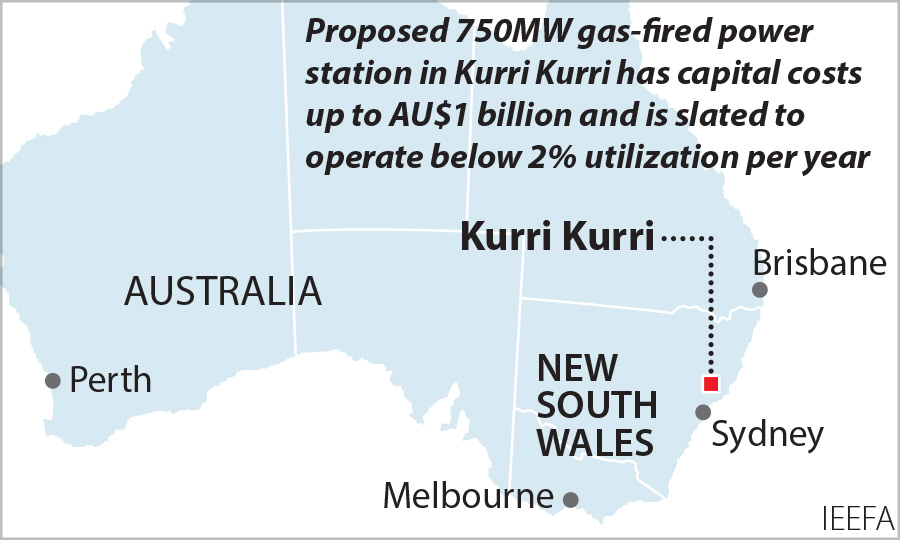
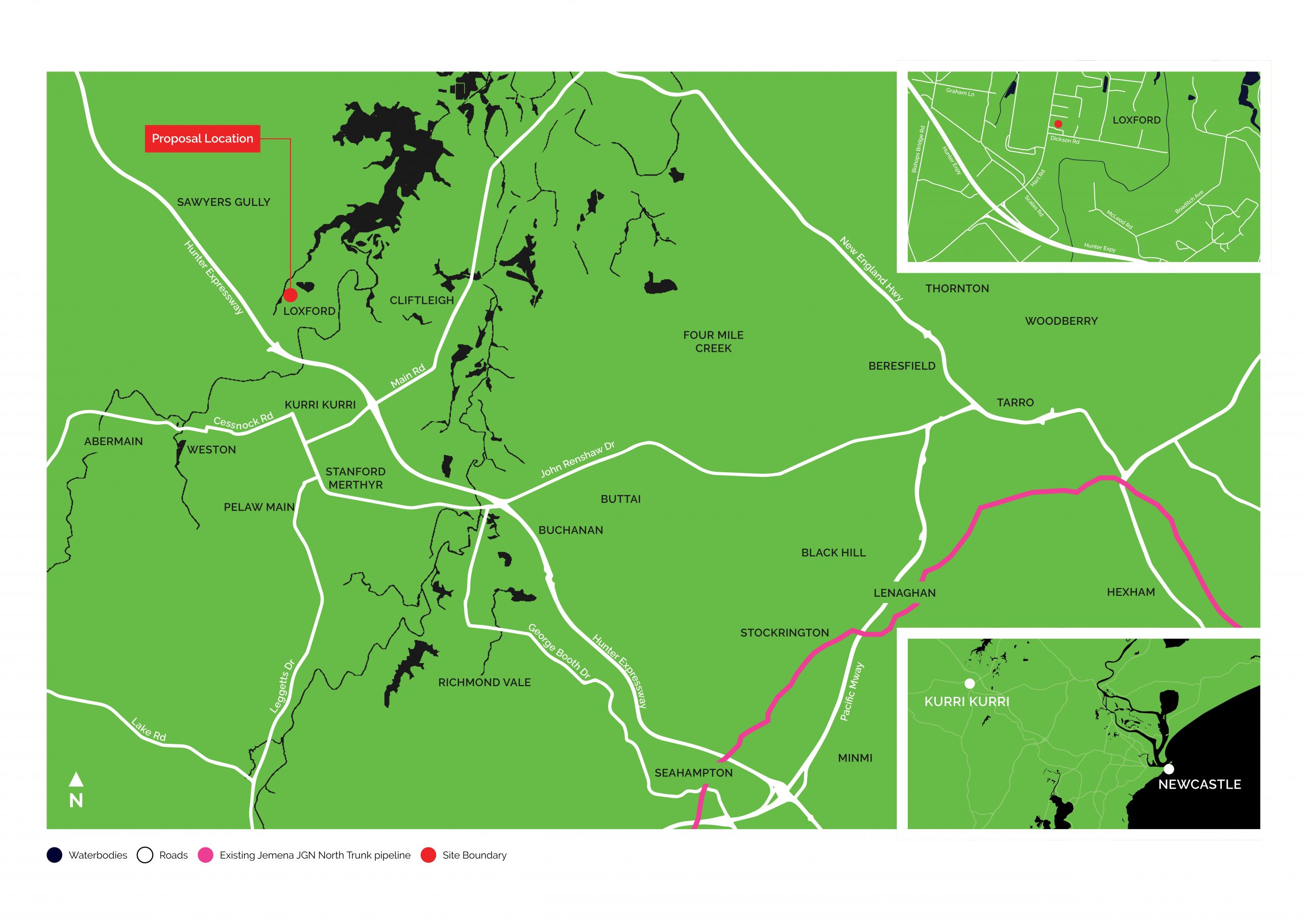
**The $600 million figure is accurate:** The Australian federal government did provide up to $600 million in funding to Snowy Hydro Limited to construct a 660 megawatt (MW) open-cycle gas turbine (OCGT) power plant at Kurri Kurri in the NSW Hunter Valley [1].
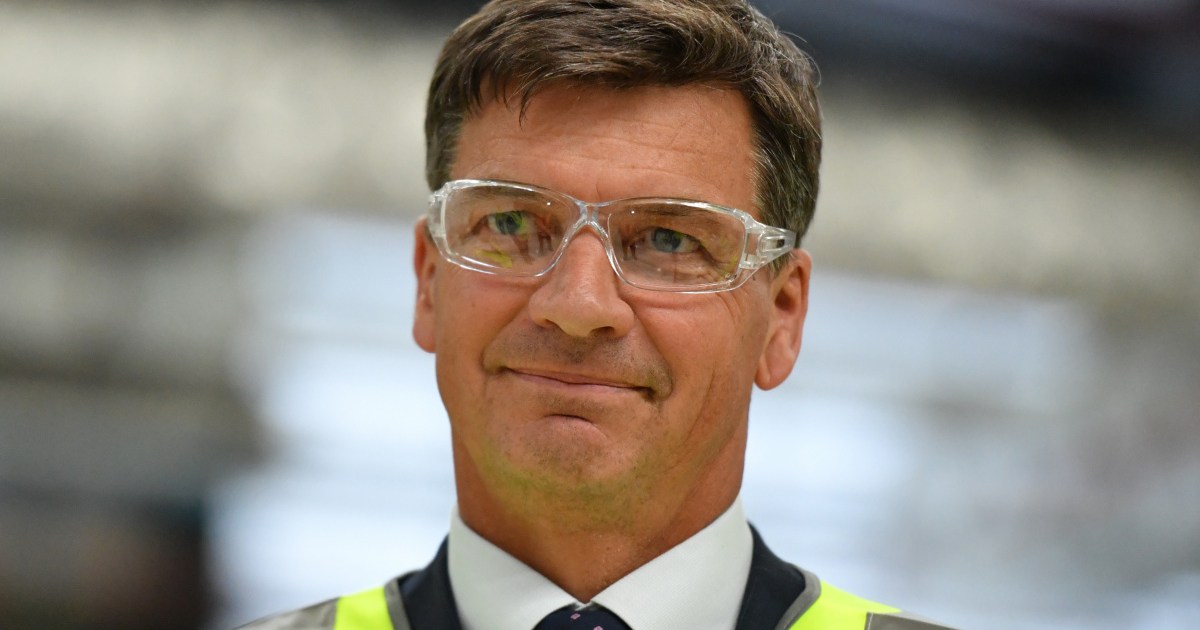
Energy Minister Angus Taylor announced the project in May 2021 [1].
**The project did occur after private sector inaction:** In September 2020, the federal government issued an ultimatum: the private sector had until April 2021 to reach a "final investment decision" on at least 1,000 MW of new generation capacity to replace the closing Liddell coal-fired power station [2].
This directly supports the claim that the government proceeded after private sector inaction.
**However, the characterization "decided it made no commercial sense" requires important context:** The Snowy Hydro business case (released October 2021) projected an asset Internal Rate of Return (IRR) of 12.3% in the base case, with downside sensitivities returning IRRs between 8.4-11.8% [4].
The issue was not that the project made "no commercial sense" but rather that private energy companies did not see building this plant as their priority or responsibility.
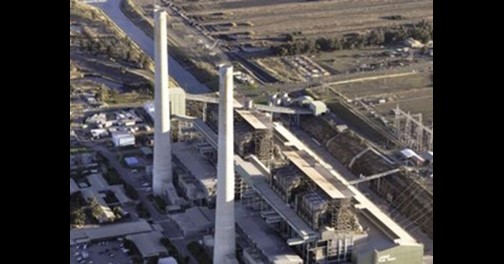
Legitimate generation gap concern:** Liddell was a 2,000 MW coal-fired power station closing in April 2023, creating a genuine capacity withdrawal from the National Electricity Market [5].
Private sector disagreement with government premise:** While the government insisted 1,000+ MW of new dispatchable capacity was needed, the Australian Energy Market Operator (AEMO) and Energy Security Board both concluded that no additional new capacity was required to reliably replace Liddell [6].
Timing and market conditions:** Private energy companies may have been unwilling to commit to gas plant development in 2021 due to:
- Uncertainty about Australia's long-term energy policy direction [7]
- Declining economics for gas as renewable energy costs fell [7]
- Regulatory uncertainty around coal and gas investment
- Risk that the plant would become stranded as the grid decarbonizes [7]
**4.
Alternative capacity being developed:** EnergyAustralia was simultaneously developing the Tallawarra B gas plant (320 MW), which was completed in 2024 [8].
The article presents the government's claims without substantial questioning.
**The New Daily's framing:** The article's headline focuses on "green light" and "600 million" without questioning whether the project was necessary—a framing typical of the outlet's pro-Labor, critical-of-Coalition stance [1].
**Did Labor do something similar?**
Search conducted: "Labor government power infrastructure investment coal closure support renewable energy"
**Finding:** Labor governments have a mixed record on similar infrastructure challenges:
**Rudd-Gillard Labor (2007-2010):** The Rudd government increased the Renewable Energy Target and invested in renewable energy policy, but did NOT invest in large-scale thermal generation replacement during coal plant closures [10].
* * * *
When Hazelwood coal plant closed in 2017 (after Labor left office), Labor did not propose government-built replacement generation.
**However, Labor's approach was also about market failure:** Rudd-Gillard governments implemented the Renewable Energy Target as a market mechanism, believing the private sector would respond.
When they did not respond adequately to climate policy (carbon price, RET), neither government resorted to direct government investment in thermal generation [10].
**Key difference:** The Rudd-Gillard approach was to set policy frameworks (carbon price, RET) and let the market respond.
Both governments faced private sector reluctance to make generation investments; they just used different tools.
**Similar precedent in Albanese Labor:** When Labor returned to power in 2022, they maintained the Kurri Kurri project (by then partly constructed) rather than canceling it—suggesting they also found utility in government intervention for grid security [11].
**The government's case for the project:**
The Coalition argued that Liddell's closure created a generation and security gap that required intervention [1].
Government investment was necessary to maintain reliability and prices [1]
**The critics' case:**
Energy economists and the IEEFA estimated the project would cost over A$1 billion (not $600 million) when fully delivered, and that AEMO had determined no additional capacity was actually needed [6].
The private sector's reluctance reflected rational commercial assessment, not market failure [6]
**Expert assessment:**
The Australian Energy Market Operator's official position carried weight here—AEMO concluded no new capacity was needed, which private energy companies likely used to justify their reluctance [6].
However, AEMO was analyzing technical feasibility; the Coalition was making policy choices about the type of generation preferred (fast-start gas vs. batteries).
**Comparative context:**
This was NOT unique to the Coalition.
The claim that the government "spent $600 million building a new gas power plant after the private sector decided it made no commercial sense" is factually correct in structure but misleading in implications.
**What's true:**
- $600 million was provided to build the plant [1]
- The private sector did not commit capacity by the April 2021 deadline [3]
**What's misleading:**
- "Made no commercial sense" is not supported—the business case projected 12.3% IRR [4]
- The issue was not economic unviability but private sector prioritization and policy disagreement [6]
- AEMO and energy experts believed the capacity was unnecessary, not that it was economically impossible [6]
- Private sector WAS building some replacement capacity (Tallawarra B), just not at government-mandated scale [8]
**The deeper truth:** The government made a policy choice to intervene with direct infrastructure investment after the private sector failed to meet government capacity targets.
The claim that the government "spent $600 million building a new gas power plant after the private sector decided it made no commercial sense" is factually correct in structure but misleading in implications.
**What's true:**
- $600 million was provided to build the plant [1]
- The private sector did not commit capacity by the April 2021 deadline [3]
**What's misleading:**
- "Made no commercial sense" is not supported—the business case projected 12.3% IRR [4]
- The issue was not economic unviability but private sector prioritization and policy disagreement [6]
- AEMO and energy experts believed the capacity was unnecessary, not that it was economically impossible [6]
- Private sector WAS building some replacement capacity (Tallawarra B), just not at government-mandated scale [8]
**The deeper truth:** The government made a policy choice to intervene with direct infrastructure investment after the private sector failed to meet government capacity targets.