Parzialmente Vero

Valutazione: 6.0/10

Coalition
C1001

L'Affermazione

“Ha imposto che tutti i funzionari pubblici si riferissero agli arrivi via mare come "illegali", in modo errato.”
Fonte Originale: Matthew Davis

Fonti Originali

VERIFICA DEI FATTI

L'affermazione è **VERA** nella sua sostanza.
The claim is **TRUE** in its core assertion.
Il Ministro dell'Immigrazione Scott Morrison ha effettivamente emanato una direttiva nell'ottobre 2013 che istruiva il personale del Dipartimento dell'Immigrazione e della Protezione delle Frontiere e i contraenti a riferirsi ai richiedenti asilo arrivati via mare come "arrivi marittimi illegali" piuttosto che con la terminologia precedente [1].
Immigration Minister Scott Morrison did issue a directive in October 2013 instructing Department of Immigration and Border Protection staff and contractors to refer to asylum seekers arriving by boat as "illegal maritime arrivals" rather than the previous terminology [1].
Secondo The Guardian, Morrison ha diretto che gli arrivi via mare dovevano essere chiamati "arrivi marittimi illegali" e i richiedenti asilo in detenzione dovevano essere chiamati "detenuti" invece di "clienti" [2].
According to The Guardian, Morrison directed that boat arrivals must be called "illegal maritime arrivals," and asylum seekers in detention must be called "detainees" instead of "clients" [2].
Questa direttiva si applicava ai funzionari pubblici e al personale dei centri di detenzione.
This directive applied to public servants and detention centre staff.
Morrison ha difeso il cambio di terminologia, affermando di "chiamare le cose con il loro nome" e che "Non mi scuserò per non usare un linguaggio politicamente corretto per descrivere qualcosa che sto cercando di fermare" [2].
Morrison defended the terminology change, stating he was simply "calling a spade a spade" and that "I'm not going to make any apologies for not using politically correct language to describe something that I am trying to stop" [2].
Ha inoltre chiarito che il termine si riferiva alla modalità di ingresso, non all'atto di chiedere asilo: "Le persone che sono entrate in Australia illegalmente via mare sono entrate illegalmente via mare...
He further clarified that the term referred to the mode of entry, not the act of seeking asylum: "People who have entered Australia illegally by boat have illegally entered by boat...
Non ho mai detto che è illegale chiedere asilo.
I've never said that it is illegal to claim asylum.
Non è a cosa si riferisce il termine.
That's not what the term refers to.
Si riferisce alla loro modalità di ingresso" [2].
It refers to their mode of entry" [2].
Il Sydney Morning Herald ha riferito che 138 agenzie non governative, organizzazioni religiose e gruppi comunitari hanno firmato una lettera congiunta al Primo Ministro Tony Abbott esortando il governo a smettere di usare il termine "illegale" per descrivere i richiedenti asilo [1].
The Sydney Morning Herald reported that 138 non-government agencies, faith-based organisations, and community groups signed a joint letter to Prime Minister Tony Abbott urging the government to stop using the term "illegal" to describe asylum seekers [1].

Contesto Mancante

L'affermazione omette diversi elementi contestuali importanti: 1. **La terminologia precedente del Partito Laburista**: Il precedente governo Laburista (Rudd/Gillard) aveva usato il termine "arrivi marittimi irregolari" (IMA) per descrivere lo stesso gruppo di persone [3][4].
The claim omits several important contextual elements: 1. **Labor's previous terminology**: The previous Labor government (Rudd/Gillard) had used the term "irregular maritime arrivals" (IMAs) to describe the same group of people [3][4].
L'ANU Reporter ha notato: "Alla fine del 2013, poco dopo che la Coalizione aveva vinto le elezioni, il Ministro dell'Immigrazione federale Scott Morrison ha cambiato la politica di chiamare le persone arrivate in Australia via mare da Arrivi Marittimi Irregolari - la terminologia preferita dal governo Laburista - ad Arrivi Marittimi Illegali" [3]. 2. **La distinzione legale**: Il termine "illegale" è stato applicato al metodo di ingresso (arrivare senza visto), non all'atto di chiedere asilo in sé.
The ANU Reporter noted: "In late 2013, not long after the Coalition won power, Federal Immigration Minister Scott Morrison changed the policy of calling people who arrived in Australia by boat from Irregular Maritime Arrivals - the preferred terminology of the Labor government - to Illegal Maritime Arrivals" [3]. 2. **The legal distinction**: The term "illegal" was applied to the method of entry (arriving without a visa), not to the act of seeking asylum itself.
Secondo il diritto internazionale e la Convenzione sui Rifugiati, non è illegale chiedere asilo [5].
Under international law and the Refugee Convention, it is not illegal to seek asylum [5].
L'ONU e le agenzie internazionali distinguono costantemente tra "migrazione irregolare" (entrare senza documenti adeguati) e "migrazione illegale", sottolineando che chiedere asilo è un diritto fondamentale indipendentemente da come si entra in un paese [5][6]. 3. **La difesa della "modalità di ingresso"**: Morrison ha dichiarato esplicitamente di non sostenere che chiedere asilo fosse illegale, ma piuttosto che arrivare senza autorizzazione fosse un metodo di ingresso illegale [2].
The UN and international agencies consistently distinguish between "irregular migration" (entering without proper documentation) and "illegal migration," emphasizing that seeking asylum is a fundamental right regardless of how one enters a country [5][6]. 3. **The "mode of entry" defense**: Morrison explicitly stated he was not claiming that seeking asylum was illegal, but rather that arriving without authorization was an illegal entry method [2].
Questa distinzione è significativa nel diritto internazionale, sebbene i critici sostengano che la terminologia confonda le due cose nella percezione pubblica. 4. **Precedenti storici**: Anche il governo Howard (1996-2007) aveva usato una retorica infiammatoria riguardo agli arrivi via mare, inclusi termini come "saltacoda" e la "Soluzione del Pacifico" [7].
This distinction is significant in international law, though critics argue the terminology conflates the two in public perception. 4. **Historical precedent**: The Howard government (1996-2007) had also used inflammatory rhetoric around boat arrivals, including terms like "queue jumpers" and the "Pacific Solution" [7].
Il Consiglio Europeo sui Rifugiati ha notato: "Uno dei primi passi compiuti dal governo della Coalizione è stato un cambiamento retorico: guidato dal Primo Ministro Tony Abbott, il governo ha deciso di riferirsi ai richiedenti asilo che entrano via mare come 'arrivi marittimi illegali', un cambiamento rispetto ai precedenti 'arrivi marittimi irregolari'" [7].
The European Council on Refugees noted: "One of the first steps the Coalition Government took was a rhetorical change: led by Prime Minister Tony Abbott, the Government decided to refer to asylum seekers who enter by boat as 'illegal maritime arrivals', a shift from the previous 'irregular maritime arrivals'" [7].

Valutazione Credibilità Fonte

Le fonti originali fornite con l'affermazione variano in credibilità: 1. **Sydney Morning Herald (SMH)**: Un quotidiano australiano mainstream con standard giornalistici consolidati.
The original sources provided with the claim vary in credibility: 1. **Sydney Morning Herald (SMH)**: A mainstream Australian newspaper with established journalistic standards.
Fairfax Media (ora Nine) è generalmente considerata affidabile, sebbene, come tutti i media, abbia una certa prospettiva editoriale.
Fairfax Media (now Nine) is generally considered reputable, though like all media, has some editorial perspective.
Questa fonte è credibile [1]. 2. **Sito web di Glenn Murray**: Questo sembra essere un sito web personale/politico.
This source is credible [1]. 2. **Glenn Murray website**: This appears to be a personal/political website.
Senza ulteriori informazioni sull'autore e le sue credenziali, questa fonte dovrebbe essere trattata come meno autorevole rispetto ai media mainstream. 3. **The Big Smoke**: Una pubblicazione online.
Without additional information about the author and their credentials, this source should be treated as less authoritative than mainstream media outlets. 3. **The Big Smoke**: An online publication.
Sebbene pubblichi commenti, potrebbe avere standard editoriali meno rigorosi rispetto ai quotidiani consolidati.
While it publishes commentary, it may have less rigorous editorial standards than established newspapers.
L'articolo citato sembra essere un pezzo di opinione piuttosto che un resoconto giornalistico diretto.
The article cited appears to be an opinion piece rather than straight news reporting.
Le fonti più autorevoli su questa affermazione sono i media mainstream (SMH, The Guardian, ABC) e i registri parlamentari, che confermano che la direttiva è stata emanata come affermato.
The most authoritative sources on this claim are mainstream news outlets (SMH, The Guardian, ABC) and parliamentary records, which confirm the directive was issued as claimed.
⚖️

Confronto con Labor

**Il Partito Laburista ha fatto qualcosa di simile?** Ricerca condotta: "governo Laburista Rudd Gillard richiedenti asilo arrivi via mare terminologia illegale" Risultato: Il Partito Laburista non ha usato il termine "illegale" - ha usato "arrivi marittimi irregolari" (IMA) [3][4].
**Did Labor do something similar?** Search conducted: "Labor government Rudd Gillard asylum seeker boat arrivals illegal terminology" Finding: Labor did not use the term "illegal" - they used "irregular maritime arrivals" (IMAs) [3][4].
Tuttavia, il Partito Laburista ha mantenuto politiche altrettanto dure riguardo agli arrivi via mare: - Il governo Gillard ha ristabilito l'elaborazione offshore a Nauru e Papua Nuova Guinea nel 2012 (la "Soluzione del Pacifico" che il Partito Laburista aveva precedentemente smantellato) [8] - Il Ministro dell'Immigrazione del Partito Laburista Chris Bowen ha usato il termine "arrivi marittimi irregolari" (IMA) nelle comunicazioni ufficiali, inclusi comunicati stampa sui visti di transito e il collocamento in comunità [4] - Il Partito Laburista ha anche utilizzato operazioni militari di protezione delle frontiere e mantenuto strutture di detenzione - La differenza di terminologia riflette un diverso approccio di inquadratura piuttosto che esiti politici fondamentalmente diversi Richard Marles, portavoce dell'immigrazione del Partito Laburista all'epoca, ha criticato esplicitamente il cambio di terminologia di Morrison come "demonizzazione dei richiedenti asilo" e un ritorno alla "retorica infiammatoria dell'era Howard" [2]. **Distinzione chiave**: Sebbene il Partito Laburista non abbia usato la terminologia "illegale", ha implementato molte delle stesse politiche di deterrenza.
However, Labor maintained similar hardline policies regarding boat arrivals: - The Gillard government re-established offshore processing in Nauru and Papua New Guinea in 2012 (the "Pacific Solution" that Labor had previously dismantled) [8] - Labor's Immigration Minister Chris Bowen used the term "irregular maritime arrivals" (IMAs) in official communications, including press releases about bridging visas and community placement [4] - Labor also used military-led border protection operations and maintained detention facilities - The terminology difference reflects a different framing approach rather than fundamentally different policy outcomes Richard Marles, Labor's immigration spokesman at the time, explicitly criticized Morrison's terminology change as "demonising asylum seekers" and a return to "inflammatory rhetoric of the Howard era" [2]. **Key distinction**: While Labor did not use "illegal" terminology, they implemented many of the same deterrence policies.
Il cambio di terminologia rappresenta uno spostamento nella retorica piuttosto che una posizione politica unica.
The terminology change represents a shift in rhetoric rather than a unique policy position.
🌐

Prospettiva Equilibrata

Sebbene l'affermazione che i funzionari pubblici fossero obbligati a usare la terminologia "illegale" sia fattualmente accurata, il contesto completo include: **Posizione della Coalizione:** - Morrison ha sostenuto di essere semplicemente diretto riguardo al metodo di ingresso, non di criminalizzare la richiesta di asilo in [2] - La Coalizione ha visto questo come parte di una più ampia strategia di deterrenza sotto l'"Operazione Confini Sovrani", trattando gli arrivi via mare come un problema di sicurezza delle frontiere piuttosto che umanitario [7][9] - Il governo ha sostenuto che arrivare senza visto viola la Legge sull'Immigrazione australiana, rendendo il metodo di ingresso illegale anche se la richiesta di asilo è legittima **Critiche:** - 138 organizzazioni, inclusi gruppi religiosi e sostenitori dei rifugiati, hanno firmato una lettera congiunta protestando contro la terminologia come deumanizzante [1] - Il Consiglio dei Rifugiati d'Australia e altri sostenitori hanno sostenuto che il termine travis il diritto internazionale, poiché chiedere asilo è un diritto protetto indipendentemente dal metodo di ingresso [1][5] - I critici hanno notato che la terminologia offusca la distinzione tra ingresso non autorizzato (una violazione tecnica) e il legittimo diritto di chiedere asilo **Analisi comparativa:** - Questo **non è unico** per la Coalizione in termini di retorica dura sulle frontiere - anche il governo Howard ha usato un'inquadratura simile - Tuttavia, la specifica terminologia "illegale" è stata un'innovazione della Coalizione non usata dal Partito Laburista - Entrambi i principali partiti hanno usato approcci basati sulla deterrenza per gli arrivi via mare, sebbene con diverse inquadrature retoriche - Lo standard internazionale preferito dall'UNHCR e dalle agenzie per i rifugiati è "irregolare" piuttosto che "illegale" per mantenere la distinzione tra metodo di ingresso e diritti di asilo [5][6]
While the claim that public servants were mandated to use "illegal" terminology is factually accurate, the full context includes: **Coalition position:** - Morrison argued he was simply being direct about the method of entry, not criminalizing asylum-seeking itself [2] - The Coalition viewed this as part of a broader deterrence strategy under "Operation Sovereign Borders," treating boat arrivals as a border security issue rather than a humanitarian one [7][9] - The government maintained that arriving without a visa violates Australia's Migration Act, making the entry method illegal even if the asylum claim is legitimate **Criticisms:** - 138 organizations, including faith-based groups and refugee advocates, signed a joint letter protesting the terminology as dehumanizing [1] - The Refugee Council of Australia and other advocates argued the term misrepresents international law, as seeking asylum is a protected right regardless of entry method [1][5] - Critics noted the terminology blurs the distinction between unauthorized entry (a technical violation) and the legitimate right to seek asylum **Comparative analysis:** - This is **not unique** to the Coalition in terms of hardline border rhetoric - the Howard government used similar framing - However, the specific "illegal" terminology was a Coalition innovation not used by Labor - Both major parties have used deterrence-based approaches to boat arrivals, though with different rhetorical framings - The international standard preferred by UNHCR and refugee agencies is "irregular" rather than "illegal" to maintain the distinction between entry method and asylum rights [5][6]

PARZIALMENTE VERO

6.0

/ 10

L'affermazione principale è accurata: il governo della Coalizione ha effettivamente imposto ai funzionari pubblici di usare la terminologia "arrivi marittimi illegali".
The core claim is accurate: the Coalition government did mandate that public servants use "illegal maritime arrivals" terminology.
Tuttavia, la cornice dell'affermazione secondo cui ciò era "errato" è essa stessa una posizione contestata.
However, the claim's framing that this was "incorrect" is itself a contested position.
Sebbene i sostenitori dei rifugiati e le agenzie internazionali sostengano che "illegale" travis il diritto legale di chiedere asilo, la Coalizione ha mantenuto che il termine descriveva il metodo di ingresso (che è tecnicamente non autorizzato secondo la Legge sull'Immigrazione australiana), non la richiesta di asilo in sé.
While refugee advocates and international agencies argue "illegal" misrepresents the legal right to seek asylum, the Coalition maintained the term described the entry method (which is technically unauthorized under the Migration Act), not the asylum claim itself.
L'affermazione omette che il Partito Laburista usava una terminologia diversa ("irregolari") per politiche simili, e manca la distinzione legale sfumata che Morrison ha tentato di tracciare.
The claim omits that Labor used different terminology ("irregular") for similar policies, and misses the nuanced legal distinction Morrison attempted to draw.
La terminologia è stata controversa e ampiamente criticata dai sostenitori dei rifugiati, ma se fosse stata "errata" dipende dall'accettazione della cornice della Coalizione riguardo alla modalità di ingresso rispetto alla più ampia prospettiva del diritto internazionale sui diritti di asilo.
The terminology was controversial and widely criticized by refugee advocates, but whether it was "incorrect" depends on whether one accepts the Coalition's framing about mode of entry versus the broader international law perspective on asylum rights.

📚 FONTI & CITAZIONI (9)

  1. 1
    smh.com.au

    smh.com.au

    The Prime Minister is being urged to stop the using the term ''illegal maritime arrivals'' and follow Europe's lead on the protection of refugees.

    The Sydney Morning Herald
  2. 2
    theguardian.com

    theguardian.com

    Minister under fire for directing public servants to refer to asylum seekers who arrive by boat as 'illegal maritime arrivals'

    the Guardian
  3. 3
    reporter.anu.edu.au

    reporter.anu.edu.au

    The term 'boat people' was first used of refugees who fled Vietnam after the fall of Saigon in 1975 on a variety of boats.

    Reporter Anu Edu
  4. 4
    parlinfo.aph.gov.au

    parlinfo.aph.gov.au

    Parlinfo Aph Gov

  5. 5
    securityjournaluk.com

    securityjournaluk.com

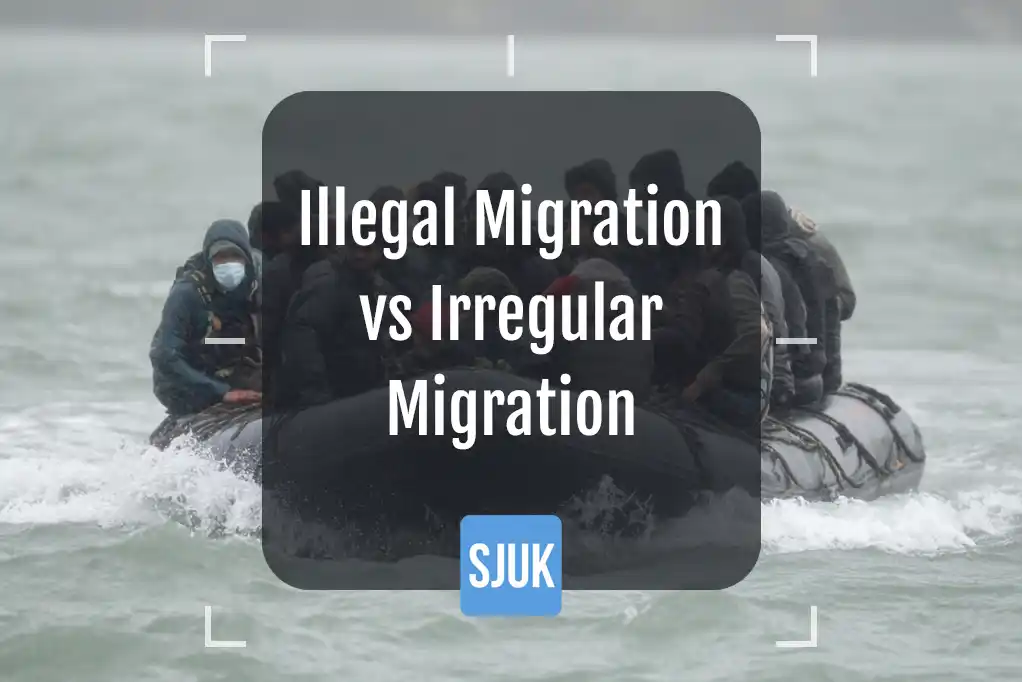
    Discover the key differences between illegal migration vs irregular migration, and why language shapes how we understand modern migration.

    Security Journal UK
  6. 6
    PDF

    RegularAndIrregular

    Ohchr • PDF Document
  7. 7
    ecre.org

    ecre.org

    Ecre
  8. 8
    asyluminsight.com

    asyluminsight.com

    Asylum Insight

  9. 9
    en.wikipedia.org

    en.wikipedia.org

    Wikipedia

Metodologia della Scala di Valutazione

1-3: FALSO

Fattualmente errato o fabbricazione malevola.

4-6: PARZIALE

Un po' di verità ma il contesto è mancante o distorto.

7-9: PREVALENTEMENTE VERO

Tecnicismi minori o problemi di formulazione.

10: ACCURATO

Perfettamente verificato e contestualmente equo.

Metodologia: Le valutazioni sono determinate attraverso il confronto incrociato di documenti governativi ufficiali, organizzazioni indipendenti di verifica dei fatti e documenti di fonti primarie.