Benar

Penilaian: 7.0/10

Coalition
C0636

Klaim

“Memilih untuk tidak memberitahu pencari suaka bahwa informasi sensitif mengenai klaim suaka mereka, masalah kesehatan mental, dan lainnya dicuri lagi. Data tersebut ditinggalkan di hard-drive tanpa perlindungan kata sandi, di luar ruang penyimpanan yang dapat dikunci.”
Sumber Asli: Matthew Davis

Sumber Asli

VERIFIKASI FAKTA

Klaim ini mengacu pada pelanggaran data kedua yang terjadi pada tahun 2014, terpisah dari insiden Februari 2014 yang lebih luas dilaporkan di mana ~10.000 detail pencari suaka secara tidak sengaja dipublikasikan secara online [1]. **Fakta kunci tentang pelanggaran kedua ini:** Pada April dan Mei 2014, setidaknya dua hard drive eksternal yang berisi informasi sensitif pencari suaka dicuri dari Pusat Detensi Imigrasi Nauru [2][3].
The claim refers to a second data breach that occurred in 2014, separate from the more widely reported February 2014 incident where ~10,000 asylum seeker details were inadvertently published online [1]. **Key facts about this second breach:** In April and May 2014, at least two external hard drives containing sensitive asylum seeker information were stolen from the Nauru Immigration Detention Centre [2][3].
Hard drive yang dicuri: - Tidak dilindungi kata sandi [2][3] - Berisi detail pribadi, berkas kasus, riwayat medis, dan klaim perlindungan untuk ratusan pencari suaka, termasuk anak-anak [2] - Termasuk catatan kesehatan mental dan masalah perilaku, keluhan tentang perlakuan, alegasi penyalahgunaan, dan notulen rapat "pertemuan anak-anak rentan" [2] - Dikabarkan disimpan di kantor yang tidak dapat dikunci yang dapat diakses oleh staf mana pun di pusat Nauru [3] Hard drive pertama dicuri dari tenda kantor pada April 2014.
The stolen hard drives: - Were **not password-protected** [2][3] - Contained personal details, case files, medical histories, and protection claims for hundreds of asylum seekers, including children [2] - Included mental health and behavioral issue records, complaints about treatment, allegations of abuse, and minutes of "vulnerable minors meetings" [2] - Were reportedly kept in an **unlockable office** accessible to any staff member at the Nauru centre [3] The first hard drive was stolen from an office tent in April 2014.
Korespondensi internal mencatat: "Jelas ini mengkhawatirkan karena beberapa alasan.
Internal correspondence noted: "Obviously this is concerning for several reasons.
Berisi dokumen dengan detail pribadi klien... ini menyoroti betapa tidak amannya tenda kantor" [2].
It contains documents with clients' personal details... it highlights how unsecure the office tents are" [2].
Hard drive kedua yang berisi informasi perlindungan anak dicuri kurang dari sebulan kemudian [2]. **Mengenai pemberitahuan:** Guardian Australia melaporkan pada Oktober 2014 bahwa "para pencari suaka belum diberitahu bahwa informasi pribadi mereka telah dicuri" [2].
A second hard drive containing child protection information was stolen less than a month later [2]. **Regarding notification:** Guardian Australia reported in October 2014 that "the asylum seekers have not been told their personal information has been stolen" [2].
Ini dikonfirmasi oleh beberapa sumber pada saat itu.
This was confirmed by multiple sources at the time.
Pelanggaran telah terjadi beberapa bulan sebelumnya (April-Mei 2014) tanpa pemberitahuan kepada individu yang terdampak.
The breach had occurred months earlier (April-May 2014) without notification to affected individuals.

Konteks yang Hilang

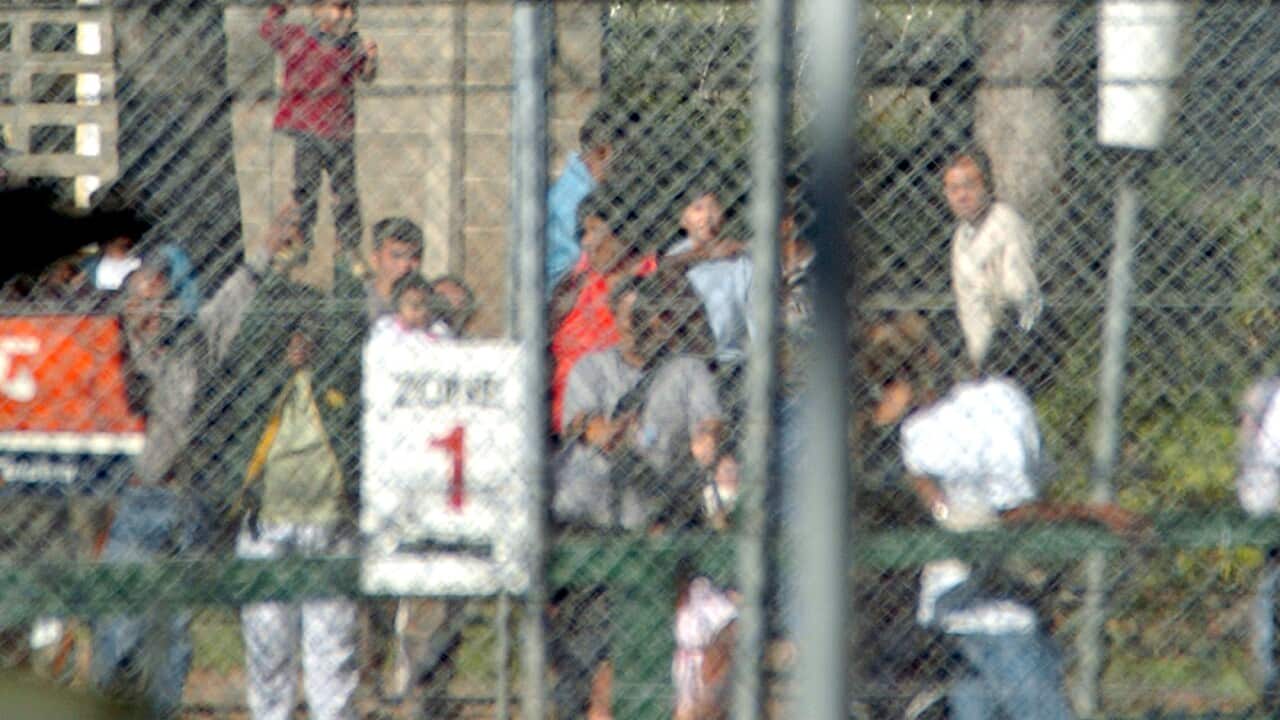
**Lingkungan operasi di Nauru:** Hard drive dicuri dari Pusat Detensi Imigrasi Nauru, yang dikelola oleh kontraktor termasuk Save the Children dan Wilson Security, bukan langsung oleh staf Departemen Imigrasi [2].
**The operating environment on Nauru:** The hard drives were stolen from the Nauru Immigration Detention Centre, which was operated by contractors including Save the Children and Wilson Security, not directly by Immigration Department staff [2].
Pusat tersebut memiliki tantangan keamanan yang terdokumentasi termasuk: - Peralatan disimpan di "tenda kantor" dengan keamanan fisik terbatas - Tidak ada penyimpanan aman untuk kunci ruang penyimpanan dan kontainer pengiriman - Pencurian sebelumnya dari ponsel, hard disk, laptop, dan kipas dari lemari terkunci [2] **Perbedaan dari pelanggaran Februari:** Pelanggaran kedua ini (pencurian hard drive fisik) berbeda dari pelanggaran Februari 2014 di mana departemen secara tidak sengaja mempublikasikan data secara online.
The centre had documented security challenges including: - Equipment stored in "office tents" with limited physical security - No secure storage for keys to storerooms and shipping containers - Previous thefts of mobile phones, hard disks, laptops, and fans from locked cabinets [2] **Distinction from the February breach:** This second breach (theft of physical hard drives) was different from the February 2014 breach where the department inadvertently published data online.
Pelanggaran Februari mempengaruhi ~10.000 orang dan mengakibatkan investigasi resmi oleh Komisioner Privasi yang menemukan bahwa departemen telah melanggar Undang-Undang Privasi [1][4]. **Tindakan respons:** Setelah pelanggaran Februari, departemen mengambil langkah remediasi termasuk: - Melibatkan KPMG untuk tinjauan manajemen [4] - Menghapus informasi pribadi dari dataset sebelum publikasi - Meluncurkan pelatihan staf dan kampanye kesadaran [4] - Berkomitmen untuk melibatkan auditor independen [4] Namun, langkah-langkah ini tidak mencegah insiden pencurian fisik terpisah di Nauru.
The February breach affected ~10,000 people and resulted in an official Privacy Commissioner investigation that found the department had breached the Privacy Act [1][4]. **Response actions:** After the February breach, the department did take remediation steps including: - Engaging KPMG for a management review [4] - Removing personal information from underlying datasets before publication - Rolling out staff training and awareness campaigns [4] - Committing to engage an independent auditor [4] However, these measures did not prevent the separate physical theft incident on Nauru.

Penilaian Kredibilitas Sumber

Sumber aslinya adalah **The Guardian Australia** (17 Oktober 2014), media arus utama dengan reputasi umum yang kuat untuk pelaporan faktual.
The original source is **The Guardian Australia** (October 17, 2014), a mainstream media outlet with a generally strong reputation for factual reporting.
Artikel tersebut ditulis oleh Ben Doherty, jurnalis yang dihormati yang meliput imigrasi dan masalah pencari suaka.
The article was written by Ben Doherty, a respected journalist covering immigration and asylum seeker issues.
Klaim dalam artikel tersebut didasarkan pada: - Korespondensi internal yang diperoleh publikasi tersebut - Pernyataan langsung dari pihak yang terlibat (Save the Children, Wilson Security) - Ahli hukum (David Manne dari Refugee and Immigration Legal Centre) Pelaporan Guardian tentang masalah ini konsisten dengan pelaporan selanjutnya oleh outlet lain termasuk SBS News [3].
The claims in the article were based on: - Internal correspondence obtained by the publication - Direct statements from involved parties (Save the Children, Wilson Security) - Legal experts (David Manne from Refugee and Immigration Legal Centre) The Guardian's reporting on this matter was consistent with subsequent reporting by other outlets including SBS News [3].
Investigasi resmi Komisioner Privasi [4] mengkonfirmasi masalah sistemik dengan keamanan data di Departemen Imigrasi dan Perlindungan Perbatasan selama periode ini. **Putusan tentang kredibilitas sumber:** The Guardian adalah sumber arus utama yang kredibel.
The Privacy Commissioner's official investigation [4] confirmed the systemic issues with data security in the Department of Immigration and Border Protection during this period. **Verdict on source credibility:** The Guardian is a credible mainstream source.
Klaim spesifik dalam artikel ini selaras dengan fakta yang terdokumentasi dan tidak disanggah oleh pemerintah atau kontraktor pada saat itu.
The specific claims in this article align with documented facts and were not disputed by the government or contractors at the time.
⚖️

Perbandingan Labor

**Apakah Labor melakukan hal serupa?** Pencarian dilakukan: "Labor government immigration data breach asylum seekers 2007-2013" **Temuan:** Tidak ditemukan pelanggaran data yang setara secara langsung yang melibatkan pencari suaka selama periode pemerintahan Labor (2007-2013).
**Did Labor do something similar?** Search conducted: "Labor government immigration data breach asylum seekers 2007-2013" **Finding:** No direct equivalent data breach involving asylum seekers was found during the Labor government period (2007-2013).
Namun, masalah keamanan data adalah tantangan sistemik di seluruh departemen pemerintah Australia terlepas dari partai yang berkuasa: - Investigasi Komisioner Privasi atas pelanggaran Februari 2014 mencatat bahwa departemen memiliki "kebijakan yang menyiratkan bahwa mereka menyadari risiko informasi pribadi yang tertanam" tetapi ini tidak diterapkan secara efektif [4].
However, data security issues are a systemic challenge across Australian government departments regardless of which party is in power: - The Privacy Commissioner's investigation into the February 2014 breach noted that the department had "policies [that] implied that it was aware of the risk of embedded personal information" but these were not effectively implemented [4].
Masalah sistemik ini mendahului pemerintahan Koalisi. - Kebijakan detensi lepas pantai di Nauru diinisiasi di bawah pemerintahan Labor (dibuka kembali pada 2012), meskipun kegagalan keamanan data spesifik terjadi selama pengelolaan fasilitas oleh Koalisi [5]. - Berbagai departemen pemerintah Australia di bawah kedua pemerintahan Labor dan Koalisi telah mengalami insiden keamanan data, menunjukkan bahwa ini adalah masalah sistemik daripada unik untuk satu partai. **Kesimpulan perbandingan:** Meskipun tidak ada "setaraan Labor" langsung dari pelanggaran data spesifik ini, kondisi yang mendasarinya (infrastruktur detensi lepas pantai, pengaturan kontraktor yang kompleks) didirikan di bawah Labor dan dilanjutkan di bawah Koalisi.
These systemic issues predate the Coalition government. - The offshore detention policy on Nauru was initiated under the Labor government (reopened in 2012), though the specific data security failures occurred during Coalition management of the facility [5]. - Various Australian government departments under both Labor and Coalition governments have experienced data security incidents, suggesting this is a systemic issue rather than unique to one party. **Comparative conclusion:** While there is no direct "Labor equivalent" of this specific data breach, the underlying conditions (offshore detention infrastructure, complex contractor arrangements) were established under Labor and continued under the Coalition.
🌐

Perspektif Seimbang

**Apa yang benar dari klaim ini:** - Para pencari suaka memang tidak diberitahu bahwa informasi pribadi mereka telah dicuri [2] - Hard drive tidak dilindungi kata sandi [2][3] - Disimpan di lingkungan kantor yang tidak dapat dikunci [3] - Informasinya mencakup materi yang sangat sensitif (catatan kesehatan mental, alegasi penyalahgunaan, klaim perlindungan) [2] **Konteks penting yang diabaikan klaim:** - Pencurian terjadi di fasilitas lepas pantai yang jauh (Nauru) yang dikelola oleh kontraktor, bukan di kantor departemen yang terkontrol - Tantangan keamanan fisik di pusat detensi Nauru signifikan dan diketahui - termasuk pencurian peralatan lain dari lemari terkunci [2] - Pemerintah telah mengambil langkah untuk meningkatkan keamanan data setelah pelanggaran Februari 2014, meskipun ini tidak mengatasi masalah keamanan fisik di Nauru - Hard drive milik Save the Children (kontraktor), yang melakukan investigasi internal sendiri [2] **Mengapa pemberitahuan mungkin tidak terjadi:** Meskipun klaim menyiratkan penyembunyian yang disengaja, alasan untuk tidak memberitahukan tidak dijelaskan sepenuhnya oleh pemerintah.
**What the claim gets right:** - Asylum seekers were indeed not notified that their personal information had been stolen [2] - The hard drives were not password-protected [2][3] - They were stored in an unlockable office environment [3] - The information included highly sensitive material (mental health records, abuse allegations, protection claims) [2] **Important context the claim omits:** - The theft occurred at a remote offshore facility (Nauru) operated by contractors, not in a controlled departmental office - Physical security challenges in the Nauru detention centre were significant and known - including theft of other equipment from locked cabinets [2] - The government had taken steps to improve data security after the February 2014 breach, though these didn't address the physical security issues on Nauru - The hard drives belonged to Save the Children (a contractor), which conducted its own internal investigation [2] **Why notification may not have occurred:** While the claim implies deliberate concealment, the reasons for non-notification were not fully explained by the government.
Kemungkinan penjelasan termasuk: - Investigasi yang sedang berlangsung (tinjauan internal Save the Children, tinjauan independen Philip Moss atas kondisi Nauru) [2] - Ketidakpastian tentang data apa yang sebenarnya disusupi - Kekhawatiran akan membuat orang-orang yang ditahan cemas di lingkungan yang sudah tidak stabil Namun, kegagalan untuk memberitahukan adalah pelanggaran serius terhadap praktik terbaik privasi, dan Komisioner Privasi kemudian (2021) memerintahkan departemen untuk membayar kompensasi kepada korban pelanggaran terpisah Februari 2014, menemukan bahwa "kehilangan privasi atau pengungkapan informasi pribadi dapat berdampak pada individu" [6].
Possible explanations include: - Ongoing investigations (Save the Children internal review, Philip Moss independent review of Nauru conditions) [2] - Uncertainty about what data was actually compromised - Concerns about alarming detainees in an already volatile environment However, the failure to notify is a serious breach of privacy best practice, and the Privacy Commissioner later (2021) ordered the department to pay compensation to victims of the separate February 2014 breach, finding that "a loss of privacy or disclosure of personal information may impact individuals" [6].

BENAR

7.0

/ 10

Fakta inti klaim terverifikasi: (1) pencari suaka tidak diberitahu bahwa data mereka telah dicuri, (2) data tersebut mencakup informasi sensitif termasuk catatan kesehatan mental dan klaim perlindungan, (3) hard drive tidak dilindungi kata sandi, dan (4) disimpan di luar ruang penyimpanan yang dapat dikunci di kantor yang tidak dapat dikunci.
The core facts of the claim are verified: (1) asylum seekers were not informed their data had been stolen, (2) the data included sensitive information including mental health records and protection claims, (3) the hard drives were not password-protected, and (4) they were stored outside lockable store-rooms in an unlockable office.
Fakta-fakta ini dilaporkan pada saat itu oleh media kredibel dan tidak disanggah.
These facts were reported at the time by credible media and were not disputed.

📚 SUMBER DAN KUTIPAN (6)

  1. 1
    Department of Immigration and Border Protection: own motion investigation report

    Department of Immigration and Border Protection: own motion investigation report

    Investigation into the Department of Immigration and Border Protection after a media report that a database with personal information of about 10,000 asylum seekers was on the Department's website

    OAIC
  2. 2
    Asylum seekers' personal details stolen in second immigration data breach

    Asylum seekers' personal details stolen in second immigration data breach

    Stolen information on Nauru asylum seekers includes case files, medical histories and protection claims

    the Guardian
  3. 3
    Immigration Department breached Privacy Act, Commissioner says

    Immigration Department breached Privacy Act, Commissioner says

    The Department of Immigration and Border Protection has failed to protect the personal information of asylum seekers, Australia’s Privacy Commissioner says.

    SBS News
  4. 4
    Asylum data breach: immigration unlawfully disclosed personal details

    Asylum data breach: immigration unlawfully disclosed personal details

    Privacy commissioner finds sensitive data on almost 10,000 asylum seekers was left publicly exposed for 16 days after the breach was reported

    the Guardian
  5. 5
    PDF

    Back to the Future: Australian Border Policing Under Labor, 2007-2013

    Kaldorcentre Unsw Edu • PDF Document
  6. 6
    Home Affairs ordered to pay compensation after breaching the privacy of almost 10,000 asylum seekers

    Home Affairs ordered to pay compensation after breaching the privacy of almost 10,000 asylum seekers

    The Department of Home Affairs has been ordered to compensate asylum seekers over a privacy breach that released the personal information of 9,251 detainees in immigration detention.

    SBS News

Metodologi Skala Penilaian

1-3: SALAH

Secara faktual salah atau fabrikasi jahat.

4-6: SEBAGIAN

Ada kebenaran tetapi konteks hilang atau menyimpang.

7-9: SEBAGIAN BESAR BENAR

Masalah teknis kecil atau masalah redaksi.

10: AKURAT

Terverifikasi sempurna dan adil secara kontekstual.

Metodologi: Penilaian ditentukan melalui referensi silang catatan pemerintah resmi, organisasi pemeriksa fakta independen, dan dokumen sumber primer.