Parcialmente Verdadero

Calificación: 6.0/10

Coalition
C0917

La Afirmación

“Derrotó los intentos de cesar la recitación de la Oración del Señor (cristiana) al inicio de cada día de sesión del Parlamento Federal (seculero).”
Fuente Original: Matthew Davis

Fuentes Originales

VERIFICACIÓN DE HECHOS

**La afirmación central es factualmente precisa.** El Gobierno de la Coalition (2013-2022) votó en contra y derrotó múltiples mociones de los Greens que buscaban abolir o reemplazar la recitación de la Oración del Señor al comienzo de cada día de sesión parlamentaria.
**The core claim is factually accurate.** The Coalition Government (2013-2022) did vote against and defeat multiple Greens motions seeking to abolish or replace the recitation of the Lord's Prayer at the beginning of each parliamentary sitting day.
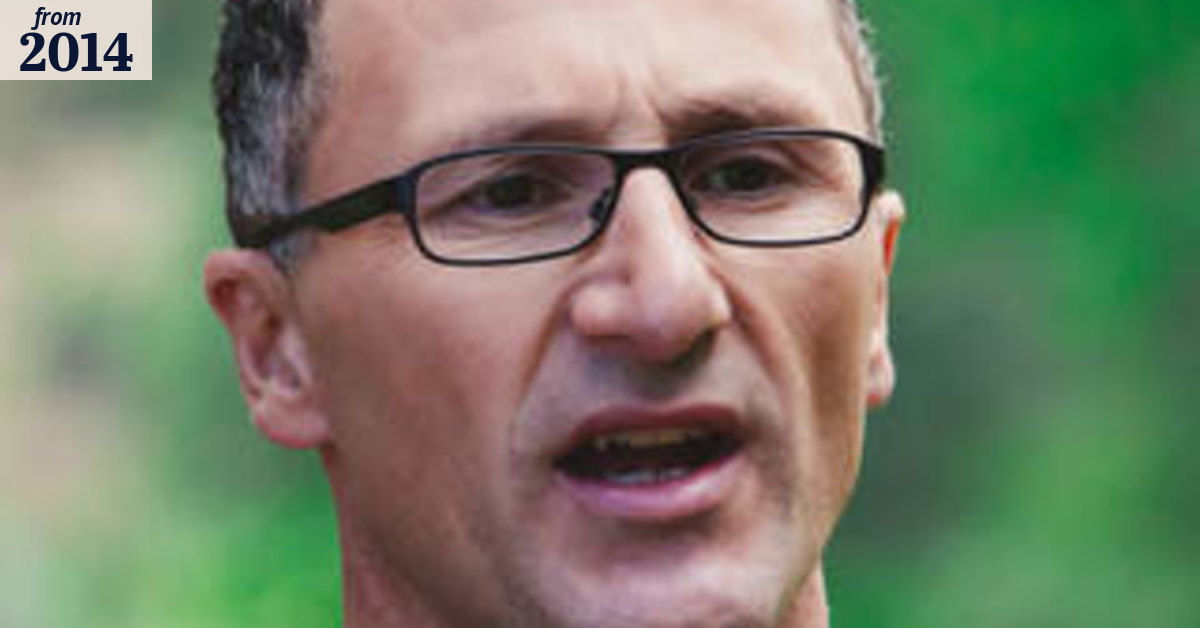
En febrero de 2014, el líder de los Greens, Richard Di Natale, presentó una moción para reemplazar la oración parlamentaria con un momento de «oración silenciosa o reflexión» [1].
In February 2014, Greens leader Richard Di Natale moved a motion to replace the parliamentary prayer with a moment for "silent prayer or reflection" [1].
La moción fue derrotada en el Senado, con los senadores de la Coalition votando en contra junto con los senadores de Labor [2].
The motion was defeated in the Senate, with Coalition senators voting against it alongside Labor senators [2].
La tradición de leer oraciones al inicio de cada día de sesión se remonta a la apertura del Parlamento Federal el 9 de mayo de 1901 [3].
The tradition of reading prayers at the start of each sitting day dates back to the opening of Federal Parliament on 9 May 1901 [3].
Los Órdenes Permanentes tanto de la Cámara de Representantes como del Senado requieren que el Speaker y el Presidente, respectivamente, lean una oración parlamentaria seguida de la Oración del Señor al comienzo de cada día de sesión [4].
The Standing Orders of both the House of Representatives and Senate require the Speaker and President respectively to read a parliamentary prayer followed by the Lord's Prayer at the beginning of each sitting day [4].
En 2017, la senadora de los Greens, Lee Rhiannon, volvió a pedir que se eliminara la Oración del Señor, describiéndola como «insultante» y «discordante» [5].
In 2017, Greens Senator Lee Rhiannon again called for the Lord's Prayer to be removed, describing it as "insulting" and "jarring" [5].
En junio de 2018, se estableció una investigación formal del Comité del Senado para examinar reemplazar las oraciones con un período de reflexión silenciosa [6].
In June 2018, a formal Senate Committee inquiry was established to examine replacing the prayers with a silent reflection period [6].
Tras recibir aproximadamente 820 presentaciones (la gran mayoría oponiéndose al cambio), el Comité recomendó no realizar cambios a la práctica [7].
After receiving approximately 820 submissions (the vast majority opposing change), the Committee recommended no change to the practice [7].

Contexto Faltante

**Hecho crítico omitido: Labor también se opuso consistentemente a estos cambios.** La afirmación enmarca esto como una acción de la Coalition, cuando en realidad ambos partidos principales mantuvieron posiciones idénticas sobre este tema.
**Critical omitted fact: Labor also consistently opposed these changes.** The claim frames this as a Coalition action, when in reality both major parties maintained identical positions on this issue.
Cuando la moción de Di Natale de 2014 fue derrotada, la senadora de Labor, Claire Moore, declaró explícitamente que el ALP no apoyaba la moción porque se estaba realizando una revisión más amplia del procedimiento parlamentario [8].
When Di Natale's 2014 motion was defeated, Labor Senator Claire Moore explicitly stated the ALP did not support the motion because a broader review of parliamentary procedure was underway [8].
La derrota fue bipartidista, no una posición exclusiva de la Coalition.
The defeat was bipartisan, not a Coalition-only position.
La tradición se ha mantenido continuamente desde 1901 a través de: - Múltiples gobiernos de Labor (Whitlam 1972-1975, Hawke/Keating 1983-1996, Rudd/Gillard 2007-2013) - Múltiples gobiernos de la Coalition - Varios cambios en el liderazgo parlamentario y Speakers La Oficina de Educación Parlamentaria señala que «ha habido varios intentos por parte de senadores y miembros... de cambiar los órdenes permanentes para reemplazar las oraciones con una oportunidad para la oración personal o la reflexión.
The tradition has been maintained continuously since 1901 through: - Multiple Labor governments (Whitlam 1972-1975, Hawke/Keating 1983-1996, Rudd/Gillard 2007-2013) - Multiple Coalition governments - Various changes in parliamentary leadership and Speakers The Parliamentary Education Office notes that "there have been several attempts by senators and members... to change the standing orders to replace the prayers with an opportunity for personal prayer or reflection.
Al votar en contra de este cambio, algunos senadores y miembros han argumentado que las oraciones al comienzo de cada día de sesión son una tradición largamente establecida y no partidista que reafirma su compromiso con el bien común de Australia» [9].
In voting against this change, some senators and members have argued the prayers at the beginning of each sitting day are a long standing and non-partisan tradition which re-affirms their commitment to the common good of Australia" [9].

Evaluación de Credibilidad de Fuente

**The Sydney Morning Herald (SMH)** es la fuente original proporcionada.
**The Sydney Morning Herald (SMH)** is the original source provided.
SMH es generalmente considerado un periódico australiano de corriente principal y de buena reputación.
SMH is generally considered a mainstream, reputable Australian newspaper.
Las evaluaciones de sesgo mediático indican que SMH reporta noticias factualmente con mínimo sesgo en la cobertura de noticias, mientras que las posiciones editoriales inclinan ligeramente a la izquierda [10].
Media bias assessments indicate SMH reports news factually with minimal bias in news coverage, while editorial positions lean slightly left [10].
El artículo específico de 2014 citado es un reportaje de noticias directo sobre la moción de los Greens, que contiene reportaje factual sin encuadre partidista evidente.
The specific 2014 article cited is a straightforward news report on the Greens' motion, containing factual reporting without overt partisan framing.
El artículo de SMH cita ambos lados del debate: el líder de los Greens, Richard Di Natale, llamando a la oración «un anacronismo», y el senador Liberal Eric Abetz describiendo la medida como «el último ataque de los Greens como parte de su intento continuo de reescribir nuestra historia y negar nuestra herencia» [1].
The SMH article quotes both sides of the debate - Greens leader Richard Di Natale calling the prayer "an anachronism" and Liberal Senator Eric Abetz describing the move as "the latest Green attack as part of their ongoing attempt to rewrite our history and deny our heritage" [1].
⚖️

Comparación con Labor

**¿Hizo Labor algo similar?** Búsqueda realizada: «Labor government parliamentary prayer tradition history» **Hallazgo: Los gobiernos de Labor mantuvieron exactamente la misma práctica a lo largo de sus mandatos.** La cronología de la Biblioteca Parlamentaria documenta que la Oración del Señor se ha recitado al inicio de cada día de sesión continuamente desde 1901, incluyendo a través de todos los períodos de gobierno de Labor [3]: - **Gobierno Whitlam (1972-1975):** Las oraciones continuaron sin cambios - **Gobiernos Hawke/Keating (1983-1996):** Las oraciones continuaron sin cambios - **Gobiernos Rudd/Gillard (2007-2013):** Las oraciones continuaron sin cambios, con un Reconocimiento al País añadido en 2010 antes de las oraciones De hecho, el senador de Labor Michael Beahan (Presidente del Senado 1993-1997) pidió la abolición de la lectura de oraciones en su discurso de despedida de 1996, describiendo las oraciones como «arcaicas y anacrónicas» [11].
**Did Labor do something similar?** Search conducted: "Labor government parliamentary prayer tradition history" **Finding: Labor governments maintained the exact same practice throughout their terms in office.** The Parliamentary Library chronology documents that the Lord's Prayer has been recited at the start of each sitting day continuously since 1901, including through all Labor government periods [3]: - **Whitlam Government (1972-1975):** Prayers continued unchanged - **Hawke/Keating Governments (1983-1996):** Prayers continued unchanged - **Rudd/Gillard Governments (2007-2013):** Prayers continued unchanged, with an Acknowledgement of Country added in 2010 before the prayers In fact, Labor Senator Michael Beahan (Senate President 1993-1997) called for prayer-reading to be abolished in his 1996 valedictory speech, describing prayers as "archaic and anachronistic" [11].
Sin embargo, el Partido Laborista en su conjunto no adoptó esta posición, y la práctica continuó sin cambios bajo los gobiernos de Labor.
However, the Labor Party as a whole did not adopt this position, and the practice continued unchanged under Labor governments.
La investigación del Comité del Senado de 2018 que recomendó mantener las oraciones recibió apoyo de senadores de Labor, la Coalition y el crossbench que se opusieron a los cambios propuestos por los Greens [7].
The 2018 Senate Committee inquiry that recommended retaining the prayers received support from Labor, Coalition, and crossbench senators who opposed the Greens' proposed changes [7].
🌐

Perspectiva Equilibrada

Si bien la Coalition derrotó mociones específicas de los Greens para eliminar la Oración del Señor (como afirma la declaración), esto representa la posición de consenso bipartidista de los parlamentos federales australianos desde 1901, no una postura única de la Coalition. **Argumentos a favor de mantener las oraciones incluyen:** - Reconocimiento de que la tradición afirma el «compromiso con el bien común de Australia» [9] - La práctica es voluntaria: los miembros no están obligados a asistir o participar - Reconocimiento de la herencia cultural histórica cristiana de Australia - El Comité de 2018 encontró que no había suficiente impulso para el cambio entre los parlamentarios [7] **Argumentos a favor del cambio incluyen:** - Australia es una nación secular sin religión estatal - El Censo de 2016 mostró que el 30% de los australianos se identifican como no religiosos, convirtiéndolos en el grupo «religioso» más grande [5] - La oración excluye a los australianos no cristianos (incluyendo aquellos de otras fechas y sin fe) - La práctica entra en conflicto con el principio de separación entre iglesia y estado **Contexto clave:** Esto no es exclusivo de la Coalition.
While the Coalition did defeat specific Greens motions to remove the Lord's Prayer (as the claim states), this represents the bipartisan consensus position of Australian federal parliaments since 1901, not a uniquely Coalition stance. **Arguments for retaining the prayers include:** - Recognition that the tradition affirms "commitment to the common good of Australia" [9] - The practice is voluntary - members are not required to attend or participate - Recognition of Australia's historical Christian cultural heritage - The 2018 Committee found insufficient momentum for change among parliamentarians [7] **Arguments for change include:** - Australia is a secular nation with no state religion - The 2016 Census showed 30% of Australians identify as having no religion, making them the largest "religious" group [5] - The prayer excludes non-Christian Australians (including those of other faiths and no faith) - The practice conflicts with the principle of separation of church and state **Key context:** This is not unique to the Coalition.
Cada gobierno de Labor ha mantenido esta práctica.
Every Labor government has maintained this practice.
El único parlamento australiano que abolió la Oración del Señor es la Asamblea Legislativa del ACT, que desde 1995 invita a los miembros a «orar o reflexionar» en silencio en su lugar [4].
The only Australian parliament to abolish the Lord's Prayer is the ACT Legislative Assembly, which since 1995 has invited members to "pray or reflect" in silence instead [4].
Tras las elecciones de 2022, el Gobierno de Labor realizó un cambio modesto en septiembre de 2022: agregó una invitación a «orar o reflexionar a su manera» antes de leer las oraciones tradicionales, y movió el Reconocimiento al País para que ocurriera primero [12].
Following the 2022 election, the Labor Government made a modest change in September 2022: adding an invitation to "pray or reflect in your own way" before reading the traditional prayers, and moving the Acknowledgement of Country to occur first [12].
Las oraciones en permanecen.
The prayers themselves remain.

PARCIALMENTE VERDADERO

6.0

/ 10

La afirmación es factualmente cierta: la Coalition derrotó los intentos de cesar la Oración del Señor.
The claim is factually true - the Coalition did defeat moves to cease the Lord's Prayer.
Sin embargo, el enfoque es engañoso ya que implica que esta fue una posición distintiva de la Coalition cuando en realidad fue la posición bipartidista compartida con Labor.
However, the framing is misleading as it implies this was a distinctive Coalition position when it was actually the bipartisan position shared with Labor.
Ambos partidos principales han oponiéndose consistentemente a las mociones de los Greens para eliminar las oraciones, y todos los gobiernos de Labor mantuvieron esta práctica idéntica a lo largo de sus mandatos.
Both major parties have consistently opposed Greens motions to remove the prayers, and all Labor governments maintained this identical practice throughout their terms.
La afirmación omite que Labor ha sido igualmente comprometido con preservar esta tradición, haciendo que el enfoque «secular» de la afirmación sugiera una distinción partidista que no existe en la práctica.
The claim omits that Labor has been equally committed to preserving this tradition, making the "secular" framing of the claim suggest a partisan distinction that does not exist in practice.

📚 FUENTES Y CITAS (11)

  1. 1
    smh.com.au

    smh.com.au

    The Lord's Prayer in Federal Parliament is an anachronism, according to Greens senator Richard di Natale, who is calling to have the prayer scrapped.

    The Sydney Morning Herald
  2. 2
    parlinfo.aph.gov.au

    parlinfo.aph.gov.au

    Parlinfo Aph Gov

  3. 3
    aph.gov.au

    aph.gov.au

    This chronology briefly describes some of the key moments in the history of prayer-reading in the Australian Federal Parliament in order to show how the practice was established and evolved over time. A brief comparison of the current prayer-reading practices in Australian

    Aph Gov
  4. 4
    PDF

    full SOs 2Aug2022

    Aph Gov • PDF Document
  5. 5
    archive.junkee.com

    archive.junkee.com

    After the census showed that 30% of Australians are not religious, Greens Senator Lee Rhiannon wants the Lord's prayer cut from parliamentary proceeding.

    Junkee
  6. 6
    parlinfo.aph.gov.au

    parlinfo.aph.gov.au

    Parlinfo Aph Gov

  7. 7
    aph.gov.au

    aph.gov.au

    Background Standing order 50 provides for the President to read a prayer and make an acknowledgement of country on taking the chair on each sitting day: 50 Prayer and acknowledgement of country The President, on taking the chair each day, shall read the following prayer:

    Aph Gov
  8. 8
    peo.gov.au

    peo.gov.au

    Need help with a question about the Australian Parliament? The Parliamentary Education Office has the answers! Search the answers to already asked questions or, if you can't find the information you are looking for, ask your own question.

    Parliamentary Education Office
  9. 9
    mediabiasfactcheck.com

    mediabiasfactcheck.com

    LEFT-CENTER BIAS These media sources have a slight to moderate liberal bias.  They often publish factual information that utilizes loaded words (wording

    Media Bias/Fact Check
  10. 10
    parlinfo.aph.gov.au

    parlinfo.aph.gov.au

    Parlinfo Aph Gov

  11. 11
    parlinfo.aph.gov.au

    parlinfo.aph.gov.au

    Parlinfo Aph Gov

Metodología de la Escala de Calificación

1-3: FALSO

Fácticamente incorrecto o fabricación maliciosa.

4-6: PARCIAL

Algo de verdad pero falta contexto o está sesgado.

7-9: MAYORMENTE VERDADERO

Tecnicismos menores o problemas de redacción.

10: PRECISO

Perfectamente verificado y contextualmente justo.

Metodología: Las calificaciones se determinan mediante la verificación cruzada de registros gubernamentales oficiales, organizaciones independientes de verificación de hechos y documentos de fuentes primarias.