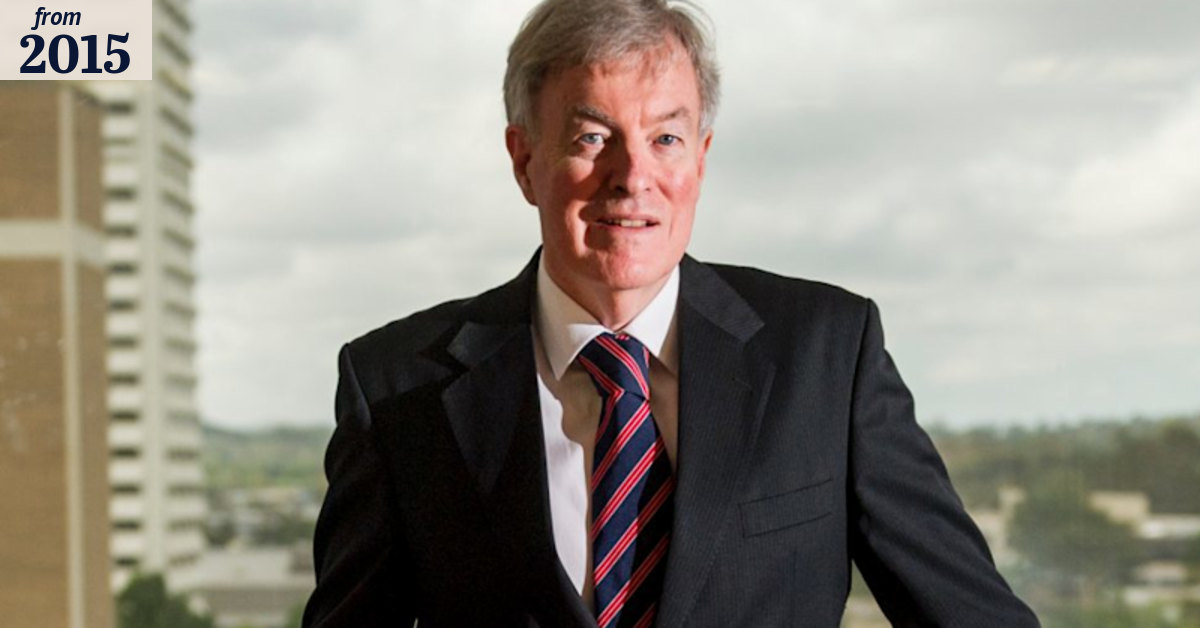
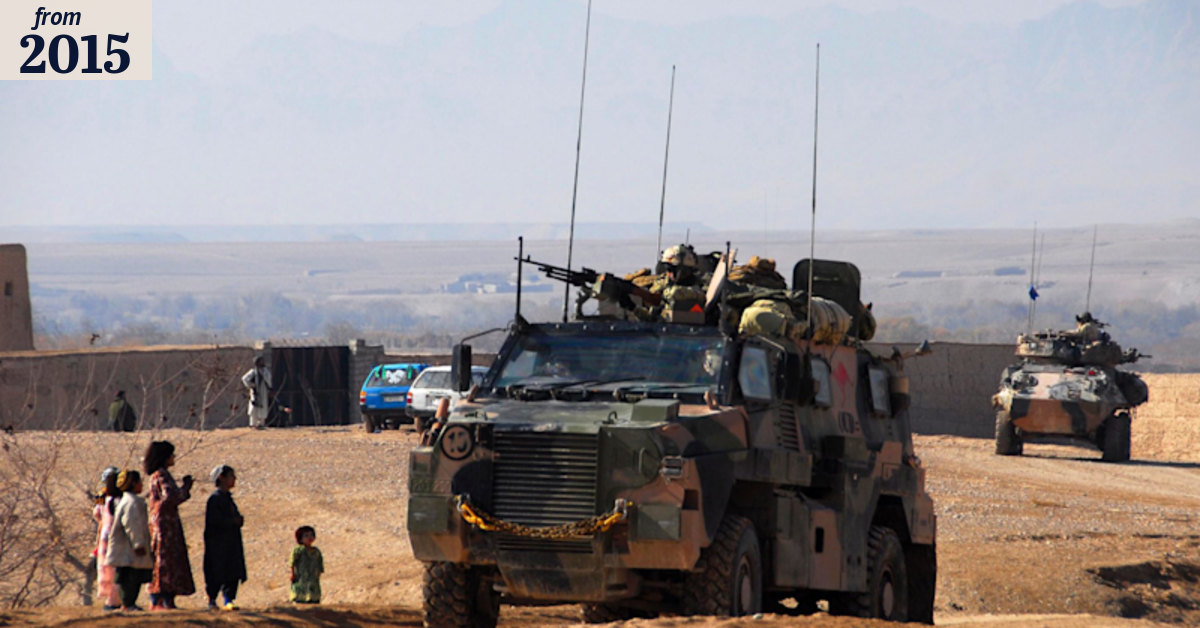
The investigation was launched by Public Service Commissioner John Lloyd after a March 2015 story revealed that Prime Minister Tony Abbott and Employment Minister Eric Abetz had used misleading data to justify a backflip on Australian Defence Force (ADF) pay [1][2].
The APSC had advised ministers' offices at least twice—once in November 2014 and again before the March 2015 announcement—that data comparing ADF pay to public service pay was misleading and did not support their claims [2].
Despite these warnings, Abbott and Abetz cited figures suggesting ADF personnel had received smaller pay increases than public servants, when in fact the comparison was methodologically flawed—the public service figure included incremental pay rises from promotions, while the ADF figure did not [2].
The investigation ultimately found "not enough evidence" to identify the leaker [1].
缺失的脈絡
該聲 gāi shēng 稱 chēng 遺漏 yí lòu 了 le 幾個 jǐ gè 重要 zhòng yào 的 de 背景 bèi jǐng 因素 yīn sù : :
The claim omits several important contextual factors:
1. **Nature of the leak**: The leaked information exposed that the Prime Minister used incorrect data to justify a policy change, which represents a legitimate public interest matter rather than merely embarrassing internal politics [2].
2. **Legal framework**: Under the Public Interest Disclosure Act 2013, public servants who leaked information about how politicians used incorrect information would not have had their issues investigated through official whistleblower channels [1].
As investigative journalist Andrew Fowler noted, "The public service whistleblowing rules are simply designed to rigidly enforce the Australian public service code of conduct.
They have nothing to do with whistleblowing for the public benefit" [1].
3. **APS Code of Conduct**: The Australian Public Service Code of Conduct requires public servants to maintain confidentiality about dealings with ministers [1].
The APSC is responsible for promoting adherence to this code, and not investigating the leak could have been seen as setting a poor example within the bureaucracy [1].
4. **Methodological concern**: The $9,275 figure represents salary costs for what appears to be at least a month's work for a senior staff member—suggesting a proportionate resource allocation for an internal investigation rather than an extravagant expenditure [1].
The original source is the **Sydney Morning Herald (SMH)**, one of Australia's oldest and most established newspapers (founded 1831).
根據 gēn jù 媒體 méi tǐ 偏見 piān jiàn 評估 píng gū : :
According to media bias assessments:
- Media Bias/Fact Check rates SMH as having a "left-center" bias with "high" factual reporting credibility [3]
- Ground News aggregates multiple bias ratings and classifies SMH as "Lean Left" [4]
- Biasly assigns SMH a bias score indicating slight left-leaning orientation [5]
The article was written by Phillip Thomson, the Public Service Reporter for The Canberra Times (SMH's sister publication), who specialized in public service coverage [1].
**Assessment**: The SMH is a mainstream, generally credible news source.
**Did Labor conduct similar leak investigations?**
Yes.
* * * *
Labor governments have also conducted leak investigations:
1. **Kevin Rudd video leak (2013)**: During the Labor leadership contest between Julia Gillard and Kevin Rudd, an expletive-filled video of Rudd was leaked to the media.
是 shì 的 de 。 。
The Australian Federal Police (AFP) launched an investigation into the leak, with Gillard and her office vowing to cooperate [6].
2. **Rudd's damaging leak against Gillard (2010)**: Kevin Rudd all but confirmed he was behind a damaging leak that revealed a deal to hand over leadership to Gillard proposed the night before the 2010 leadership coup [7].
3. **General pattern**: Both major parties have historically investigated leaks that embarrassed their governments.
The expenditure of approximately $9,000 for an internal investigation represents a relatively modest allocation compared to AFP investigations, which would typically cost significantly more in resources.
**Comparison**: The Coalition's expenditure on this investigation ($9,275) was actually quite modest compared to the scale of government spending and comparable leak investigations.
**What the claim gets right:**
- The expenditure of approximately $9,275 did occur
- The investigation was launched to identify a leaker who exposed the Prime Minister using incorrect information
- The whistleblower was ultimately not identified
**What the claim doesn't fully convey:**
The claim presents this as "corruption," but the situation is more nuanced.
- - 確實 què shí 發生 fā shēng 了 le 約 yuē 9 9 , , 275 275 澳元 ào yuán 的 de 支出 zhī chū
The APSC had legitimate responsibilities under the APS Code of Conduct to investigate breaches of confidentiality regarding ministerial dealings.
- - 調查 diào chá 是 shì 為 wèi 了 le 找出 zhǎo chū 揭露 jiē lù 總理 zǒng lǐ 使用 shǐ yòng 不正 bù zhèng 確資訊 què zī xùn 的 de 洩密者 xiè mì zhě 而展 ér zhǎn 開 kāi 的 de
The Commissioner had publicly stated that leaking "lets down people who are conscientious and do the right thing" and warned that "if you know someone who has leaked anything you'll never trust them" [1].
However, the context matters significantly: the leak exposed that the government had used misleading data to justify a policy decision, despite receiving clear warnings from the APSC that the comparison was flawed.
This was arguably a matter of genuine public interest—voters had a right to know that the government's justification for its ADF pay decision was based on incorrect figures.
The systemic issue here is that Australia's whistleblower protection framework at the time (and largely still today) did not adequately protect public servants who exposed government misuse of information.
The Public Interest Disclosure Act 2013 was designed more to manage internal complaints than to facilitate genuine public-interest disclosures [1].
**Key context**: This type of leak investigation is **not unique to the Coalition**—Labor has conducted similar investigations, including AFP investigations into leaks that damaged their government.
The expenditure was for salary costs of conducting a legitimate (if ultimately unsuccessful) internal investigation into a breach of the APS Code of Conduct—a responsibility of the Public Service Commissioner.
The systemic issue is less about this specific expenditure and more about the broader failure of Australian whistleblower protections to adequately shield public servants who expose government misuse of information in the public interest.
最終分數
6.0
/ 10
部分真實
核心 hé xīn 事實 shì shí 是 shì 準確 zhǔn què 的 de : : 確實 què shí 花費 huā fèi 了 le 約 yuē 9 9 , , 275 275 澳元 ào yuán 調查 diào chá 一起 yì qǐ 洩密 xiè mì 事件 shì jiàn , , 該 gāi 事件 shì jiàn 揭露 jiē lù 總理 zǒng lǐ 使用 shǐ yòng 不正 bù zhèng 確的 què de 資訊 zī xùn 。 。
The core facts are accurate: approximately $9,275 was spent investigating a leak that exposed the Prime Minister using incorrect information.
The expenditure was for salary costs of conducting a legitimate (if ultimately unsuccessful) internal investigation into a breach of the APS Code of Conduct—a responsibility of the Public Service Commissioner.
The systemic issue is less about this specific expenditure and more about the broader failure of Australian whistleblower protections to adequately shield public servants who expose government misuse of information in the public interest.