The Australian Government has allocated $6.3 billion for the scheme through 2028-29, up from the initial $5.5 billion allocation, representing an $800 million increase [1].
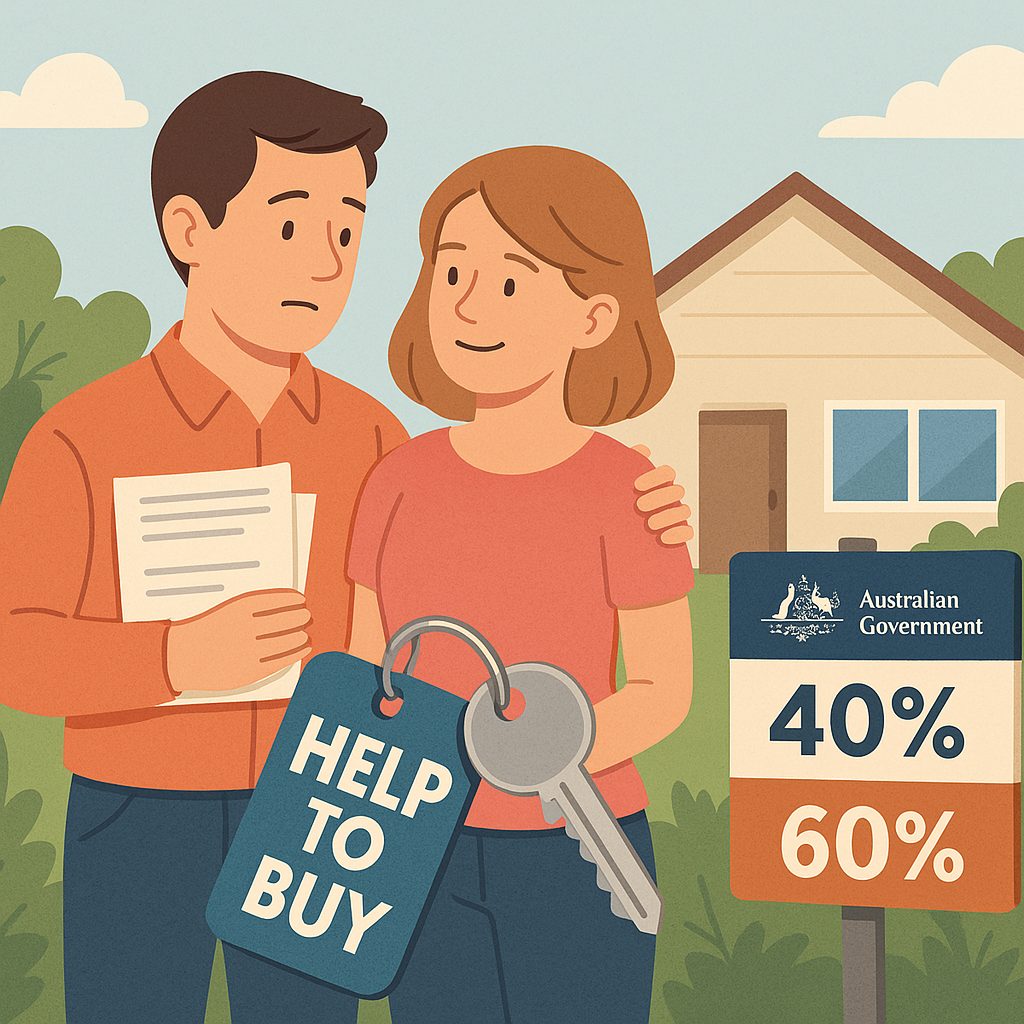
Regarding the monthly savings figures, the government claims that first home buyers on average rates with a $519,000 home will save approximately $900 per month when buying an existing home, and $1,200 per month when buying a new home [3].
These savings are calculated based on the government's equity contribution of 30% for existing homes and 40% for new homes, which reduces the mortgage amount needed and eliminates lenders mortgage insurance (LMI) [4].
The scheme allows eligible buyers to purchase with just a 2% deposit, and income eligibility is capped at $100,000 for individuals and $160,000 for couples [5].
While the monthly savings figures are technically accurate for the specific scenario presented, the claim obscures several critical limitations that significantly reduce the scheme's real-world impact.
Regional property caps are significantly lower—Perth metro caps at $850,000 while regional areas outside Perth cap at $600,000—making the scheme less accessible in high-demand markets where buyers need the most help [6].
The financial investment of $6.3 billion spread across 40,000 households (over four years) amounts to $157,500 per household—funds that could alternatively address systemic housing supply issues affecting millions of Australians.
第三 dì sān , , 該計劃 gāi jì huà 掩蓋 yǎn gài 了 le 一個 yī gè 根本 gēn běn 問題 wèn tí : : 雖然 suī rán 它 tā 減少 jiǎn shǎo 了 le 符合 fú hé 資格 zī gé 買家 mǎi jiā 的 de 每月 měi yuè 還款 hái kuǎn , , 但 dàn 它 tā 刺激 cì jī 的 de 是 shì 一個 yī gè 已 yǐ 因供 yīn gōng 應 yīng 不足 bù zú 而 ér 陷入困境 xiàn rù kùn jìng 的 de 市場 shì chǎng 的 de 需求 xū qiú 端 duān [ [ 8 8 ] ] 。 。
Third, the scheme masks a fundamental problem: while it reduces monthly payments for eligible buyers, it addresses demand stimulation in a market already crippled by undersupply [8].
Critics note that "the money is eventually capitalised into house prices, so the beneficiaries gain at the expense of everyone else" [9]—meaning the scheme may simply inflate housing prices further rather than creating lasting affordability benefits.
第四 dì sì , , 該 gāi 說法 shuō fǎ 未能 wèi néng 提及 tí jí 複 fù 雜性 zá xìng 和 hé 審批 shěn pī 障礙 zhàng ài 。 。
Fourth, the claim fails to mention the complexity and approval barriers.
The government must approve the property before buyers can sign the contract of sale, and government approval is required to sell the property later, adding bureaucratic friction [10].
Additionally, participating lender access has been limited, with the largest bank (CBA) reportedly excluding broker clients from accessing the scheme [11].
The NSW Shared Equity Home Buyer Helper pilot program fell 94% short of its approval targets [12], suggesting the federal program may face similar implementation challenges.
💭 批判觀點
Help Help to to Buy Buy 計劃 jì huà 代表 dài biǎo 了 le 一種 yī zhǒng 出 chū 於 yú 好意 hǎo yì 但 dàn 在 zài 根本 gēn běn 上 shàng 存在 cún zài 缺陷 quē xiàn 的 de 解決 jiě jué 澳洲 ào zhōu 住房 zhù fáng 可負 kě fù 擔性 dān xìng 危機 wēi jī 的 de 方法 fāng fǎ 。 。
The Help to Buy scheme represents a well-intentioned but fundamentally flawed approach to Australia's housing affordability crisis.
While the monthly savings figures are technically accurate for the narrow cohort of buyers who successfully navigate the scheme, they obscure a broader policy failure.
澳洲 ào zhōu 的 de 住房 zhù fáng 危機 wēi jī 本質 běn zhì 上 shàng 是 shì 供應 gōng yīng 問題 wèn tí , , 而 ér 非 fēi 需求 xū qiú 問題 wèn tí 。 。
Australia's housing crisis is primarily a supply problem, not a demand problem.
By injecting $6.3 billion into demand-side subsidies without addressing supply constraints, the scheme risks exacerbating the exact problem it claims to solve.
Economist analysis suggests that such equity-sharing schemes simply capitalize into higher house prices, transferring wealth from non-participating buyers (and future generations) to the fortunate 0.2% who gain access [13].
Additionally, the claim that buyers "save" money is misleading in another dimension: they aren't saving money, they're reducing monthly payments by accepting government ownership of 30-40% of their property.
They must later buy back this equity, and the government's share grows or shrinks with property values—creating contingent liabilities for participants that aren't captured in the simple "monthly savings" framing.
Comparative housing policy shows Australia's peers (Canada, New Zealand, Singapore) focus on supply-side interventions first: zoning reform, land release, and construction incentives.
Help Help to to Buy Buy 計劃 jì huà 優先 yōu xiān 向 xiàng 少數 shǎo shù 人 rén 提供 tí gōng 轉移 zhuǎn yí 支付 zhī fù , , 同時 tóng shí 供應 gōng yīng 問題 wèn tí 持續 chí xù 惡化 è huà 。 。
The Help to Buy scheme prioritizes transfer payments to a select few while supply issues fester.
The scheme helps only 0.2% of renters annually, may exacerbate housing price inflation, masks supply-side failures, and ignores precedent of similar schemes falling 94% short of targets.
The scheme helps only 0.2% of renters annually, may exacerbate housing price inflation, masks supply-side failures, and ignores precedent of similar schemes falling 94% short of targets.