According to the Sydney Morning Herald article from May 2014, the registry business generated $680 million in revenue in the 2012-13 financial year with a cost base of $142 million, resulting in a surplus of approximately $538 million annually [1].
这 zhè 1200 1200 万澳元 wàn ào yuán 拨款 bō kuǎn 是 shì 更 gèng 广泛 guǎng fàn 的 de 私有化 sī yǒu huà 议程 yì chéng 的 de 一部分 yī bù fèn , , 包括 bāo kuò 对 duì 四个 sì gè 政府 zhèng fǔ 实体 shí tǐ 的 de 范围 fàn wéi 研究 yán jiū : : ASIC ASIC 注册 zhù cè 业务 yè wù 、 、 Australian Australian Hearing Hearing 、 、 Defence Defence Housing Housing Australia Australia 和 hé Royal Royal Australian Australian Mint Mint [ [ 1 1 ] ] 。 。
The $12 million allocation was part of a broader privatization agenda that included scoping studies for four government-owned entities: ASIC's registry business, Australian Hearing, Defence Housing Australia, and the Royal Australian Mint [1].
The proposal originated with ASIC's own chairman:** ASIC chairman Greg Medcraft had long advocated for selling the registry business, arguing it was a "distraction from its core mandate to police corporate law and investment markets" [1][2].
The purpose was to fund infrastructure:** Finance Minister Mathias Cormann stated that sale proceeds would be reinvested into the federal government's Asset Recycling Fund for "new productive infrastructure" [1].
The policy was framed as a way to recycle capital from mature assets into productivity-enhancing infrastructure, not simply to privatize for ideological reasons.
**3.
The $12 million was for a scoping study, not the sale itself:** The expenditure was for investigating the feasibility and potential terms of a sale, not executing one.
The registry business was not a core regulatory function:** The registry handled business registrations, company searches, and document management—essentially administrative services rather than ASIC's core enforcement and regulatory functions.
**Did Labor do something similar?**
Search conducted: "Labor government privatization scoping studies spending Australia"
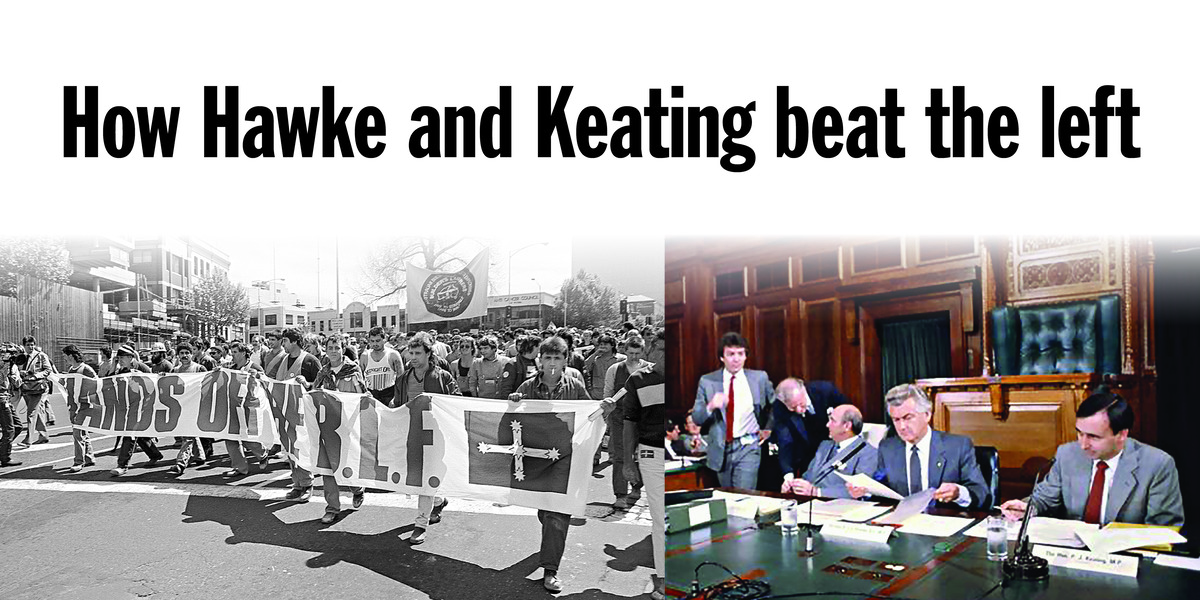
Finding: The Hawke and Keating Labor governments (1983-1996) undertook Australia's largest privatization programs, selling major public assets including Qantas, the Commonwealth Bank, the Commonwealth Serum Laboratories, and Australian National Lines [3][4][5].
* * * *
While these were actual sales rather than scoping studies, they demonstrate that privatization has been pursued by both major parties.
As noted in academic analysis, "The difference between privatization under Hawke-Keating and Howard governments is argued to be one of ideology, however this does not suggest the Labor Party was not divided on this issue" [5].
**The rationale for the study:**
Proponents argued that:
- The registry business was a profitable but non-core function that could be operated efficiently by the private sector
- ASIC should focus on enforcement and regulation, not administrative services
- Sale proceeds could be reinvested into infrastructure with broader economic benefits
- ASIC chairman Medcraft himself supported the move as part of a shift to a "user-pays" model [1][2]
**The criticisms:**
Critics raised concerns about:
- Spending $12 million to study selling an asset generating $538 million annual surplus
- Loss of a reliable revenue stream for the government
- Potential privacy and data security risks from privatizing a database containing information on all Australian companies
- Self-regulation concerns—the article notes "the global financial crisis taught us that self-regulation does not necessarily work" [2]
**Was this unique to the Coalition?**
No.
支持者 zhī chí zhě 认为 rèn wéi : :
The claim frames this as a wasteful Coalition-specific decision, but:
1.
The claim accurately reports the $12 million scoping study expenditure and the financial profile of the ASIC registry business ($6 billion value, ~$538 million annual surplus).
然而 rán ér , , 它 tā 将 jiāng 此 cǐ 描述 miáo shù 为 wèi 一个 yí gè 无法解释 wú fǎ jiě shì 或 huò 浪费 làng fèi 性 xìng 的 de 决策 jué cè , , 而 ér 没有 méi yǒu 承认 chéng rèn : :
However, it frames this as an inexplicable or wasteful decision without acknowledging:
- The proposal had support from ASIC's own chairman
- The standard practice of conducting scoping studies before major asset transactions
- The similar approaches taken by Labor governments to privatization
- The policy rationale of recycling capital into infrastructure
The claim's framing suggests this was a uniquely questionable Coalition decision, when in fact it was consistent with privatization approaches used by both major parties in Australia.
The claim accurately reports the $12 million scoping study expenditure and the financial profile of the ASIC registry business ($6 billion value, ~$538 million annual surplus).
然而 rán ér , , 它 tā 将 jiāng 此 cǐ 描述 miáo shù 为 wèi 一个 yí gè 无法解释 wú fǎ jiě shì 或 huò 浪费 làng fèi 性 xìng 的 de 决策 jué cè , , 而 ér 没有 méi yǒu 承认 chéng rèn : :
However, it frames this as an inexplicable or wasteful decision without acknowledging:
- The proposal had support from ASIC's own chairman
- The standard practice of conducting scoping studies before major asset transactions
- The similar approaches taken by Labor governments to privatization
- The policy rationale of recycling capital into infrastructure
The claim's framing suggests this was a uniquely questionable Coalition decision, when in fact it was consistent with privatization approaches used by both major parties in Australia.