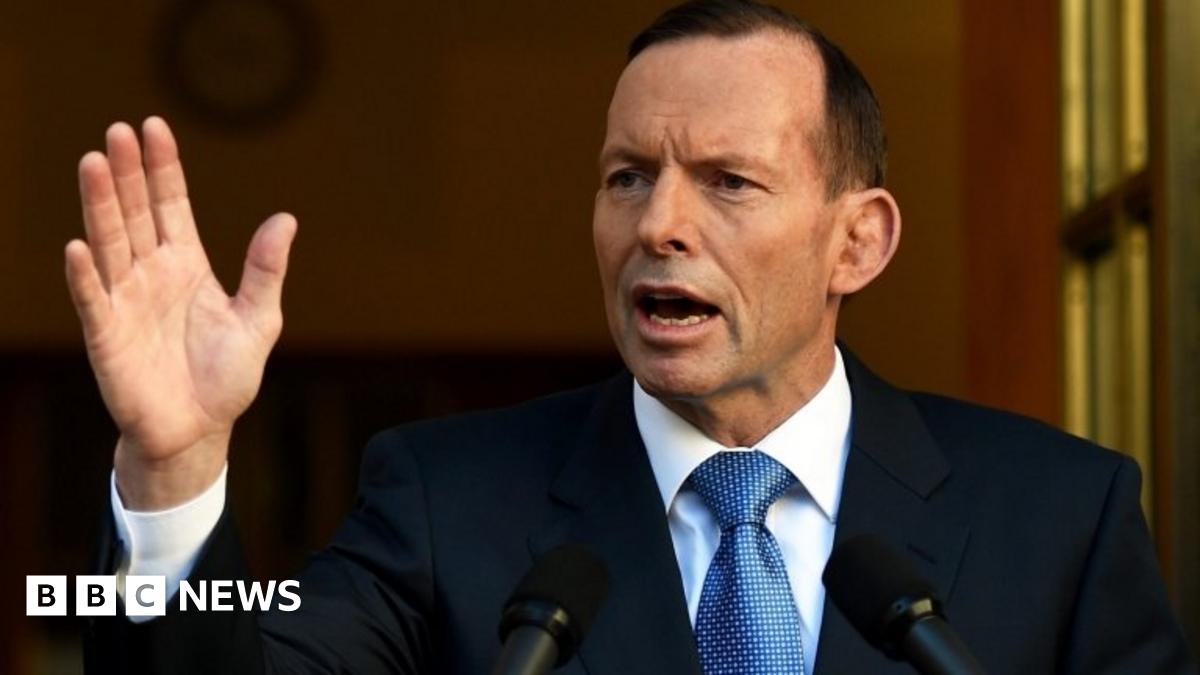
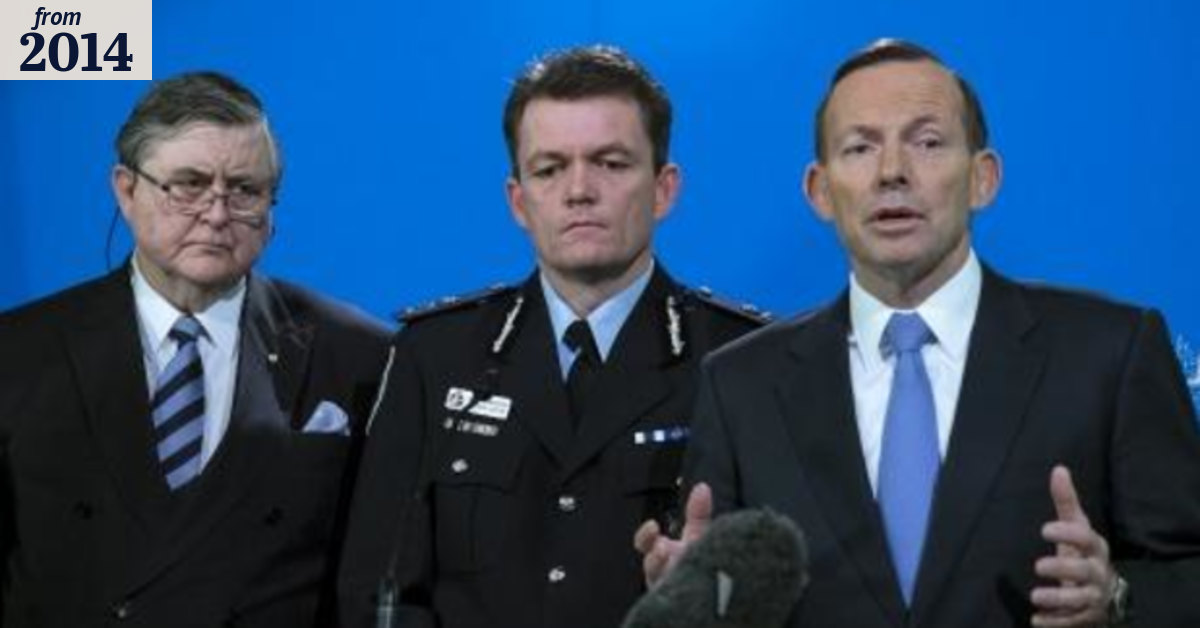
On September 12, 2014, Prime Minister Tony Abbott announced that the National Terrorism Public Alert level would be raised from "Medium" to "High" [1].
The alert level system, introduced in 2003 under the Howard government, had remained at "Medium" (meaning a terrorist attack "could occur") for the preceding 11 years [2].
In his official statement, Abbott said: "The Government has 'no specific intelligence' of a plot to mount a terrorist attack" and "This does not mean a terror attack is imminent, we have no specific intelligence of particular plots" [3].
However, the claim omits critical context: Abbott explicitly stated that intelligence showed "there are people with the intent and the capability to mount attacks" [4].
ASIO Director-General David Irvine, who independently determines the threat level, had signed off on the recommendation the previous night after "three to six months of increasing concern" [5].
The official government statement clarified: "The advice is not based on knowledge of a specific attack plan but rather a body of evidence that points to the increased likelihood of a terrorist attack in Australia" [6].
**The ISIS/Foreign Fighter Context:** The decision came amid growing concerns about Australians traveling to Syria and Iraq to fight with terrorist groups including ISIL (Islamic State).
The threat of radicalized fighters returning with combat training and increased intent was the primary driver of the threat assessment [9].
**International Context:** The UK had raised its terrorism threat level from "substantial" to "severe" just weeks earlier in August 2014, also citing no specific imminent threat but increased general risk from returning foreign fighters [10].
**Bipartisan Support:** The Federal Opposition (Labor) was briefed on the change and did not oppose the decision.
Queensland Labor Premier Campbell Newman publicly supported increased security measures at sporting events [11].
**What "High" Actually Means:** Under the four-tier system (Low, Medium, High, Extreme), "High" means an attack is "likely" - not "imminent." The highest level, "Extreme," is reserved for when an attack is imminent or has occurred [12].
* * * * 原始 yuán shǐ 来源 lái yuán 1 1 : : mygc mygc . . com com . . au au * * * * - - 这是 zhè shì 一个 yí gè 黄金海岸 huáng jīn hǎi àn 本地 běn dì 新闻 xīn wén 网站 wǎng zhàn 。 。
**Original Source 1: mygc.com.au** - This is a local Gold Coast news website.
它 tā 似乎 sì hū 是 shì 一个 yí gè 直接 zhí jiē 的 de 地方 dì fāng 新闻 xīn wén 机构 jī gòu , , 没有 méi yǒu 明显 míng xiǎn 的 de 党派 dǎng pài 倾向 qīng xiàng 。 。
It appears to be a straightforward local news outlet without obvious partisan alignment.
文章 wén zhāng 似乎 sì hū 是 shì 事实性 shì shí xìng 的 de , , 而 ér 非 fēi 基于 jī yú 观点 guān diǎn 。 。
The article appears factual and not opinion-based.
**Original Source 2: SMH Opinion Piece by Daniel Flitton** - This is an opinion piece, not news reporting.
His critique focuses on the alert system itself as a "cheap gimmick" that creates panic followed by complacency, rather than criticizing the specific decision to raise the level.
The piece is skeptical of the utility of public alert systems generally, arguing they don't provide actionable information to the public while security agencies should "just let them get on with the job of stopping it." [14]
这 zhè 篇文章 piān wén zhāng 对 duì 公共 gōng gòng 警报系统 jǐng bào xì tǒng 的 de 效用 xiào yòng 普遍 pǔ biàn 持 chí 怀疑 huái yí 态度 tài dù , , 认为 rèn wéi 它们 tā men 无法 wú fǎ 向 xiàng 公众 gōng zhòng 提供 tí gōng 可 kě 操作 cāo zuò 的 de 信息 xìn xī , , 而 ér 安全 ān quán 机构 jī gòu 应该 yīng gāi " " 让 ràng 他们 tā men 专注 zhuān zhù 于 yú 阻止 zǔ zhǐ 它 tā 的 de 工作 gōng zuò " " [ [ 14 14 ] ] 。 。
**Did Labor do something similar?**
Search conducted: "Labor government Rudd Gillard terror threat level changes"
Finding: The National Terrorism Public Alert System was introduced in 2003 under the Howard government and remained at "Medium" throughout the entire Rudd-Gillard-Rudd Labor government period (2007-2013) [15].
* * * *
Labor never raised or lowered the threat level during their six years in office.
However, the 2002 Bali bombings occurred under the Howard government, and in 2002 the government issued "a general warning of a credible threat to mainland Australia by Al Qaeda" [16].
Labor's Foreign Minister at the time, Julie Bishop (Coalition), stated the threat had been "building in Australia over the last year" due to the foreign fighter phenomenon [17].
The threat was not static during Labor's tenure - they simply didn't use the public alert system to communicate changes.
**Comparative Context:** Both major parties have maintained the alert system without changes for extended periods.
这 zhè 早于 zǎo yú 2003 2003 年 nián 正式 zhèng shì 引入 yǐn rù 的 de 四级 sì jí 系统 xì tǒng 。 。
The Coalition's decision to raise the level came after 11 years at "Medium" across both Howard's final term and Labor's entire government.
While the claim frames the decision as contradictory or unjustified (raising the level while claiming no specific intelligence), the full picture shows a more nuanced situation.
**What the claim gets right:** The government did explicitly state there was "no specific intelligence" of particular plots.
* * * * 该 gāi 说法 shuō fǎ 正确 zhèng què 的 de 部分 bù fèn : : * * * * 政府 zhèng fǔ 确实 què shí 明确 míng què 声明 shēng míng " " 没有 méi yǒu 具体 jù tǐ 情报 qíng bào " " 显示 xiǎn shì 特定 tè dìng 阴谋 yīn móu 。 。
This is accurate.
**What the claim omits:** The government and ASIO repeatedly clarified that there WAS intelligence showing intent and capability among certain individuals, particularly radicalized Australians fighting abroad or supporting terrorist groups domestically.
这是 zhè shì 准确 zhǔn què 的 de 。 。
The phrase "no specific intelligence" referred to the absence of known specific attack plans - not an absence of intelligence altogether [18].
**Legitimate justification:** The decision was based on ASIO's independent assessment, not political manipulation.
The foreign fighter threat was real - Australians were traveling to Syria and Iraq, and some had posted disturbing images including a child holding a severed head [19].
The potential for these individuals to return radicalized and trained posed a documented security risk.
**Reasonable criticism:** The SMH opinion piece raises valid questions about whether public alert systems actually enhance security or simply create anxiety without providing actionable information.
The four-tier system with vague descriptors like "could occur" vs. "is likely" has been criticized as providing limited practical guidance [20].
**Is this unique to the Coalition?** No.
该 gāi 说法 shuō fǎ 将 jiāng " " 没有 méi yǒu 特定 tè dìng 阴谋 yīn móu 的 de 具体 jù tǐ 情报 qíng bào " " 与 yǔ " " 完全 wán quán 没有 méi yǒu 情报 qíng bào " " 混为一谈 hùn wéi yī tán , , 制造 zhì zào 了 le 一种 yī zhǒng 误导性 wù dǎo xìng 印象 yìn xiàng , , 即 jí 政府 zhèng fǔ 在 zài 没有 méi yǒu 合理 hé lǐ 依据 yī jù 的 de 情况 qíng kuàng 下 xià 任意 rèn yì 提高 tí gāo 了 le 威胁 wēi xié 级别 jí bié 。 。
The claim conflates "no specific intelligence of particular plots" with "no intelligence at all," creating a misleading impression that the government arbitrarily raised the threat level without justification.
In reality, ASIO's assessment was based on "a body of evidence" about the foreign fighter threat and individuals with "intent and capability." The decision was made by ASIO independently, not the government, and came after 11 years at "Medium" through both Coalition and Labor governments.
While reasonable people can debate the utility of public alert systems, the claim misrepresents the basis for the decision by omitting the actual intelligence context that justified the change.
该 gāi 说法 shuō fǎ 将 jiāng " " 没有 méi yǒu 特定 tè dìng 阴谋 yīn móu 的 de 具体 jù tǐ 情报 qíng bào " " 与 yǔ " " 完全 wán quán 没有 méi yǒu 情报 qíng bào " " 混为一谈 hùn wéi yī tán , , 制造 zhì zào 了 le 一种 yī zhǒng 误导性 wù dǎo xìng 印象 yìn xiàng , , 即 jí 政府 zhèng fǔ 在 zài 没有 méi yǒu 合理 hé lǐ 依据 yī jù 的 de 情况 qíng kuàng 下 xià 任意 rèn yì 提高 tí gāo 了 le 威胁 wēi xié 级别 jí bié 。 。
The claim conflates "no specific intelligence of particular plots" with "no intelligence at all," creating a misleading impression that the government arbitrarily raised the threat level without justification.
In reality, ASIO's assessment was based on "a body of evidence" about the foreign fighter threat and individuals with "intent and capability." The decision was made by ASIO independently, not the government, and came after 11 years at "Medium" through both Coalition and Labor governments.
While reasonable people can debate the utility of public alert systems, the claim misrepresents the basis for the decision by omitting the actual intelligence context that justified the change.