The ATO confirmed in October 2014 that there had been "no business case or cost-benefit analysis, as required by the Finance Department's rules, for the plan to build a 6500-square-metre office block in downtown Gosford" [1].
该 gāi 项目 xiàng mù 是 shì 在 zài 2013 2013 年 nián 联邦 lián bāng 大选 dà xuǎn 期间 qī jiān , , 时任 shí rèn 反对党 fǎn duì dǎng 领袖 lǐng xiù Tony Tony Abbott Abbott 作为 zuò wéi 选举 xuǎn jǔ 承诺 chéng nuò 提出 tí chū 的 de [ [ 2 2 ] ] 。 。
The project was initiated as an election promise made by then-Opposition Leader Tony Abbott during the 2013 federal election campaign [2].
Finance Minister Mathias Cormann acknowledged the government was bypassing standard value-for-money guidelines but defended it as "delivering on its election commitment" [1].
The Tax Office had 6,200 desks sitting empty in buildings across Australia at the time, was shedding up to 4,700 jobs, and was trying to exit leases on office space equivalent to 2.5 times the size of the Melbourne Cricket Ground's playing surface [1].
In 2017, only 129 public servants applied to transfer to the new Gosford office from the 19,000-strong ATO workforce, raising the prospect of forced relocations [4].
The ATO's own Commissioner of Taxation, Chris Jordan, stated there was "never the intention to move large numbers of public servants to Gosford from Canberra" and that the plan was to recruit "the vast bulk of people from that local area" [4].
缺失背景
该 gāi 主张 zhǔ zhāng 遗漏 yí lòu 了 le 几个 jǐ gè 重要 zhòng yào 的 de 背景 bèi jǐng 要素 yào sù : :
The claim omits several important contextual elements:
1. **Electoral Context**: The Gosford office was announced as part of a $21 million package for the Central Coast during the August 2013 election campaign, with the explicit purpose of winning the federal seat of Robertson [2].
Tony Abbott stated: "We will look for a Commonwealth agency or instrumentality that could usefully be transferred to Gosford" [2].
2. **Regional Development Policy**: The project was part of the Coalition's broader "Decentralisation Agenda" to move public sector jobs to regional areas [5].
Tony Tony Abbott Abbott 表示 biǎo shì : : " " 我们 wǒ men 将 jiāng 寻找 xún zhǎo 一个 yí gè 可以 kě yǐ 合理 hé lǐ 迁至 qiān zhì 戈斯福德 gē sī fú dé 的 de 联邦 lián bāng 机构 jī gòu 或 huò 部门 bù mén " " [ [ 2 2 ] ] 。 。
Finance Minister Mathias Cormann characterized this as normal government practice: "Submissions to the expression of interest will be evaluated in line with normal processes...
This is normal practice to ensure the best possible value for taxpayers' money" [1].
3. **ATO's Existing Oversupply Problem**: The ATO had been fined by the Finance Department for "lacklustre performance in managing its property portfolio" in 2015 [3].
The agency had 6,200 empty desks and was trying to exit significant office space leases.
4. **Community Opposition**: The building site had been originally earmarked for a performing arts school, and community groups were "furious about the site of the project" [3].
Noel Towell, the author, was the Education/Public Service editor with a reputation for covering public service matters.
SMH SMH 通常 tōng cháng 被 bèi 认为 rèn wéi 是 shì 事实 shì shí 报道 bào dào 的 de 可信 kě xìn 来源 lái yuán 。 。
SMH is generally considered a credible source for factual reporting.
次要 cì yào 来源 lái yuán 包括 bāo kuò : :
The secondary sources include:
- **ABC News**: Australia's national public broadcaster, generally regarded as balanced and authoritative [2]
- **The Canberra Times**: Local newspaper covering federal politics and public service matters [3]
- **Coast Community News**: Regional newspaper covering the Central Coast area [4]
All sources are mainstream media outlets without obvious partisan bias.
**Did Labor do something similar?**
Yes, Labor governments have engaged in similar regional office relocation and electoral pork-barrelling:
1. **Kevin Rudd's 2007 Election Promises**: During the 2007 federal election campaign, Kevin Rudd promised $50 million for health services in the marginal seats of Bass and Braddon in northern Tasmania [6].
* * * *
This followed a similar pattern of election-eve regional spending commitments in marginal seats.
2. **NBN Regional Offices**: The Labor government established the National Broadband Network (NBN) with significant regional office presence, including offices in locations like Hobart, Launceston, and other regional centres, though these were accompanied by business cases.
3. **Decentralisation Under Labor**: While Labor did not have a formal "Decentralisation Agenda" like the Coalition, they engaged in similar regional infrastructure spending for electoral purposes.
The pattern of making campaign promises to relocate government functions to marginal regional seats is a bipartisan practice.
**Comparison**: The Coalition's Gosford ATO office was more overtly linked to a specific marginal seat (Robertson) without proper procurement processes.
Finance Minister Mathias Cormann stated the government was "delivering on its election commitment to open a new building on the New South Wales Central Coast, with the Australian Taxation Office leading this initiative" [1].
The broader policy context was the Coalition's "Decentralisation Agenda" - a legitimate attempt to stimulate regional economies by relocating public sector jobs.
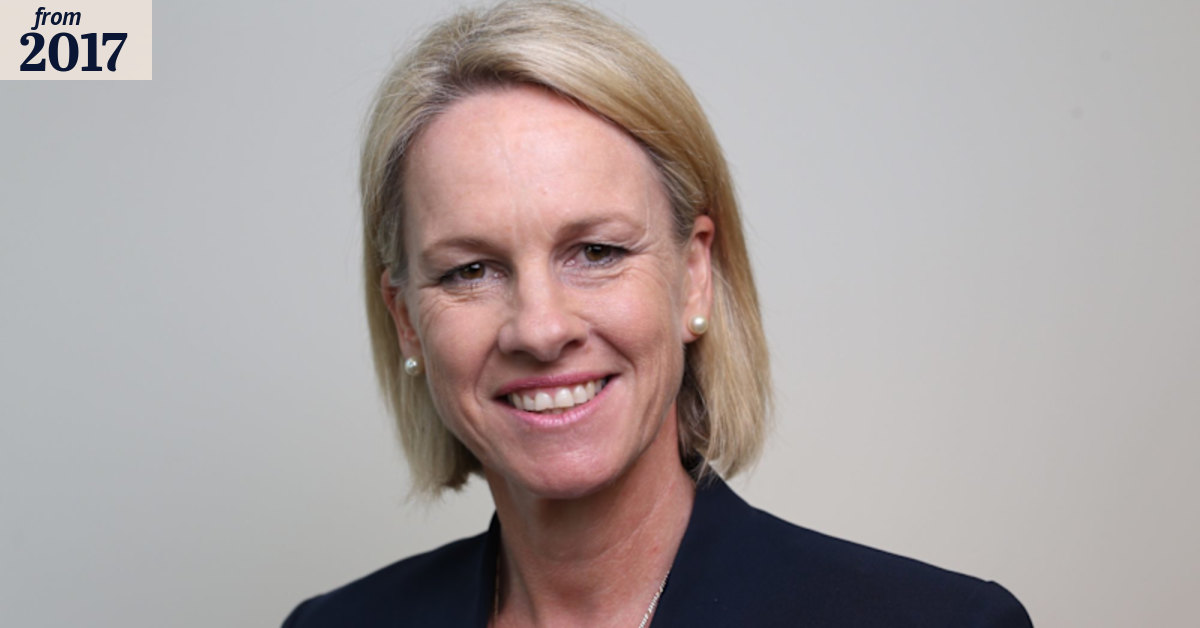
Nations Deputy Leader Fiona Nash defended this approach: "We are a Government that wants to invest in those communities and to invest in their futures...
然而 rán ér , , 执行 zhí xíng 存在 cún zài 问题 wèn tí : :
Part of our commitment to growing jobs outside of our major capital cities is to look at opportunities to decentralise Government agencies to rural and regional areas" [4].
However, the execution was problematic:
- No business case or cost-benefit analysis was prepared, violating Finance Department rules
- The ATO had massive oversupply of office space (6,200 empty desks)
- The agency was simultaneously cutting 4,700 jobs
- Only 129 staff expressed interest in relocating to Gosford
- The total cost reached $92 million ($72m building + $20m fit-out) [3]
Labor's shadow assistant treasurer Andrew Leigh's criticism was validated by subsequent events: "Without a business case or any kind of cost-benefit analysis for this building, it risks looking like naked pork-barrelling...
If the Abbott Government actually consulted with the tax office, the agency would rather keep some of the 4700 staff that are being forced out the door than spend money on a brand new building when it already has thousands of desks sitting idle" [1].
**Key context**: This is **not unique to the Coalition**.
The key difference here was the explicit bypassing of Commonwealth value-for-money guidelines, which is unusual even for politically motivated spending.
The core factual claims are accurate: the Coalition did indeed bypass Commonwealth value-for-money rules and proceed without a business case or cost-benefit analysis for the ATO's Gosford office.
The project was clearly linked to an election promise to win a marginal seat (Robertson) and proceeded despite the ATO having substantial excess office capacity and facing staff cuts.
However, the claim omits the broader context of the Coalition's decentralisation policy agenda and fails to acknowledge that Labor has engaged in similar regional spending promises for electoral purposes.
While the procurement process breach was unusual and problematic, the underlying goal of regional development is a legitimate policy objective pursued by governments of all political persuasions.
The core factual claims are accurate: the Coalition did indeed bypass Commonwealth value-for-money rules and proceed without a business case or cost-benefit analysis for the ATO's Gosford office.
The project was clearly linked to an election promise to win a marginal seat (Robertson) and proceeded despite the ATO having substantial excess office capacity and facing staff cuts.
However, the claim omits the broader context of the Coalition's decentralisation policy agenda and fails to acknowledge that Labor has engaged in similar regional spending promises for electoral purposes.
While the procurement process breach was unusual and problematic, the underlying goal of regional development is a legitimate policy objective pursued by governments of all political persuasions.