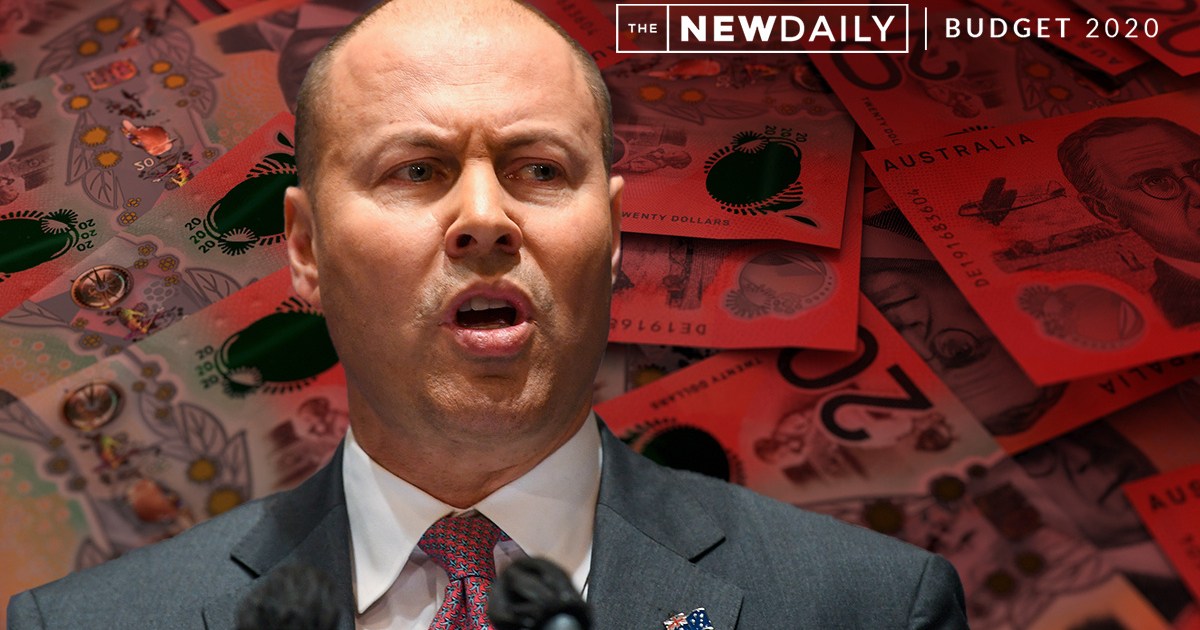
This occurred during a genuine recession: Australia experienced negative GDP growth in Q1 and Q2 2020 due to COVID-19, with unemployment projected to reach 8% by December 2020 [3].
In a year with huge increases in unemployment creating a surge in rental stress and homelessness, the federal government has chosen to slash homelessness funding" [1].
The broader context confirms increased need: Homelessness Australia reported that services had "turned away 253 people every day" in the previous year due to insufficient housing and support [2].
Additionally, the budget included only "a one-off payment to Queensland for remote Indigenous housing" while funding for remote Indigenous housing declined from $526.6 million in 2017-18 to $237.2 million annually [2].
缺失背景
然而 rán ér , , 该 gāi 说法 shuō fǎ 遗漏 yí lòu 了 le 几个 jǐ gè 重要 zhòng yào 的 de 背景 bèi jǐng 因素 yīn sù : :
However, the claim omits several important contextual factors:
**1.
The deficit reached $213.7 billion, with total announced spending focused on COVID-19 economic stimulus including JobKeeper wage subsidies and tax cuts [1].
The budget did include "$1 billion in low-cost finance to support the construction of affordable housing" [1], which received less media attention than the service cuts.
**3.
Historical funding context:** The claim focuses on the 2020 cut, but Homelessness Australia also documented "a 10 per cent cut to housing and homelessness funding over the three years from 2017-18 to 2020-21, most of which has been cut from remote Indigenous housing" [2].
**The New Daily:** According to Media Bias/Fact Check, The New Daily "maintains a general interest focus, covering politics, finance, sports, and more" [4].
The organization is rated as "Left-Center biased based on an editorial perspective that moderately aligns with the left" and "Mostly Factual rather than high due to a lack of hyperlinked sourcing" [5].
This means the article, while factually reporting the cut, likely emphasizes the negative aspects more prominently than a centrist outlet might.
**Homelessness Australia:** This is a peak body/advocacy organization representing homelessness services.
Their media release is a primary source for the $41.3 million figure and criticism, but should be understood as coming from an organization with a vested interest in securing funding.
他们 tā men 的 de 新闻稿 xīn wén gǎo 是 shì 4100 4100 万澳元 wàn ào yuán 数字 shù zì 和 hé 批评 pī píng 的 de 主要 zhǔ yào 来源 lái yuán , , 但应 dàn yīng 理解 lǐ jiě 其 qí 来自 lái zì 一个 yí gè 对 duì 确保 què bǎo 资金 zī jīn 有 yǒu 既得利益 jì dé lì yì 的 de 组织 zǔ zhī 。 。
Their statements are factually accurate regarding the budget details, but their interpretation (calling it "devastating," "cruel," and "senseless") reflects their advocacy position.
**Overall assessment:** Both sources accurately report the cut amount and timing, but frame it negatively without extensive detail on the government's stated reasoning or the broader spending context.
他们 tā men 的 de 声明 shēng míng 在 zài 预算 yù suàn 细节 xì jié 方面 fāng miàn 是 shì 事实 shì shí 准确 zhǔn què 的 de , , 但 dàn 他们 tā men 的 de 解读 jiě dú ( ( 称其为 chēng qí wèi " " 毁灭性 huǐ miè xìng 的 de " " 、 、 " " 残忍 cán rěn 的 de " " 和 hé " " 毫无意义 háo wú yì yì 的 de " " ) ) 反映 fǎn yìng 了 le 他们 tā men 的 de 倡导 chàng dǎo 立场 lì chǎng 。 。 * * * * 总体 zǒng tǐ 评估 píng gū : : * * * * 两个 liǎng gè 来源 lái yuán 都 dōu 准确 zhǔn què 报道 bào dào 了 le 削减 xuē jiǎn 金额 jīn é 和 hé 时间 shí jiān , , 但 dàn 没有 méi yǒu 详细 xiáng xì 说明 shuō míng 政府 zhèng fǔ 声明 shēng míng 的 de 理由 lǐ yóu 或 huò 更 gèng 广泛 guǎng fàn 的 de 支出 zhī chū 背景 bèi jǐng 而 ér 对 duì 其 qí 进行 jìn xíng 了 le 负面 fù miàn 框定 kuāng dìng 。 。
**Did Labor do something similar?**
The search conducted for "Kevin Rudd Julia Gillard homelessness funding cuts housing Australia" did not return specific comparative data on Labor-era homelessness funding decisions.
* * * *
However, broader historical context is relevant:
Australia's homelessness support system has faced chronic underfunding across multiple government administrations.
对 duì " " Kevin Kevin Rudd Rudd Julia Julia Gillard Gillard homelessness homelessness funding funding cuts cuts housing housing Australia Australia " " 的 de 搜索 sōu suǒ 没有 méi yǒu 返回 fǎn huí 关于 guān yú 工党 gōng dǎng 时期 shí qī 无家可归者 wú jiā kě guī zhě 资金 zī jīn 决策 jué cè 的 de 具体 jù tǐ 比较 bǐ jiào 数据 shù jù 。 。
The Rudd-Gillard Labor government (2007-2010, 2010-2013) implemented the National Partnership Agreement on Homelessness (NPAH) starting in 2008, which represented a significant new initiative.
然而 rán ér , , 更 gèng 广泛 guǎng fàn 的 de 历史背景 lì shǐ bèi jǐng 是 shì 相关 xiāng guān 的 de : :
However, the failure to provide comparable sustained funding increases across administrations suggests this is a systemic cross-party issue rather than a Coalition-specific problem [6].
The National Agreement on Social Housing and Homelessness provides $9.3 billion over five years from July 2024 [7], representing a substantial reversal of cuts from the Coalition era.
然而 rán ér , , 未能 wèi néng 提供 tí gōng comparable comparable 持续 chí xù 的 de 资金 zī jīn 增加 zēng jiā 表明 biǎo míng 这是 zhè shì 一个 yí gè 跨 kuà 党派 dǎng pài 的 de 系统性 xì tǒng xìng 问题 wèn tí , , 而 ér 非 fēi 联盟党 lián méng dǎng 特有 tè yǒu 的 de 问题 wèn tí [ [ 6 6 ] ] 。 。
However, this came after the cuts being analyzed here—it doesn't establish that Labor would have handled the 2020 recession differently.
**Key finding:** There is insufficient evidence to directly compare Labor's approach to equivalent 2020-style recession spending decisions.
While critics argue the $41.3 million cut was cruel and senseless during a recession [1][2], the Coalition government's position reflected different policy priorities.
The government was explicitly focused on immediate economic stimulus through JobKeeper wage subsidies and tax cuts rather than long-term social housing investment [1].
Treasury and policy officials reportedly believed immediate demand-side stimulus was more critical to preventing economic collapse than welfare expansion.
**Key context:** This is not unique to the Coalition—homelessness has been chronically underfunded across Australian governments.
The Homelessness Australia submission to the 2020 budget specifically called for $30,000 new social housing projects as economic stimulus, indicating the sector believed this was the optimal crisis response [1].
The $41.3 million cut, while not massive in budgetary terms, had real impacts on vulnerable populations facing heightened housing insecurity.
**Critical distinction:** Australia did eventually declare a recession (Q1 and Q2 2020 negative growth), but at the time of the October 6 budget, the economic outlook was still uncertain.
This doesn't excuse the cut, but explains the reasoning: they believed stimulating employment was the priority.
政府 zhèng fǔ 是 shì 根据 gēn jù 失业率 shī yè lǜ 达到 dá dào 8% 8% 的 de 预测 yù cè 而 ér 非 fēi 当前 dāng qián 实际 shí jì 情况 qíng kuàng 采取行动 cǎi qǔ xíng dòng 的 de 。 。
The decision to invest $1 billion in affordable housing finance while cutting services funding suggests a "build your way out" philosophy—creating permanent housing rather than expanding temporary support.
However, this required more time to deliver results, leaving a gap for vulnerable people in the interim.
**Comparative note:** The decision to cut service funding while maintaining/increasing capital investment has been repeated across multiple Australian governments, suggesting it reflects a systemic preference for infrastructure spending over recurrent services funding in times of constraint.
The Coalition government did cut $41.3 million in homelessness services funding from July 2021, and this decision occurred during Australia's COVID-19 recession when unemployment was surging and homelessness risk was elevated.
However, the claim lacks context that the cut was part of immediate crisis-response budget priorities emphasizing stimulus over social expansion, and that chronic homelessness underfunding is a systemic cross-party issue rather than unique to the Coalition.
The Coalition government did cut $41.3 million in homelessness services funding from July 2021, and this decision occurred during Australia's COVID-19 recession when unemployment was surging and homelessness risk was elevated.
However, the claim lacks context that the cut was part of immediate crisis-response budget priorities emphasizing stimulus over social expansion, and that chronic homelessness underfunding is a systemic cross-party issue rather than unique to the Coalition.