部分属实

评分: 7.0/10

Labor
8.7

声明内容

“世界领先的零工经济保护,设定最低标准”
原始来源: Albosteezy

原始来源

事实核查

阿尔巴尼ā ěr bā ní ā ěr bā ní 工党gōng dǎng gōng dǎng 政府zhèng fǔ zhèng fǔ 确实què shí què shí 通过tōng guò tōng guò 20242024 2024 nián nián 公平gōng píng gōng píng 工作gōng zuò gōng zuò 修正案xiū zhèng àn xiū zhèng àn 填补tián bǔ tián bǔ 漏洞lòu dòng lòu dòng 22 2 hào hào 法案fǎ àn fǎ àn 引入yǐn rù yǐn rù le le 世界领先shì jiè lǐng xiān shì jiè lǐng xiān de de 零工líng gōng líng gōng 经济jīng jì jīng jì 保护bǎo hù bǎo hù 立法lì fǎ lì fǎ [[ [ 11 1 ]] ]
The Albanese Labor Government did introduce world-leading legislation addressing gig economy protections through the Fair Work Legislation Amendment (Closing Loopholes No. 2) Act 2024 [1].
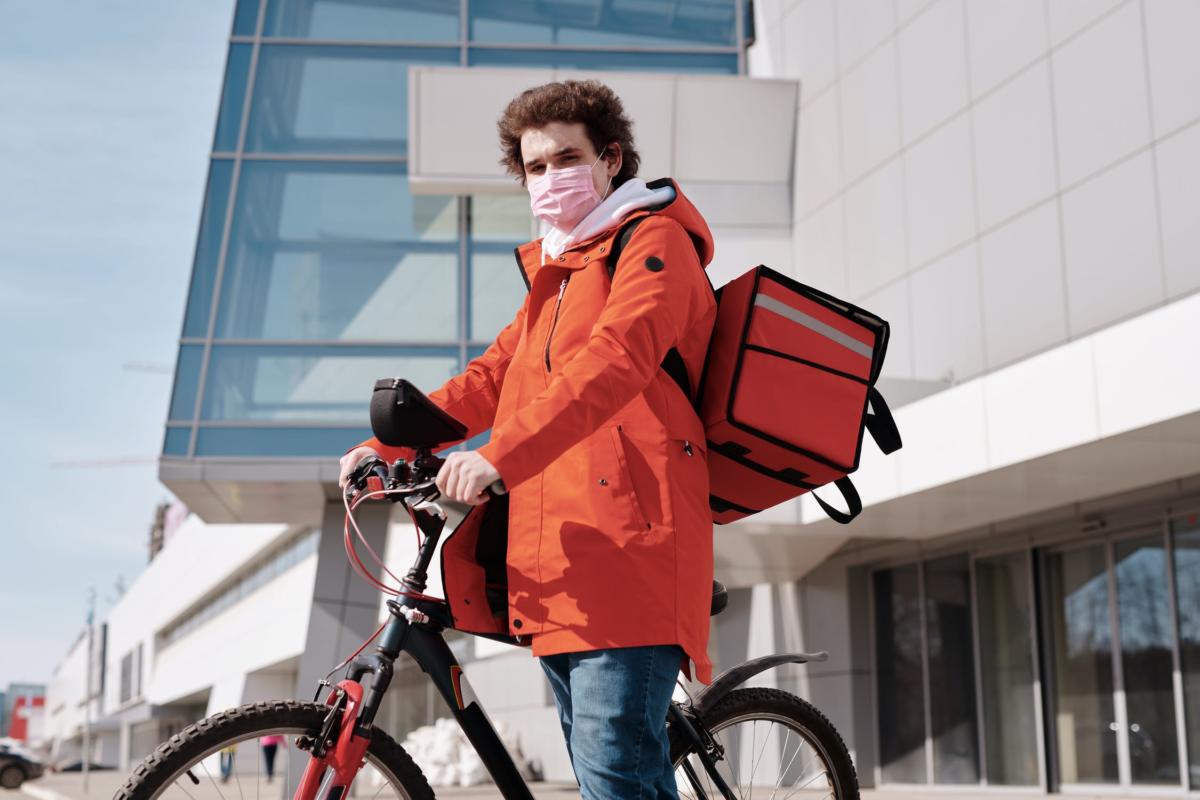
20242024 2024 nián nián 88 8 yuè yuè 2626 26 日起rì qǐ rì qǐ 通过tōng guò tōng guò 数字shù zì shù zì 平台píng tái píng tái 工作gōng zuò gōng zuò de de 零工líng gōng líng gōng 经济jīng jì jīng jì 工人gōng rén gōng rén 外卖wài mài wài mài 配送pèi sòng pèi sòng 网约车wǎng yuē chē wǎng yuē chē 司机sī jī sī jī xiàn xiàn bèi bèi 归类guī lèi guī lèi wèi wèi "" " lèi lèi 雇员gù yuán gù yuán 工人gōng rén gōng rén "" " bìng bìng shòu shòu 公平gōng píng gōng píng 工作gōng zuò gōng zuò 委员会wěi yuán huì wěi yuán huì 管辖guǎn xiá guǎn xiá [[ [ 22 2 ]] ]
From 26 August 2024, gig economy workers who work through digital platforms (such as food delivery and rideshare drivers) are now classified as "employee-like workers" and fall under the jurisdiction of the Fair Work Commission [2].
公平gōng píng gōng píng 工作gōng zuò gōng zuò 委员会wěi yuán huì wěi yuán huì bèi bèi 授予shòu yǔ shòu yǔ xīn xīn 权力quán lì quán lì wèi wèi 这类zhè lèi zhè lèi lèi lèi 雇员gù yuán gù yuán 工人gōng rén gōng rén 设定shè dìng shè dìng 最低标准zuì dī biāo zhǔn zuì dī biāo zhǔn 包括bāo kuò bāo kuò 付款fù kuǎn fù kuǎn 条款tiáo kuǎn tiáo kuǎn 扣款kòu kuǎn kòu kuǎn 工作gōng zuò gōng zuò 时间shí jiān shí jiān 记录jì lù jì lù 保存bǎo cún bǎo cún 保险bǎo xiǎn bǎo xiǎn 协商xié shāng xié shāng 代表dài biǎo dài biǎo 工会gōng huì gōng huì 代表dài biǎo dài biǎo 权利quán lì quán lì 成本chéng běn chéng běn 回收huí shōu huí shōu 相关xiāng guān xiāng guān de de 条款tiáo kuǎn tiáo kuǎn [[ [ 33 3 ]] ]
The Fair Work Commission was granted new powers to set minimum standards for these employee-like workers, including terms relating to payment terms, deductions, working time, record-keeping, insurance, consultation, representation, union delegates' rights and cost recovery [3].
gāi gāi 立法lì fǎ lì fǎ 还于hái yú hái yú 20252025 2025 nián nián 22 2 yuè yuè 2626 26 引入yǐn rù yǐn rù le le 数字shù zì shù zì 劳动láo dòng láo dòng 平台píng tái píng tái 停用tíng yòng tíng yòng 守则shǒu zé shǒu zé 要求yāo qiú yāo qiú 平台píng tái píng tái zài zài 停用tíng yòng tíng yòng 工人gōng rén gōng rén 之前zhī qián zhī qián 提供tí gōng tí gōng 预先警告yù xiān jǐng gào yù xiān jǐng gào 人工rén gōng rén gōng 联系lián xì lián xì 选项xuǎn xiàng xuǎn xiàng 公平gōng píng gōng píng 程序chéng xù chéng xù [[ [ 44 4 ]] ]
The legislation also introduced the Digital Labour Platform Deactivation Code from 26 February 2025, which requires platforms to provide advance warnings, human contact options, and a fair process before deactivating workers [4].
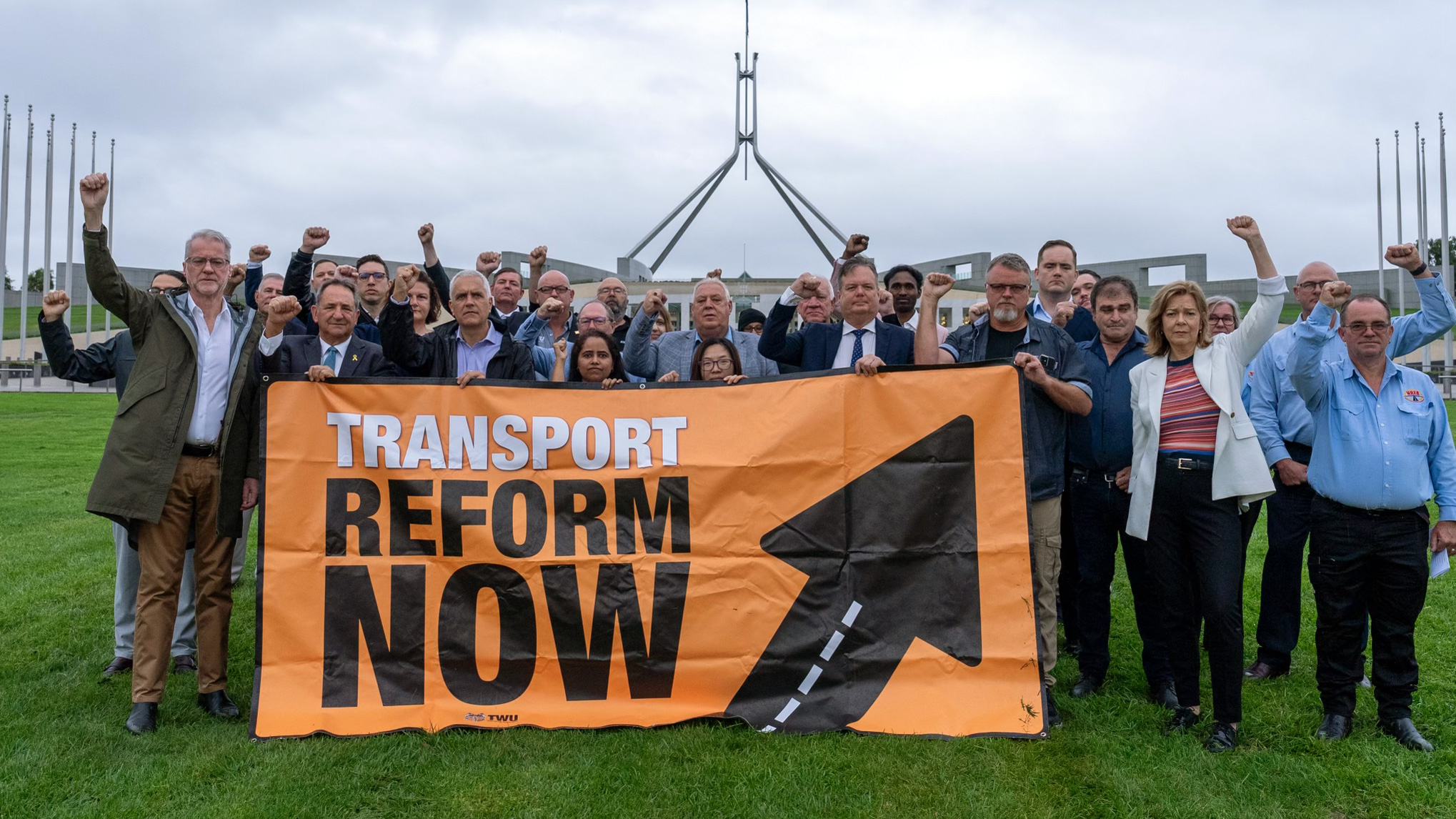
zài zài 国际guó jì guó jì shàng shàng 国际guó jì guó jì 运输工人yùn shū gōng rén yùn shū gōng rén 联合会lián hé huì lián hé huì 称赞chēng zàn chēng zàn 这项zhè xiàng zhè xiàng 立法lì fǎ lì fǎ wèi wèi "" " 世界领先shì jiè lǐng xiān shì jiè lǐng xiān "" " [[ [ 55 5 ]] ]
Internationally, the International Transport Workers' Federation commended this legislation as "world leading" [5].
gāi gāi 立法lì fǎ lì fǎ bèi bèi 认为rèn wéi rèn wéi 解决jiě jué jiě jué le le 其他qí tā qí tā 国家guó jiā guó jiā 存在cún zài cún zài de de 挑战tiǎo zhàn tiǎo zhàn 例如lì rú lì rú 英国yīng guó yīng guó 零工líng gōng líng gōng 工人gōng rén gōng rén réng réng bèi bèi 归类guī lèi guī lèi wèi wèi 独立dú lì dú lì 工人gōng rén gōng rén 限制xiàn zhì xiàn zhì le le 他们tā men tā men 获得huò dé huò dé 传统chuán tǒng chuán tǒng 雇员gù yuán gù yuán 福利fú lì fú lì 最低工资zuì dī gōng zī zuì dī gōng zī 病假bìng jià bìng jià 假期jià qī jià qī 工资gōng zī gōng zī de de 机会jī huì jī huì [[ [ 66 6 ]] ]
The legislation has been recognised as addressing challenges that exist in other nations—for example, UK gig workers remain classified as independent workers, limiting their access to conventional employee benefits like minimum wage, sick leave and holiday pay [6].

缺失背景

虽然suī rán suī rán gāi gāi 立法lì fǎ lì fǎ zài zài 建立jiàn lì jiàn lì "" " lèi lèi 雇员gù yuán gù yuán 工人gōng rén gōng rén "" " xīn xīn 类别lèi bié lèi bié 方面fāng miàn fāng miàn 确实què shí què shí 具有jù yǒu jù yǒu 创新性chuàng xīn xìng chuàng xīn xìng dàn dàn gāi gāi 主张zhǔ zhāng zhǔ zhāng 忽略hū lüè hū lüè le le 几个jǐ gè jǐ gè 显著xiǎn zhù xiǎn zhù 限制xiàn zhì xiàn zhì 有效性yǒu xiào xìng yǒu xiào xìng de de 重要zhòng yào zhòng yào 局限jú xiàn jú xiàn
While the legislation is genuinely innovative in establishing a new category of "employee-like workers," the claim omits several significant limitations that reduce its effectiveness: **Classification Boundaries**: The protections only apply to workers who meet the specific definition of "employee-like workers" relying on digital platforms for a substantial portion of their income [7].
** * ** * 分类fēn lèi fēn lèi 边界biān jiè biān jiè ** * ** * 这些zhè xiē zhè xiē 保护bǎo hù bǎo hù jǐn jǐn 适用shì yòng shì yòng 符合fú hé fú hé 特定tè dìng tè dìng "" " lèi lèi 雇员gù yuán gù yuán 工人gōng rén gōng rén "" " 定义dìng yì dìng yì de de 工人gōng rén gōng rén 那些nà xiē nà xiē 收入shōu rù shōu rù substantialsubstantial substantial 部分bù fèn bù fèn 依赖于yī lài yú yī lài yú 数字shù zì shù zì 平台píng tái píng tái de de 工人gōng rén gōng rén [[ [ 77 7 ]] ]
This creates a narrow carve-out; workers who are classified as genuine employees or genuine independent contractors fall outside these protections, meaning a substantial portion of gig workers may not be covered [8]. **Limited Scope of Standards**: The Fair Work Commission explicitly cannot set standards for overtime rates and rostering arrangements—two critical factors affecting worker welfare [9].
zhè zhè 创造chuàng zào chuàng zào le le 一个yí gè yí gè 狭窄xiá zhǎi xiá zhǎi de de 例外lì wài lì wài bèi bèi 归类guī lèi guī lèi wèi wèi 真正zhēn zhèng zhēn zhèng 雇员gù yuán gù yuán huò huò 真正zhēn zhèng zhēn zhèng 独立dú lì dú lì 承包商chéng bāo shāng chéng bāo shāng de de 工人gōng rén gōng rén zài zài 这些zhè xiē zhè xiē 保护bǎo hù bǎo hù 范围fàn wéi fàn wéi nèi nèi zhè zhè 意味着yì wèi zhe yì wèi zhe 相当xiāng dāng xiāng dāng 一部分yī bù fèn yī bù fèn 零工líng gōng líng gōng 工人gōng rén gōng rén 可能kě néng kě néng wèi wèi bèi bèi 覆盖fù gài fù gài [[ [ 88 8 ]] ]
The minimum pay standards also do not cover "waiting times between deliveries," which can constitute extended unpaid periods depending on when and where workers operate [10]. **Absence of Collective Bargaining Rights**: The legislation does not grant gig workers the right to collectively bargain with platforms, meaning they cannot negotiate as a group—a significant limitation compared to traditional employment protections [11].
** * ** * 标准biāo zhǔn biāo zhǔn 范围fàn wéi fàn wéi 有限yǒu xiàn yǒu xiàn ** * ** * 公平gōng píng gōng píng 工作gōng zuò gōng zuò 委员会wěi yuán huì wěi yuán huì 明确míng què míng què 不能bù néng bù néng wèi wèi 加班费jiā bān fèi jiā bān fèi 排班pái bān pái bān 安排ān pái ān pái 设定shè dìng shè dìng 标准biāo zhǔn biāo zhǔn 这是zhè shì zhè shì 影响yǐng xiǎng yǐng xiǎng 工人gōng rén gōng rén 福利fú lì fú lì de de 两个liǎng gè liǎng gè 关键因素guān jiàn yīn sù guān jiàn yīn sù [[ [ 99 9 ]] ]
This constrains workers' ability to collectively address systemic issues. **Implementation Timeline**: The legislation came into effect gradually, with minimum standards not beginning until August 2024 and the Deactivation Code from February 2025.
最低工资zuì dī gōng zī zuì dī gōng zī 标准biāo zhǔn biāo zhǔn 包括bāo kuò bāo kuò "" " 配送pèi sòng pèi sòng 之间zhī jiān zhī jiān de de 等待时间děng dài shí jiān děng dài shí jiān "" " 根据gēn jù gēn jù 工人gōng rén gōng rén 工作gōng zuò gōng zuò de de 时间shí jiān shí jiān 地点dì diǎn dì diǎn zhè zhè 可能kě néng kě néng 构成gòu chéng gòu chéng 长时间zhǎng shí jiān zhǎng shí jiān de de 无偿wú cháng wú cháng 等待děng dài děng dài [[ [ 1010 10 ]] ]
The Fair Work Commission then had to undertake its own process to determine what minimum standards to set, meaning protections are still being defined more than a year after the initial legislation [12]. **Business Pressure and Exemptions**: While intended to protect workers, critics note that imposing costs on the gig economy could increase pressure on small Australian businesses already facing cost-of-living pressures, with exemptions for employers with fewer than 15 employees potentially limiting coverage [13].
** * ** * 缺乏quē fá quē fá 集体jí tǐ jí tǐ 谈判tán pàn tán pàn quán quán ** * ** * gāi gāi 立法lì fǎ lì fǎ 没有méi yǒu méi yǒu 赋予fù yǔ fù yǔ 零工líng gōng líng gōng 工人gōng rén gōng rén 平台píng tái píng tái 集体jí tǐ jí tǐ 谈判tán pàn tán pàn de de 权利quán lì quán lì 意味着yì wèi zhe yì wèi zhe 他们tā men tā men 不能bù néng bù néng 作为zuò wéi zuò wéi 一个yí gè yí gè 群体qún tǐ qún tǐ 进行谈判jìn xíng tán pàn jìn xíng tán pàn zhè zhè 传统chuán tǒng chuán tǒng 就业jiù yè jiù yè 保护bǎo hù bǎo hù 相比xiāng bǐ xiāng bǐ shì shì 一个yí gè yí gè 重大zhòng dà zhòng dà 限制xiàn zhì xiàn zhì [[ [ 1111 11 ]] ]
zhè zhè 限制xiàn zhì xiàn zhì le le 工人gōng rén gōng rén 集体jí tǐ jí tǐ 解决jiě jué jiě jué 系统性xì tǒng xìng xì tǒng xìng 问题wèn tí wèn tí de de 能力néng lì néng lì
** * ** * 实施shí shī shí shī 时间表shí jiān biǎo shí jiān biǎo ** * ** * gāi gāi 立法lì fǎ lì fǎ 逐步zhú bù zhú bù 生效shēng xiào shēng xiào 最低标准zuì dī biāo zhǔn zuì dī biāo zhǔn 直到zhí dào zhí dào 20242024 2024 nián nián 88 8 yuè yuè cái cái 开始kāi shǐ kāi shǐ 停用tíng yòng tíng yòng 守则shǒu zé shǒu zé cóng cóng 20252025 2025 nián nián 22 2 yuè yuè 开始kāi shǐ kāi shǐ
公平gōng píng gōng píng 工作gōng zuò gōng zuò 委员会wěi yuán huì wěi yuán huì 随后suí hòu suí hòu hái hái 必须bì xū bì xū 进行jìn xíng jìn xíng 自己zì jǐ zì jǐ de de 程序chéng xù chéng xù lái lái 确定què dìng què dìng yīng yīng 设定shè dìng shè dìng 哪些nǎ xiē nǎ xiē 最低标准zuì dī biāo zhǔn zuì dī biāo zhǔn zhè zhè 意味着yì wèi zhe yì wèi zhe zài zài 最初zuì chū zuì chū 立法lì fǎ lì fǎ 通过tōng guò tōng guò 一年yī nián yī nián 多后duō hòu duō hòu 保护bǎo hù bǎo hù réng réng zài zài 定义dìng yì dìng yì zhōng zhōng [[ [ 1212 12 ]] ]
** * ** * 商业shāng yè shāng yè 压力yā lì yā lì 豁免huò miǎn huò miǎn ** * ** * 虽然suī rán suī rán 旨在zhǐ zài zhǐ zài 保护bǎo hù bǎo hù 工人gōng rén gōng rén dàn dàn 批评者pī píng zhě pī píng zhě 指出zhǐ chū zhǐ chū duì duì 零工líng gōng líng gōng 经济jīng jì jīng jì 施加shī jiā shī jiā 成本chéng běn chéng běn 可能kě néng kě néng huì huì 增加zēng jiā zēng jiā 已经yǐ jīng yǐ jīng 面临miàn lín miàn lín 生活shēng huó shēng huó 成本chéng běn chéng běn 压力yā lì yā lì de de xiǎo xiǎo 澳大利亚ào dà lì yà ào dà lì yà 企业qǐ yè qǐ yè de de 压力yā lì yā lì duì duì 雇员gù yuán gù yuán 少于shǎo yú shǎo yú 1515 15 rén rén de de 雇主gù zhǔ gù zhǔ de de 豁免huò miǎn huò miǎn 可能kě néng kě néng 限制xiàn zhì xiàn zhì 覆盖范围fù gài fàn wéi fù gài fàn wéi [[ [ 1313 13 ]] ]

💭 批判视角

gāi gāi 立法lì fǎ lì fǎ 代表dài biǎo dài biǎo le le 就业jiù yè jiù yè de de 真正zhēn zhèng zhēn zhèng 创新chuàng xīn chuàng xīn 澳大利亚ào dà lì yà ào dà lì yà 确实què shí què shí 采取cǎi qǔ cǎi qǔ le le 大多数dà duō shù dà duō shù 国家guó jiā guó jiā 不同bù tóng bù tóng de de 方法fāng fǎ fāng fǎ 通过tōng guò tōng guò 创建chuàng jiàn chuàng jiàn 一个yí gè yí gè 中间zhōng jiān zhōng jiān 类别lèi bié lèi bié de de 工人gōng rén gōng rén ér ér 不是bú shì bú shì 强迫qiǎng pò qiǎng pò 进行jìn xíng jìn xíng 二元èr yuán èr yuán 雇员gù yuán gù yuán // / 承包商chéng bāo shāng chéng bāo shāng 分类fēn lèi fēn lèi [[ [ 1414 14 ]] ]
The legislation represents a genuine innovation in employment law—Australia did take a different approach than most countries by creating a middle category of worker rather than forcing a binary employee/contractor classification [14].
国际guó jì guó jì 运输工人yùn shū gōng rén yùn shū gōng rén 联合会lián hé huì lián hé huì de de 认可rèn kě rèn kě 表明biǎo míng biǎo míng 国际guó jì guó jì shàng shàng duì duì gāi gāi 方法fāng fǎ fāng fǎ de de 认可rèn kě rèn kě [[ [ 1515 15 ]] ]
The International Transport Workers' Federation's endorsement indicates international recognition of the approach [15].
然而rán ér rán ér "" " 世界领先shì jiè lǐng xiān shì jiè lǐng xiān "" " de de 表述biǎo shù biǎo shù 掩盖yǎn gài yǎn gài le le 局限性jú xiàn xìng jú xiàn xìng
However, the "world-leading" framing obscures the limitations.
gāi gāi 主张zhǔ zhāng zhǔ zhāng 侧重于cè zhòng yú cè zhòng yú ** * 设计shè jì shè jì ** * shì shì 世界领先shì jiè lǐng xiān shì jiè lǐng xiān de de dàn dàn 忽略hū lüè hū lüè le le 实际shí jì shí jì de de ** * 保护bǎo hù bǎo hù ** * 范围fàn wéi fàn wéi 传统chuán tǒng chuán tǒng 就业jiù yè jiù yè 权利quán lì quán lì 更窄gèng zhǎi gèng zhǎi
The claim focuses on the *design* being world-leading but omits that the actual *protections* are narrower than conventional employment rights.
零工líng gōng líng gōng 工人gōng rén gōng rén 仍然réng rán réng rán 缺乏quē fá quē fá
Gig workers still lack: - Collective bargaining rights (which traditional employees have) [16] - Overtime protections - Coverage for waiting/idle time - The security of ongoing employment (the Fair Work Commission can only order minimum standards, not guarantee work) Compared to OECD peers, Australia's approach is innovative but still falls short of full employment protection [17].
-- - 集体jí tǐ jí tǐ 谈判tán pàn tán pàn quán quán 传统chuán tǒng chuán tǒng 雇员gù yuán gù yuán 拥有yōng yǒu yōng yǒu [[ [ 1616 16 ]] ]
Countries like France have taken different approaches—for example, France's Loi d'Avenir (Future Law) granted some social protections to platform workers while still maintaining contractor status [18].
-- - 加班jiā bān jiā bān 保护bǎo hù bǎo hù
The most significant issue is that the legislation still leaves gig workers as "non-employees" with contractual protections rather than giving them actual employee status.
-- - 等待děng dài děng dài // / 闲置xián zhì xián zhì 时间shí jiān shí jiān de de 覆盖fù gài fù gài
This means they: - Still bear business risks themselves - Don't receive paid leave, superannuation contributions to the same level, or other traditional employee benefits - Must rely on the Fair Work Commission to determine what minimum standards apply (rather than having these automatically as employees) The claim is therefore **technically accurate** but **strategically framed** to emphasize the legislative achievement rather than the lived protections for workers.
-- - 持续chí xù chí xù 就业jiù yè jiù yè de de 保障bǎo zhàng bǎo zhàng 公平gōng píng gōng píng 工作gōng zuò gōng zuò 委员会wěi yuán huì wěi yuán huì 只能zhǐ néng zhǐ néng 命令mìng lìng mìng lìng 最低标准zuì dī biāo zhǔn zuì dī biāo zhǔn 不能bù néng bù néng 保证bǎo zhèng bǎo zhèng 工作gōng zuò gōng zuò
The legislation is world-leading in its *approach* to the classification problem, but the actual worker protections remain intermediate between traditional employment and complete independence.
经合组织jīng hé zǔ zhī jīng hé zǔ zhī 同行tóng háng tóng háng 相比xiāng bǐ xiāng bǐ 澳大利亚ào dà lì yà ào dà lì yà de de 方法fāng fǎ fāng fǎ 具有jù yǒu jù yǒu 创新性chuàng xīn xìng chuàng xīn xìng dàn dàn réng réng wèi wèi 达到dá dào dá dào 完全wán quán wán quán 就业jiù yè jiù yè 保护bǎo hù bǎo hù [[ [ 1717 17 ]] ]
xiàng xiàng 法国fǎ guó fǎ guó 这样zhè yàng zhè yàng de de 国家guó jiā guó jiā 采取cǎi qǔ cǎi qǔ le le 不同bù tóng bù tóng de de 方法fāng fǎ fāng fǎ 例如lì rú lì rú 法国fǎ guó fǎ guó de de 未来wèi lái wèi lái LoiLoi Loi dd d '' ' AvenirAvenir Avenir zài zài 保持bǎo chí bǎo chí 承包商chéng bāo shāng chéng bāo shāng 身份shēn fèn shēn fèn de de 同时tóng shí tóng shí xiàng xiàng 平台píng tái píng tái 工人gōng rén gōng rén 授予shòu yǔ shòu yǔ le le 一些yī xiē yī xiē 社会shè huì shè huì 保护bǎo hù bǎo hù [[ [ 1818 18 ]] ]
zuì zuì 重大zhòng dà zhòng dà de de 问题wèn tí wèn tí shì shì gāi gāi 立法lì fǎ lì fǎ 仍然réng rán réng rán jiāng jiāng 零工líng gōng líng gōng 工人gōng rén gōng rén 作为zuò wéi zuò wéi "" " fēi fēi 雇员gù yuán gù yuán "" " 享有xiǎng yǒu xiǎng yǒu 合同hé tóng hé tóng 保护bǎo hù bǎo hù ér ér fēi fēi 给予jǐ yǔ jǐ yǔ 他们tā men tā men 实际shí jì shí jì de de 雇员gù yuán gù yuán 身份shēn fèn shēn fèn
zhè zhè 意味着yì wèi zhe yì wèi zhe 他们tā men tā men
-- - 仍然réng rán réng rán 自己zì jǐ zì jǐ 承担chéng dān chéng dān 商业shāng yè shāng yè 风险fēng xiǎn fēng xiǎn
-- - 获得huò dé huò dé 带薪休假dài xīn xiū jià dài xīn xiū jià tóng tóng 水平shuǐ píng shuǐ píng de de 退休金tuì xiū jīn tuì xiū jīn 缴款jiǎo kuǎn jiǎo kuǎn huò huò 其他qí tā qí tā 传统chuán tǒng chuán tǒng 雇员gù yuán gù yuán 福利fú lì fú lì
-- - 必须bì xū bì xū 依赖yī lài yī lài 公平gōng píng gōng píng 工作gōng zuò gōng zuò 委员会wěi yuán huì wěi yuán huì lái lái 确定què dìng què dìng 适用shì yòng shì yòng de de 最低标准zuì dī biāo zhǔn zuì dī biāo zhǔn ér ér 不是bú shì bú shì xiàng xiàng 雇员gù yuán gù yuán 那样nà yàng nà yàng 自动zì dòng zì dòng 享有xiǎng yǒu xiǎng yǒu 这些zhè xiē zhè xiē 标准biāo zhǔn biāo zhǔn
因此yīn cǐ yīn cǐ gāi gāi 主张zhǔ zhāng zhǔ zhāng zài zài ** * ** * 技术jì shù jì shù shàng shàng 准确zhǔn què zhǔn què ** * ** * dàn dàn zài zài ** * ** * 策略cè lüè cè lüè shàng shàng bèi bèi 框定kuāng dìng kuāng dìng ** * ** * wèi wèi 强调qiáng diào qiáng diào 立法lì fǎ lì fǎ 成就chéng jiù chéng jiù ér ér fēi fēi 工人gōng rén gōng rén de de 实际shí jì shí jì 保护bǎo hù bǎo hù
gāi gāi 立法lì fǎ lì fǎ zài zài 解决jiě jué jiě jué 分类fēn lèi fēn lèi 问题wèn tí wèn tí de de ** * 方法fāng fǎ fāng fǎ ** * shàng shàng shì shì 世界领先shì jiè lǐng xiān shì jiè lǐng xiān de de dàn dàn 实际shí jì shí jì de de 工人gōng rén gōng rén 保护bǎo hù bǎo hù réng réng 处于chǔ yú chǔ yú 传统chuán tǒng chuán tǒng 就业jiù yè jiù yè 完全wán quán wán quán 独立dú lì dú lì 之间zhī jiān zhī jiān de de 中间zhōng jiān zhōng jiān 地带dì dài dì dài

部分属实

7.0

/ 10

gāi gāi 立法lì fǎ lì fǎ shì shì 真正zhēn zhèng zhēn zhèng 具有jù yǒu jù yǒu 创新性chuàng xīn xìng chuàng xīn xìng de de 获得huò dé huò dé 国际guó jì guó jì 认可rèn kě rèn kě wèi wèi xīn xīn 工人gōng rén gōng rén 类别lèi bié lèi bié 设定shè dìng shè dìng le le 世界shì jiè shì jiè 首创shǒu chuàng shǒu chuàng de de 标准biāo zhǔn biāo zhǔn
The legislation is genuinely innovative and has received international recognition, setting world-first standards for a new worker category.
然而rán ér rán ér gāi gāi 主张zhǔ zhāng zhǔ zhāng 夸大kuā dà kuā dà le le 保护bǎo hù bǎo hù 范围fàn wéi fàn wéi 暗示àn shì àn shì 这些zhè xiē zhè xiē shì shì 传统chuán tǒng chuán tǒng 就业jiù yè jiù yè 相当xiāng dāng xiāng dāng de de 全面quán miàn quán miàn 保护bǎo hù bǎo hù ér ér 实际上shí jì shàng shí jì shàng 它们tā men tā men 代表dài biǎo dài biǎo de de shì shì 具有jù yǒu jù yǒu 重大zhòng dà zhòng dà 局限性jú xiàn xìng jú xiàn xìng de de 中间zhōng jiān zhōng jiān 地带dì dài dì dài
However, the claim overstates the protective scope by implying these are comprehensive protections equivalent to traditional employment, when in fact they represent a middle ground with significant limitations.

📚 来源与引用 (18)

  1. 1
    ministers.dewr.gov.au

    Fair Work Legislation Amendment (Closing Loopholes No. 2) Act 2024

    Ministers Dewr Gov

  2. 2
    Gig workers get minimum standards from Monday. Here's what will change

    Gig workers get minimum standards from Monday. Here's what will change

    From Monday gig workers will be classified as ‘employee-like workers’ and given many of the protections afforded to employees, but not all.

    The Conversation
  3. 3
    New Australian Legislation to Protect Gig Workers

    New Australian Legislation to Protect Gig Workers

    The Australian government has introduced new legislation to protect gig workers. Find out about the changes and what you need to do as a business owner.

    Peninsula Australia
  4. 4
    ministers.dewr.gov.au

    Right to disconnect among many increased benefits for workers starting today

    Ministers Dewr Gov

  5. 5
    Australia passes world-first reform to raise standards for gig economy and transport workers

    Australia passes world-first reform to raise standards for gig economy and transport workers

    The Australian Senate has today passed world-leading legislation that enforces minimum standards for gig economy and road transport workers. The bill is on track to pass the House on Monday.

    Itfglobal
  6. 6
    Australia reshapes gig economy rules with new worker protections

    Australia reshapes gig economy rules with new worker protections

    New rights, new codes, and new scrutiny. From pay standards to deactivation protections, 2025 marks a turning point for gig economy regulation – and a new challenge for platforms and regulators alike.

    The Modern Regulator
  7. 7
    The Closing Loopholes Acts – what's changing

    The Closing Loopholes Acts – what's changing

    The Fair Work Commission is Australia's workplace tribunal. We create awards, approve enterprise agreements and help resolve issues at work.

    Fwc Gov
  8. 8
    Australia Fair Work Legislation Amendment Further Protects Australia

    Australia Fair Work Legislation Amendment Further Protects Australia

    Australia Labor, Employment, and Workplace Safety Alert The Federal Government recently introduced the latest in a series of workplace reforms into Federal Parliament. The Fair Work Legislation Amendment (Closing Loopholes) Bill 2023 (the Bill), proposes further amendments to the Fair Work Act 2009 (FW Act) and Work Health and Safety Act 2011 (WHS Act) to close “loopholes” to protect Australian workers and strengthen the work health and safety framework. 

    The National Law Review
  9. 9
    fairwork.gov.au

    Minimum standards for contractors

    Fairwork Gov

  10. 10
    Progress but questions still unanswered for gig economy workers

    Progress but questions still unanswered for gig economy workers

    Gig economy workers in Australia are on the brink of a landmark agreement on pay and conditions. But crucial questions remain unanswered.

    Thenewdaily Com
  11. 11
    New rights and protections for gig economy workers

    New rights and protections for gig economy workers

    Thanks to new laws which union members won this year, gig economy workers are entitled to the pay, rights and benefits that other workers enjoy.

    Australian Unions
  12. 12
    ministers.dewr.gov.au

    Australia leading the world with gig worker protections

    Ministers Dewr Gov

  13. 13
    Riding the Waves of Change: New Regulation for Gig-Economy Workers

    Riding the Waves of Change: New Regulation for Gig-Economy Workers

    By Fiona Waring With the rise of digital labour platforms in recent years, the regulation of the workers operating on these platforms (often referred to as “gig-economy” workers) has become a contentious issue in Australia. Gig-economy work often involves workers completing certain “on demand” tasks for consumers via digital labour platforms, such as ride share […]

    HLS Legal
  14. 14
    The Gig Economy And Australian Law: What's Next? (2025 Updated)

    The Gig Economy And Australian Law: What's Next? (2025 Updated)

    The gig economy has grown significantly in Australia. Are the current laws in Australia providing enough protection for gig workers?

    Sprintlaw
  15. 15
    dewr.gov.au

    Extend the Powers of the Fair Work Commission to Include 'Employee-Like' Forms of Work

    Dewr Gov

  16. 16
    Closing Loopholes Bill: Gig economy provisions still subject to change

    Closing Loopholes Bill: Gig economy provisions still subject to change

    Holdingredlich
  17. 17
    Australia Leading World With Gig Worker Protections

    Australia Leading World With Gig Worker Protections

    The Albanese Labor Government welcomes the deal reached between the Transport Workers Union (TWU), Uber and Doordash, which is now before the Fair

    Mirage News
  18. 18
    New Australian Legislation to Protect Gig Workers - Employsure

    New Australian Legislation to Protect Gig Workers - Employsure

    A landmark bill titled “Closing Loopholes” comes into effect on November 1, 2024, giving gig workers the right to better pay and other minimum employment standards. Find out about the changes and what you need to do as a business owner.

    Employsure

评分方法

1-3: 不实

事实错误或恶意捏造。

4-6: 部分属实

有一定真实性,但缺乏背景或有所偏颇。

7-9: 基本属实

仅有微小的技术性或措辞问题。

10: 准确

完全经过验证且客观公正。

方法论: 评分通过交叉参照政府官方记录、独立事实核查机构和原始文件确定。