
Đúng

Đánh giá: 7.0/10

Coalition
C0628

Tuyên bố

“Đã cố gắng loại bỏ yêu cầu buộc các công ty viễn thông phải tiết lộ số lần họ tự nguyện chuyển dữ liệu khách hàng cho các cơ quan thực thi pháp luật mà không cần lệnh khám xét.”
Nguồn gốc: Matthew Davis

Nguồn gốc được cung cấp

XÁC MINH THỰC TẾ

**ĐÚNG** - Chính phủ Abbott đã cố gắng loại bỏ yêu cầu tiết lộ này.
**TRUE** - The Abbott government did attempt to remove this disclosure requirement.
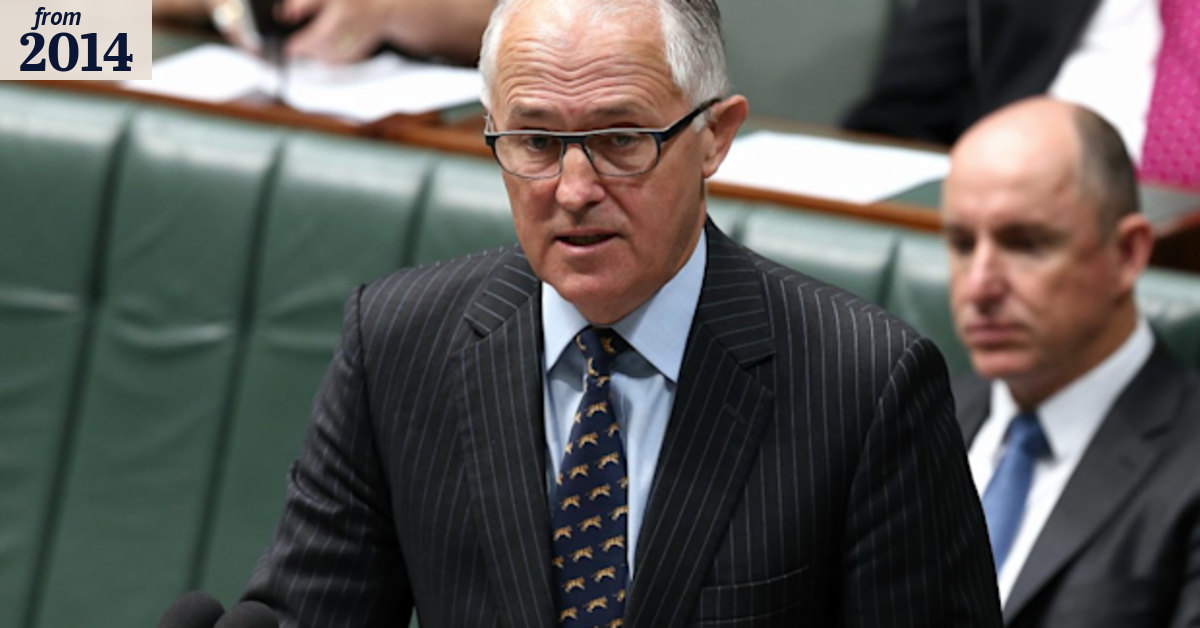
Vào tháng 10 năm 2014, Bộ trưởng Truyền thông Malcolm Turnbull đã giới thiệu Dự luật Sửa đổi Pháp lệnh Viễn thông (Deregulation) 2014 như một phần của chương trình cắt giảm "thủ tục rườm rà" của chính phủ nhằm loại bỏ 1 tỷ đô la chi phí khỏi nền kinh tế hàng năm [1].
In October 2014, Communications Minister Malcolm Turnbull introduced the *Telecommunications Legislation Amendment (Deregulation) Bill 2014* as part of the government's "red tape" reduction scheme aimed at removing $1 billion in costs from the economy annually [1].
Dự luật bao gồm một điều khoản sẽ loại bỏ nghĩa vụ của các công ty viễn thông trong việc báo cáo với quan Truyền thông Truyền thông Úc (ACMA) về số lần họ tiết lộ siêu dữ liệu khách hàng cho các quan thực thi pháp luật tòa án [1].
The bill included a provision that would have removed the obligation on telecommunications companies to report to the Australian Communications and Media Authority (ACMA) how many times they disclosed customer metadata to law enforcement agencies and courts [1].
Yêu cầu báo cáo được thiết lập theo các điều khoản 306, 306A 308 của Đạo luật Viễn thông 1997, yêu cầu các nhà cung cấp dịch vụ hãng vận tải phải lưu giữ hồ về các lần tiết lộ cung cấp báo cáo hàng năm cho ACMA [2][3].
The reporting requirement is established under sections 306, 306A, and 308 of the *Telecommunications Act 1997*, which requires carriers and carriage service providers to keep records of disclosures and provide annual reports to ACMA [2][3].
Báo cáo 2012-13 của ACMA cho thấy 551.942 lần tiết lộ siêu dữ liệu điện thoại, email internet được các công ty viễn thông thực hiện cho các quan thực thi pháp luật [1].
The ACMA's 2012-13 report showed 551,942 disclosures of phone, email, and internet metadata made by telcos to law-enforcement agencies [1].
Một báo cáo riêng của Bộ pháp cho thấy 339.067 lần "ủy quyền" được các quan hoàn thành trong cùng giai đoạn [1].
A separate Attorney-General's Department report showed 339,067 "authorisations" completed by agencies in the same period [1].
Sau khi được báo chí đưa tin, giới truyền thông giám sát sự phản đối từ Labor, Greens các nhà vận động quyền riêng tư, chính phủ đã rút lui tuyên bố sẽ giữ yêu cầu tiết lộ [1].
Following public reporting, media scrutiny, and opposition from Labor, the Greens, and privacy advocates, the government backed down and announced it would keep the disclosure requirement in place [1].

Bối cảnh thiếu

**Tuyên bố này bỏ qua một số yếu tố bối cảnh quan trọng:** 1. **Chính phủ đã rút lui**: Tuyên bố trình bày đây một hành động đã hoàn thành, nhưng chính phủ cuối cùng đã đảo ngược lập trường giữ lại các yêu cầu tiết lộ sau khi đối mặt với chỉ trích [1]. 2. **Lý do cho đề xuất**: Ban đầu chính phủ cho rằng sự trùng lặp giữa báo cáo ACMA báo cáo của Bộ pháp [1].
**The claim omits several important contextual elements:** 1. **The government backed down**: The claim presents this as a completed action, but the government ultimately reversed its position and retained the disclosure requirements after facing criticism [1]. 2. **Rationale for the proposal**: The government initially believed there was duplication between the ACMA reporting and a separate Attorney-General's Department report [1].
Báo cáo truyền thông tiết lộ hai báo cáo cho thấy "hoàn toàn khác nhau" - báo cáo ACMA đếm số lần tiết lộ của các công ty viễn thông (551.942 trong năm 2012-13), trong khi báo cáo của Bộ pháp đếm số lần ủy quyền của các quan (339.067 trong cùng giai đoạn) [1]. 3. **Bối cảnh thời điểm**: Đề xuất này được đưa ra khi chính phủ đồng thời giới thiệu luật lưu giữ dữ liệu bắt buộc gây tranh cãi (buộc các công ty viễn thông lưu trữ siêu dữ liệu trong hai năm), làm gia tăng lo ngại về quyền riêng [1].
Media reporting revealed the two reports showed "completely different things" - the ACMA report counts disclosures by telcos (551,942 in 2012-13), while the Attorney-General's report counts authorisations by agencies (339,067 in the same period) [1]. 3. **Timing context**: The proposal came as the government was simultaneously introducing controversial mandatory data retention legislation (forcing telcos to store metadata for two years), which increased privacy concerns [1].
Các nhà phê bình xem việc loại bỏ yêu cầu tiết lộ giảm minh bạch ngay khi quyền lực giám sát được mở rộng. 4. **Bản chất của việc báo cáo**: Các lần tiết lộ được báo cáo cho ACMA bao gồm cả các lần tiết lộ lệnh khám xét không lệnh khám xét theo các ngoại lệ khác nhau trong Đạo luật Viễn thông Đạo luật Viễn thông (Nghe trộm Truy cập) 1979 (TIA Act), bao gồm các lần tiết lộ để ngăn chặn mối đe dọa nghiêm trọng đến tính mạng, dịch vụ khẩn cấp các lần ủy quyền hợp pháp [2][3].
Critics viewed the removal of disclosure requirements as reducing transparency precisely when surveillance powers were being expanded. 4. **Nature of the reporting**: The disclosures reported to ACMA include both warranted and warrantless disclosures under various exceptions in the Telecommunications Act and the Telecommunications (Interception and Access) Act 1979 (TIA Act), including disclosures for preventing serious threats to life, emergency services, and lawful authorisations [2][3].

Đánh giá độ tin cậy nguồn

**The Sydney Morning Herald** một tờ báo chính thống của Úc với danh tiếng về báo cáo dựa trên sự kiện.
**The Sydney Morning Herald** is a mainstream Australian newspaper with a reputation for factual reporting.
Bài báo của Ben Grubb dẫn chứng "các nguồn chính phủ" cung cấp chi tiết cụ thể về dự luật được đề xuất, các con số từ báo cáo ACMA phản ứng chính trị.
The article by Ben Grubb cites "government sources" and provides specific details about the proposed legislation, numbers from ACMA reports, and the political response.
SMH không sự thiên vị đảng phái mạnh được ghi nhận, mặc như tất cả các phương tiện truyền thông, quan điểm biên tập.
The SMH has no documented strong partisan alignment, though like all media, has editorial perspectives.
Thông tin được trình bày phù hợp với hồ quốc hội báo cáo ACMA chính thức.
The information presented is consistent with parliamentary records and official ACMA reporting.
Nguồn vẻ đáng tin cậy tuyên bố chính xác về mặt sự kiện như đã báo cáo.
The source appears credible and the claim is factually accurate as reported.
⚖️

So sánh với Labor

**Các yêu cầu này được thiết lập khi nào?** Các yêu cầu báo cáo theo các điều khoản 306, 306A 308 của Đạo luật Viễn thông 1997 từ thời điểm ban hành Đạo luật năm 1997 dưới chính phủ Coalition Howard [2][3].
**When were these requirements established?** The reporting requirements under sections 306, 306A, and 308 of the *Telecommunications Act 1997* date back to the original passage of the Act in 1997 under the Howard Coalition government [2][3].
Các điều khoản này không được Labor giới thiệu. **Labor ủng hộ duy trì các yêu cầu tiết lộ không?** Có.
These provisions were not introduced by Labor. **Did Labor support maintaining the disclosure requirements?** Yes.
Theo báo cáo SMH, "Labor, Greens các nhà vận động quyền riêng đã bày tỏ lo ngại với chính phủ rằng việc loại bỏ nghĩa vụ báo cáo sẽ làm giảm tính minh bạch trong bối cảnh giới thiệu chế độ 'lưu giữ dữ liệu'" [1].
According to the SMH report, "Labor, the Greens and privacy advocates raised concerns with the government that removing the reporting obligation would reduce transparency in light of its introduction of a 'data retention' regime" [1].
Sự phản đối của Labor việc loại bỏ một phần của các lo ngại rộng hơn về chính sách lưu giữ siêu dữ liệu của chính phủ. **Hồ của Labor về tiết lộ viễn thông giám sát:** Các chính phủ Labor Rudd Gillard (2007-2013) đã vận hành theo cùng khung tiết lộ được thiết lập năm 1997.
Labor's opposition to the removal was part of broader concerns about the government's metadata retention policies. **Labor's record on telco disclosure and surveillance:** The Rudd and Gillard Labor governments (2007-2013) operated under the same disclosure framework established in 1997.
Mặc Labor phản đối nỗ lực của chính phủ Abbott nhằm loại bỏ các yêu cầu báo cáo vào năm 2014, các chính sách lưu giữ dữ liệu giám sát của chính Labor cũng đối mặt với chỉ trích tương tự: - Bản thảo thảo luận năm 2012 của Labor về lưu giữ dữ liệu đề xuất các mở rộng giám sát tương tự [4] - Chương trình lưu giữ dữ liệu được đề xuất của chính phủ Gillard năm 2012 đã bị gác lại sau phản ứng dữ dội từ công chúng [4] - Cả hai đảng chính đều đã ủng hộ mở rộng quyền truy cập của quan thực thi pháp luật vào dữ liệu viễn thông, với điểm khác biệt chính sự nhấn mạnh được tuyên bố của Labor về việc duy trì các chế minh bạch [1]
While Labor opposed the Abbott government's attempt to remove reporting requirements in 2014, Labor's own data retention and surveillance policies faced similar criticism: - Labor's 2012 discussion paper on data retention proposed similar surveillance expansions [4] - The Gillard government's proposed data retention scheme in 2012 was shelved after public backlash [4] - Both major parties have supported expanded law enforcement access to telecommunications data, with the key difference being Labor's stated emphasis on maintaining transparency mechanisms [1]
🌐

Quan điểm cân bằng

**Mặc tuyên bố chính xác về mặt sự kiện, bối cảnh quan trọng:** Đề xuất của chính phủ Abbott nhằm loại bỏ các yêu cầu báo cáo thực sự đáng lo ngại từ góc độ minh bạch, đặc biệt khi đi kèm với quyền lực lưu giữ dữ liệu mở rộng.
**While the claim is factually accurate, context is important:** The Abbott government's proposal to remove reporting requirements was genuinely concerning from a transparency perspective, particularly coming alongside expanded data retention powers.
Yêu cầu các công ty viễn thông tiết lộ tần suất họ chuyển giao dữ liệu khách hàng cung cấp trách nhiệm giải trình công khai quan trọng cho các hoạt động giám sát.
The requirement for telcos to disclose how often they hand over customer data provides important public accountability for surveillance activities.
Tuy nhiên, một số yếu tố cung cấp bối cảnh quan trọng: 1. **Chính phủ đã đảo ngược quyết định**: Không giống như nhiều quyết định chính sách tiến hành bất chấp sự phản đối, đề xuất này đã bị bỏ sau khi bị chỉ trích từ các đảng đối lập nhà vận động [1]. 2. **Lý do ban đầu, mặc sai sót, không ác ý**: Chính phủ thực sự (mặc không chính xác) tin rằng sự trùng lặp giữa báo cáo ACMA báo cáo của Bộ pháp [1]. 3. **Cả hai đảng đều đã ủng hộ mở rộng giám sát**: Sự phản đối của Labor việc loại bỏ các biện pháp minh bạch vào năm 2014 diễn ra khi đảng này đồng thời ủng hộ luật lưu giữ dữ liệu mở rộng khả năng giám sát.
However, several factors provide important context: 1. **The government reversed course**: Unlike many policy decisions that proceed despite opposition, this proposal was abandoned after criticism from opposition parties and advocates [1]. 2. **Original rationale, while flawed, wasn't malicious**: The government genuinely (if incorrectly) believed there was duplication between ACMA and Attorney-General's Department reporting [1]. 3. **Both parties have supported surveillance expansion**: Labor's opposition to removing transparency measures in 2014 came while the party was simultaneously supporting data retention legislation that expanded surveillance capabilities.
Cuộc tranh luận chính trị tập trung vào các biện pháp bảo vệ minh bạch thay các quyền lực giám sát [1][4]. 4. **Khung pháp từ trước cả hai chính phủ gần đây**: Các yêu cầu tiết lộ đã được áp dụng từ năm 1997, được thiết lập dưới chính phủ Coalition, được duy trì qua cả các chính phủ Labor Coalition [2][3]. **Bối cảnh chính:** Điều này không độc đáo cho Coalition - cả hai đảng chính của Úc đều đã ủng hộ mở rộng quyền truy cập của quan thực thi pháp luật vào dữ liệu viễn thông trong khi khác nhau về các biện pháp bảo vệ minh bạch.
The political debate focused on transparency safeguards rather than the surveillance powers themselves [1][4]. 4. **The legal framework predates both parties' recent administrations**: The disclosure requirements have been in place since 1997, established under a Coalition government, and maintained through both Labor and Coalition administrations [2][3]. **Key context:** This is not unique to the Coalition - both major Australian parties have supported expanded law enforcement access to telecommunications data while differing on transparency safeguards.

ĐÚNG

7.0

/ 10

Tuyên bố chính xác về mặt sự kiện.
The claim is factually accurate.
Chính phủ Abbott đã cố gắng loại bỏ yêu cầu các công ty viễn thông tiết lộ việc tiết lộ siêu dữ liệu cho ACMA.
The Abbott government did attempt to remove the requirement for telecommunications companies to disclose metadata disclosures to ACMA.
Dự luật Sửa đổi Pháp lệnh Viễn thông (Deregulation) 2014 bao gồm các điều khoản sẽ loại bỏ nghĩa vụ báo cáo này.
The *Telecommunications Legislation Amendment (Deregulation) Bill 2014* included provisions that would have eliminated this reporting obligation.
Tuy nhiên, chính phủ đã rút lui sau sự phản đối từ Labor, Greens các nhà vận động quyền riêng tư, các yêu cầu tiết lộ vẫn được giữ nguyên.
However, the government backed down after opposition from Labor, the Greens, and privacy advocates, and the disclosure requirements remained in place.

📚 NGUỒN & TRÍCH DẪN (4)

  1. 1
    Abbott government to back down on removing telco obligation to report metadata disclosures

    Abbott government to back down on removing telco obligation to report metadata disclosures

    The Abbott government will keep in place an obligation on telecommunications companies to reveal how many times they disclose Australians' personal data each year to government law-enforcement agencies and courts after attempting to remove it, sources say.

    The Sydney Morning Herald
  2. 2
    Keeping records of disclosures under the Telecommunications Act 1997

    Keeping records of disclosures under the Telecommunications Act 1997

    An overview for telecommunication service providers of their obligations to maintain records of disclosures under ss 306 and 306A of the Telecommunications Act 1997.

    OAIC
  3. 3
    www5.austlii.edu.au

    Telecommunications Act 1997 - SECT 308 Annual reports to the ACMA

    SECT 308 Annual reports to the ACMA by carriers, carriage service providers or number

  4. 4
    PDF

    The Rudd promises on national policing priorities

    Classic Austlii Edu • PDF Document
Phương pháp thang đánh giá

1-3: SAI

Sai sự thật hoặc bịa đặt ác ý.

4-6: MỘT PHẦN

Có phần đúng nhưng thiếu hoặc lệch bối cảnh.

7-9: PHẦN LỚN ĐÚNG

Vấn đề kỹ thuật nhỏ hoặc cách diễn đạt.

10: CHÍNH XÁC

Được xác minh hoàn hảo và công bằng về mặt bối cảnh.

Phương pháp: Xếp hạng được xác định thông qua đối chiếu hồ sơ chính phủ chính thức, các tổ chức kiểm chứng sự thật độc lập và tài liệu nguồn gốc.