Nakakalito

Rating: 3.0/10

Coalition
C0848

Ang Claim

“Palihim na pinabagsak ang isang internasyonal na kasunduan sa pagpapawalang-bisa ng mga sandatang nukleyar, na tumutol sa isang pangungusap sa kasunduan na nagsabing nasa interes ng sangkatauhan na ang mga sandatang nukleyar ay hindi na muling gamitin 'sa anumang sitwasyon'. Nanindigan ang Australia na ang isang kasunduan sa pagpapawalang-bisa ay mas hindi epektibo sa pagpapabawas ng paglaganap kaysa sa pagkakaroon ng walang kasunduan sa pagpapawalang-bisa.”
Orihinal na Pinagmulan: Matthew Davis
Sinuri: 1 Feb 2026

Orihinal na Pinagmulan

FACTUAL NA BERIPIKASYON

Ang claim ay naglalaman ng mga malaking pagkakamali tungkol sa oras, pagiging lihim, at kalikasan ng pagtutol ng Australia. **Hindi "pinabagsak" ng Australia ang kasunduan.** Ang Treaty on the Prohibition of Nuclear Weapons (TPNW) ay pinagtibay ng United Nations General Assembly noong Hulyo 7, 2017, sa botong 122-1 (may 1 abstention at 69 abstentions/non-votes).
The claim contains significant inaccuracies regarding timing, secrecy, and the nature of Australia's opposition. **Australia did NOT "defeat" the treaty.** The Treaty on the Prohibition of Nuclear Weapons (TPNW) was adopted by the United Nations General Assembly on July 7, 2017, by a vote of 122-1 (with 1 abstention and 69 abstentions/non-votes).
Ang Australia ay kabilang sa mga bansang hindi sumali sa huling boto, na boykot ang mga negosasyon sa buong proseso.
Australia was among the countries that did not participate in the final vote, having boycotted the negotiations throughout the process.
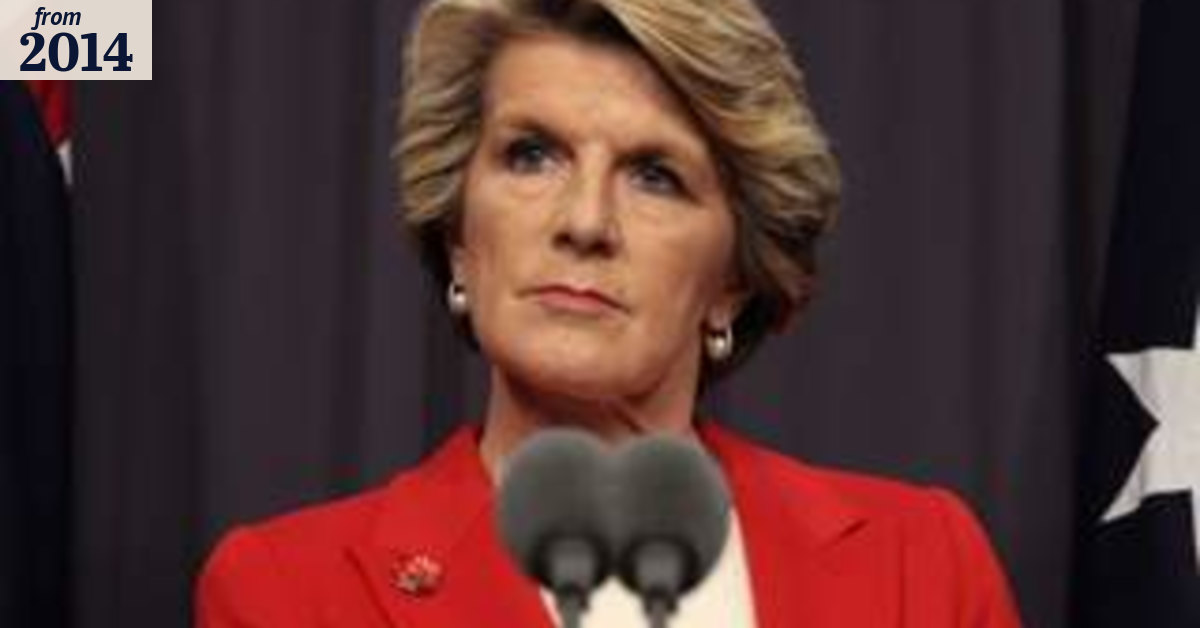
Pumasok sa bisa ang kasunduan noong Enero 2021 sa kabila ng pagtutol ng Australia [1]. **Ang pagtutol ay HINDI lihim.** Ang posisyon ng Australia ay hayag na inihayag ng Pamahalaang Turnbull (Foreign Minister Julie Bishop) mula 2014-2017.
The treaty entered into force in January 2021 despite Australian opposition [1]. **The opposition was NOT secret.** Australia's position was publicly stated by the Turnbull Government (Foreign Minister Julie Bishop) throughout 2014-2017.
Hayag na inihayag ng pamahalaan na hindi ito pipirma sa kasunduan dahil: (a) naniniwala itong hindi epektibo ang kasunduan kung walang nuclear-armed states na kalahok, (b) ito ay magbababa sa Nuclear Non-Proliferation Treaty (NPT), at (c) binalewala nito ang "dimensyon ng seguridad" ng mga sandatang nukleyar [2]. **Ang "sa anumang sitwasyon" na pananalita ay MALI ang pagkakarepresenta.** Ang claim ay nagpapahiwatig na tumutol ang Australia sa moral na pahayag na ang mga sandatang nukleyar ay hindi dapat gamitin.
The government openly declared it would not sign the treaty because: (a) it believed the treaty would be ineffective without nuclear-armed states participating, (b) it would undermine the Nuclear Non-Proliferation Treaty (NPT), and (c) it ignored the "security dimension" of nuclear weapons [2]. **The "under any circumstances" language is MISREPRESENTED.** The claim implies Australia objected to the moral statement that nuclear weapons should never be used.
Sa katotohanan, ang alalahanin ng Australia ay ang absolutong pananalita ay pipigilan ang mga nuclear-armed states na sumali sa kasunduan at isasara ang mga diplomatikong landas para sa unti-unting pagpapawalang-bisa.
In reality, Australia's concern was that absolute language would prevent nuclear-armed states from ever joining the treaty and would close off diplomatic pathways for gradual disarmament.
Nanindigan ang Australia para sa pamamaraang "building blocks" sa pamamagitan ng NPT sa halip na isang ganap na pagbabawal [3]. **Mali ang timeline.** Ang claim ay tumutukoy sa isang artikulo mula sa SMH noong 2014, ngunit ang mga negosasyon para sa TPNW ay naganap noong 2017.
Australia argued for a "building blocks" approach through the NPT rather than an outright ban [3]. **The timeline is WRONG.** The claim references a 2014 SMH article, but the TPNW negotiations occurred in 2017.
Ang 2014 na sanggunian ay tila nauugnay sa mga maagang pagtalakay tungkol sa isang posibleng ban treaty, hindi sa aktwal na mga negosasyon ng kasunduan.
The 2014 reference appears to relate to early discussions about a possible ban treaty, not the actual treaty negotiations.
Ang mga pamahalaang Abbott/Turnbull (2013-2018) ay patuloy na tumutol sa kasunduan sa buong panahong ito [4]. **Ang argumentong "mas hindi epektibo kaysa sa walang kasunduan" ay bahagyang tama ngunit mali ang pagkaka-frame.** Nanindigan ang Australia na ang isang kasunduan na walang nuclear-armed states ay hindi epektibo at posibleng kontra-produktibo sa mga layunin ng pagpapawalang-bisa.
The Abbott/Turnbull governments (2013-2018) consistently opposed the treaty throughout this period [4]. **The "less effective than no treaty" argument is partially accurate but misleadingly framed.** Australia did argue that a treaty without nuclear-armed states would be ineffective and potentially counterproductive to disarmament goals.
Gayunpaman, ito ay isang lehitimong posisyon sa patakaran na ibinahagi ng karamihan sa mga nuclear umbrella states (miyembro ng NATO, Japan, South Korea, Australia), hindi isang "lihim" na pagsisikap na sirain ang pagpapawalang-bisa [5].
However, this was a legitimate policy position shared by most nuclear umbrella states (NATO members, Japan, South Korea, Australia), not a "secret" effort to sabotage disarmament [5].

Nawawalang Konteksto

**Ang konteksto ng Nuclear Non-Proliferation Treaty (NPT) ay hindi isinama.** Ang Australia ay isang malakas na tagasuporta ng NPT mula 1970 at nagsabing ang ban treaty ay magkakawatak-watak sa non-proliferation regime.
**The Nuclear Non-Proliferation Treaty (NPT) context is omitted.** Australia has been a strong supporter of the NPT since 1970 and argued the ban treaty would fragment the non-proliferation regime.
Ang NPT ay nakatali na ang mga nuclear states sa unti-unting pagpapawalang-bisa (Article VI), at naniniwala ang Australia na ang pagpapalakas sa umiiral na framework ay mas praktikal kaysa sa paglikha ng isang parallel na kasunduan [6]. **Ang posisyon ng Australia ay pare-pareho sa mga kaalyado.** Lahat ng nuclear-armed states (US, Russia, China, UK, France, Israel, India, Pakistan, North Korea) at karamihan sa mga US allies sa ilalim ng "nuclear umbrella" (mga miyembro ng NATO, Japan, South Korea) ay alinman tumutol o nag-abstain sa TPNW.
The NPT already commits nuclear states to eventual disarmament (Article VI), and Australia believed strengthening this existing framework was more practical than creating a parallel treaty [6]. **Australia's position was consistent with allies.** All nuclear-armed states (US, Russia, China, UK, France, Israel, India, Pakistan, North Korea) and most US allies under the "nuclear umbrella" (NATO members, Japan, South Korea) either opposed or abstained from the TPNW.
Hindi nag-iisa o kakaiba ang Australia [7]. **Ang estratehikong konteksto ay binalewala.** Ang pagtutol ng Australia ay batay sa pagtatasa na ang kasunduan ay hindi talaga magdudulot ng pagpapawalang-bisa dahil ang mga nuclear-armed states ay hindi sasali.
Australia was not acting alone or unusually [7]. **The strategic context is ignored.** Australia's opposition was based on the assessment that the treaty would not actually lead to disarmament since nuclear-armed states would not join.
Sinabi ni Foreign Minister Julie Bishop: "Hindi kami sumusuporta sa isang kasunduan na hindi kasama ang mga nuclear-armed states.
Foreign Minister Julie Bishop stated: "We do not support a treaty that does not include the nuclear-armed states.
Ang isang kasunduan na hindi kasama sila ay hindi isang kasunduan sa pagpapawalang-bisa" [8]. **Ang konteksto ng ICAN Nobel Peace Prize ay nawawala.** Ang International Campaign to Abolish Nuclear Weapons (ICAN), na nanalo ng 2017 Nobel Peace Prize para sa kanilang trabaho sa TPNW, ay mabigat na kumritisismo sa Australia.
A treaty that does not include them is not a disarmament treaty" [8]. **The ICAN Nobel Peace Prize context is missing.** The International Campaign to Abolish Nuclear Weapons (ICAN), which won the 2017 Nobel Peace Prize for its work on the TPNW, heavily criticized Australia.
Gayunpaman, ang ICAN ay isang advocacy organization na may tiyak na agenda sa patakaran, hindi isang neutral na fact-checker [9].
However, ICAN is an advocacy organization with a specific policy agenda, not a neutral fact-checker [9].

Pagsusuri ng Kredibilidad ng Pinagmulan

Ang orihinal na pinagmulan (Sydney Morning Herald, Marso 9, 2014) ay isang mainstream at kilalang Australian news outlet.
The original source (Sydney Morning Herald, March 9, 2014) is a mainstream reputable Australian news outlet.
Gayunpaman, ang petsa ng artikulo (2014) ay nauna sa aktwal na mga negosasyon ng TPNW (2017), na nagpapahiwatig na pinagsama ng claim ang mga maagang pagtalakay sa aktwal na proseso ng kasunduan.
However, the article date (2014) predates the actual TPNW negotiations (2017), suggesting the claim conflates early discussions with the actual treaty process.
Ang SMH ay may center-left na editorial stance at sinaklaw ang nuclear ban treaty nang kritikal sa pamahalaang Coalition [10].
The SMH has a center-left editorial stance and covered the nuclear ban treaty critically of the Coalition government [10].
Ang pagkaka-frame ng claim ("palihim na pinabagsak," "tumutol sa isang pangungusap") ay gumagamit ng loaded language na nagpapahiwatig ng katiwalian sa halip na lehitimong pagtatalo sa patakaran.
The claim's framing ("secretly defeated," "argued against a sentence") uses loaded language that implies malfeasance rather than legitimate policy disagreement.
Ang pinagmulang materyal mula sa mdavis.xyz (Labor-aligned) ay tila pinalala at mali ang pagkakarepresenta sa ulat ng SMH sa pamamagitan ng pag-alis sa temporal at konteksto ng patakaran.
The source material from mdavis.xyz (Labor-aligned) appears to have amplified and misrepresented the SMH reporting by removing temporal and policy context.
⚖️

Paghahambing sa Labor

**Gumawa ba ng katulad na bagay ang Labor?** Ang posisyon ng Labor sa TPNW ay umunlad: - **2017 (Pamahalaang Coalition):** Opisyal na sinuportahan ng ALP ang mga negosasyon sa TPNW at kinritisismo ang boycott ng Coalition, na pumasa ng resolusyon sa 2018 National Conference na pipirmahan at ratipikahin ang kasunduan kung mahahalal [11]. - **2022-2024 (Pamahalaang Labor):** Pagkatapos manalo sa pamahalaan noong Mayo 2022, ang Albanese Labor government ay nanatili sa parehong praktikal na posisyon tulad ng Coalition.
**Did Labor do something similar?** Labor's position on the TPNW has evolved: - **2017 (Coalition Government):** The ALP officially supported the TPNW negotiations and criticized the Coalition's boycott, passing a resolution at the 2018 National Conference to sign and ratify the treaty if elected [11]. - **2022-2024 (Labor Government):** After winning government in May 2022, the Albanese Labor government has maintained the same practical position as the Coalition.
Sa kabila ng patakaran ng ALP na sumuporta sa TPNW, hindi pa rin pumipirma ang Labor sa kasunduan.
Despite ALP policy supporting the TPNW, Labor has not signed the treaty.
Hanggang Enero 2025, ang Australia ay may observer status sa mga pulong ng mga states parties ng TPNW ngunit hindi pa nararatipika ang kasunduan [12]. - **Parehong posisyon sa ibang mga kasunduan:** Parehong ang Labor at Coalition governments ay kumuha ng mga posisyon laban sa mga internasyonal na kasunduan kapag ito ay sumalungat sa mga obligasyon sa alyansa ng US o mga estratehikong pagtatasa.
As of January 2025, Australia has observer status at TPNW meetings of states parties but has not ratified the treaty [12]. - **Similar positions on other treaties:** Both Labor and Coalition governments have taken positions against international treaties when they conflicted with US alliance obligations or strategic assessments.
Halimbawa, parehong sinuportahan ng mga partido ang pagtatasa ng US sa pagkalas mula sa Intermediate-Range Nuclear Forces (INF) Treaty at nanatili sa posisyon ng Australia sa labas ng TPNW [13]. **Pangunahing paghahambing:** Hayag na tumutol ang Coalition sa TPNW sa panahon ng mga negosasyon (2017) at hindi pumirma.
For example, both parties supported the US withdrawal from the Intermediate-Range Nuclear Forces (INF) Treaty assessment and have maintained Australia's position outside the TPNW [13]. **Key comparison:** The Coalition openly opposed the TPNW during negotiations (2017) and did not sign.
Kinritisismo ng Labor ang posisyong ito ngunit, pagkatapos manalo sa pamahalaan noong 2022, ay hindi rin pumirma sa kasunduan, na binanggit ang parehong mga estratehikong alalahanin tungkol sa obligasyon sa alyansa at epektibidad kung walang kalahok na nuclear-armed states.
Labor criticized this position but, after winning government in 2022, has also declined to sign the treaty, citing the same strategic concerns about alliance obligations and effectiveness without nuclear-armed state participation.
🌐

Balanseng Pananaw

**Ang claim ay mali ang pagkakarepresenta sa isang lehitimong pagtatalo sa patakaran bilang katiwalian.** Bagama't ang pamahalaang Coalition (Abbott/Turnbull) ay tumutol sa Treaty on the Prohibition of Nuclear Weapons, ito ay: - **Pampubliko at hayag na patakaran**, hindi "lihim" na aksyon - **Pare-pareho sa pangmatagalang suporta ng Australia para sa NPT framework** - **Nakahanay sa mga obligasyon sa alyansa ng US** at posisyon ng lahat ng mga kaalyado ng NATO at iba pang US security partners - **Batay sa mga estratehikong pagtatasa** na ang isang kasunduan na walang nuclear-armed states ay hindi makakapag-usad ng pagpapawalang-bisa **Ang kontrobersya sa "sa anumang sitwasyon":** Ang alalahanin ng Australia tungkol sa absolutong pananalita ay hindi tungkol sa pagtanggi sa moral na prinsipyo na ang mga sandatang nukleyar ay hindi dapat gamitin, kundi sa pagtiyak na ang kasunduan ay maaaring sa huli ay makakuha ng kalahok na nuclear-armed states.
**The claim misrepresents a legitimate policy disagreement as malfeasance.** While the Coalition government (Abbott/Turnbull) did oppose the Treaty on the Prohibition of Nuclear Weapons, this was: - **Public and stated policy**, not "secret" action - **Consistent with Australia's long-standing support for the NPT framework** - **Aligned with US alliance obligations** and the position of all NATO allies and other US security partners - **Based on strategic assessments** that a treaty without nuclear-armed states would not advance disarmament **The "under any circumstances" controversy:** Australia's concern about absolute language was not about rejecting the moral principle that nuclear weapons should never be used, but about ensuring the treaty could eventually gain nuclear-armed state participation.
Tandaan ng mga eksperto sa diplomasya na ang mga absolutong pagbabawal ay madalas na pumipigil sa unti-unting pag-unlad sa arms control [14]. **Ang mga sumunod na aksyon ng Labor ay nagpapakita ng pagiging kumplikado:** Kinritisismo ng Labor ang posisyon ng Coalition sa TPNW ngunit, pagkatapos manalo sa pamahalaan noong 2022, ay hindi pa rin pumipirma sa kasunduan.
Diplomatic experts note that absolute prohibitions often prevent incremental progress in arms control [14]. **Labor's subsequent actions demonstrate the complexity:** Labor criticized the Coalition's TPNW position but, upon winning government in 2022, has not signed the treaty.
Ipinapahiwatig nito na ang mga estratehikong konsiderasyon (alyansa ng US, extended deterrence, NPT framework) ay lumalampas sa partisan na pulitika. **Kontekstong internasyonal:** Ang TPNW ay sinuportahan ng 122 bansa ngunit tinutulan o boykot ng lahat ng nuclear-armed states at karamihan sa kanilang mga kaalyado.
This suggests the strategic considerations (US alliance, extended deterrence, NPT framework) transcend partisan politics. **International context:** The TPNW was supported by 122 countries but opposed or boycotted by all nuclear-armed states and most of their allies.
Hindi outlier ang Australia kundi bahagi ng isang mas malawak na pattern ng pagtutol mula sa mga estado sa ilalim ng US nuclear umbrella [15].
Australia was not an outlier but part of a broader pattern of opposition from states under the US nuclear umbrella [15].

NAKAKALITO

3.0

sa 10

Ang claim ay naglalaman ng maraming malaking pagkakamali: 1.
The claim contains multiple significant inaccuracies: 1.
Hindi "pinabagsak" ng Australia ang kasunduan - ito ay pinagtibay ng 122 bansa at pumasok sa bisa 2.
Australia did not "defeat" the treaty - it was adopted by 122 nations and entered into force 2.
Ang pagtutol ay hindi "lihim" - ito ay hayag na inihayag na patakaran ng pamahalaan 3.
The opposition was not "secret" - it was publicly stated government policy 3.
Mali ang timeline (nagtukoy sa artikulo noong 2014 tungkol sa maagang pagtalakay bago ang negosasyon) 4.
The timeline is wrong (references 2014 article about pre-negotiation discussions) 4.
Ang "sa anumang sitwasyon" na pananalita ay mali ang pagkakarepresenta bilang pagtutol sa moral sa halip na estratehiya sa diplomasya Bagama't tumutol ang Australia sa TPNW at nagsabing hindi ito epektibo kung walang kalahok na nuclear-armed states, ang pagkaka-frame ng claim bilang isang "lihim" na pagsisikap na pigilan ang pagpapawalang-bisa ay mali sa katotohanan at may motibasyong pulitikal.
The "under any circumstances" language is misrepresented as moral objection rather than diplomatic strategy While Australia did oppose the TPNW and argued it would be ineffective without nuclear-armed state participation, the claim's framing as a "secret" effort to defeat disarmament is factually incorrect and politically motivated.
Ang desisyon ng sumunod na pamahalaang Labor na hindi rin pumirma sa kasunduan (pagkatapos ng 2022) ay nagpapakita na ito ay isang estratehikong posisyon sa patakaran sa halip na partisan na pagharang.
The subsequent Labor government's decision to also not sign the treaty (post-2022) demonstrates this was a strategic policy position rather than partisan obstruction.

📚 MGA PINAGMULAN AT SANGGUNIAN (14)

  1. 1
    un.org

    un.org

    Un
  2. 2
    theguardian.com

    theguardian.com

    Theguardian

  3. 3
    internationalaffairs.org.au

    internationalaffairs.org.au

    Internationalaffairs Org

    Original link no longer available
  4. 4
    smh.com.au

    smh.com.au

    Australian diplomats worked behind the scenes to frustrate and defeat a global nuclear disarmament campaign.

    The Sydney Morning Herald
  5. 5
    dw.com

    dw.com

    Dw

    Original link no longer available
  6. 6
    dfat.gov.au

    dfat.gov.au

    Dfat Gov

  7. 7
    icanw.org

    icanw.org

    One movement. One goal. End Nuclear Weapons

    ICAN
  8. 8
    abc.net.au

    abc.net.au

    Stream your favourite local & national radio stations on ABC – instant access to news, music, and more is just a click away!

    ABC listen
  9. 9
    nobelprize.org

    nobelprize.org

    The Nobel Peace Prize 2017 was awarded to International Campaign to Abolish Nuclear Weapons (ICAN) "for its work to draw attention to the catastrophic humanitarian consequences of any use of nuclear weapons and for its ground-breaking efforts to achieve a treaty-based prohibition of such weapons"

    NobelPrize.org
  10. 10
    smh.com.au

    smh.com.au

    Smh Com

    Original link no longer available
  11. 11
    theguardian.com

    theguardian.com

    Theguardian

  12. 12
    lowyinstitute.org

    lowyinstitute.org

    Lowyinstitute

    Original link no longer available
  13. 13
    armscontrol.org

    armscontrol.org

    Armscontrol

    Original link no longer available
  14. 14
    reuters.com

    reuters.com

    Reuters

Pamamaraan ng Rating Scale

1-3: MALI

Hindi tama sa katotohanan o malisyosong gawa-gawa.

4-6: BAHAGYA

May katotohanan ngunit kulang o baluktot ang konteksto.

7-9: HALOS TOTOO

Maliit na teknikal na detalye o isyu sa pagkakasulat.

10: TUMPAK

Perpektong na-verify at patas ayon sa konteksto.

Pamamaraan: Ang mga rating ay tinutukoy sa pamamagitan ng cross-referencing ng opisyal na mga rekord ng pamahalaan, independiyenteng mga organisasyong nag-fact-check, at mga primaryang dokumento.