Totoo

Rating: 6.0/10

Coalition
C0795

Ang Claim

“Pinutol ang 400 trabaho sa Kagawaran ng Industriya.”
Orihinal na Pinagmulan: Matthew Davis

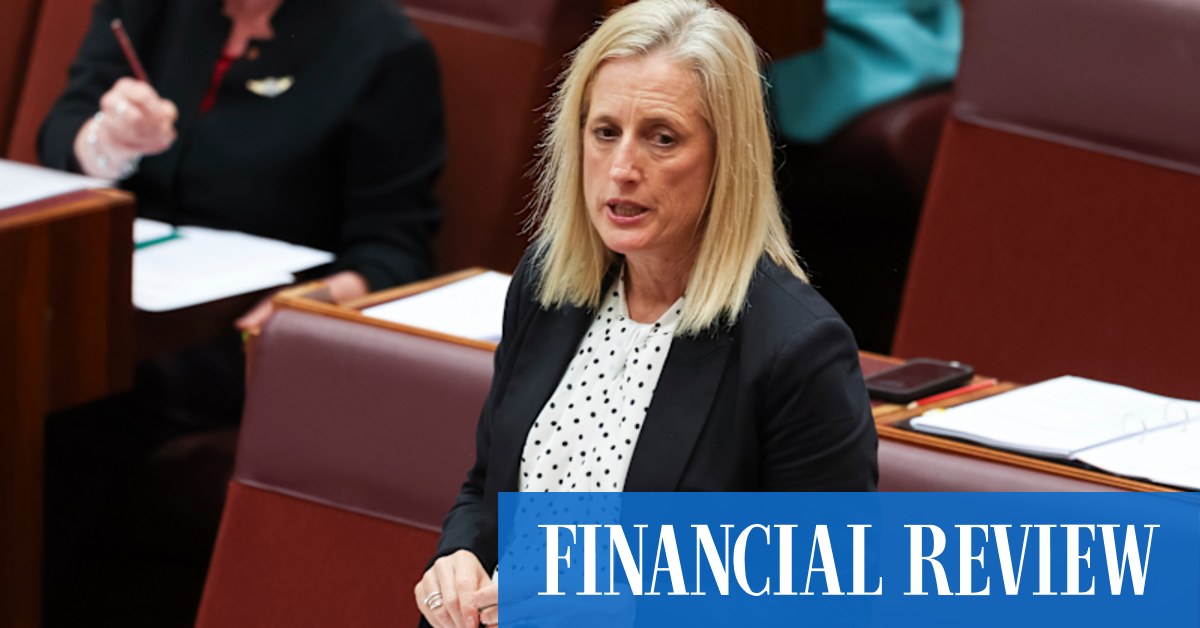
Orihinal na Pinagmulan

FACTUAL NA BERIPIKASYON

Ang claim na ito ay **tumpak sa katotohanan**.
The claim is **factually accurate**.
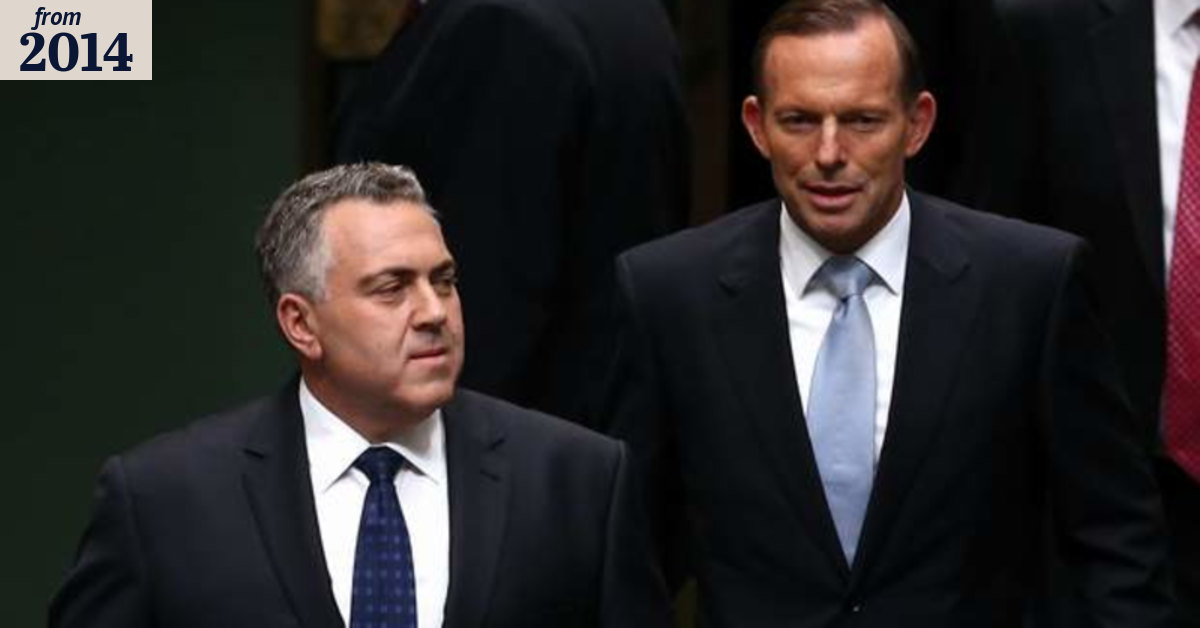
Ang Kagawaran ng Industriya ay talagang nagbawas ng 400 trabaho noong 2014 sa ilalim ng pamahalaang Abbott.
The Department of Industry did shed 400 jobs in 2014 under the Abbott government.
Ayon sa isang briefing sa mga empleyado ng kalihim ng kagawaran na si Glenys Beauchamp noong Marso 2014, ang kagawaran ay nakapagbawas na ng 200 tauhan at planong magbawas ng karagdagang 200 bago ang Hunyo 30, 2014 [1].
According to a briefing to staff by department secretary Glenys Beauchamp in March 2014, the department had already cut 200 staff and planned to shed another 200 by June 30, 2014 [1].
Ang mga pagbawas na ito ay naisagawa sa pamamagitan ng boluntaryong pagpapaalis sa trabaho, pagpapasara ng ilang programa, at mga limitasyon sa paghahanap ng mga tauhan [1].
These cuts were achieved through voluntary redundancies, closing down some programs, and constraints on recruitment [1].
Ang pagkawala ng mga trabaho sa Kagawaran ng Industriya ay bahagi ng isang mas malaking programa sa pagbabawas ng serbisyo publiko na inihayag sa unang badyet ng pamahalaang Abbott noong Mayo 2014.
The job losses at the Department of Industry were part of a much larger public service reduction program announced in the Abbott government's first budget in May 2014.
Ang badyet ay naglalayong putulin ang tinatayang 16,500 kawani ng serbisyo publiko sa buong bansa sa loob ng tatlong taon - tinukoy bilang "pinakamalaking pagbawas sa tauhan mula noong 1990s" [2].
The budget targeted a projected 16,500 public servants to be cut nationally over three years - described as "its biggest staff cut since the 1990s" [2].
Ang numerong ito ay kasama ang 7,336 full-time-equivalent na sibilyang manggagawa sa gobyerno sa unang taon lamang [2].
This figure included 7,336 full-time-equivalent civilian government workers in the first year alone [2].
Ang itinaas na "efficiency dividend" - isang mekanismo sa pagbabawas ng badyet na inilalapat sa mga kagawaran ng gobyerno - ay tumaas mula 1.25% patungong 2.5% [2].
The increased "efficiency dividend" - a budget reduction mechanism applied to government departments - was raised from 1.25% to 2.5% [2].
Tandaan na ang 0.25% ng pagtaas na ito ay mula sa Coalition, samantalang ang natitirang bahagi ay "nagmula pa sa Labor" [2], na nagpapakita ng bipartisan na paglalapat ng hakbang na ito sa pagtitipid.
Notably, 0.25% of this increase came from the Coalition, while the remainder was a "hangover from Labor" [2], indicating bipartisan application of this cost-cutting measure.

Nawawalang Konteksto

Ang claim ay hindi nabanggit ang ilang kritikal na impormasyon: **1.
The claim omits several critical pieces of context: **1.
Mas malawak na programa sa buong pamahalaan:** Ang 400 na pagbabawas sa Kagawaran ng Industriya ay bahagi ng isang sistematikong pagbabawas sa serbisyo publiko na nakakaapekto sa maraming kagawaran.
Broader government-wide program:** The 400 Industry Department cuts were part of a systemic public service reduction affecting multiple departments.
Ang Australian Taxation Office ang pinakamaapektuhan, na nawalan ng 2,329 trabaho bago ang Hunyo 2018, kung saan 2,100 ay sa unang taon lamang [2].
The Australian Taxation Office was the hardest hit, losing 2,329 jobs by June 2018, with 2,100 in the first year alone [2].
Ang mga sibilyang kawani ng Depensa ay nababawasan ng 1,200, dagdag pa ang 300 "mga tagapaghatid ng serbisyo" [2]. **2.
Civilian Defence staff were reduced by 1,200, plus 300 "service providers" [2]. **2.
Kasaysayan ng efficiency dividend:** Ang efficiency dividend ay unang inilunsad ng **Pamahalaang Hawke Labor noong 1987** at inilalapat ng mga pamahalaan ng parehong partido sa loob ng halos 40 taon [3].
Efficiency dividend history:** The efficiency dividend was first introduced by the **Hawke Labor Government in 1987** and has been applied by governments of both parties for nearly 40 years [3].
Ito ay pumipilit sa mga kagawaran na humanap ng mga pagtitipid upang matugunan ang taunang pagbabawas sa badyet, kung saan ang mga pamahalaan ay regular na "pinaaandar ito pataas o pababa" depende sa mga pangyayaring pampulitika [3]. **3.
It forces departments to find savings to accommodate annual budget cuts, with governments routinely "dialing it up or down" depending on political circumstances [3]. **3.
Mga pagbawas din ng Labor:** Ang target na 16,500 trabaho ng pamahalaang Abbott ay talagang 2,000 lamang ang higit sa kung ano ang inaangkin ng Coalition na plano nang putulin ng Labor (14,500) [2].
Labor's own cuts:** The Abbott government's 16,500 job target was actually only 2,000 more than what the Coalition claimed Labor was already planning to cut (14,500) [2].
Ayon sa CPSU, ang 16,500 na bilang ay "triple ng mga trabahong nawala sa ilalim ng Labor" [2] - na nagpapatunay na ang Labor ay nagpatupad din ng mga pagbabawas sa serbisyo publiko, bagama't sa mas mababang antas. **4.
According to the CPSU, the 16,500 figure was "triple the jobs lost under Labor" [2] - confirming Labor had also implemented public service cuts, though at a lower scale. **4.
Kasalukuyang precedent:** Ang mga malalaking pagbabawas sa serbisyo publiko ay isang katangian ng parehong Labor at Coalition na mga pamahalaan: - **Pamahalaang Howard (1996):** Nagtanggal ng anim na kalihim ng kagawaran at nangasiwa sa pagkawala ng humigit-kumulang 30,000 trabaho sa serbisyo publiko sa kanyang unang termino [4] - **Pamahalaang Keating/Hawke Labor:** Nagpakilala ng mekanismo ng efficiency dividend na patuloy hanggang ngayon [3]
Historical precedent:** Major public service cuts have been a feature of both Labor and Coalition governments: - **Howard government (1996):** Sacked six departmental secretaries and oversaw the loss of approximately 30,000 public service jobs in its first term [4] - **Keating/Hawke Labor governments:** Introduced the efficiency dividend mechanism that continues today [3]

Pagsusuri ng Kredibilidad ng Pinagmulan

Ang orihinal na pinagmulan ay ang **news.com.au** (sa pamamagitan ng web archive), na isang pangunahing balitaan sa Australia na pagmamay-ari ng News Corp Australia.
The original source is **news.com.au** (via web archive), which is a mainstream Australian news outlet owned by News Corp Australia.
Bagama't ang News Corp ay nakaranas ng pagpuna para sa pagiging bias sa ilang konteksto, ang partikular na artikulong ito ay tila karaniwang pag-uulat ng balita na batay sa isang nai-leak na transcript ng briefing sa mga tauhan.
While News Corp has been criticized for editorial bias in some contexts, this particular article appears to be standard news reporting based on a leaked staff briefing transcript.
Ang pag-uulat ay pinatotohanan ng maraming iba pang mga pangunahing mapagkukunan kabilang ang 9News [1], Sydney Morning Herald [2], at ABC News.
The reporting is corroborated by multiple other mainstream sources including 9News [1], Sydney Morning Herald [2], and ABC News.
Ang orihinal na pinagmulan ay kredibil para sa pag-uulat ng factual na impormasyon sa bagay na ito.
The original source is credible for factual reporting on this matter.
⚖️

Paghahambing sa Labor

**Gumawa ba ng katulad na hakbang ang Labor?** Isinagawang paghahanap: "Labor government public service job cuts APS history" at "Howard government 1996 public service cuts" **Natuklasan - May malawak na precedent:** 1. **Efficiency dividend ng Labor:** Ang mekanismo na nagdulot ng mga pagbawas na ito ay imbensyon ng Hawke Labor Government noong 1987 at ginamit ng mga pamahalaang Labor mula noon [3].
**Did Labor do something similar?** Search conducted: "Labor government public service job cuts APS history" and "Howard government 1996 public service cuts" **Finding - Extensive precedent exists:** 1. **Labor's efficiency dividend:** The mechanism causing these cuts was invented by the Hawke Labor Government in 1987 and has been used by Labor governments ever since [3].
Sa katunayan, ang Labor ay nagtaas ng efficiency dividend mula 1.25% patungong 2.25% sa kanilang huling pahayag sa ekonomiya bago ang eleksyon noong 2013 [5]. 2. **Mas malalaking pagbawas ni Howard:** Ang pamahalaang Howard (Coalition) ay nagbawas ng humigit-kumulang 30,000 trabaho sa serbisyo publiko sa kanyang unang termino pagkatapos ng 1996, na mas malaki kaysa sa target na 16,500 ng pamahalaang Abbott [4]. 3. **Posisyon ng Labor sa 2025:** Simula noong huling bahagi ng 2025, ang pamahalaang Labor ay mismo ay nagpaplano na "pigaan ang serbisyo publiko" sa isang direktiba sa pagtitipid na nagkakahalaga ng $5.6 bilyon, kung saan ang Finance Minister na si Katy Gallagher ay kinumpirma na ang pamahalaan ay humihingi ng "reprioritisation" sa mga badyet ng ahensya [6][7]. 4. **Paghahambing sa sukat:** Ang mga pagbawas noong 2014 ng pamahalaang Abbott ay inilarawan bilang "triple ng mga trabahong nawala sa ilalim ng Labor" [2], na nagpapatunay na ang parehong partido ay nagpatupad ng mga pagbabawas, ngunit sa ibang sukat. **Konklusyon:** Ang mga pagbabawas sa trabaho sa serbisyo publiko ay isang karaniwang kasangkapan sa patakarang piskal na ginagamit ng mga pamahalaang Australian ng parehong pangunahing partido kapag naghahanap ng mga pagtitipid sa badyet.
In fact, Labor increased the efficiency dividend from 1.25% to 2.25% in its final economic statement before the 2013 election [5]. 2. **Howard's larger cuts:** The Howard government (Coalition) cut approximately 30,000 public service jobs in its first term after 1996, significantly larger than the Abbott government's 16,500 target [4]. 3. **Labor's 2025 position:** As of late 2025, the Labor government was itself planning to "squeeze the public service" with a $5.6 billion savings directive, with Finance Minister Katy Gallagher confirming the government was seeking "reprioritisation" of agency budgets [6][7]. 4. **Scale comparison:** The Abbott government's 2014 cuts were described as "triple the jobs lost under Labor" [2], confirming both parties have implemented cuts, just at different scales. **Conclusion:** Public service job cuts are a standard fiscal policy tool used by Australian governments of both major parties when seeking budget savings.
Ang mga pagbawas sa Kagawaran ng Industriya ay hindi isang anomalya kundi bahagi ng isang mahabang kasanayang bipartisan.
The Department of Industry cuts were not an anomaly but part of a long-standing bipartisan practice.
🌐

Balanseng Pananaw

Bagama't ang claim ay tumpak sa paglalahad na 400 trabaho ang pinutol sa Kagawaran ng Industriya, inihahain nito ito nang walang mas malawak na konteksto na ang mga pagbawas na ito ay isang karaniwang katangian ng piskal na pamamahala sa Australia sa mga pamahalaan ng parehong partido. **Posisyon ng pamahalaan:** Sinabi ni Treasurer Joe Hockey na "ang isang mas maliit at mas kaunting namimielang pamahalaan ay hindi na mangangailangan ng maraming kawani ng serbisyo publiko" at na ang mga pagbawas ay hindi makakasira sa mga serbisyong publiko [2].
While the claim factually states that 400 jobs were cut at the Department of Industry, it presents this without the broader context that such cuts are a routine feature of Australian fiscal management across governments of both parties. **The government's position:** Treasurer Joe Hockey stated that "a smaller, less interfering government won't need as many public servants" and that the cuts would not compromise public services [2].
Ang pamahalaan ay naglalayong ibaba ang utang ng Australia mula $667 bilyon patungong $389 bilyon sa loob ng 10 taon [2]. **Posisyon ng mga kritiko:** Si Labor industry spokesman Senator Kim Carr ay kinritika ang mga pagbawas, na nagsabing "Ang mga pangangailangan sa kagawaran ay hindi pa nararanasan na ganito kataas.
The government aimed to reduce Australia's debt from $667 billion to $389 billion over 10 years [2]. **Critics' position:** Labor industry spokesman Senator Kim Carr criticized the cuts, stating "The demands on the department have never been greater.
Ngayon ay hindi ang tamang panahon upang lumpuhin ang kakayahan nito" [1].
Now is not the time to be crippling its capabilities" [1].
Ang CPSU ay nagsabing ang mga pagbawas na ito ay lumipas sa mahigit 5,000 pagkawala ng trabaho mula noong eleksyon noong Setyembre 2013 [1]. **Independiyenteng analisis:** Ang Australia Institute ay nagsabi na ang mga efficiency dividend ay "hindi gumana ayon sa intensyon" at lumilikha ng "preno sa kakayahang matuto ng serbisyo publiko mula sa nakaraan at muling bumuo pagkatapos ng mga krisis" [3].
The CPSU noted these cuts came on top of over 5,000 job losses since the September 2013 election [1]. **Independent analysis:** The Australia Institute notes that efficiency dividends "haven't worked as intended" and create a "handbrake on the public service's capacity to learn from the past and rebuild after crises" [3].
Ang mga mas maliit na ahensya, kabilang ang mga institusyong pangkultura, ay nahihirapang gumana nang walang emergency funding top-ups [3]. **Mahalagang konteksto:** Ang mga pagbawas na ito ay **hindi natatangi sa Coalition**.
Smaller agencies, including cultural institutions, struggle to function without emergency funding top-ups [3]. **Key context:** These cuts are **not unique to the Coalition**.
Ang parehong partido ay: - Gumamit ng mekanismo ng efficiency dividend (imbensyon ng Labor) - Nagpatupad ng mga makabuluhang pagbabawas sa serbisyo publiko - Nagbigay-katwiran sa mga pagbawas bilang kinakailangan para sa pagkumpuni ng badyet Ang mga pagbawas sa Kagawaran ng Industriya noong 2014 ay bahagi ng isang mas malawak, sa buong pamahalaang programa ng piskal na konsolidasyon na may kasaysayang precedent sa maraming pamahalaan ng parehong kapangyarihang pampulitika.
Both parties have: - Used the efficiency dividend mechanism (invented by Labor) - Implemented significant public service reductions - Justified cuts as necessary for budget repair The 2014 Industry Department cuts were part of a broader, government-wide program of fiscal consolidation that has historical precedent across multiple governments of both political persuasions.

TOTOO

6.0

sa 10

Ang factual claim ay tumpak - ang Kagawaran ng Industriya ay talagang nagbawas ng humigit-kumulang 400 trabaho noong 2014.
The factual claim is accurate - the Department of Industry did cut approximately 400 jobs in 2014.
Gayunpaman, ang claim ay hindi nabanggit ang kritikal na konteksto na: (1) ito ay bahagi ng isang mas malawak na programa sa kahusayan sa buong pamahalaan na nakakaapekto sa maraming kagawaran na umabot sa 16,500 posisyon; (2) ang parehong Labor at Coalition na mga pamahalaan ay gumawa ng mga katulad o mas malalaking pagbabawas sa buong kasaysayan ng pulitika sa Australia; (3) ang mekanismo ng efficiency dividend na nagdulot ng mga pagbawas na ito ay talagang ipinakilala ng Hawke Labor Government noong 1987 at ginamit ng parehong partido mula noon; at (4) ang Labor mismo ay nagtaas ng efficiency dividend bago mawala sa puwesto at patuloy na nagpapatupad ng mga hakbang sa pagtitipid sa serbisyo publiko.
However, the claim omits critical context that: (1) this was part of a government-wide efficiency program affecting multiple departments totaling 16,500 positions; (2) both Labor and Coalition governments have made similar or larger cuts throughout Australian political history; (3) the efficiency dividend mechanism causing these cuts was actually introduced by the Hawke Labor Government in 1987 and used by both parties since; and (4) Labor itself had increased the efficiency dividend before losing office and continues to implement public service savings measures.

📚 MGA PINAGMULAN AT SANGGUNIAN (7)

  1. 1
    9news.com.au

    9news.com.au

    A leaked briefing shows the federal industry department has shed 200 staff in the latest cuts and will shed...

    9News
  2. 2
    smh.com.au

    smh.com.au

    The Abbott government’s first budget will hit the federal bureaucracy with its biggest staff cut since the 1990s.

    The Sydney Morning Herald
  3. 3
    australiainstitute.org.au

    australiainstitute.org.au

    The size of the public service has been one of the sharper issues in this election campaign. But so far, the debate has been about “cuts” or “no cuts”, “working from home” or “back to the office you go”.

    The Australia Institute
  4. 4
    smh.com.au

    smh.com.au

    Heads rolled and 30,000 jobs went. But the bureaucracy remembers the Howard government's rise to power for another reason, too.

    The Sydney Morning Herald
  5. 5
    abc.net.au

    abc.net.au

    One of the more contested claims during the election campaign was the Liberal Party's policy to cut the Australia Public Service by 12,000. The contested nature of the policy highlighted the lack of details provided by the Liberal Party to the public. As it did not release its costings we still don't actually know how the Government intends to meet its target. Fortunately by around October 18 we will get the details. Until then, we can only speculate.

    Abc Net
  6. 6
    abc.net.au

    abc.net.au

    After it campaigned against a Coalition pledge to cut 41,000 public servants, Labor is ramping up its own efficiency drive in a move expected to cost jobs.

    Abc Net
  7. 7
    afr.com

    afr.com

    Public sector experts warn the directive to government departments to find savings of up to 5 per cent could be one of the biggest cost-cutting exercises in decades.

    Australian Financial Review
Pamamaraan ng Rating Scale

1-3: MALI

Hindi tama sa katotohanan o malisyosong gawa-gawa.

4-6: BAHAGYA

May katotohanan ngunit kulang o baluktot ang konteksto.

7-9: HALOS TOTOO

Maliit na teknikal na detalye o isyu sa pagkakasulat.

10: TUMPAK

Perpektong na-verify at patas ayon sa konteksto.

Pamamaraan: Ang mga rating ay tinutukoy sa pamamagitan ng cross-referencing ng opisyal na mga rekord ng pamahalaan, independiyenteng mga organisasyong nag-fact-check, at mga primaryang dokumento.