Bahagyang Totoo

Rating: 6.0/10

Coalition
C0709

Ang Claim

“Bumoto laban sa pagtatatag ng isang pederal na tagabantay laban sa katiwalian.”
Orihinal na Pinagmulan: Matthew Davis

Orihinal na Pinagmulan

FACTUAL NA BERIPIKASYON

Ang claim ay **BAHAGING TOTOO** ngunit nangangailangan ng mahalagang konteksto.
The claim is **PARTIALLY TRUE** but requires significant context.
Ang pamahalaang Koalisyon ay talagang bumoto laban sa tiyak na lehislasyon para magtatag ng pederal na komisyon laban sa katiwalian sa hindi bababa sa isang kapansin-pansing okasyon, habang nagmungkahi rin sila ng kanilang sariling mas mahinang modelo na hindi kailanman naibotohan.
The Coalition government did vote against specific legislation to establish a federal anti-corruption commission on at least one notable occasion, while also proposing their own weaker model that never came to a vote.
Noong Nobyembre 2021, bumoto ang Koalisyon laban sa Australian Federal Integrity Commission Bill ng Independent MP na si Helen Haines, kung saan tanging si Liberal MP Bridget Archer ang tumawid sa sahig para suportahan ito [1].
In November 2021, the Coalition voted against Independent MP Helen Haines' Australian Federal Integrity Commission Bill, with only Liberal MP Bridget Archer crossing the floor to support it [1].
Nasa talaan ng parlamento na hinarang ng pamahalaan ang panukala sa Kapulungan ng mga Kinatawan.
The parliamentary record shows the bill was blocked in the House of Representatives by the government.
Gayunpaman, ang Koalisyon ay dati nang nangako na magtatag ng Commonwealth Integrity Commission (CIC) sa halalan ng 2019, at naglabas ng 300+ na pahina ng exposure draft noong 2020 [2].
However, the Coalition had previously promised to establish a Commonwealth Integrity Commission (CIC) at the 2019 election, releasing a 300+ page exposure draft in 2020 [2].
Ipinaninindigan ng pamahalaan na iilalabas lamang nila ang kanilang panukala kung magbibigay ng tahasang suporta ang Labor muna—kundisyong hindi nila inilapat sa ibang lehislasyon [3].
The government insisted they would only introduce their bill if Labor provided express support beforehand—a condition they did not apply to other legislation [3].
Pagsapit ng Abril 2022, si Punong Ministro Scott Morrison ay epektibong abandonado ang pangakong ito, na sinabing ang kaniyang mga priyoridad ay "trabaho, trabaho, trabaho, trabaho at trabaho" sa halip na ang komisyon sa integridad [3].
By April 2022, Prime Minister Scott Morrison effectively abandoned this promise, stating his priorities were "jobs, jobs, jobs, jobs and jobs" rather than the integrity commission [3].

Nawawalang Konteksto

Ang claim ay nag-iiwan ng ilang mahahalagang katotohanan: 1. **Nagmungkahi ang Koalisyon ng kanilang sariling modelo**: Ang pamahalaan ay bumuo ng balangkas para sa Commonwealth Integrity Commission na may dalawang dibisyon (pampublikong sektor at pagpapatupad ng batas) ngunit ito ay malawak na kritikahan bilang "pinakamahina" sa bansa ng Centre for Public Integrity [4].
The claim omits several critical facts: 1. **The Coalition proposed their own model**: The government developed a Commonwealth Integrity Commission framework with two divisions (public sector and law enforcement) but it was widely criticized as "the weakest" in the country by the Centre for Public Integrity [4].
Hindi kayang ilunsad ng modelo ang mga imbestigasyon sa kanilang sariling inisyatiba, hindi makapagdaraos ng mga pampublikong pagdinig, at may limitadong saklaw na hindi saklaw ang mga isyu tulad ng iskandalo ng "sports rorts" [4]. 2. **Ang pagtatanggol ng pamahalaan**: Paulit-ulit na kinritika ni Morrison ang modelo ng NSW ICAC bilang "kangaroo court" [5] at nangatwiran na ang kanilang modelo ay nagpoprotekta sa prinsipyo ng "inosente hanggang sa mapatunayang may sala" sa pamamagitan ng hindi pagdaraos ng mga pampublikong pagdinig [4]. 3. **Ang matagumpay na pagtupad ng Labor**: Pagkatapos manalo sa halalan ng 2022, ipinasa ng pamahalaang Albanese ang National Anti-Corruption Commission Act 2022 na may suporta ng mga partido, at nagsimulang operahan ang NACC noong 1 Hulyo 2023 [6]. 4. **Mahalaga ang timeline**: Ang pangako ng Koalisyon noong 2019 ay ginawa bago ang ilang malalaking iskandalo sa integridad (sports rorts, car park rorts) na nagpalakas ng pampublikong pressure para sa mas malakas na katawan.
The model could not launch investigations on its own initiative, could not hold public hearings, and had a limited scope that would not have covered issues like the "sports rorts" scandal [4]. 2. **The government's justification**: Morrison repeatedly criticized the NSW ICAC model as a "kangaroo court" [5] and argued their model protected the principle of "innocent until proven guilty" by not holding public hearings [4]. 3. **Labor's successful delivery**: After winning the 2022 election, the Albanese government passed the National Anti-Corruption Commission Act 2022 with cross-party support (including Coalition support in the final passage), and the NACC began operations on 1 July 2023 [6]. 4. **Timeline matters**: The Coalition's 2019 promise was made before several major integrity scandals (sports rorts, car park rorts) that increased public pressure for a stronger body.
Pagsapit ng 2021-2022, ang pulitikal na kalkulasyon ay nag-iba.
By 2021-2022, the political calculus had shifted.

Pagsusuri ng Kredibilidad ng Pinagmulan

Ang orihinal na pinagmulan ay **aph.gov.au** (Parliamentary Hansard), na isang **may awtoridad, hindi partisan na pinagmulan**.
The original source is **aph.gov.au** (Parliamentary Hansard), which is an **authoritative, non-partisan primary source**.
Ang mga talaan ng parlamento ay opisyal na transkripsyon ng mga proseso sa parlamento at itinuturing na napakaaasahan sa pagdokumento kung paano bumoto ang mga MP [1].
Parliamentary records are the official transcript of parliamentary proceedings and are considered highly reliable for documenting how MPs voted [1].
Ang pinagmulan ng claim ay kredibil at obhetibo—nagdodokumento ito ng aktwal na mga boto sa parlamento nang walang partisan framing.
The claim source is credible and objective—it documents actual parliamentary votes without partisan framing.
Gayunpaman, ang claim mismo (ayon sa inilalarawan sa dokumento ng buod) ay kulang sa konteksto tungkol sa alternatibong panukala ng Koalisyon at ang kanilang pag-abandona sa patakalan.
However, the claim itself (as stated in the summary document) lacks the context about the Coalition's alternative proposal and their later abandonment of the policy.
⚖️

Paghahambing sa Labor

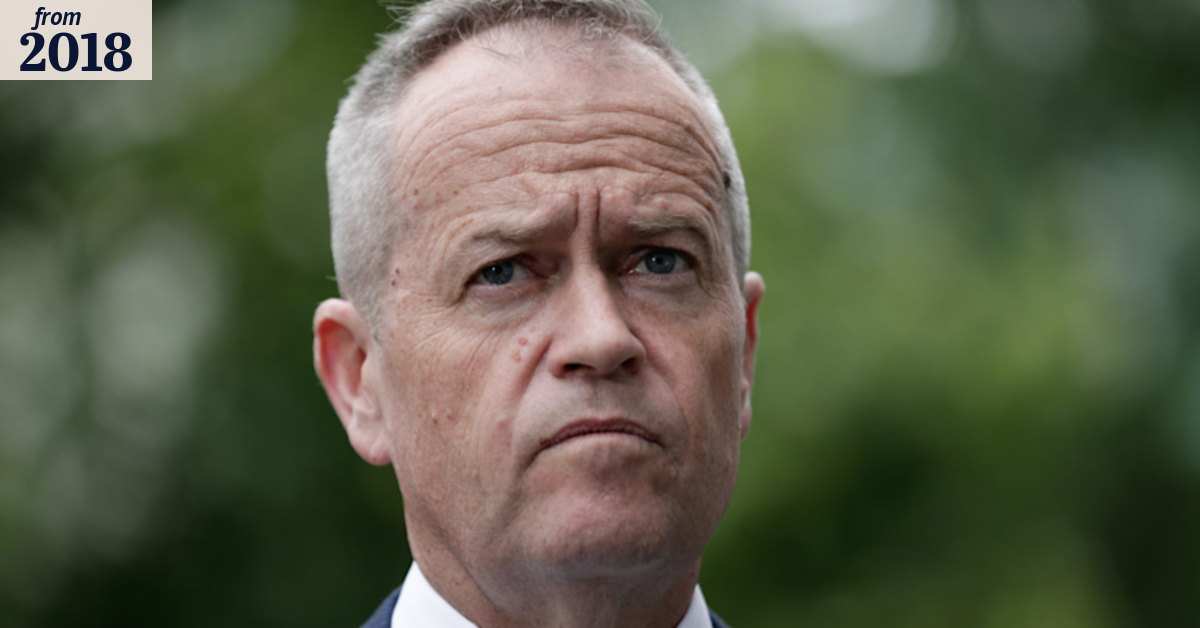
**Ginawa ba ni Labor ang katulad na bagay?** Nagsagawa ng paghahanap: "Labor government federal anti-corruption commission history" Natuklasan: Hindi bumoto ang Labor laban sa pagtatatag ng pederal na tagabantay laban sa katiwalian—sa halip, paulit-ulit nilang pinangakong magtatag ng isa at sa huli ay tinupad: - **Enero 2018**: Nangako si Bill Shorten ng isang pambansang komisyon sa integridad kung mahahalal [7] - **Halalan 2019**: Nangampanya ang Labor sa mas malakas na modelo ng ICAC kaysa sa panukala ng Koalisyon [2] - **Halalan 2022**: Nagkomit si Anthony Albanese na magtatag ng NACC sa loob ng anim na buwan ng pamahalaang Labor [3] - **Nobyembre 2022**: Ipinasa ng Labor ang National Anti-Corruption Commission legislation na may bipartisan na suporta [6] **Pangunahing pagkakaiba**: Bagama't ang parehong mga pangunahing partido ay sa huli ay sumuporta sa pagtatatag ng NACC (na ipinasa na may suporta ng mga partido noong 2022), tanging ang Koalisyon ang aktibong humarang sa lehislasyon (panukala ni Haines noong 2021) at abandonado ang kanilang sariling pangako sa halalan (2019 CIC pledge) nang hindi tinutupad.
**Did Labor do something similar?** Search conducted: "Labor government federal anti-corruption commission history" Finding: Labor did not vote against creating a federal anti-corruption watchdog—instead, they consistently promised to establish one and eventually delivered: - **January 2018**: Bill Shorten pledged a national integrity commission if elected [7] - **2019 election**: Labor campaigned on a stronger ICAC model than the Coalition's proposal [2] - **2022 election**: Anthony Albanese committed to establishing the NACC within six months of a Labor government [3] - **November 2022**: Labor passed the National Anti-Corruption Commission legislation with bipartisan support [6] **Key difference**: While both major parties eventually supported creating the NACC (which passed with cross-party support in 2022), only the Coalition actively blocked legislation (Haines' bill in 2021) and abandoned their own election promise (2019 CIC pledge) without delivering.
Palaging sumuporta ang Labor sa mas malalakas na hakbang laban sa katiwalian at tinupad ito nang nasa puwesto.
Labor consistently supported stronger anti-corruption measures and delivered when in office.
Ang posisyon ng Koalisyon ay nag-iba mula sa pangakong mahinang modelo (2019) pagharang sa mga mas malalakas na alternatibo (2021) pag-abandona sa patakalan (2022) pagsuporta sa NACC ng Labor pagkatapos matalo sa pamahalaan (2022).
The Coalition's position evolved from promising a weak model (2019) → blocking stronger alternatives (2021) → abandoning the policy entirely (2022) → supporting Labor's NACC after losing government (2022).
🌐

Balanseng Pananaw

Bagama't bumoto ang Koalisyon laban sa panukala ni Helen Haines para sa pederal na komisyon sa integridad noong 2021, ang buong larawan ay mas masalimuot: **Pananaw ng Koalisyon**: Nangatwiran ang pamahalaan na ang kanilang iminungkahing modelo ng CIC ay mas mabuti—nakatuon sa kriminal na katiwalian sa halip na sa pulitikal na "grey areas," nagpoprotekta ng reputasyon sa pamamagitan ng pag-iwas sa mga pampublikong pagdinig hanggang sa mga pag-uusig, at pagpapanatili ng kontrol ng ministro sa mga imbestigasyon na kinasasangkutan ng kanilang sariling asal [4][5].
While the Coalition did vote against Helen Haines' federal integrity commission bill in 2021, the full picture is more nuanced: **Coalition perspective**: The government argued their proposed CIC model was preferable—focused on criminal corruption rather than political "grey areas," protecting reputations by avoiding public hearings until prosecutions occurred, and maintaining ministerial control over investigations involving their own conduct [4][5].
Nangatwiran sila na ang dalawang-pahinang patakaran ng Labor ay hindi sapat na detalye para sa bipartisan na suporta [3]. **Pagkritika sa pamamaraan ng Koalisyon**: Kritikahan ng mga eksperto sa batas, mga tagapagtaguyod ng transparency, at mga crossbench MP ang CIC bilang "pagkukunwari" at "katawa-tawa" na magpoprotekta sa halip na ilantad ang katiwalian [8].
They claimed Labor's two-page policy was insufficient detail for bipartisan support [3]. **Criticism of Coalition approach**: Legal experts, transparency advocates, and crossbench MPs criticized the CIC as a "sham" and "farce" that would protect rather than expose corruption [8].
Minarkahan ito ng Centre for Public Integrity bilang pinakamahinang modelo laban sa katiwalian sa Australia [4].
The Centre for Public Integrity rated it the weakest anti-corruption model in Australia [4].
Kinritika rin ng Law Council of Australia ang limitadong saklaw at kakulangan ng transparency nito [4]. **Kalkulasyong pulitikal**: Tahasang sinabi ni Deputy Prime Minister Barnaby Joyce na karamihan sa mga Australyano ay hindi uunahin ang isang komisyon sa integridad sa pagboto [3], na nagmumungkahing ginawa ng Koalisyon ang isang kalkuladong desisyon na mas mababa ang pulitikal na gastos ng pagharang sa reporma kaysa sa panganib ng paglantad. **Kontekstong komparatibo**: Bagama't tinupad ng Labor ang NACC pagkatapos manalo sa pamahalaan, kapansin-pansin na ang panghuling NACC legislation ay ipinasa na may suporta ng Koalisyon sa Senado (pagkatapos mag-back down ng Greens sa mga amendment) [6].
The Law Council of Australia also criticized its limited scope and lack of transparency [4]. **Political calculation**: Deputy Prime Minister Barnaby Joyce explicitly stated that most Australians wouldn't prioritize an integrity commission when voting [3], suggesting the Coalition made a calculated decision that the political cost of blocking reform was lower than the risk of exposure. **Comparative context**: While Labor delivered the NACC after winning government, it's notable that the final NACC legislation passed with Coalition support in the Senate (after the Greens backed down on amendments) [6].
Nagmumungkahi ito na handa ang Koalisyon na suportahan ang isang pederal na tagabantay kapag nasa oposisyon na, ngunit hindi kapag susuriin ang kanilang sariling pamahalaan.
This suggests the Coalition was willing to support a federal watchdog once in opposition, but not when it would scrutinize their own government.

BAHAGYANG TOTOO

6.0

sa 10

Ang Koalisyon ay bumoto laban sa lehislasyon ni Helen Haines para sa pederal na komisyon sa integridad noong Nobyembre 2021, at ito ay nakadokumento sa talaan ng parlamento.
The Coalition did vote against Helen Haines' federal integrity commission legislation in November 2021, and this is documented in the parliamentary record.
Gayunpaman, iniiwan ng claim na nagmungkahi ang Koalisyon ng kanilang sariling mas mahinang modelo (ang CIC) noong 2019-2020, na hindi nila naibotohan.
However, the claim omits that the Coalition had proposed their own weaker model (the CIC) in 2019-2020, which they never brought to a vote.
Ang mas tumpak na paglalarawan ay na ang Koalisyon ay humarang sa mas malakas na lehislasyon laban sa katiwalian habang nabigong ihatid ang kanilang sariling ipinangakong alternatibo, sa huli ay abandunado ang patakalan bago ang halalan ng 2022.
The more accurate characterization is that the Coalition blocked stronger anti-corruption legislation while failing to deliver their own promised alternative, eventually abandoning the policy entirely before the 2022 election.
Ang pederal na tagabantay laban sa katiwalian ay sa huli ay itinatag ng sumunod na pamahalaang Labor na may suporta ng mga partido.
The federal anti-corruption watchdog was ultimately established by the subsequent Labor government with cross-party support.

📚 MGA PINAGMULAN AT SANGGUNIAN (8)

  1. 1
    smh.com.au

    smh.com.au

    The Tasmanian MP supported a push by independent Helen Haines to establish a federal integrity watchdog, but in chaotic scenes a parliamentary rule ultimately stopped the bid.

    The Sydney Morning Herald
  2. 2
    en.wikipedia.org

    en.wikipedia.org

    En Wikipedia

  3. 3
    abc.net.au

    abc.net.au

    Although Anthony Albanese has committed to introducing an ICAC within the first six months of a Labor government, Barnaby Joyce does not think many Australians will care, and Prime Minister Scott Morrison says it's now off his agenda but denies it is a broken promise.

    Abc Net
  4. 4
    abc.net.au

    abc.net.au

    Social Services Minister Anne Ruston says the government's model for a federal integrity commission has powers "well in excess" of a royal commission. Is that correct? RMIT ABC Fact Check investigates.

    Abc Net
  5. 5
    theguardian.com

    theguardian.com

    Minor party resolves to support a crossbench amendment instead of Coalition on key appointment

    the Guardian
  6. 6
    smh.com.au

    smh.com.au

    He's hinted at support for a federal integrity commission for years. Now Bill Shorten has finally backed it.

    The Sydney Morning Herald
  7. 7
    theguardian.com

    theguardian.com

    Stephen Charles says there is ‘no justification’ for limiting commission’s powers when investigating public sector

    the Guardian
  8. 8
    Claude Code

    Claude Code

    Claude Code is an agentic AI coding tool that understands your entire codebase. Edit files, run commands, debug issues, and ship faster—directly from your terminal, IDE, Slack or on the web.

    AI coding agent for terminal & IDE | Claude

Pamamaraan ng Rating Scale

1-3: MALI

Hindi tama sa katotohanan o malisyosong gawa-gawa.

4-6: BAHAGYA

May katotohanan ngunit kulang o baluktot ang konteksto.

7-9: HALOS TOTOO

Maliit na teknikal na detalye o isyu sa pagkakasulat.

10: TUMPAK

Perpektong na-verify at patas ayon sa konteksto.

Pamamaraan: Ang mga rating ay tinutukoy sa pamamagitan ng cross-referencing ng opisyal na mga rekord ng pamahalaan, independiyenteng mga organisasyong nag-fact-check, at mga primaryang dokumento.