Bahagyang Totoo

Rating: 5.0/10

Coalition
C0680

Ang Claim

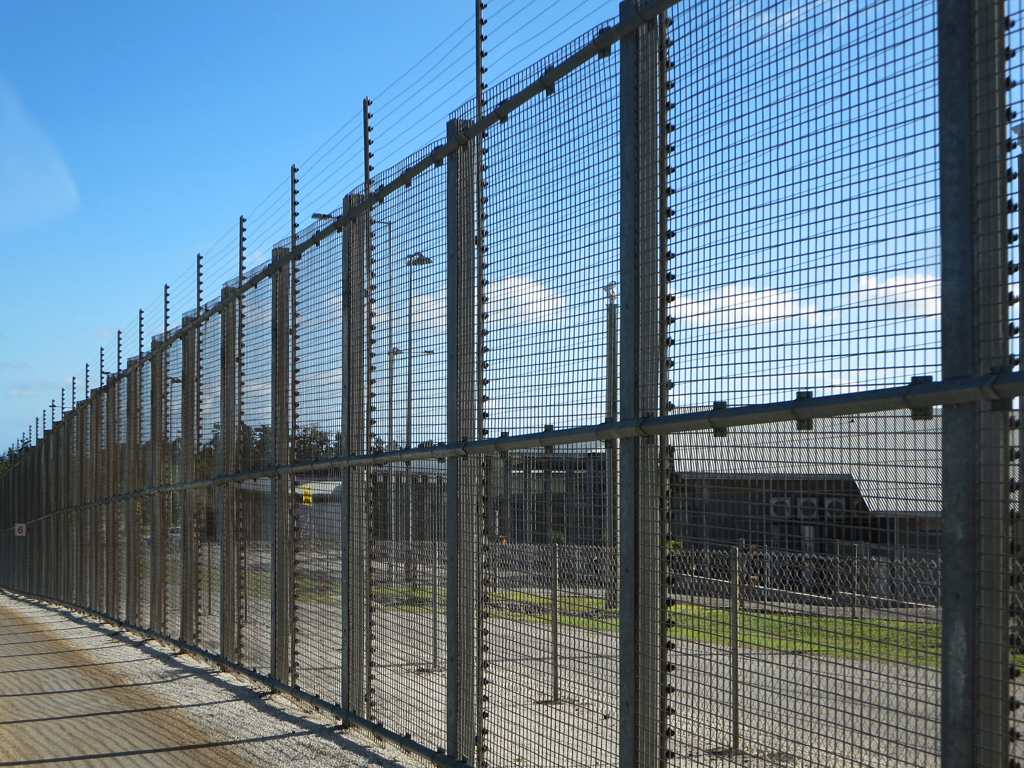
“Ipinakilala ang lehislasyon na nagpapahintulot sa gobyerno na ibalik ang mga naghahanap ng asylum sa bansang kanilang nilisan, kahit na may hanggang 49% na tsansa na mapatay o masaktan sila sa pagbabalik. Ito ay lumalabag sa prinsipyo ng non-refoulement, na bumubuo sa paglabag sa karapatang pantao.”
Orihinal na Pinagmulan: Matthew Davis
Sinuri: 31 Jan 2026

Orihinal na Pinagmulan

FACTUAL NA BERIPIKASYON

Tumutukoy ang claim sa **Migration Amendment (Protection and Other Measures) Bill 2014**, na ipinakilala ng Pamahalaang Abbott noong Hunyo 2014.
The claim refers to the **Migration Amendment (Protection and Other Measures) Bill 2014**, introduced by the Abbott Government in June 2014.
Gumawa ang lehislasyon ng malalaking pagbabago sa framework ng complementary protection sa Australia [1][2].
The legislation did make significant changes to Australia's complementary protection framework [1][2].
Ang pagkaka-frame ng "49% threshold" ay may kaugnayan sa legal na pagsubok para sa "complementary protection" - proteksyon para sa mga hindi nakakatugon sa mahigpit na kahulugan ng Refugee Convention ngunit nakakaharap ng seryosong panganib kung ibabalik.
The "49% threshold" framing relates to the legal test for "complementary protection" - protection for those who don't meet the strict Refugee Convention definition but face serious harm if returned.
Ang lehislasyon ay nagbago ng threshold mula sa pagsubok na "real chance" (na maaaring mas mababa sa 50%) patungo sa pagsubok na "more likely than not" (na nangangailangan ng higit sa 50% na probabilidad ng panganib) [1][3].
The legislation changed the threshold from a "real chance" test (which could be less than 50%) to a "more likely than not" test (requiring greater than 50% probability of harm) [1][3].
Gayunpaman, mayroong mahahalagang mga pagkakamali ang claim: 1. **Ang pagkaka-frame ng 49% ay misleading** - Hindi nilikha ng lehislasyon ang isang tiyak na "49% rule." Sa halip, itinaas nito ang threshold mula sa "real chance" (na tinataya ng mga eksperto na maaaring 10-30%) patungo sa "more likely than not" (ibig sabihin >50%).
However, the claim contains important inaccuracies: 1. **The 49% framing is misleading** - The legislation did not create a specific "49% rule." Rather, it raised the threshold from "real chance" (which experts estimated could be 10-30%) to "more likely than not" (meaning >50%).
Ang pagkaka-frame ng "49% chance" ay isang political characterization, hindi ang legal na pamantayan [1][4]. 2. **Ang claim ay misrepresenta ng saklaw** - Ang lehislasyon ay inilapat tiyak sa mga claim ng "complementary protection" (hindi Refugee Convention grounds), hindi sa pagtukoy ng refugee status sa ilalim ng Refugee Convention mismo, na may iba't ibang kriteria [2][3]. 3. **Ang non-refoulement ay hindi inalis** - Pinanatili ng Australia ang mga obligasyon sa non-refoulement sa ilalim ng Refugee Convention at CAT (Convention Against Torture), bagama't sa mas mataas na threshold para sa mga claim ng complementary protection na hindi refugee [4].
The "49% chance" framing is a political characterization, not the legal standard [1][4]. 2. **The claim misrepresents the scope** - The legislation applied specifically to "complementary protection" claims (non-refugee Convention grounds), not to refugee status determination under the Refugee Convention itself, which has different criteria [2][3]. 3. **Non-refoulement was not eliminated** - Australia maintained non-refoulement obligations under the Refugee Convention and CAT (Convention Against Torture), though at a higher threshold for non-refugee complementary protection claims [4].

Nawawalang Konteksto

**Ang papel ng Labor sa pag-escalate ng asylum policy:** Hindi binanggit ng claim na ang gobyernong Labor (Rudd/Gillard) ay nagpatupad na ng mahihigpit na patakaran sa asylum bago sumakop ang Coalition noong 2013: - **Hulyo 2013:** Inanunsyo ni Kevin Rudd na ang anumang naghahanap ng asylum na dumating sa pamamagitan ng bangka ay hindi kailanman makakapamayan sa Australia - ipadadala sila sa Papua New Guinea (ang "PNG Solution") [5] - **Setyembre 2013:** Muling pinatupad ng Labor ang offshore processing sa Nauru at Manus Island matapos ang "Pacific Solution" noong panahon ni Howard [5][6] - **30,000+ na naghahanap ng asylum:** Iniwan ng Labor ang gobyernong Coalition na may backlog na mahigit 30,000 na naghahanap ng asylum na naghihintay ng pagpoproseso [6] **Ang ipinahayag na layunin ng lehislasyon:** Sinabi ng gobyerno na ang mga pagbabago ay kinakailangan para sa: - Paglikha ng consistency sa paginterpret ng international treaty (na karaniwang gumagamit ng "more likely than not") - Pagbawas ng insentibo para sa people smuggling sa pamamagitan ng paghigpit ng mga pathway ng proteksyon - Pagtugon sa "legacy caseload" na minana mula sa Labor [1][2] **International context:** Ginagamit ang "more likely than not" threshold sa ilang mga katulad na hurisdiksyon, kabilang ang Estados Unidos at Canada, para sa mga pagtukoy sa complementary protection [4].
**Labor's role in asylum policy escalation:** The claim omits that the Labor government (Rudd/Gillard) had already implemented harsh asylum policies before the Coalition took power in 2013: - **July 2013:** Kevin Rudd announced that no asylum seeker arriving by boat would ever be settled in Australia - they would be sent to Papua New Guinea (the "PNG Solution") [5] - **September 2013:** Labor reinstated offshore processing on Nauru and Manus Island after the Howard-era "Pacific Solution" had been dismantled [5][6] - **30,000+ asylum seekers:** Labor left the Coalition government with a backlog of over 30,000 asylum seekers awaiting processing [6] **The legislation's stated purpose:** The government argued the changes were necessary to: - Create consistency with international treaty interpretation (which typically uses "more likely than not") - Reduce incentives for people smuggling by narrowing protection pathways - Address the "legacy caseload" inherited from Labor [1][2] **International context:** The "more likely than not" threshold is used in several comparable jurisdictions, including the United States and Canada, for complementary protection determinations [4].

Pagsusuri ng Kredibilidad ng Pinagmulan

**SBS News (Pangunahing source):** Ang SBS ay isang mainstream Australian public broadcaster na may statutory independence.
**SBS News (Primary source):** SBS is a mainstream Australian public broadcaster with statutory independence.
Tumpak na iniulat ng artikulo ang mga alalahanin ng mga tagapagtaguyod ng karapatang pantao tungkol sa pagbabago ng threshold.
The article accurately reported the concerns of human rights advocates about the legislation's threshold change.
Gayunpaman, ang "49% chance" headline ay isang pinasimpleng political framing sa halip na isang tumpak na legal na paglalarawan [1]. **Wikipedia:** Ang non-refoulement article ay nagbibigay ng tumpak na background sa prinsipyo ng international law, ngunit ang Wikipedia ay isang tertiary source at hindi awtoritatibo para sa mga tiyak na claim tungkol sa Australian legislation [2]. **Parliamentary document:** Ito ay isang primary source - ang aktwal na Explanatory Memorandum para sa lehislasyon - at lubhang kredibo para sa pag-unawa sa ipinahayad na rasyon ng gobyerno [3]. **Guardian cartoon:** Ito ay opinion/commentary content, hindi factual reporting.
However, the "49% chance" headline is a simplified political framing rather than a precise legal description [1]. **Wikipedia:** The non-refoulement article provides accurate background on the international legal principle, but Wikipedia is a tertiary source and not authoritative for specific claims about Australian legislation [2]. **Parliamentary document:** This is a primary source - the actual Explanatory Memorandum for the legislation - and is highly credible for understanding the government's stated rationale [3]. **Guardian cartoon:** This is opinion/commentary content, not factual reporting.
Sumasalamin ito sa political criticism ngunit may limitadong evidentiary value [7].
It reflects political criticism but has limited evidentiary value [7].
⚖️

Paghahambing sa Labor

**Gumawa ba ng katulad na bagay ang Labor?** Oo.
**Did Labor do something similar?** Yes.
Ang parehong pangunahing partido ay progresibong naghigpit ng mga patakaran sa naghahanap ng asylum sa loob ng tatlong dekada: **Mga patakaran ng Labor na kapantay o mas mahigpit:** 1. **Mandatory detention:** Ipinakilala ng gobyernong Keating Labor noong 1992 (na may bipartisan support), ang mandatory detention ay pinanatili ng bawat gobyerno mula noon [6][8]. 2. **Offshore processing na muling pinatupad ng Labor:** Noong Hulyo 2013, inanunsyo ni Kevin Rudd ang "PNG Solution" - pagpapadala ng lahat ng dumating sa pamamagitan ng bangka sa Papua New Guinea na walang posibilidad ng Australian settlement.
Both major parties have progressively tightened asylum seeker policies over three decades: **Labor policies that were equally or more restrictive:** 1. **Mandatory detention:** Introduced by the Keating Labor government in 1992 (with bipartisan support), mandatory detention has been maintained by every government since [6][8]. 2. **Offshore processing reinstated by Labor:** In July 2013, Kevin Rudd announced the "PNG Solution" - sending all boat arrivals to Papua New Guinea with no possibility of Australian settlement.
Ito ay maaaring mas mahigpit kaysa sa posisyon ng Coalition, na hindi pinipigilan ang posibilidad ng mga temporary protection visa sa Australia [5][6]. 3. **Ang turnbacks ay nagsimula sa ilalim ng Labor:** Bagama't ang "Operation Sovereign Borders" ng Coalition (2013) ang pormal na nagtakda ng mga turnback, ang Labor ay nagsimula nang mag-turn back ng mga bangka sa ilang mga pagkakataon noong 2013 [6]. 4. **Mataas na mga rate ng pagtanggi sa ilalim ng Labor:** Sa pagitan ng 2008-2013, ang Labor ay tumanggi ng humigit-kumulang 85-90% ng mga claim sa asylum mula sa ilang bansa (hal.
This was arguably more restrictive than the Coalition's position, which at least allowed for the possibility of temporary protection visas in Australia [5][6]. 3. **Turnbacks begun under Labor:** While the Coalition's "Operation Sovereign Borders" (2013) formalized turnbacks, Labor had already begun turning back boats in some circumstances in 2013 [6]. 4. **High rejection rates under Labor:** Between 2008-2013, Labor rejected approximately 85-90% of asylum claims from certain countries (e.g., Afghanistan, Sri Lanka) at the initial assessment stage, effectively returning thousands of people to their countries of origin [6][8]. **Key difference:** The 2014 legislation was a technical legal change to the threshold for complementary protection.
Afghanistan, Sri Lanka) sa yugto ng paunang pagtatasa, epektibong nagbabalik ng libo-libong tao sa kanilang mga bansang pinanggalingan [6][8]. **Pangunahing pagkakaiba:** Ang lehislasyon noong 2014 ay isang technical na legal na pagbabago sa threshold para sa complementary protection.
Labor's 2013 "PNG Solution" was arguably a more sweeping policy shift that closed settlement pathways entirely.
Ang "PNG Solution" noong 2013 ng Labor ay maaaring isang mas malawak na pagbabago sa patakaran na ganap na isinara ang mga pathway ng settlement.
🌐

Balanseng Pananaw

Ang claim ay nagfa-frame sa lehislasyon noong 2014 bilang tanging malubha at paglabag sa karapatang pantao.
The claim frames the 2014 legislation as uniquely severe and a violation of human rights.
Gayunpaman, kulang ito sa mahahalagang context: **Mga puna na valid:** - Ang mga human rights organization kabilang ang Amnesty International, UNHCR, at Australian Human Rights Commission ay pumuna sa pagbabago ng threshold bilang potensyal na naglalantad ng mga tao sa panganib [1][4] - Ang mga legal expert ay nagsabi na ang "more likely than not" na pamantayan ay mas mahigpit kaysa sa dating "real chance" test [3][4] - Ang pagbabago ay gumawa ng Australia bilang isang outlier sa mga katulad na refugee-receiving nations sa kanyang restrictiveness para sa complementary protection [4] **Context na hindi binabanggit ng claim:** - Ang lehislasyon ay isang bahagi ng isang mas malawak na bipartisan trend patungo sa mahihigpit na patakaran sa asylum na tumatagal ng tatlong dekada - Ang Labor ay nagpatupad na ng mga patakaran na maaaring mas mahigpit sa praktikal na epekto (PNG Solution, offshore processing) - Ang "more likely than not" na pamantayan ay naaayon sa international treaty interpretation, kahit na binabawasan ang proteksyon sa praktikal - Ang gobyerno ay minana ng isang malaking "legacy caseload" mula sa Labor na lumikha ng political pressure para sa mga hakbang ng deterrence **Komparatibong pagsusuri:** Ang parehong pangunahing Australian parties ay nagpatupad ng mga patakaran sa asylum na pinalalalim ng mga human rights bodies.
However, this lacks important context: **Criticisms that are valid:** - Human rights organizations including Amnesty International, UNHCR, and the Australian Human Rights Commission criticized the threshold change as potentially exposing people to harm [1][4] - Legal experts noted the "more likely than not" standard was more restrictive than the "real chance" test previously applied [3][4] - The change made Australia an outlier among comparable refugee-receiving nations in its restrictiveness for complementary protection [4] **Context the claim omits:** - The legislation was one component of a broader bipartisan trend toward restrictive asylum policy spanning three decades - Labor had already implemented policies that were arguably harsher in practical effect (PNG Solution, offshore processing) - The "more likely than not" standard aligns with international treaty interpretation, even if it reduces protection in practice - The government inherited a significant "legacy caseload" from Labor that created political pressure for deterrence measures **Comparative analysis:** Both major Australian parties have implemented asylum policies that have been criticized by human rights bodies.
Ang lehislasyon noong 2014 ng Coalition ay isang technical na legal na pagbabago na nagbawas ng mga threshold ng proteksyon, habang ang "PNG Solution" noong 2013 ng Labor ay isang categorical exclusion mula sa settlement.
The Coalition's 2014 legislation was a technical legal change that reduced protection thresholds, while Labor's 2013 "PNG Solution" was a categorical exclusion from settlement.
Parehong partido ang nagpanatili ng mandatory detention (ipinakilala 1992), offshore processing (muling pinatupad 2013), at mga patakaran sa pag-turn back ng bangka.
Both parties have maintained mandatory detention (introduced 1992), offshore processing (reinstated 2013), and boat turnback policies.

BAHAGYANG TOTOO

5.0

sa 10

Ang mga core factual elements ay tumpak: ang Coalition ay talagang nagpakilala ng lehislasyon noong 2014 na nagtaas ng threshold para sa complementary protection mula sa "real chance" patungo sa "more likely than not" ng seryosong panganib.
The core factual elements are accurate: the Coalition did introduce legislation in 2014 that raised the threshold for complementary protection from "real chance" to "more likely than not" of serious harm.
Epektibong nangahulugan ito na ang ilang tao na maaaring protektado sa ilalim ng dating threshold ay maaaring maibalik sa kanilang bansang pinanggalingan.
This effectively meant some people who might have been protected under the previous threshold could be returned to their country of origin.
Gayunpaman, ang claim ay misleading sa ilang paraan: 1.
However, the claim is misleading in several ways: 1.
Ang "49% chance" ay political framing, hindi ang legal na pamantayan (na isang binary threshold change, hindi isang tiyak na porsyento) 2.
The "49% chance" is political framing, not the legal standard (which was a binary threshold change, not a specific percentage) 2.
Itinuturing ito bilang tanging malubhang patakaran ng Coalition gayung ang Labor ay nagpatupad na ng mga hakbang na kapantay o mas mahigpit (PNG Solution, offshore processing reinstatement) 3.
It presents this as uniquely severe Coalition policy when Labor had implemented equally or more restrictive measures (PNG Solution, offshore processing reinstatement) 3.
Tinatawag itong paglabag sa karapatang pantao habang hindi binabanggit na ang parehong partido ay pinuna para sa mga paglabag sa karapatang pantao sa patakaran sa asylum 4.
It characterizes this as a human rights violation while omitting that both parties have been criticized for human rights violations in asylum policy 4.
Hindi kinikilala ang bipartisan context ng progresibong mahigpit na patakaran sa asylum na tumatagal ng 20+ na taon Ang claim ay mas makatarungan kung kinilala nito na ang parehong pangunahing partido ay nagpatupad ng mga mahihigpit na patakaran sa asylum, at ang partikular na pagbabagong ito ay bahagi ng isang continuum ng deterrence-focused na patakaran sa halip na isang tanging paglihis ng Coalition mula sa humanitarian norms.
It doesn't acknowledge the bipartisan context of progressively restrictive asylum policy spanning 20+ years The claim would be fairer if it acknowledged that both major parties have implemented restrictive asylum policies, and that this particular change was part of a continuum of deterrence-focused policy rather than a unique Coalition departure from humanitarian norms.

📚 MGA PINAGMULAN AT SANGGUNIAN (9)

  1. 1
    Asylum seekers facing '49% chance of death, torture' could be sent home

    Asylum seekers facing '49% chance of death, torture' could be sent home

    Asylum seekers could be sent back to their home country if they face a less than 50 per cent chance of death or torture on their return under sweeping changes to migration policy in Australia.

    SBS News
  2. 2
    en.wikipedia.org

    Non-refoulement - Wikipedia

    Wikipedia

  3. 3
    PDF

    Migration Amendment (Protection and Other Measures) Bill 2014 - Explanatory Memorandum

    Parlinfo Aph Gov • PDF Document
  4. 4
    Complementary Protection in Australia and International Human Rights Law

    Complementary Protection in Australia and International Human Rights Law

    Read through the Kaldor Centre's collection of complementary protection decisions, including archived decisions dating back to 2012.

    UNSW Sites
  5. 5
    en.wikipedia.org

    Asylum in Australia - Wikipedia

    Wikipedia

  6. 6
    Mandatory detention in Australia - Wikipedia

    Mandatory detention in Australia - Wikipedia

    Wikipedia
  7. 7
    Firstdog cartoon: Scott Morrison and the 49% rule

    Firstdog cartoon: Scott Morrison and the 49% rule

    If we're gambling with asylum seekers' lives, let's at least make it a bit more showbusiness. First Dog on the Moon presents Australia's favourite show: Put Them in the Van!

    the Guardian
  8. 8
    amnesty.org.au

    Amnesty International Australia - Asylum Seeker Policy Timeline

    Amnesty Org

    Original link no longer available
  9. 9
    Claude Code

    Claude Code

    Claude Code is an agentic AI coding tool that understands your entire codebase. Edit files, run commands, debug issues, and ship faster—directly from your terminal, IDE, Slack or on the web.

    AI coding agent for terminal & IDE | Claude

Pamamaraan ng Rating Scale

1-3: MALI

Hindi tama sa katotohanan o malisyosong gawa-gawa.

4-6: BAHAGYA

May katotohanan ngunit kulang o baluktot ang konteksto.

7-9: HALOS TOTOO

Maliit na teknikal na detalye o isyu sa pagkakasulat.

10: TUMPAK

Perpektong na-verify at patas ayon sa konteksto.

Pamamaraan: Ang mga rating ay tinutukoy sa pamamagitan ng cross-referencing ng opisyal na mga rekord ng pamahalaan, independiyenteng mga organisasyong nag-fact-check, at mga primaryang dokumento.