“Pinwersang ibinigay ang 41 na inosenteng mga naghahanap ng asylum sa isang mapanuring pamahalaan, sa kabila ng pagkaalam na marami sa kanila ay na-torture na bago pa man tumakas. Lumalabag ito sa mga internasyonal na batas at sa ating sariling mga lokal na batas.”
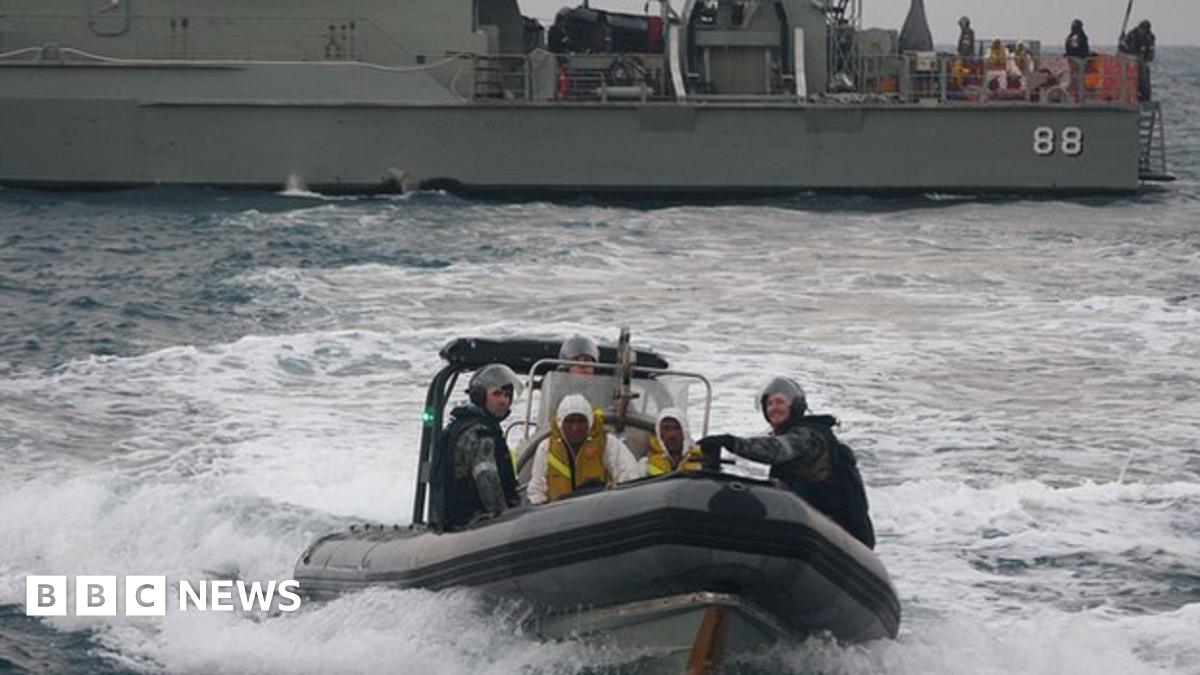
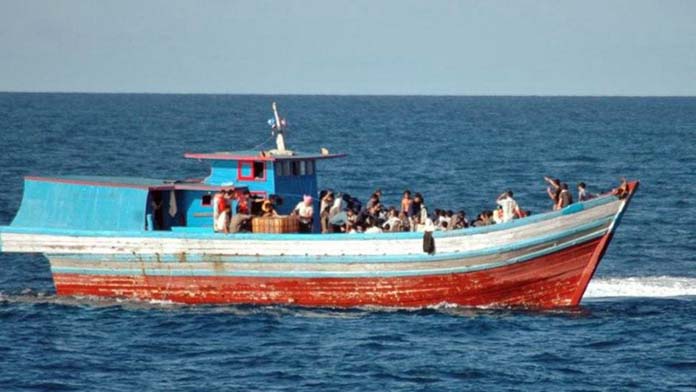
Tumutukoy ang claim sa isang insidente noong Hulyo 2014 nang ibalik ng Australia ang 41 na Sri Lankan asylum seekers sa mga awtoridad ng Sri Lanka sa dagat matapos silang salakayin sa labas ng Cocos Islands.
The claim refers to an incident in July 2014 when Australia returned 41 Sri Lankan asylum seekers to Sri Lankan authorities at sea after intercepting them off the Cocos Islands.
Kinumpirma ng pamahalaan ng Australia ang aksyong ito at malawakang iniulat sa internasyonal [1].
This action was confirmed by the Australian government and widely reported internationally [1].
Nagpahayag ang UNHCR (United Nations High Commissioner for Refugees) ng "malalim na pag-aalala" tungkol sa pagbabalik, partikular na ang pagkabalisa sa shipboard processing ng mga protection claims at sinabi na ang "mga proseso na ginamit ng Australia para suriin ang mga protection claims sa dagat ay hindi tumutugma sa kinakailangang internasyonal na pamantayan" [2].
The UNHCR (United Nations High Commissioner for Refugees) expressed "deep concern" about the return, specifically noting unease with shipboard processing of protection claims and stating that the "processes used by Australia to assess protection claims at sea do not meet the required international standards" [2].
Tungkol sa mga alegasyon ng torture, ang mga dokumentong nakuha sa ilalim ng Freedom of Information laws ay nagpakita na hindi bababa sa dalawang ibinalik na asylum seekers ang nagkaroon ng mga alegasyon ng torture pagkatapos ibalik sa Sri Lanka.
Regarding torture allegations, documents obtained under Freedom of Information laws revealed that at least two returned asylum seekers later made torture allegations after being returned to Sri Lanka.
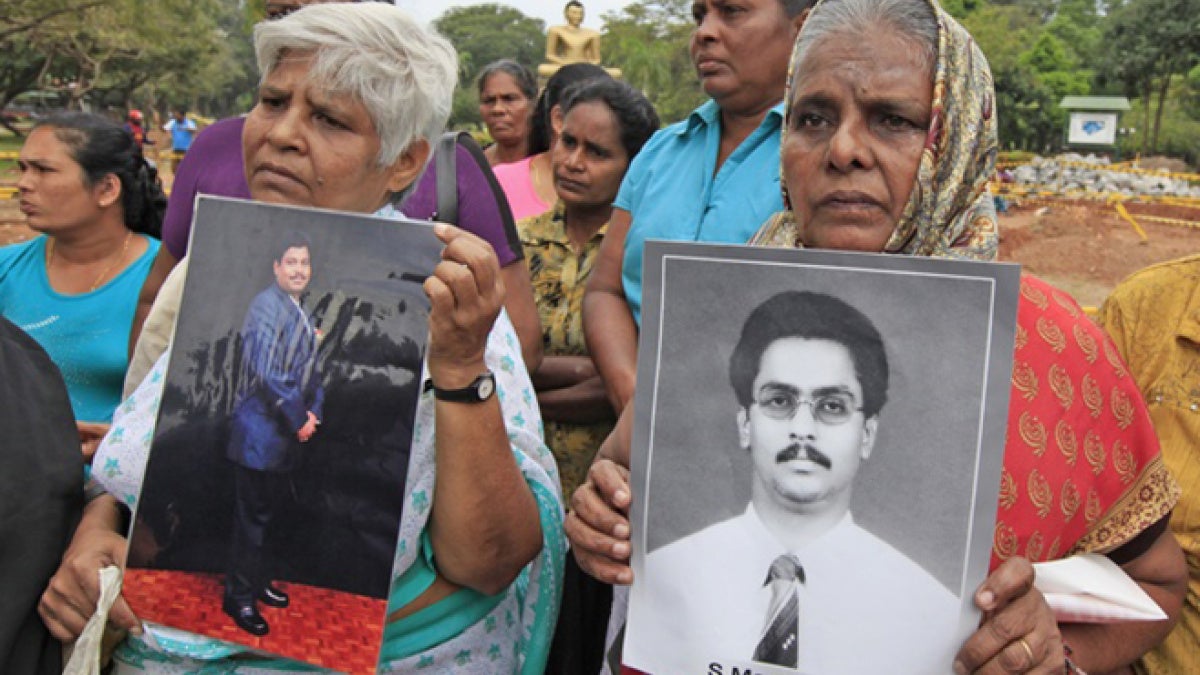
Ang programang SBS Dateline na inere noong Oktubre 2014 ay nagtatampok ng dalawang lalaking kinilala bilang "Bhanu" at "Narada" na naglarawan ng matinding torture kabilang ang pagbunot ng kuko, pagkabitin nang patalikod, at pisikal na pagpalo [3].
An SBS Dateline program aired in October 2014 featured two men identified as "Bhanu" and "Narada" who described severe torture including fingernail extraction, being hung upside down, and physical beatings [3].
Ang Australian Federal Police ay sinasabing alam ang mga claims na ito ngunit pinili na huay personal na interviewhin ang mga indibidwal, na nagsabi: "Sa interes ng pag-iwas sa Sri Lankan investigation, hindi namin intensyon na tanggapin ang alok na makipagkita sa kanya" [3].
The Australian Federal Police were reportedly aware of these claims but chose not to personally interview the individuals, stating: "In the interests of keeping our distance from the Sri Lankan investigation, we do not intend to take up the offer to meet with him" [3].
Naglabas ng joint statement noong Disyembre 2014 ang Amnesty International, Human Rights Watch, at Human Rights Law Centre na nagpahayag na "Lumabag ang Australia sa kanilang mga obligasyon sa ilalim ng internasyonal na batas sa pamamagitan ng pagpapadala ng 37 asylum seekers pabalik sa Sri Lanka, nang hindi maayos na sinusuri ang kanilang mga protection claims" [4].
Amnesty International, Human Rights Watch, and the Human Rights Law Centre issued a joint statement in December 2014 asserting that "Australia violated its obligations under international law by sending the 37 asylum seekers back to Sri Lanka, without properly assessing their protection claims" [4].
Dokumentado ng mga organisasyon na kilala ang mga awtoridad ng Sri Lanka na gumamit ng "torture at rape laban sa mga ethnic Tamil sa detention, kabilang ang mga ibinalik bilang failed asylum seekers" [4].
The organizations documented that Sri Lankan authorities had been known to use "torture and rape against ethnic Tamils in detention, including those returned as failed asylum seekers" [4].
Ang terminong "mapanuring pamahalaan" sa pagtukoy sa Sri Lanka sa panahong ito ay hindi tamang terminolohiya.
The term "genocidal government" in reference to Sri Lanka during this period is not accurate terminology.
Bagama't ang pamahalaan ng Sri Lanka sa ilalim ni Pangulong Mahinda Rajapaksa ay nakaharap sa mga seryosong alegasyon ng pag-abuso sa karapatang pantao noong at pagkatapos ng digmaang sibil—kabilang ang mga dokumentadong kaso ng torture, arbitrary detention, at summary executions ng mga hinihinalang LTTE sympathizers—hindi ang "genocide" ang opisyal na legal na designation na inilapat sa Sri Lanka ng UN o internasyonal na mga hukuman [5].
While the Sri Lankan government under President Mahinda Rajapaksa faced serious human rights abuse allegations during and after the civil war—including documented cases of torture, arbitrary detention, and summary executions of suspected LTTE sympathizers—"genocide" has not been a formal legal designation applied to Sri Lanka by the UN or international courts [5].
Sinipi ng US State Department's 2014 Human Rights Report ang "mga atake sa, at panggigipit sa, mga aktibista ng civil society, mga mamamahayag, at mga taong itinuturing na mga sympathizer ng Liberation Tigers of Tamil Eelam (LTTE) ng mga indibidwal na diumano'y konektado sa pamahalaan; involuntary disappearances, arbitrary arrest at detention, torture, pag-abuso sa mga detainee, rape" bilang pangunahing mga problema sa karapatang pantao [5].
The US State Department's 2014 Human Rights Report cited "attacks on, and harassment of, civil society activists, journalists, and persons viewed as sympathizers of the Liberation Tigers of Tamil Eelam (LTTE) by individuals allegedly tied to the government; involuntary disappearances, arbitrary arrest and detention, torture, abuse of detainees, rape" as major human rights problems [5].
Tungkol sa mga paglabag sa lokal na batas, ipinagtanggol ng pamahalaan ng Australia na ang kanilang mga aksyon ay legal sa ilalim ng Maritime Powers Act at kaugnay na border protection legislation.
Regarding domestic law violations, the Australian government maintained that its actions were lawful under the Maritime Powers Act and related border protection legislation.
Walang matagumpay na domestic legal challenges na isinampa laban sa tiyak na return operation na ito.
No successful domestic legal challenges were mounted against this specific return operation.
Nawawalang Konteksto
Hindi binabanggit ng claim na isinagawa ng Australia ang "enhanced screening" process sa dagat (cursory questioning) sa halip na buong refugee status determination procedures [4].
The claim omits that Australia conducted an "enhanced screening" process at sea (cursory questioning) rather than full refugee status determination procedures [4].
Ipinagtanggol ng pamahalaan na ito ay lehitimong pagsasagawa ng soberanya sa border protection authority sa ilalim ng Australian law.
The government maintained this was a legitimate exercise of sovereign border protection authority under Australian law.
Isinakatuparan ang patakaran sa panahon kung kailan natapos ang digmaang sibil ng Sri Lanka noong 2009, at ipinagtanggol ng pamahalaan ng Australia na ang mga kondisyon para sa mga Tamil sa Sri Lanka ay umunlad, bagama't pinagtatalunan ito ng mga human rights organizations [6].
The policy was implemented during a period when the Sri Lankan civil war had ended in 2009, and the Australian government publicly argued that conditions for Tamils in Sri Lanka had improved, though human rights organizations disputed this assessment [6].
Hindi binabanggit ng claim na pagkatapos noon ay isinagawa ng Australia ang mga katulad na pagbabalik sa maraming pagkakataon noong 2014, kabilang ang insidente noong Nobyembre 2014 kung saan 37 pang asylum seekers ang ibinalik, at na nag-grant ang High Court of Australia ng interim injunction para pigilan ang hiwalay na pagtatangka na ibalik ang 153 asylum seekers [7].
The claim does not mention that Australia subsequently conducted similar returns on multiple occasions in 2014, including a November 2014 incident where 37 more asylum seekers were returned, and that the High Court of Australia granted an interim injunction to block a separate attempt to return 153 asylum seekers [7].
Ipinagtanggol ng pamahalaan ang patakaran bilang kinakailangan para maiwasan ang mga pagkamatay sa dagat at mapanatili ang integridad ng border, mga argumento na palaging ginawa ng Coalition sa buong kanilang mga border protection policies.
The policy was defended by the government as necessary to prevent deaths at sea and to maintain border integrity, arguments that the Coalition consistently made throughout its border protection policies.
Pagsusuri ng Kredibilidad ng Pinagmulan
**The Guardian** (original source 1): Isang mainstream, reputable internasyonal na news organization.
**The Guardian** (original source 1): A mainstream, reputable international news organization.
Pangkalahatang itinuturing na maaasahan na may center-left na editorial stance.
Generally considered reliable with center-left editorial stance.
Ang artikulong sinipi ay isang news report mula 2014 na dokumentado ang mga alalahanin sa internasyonal na batas sa paligid ng refoulement.
The article cited is a news report from 2014 documenting international law concerns around refoulement.
Maaasahang source. **Channel 4** (original source 2): UK mainstream public service broadcaster.
Credible source.
**Channel 4** (original source 2): UK mainstream public service broadcaster.
Ang news report na sinipi ay nagdokumento ng UN evidence ng war crimes at pag-abuso sa karapatang pantao sa Sri Lanka.
The news report cited documented UN evidence of war crimes and human rights abuses in Sri Lanka.
Maaasahang source.
Credible source.
Parehong reputable mainstream media outlets ang mga source.
Both sources are reputable mainstream media outlets.
Wala sa kanila ang tila partisan advocacy organizations.
Neither appears to be partisan advocacy organizations.
Ang mga claims na ginawa sa mga source na ito tungkol sa mga paglabag sa internasyonal na batas ay sumasang-ayon sa mga pahayag mula sa UNHCR at human rights organizations.
The claims made in these sources about international law violations align with statements from UNHCR and human rights organizations.
⚖️
Paghahambing sa Labor
**Ginawa ba ng Labor ang katulad na bagay?** Oo.
**Did Labor do something similar?**
Yes.
Ang kasalukuyang Labor government (nahalal noong Mayo 2022) ay nagpatuloy sa boat turnback policy na itinatag ng Coalition, kabilang ang mga pagbabalik sa Sri Lanka.
The current Labor government (elected May 2022) has continued the boat turnback policy established by the Coalition, including returns to Sri Lanka.
Noong Hunyo 2022, maikli pagkatapos mahalal, ang Albanese Labor government ay sumalakay at ibinalik ang isang barko ng Sri Lankan asylum seekers sa Sri Lanka [8].
In June 2022, shortly after taking office, the Albanese Labor government intercepted and turned back a boat of Sri Lankan asylum seekers to Sri Lanka [8].
Matinding kinondena ng Greens ang aksyong ito bilang "inhumane at shameful" [9].
The Greens strongly criticized this action as "inhumane and shameful" [9].
Ang isang pangalawang Sri Lankan asylum boat ay ibinalik din sa ilalim ng Labor [10].
A second Sri Lankan asylum boat was also turned back under Labor [10].
Espesipikong pinanatili ng Labor ang turnback policy, na sinabi ng mga government spokespeople na "Hindi nagbabago ang patakaran" tungkol sa mga boat interception at pagbabalik [8].
Labor has explicitly maintained the turnback policy, with government spokespeople stating "Policy doesn't change" regarding boat interceptions and returns [8].
Tinandaan ng Refugee Action Coalition na "Ang pangalawang asylum boat turn back sa Sri Lanka sa ilalim ng Albanese Labor government ay nagbigay-diin sa pundamental na paglabag sa karapatang pantao na kasangkot sa mga turnback" [10].
The Refugee Action Coalition noted that "the second asylum boat turn back to Sri Lanka under the Albanese Labor government has highlighted the fundamental breach of human rights involved in such turnbacks" [10].
Nagpapakita ito na ang kasanayan ng pagbabalik ng Sri Lankan asylum seekers—na kinondena bilang potensyal na refoulement ng mga human rights organizations—hindi kakaiba sa Coalition kundi ipinagpatuloy ng Labor government.
This demonstrates that the practice of returning Sri Lankan asylum seekers—criticized as potential refoulement by human rights organizations—is not unique to the Coalition but has been continued by the Labor government.
🌐
Balanseng Pananaw
Ang pagbabalik noong 2014 ng 41 asylum seekers sa Sri Lanka ay malawakang kinondena ng mga internasyonal na human rights organizations at UNHCR.
The 2014 return of 41 asylum seekers to Sri Lanka was widely condemned by international human rights organizations and the UNHCR.
Ang pangunahing mga elemento ng claim—na ibinalik ng Australia ang mga asylum seekers nang walang adekwadong protection screening, at na may naganap na torture pagkatapos—ay sinusuportahan ng kredibleng ebidensya.
The core factual elements of the claim—that Australia returned asylum seekers without adequate protection screening, and that torture subsequently occurred—are supported by credible evidence.
Gayunpaman, ang claim ay naglalaman ng makabuluhang pampukaw na framing: 1.
However, the claim contains significant inflammatory framing:
1.
Ang terminong "mapanuring pamahalaan" ay labis na sinasabi ang mga dokumentadong pag-abuso sa karapatang pantao sa Sri Lanka.
The term "genocidal government" exaggerates the documented human rights abuses in Sri Lanka.
Bagama't may naganap na mga seryosong paglabag, ang "genocide" ay isang tiyak na legal na termino na hindi pormal na inilapat sa Sri Lanka. 2.
While serious violations occurred, "genocide" is a specific legal term not formally applied to Sri Lanka.
2.
Ang claim na ang Australia ay "alam na marami ay na-torture na bago tumakas" ay labis na sinasabi ang nakadokumento.
The claim that Australia was "aware that many had already been tortured before fleeing" overstates what is documented.
Ang mga awtoridad ng Australia ay alam na ang Sri Lanka ay may nakadokumentong kasaysayan ng torture laban sa mga ibinalik na asylum seekers at ethnic Tamils, ngunit ang claim ay nagpapahiwatig ng kaalaman sa tiyak na pre-existing torture ng mga 41 indibidwal na ito na hindi nakabatay sa ebidensya. 3.
Australian authorities were aware that Sri Lanka had a documented history of torture against returned asylum seekers and ethnic Tamils, but the claim implies knowledge of specific pre-existing torture of these 41 individuals that is not established in the evidence.
3.
Ang claim ng domestic law violations ay unsubstantiated—ipinagtanggol ng pamahalaan na ang kanilang mga aksyon ay legal sa ilalim ng Maritime Powers Act, at walang matagumpay na domestic legal challenge na ginawa.
The domestic law violation claim is unsubstantiated—the government maintained its actions were lawful under the Maritime Powers Act, and no successful domestic legal challenge was made.
Ang mga alalahanin sa internasyonal na batas ay lehitimo at ibinabahagi ng UNHCR at maraming human rights organizations.
The international law concerns are legitimate and shared by UNHCR and multiple human rights organizations.
Ang non-refoulement principle sa ilalim ng Refugee Convention ay nagbabawal sa pagbabalik ng mga indibidwal sa isang lugar kung saan sila ay nakakaharap ng seryosong mga banta sa buhay o kalayaan. **Mahalagang konteksto:** Hindi ito KAHIYA sa Coalition.
The non-refoulement principle under the Refugee Convention prohibits returning individuals to a place where they face serious threats to life or freedom.
**Key context:** This is NOT unique to the Coalition.
Ang Labor government ay nagpatuloy sa mga katulad na boat turnback policies, kabilang ang mga pagbabalik sa Sri Lanka, na nagpapakita ng bipartisan commitment sa hardline asylum seeker policies sa kabila ng internasyonal na pagkondena.
The Labor government has continued similar boat turnback policies, including returns to Sri Lanka, demonstrating bipartisan commitment to hardline asylum seeker policies despite international criticism.
BAHAGYANG TOTOO
6.0
sa 10
Ang mga pangunahing elemento ng katotohanan ay tumpak: Ibinalik nga ng Australia ang 41 asylum seekers sa mga awtoridad ng Sri Lanka noong Hulyo 2014 gamit ang cursory screening processes, at ang mga sumunod na alegasyon ng torture ng mga ibinalik na indibidwal ay dokumentado.
The core factual elements are accurate: Australia did return 41 asylum seekers to Sri Lankan authorities in July 2014 using cursory screening processes, and subsequent torture allegations by returned individuals were documented.
Ang mga internasyonal na human rights organizations at UNHCR ay nagpahayag ng pag-aalala tungkol sa refoulement at hindi sapat na protection procedures.
International human rights organizations and UNHCR did express concern about refoulement and inadequate protection procedures.
Gayunpaman, ang claim ay labis na sinasabi ang ilang mga elemento: ang pagkakarakterisa sa Sri Lanka bilang "mapanuring pamahalaan" ay hindi tamang terminolohiya; ang pahayag na ang Australia ay espesipikong "alam na marami ay na-torture na" ay labis na sinasabi ang ebidensya; at ang claim ng domestic law violations ay unsubstantiated.
However, the claim overstates certain elements: the characterization of Sri Lanka as a "genocidal government" is not accurate terminology; the assertion that Australia was specifically "aware that many had already been tortured" overstates the evidence; and the claim of domestic law violations is unsubstantiated.
Ang claim ay hindi rin binabanggit na ang patakarang ito ay ipinagpatuloy ng mga sumunod na Labor governments, na ginagawa itong bipartisan position sa halip na Coalition-specific na pagkakamali.
The claim also omits that this policy has been continued by subsequent Labor governments, making it a bipartisan position rather than a Coalition-specific failure.
Huling Iskor
6.0
SA 10
BAHAGYANG TOTOO
Ang mga pangunahing elemento ng katotohanan ay tumpak: Ibinalik nga ng Australia ang 41 asylum seekers sa mga awtoridad ng Sri Lanka noong Hulyo 2014 gamit ang cursory screening processes, at ang mga sumunod na alegasyon ng torture ng mga ibinalik na indibidwal ay dokumentado.
The core factual elements are accurate: Australia did return 41 asylum seekers to Sri Lankan authorities in July 2014 using cursory screening processes, and subsequent torture allegations by returned individuals were documented.
Ang mga internasyonal na human rights organizations at UNHCR ay nagpahayag ng pag-aalala tungkol sa refoulement at hindi sapat na protection procedures.
International human rights organizations and UNHCR did express concern about refoulement and inadequate protection procedures.
Gayunpaman, ang claim ay labis na sinasabi ang ilang mga elemento: ang pagkakarakterisa sa Sri Lanka bilang "mapanuring pamahalaan" ay hindi tamang terminolohiya; ang pahayag na ang Australia ay espesipikong "alam na marami ay na-torture na" ay labis na sinasabi ang ebidensya; at ang claim ng domestic law violations ay unsubstantiated.
However, the claim overstates certain elements: the characterization of Sri Lanka as a "genocidal government" is not accurate terminology; the assertion that Australia was specifically "aware that many had already been tortured" overstates the evidence; and the claim of domestic law violations is unsubstantiated.
Ang claim ay hindi rin binabanggit na ang patakarang ito ay ipinagpatuloy ng mga sumunod na Labor governments, na ginagawa itong bipartisan position sa halip na Coalition-specific na pagkakamali.
The claim also omits that this policy has been continued by subsequent Labor governments, making it a bipartisan position rather than a Coalition-specific failure.
Hindi tama sa katotohanan o malisyosong gawa-gawa.
4-6: BAHAGYA
May katotohanan ngunit kulang o baluktot ang konteksto.
7-9: HALOS TOTOO
Maliit na teknikal na detalye o isyu sa pagkakasulat.
10: TUMPAK
Perpektong na-verify at patas ayon sa konteksto.
Pamamaraan: Ang mga rating ay tinutukoy sa pamamagitan ng cross-referencing ng opisyal na mga rekord ng pamahalaan, independiyenteng mga organisasyong nag-fact-check, at mga primaryang dokumento.