Bahagyang Totoo

Rating: 6.0/10

Coalition
C0616

Ang Claim

“Pinilit ang mga katutubong tumatanggap ng kalinga na magtrabaho nang buong oras, sa loob ng 52 linggo kada taon, para makakuha ng $5 bawat oras.”
Orihinal na Pinagmulan: Matthew Davis
Sinuri: 31 Jan 2026

Orihinal na Pinagmulan

FACTUAL NA BERIPIKASYON

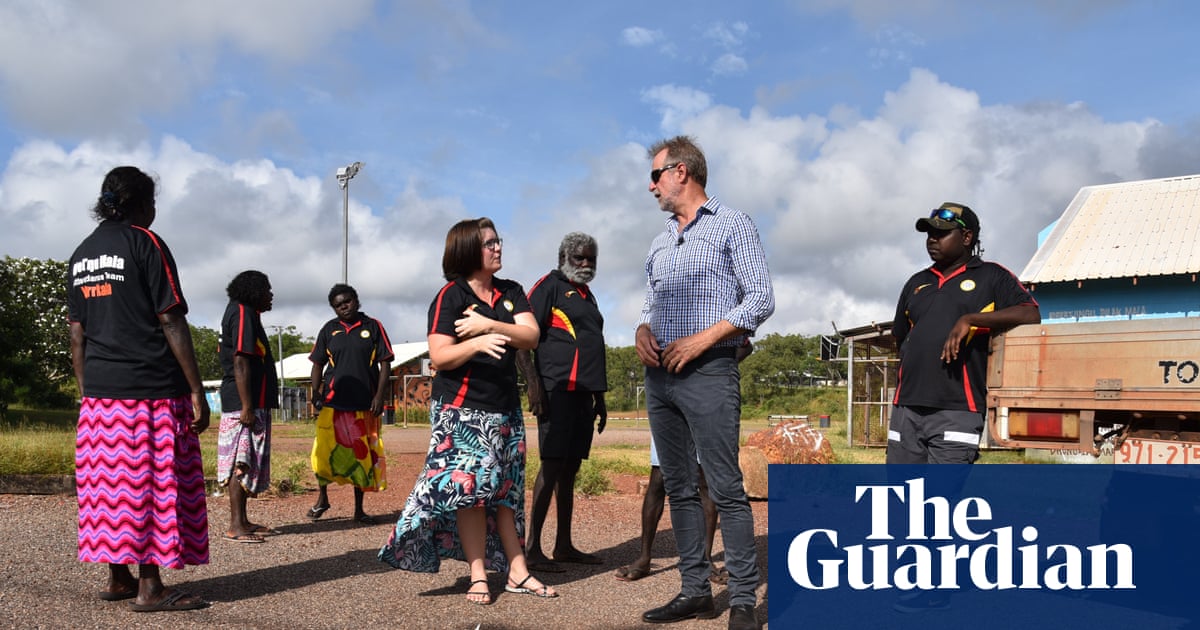
Ang paratang ay tumutukoy sa **Community Development Program (CDP)**, na ipinakilala ng Coalition government noong Hulyo 2015 sa ilalim ng Indigenous Affairs Minister na si Nigel Scullion [1][2]. **Ang mga pangunahing elemento ng katotohanan ay na-verify:** 1. **Mga Kailangan sa Trabaho**: Sa ilalim ng CDP, ang mga kalahok sa malalayong komunidad ay kinailangang magtrabaho nang hanggang **25 oras bawat linggo, 52 linggo kada taon** (50 oras bawat dalawang linggo, limang araw sa isang linggo) para makatanggap ng mga bayad sa kalinga [3][4].
The claim refers to the **Community Development Program (CDP)**, introduced by the Coalition government in July 2015 under Indigenous Affairs Minister Nigel Scullion [1][2]. **Key factual elements verified:** 1. **Work Requirements**: Under the CDP, participants in remote communities were required to work up to **25 hours per week, 52 weeks per year** (50 hours per fortnight, five days a week) to receive welfare payments [3][4].
Ito ay lubos na higit sa mga kailangan para sa Work for the Dole sa mga lungsod sa ilalim ng Jobactive, na nangangailangan ng maximum na 30 oras bawat dalawang linggo at para lamang sa anim na buwan kada taon [1][5]. 2. **Demograpiya ng mga Katutubo**: Humigit-kumulang **84% ng mga kalahok sa CDP ay mga Aboriginal o Torres Strait Islander** na nakatira sa malalayong komunidad [3][6].
This significantly exceeded city-based Work for the Dole requirements under Jobactive, which required a maximum of 30 hours per fortnight and only for six months of the year [1][5]. 2. **Indigenous Demographics**: Approximately **84% of CDP participants were Aboriginal or Torres Strait Islander** people living in remote communities [3][6].
Ang programa ay nag-operate sa 60 malalayong komunidad sa buong Queensland, Northern Territory, Western Australia, South Australia, at New South Wales [1]. 3. **Epektibong Oras-ang-Kita**: Kung ang mga kalahok ay tumanggap ng Newstart Allowance (humigit-kumulang $260-$280 bawat dalawang linggo para sa isang solong tao noong 2015-2016) at nagtrabaho ng 50 oras bawat dalawang linggo, ang epektibong oras-ang-kita ay humigit-kumulang **$5.20-$5.60 bawat oras** [5][7].
The program operated in 60 remote communities across Queensland, Northern Territory, Western Australia, South Australia, and New South Wales [1]. 3. **Effective Hourly Rate**: If participants received the Newstart Allowance (approximately $260-$280 per fortnight for a single person in 2015-2016) and worked 50 hours per fortnight, the effective hourly rate was approximately **$5.20-$5.60 per hour** [5][7].
Ito ay lubos na mas mababa sa minimum wage (humigit-kumulang $17.29/oras noong 2015). 4. **Mga Parusa**: Ang CDP ay nagpataw ng matinding mga pinansyal na parusa para sa hindi pagsunod.
This was significantly below the minimum wage (approximately $17.29/hour in 2015). 4. **Penalties**: The CDP imposed severe financial penalties for non-compliance.
Sa loob ng dalawang taon, humigit-kumulang **350,000 mga pinansyal na parusa** ang ipinataw sa mga kalahok para sa pagkawala sa mga aktibidad o pagkakalate [5].
In two years, approximately **350,000 financial penalties** were issued to participants for missing activities or being late [5].
Ang mga kalahok ay maaaring putulin ang mga bayad sa loob ng apat hanggang walong linggo para sa paulit-ulit na paglabag [1][5].
Participants could have payments cut off for four to eight weeks for repeated breaches [1][5].

Nawawalang Konteksto

Ang paratang ay nagpababaya ng ilang mahahalagang impormasyon: 1. **Kasaysayang Precedent**: Ang CDP ay pumalit sa **Remote Jobs and Communities Program (RJCP)**, na ipinakilala ng **Gillard Labor government noong Hulyo 2013** [6][8].
The claim omits several critical pieces of context: 1. **Historical Precedent**: The CDP replaced the **Remote Jobs and Communities Program (RJCP)**, which was introduced by the **Gillard Labor government in July 2013** [6][8].
Ang RJCP ay pumalit sa matagal nang **Community Development Employment Projects (CDEP)**, na nagsimula sa ilalim ng **Fraser Coalition government noong 1977** [6][9].
The RJCP itself had replaced the long-standing **Community Development Employment Projects (CDEP)**, which began under the **Fraser Coalition government in 1977** [6][9].
Ang CDEP ay nagbigay ng bahagi ng oras na pinansyal ng trabaho na humigit-kumulang 15 oras bawat linggo [9]. 2. **Katumbas na Programa ng Labor**: Ang RJCP (2013-2015) ay bersyon ng Labor para sa mga serbisyo sa trabaho sa malalayong lugar, na dinisenyo upang tumugon sa mga pangyayari sa malalayong komunidad na may inaasahang 85% na katutubong kliyente [8].
The CDEP provided part-time publicly-funded employment of approximately 15 hours per week [9]. 2. **Labor's Equivalent Program**: The RJCP (2013-2015) was Labor's version of remote employment services, designed to accommodate remote community circumstances with an anticipated 85% Indigenous client base [8].
Ang CDP ng Coalition ay talagang pagpapatuloy at pagpapalakas ng isang modelo na parehong mga partido ay unti-unting inayos sa loob ng mga dekada. 3. **Ipinahayag na Rason ng Pamahalaan**: Ang Coalition government ay ipinagtanggol ang CDP bilang kinakailangan upang madagdagan ang trabaho at aktibidad sa malalayong lugar.
The Coalition's CDP was essentially a continuation and intensification of a model that both major parties had been evolving for decades. 3. **Government's Stated Rationale**: The Coalition government defended the CDP as necessary to increase employment and activity in remote areas.
Ang pamahalaan ay buong-buo sa paniniwalang "ang lahat ng mga Australiano ay maaaring magbigay ng kontribusyon sa kanilang komunidad at ang pinakamahusay na anyo ng kalinga ay ang praktikal na suporta upang makahanap ng trabaho" [5].
The government strongly believed that "all Australians can make a contribution to their community and that the best form of welfare is practical support to find a job" [5].
Itinuring ni Minister Nigel Scullion ang mga pagpuna bilang mga partisan attack [5]. 4. **Hindi Proporisyonal na Epekto**: Hindi ipinaliwanag ng paratang kung *bakit* ito lubhang nakaapekto sa mga katutubo.
Minister Nigel Scullion dismissed criticism as partisan attacks [5]. 4. **Disproportionate Impact**: The claim doesn't explain *why* this affected Indigenous people disproportionately.
Ang CDP ay nag-operate sa malalayong lugar kung saan ang populasyon ay pangunahing Aboriginal o Torres Strait Islander.
The CDP operated in remote areas where the population is predominantly Aboriginal or Torres Strait Islander.
Ang disenyo ng programa ay inilapat ang mga serbisyo sa trabaho sa mga pangunahing konteksto kung saan ang mga pormal na oportunidad sa trabaho ay madalang [4]. 5. **Mga Sumunod na Pagbabago**: Noong 2021, ang kailangan na maglakbay ng mga aktibidad na work-for-the-dole ay naging boluntaryo (bagama't ang iba pang mga obligasyon ay nanatili), at ang programa ay ganap na pinalitan ng Remote Australia Employment Service (RAES) noong Nobyembre 2025 [3][10].
The program's design applied mainstream employment services to remote contexts where formal employment opportunities are scarce [4]. 5. **Subsequent Changes**: In 2021, the requirement to undertake work-for-the-dole activities became voluntary (though other obligations remained), and the program was fully replaced by the Remote Australia Employment Service (RAES) in November 2025 [3][10].

Pagsusuri ng Kredibilidad ng Pinagmulan

Ang **New Matilda** (ang orihinal na pinagmulan) ay isang independent online publication na itinatag noong 2004 na naglalarawan sa sarili bilang "independent journalism at its best" [11]. - **Pagtatasa ng Bias**: Ayon sa mga pagtatasa ng third-party, ang New Matilda ay may **anti-establishment bias** at partikular na nakatuon sa critical coverage ng Coalition governments [12].
**New Matilda** (the original source) is an independent online publication founded in 2004 that describes itself as "independent journalism at its best" [11]. - **Bias Assessment**: According to third-party assessments, New Matilda has an **anti-establishment bias** and particularly focuses on critical coverage of Coalition governments [12].
Ang publication ay "naghahanap at nakatuon sa mga artikulo na may anti-establishment bias lalo na ang mga kinasasangkutan ng kasalukuyang Liberal/National Coalition government" [12]. - **Kredibilidad**: Bagama't ang New Matilda ay naglathala ng lehitimong investigative journalism, ang mga mambabasa ay dapat maging malay sa kanilang editorial stance na pabor sa mga kritikal na pananaw sa mga konserbatibong pamahalaan. - **Petsa ng Artikulo**: Ang nakikitang artikulo ay mula noong Disyembre 2014, na nailathala bago ang CDP ay ganap na ipinatupad (Hulyo 2015), na nangangahulugang ito ay nag-ulat sa mga iminungkahing pagbabago sa halip na sa aktwal na mga resulta ng pagpapatupad.
The publication "seeks out and concentrates on articles with an anti-establishment bias especially those involving the current Liberal/National Coalition government" [12]. - **Credibility**: While New Matilda has published legitimate investigative journalism, readers should be aware of its editorial stance favoring critical perspectives on conservative governments. - **Article Date**: The cited article is from December 2014, published before the CDP was fully implemented (July 2015), meaning it was reporting on proposed changes rather than actual implementation outcomes.
⚖️

Paghahambing sa Labor

**Ginawa ba ng Labor ang katulad na bagay?** Isinagawang paghahanap: "Labor government RJCP remote indigenous employment program" **Natuklasan**: Oo.
**Did Labor do something similar?** Search conducted: "Labor government RJCP remote indigenous employment program" **Finding**: Yes.
Ang **Gillard Labor government ay nagpakilala ng Remote Jobs and Communities Program (RJCP) noong Hulyo 2013**, na ang direktang predecesor ng CDP [6][8]. **Pangunahing mga paghahambing:** 1. **Kontinuidad ng Programa**: Ang RJCP (Labor, 2013-2015) CDP (Coalition, 2015-2021) RAES (Labor, 2025-kasalukuyan) ay kumakatawan sa isang umuunlad ngunit patuloy na diskarte sa trabaho para sa mga katutubo sa malalayong lugar ng parehong mga pangunahing partido [3][6]. 2. **Sukat at Saklaw**: Ang CDEP program (na parehong inayos ng mga partido) ay may humigit-kumulang 35,000 kalahok sa pinakamataas nito noong 2016, kung saan humigit-kumulang 84% ay Aboriginal o Torres Strait Islander [3]. 3. **Pangako ng Labor sa 2022**: Sa 2022 election, nangako ang Labor na "pawiin ang mapanakit na Community Development Program," na tinawag itong "sira at diskriminatoryo" [3].
The **Gillard Labor government introduced the Remote Jobs and Communities Program (RJCP) in July 2013**, which was the immediate predecessor to the CDP [6][8]. **Key comparisons:** 1. **Program Continuity**: The RJCP (Labor, 2013-2015) → CDP (Coalition, 2015-2021) → RAES (Labor, 2025-present) represents an evolving but continuous approach to remote Indigenous employment by both major parties [3][6]. 2. **Scale and Scope**: The CDEP program (which both parties modified) had approximately 35,000 participants at its peak in 2016, with around 84% being Aboriginal or Torres Strait Islander [3]. 3. **Labor's 2022 Commitment**: In the 2022 election, Labor promised to "abolish the punitive Community Development Program," calling it "broken and discriminatory" [3].
Ipinahihiwatig nito na kinilala ng Labor ang pagpapalakas ng mga kailangan sa ilalim ng bersyon ng Coalition, habang pinapanatili ang kanilang sariling bersyon ng mga serbisyo sa trabaho sa malalayong lugar (RJCP) noong huli silang nasa opisina. 4. **Kontekstong Kasaysayan**: Parehong mga partido ang nakaranas ng mga problema sa epektibong polisiya sa trabaho sa mga malalayong komunidad ng mga katutubo.
This suggests Labor acknowledged the intensification of requirements under the Coalition's version, while maintaining their own version of remote employment services (RJCP) when last in office. 4. **Historical Context**: Both parties have struggled with effective employment policy in remote Indigenous communities.
Ang orihinal na CDEP ng Fraser government (1977) ay itinuring na makabago para sa panahong iyon, na nagbigay ng 15 oras bawat linggo ng trabahong nakabase sa komunidad [9].
The Fraser government's original CDEP (1977) was considered innovative for its time, providing 15 hours per week of community-based work [9].
Ang mga sumunod na pamahalaan ay naghigpit ng mga kailangan habang binabawasan ang aktwal na mga resulta sa trabaho.
Successive governments have tightened requirements while reducing actual employment outcomes.
🌐

Balanseng Pananaw

**Habang ang mga kritiko ay nagtatalo:** - Ang CDP ay mapanlinlang na diskriminatoryo sa epekto, na nangangailangan sa mga katutubo sa malalayong lugar na magtrabaho ng mas maraming oras kaysa sa mga naghahanap ng trabaho sa lungsod para sa parehong bayad sa kalinga [1][5] - Ang mga kalahok ay 27 beses na mas malamang na makatanggap ng mga pinansyal na parusa kaysa sa mga katumbas sa lungsod [1] - Ang programa ay nagdulot ng "tunay na pinsala sa mga tao" at nagtulak ng mga komunidad sa kahirapan, kung saan ang mga tao ay "nagmamakaawa sa labas ng mga supermarket" [1][5] - Tinawag ito ng ACTU bilang isang "racist work-for-the-dole scheme" na pumilit sa mga manggagawang magtrabaho nang walang mga proteksyon sa OHS, mga karapatan sa paglisan, superannuation, o worker's compensation [5] - Ang isang Federal Court class action na inihain noong 2025 ay humihingi ng kompensasyon para sa humigit-kumulang 20,000 kalahok na Aboriginal at Torres Strait Islander [1][2] **Ang pamahalaan ay nagsabi:** - Ang lahat ng mga Australiano ay dapat mag-ambag sa kanilang mga komunidad - Ang programa ay dinisenyo upang madagdagan ang trabaho at aktibidad sa malalayong lugar - Ang mga pagpuna ay itinuring bilang mga partisan attack mula sa Labor at Greens [5] - Mga pagbabago ang ginawa sa paglipas ng panahon, kabilang ang paggawa ng work-for-the-dole na boluntaryo noong 2021 [3] **Nagmumungkahi ang independent analysis:** - Ang CDP ay talagang mas maraming hinihingi kaysa sa mga katumbas na programa sa lungsod [1][4] - Ang disenyo ng programa ay lumikha ng mga perverse incentives para sa mga provider na maglabas ng mga parusa sa halip na suportahan ang mga kalahok [1] - Ang isyu ay systemic: parehong mga pangunahing partido ay nakaranas ng paglikha ng mga epektibong serbisyo sa trabaho para sa mga malalayong komunidad ng mga katutubo - Ang Coalition ay nagpalakas ng mga kailangan na umiiral sa ilalim ng RJCP ng Labor, ngunit pareho ay nag-operate sa loob ng isang "work for the dole" framework **Pangunahing konteksto:** Ito ay **HINDI natatangi sa Coalition** - parehong mga pangunahing partido ay nagpatupad at nag-ayos ng mga programa sa trabaho para sa mga katutubo sa malalayong lugar mula pa noong 1977.
**While critics argue:** - The CDP was racially discriminatory in effect, requiring Indigenous people in remote areas to work far more hours than city-based jobseekers for the same welfare payment [1][5] - Participants were 27 times more likely to receive financial penalties than city-based equivalents [1] - The program caused "real harm to people" and drove communities into poverty, with people "begging outside supermarkets" [1][5] - The ACTU called it a "racist work-for-the-dole scheme" that forced workers to work without OHS protections, leave entitlements, superannuation, or worker's compensation [5] - A Federal Court class action filed in 2025 seeks compensation for approximately 20,000 Aboriginal and Torres Strait Islander participants [1][2] **The government stated:** - All Australians should contribute to their communities - The program was designed to increase employment and activity in remote areas - Criticism was dismissed as partisan attacks from Labor and Greens [5] - Changes were made over time, including making work-for-the-dole voluntary in 2021 [3] **Independent analysis suggests:** - The CDP was indeed significantly more demanding than equivalent city-based programs [1][4] - The program design created perverse incentives for providers to issue penalties rather than support participants [1] - The issue was systemic: both major parties have struggled to create effective employment services for remote Indigenous communities - The Coalition intensified requirements that existed under Labor's RJCP, but both operated within a "work for the dole" framework **Key context:** This is **NOT unique to the Coalition** - both major parties have implemented and evolved remote Indigenous employment programs since 1977.
Ang CDP ay kumatawan sa pagpapalakas ng mga kailangan sa trabaho na nagsimula sa ilalim ng mga nakaraang pamahalaan, ngunit ang pundamental na modelo (work-for-dole sa malalayong komunidad) ay ipinapanatili ng parehong Labor at Coalition governments sa loob ng mga dekada.
The CDP represented an intensification of work requirements that began under previous governments, but the fundamental model (work-for-dole in remote communities) has been maintained by both Labor and Coalition governments for decades.

BAHAGYANG TOTOO

6.0

sa 10

Ang paratang ay tama sa paglalarawan ng mga kailangan sa trabaho (25 oras/linggo, 52 linggo/taon) at ang epektibong oras-ang-kita (humigit-kumulang $5/oras) sa ilalim ng CDP.
The claim accurately describes the work requirements (25 hours/week, 52 weeks/year) and the effective hourly rate (approximately $5/hour) under the CDP.
Ang programa ay talagang hindi proporsyon na nakakaapekto sa mga katutubo (84% ng mga kalahok) at nangailangan ng mas maraming trabaho kaysa sa mga katumbas sa lungsod [1][3][5].
The program did disproportionately affect Indigenous people (84% of participants) and required far more work than city-based equivalents [1][3][5].
Gayunpaman, ang paratang ay mapanlinlang sa pagpapahiwatig na ito ay natatangi sa Coalition government.
However, the claim is misleading in implying this was unique to the Coalition government.
Ang CDP ay pagpapatuloy ng RJCP na ipinakilala ng Gillard Labor government noong 2013, na mismo ay nagmula sa CDEP na itinatag ng Fraser Coalition government noong 1977 [6][8][9].
The CDP was a continuation of the RJCP introduced by the Gillard Labor government in 2013, which itself evolved from the CDEP established by the Fraser Coalition government in 1977 [6][8][9].
Parehong mga pangunahing partido ay nagpanatili at nag-ayos ng mga katulad na programa sa trabaho para sa mga katutubo sa malalayong lugar.
Both major parties have maintained and evolved similar remote Indigenous employment programs.
Ang Coalition ay nagpalakas ng mga kailangan, ngunit hindi nag-imbento ng modelong ito.
The Coalition intensified requirements, but did not invent this model.

📚 MGA PINAGMULAN AT SANGGUNIAN (12)

  1. 1
    Federal class action lodged over 'racially discriminatory' work for the dole scheme

    Federal class action lodged over 'racially discriminatory' work for the dole scheme

    The community development program required those in remote areas – mostly Indigenous people – to work more than city-based participants

    the Guardian
  2. 2
    Class action against Work for the Dole alleges racial discrimination

    Class action against Work for the Dole alleges racial discrimination

    A class action on behalf of Aboriginal and Torres Strait Islander people alleges a Commonwealth Work for the Dole scheme was tougher on remote participants than on jobseekers in cities.

    Abc Net
  3. 3
    Promise check: Scrap the Community Development Program

    Promise check: Scrap the Community Development Program

    At the 2022 election, Labor promised to scrap the Community Development Program. Here's how that promise is tracking.

    Rmit Edu
  4. 4
    niaa.gov.au

    The Community Development Program (CDP)

    The Community Development Program (CDP) was the previous remote employment and community development service operating in remote Australia. It was replaced by the Remote Australia Employment Service (RAES) on 1 November 2025.  

    Niaa Gov
  5. 5
    Indigenous work-for-the-dole scheme 'cannot and should not continue', Senate committee report warns

    Indigenous work-for-the-dole scheme 'cannot and should not continue', Senate committee report warns

    Malarndirrimccarthy Com
  6. 6
    openresearch-repository.anu.edu.au

    The untimely abolition of the Community Development Employment Program

    Openresearch-repository Anu Edu

  7. 7
    servicesaustralia.gov.au

    How much JobSeeker Payment you can get

    Servicesaustralia Gov

  8. 8
    yumi-sabe.aiatsis.gov.au

    Implementing the remote jobs and communities program: how is policy translated into action?

    Yumi-sabe Aiatsis Gov

  9. 9
    en.wikipedia.org

    Community Development Employment Projects

    Wikipedia

  10. 10
    New remote jobs program to replace 'failed' work-for-the-dole scheme begins

    New remote jobs program to replace 'failed' work-for-the-dole scheme begins

    The federal government's new employment program - designed to replace the previous Coalition scheme - officially launches on Saturday, promising tailored support for around 40,000 job seekers.The Remo...

    National Indigenous Times
  11. 11
    New Matilda

    New Matilda

    New Matilda is independent journalism at its best. The site has been publishing intelligent coverage of Australian and international politics, media and culture since 2004. You’ll find new stories on the homepage daily.

    New Matilda
  12. 12
    New Matilda - Alchetron

    New Matilda - Alchetron

    newmatilda.com, commonly known as New Matilda, is a leftwing independent Australian website of news, analysis and satire. The website was established by John Menadue in August 2004. Its founding editor was Natasha Cica. The website is now registered in the name of Cordell Media Pty Ltd, a company w

    Alchetron.com

Pamamaraan ng Rating Scale

1-3: MALI

Hindi tama sa katotohanan o malisyosong gawa-gawa.

4-6: BAHAGYA

May katotohanan ngunit kulang o baluktot ang konteksto.

7-9: HALOS TOTOO

Maliit na teknikal na detalye o isyu sa pagkakasulat.

10: TUMPAK

Perpektong na-verify at patas ayon sa konteksto.

Pamamaraan: Ang mga rating ay tinutukoy sa pamamagitan ng cross-referencing ng opisyal na mga rekord ng pamahalaan, independiyenteng mga organisasyong nag-fact-check, at mga primaryang dokumento.