Nakakalito

Rating: 5.0/10

Coalition
C0592

Ang Claim

“Pinagkalooban ng pagka-knight si Prince Phillip, isang hindi Australyano na nagtanong sa mga Indigenous leader na 'Nagbabato pa ba kayo ng sibat sa isa't isa?'.”
Orihinal na Pinagmulan: Matthew Davis

Orihinal na Pinagmulan

FACTUAL NA BERIPIKASYON

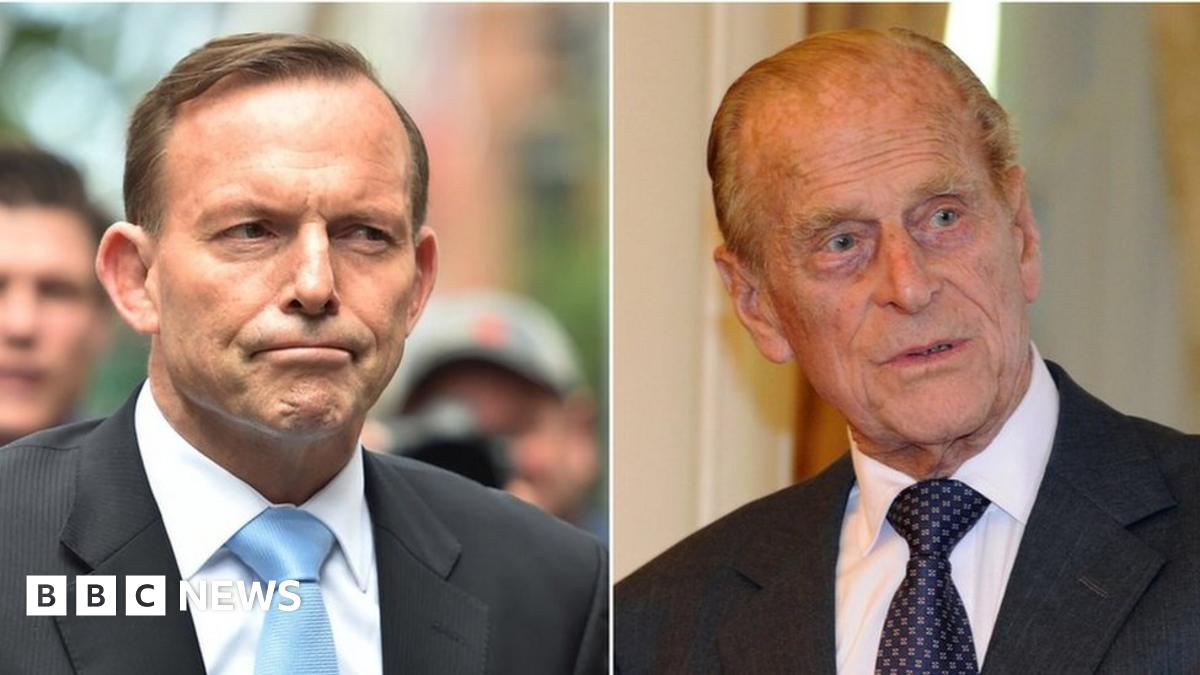
**Ang pagka-knight:** Ginawaran ni Prime Minister Tony Abbott si Prince Philip ng Australian knighthood sa Araw ng Australia (Enero 26) 2015 [1].
**The knighthood:** Prime Minister Tony Abbott did award Prince Philip an Australian knighthood on Australia Day (January 26) 2015 [1].
Si Abbott, isang masigasig na monarchist, ay muling nagbalik ng mga knighthood at damehood sa Order of Australia noong Marso 2014, isang sistema na pinatigil noong 1989 [2].
Abbott, a staunch monarchist, had reintroduced knighthoods and damehoods to the Order of Australia in March 2014, a system that had been abolished in 1989 [2].
Ang desisyon ay inilarawan ni Abbott bilang "captain's call" na ginawa nang walang konsultasyon sa cabinet [3].
The decision was described by Abbott as a "captain's call" made without cabinet consultation [3].
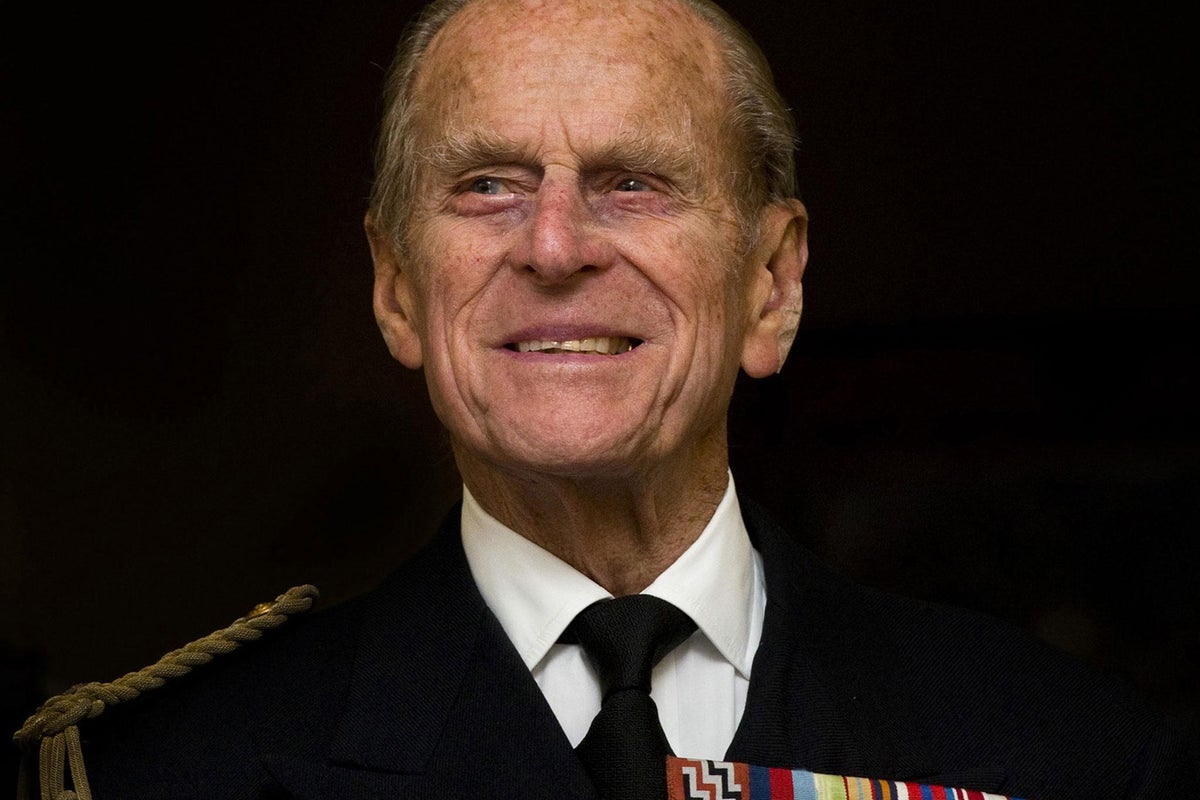
Si Prince Philip ay talagang isang British royal, hindi isang Australian citizen, bagama't bumisita siya sa Australia nang 22 beses sa loob ng anim na dekada [4]. **Ang komentong "sibat":** Ang "Nagbabato pa ba kayo ng sibat sa isa't isa?" na pahayag ay ginawa ni Prince Philip noong Marso 2002 sa panahon ng royal visit sa Cairns, Queensland kasama ang Reina - 13 taon BAGO ang knighthood ng Abbott government [5].
Prince Philip was indeed a British royal, not an Australian citizen, though he had visited Australia 22 times over six decades [4]. **The "spears" comment:** The "Do you still throw spears at each other?" remark was made by Prince Philip in March 2002 during a royal visit to Cairns, Queensland with the Queen - 13 years BEFORE the Abbott government knighthood [5].
Ang komento ay ipinunto kay Indigenous performer Warren Clements sa Tjapukai Cultural Centre sa panahon ng isang pagtatanghal [6].
The comment was directed to Indigenous performer Warren Clements at the Tjapukai Cultural Centre during a performance [6].
Ang Buckingham Palace ay tumutol sa eksaktong pagkakasabi, na nagsasabing tinanong ni Philip "Nagbabato pa ba sila ng sibat sa isa't isa?" sa konteksto ng pagtatanong tungkol sa kasaysayan ng tribo, at iyon ay tinanggap nang may tawanan [7]. **Pangunahing pagkakaiba sa claim:** Ang knighthood (2015) at ang kontrobersyal na komento (2002) ay hiwalay nang 13 taon at naganap sa ilalim ng kakaibang mga pangyayari.
Buckingham Palace disputed the exact wording, claiming Philip asked "Do they still throw spears at each other?" in the context of asking about tribal history, and that it was greeted with laughter [7]. **Key discrepancy in the claim:** The knighthood (2015) and the controversial comment (2002) were separated by 13 years and occurred under completely different circumstances.
Ang claim ay nagpapahiwatig ng isang koneksyon na hindi umiiral.
The claim implies a connection that does not exist.

Nawawalang Konteksto

**Ang pananaw ng Indigenous performer:** Si Warren Clements, ang Indigenous performer na naroon nang ginawa ang komento, ay nagsabi noong 2018 na hindi niya naramdamang racist ang pahayag [8].
**The Indigenous performer's perspective:** Warren Clements, the Indigenous performer who was present when the comment was made, stated in 2018 that he did not find the remark racist [8].
Ipinaliwanag ni Clements: "Sumigaw sila at ipinakita namin.
Clements explained: "They waved and we were showing off.
Sa tingin ko kinuha iyon ni Prince Philip at kaya niya sinabi iyon.
I think Prince Philip took that in and that's why he said it.
Tinanggal siya sa konteksto" [9].
He's been taken out of context" [9].
Inilarawan niya si Prince Philip bilang "matigas na kuko" at sinabing "Mula sa sandaling iyon ay nagkaroon ako ng malalim na pagrespeto sa kanya" [10]. **Ang pagitan ng mga kaganapan:** Ang claim ay hindi isinasama na ang kontrobersyal na komento ay naganap noong 2002 - sa panahon ng Howard government era (Coalition) - habang ang knighthood ay iginawad noong 2015.
He described Prince Philip as "tough as nails" and said "From that moment I had a deep respect for him" [10]. **Duration between events:** The claim omits that the controversial comment occurred in 2002 - during the Howard government era (Coalition) - while the knighthood was awarded in 2015.
Walang sanhi o temporal na koneksyon sa pagitan ng dalawang kaganapan. **Ang pagpapatigil sa knighthood system:** Ang knighthood system ay pinatigil ni Malcolm Turnbull noong Nobyembre 2015, 10 buwan lamang matapos matanggap ni Prince Philip ang knighthood [11].
There was no causal or temporal connection between the two events. **Abolition of the knighthood system:** The knighthood system was abolished by Malcolm Turnbull in November 2015, just 10 months after Prince Philip received the knighthood [11].
Si Turnbull, mula rin sa Coalition, ay inilarawan ang mga knight at dame bilang "anachronistic, out of date, not appropriate, in 2015" [12].
Turnbull, also from the Coalition, described knights and dames as "anachronistic, out of date, not appropriate, in 2015" [12].
Ang knighthood ni Prince Philip ay epektibong simboliko at maikli lamang ang buhay. **Ang precedent para sa mga non-Australian na tatanggap:** Tiningnan ni Defence Minister Kevin Andrews na may precedent para sa pagbibigay ng mga award sa mga tao sa labas ng Australia [13].
Prince Philip's knighthood was effectively symbolic and short-lived. **Precedent for non-Australian recipients:** Defence Minister Kevin Andrews noted there was precedent for giving awards to people outside Australia [13].
Ang unang mga Australian knighthood sa ilalim ng sistema ni Abbott ay napunta kay Governor-General Quentin Bryce, ang kanyang kahalili na si Peter Cosgrove, at dating NSW Governor na si Marie Bashir - lahat ay mga Australyano [14].
The first Australian knighthoods under Abbott's system went to Governor-General Quentin Bryce, her successor Peter Cosgrove, and former NSW Governor Marie Bashir - all Australians [14].

Pagsusuri ng Kredibilidad ng Pinagmulan

**Ang Wikipedia (orihinal na pinagmulan):** Ang orihinal na pinagmulan ay ang artikulo ng Wikipedia tungkol sa mga royal visits sa Australia [15].
**Wikipedia (original source):** The original source provided is Wikipedia's article on royal visits to Australia [15].
Ang Wikipedia ay isang pangkalahatang sanggunian na may crowd-sourced content.
Wikipedia is a general reference source with crowd-sourced content.
Bagama't karaniwang maaasahan para sa factual information, ito ay hindi isang primary source.
While generally reliable for factual information, it is not a primary source.
Ang artikulo mismo ay hindi nasanggunian para sa mga tiyak na claim tungkol sa knighthood o ang komentong sibat - lumilitaw na ibinigay ito bilang isang pangkalahatang sanggunian tungkol sa mga royal visits.
The article itself was not cited for specific claims about the knighthood or the spear comment - it appears to have been provided as a general reference about royal visits.
Ang claim ay pinagsama ang dalawang katotohanang natagpuan nang magkahiwalay sa Wikipedia (ang knighthood noong 2015 at ang pagbisita noong 2002) ngunit ipinakita ang mga ito bilang direktang konektado, na mapanlinlang.
The claim combines two facts found separately in Wikipedia (the knighthood in 2015 and the 2002 visit) but presents them as directly connected, which is misleading.
⚖️

Paghahambing sa Labor

**Ang pampulitikang posisyon ng Labor sa mga knighthood:** Ang Australian Labor Party ay palaging tumutol sa mga knighthood bilang bahagi ng kanilang republikano platform sa loob ng mahigit isang siglo [16].
**Labor's historical position on knighthoods:** The Australian Labor Party has consistently opposed knighthoods as part of its republican platform for over a century [16].
Ang Hawke Labor government ay nagpatigil ng mga knighthood noong 1989, na ganap na pinalitan ang mga ito ng Order of Australia system [17]. **Search na isinagawa:** "Labor government knighthoods history Australia" **Finding:** Ang Labor ay nagpapanatili ng pare-parehong anti-knighthood na posisyon mula sa kanilang pagkakatatag, na tingnan ang mga ito bilang hindi angkop na imperyal na natitira sa isang moderno at independenteng Australia [18].
The Hawke Labor government abolished knighthoods in 1989, replacing them entirely with the Order of Australia system [17]. **Search conducted:** "Labor government knighthoods history Australia" **Finding:** Labor has maintained a consistent anti-knighthood position since its founding, viewing them as inappropriate imperial remnants in a modern, independent Australia [18].
Ang muling pagbabalik ng mga knighthood noong 2015 ni Abbott ay unibersal na binatikos ng Labor, kung saan tinawag ni Opposition Leader Bill Shorten ang mga ito bilang "anachronistic and unfitting of our proud, modern nation in the 21st century" [19]. **Pagtutulad:** Hindi tulad ng maraming claim kung saan ang parehong partido ay nakikibahagi sa katulad na pag-uugali, ito ay kumakatawan sa isang malinaw na pagkakaiba sa patakaran.
The 2015 restoration of knighthoods by Abbott was universally criticized by Labor, with Opposition Leader Bill Shorten calling them "anachronistic and unfitting of our proud, modern nation in the 21st century" [19]. **Comparison:** Unlike many claims where both parties have engaged in similar behavior, this represents a clear policy distinction.
Ang Labor ay hindi kailanman nagbalik ng mga knighthood; ang Abbott government ay natangi sa pagitan ng mga Australian government sa nakalipas na 40 taon sa paggawa nito.
Labor has never reintroduced knighthoods; the Abbott government was unique among Australian governments of the past 40 years in doing so.
🌐

Balanseng Pananaw

**Ang kontrobersya:** Ang desisyon sa knighthood ay nagdulot ng malawakang kritika sa buong political spectrum.
**The controversy:** The knighthood decision sparked widespread criticism across the political spectrum.
Ang mga cabinet minister ay diumano ay tinawag itong "bewildering," "beyond ridiculous," at "another error of political judgment" [20].
Cabinet ministers reportedly called it "bewildering," "beyond ridiculous," and "another error of political judgment" [20].
Sina Coalition MPs Ewen Jones at Warren Entsch ay publiko na nagkritisismo sa desisyon [21].
Coalition MPs Ewen Jones and Warren Entsch publicly criticized the decision [21].
Sinabi ni Independent Senator Nick Xenophon: "Si Prince Philip ay mayroon nang bawat titulo sa ilalim ng araw.
Independent Senator Nick Xenophon quipped: "Prince Philip already has every title under the sun.
Ito ay parang pagbibigay kay Bill Gates ng abacus" [22]. **Ang pagtatanggol ni Abbott:** Ipinagtanggol ni Abbott ang knighthood, na nagsasabing si Prince Philip ay "great servant of Australia" sa pamamagitan ng Duke of Edinburgh's Award scheme, na nakikinabang sa "hundreds of thousands of young Australians" [23].
This is a bit like giving Bill Gates an abacus" [22]. **Abbott's justification:** Abbott defended the knighthood, stating Prince Philip had been a "great servant of Australia" through the Duke of Edinburgh's Award scheme, which had benefited "hundreds of thousands of young Australians" [23].
Binigyang-diin ni Abbott ang anim na dekada ng serbisyo publiko ni Philip at sinabing "It doesn't cost us anything to give him this award" [24]. **Ang konteksto ng komentong sibat:** Si Prince Philip ay kilalang-kilala sa paggawa ng mga kontrobersyal na pahayag sa buong kanyang buhay [25].
Abbott emphasized Philip's six decades of public service and said "It doesn't cost us anything to give him this award" [24]. **The spear comment context:** Prince Philip was well-known for making controversial remarks throughout his life [25].
Ang komento noong 2002 ay isa sa maraming "gaffes" na iniugnay sa kanya.
The 2002 comment was one of many "gaffes" attributed to him.
Gayunpaman, ang Indigenous performer na naroon ay nagsabing hindi ito racist at tinanggal sa konteksto [26].
However, the Indigenous performer present stated it was not racist and was taken out of context [26].
Ang komento ay mas malawak na nakilala noong 2015 dahil sa kontrobersya ng knighthood, hindi dahil sa anumang bagong impormasyon. **Pampulitikang epekto:** Ang knighthood ay nag-ambag sa labilidad ng pamumuno ni Abbott.
The comment became more widely known in 2015 due to the knighthood controversy, not because of any new information. **Political impact:** The knighthood contributed to Abbott's leadership instability.
Ito ay malawak na binanggit bilang ebidensya na si Abbott ay "out of touch with modern Australia" [27].
It was widely cited as evidence that Abbott was "out of touch with modern Australia" [27].
Inamin ni Abbott na ang desisyon ay "injudicious" [28]. **Pangunahing konteksto:** Ang claim ay mapanlinlang na nag-uugnay ng dalawang hindi kaugnay na kaganapang hiwalay nang 13 taon.
Abbott later admitted the decision was "injudicious" [28]. **Key context:** The claim misleadingly links two unrelated events separated by 13 years.
Ang knighthood ay kontrobersyal sa sarili nitong mga katangian nang hindi na kailangang tukuyin ang komento noong 2002.
The knighthood was controversial on its own merits without needing to reference a 2002 comment.

NAKAKALITO

5.0

sa 10

Ang claim ay katotohanan sa mga indibidwal na bahagi - ginawaran nga ni Tony Abbott si Prince Philip ng knighthood noong 2015, at ginawa nga ni Prince Philip ang komentong "sibat" noong 2002.
The claim is factually accurate in its individual components - Tony Abbott did knight Prince Philip in 2015, and Prince Philip did make the "spears" comment in 2002.
Gayunpaman, ang claim ay sinasadya na pinagsama ang dalawang kaganapang hiwalay nang 13 taon, na nagpapahiwatig ng isang koneksyon na hindi umiiral.
However, the claim deliberately conflates two events separated by 13 years, implying a connection that does not exist.
Ang knighthood (2015) at ang kontrobersyal na komento (2002) ay ganap na magkahiwalay na mga pangyayari sa ilalim ng magkaibang mga gobyerno (Abbott at Howard ayon sa pagkakabanggit).
The knighthood (2015) and the controversial comment (2002) were entirely separate occurrences under different governments (Abbott and Howard respectively).
Ang pagpapakita nila nang magkasama nang walang temporal na konteksto ay lumilikha ng mapanlinlang na impresyon na ang komento ay kaugnay sa o kasalukuyang nangyayari sa desisyon ng knighthood.
Presenting them together without temporal context creates a misleading impression that the comment was somehow relevant to or contemporaneous with the knighthood decision.
Bukod pa rito, ang claim ay hindi isinasama na ang Indigenous performer na naroon ay hindi naramdamang racist ang komento, at ang knighthood system ay pinatigil ni Turnbull 10 buwan lamang matapos.
Additionally, the claim omits that the Indigenous performer present did not find the comment racist, and that the knighthood system was abolished by Turnbull just 10 months later.

📚 MGA PINAGMULAN AT SANGGUNIAN (8)

  1. 1
    abc.net.au

    abc.net.au

    Government frontbenchers defend Tony Abbott's decision to award Australia's highest honour to the Duke of Edinburgh, amid continuing criticism of the PM's "captain's call".

    Abc Net
  2. 2
    theguardian.com

    theguardian.com

    The Australian prime minister breaks with Tony Abbott era by ruling that ‘knights and dames are not appropriate in our modern honours system’

    the Guardian
  3. 3
    theguardian.com

    theguardian.com

    Prime minister defends the appointment, saying ‘Prince Philip has been a great servant of Australia’

    the Guardian
  4. 4
    abc.net.au

    abc.net.au

    It is a remark made by Prince Philip that sent heads shaking and jaws dropping across the country, but was it really racist?

    Abc Net
  5. 5
    news.bbc.co.uk

    news.bbc.co.uk

    News Bbc Co
  6. 6
    bbc.com

    bbc.com

    Former Australian PM Tony Abbott admits his decision to award Prince Philip a knighthood, a move that sparked public and political backlash, was "injudicious".

    BBC News
  7. 7
    en.wikipedia.org

    en.wikipedia.org

    Wikipedia
  8. 8
    independent.co.uk

    independent.co.uk

    The Duke of Edinburgh was notorious for his derogatory comments about people and places

    The Independent

Pamamaraan ng Rating Scale

1-3: MALI

Hindi tama sa katotohanan o malisyosong gawa-gawa.

4-6: BAHAGYA

May katotohanan ngunit kulang o baluktot ang konteksto.

7-9: HALOS TOTOO

Maliit na teknikal na detalye o isyu sa pagkakasulat.

10: TUMPAK

Perpektong na-verify at patas ayon sa konteksto.

Pamamaraan: Ang mga rating ay tinutukoy sa pamamagitan ng cross-referencing ng opisyal na mga rekord ng pamahalaan, independiyenteng mga organisasyong nag-fact-check, at mga primaryang dokumento.