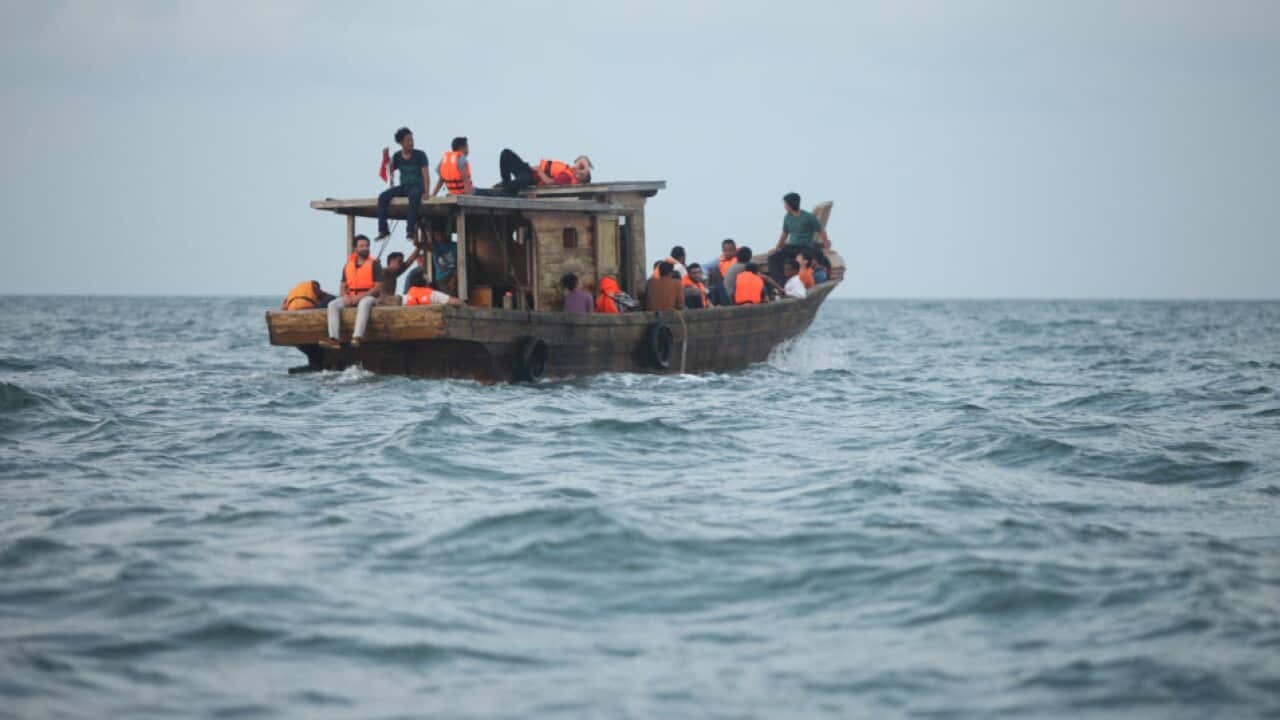
Bahagyang Totoo

Rating: 6.0/10

Coalition
C0562

Ang Claim

“Gumastos ng $6 milyon sa isang pelikula na layong pigilan ang mga tao sa pagtakas mula sa genocide, krimen ng digmaan, torture at iba pang pag-uusig. Walang available na English dubs o subtitles.”
Orihinal na Pinagmulan: Matthew Davis
Sinuri: 30 Jan 2026

Orihinal na Pinagmulan

FACTUAL NA BERIPIKASYON

Ang mga pangunahing factual na elemento ng claim na ito ay **tumpak**.
The core factual elements of this claim are **accurate**.
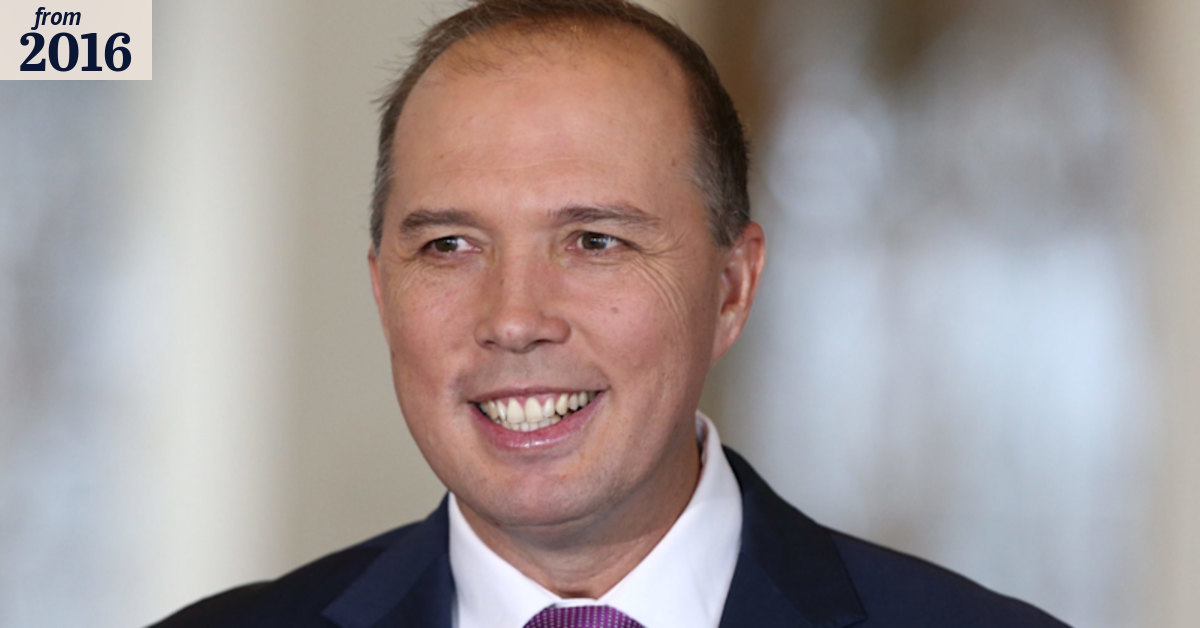
Ang Department of Immigration and Border Protection (sa ilalim ng Immigration Minister na si Peter Dutton) ay nag-commission at nag-produce ng isang telemovie na may pamagat na *Journey* sa kabuuang halagang humigit-kumulang **$6 milyon** (tiyak na $5.97 milyon) [1].
The Department of Immigration and Border Protection (under Immigration Minister Peter Dutton) commissioned and produced a telemovie titled *Journey* at a total cost of approximately **$6 million** (specifically $5.97 million) [1].
Ang breakdown ng gastos, na kinumpirma ng mga dokumento ng gobyerno sa tender at Senate estimates, ay: - **$4.34 milyon** na ibinayad sa Put It Out There Pictures (Sydney-based production company) para sa produksyon ng pelikula [1] - **$1.63 milyon** na ibinayad sa Lapis Communications para sa promosyon at advertising [1] Ang 90-minute telemovie ay kinunan sa tatlong bansa na may cast at crew mula sa 13 bansa.
The cost breakdown, confirmed by government tender documents and Senate estimates, was: - **$4.34 million** paid to Put It Out There Pictures (Sydney-based production company) for film production [1] - **$1.63 million** paid to Lapis Communications for promotion and advertising [1] The 90-minute telemovie was filmed across three countries with cast and crew from 13 countries.
Nag-premiere ito sa Afghan television noong Marso 2016, at ipinakita rin sa Pakistan, Iran, at Iraq [1][2].
It premiered on Afghan television in March 2016, and was also screened in Pakistan, Iran, and Iraq [1][2].
Tungkol sa claim sa availability ng wika: Ang pelikula ay ginawa at ginawang available sa **Dari, Pashto, Urdu, Arabic, at Farsi** - mga wika na sinasalita sa mga target na source na bansa [1][3].
Regarding the language availability claim: The film was produced in and made available in **Dari, Pashto, Urdu, Arabic, and Farsi** - languages spoken in the target source countries [1][3].
Kinumpirma ng Sydney Morning Herald at iba pang mga pinagkunan na "it will not be available in English" [1].
The Sydney Morning Herald and other sources confirmed that "it will not be available in English" [1].
Ito ay isang sinadyang desisyon dahil ang target audience ay mga potensyal na asylum seekers sa Afghanistan, Iran, Pakistan, at Iraq, hindi mga English-speaking na audience.
This was an intentional decision since the target audience was potential asylum seekers in Afghanistan, Iran, Pakistan, and Iraq, not English-speaking audiences.

Nawawalang Konteksto

### 1. Ang Mas Malawak na Anti-People Smuggling Strategy
### 1. The Broader Anti-People Smuggling Strategy
Ang claim ay hindi nagbibigay ng impormasyon na ang telemovie na ito ay bahagi ng isang mas malaki, patuloy na communication campaign sa ilalim ng "Operation Sovereign Borders." Sinabi ng Department na ang pelikula ay isang "key part" ng kanilang anti-people smuggling strategy at dinisenyo para maabot ang isang potensyal na audience na 50 milyong tao [1][2].
The claim omits that this telemovie was part of a larger, ongoing communication campaign under "Operation Sovereign Borders." The Department stated the film was a "key part" of their anti-people smuggling strategy and was designed to reach a potential audience of 50 million people [1][2].
Sinabi ng gobyerno na ang market research ay nagpapakita na ang mga telemovie ay "a proven way to reach and influence the target audience" sa mga rehiyon na ito [3].
The government cited market research showing that telemovies were "a proven way to reach and influence the target audience" in these regions [3].
### 2. Labor Precedent
Ang claim ay nabigong banggitin na **ang Labor government ay nag-commission din ng mga katulad na communication materials**.
The claim fails to mention that **the Labor government also commissioned similar communication materials**.
Ayon sa ulat ng Sydney Morning Herald: "It's not the first time the department has strayed into drama. **Under Labor, it commissioned a radio drama, but that was much less expensive**" [1].
According to the Sydney Morning Herald's reporting: "It's not the first time the department has strayed into drama. **Under Labor, it commissioned a radio drama, but that was much less expensive**" [1].
Ipinapakita nito na ang paggamit ng dramatikong media para sa deterrence messaging ay hindi natatangi sa Coalition - kahit na malaki ang pagkakaiba sa scale at gastos.
This demonstrates that using dramatic media for deterrence messaging was not unique to the Coalition - though the scale and cost differed significantly.
### 3. Ang Rasyunal sa "Walang English"
### 3. The "No English" Rationale
Ang kawalan ng English dubbing o subtitles ay sinadya at strategic, hindi isang pagkakamali.
The lack of English dubbing or subtitles was intentional and strategic, not an oversight.
Ang pelikula ay tiyak na itinarget sa populasyon sa Afghanistan, Iran, Iraq, at Pakistan - kung saan sinasalita ang mga ginamit na wika (Dari, Pashto, Urdu, Arabic, Farsi).
The film was specifically targeted at populations in Afghanistan, Iran, Iraq, and Pakistan - where the languages used (Dari, Pashto, Urdu, Arabic, Farsi) are spoken.
Ang English ay hindi magiging relevant sa intended audience [1][3].
English would have been irrelevant to the intended audience [1][3].
### 4. Pampulitikang Justipikasyon
### 4. Policy Justification
Ipinagtanggol ng gobyerno ang paggastos bilang kinakailangan para sa "pagliligtas ng buhay" sa pamamagitan ng paghadlang sa mga mapanganib na paglalakbay sa dagat.
The government defended the expenditure as necessary for "saving lives" by discouraging dangerous boat journeys.
Sinabi ng website ng production company na ang pelikula ay layong "educate and inform audiences in source countries about the futility of investing in people smugglers, the perils of the trip, and the hardline policies that await them if they do reach Australian waters" [1][2].
The production company's website stated the film aimed to "educate and inform audiences in source countries about the futility of investing in people smugglers, the perils of the trip, and the hardline policies that await them if they do reach Australian waters" [1][2].

Pagsusuri ng Kredibilidad ng Pinagmulan

**Canberra Times** - Ang orihinal na pinagkunan na tinukoy ay ang Fairfax Media's Canberra Times (ngayon ay bahagi ng Nine Entertainment).
**Canberra Times** - The original source referenced is Fairfax Media's Canberra Times (now part of Nine Entertainment).
Ang Fairfax ay karaniwang itinuturing bilang isang reputable na mainstream media organization, kahit na ang Canberra Times ay may mas maliit na circulation kaysa sa Sydney Morning Herald o The Age.
Fairfax was generally considered a reputable mainstream media organization, though the Canberra Times had a smaller circulation than the Sydney Morning Herald or The Age.
Mukhang naka-syndicate o katulad ang artikulo sa ulat ng SMH. **YouTube** - Ang YouTube link na walang tiyak na konteksto ay nagpapahirap na suriin para sa credibility.
The article appears to have been syndicated or similar to the SMH reporting. **YouTube** - A YouTube link without specific context makes this source difficult to assess for credibility.
Ang video ay maaaring isang opisyal na trailer, isang leaked copy, o komentaryo sa pelikula.
The video could have been an official trailer, a leaked copy, or commentary on the film.
Ang claim mismo ay nanggaling sa mdavis.xyz/govlist, isang Labor-aligned na pinagkunan, na nagbibigay ng mahalagang konteksto para sa potensyal na framing bias.
The claim itself comes from mdavis.xyz/govlist, a Labor-aligned source, which provides important context for potential framing bias.
⚖️

Paghahambing sa Labor

**Gumawa ba ng katulad ang Labor?** **Oo - kahit na sa mas maliit na scale.** Ayon sa ulat ng Sydney Morning Herald sa eksaktong isyung ito: "It's not the first time the department has strayed into drama.
**Did Labor do something similar?** **Yes - though at a smaller scale.** According to Sydney Morning Herald reporting on this exact issue: "It's not the first time the department has strayed into drama.
Under Labor, it commissioned a radio drama, but that was much less expensive" [1].
Bukod pa rito, ang **Rudd Labor government ay nag-introduce ng "PNG Solution" noong Hulyo 2013**, na ang pundamental na patakaran na itinatag na ang mga asylum seekers na dumating sa pamamagitan ng bangka ay hindi kailanman makikipamuhay sa Australia [4][5].
Additionally, the **Rudd Labor government introduced the "PNG Solution" in July 2013**, which was the foundational policy that established that asylum seekers arriving by boat would never be settled in Australia [4][5].
Ang patakarang ito ay ipinagpatuloy at pinalakas pa ng Coalition's "Operation Sovereign Borders." Ang paggamit ng mga communication campaign para hadlangan ang mga asylum seekers ay hindi isang Coalition invention - parehong gumamit ang mga pangunahing partido sa Australia ng deterrence messaging, kahit na ang tiyak na $6 milyong telemovie ay kumatawan sa isang malaking pagtaas sa gastos at production values kumpara sa mga nakaraang pagsisikap.
This policy was later continued and reinforced by the Coalition's "Operation Sovereign Borders." The use of communication campaigns to deter asylum seekers was not a Coalition invention - both major Australian parties have employed deterrence messaging, though the specific $6 million telemovie represented a significant escalation in spending and production values compared to previous efforts.
Ang offshore detention policy ng Labor (na nagsimula noong 2012-2013) ay nagkakahalaga ng higit sa **$1 bilyon taun-taon** noong 2015-2016 [4], na higit na lumampas sa gastos ng telemovie na ito, na nagpapakita na ang deterrence-based na mga approach ay bipartisan, kahit na magkaiba ang mga partikular na pamamaraan.
Labor's offshore detention policy (which began in 2012-2013) cost over **$1 billion annually** by 2015-2016 [4], far exceeding the cost of this telemovie, demonstrating that deterrence-based approaches were bipartisan, even if the specific methods differed.
🌐

Balanseng Pananaw

### Mga Puna sa Paggastos
### Criticisms of the Expenditure
Ang mga human rights organization at refugee advocates ay nagtaas ng mga lehitimong alalahanin: - **Amnesty International** ay pumuna sa paggastos, na may Refugee Coordinator na si Graham Thom na nagsabi: "That money could have been spent to address the root causes of why people are forced to flee their homes, used to support people in transit, or put towards increasing and improving the efficiency of resettling people to Australia" [2][3]. - Sumang-ayon ang Refugee Council of Australia CEO na si Paul Power na ang pera ay maaaring mas magandang gastusin sa praktikal na suporta para sa mga displaced na tao [2]. - **Comparative budget context**: Ang budget ng pelikula ay lumampas sa pinagsamang budget ng mga iconic na Australian films na *Priscilla Queen of the Desert* (~$2M), *Wolf Creek* (~$1M), at *The Castle* ($750,000) - kahit na isinasaalang-alang para sa inflation (pinagsamang ~$5.8M sa 2016 dollars) [1]. - **Sariling salita ng producer**: Si Trudi-Ann Tierney, ang direktor ng Put It Out There Pictures, ay dati nang naglarawan ng kanyang trabaho sa Afghan television bilang "propaganda" at bahagi ng "psychological operations" sa kanyang libro na *Making Soapies in Kabul* [1].
Human rights organizations and refugee advocates raised legitimate concerns: - **Amnesty International** criticized the expenditure, with Refugee Coordinator Graham Thom stating: "That money could have been spent to address the root causes of why people are forced to flee their homes, used to support people in transit, or put towards increasing and improving the efficiency of resettling people to Australia" [2][3]. - **Refugee Council of Australia** CEO Paul Power agreed that the money could have been better spent on practical support for displaced people [2]. - **Comparative budget context**: The film's budget exceeded the combined budgets of iconic Australian films *Priscilla Queen of the Desert* (~$2M), *Wolf Creek* (~$1M), and *The Castle* ($750,000) - even when adjusted for inflation (combined ~$5.8M in 2016 dollars) [1]. - **Producer's own words**: Trudi-Ann Tierney, the director of Put It Out There Pictures, previously described her work on Afghan television as "propaganda" and part of "psychological operations" in her book *Making Soapies in Kabul* [1].
### Pampulitikang Justipikasyon
### Government Justification
Ang Coalition government ay ipinagtanggol ang paggastos sa ilang mga argumento: - **Layuning pagsalba ng buhay**: Ang sinabing layunin ay pigilan ang mga pagkamatay sa dagat sa pamamagitan ng paghadlang sa mga tao na sumubok ng mapanganib na paglalakbay sa dagat kasama ang mga people smugglers. - **Research-based na approach**: Sinabi ng Department na ang "independent research in these countries has revealed misunderstandings and false rumours about Australia's policy, and a perception that Australia remains a preferred destination country for those seeking to travel illegally by boat" [1][2]. - **Kahusayan**: Sinabi ng gobyerno na "initial feedback from viewers has been positive" [1]. - **Sukat ng abot**: Sa isang potensyal na audience na 50 milyon at mga screening sa maraming bansa, ang per-viewer na gastos ay medyo mababa. - **Inobasyon**: Inilarawan ng Department na ito ang unang pagkakataon na ang mga "innovative methods" na ito ay ginamit para maabot nang direkta ang target audience [3].
The Coalition government defended the expenditure with several arguments: - **Life-saving intent**: The stated purpose was to prevent deaths at sea by discouraging people from attempting dangerous boat journeys with people smugglers. - **Research-based approach**: The Department cited "independent research in these countries has revealed misunderstandings and false rumours about Australia's policy, and a perception that Australia remains a preferred destination country for those seeking to travel illegally by boat" [1][2]. - **Effectiveness**: The government claimed "initial feedback from viewers has been positive" [1]. - **Scale of reach**: With a potential audience of 50 million and screenings across multiple countries, the per-viewer cost was relatively low. - **Innovation**: The Department described this as the first time such "innovative methods" had been used to reach the target audience directly [3].
### Mas Malawak na Pampulitikang Konteksto
### Broader Political Context
Ang parehong mga pangunahing partido sa Australia ay nagpatupad ng mga deterrence-based na asylum seeker policies.
Both major Australian parties have pursued deterrence-based asylum seeker policies.
Ang Rudd Labor government (2013) at ang Abbott/Turnbull Coalition governments (2013-2022) ay parehong nanatili na ang mga asylum seekers na dumating sa pamamagitan ng bangka ay hindi makikipamuhay sa Australia.
The Rudd Labor government (2013) and the Abbott/Turnbull Coalition governments (2013-2022) both maintained that asylum seekers arriving by boat would not be settled in Australia.
Ang telemovie ay kumatawan sa isang pagpapatuloy at pagpapalakas ng bipartisang deterrence approach na ito, sa paggamit ng isang mas mataas-budget na dramatikong format. **Mahalagang konteksto:** Ito ay **hindi natatangi sa Coalition** - ang deterrence messaging ay isang bipartisang approach, kahit na ang tiyak na mataas-na-gastos na telemovie format ay isang Coalition initiative na malaki ang nilampas sa mga nakaraang pagsisikap ng Labor.
The telemovie represented a continuation and intensification of this bipartisan deterrence approach, using a higher-budget dramatic format. **Key context:** This was **not unique to the Coalition** - deterrence messaging was a bipartisan approach, though the specific high-cost telemovie format was a Coalition initiative that significantly exceeded previous Labor efforts.

BAHAGYANG TOTOO

6.0

sa 10

Ang claim ay tumpak na nagsasaad na ang Coalition government ay gumastos ng humigit-kumulang $6 milyon sa isang telemovie (*Journey*) na layuning hadlangan ang mga asylum seekers, at na walang available na English dubbing o subtitles (sa pamamagitan ng disenyo, dahil ang target audience ay nagsasalita ng ibang wika).
The claim accurately states that the Coalition government spent approximately $6 million on a telemovie (*Journey*) intended to deter asylum seekers, and that no English dubbing or subtitles were available (by design, since the target audience spoke other languages).
Gayunpaman, ang claim ay nagpapakita nito bilang natatangi sa Coalition nang hindi kinikilala na: 1.
However, the claim presents this as unique to the Coalition without acknowledging that: 1.
Ang Labor government ay dating nag-commission ng mga katulad (kahit na mas mura) na deterrence media (radio dramas) 2.
The Labor government had previously commissioned similar (though less expensive) deterrence media (radio dramas) 2.
Ang mas malawak na offshore detention at deterrence policy framework ay aktwal na inisyu ng Rudd Labor government noong 2013 3.
The broader offshore detention and deterrence policy framework was actually initiated by the Rudd Labor government in 2013 3.
Ang kawalan ng English ay strategic targeting, hindi isang pagkakamali 4.
The lack of English was strategic targeting, not an oversight 4.
Ang dramatikong pagbibigay-kahulugan ay hindi nagbibigay ng impormasyon na ito ay bahagi ng isang mas malaki, patuloy na anti-people smuggling strategy na may mga bipartisan na elemento Ang claim ay factually tumpak sa mga pangunahing elemento ngunit kulang sa mahalagang konteksto tungkol sa precedent at ang bipartisang kalikasan ng Australia's asylum seeker deterrence approach.
The dramatic framing omits that this was part of a larger, ongoing anti-people smuggling strategy that had bipartisan elements The claim is factually accurate on the core elements but lacks important context about precedent and the bipartisan nature of Australia's asylum seeker deterrence approach.

📚 MGA PINAGMULAN AT SANGGUNIAN (7)

  1. 1
    Taxpayers charged $6 million for Immigration Department telemovie

    Taxpayers charged $6 million for Immigration Department telemovie

    The immigration department has spent $6 million of taxpayers' cash making a telemovie drama to deter would-be asylum seekers.

    The Sydney Morning Herald
  2. 2
    Telemovie aimed at deterring asylum seekers condemned by human rights groups

    Telemovie aimed at deterring asylum seekers condemned by human rights groups

    The more than $6m spent on an Australian government film targeting Afghan asylum seekers could have been could have been put to better use, human rights groups say.

    SBS News
  3. 3
    Australian movie encourages asylum seekers to stay in their homeland

    Australian movie encourages asylum seekers to stay in their homeland

    The Australian government has released a telemovie in war-torn regions with the aim of stopping asylum seekers heading for Australia by boat.

    Mashable
  4. 4
    The Cost of Labor's Open Borders Disaster: Rudd's Boat People Legacy

    The Cost of Labor's Open Borders Disaster: Rudd's Boat People Legacy

    A Decade of Chaos: The Rudd-Gillard-Rudd Border Catastrophe

    Ozeunleashed Substack
  5. 5
    Labor's refugee shame ten years on—End offshore detention

    Labor's refugee shame ten years on—End offshore detention

    The last ten years of the Australian government’s abuse of refugee rights are bookended by Labor governments.

    Solidarity Online – Socialist organisation in Australia affiliated to the International Socialist Tendency
  6. 6
    This is the $6 million feature film you paid for to keep refugees out of Australia

    This is the $6 million feature film you paid for to keep refugees out of Australia

    It's not a happy tale. But it is a hell of a lot of on-water matters for a government not keen to speak about them.

    Crikey
  7. 7
    Here's The $6M Anti-Refugee Telemovie The Government Didn't Want You To See

    Here's The $6M Anti-Refugee Telemovie The Government Didn't Want You To See

    Yesterday, Fairfax published a story about Journey, a telemovie produced by the Department of Immigration and Border Protection at a cost of $6 million to try and deter asylum seekers from coming to Australia. The movie – whose budget, they pointed out, eclipses the combined cost it took to make The Castle, Wolf Creek and Priscilla […]

    PEDESTRIAN.TV
Pamamaraan ng Rating Scale

1-3: MALI

Hindi tama sa katotohanan o malisyosong gawa-gawa.

4-6: BAHAGYA

May katotohanan ngunit kulang o baluktot ang konteksto.

7-9: HALOS TOTOO

Maliit na teknikal na detalye o isyu sa pagkakasulat.

10: TUMPAK

Perpektong na-verify at patas ayon sa konteksto.

Pamamaraan: Ang mga rating ay tinutukoy sa pamamagitan ng cross-referencing ng opisyal na mga rekord ng pamahalaan, independiyenteng mga organisasyong nag-fact-check, at mga primaryang dokumento.