Bahagyang Totoo

Rating: 6.0/10

Coalition
C0544

Ang Claim

“Ibinulong na bagong kapangyarihan na mag-banish ng mga Australian na pinaghihinalaang may kaugnayan sa terorismo, nagmamay-ari ng 'bagay' na may kaugnayan sa terorismo, nagda-download ng isang file na may kaugnayan sa terorismo, nambabato ng ari-arian ng commonwealth o pumasok sa bansang 'no-go zone' kahit para sa mga inosenteng layunin. Ang bawat hatol na nagkasala ay gagawin ng isang ministro, hindi ng hurado. Ang gobyerno ay hindi kailangang patunayan na nagkasala ang mga pinaghihinalaan. Ang bagong batas ay maaaring lumabag sa 1961 United Nations Convention on the Reduction of Statelessness.”
Orihinal na Pinagmulan: Matthew Davis

Orihinal na Pinagmulan

FACTUAL NA BERIPIKASYON

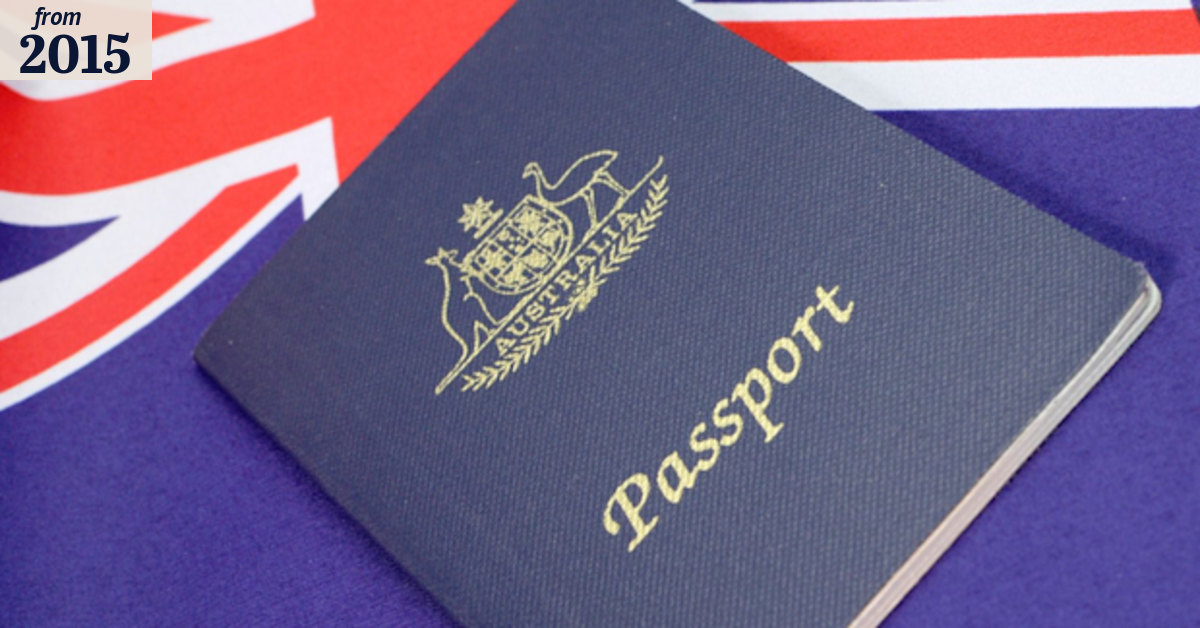
**Ang Australian Citizenship Amendment (Allegiance to Australia) Bill 2015** ay ipinakilala ni Immigration Minister Peter Dutton para sa Abbott government noong Hunyo 24, 2015 [1].
**The Australian Citizenship Amendment (Allegiance to Australia) Bill 2015** was introduced by Immigration Minister Peter Dutton on behalf of the Abbott government on June 24, 2015 [1].
Ang panukalang batas ay nagmungkahi na ang mga Australian dual national ay awtomatikong mawawalan ng kanilang pagkamamamayan kung sila ay nakilahok sa itinakdang terrorism-related conduct [2].
The bill proposed that Australian dual nationals would automatically lose their citizenship if they engaged in specified terrorism-related conduct [2].
Ang paglalarawan ng claim tungkol sa pagmamay-ari ng "bagay" na konektado sa terorismo ay tama.
The claim's characterization of possessing a "thing" connected with terrorism is accurate.
Ang panukalang batas ay nagbigay ng probisyon na ang pagkamamamayan ay kakanselahin para sa pagkakasala kabilang ang "pagmamay-ari ng 'bagay', tulad ng libro o na-download na file mula sa Internet, na may kaugnayan sa terorismo" [3].
The bill provided that citizenship would be revoked for conviction of offenses including "possessing a 'thing', such as a book or downloaded file from the Internet, that is in some way connected with terrorism" [3].
Ang panukalang batas ay saklaw din ang: - Paggawa sa itinakdang "no-go zone" kahit para sa mga inosenteng layunin (negosyo, pagbisita ng kaibigan, relihiyosong pilgrimage) [3] - Pagkasira ng ari-arian ng Commonwealth, na binabalaan ng mga legal expert na maaaring kasama ang isang 15-taong gulang na nag-graffiti sa pederal na gusali [3] - Ang iba't ibang national security disclosure offenses na maaaring mahuli ang mga whistleblower [4] Tungkol sa ministerial kumpara sa judicial decision-making: ang orihinal na panukala ay magbibigay sa Immigration Minister ng kapangyarihang mag-strip ng pagkamamamayan.
The bill also covered: - Entering a declared "no-go zone" even for innocent purposes (business, visiting friends, religious pilgrimage) [3] - Damaging Commonwealth property, which legal experts warned could include a 15-year-old who graffitis a federal building [3] - A range of national security disclosure offenses that could capture whistleblowers [4] Regarding ministerial versus judicial decision-making: the original proposal would have given the Immigration Minister power to strip citizenship.
Gayunpaman, bilang tugon sa constitutional concerns tungkol sa High Court challenge, ang panukalang batas ay binago upang ang pagkamamamayan ay mawala **awtomatiko** sa operasyon ng batas sa halip na sa ministerial decision - bagama't may ministerial exemption power [3].
However, in response to constitutional concerns about High Court challenge, the bill was modified so citizenship would be lost **automatically** by operation of law rather than by ministerial decision - though with a ministerial exemption power [3].
Ang claim na "ang gobyerno ay hindi kailangang patunayan na nagkasala ang mga pinaghihinalaan" ay bahagyang tama - ang pagkamamamayan ay maaaring mawala nang walang terrorism conviction sa ilang sitwasyon, o kahit na acquitted ng isang hurado [3].
The claim that "the government does not have to prove the suspects are guilty" is partially accurate - citizenship could be lost without a terrorism conviction in some circumstances, or even if acquitted by a jury [3].
Tungkol sa statelessness: sinabi ng Abbott government na ang mga pagbabago ay magiging "consistent with our international legal obligation not to leave a person stateless" [5].
On statelessness: the Abbott government stated the changes would be "consistent with our international legal obligation not to leave a person stateless" [5].
Gayunpaman, binigyang-diin ng mga legal expert ang mga alalahanin na kung ang isa pang bansa ay magkansela rin ng pagkamamamayan, ang Australia ay maaaring makalikha ng mga stateless person na lumalabag sa 1961 UN Convention on the Reduction of Statelessness [5].
However, legal experts raised concerns that if another country also revoked citizenship, Australia could create stateless persons in violation of the 1961 UN Convention on the Reduction of Statelessness [5].

Nawawalang Konteksto

**Mahalagang konteksto na hindi kasama sa claim:** 1. **Ang panukalang batas ay para lamang sa mga dual national** - eksplisitong hindi kasama ang mga sole Australian citizen mula sa pag-strip ng pagkamamamayan [3].
**Important context omitted from the claim:** 1. **The bill only applied to dual nationals** - it explicitly excluded sole Australian citizens from citizenship stripping [3].
Sinabi ng gobyerno na ito ay upang sumunod sa international law obligations na hindi mag-render ng mga tao na stateless. 2. **Mga pampaligtas ay kasama** - Ang panukalang batas ay nagbigay ng ministerial discretion para mag-exempt ng mga indibidwal kung "in the public interest" (bagama't binigyang-diin ng mga critic na ang tao ay walang karapatang marinig) [3].
The government maintained this was to comply with international law obligations not to render people stateless. 2. **Safeguards were included** - The bill provided for ministerial discretion to exempt individuals if "in the public interest" (though critics noted the person had no right to be heard) [3].
Sinabi rin ng gobyerno na magkakaroon ng "judicial review" [5]. 3. **May precedent sa kasalukuyang batas** - Ang Seksyon 35 ng Australian Citizenship Act ay nagbigay na ng automatic citizenship revocation para sa mga dual national na nagsisilbi sa mga armadong puwersa ng mga bansang nasa digmaan laban sa Australia [3].
The government also stated there would be "judicial review" available [5]. 3. **Precedent existed in current law** - Section 35 of the Australian Citizenship Act already provided for automatic citizenship revocation for dual nationals serving in armed forces of countries at war with Australia [3].
Ang panukalang batas ay pinalawak ang prinsipyong ito sa terorismo. 4. **Konteksto ng mga alalahanin sa terorismo noong 2015** - Ang lehislasyon ay sumunod sa mga lubhang pampublikong ulat tungkol sa mga Australian na naglalakbay patungo sa Syria/Iraq upang sumali sa ISIS, na lumilikha ng malaking pampubliko at bipartisan na alalahanin tungkol sa mga foreign fighter [5]. 5. **Mga sumunod na pag-amyenda** - Noong Setyembre 2015, ang gobyerno ay nasabihan na "scrap most extreme elements" ng panukala sa pag-strip ng pagkamamamayan, na nagpapahiwatig na ang huling lehislasyon ay binago mula sa orihinal na malawak na panukala [6].
The bill extended this principle to terrorism. 4. **Context of 2015 terrorism concerns** - The legislation followed highly publicized reports of Australians traveling to Syria/Iraq to join ISIS, creating significant public and bipartisan concern about foreign fighters [5]. 5. **Subsequent amendments** - By September 2015, the government had been advised to "scrap most extreme elements" of the citizenship stripping proposal, suggesting the final legislation was modified from the original broad proposal [6].

Pagsusuri ng Kredibilidad ng Pinagmulan

**New Matilda** (Mga Pinagmulan 1 at 4): Independent online publication na itinatag noong 2004, pag-aari ng Walkley Award-winning journalist na si Chris Graham.
**New Matilda** (Sources 1 and 4): Independent online publication founded in 2004, owned by Walkley Award-winning journalist Chris Graham.
Inilarawan nito ang sarili bilang nakatuon sa "investigative journalism and analysis." Ang site ay may malinaw na progressive/left-leaning editorial stance at naging kritikal sa mga Coalition government.
It describes itself as focused on "investigative journalism and analysis." The site has a clear progressive/left-leaning editorial stance and has been critical of Coalition governments.
Bagama't ito ay nagsasagawa ng investigative work, dapat maging aware ang mga mambabasa sa kanyang ideological positioning [5]. **The Saturday Paper**: Lingguhang print at online newspaper na may pangkalahatang progressive editorial stance.
While it conducts investigative work, readers should be aware of its ideological positioning [5]. **The Saturday Paper**: Weekly print and online newspaper with a generally progressive editorial stance.
Kilala para sa malalim na political coverage ngunit mayroon ding discernible center-left perspective. **Techdirt**: US-based technology news at analysis website na may malakas na pokus sa civil liberties, free speech, at skepticism sa government surveillance powers.
Known for in-depth political coverage but also has a discernible center-left perspective. **Techdirt**: US-based technology news and analysis website with a strong focus on civil liberties, free speech, and skepticism of government surveillance powers.
Ang artikulong binanggit ay isinulat ni Glyn Moody, isang UK-based technology writer.
The article cited is by Glyn Moody, a UK-based technology writer.
Ang Techdirt ay may malinaw na editorial position na pabor sa digital rights at civil liberties [7].
Techdirt has a clear editorial position favoring digital rights and civil liberties [7].
Ang lahat ng tatlong pinagmulan ay may identifiable editorial perspectives na naaayon sa mga alalahanin sa civil liberties at kritikal sa mga expansive counter-terrorism powers.
All three sources have identifiable editorial perspectives that align with civil liberties concerns and are critical of expansive counter-terrorism powers.
Para sa balanseng coverage, ang mga mambabasa ay dapat ding kumonsulta sa mga mainstream outlet tulad ng ABC News, The Australian, o parliamentary records.
For balanced coverage, readers should also consult mainstream outlets like ABC News, The Australian, or parliamentary records.
⚖️

Paghahambing sa Labor

**Nagawa ba ni Labor ang katulad?** Ang mga Labor government ay malaki ang na-ambag sa pagpapalawak ng counter-terrorism at national security framework ng Australia: 1. **Rudd/Gillard era anti-terrorism legislation**: Ang Labor government (2007-2013) ay nagpabuti at nagpatuloy sa counter-terrorism framework na itinatag ng Howard government.
**Did Labor do something similar?** Labor governments significantly expanded Australia's counter-terrorism and national security framework: 1. **Rudd/Gillard era anti-terrorism legislation**: The Labor government (2007-2013) maintained and built upon the counter-terrorism framework established by the Howard government.
Patuloy nilang pinanatili ang mga pinalawak na kapangyarihan ng ASIO, terrorism investigations, at control orders [8]. 2. **Data retention**: Bagama't ang claim ay tumututok sa citizenship bill ng Abbott government noong 2015, kapansin-pansin na ang Labor Party ay sumuporta sa mandatory data retention legislation ng Abbott government (na naipasa noong Abril 2015) na nangangailangan sa mga telecommunications company na mag-retain ng customer metadata para sa dalawang taon [7]. 3. **Bipartisan approach sa national security**: Karaniwan ang mga pangunahing counter-terrorism legislation sa Australia ay tumatanggap ng bipartisan support.
They continued ASIO's expanded powers, terrorism investigations, and control orders [8]. 2. **Data retention**: While the claim targets the Abbott government's 2015 citizenship bill, it's notable that the Labor Party supported the Abbott government's mandatory data retention legislation (passed April 2015) which requires telecommunications companies to retain customer metadata for two years [7]. 3. **Bipartisan approach to national security**: Major counter-terrorism legislation in Australia typically receives bipartisan support.
Ang Labor opposition noong 2015 ay pangkalahatang sumuporta sa mga pinalakas na counter-terrorism measures, bagama't sila ay nagtaas ng mga alalahanin tungkol sa mga tiyak na elemento ng citizenship stripping bill [8]. 4. **Foreign fighters legislation**: Parehong suportado ng dalawang pangunahing partido ang Counter-Terrorism Legislation Amendment (Foreign Fighters) Bill 2014, na lumikha ng mga pagkakasala para sa mga Australian na naglalakbay sa mga declared area at pinalawak ang mga kapangyarihan ng ASIO [8]. 5. **Historical pattern**: Ang mga Australian government ng parehong panig ay unti-unting nagpalawak ng mga kapangyarihan sa counter-terrorism mula noong 2001.
The Labor opposition in 2015 generally supported strengthened counter-terrorism measures, though they raised concerns about specific elements of the citizenship stripping bill [8]. 4. **Foreign fighters legislation**: Both major parties supported the Counter-Terrorism Legislation Amendment (Foreign Fighters) Bill 2014, which created offenses for Australians traveling to declared areas and expanded ASIO powers [8]. 5. **Historical pattern**: Australian governments of both persuasions have progressively expanded counter-terrorism powers since 2001.
Walang partido ang malaki na nag-rollback ng mga kapangyarihang ito kapag nasa gobyerno [8].
Neither party has substantially rolled back these powers when in government [8].
🌐

Balanseng Pananaw

**Ang buong kuwento:** Ang citizenship stripping bill ng Abbott government ay kumatawan sa isang makabuluhang pagpapalawak ng executive power na nag-alarm sa mga civil liberties advocate at legal expert.
**The full story:** The Abbott government's citizenship stripping bill represented a significant expansion of executive power that alarmed civil liberties advocates and legal experts.
Inilarawan ni Professor George Williams (UNSW) ito bilang may "deep flaws" na maaaring makita ang mga tao na exile para sa "actions that have little or nothing to do with terrorism" [3].
Professor George Williams (UNSW) described it as having "deep flaws" that could see people exiled for "actions that have little or nothing to do with terrorism" [3].
Gayunpaman, ang patakaran ay kailangan ding maintindihan sa konteksto: **Konteksto ng seguridad:** Noong 2014-2015, may tunay na pampublikong pag-aalala tungkol sa mga Australian citizen na naglalakbay papuntang Syria at Iraq upang sumali sa ISIS, na may mga ulat ng humigit-kumulang 150-200 Australian na lumalaban kasama ng mga terrorist organization.
However, the policy also needs to be understood in context: **Security context:** In 2014-2015, there was genuine public concern about Australian citizens traveling to Syria and Iraq to join ISIS, with reports of approximately 150-200 Australians fighting with terrorist organizations.
Sinabi ng gobyerno na ang mga kasalukuyang batas ay hindi sapat para harapin ang banta na ito [5]. **Konteksto ng paghahambing:** Ang mga katulad na citizenship stripping laws ay umiiral o sinusuri sa ibang Western democracies, kabilang ang UK, Canada, at France [5].
The government argued existing laws were insufficient to address this threat [5]. **Comparative context:** Similar citizenship stripping laws existed or were being considered in other Western democracies, including the UK, Canada, and France [5].
Ipinakita ng Abbott government ito bilang pagsali ng Australia sa isang international trend. **Posisyon ni Labor**: Bagama't ang claim ay nakatuon lamang sa Coalition, ang track record ni Labor ay nagpapakita na parehong pangunahing partido ay palaging sumusuporta sa pagpapalawak ng mga kapangyarihan sa counter-terrorism.
The Abbott government framed this as Australia joining an international trend. **Labor's position:** While the claim focuses exclusively on the Coalition, Labor's track record shows both major parties have consistently supported expanding counter-terrorism powers.
Karaniwang ang pagkakaiba ay tungkol sa antas at mga tiyak na detalye ng pagpapatupad sa halip na sa pangunahing diskarte [8]. **Kinalabasan ng lehislasyon**: Ang orihinal na malawak na panukala ay binago pagkatapos ng kritisisismo.
The difference has typically been one of degree and specific implementation details rather than fundamental approach [8]. **Legislative outcome:** The original broad proposal was modified following criticism.
Noong Setyembre 2015, ang gobyerno ay nasabihan na alisin ang "most extreme elements" ng panukala sa pag-strip ng pagkamamamayan, na nagpapahiwatig na ang claim ay naglalarawan ng isang maagang draft sa halip na sa huling lehislasyon [6]. **Academic assessment**: Ang mga legal expert ay nahati - ang ilan ay nakikita ang lehislasyon bilang kinakailangan para sa national security, habang ang iba ay nakikita ito bilang disproportionate at potensyal na unconstitutional.
By September 2015, the government was advised to remove "most extreme elements" of the citizenship stripping proposal, suggesting the claim describes an early draft rather than final legislation [6]. **Academic assessment:** Legal experts were divided - some saw the legislation as necessary for national security, while others viewed it as disproportionate and potentially unconstitutional.
Ang Law Council of Australia ay nagtaas ng mga alalahanin tungkol sa lawak ng mga saklaw na pagkakasala [3][4].
The Law Council of Australia raised concerns about the breadth of offenses covered [3][4].
Ito ay **hindi natatangi sa Coalition** - ang pagpapalawak ng mga kapangyarihan sa national security ay isang bipartisan phenomenon sa pulitika ng Australia mula noong 2001, na ang parehong partido ay sumusuporta sa mga pinalakas na counter-terrorism framework kapag nasa gobyerno at oposisyon.
This is **not unique to the Coalition** - national security powers expansion has been a bipartisan phenomenon in Australian politics since 2001, with both parties supporting strengthened counter-terrorism frameworks when in government and opposition.

BAHAGYANG TOTOO

6.0

sa 10

Ang claim ay tumpak na naglalarawan ng mga nakabahalang elemento ng ipinanukalang citizenship stripping legislation na ipinakilala ng Abbott government noong 2015.
The claim accurately describes concerning elements of the proposed citizenship stripping legislation introduced by the Abbott government in 2015.
Ang "bagay" provision, automatic revocation nang walang conviction, at potensyal na makakaapekto sa mga inosenteng manlalakbay papunta sa "no-go zones" ay lahat tampok ng panukalang batas nang ipakilala ito [3][4].
The "thing" provision, automatic revocation without conviction, and potential to affect innocent travelers to "no-go zones" were all features of the bill as introduced [3][4].
Gayunpaman, ang claim ay hindi nagpapakita ng mahalagang konteksto: (1) ang panukalang batas ay para lamang sa mga dual national (hindi para sa mga sole citizen), (2) ang mga pampaligtas kabilang ang ministerial exemption at judicial review ay kasama, (3) ang kasalukuyang batas ay pinapayagan na ang citizenship revocation para sa pagsisilbi sa mga kaaway na armadong puwersa, at (4) ang pinakamatinding mga elemento ay sumunod na binago pagkatapos ng kritisisismo [3][6].
However, the claim omits important context: (1) the bill only applied to dual nationals (not sole citizens), (2) safeguards including ministerial exemption and judicial review were included, (3) existing law already allowed citizenship revocation for serving in enemy armed forces, and (4) the most extreme elements were subsequently modified following criticism [3][6].
Ang pagkuwadra bilang isang unilateral Coalition overreach ay nakakamali - ang mga Labor government ay dati nang sumuporta at nagpatupad ng mga katulad na pagpapalawak ng mga kapangyarihan sa counter-terrorism, at ang mga pangunahing national security legislation ay karaniwang tumatanggap ng bipartisan support sa Australia [8].
The framing as a unilateral Coalition overreach is misleading - Labor governments had previously supported and implemented similar expansions of counter-terrorism powers, and major national security legislation typically receives bipartisan support in Australia [8].

📚 MGA PINAGMULAN AT SANGGUNIAN (7)

  1. 1
    parlinfo.aph.gov.au

    parlinfo.aph.gov.au

    Parlinfo Aph Gov

  2. 2
    pm.gov.au

    pm.gov.au

    Pm Gov

  3. 3
    smh.com.au

    smh.com.au

    The bill may well be constitutional, but this does not mean it will produce a sound and sensible reform.

    The Sydney Morning Herald
  4. 4
    theguardian.com

    theguardian.com

    Disclosing matters relating to national security could see dual citizens stripped of their citizenship, including those involved in the Timor-Leste bugging scandal

    the Guardian
  5. 5
    newmatilda.com

    newmatilda.com

    On Tuesday, Prime Minister Tony Abbott held a media conference. As is normal these days, the Prime Minister was flanked by senior ministers; he stood in front a serried row of Australian flags. The topic, yet again, was terrorism. This time, however, the terror rhetoric had a new slant: the “rights as well as theMore

    New Matilda
  6. 6
    newmatilda.com

    newmatilda.com

    A joint parliamentary committee has recommended the Abbott government scrap some of the most controversial elements of its plan to strip dual nationals of their citizenship. Yet Australians who are dual citizens could still be stripped of their passport without ever being convicted of an offence by a court, but only if they’re not inMore

    New Matilda
  7. 7
    techdirt.com

    techdirt.com

    Techdirt

Pamamaraan ng Rating Scale

1-3: MALI

Hindi tama sa katotohanan o malisyosong gawa-gawa.

4-6: BAHAGYA

May katotohanan ngunit kulang o baluktot ang konteksto.

7-9: HALOS TOTOO

Maliit na teknikal na detalye o isyu sa pagkakasulat.

10: TUMPAK

Perpektong na-verify at patas ayon sa konteksto.

Pamamaraan: Ang mga rating ay tinutukoy sa pamamagitan ng cross-referencing ng opisyal na mga rekord ng pamahalaan, independiyenteng mga organisasyong nag-fact-check, at mga primaryang dokumento.