Totoo

Rating: 6.0/10

Coalition
C0534

Ang Claim

“Tinanggihan ang mga naghahanap ng kanlungan ng karapatang gumawa ng mga Freedom of Information request para sa impormasyon na hawak ng gobyerno tungkol sa kanila.”
Orihinal na Pinagmulan: Matthew Davis

Orihinal na Pinagmulan

FACTUAL NA BERIPIKASYON

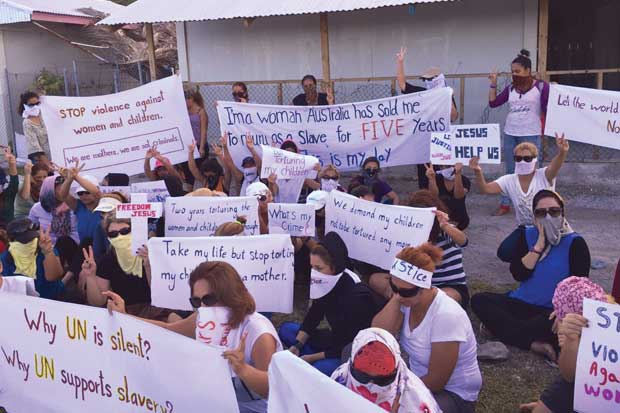
**TRUE ang claim.** Noong kalagitnaan ng 2015, ipinatupad ng Department of Immigration and Border Protection (DIBP) ang isang patakaran kung saan ang mga naghahanap ng kanlungan na dumating sa pamamagitan ng bangka noong o pagkatapos ng 13 Agosto 2012 at naibabawal na mag-aplay para sa mga protection visa ay magkakaroon ng kanilang mga Freedom of Information (FOI) request na ibabalik nang hindi pinoproseso [1].
**The claim is TRUE.** In mid-2015, the Department of Immigration and Border Protection (DIBP) implemented a policy whereby asylum seekers who arrived by boat on or after 13 August 2012 and who were barred from applying for protection visas would have their Freedom of Information (FOI) requests returned unprocessed [1].
Ang patakaran ay partikular na tumutok sa mga naghahanap ng kanlungan sa "no advantage" cohort—isang grupo na ibinabawal na magsumite ng mga application para sa protection visa sa ilalim ng isang patakarang lumikha ng backlog na humigit-kumulang 30,000 hindi naprosesong claim [1].
The policy specifically targeted asylum seekers in the "no advantage" cohort—a group barred from lodging protection visa applications under a policy that created a backlog of approximately 30,000 unprocessed claims [1].
Sinabi ng DIBP sa mga stakeholder na ang mga FOI request mula sa mga indibidwal na ito ay hindi poprosesuhin hanggang "malapit na ang kanilang turn" na maaprubahan ang kanilang mga claim para sa kanlungan [1].
The DIBP informed stakeholders that FOI requests from these individuals would not be processed until it was "close to their turn" to have their asylum claims considered [1].
Ang mga FOI request na tinutukoy ay pangunahin para sa mga entry interview record na naglalaman ng kritikal na personal na impormasyon kabilang ang: mga pangalan, petsa ng kapanganakan, istruktura ng pamilya, kasaysayan sa paglalakbay, nasyonalidad, etnisidad, relihiyon, kasaysayan sa trabaho, kasaysayan sa edukasyon, at mga paunang claim na ginawa pagdating [1].
The FOI requests in question were primarily for entry interview records containing critical personal information including: names, dates of birth, family structure, travel history, citizenship, ethnicity, religion, work history, education history, and initial claims made upon arrival [1].
Ang mga dokumentong ito ay itinuturing na mahalaga ng mga kinatawan sa legal para sa paghahanda ng komprehensibong mga application para sa protection visa [1].
These documents are considered essential by legal representatives for preparing comprehensive protection visa applications [1].
Ang pagkakataon ay lumikha ng isang procedural Catch-22: ang mga naghahanap ng kanlungan sa cohort na ito ay bibigyan lamang ng 28 araw para magsumite ng kanilang mga claim para sa protection visa kapag inimbitahan na mag-aplay, ngunit ang mga FOI request ay dapat maproseso sa loob ng 30 araw sa ilalim ng FOI Act, na nangangahulugang ang mga aplikante ay maaaring hindi matanggap ang kanilang mga dokumento bago ang kanilang deadline [1].
The timing created a procedural Catch-22: asylum seekers in this cohort would be given only 28 days to lodge their protection visa claims once invited to apply, but FOI requests must be processed within 30 days under the FOI Act, meaning applicants might not receive their documents before their deadline [1].

Nawawalang Konteksto

**Ang patakaran ay administratibo, hindi legislative.** Ang pagbabawal sa FOI ay ipinatupad bilang isang pagbabago sa patakaran ng departamento sa halip na sa pamamagitan ng mga amendment sa FOI Act mismo [1].
**The policy was administrative, not legislative.** The FOI restriction was implemented as a departmental policy change rather than through amendments to the FOI Act itself [1].
Hindi binago ng gobyerno ang FOI legislation; sa halip, ginamit ng DIBP ang administrative discretion sa paghawak ng mga request mula sa mga partikular na kategorya ng mga naghahanap ng kanlungan. **Ang backlog ay minana mula sa Labor.** Ang "no advantage" policy na lumikha ng 30,000-taong backlog ay ipinakilala ng Gillard Labor government noong 13 Agosto 2012—hindi ng Coalition [1].
The government did not alter FOI legislation; instead, DIBP exercised administrative discretion in handling requests from specific categories of asylum seekers. **The backlog was inherited from Labor.** The "no advantage" policy that created the 30,000-person backlog was introduced by the Gillard Labor government on 13 August 2012—not by the Coalition [1].
Ang patakarang ito ay nagbabawal sa mga dating sa bangka na maproseso ang kanilang mga claim para sa kanlungan, na lumikha ng sitwasyon na minana ng Coalition noong nahalal noong Setyembre 2013.
This policy barred boat arrivals from having their asylum claims processed, creating the situation that the Coalition inherited when elected in September 2013.
Ang pagbabawal sa FOI ay inilapat sa backlog na ito na nilikha ng Labor. **Bahagi ng mas malawak na "Fast Track" processing.** Ang pagbabawal sa FOI ay isang bahagi ng "Fast Track" processing system ng Coalition na ipinakilala noong 2014, na dinisenyo upang linisin ang backlog sa pamamagitan ng pagsasaayos (sasabihin ng mga kritiko ay pagmamadali) ng assessment process [2].
The FOI restriction was applied to this Labor-created backlog. **Part of broader "Fast Track" processing.** The FOI restriction was one component of the Coalition's "Fast Track" processing system introduced in 2014, which was designed to clear the backlog by streamlining (critics would say rushing) the assessment process [2].
Ang sistemang ito ay kinabibilangan ng 28-araw na deadline sa application, limitadong karapatan sa apela sa pamamagitan ng Immigration Assessment Authority, at pinababang access sa tulong legal [2]. **Ang rason—kung ano man ito.** Sinabi ng DIBP website na ang mga aplikante ay "dapat maghintay hanggang malapit na ang kanilang turn na maproseso upang hanapin ang impormasyon na iyon" [1].
This system included the 28-day application deadline, limited appeal rights through the Immigration Assessment Authority, and reduced access to legal assistance [2]. **The rationale—such as it was.** The DIBP website stated that applicants "should wait until it is close to their turn to be processed to seek that information" [1].
Gayunpaman, napansin ng mga kritiko na ang Departamento ay hindi nagbigay ng mekanismo upang ipaalam sa mga naghahanap ng kanlungan kung kailan sila "malapit na sa kanilang turn," na nagpapaimposible sa pagsunod [1].
However, critics noted that the Department provided no mechanism to inform asylum seekers when they were "close to their turn," making compliance impossible [1].

Pagsusuri ng Kredibilidad ng Pinagmulan

Ang orihinal na pinagkunan, **New Matilda**, ay nangangailangan ng kontekstual na pag-unawa: - **Political orientation:** Ang New Matilda ay isang independent online publication na may dokumentadong left-wing/progressive na editorial stance.
The original source, **New Matilda**, requires contextual understanding: - **Political orientation:** New Matilda is an independent online publication with a documented left-wing/progressive editorial stance.
Tinukoy ito ng Media Bias/Fact Check bilang "left-wing independent Australian website of news, analysis, and satire" [3]. - **Independence:** Inilarawan ng outlet ang kanilang sarili bilang "independent journalism at its best" at pag-aari ito ng Walkley Award-winning journalist na si Chris Graham [1]. - **Methodology sa artikulong ito:** Ang artikulo ay umasa sa isang interview kay Katie Wrigley, Principal Solicitor sa Refugee Advice and Casework Service (RACAS), isang lehitimong legal service provider para sa mga naghahanap ng kanlungan [1].
Media Bias/Fact Check identifies it as "left-wing independent Australian website of news, analysis, and satire" [3]. - **Independence:** The outlet describes itself as "independent journalism at its best" and is owned by Walkley Award-winning journalist Chris Graham [1]. - **Methodology in this article:** The article relied on an interview with Katie Wrigley, Principal Solicitor at the Refugee Advice and Casework Service (RACS), a legitimate legal service provider for asylum seekers [1].
Tinukoy din ng artikulo ang isang aktwal na email ng DIBP sa mga stakeholder na inanunsyo ang pagbabago sa patakaran [1]. - **Potensyal na bias:** Bagama't ang factual reporting tungkol sa patakaran ay tila tumpak, ang artikulo ay gumagamit ng advocacy-oriented framing, na kinarakterisa ang pagbabago bilang isang "assault" sa mga naghahanap ng kanlungan at inilarawan ito bilang "outrageous and unprecedented" sa pamamagitan ng mga quote ni Wrigley [1].
The article also referenced an actual DIBP email to stakeholders announcing the policy change [1]. - **Potential bias:** While the factual reporting about the policy appears accurate, the article employs advocacy-oriented framing, characterizing the change as an "assault" on asylum seekers and describing it as "outrageous and unprecedented" through Wrigley's quotes [1].
Ang sensationalized na wika at sympathetic sourcing mula sa mga refugee advocates ay dapat basahin na may kamalayan sa advocacy journalism orientation ng publikasyon.
The sensationalized language and sympathetic sourcing from refugee advocates should be read with awareness of the publication's advocacy journalism orientation.
⚖️

Paghahambing sa Labor

**May ginawa bang katulad ang Labor?** Isinagawang paghahanap: "Labor government asylum seekers FOI policy precedent" at "Gillard Labor 'no advantage' policy asylum seekers" **Pagkatuklas: Ang pinagmulan ay ang patakaran ng Labor.** Ipinatupad ng Gillard Labor government ang "no advantage" policy noong 13 Agosto 2012, na nagbabawal sa mga naghahanap ng kanlungan na dumating sa pamamagitan ng bangka na maproseso ang kanilang mga claim para sa protection visa [1].
**Did Labor do something similar?** Search conducted: "Labor government asylum seekers FOI policy precedent" and "Gillard Labor 'no advantage' policy asylum seekers" **Finding: The root cause was Labor policy.** The Gillard Labor government implemented the "no advantage" policy on 13 August 2012, which barred asylum seekers arriving by boat from having their protection visa claims processed [1].
Ito ang lumikha ng humigit-kumulang 30,000-taong backlog na minana ng Coalition.
This created the approximately 30,000-person backlog that the Coalition inherited.
Ang pagbabawal sa FOI ay inilapat sa cohort na ito na nilikha ng Labor. **Posisyon ng Labor pagkatapos:** Nang nasa oposisyon, nangako ang Labor na aalisin ang Fast Track system [2].
The FOI restriction applied specifically to this Labor-created cohort. **Labor's subsequent position:** When in opposition, Labor vowed to abolish the Fast Track system [2].
Pagkatapos mahalal noong 2022, pinawalang-bisa ng Albanese Labor government ang Fast Track process noong 2024 at nagtatag ng isang bagong Administrative Review Tribunal [2].
After being elected in 2022, the Albanese Labor government ended the Fast Track process in 2024 and established a new Administrative Review Tribunal [2].
Gayunpaman, hanggang sa unang bahagi ng 2025, mahigit 7,000 tao na nabigo ng Fast Track system ay nananatiling ibinabawal na mag-aplay para sa mga permanent visa [2]. **Walang direktang katumbas ng Labor sa mga pagbabawal sa FOI:** Walang ebidensya na ang nakaraang Labor government (2007-2013) ay nagbabawal sa mga FOI rights para sa mga naghahanap ng kanlungan.
However, as of early 2025, over 7,000 people who were failed by the Fast Track system remained barred from applying for permanent visas [2]. **No direct Labor equivalent on FOI restrictions:** There is no evidence that the previous Labor government (2007-2013) restricted FOI rights for asylum seekers.
Gayunpaman, ang sitwasyon ay lumitaw lamang dahil sa "no advantage" policy ng Labor na lumikha ng backlog sa unang lugar.
However, the situation only arose because of Labor's "no advantage" policy creating the backlog in the first place.
🌐

Balanseng Pananaw

**Ang mga pagpuna ay lehitimo.** Ang pagbabawal sa FOI ay lumikha ng mga makabuluhang procedural disadvantage: - Ang mga naghahanap ng kanlungan ay hindi nakakapunta sa kanilang sariling entry interview records, na naglalaman ng mga katotohanang impormasyon na ibinigay nila sa gobyerno pagdating [1] - Inilarawan ng mga kinatawan sa legal ang mga dokumentong ito bilang "napakahalaga" para sa paghahanda ng mga tumpak at kumpletong application para sa protection visa [1] - Ang 28-araw na deadline na kasabay ng 30-araw na FOI processing requirement ay lumikha ng isang structural impossibility para sa mga aplikanteng nais na suriin ang mga dokumento bago magsumite ng mga claim [1] - Inalis ng patakaran ang isang karapatan na dating available sa lahat ng tao sa Australia, na tinatrato ang cohort na ito na "mas hindi paboran" ayon sa mga practitioner sa legal [1] **Ang posisyon ng gobyerno—kung ano man ang sinabi.** Nagbigay ang DIBP ng kaunting pampublikong pagpapaliwanag, at simpleng pinayuhan ang mga aplikante na maghintay hanggang "malapit na ang kanilang turn" [1].
**The criticisms are legitimate.** The FOI restriction created significant procedural disadvantages: - Asylum seekers could not access their own entry interview records, which contain factual information they provided to the government upon arrival [1] - Legal representatives described these documents as "invaluable" for preparing accurate and complete protection visa applications [1] - The 28-day deadline coupled with the 30-day FOI processing requirement created a structural impossibility for applicants wanting to review documents before lodging claims [1] - The policy removed a right previously available to all persons in Australia, treating this specific cohort "much less favourably" according to legal practitioners [1] **The government's position—such as stated.** The DIBP provided minimal public justification, simply advising applicants to wait until "close to their turn" [1].
Tila ang ipinahihiwatig na lohika ay ang administrative efficiency—pagpoproseso ng mga FOI request lamang kapag kinakailangan para sa mga paparating na application.
The implicit logic appears to have been administrative efficiency—processing FOI requests only when necessary for imminent applications.
Gayunpaman, ang pagpapatupad ay nabigo na magbigay ng kinakailangang notification system upang magawa ito. **Ito ay bahagi ng isang mas malawak na diskarte sa pagpigil.** Ang Fast Track system, kabilang ang pagbabawal sa FOI, ay dinisenyo upang gawing mas mahirap ang proseso ng kanlungan—isang diskarte sa pagpigil na eksplisitong tinungo ng Coalition [2].
However, the implementation failed to provide the necessary notification system to make this workable. **This was part of a broader deterrence approach.** The Fast Track system, including the FOI restriction, was designed to make the asylum process more difficult—a deterrence strategy the Coalition explicitly pursued [2].
Bagama't ang mga pagpuna sa humanitarian ay lehitimo, ang pagkakaugnay ng patakaran sa mas malawak na approach sa border protection ng gobyerno ay dapat kilalanin. **Isang isyu sa sistema sa lahat ng mga gobyerno.** Kapwa mga partido ang nagpatupad ng mga patakarang naghihigpit sa kanlungan: - Nilikha ng Labor ang "no advantage" policy at ang offshore processing regime - Nagpatupad ang Coalition ng Fast Track system na may mga pagbabawal sa FOI - Kapwa mga partido ang gumamit ng mga boat turnback Ang pagbabawal sa FOI ay isang administrative intensification ng isang system na may mahigpit na mga patakaran, sa halip na isang natatanging paglihis mula sa bipartisan consensus sa patakaran sa kanlungan.
While the humanitarian criticisms are valid, the policy coherence with the government's broader border protection approach should be acknowledged. **A systemic issue across governments.** Both major parties have implemented restrictive asylum policies: - Labor created the "no advantage" policy and the offshore processing regime - The Coalition implemented the Fast Track system with FOI restrictions - Both parties have used boat turnbacks The FOI restriction was an administrative intensification of an already-restrictive system, rather than a unique departure from bipartisan consensus on asylum policy.

TOTOO

6.0

sa 10

Ang Coalition government, sa pamamagitan ng Department of Immigration and Border Protection, ay talagang nagpatupad ng isang patakaran noong 2015 na tumanggi sa mga FOI request mula sa mga naghahanap ng kanlungan sa "no advantage" cohort (mga dumating sa pamamagitan ng bangka noong o pagkatapos ng 13 Agosto 2012 na ibinabawal na magsumite ng mga application para sa protection visa).
The Coalition government, through the Department of Immigration and Border Protection, did implement a policy in 2015 that denied FOI requests from asylum seekers in the "no advantage" cohort (those arriving by boat on or after 13 August 2012 who were barred from lodging protection visa applications).
Ibinabalik ng patakarang ito ang mga FOI request nang hindi pinoproseso na may mga tagubilin na mag-aplay muli kapag "malapit na ang kanilang turn" na maaprubahan ang kanilang mga claim para sa kanlungan [1].
This policy returned FOI requests unprocessed with instructions to reapply when "close to their turn" to have asylum claims considered [1].
Gayunpaman, ang pagbabawal na ito ay: 1.
However, this restriction: 1.
Isang administratibong patakaran, hindi isang pagbabago sa FOI laws 2.
Was an administrative policy, not a legislative change to FOI laws 2.
Inilapat sa isang cohort na nilikha ng nakaraang Labor government's "no advantage" policy 3.
Applied to a cohort created by the previous Labor government's "no advantage" policy 3.
Isa sa mga bahagi ng mas malawak na "Fast Track" processing system 4.
Was one component of the broader "Fast Track" processing system 4.
Pagkatapos ay pinawalang-bisa nang bumalik ang Labor sa gobyerno noong 2022 Bagama't teknikal na totoo, ang claim ay hindi nagsasabi na ito ay isang naka-target na administratibong pagbabawal sa halip na isang blanket denial ng mga FOI rights sa lahat ng naghahanap ng kanlungan, at na ang pinagmumulang sitwasyon ay resulta ng mga naunang desisyon sa patakaran ng Labor.
Was later abolished when Labor returned to government in 2022 While technically true, the claim omits that this was a targeted administrative restriction rather than a blanket denial of FOI rights to all asylum seekers, and that the underlying situation resulted from Labor's previous policy decisions.

📚 MGA PINAGMULAN AT SANGGUNIAN (3)

  1. 1
    newmatilda.com

    newmatilda.com

    New Matilda has gained access to an email sent by the Department of Immigration and Border Protection (DIBP), stripping asylum seekers of basic rights: the right to Freedom of Information (FOI) requests. Previously, everyone in Australia had the right to request from the government documents relating to them. When making claims for asylum, asylum seekersMore

    New Matilda
  2. 2
    amnesty.org.au

    amnesty.org.au

    What is the 'Fast Track' visa system? Introduced by the former Coalition government in 2014, ‘Fast Track’ was a system designed to make it difficult to

    Amnesty International Australia
  3. 3
    mediabiasfactcheck.com

    mediabiasfactcheck.com

    LEFT BIAS These media sources are moderately to strongly biased toward liberal causes through story selection and/or political affiliation.  They may

    Media Bias/Fact Check

Pamamaraan ng Rating Scale

1-3: MALI

Hindi tama sa katotohanan o malisyosong gawa-gawa.

4-6: BAHAGYA

May katotohanan ngunit kulang o baluktot ang konteksto.

7-9: HALOS TOTOO

Maliit na teknikal na detalye o isyu sa pagkakasulat.

10: TUMPAK

Perpektong na-verify at patas ayon sa konteksto.

Pamamaraan: Ang mga rating ay tinutukoy sa pamamagitan ng cross-referencing ng opisyal na mga rekord ng pamahalaan, independiyenteng mga organisasyong nag-fact-check, at mga primaryang dokumento.