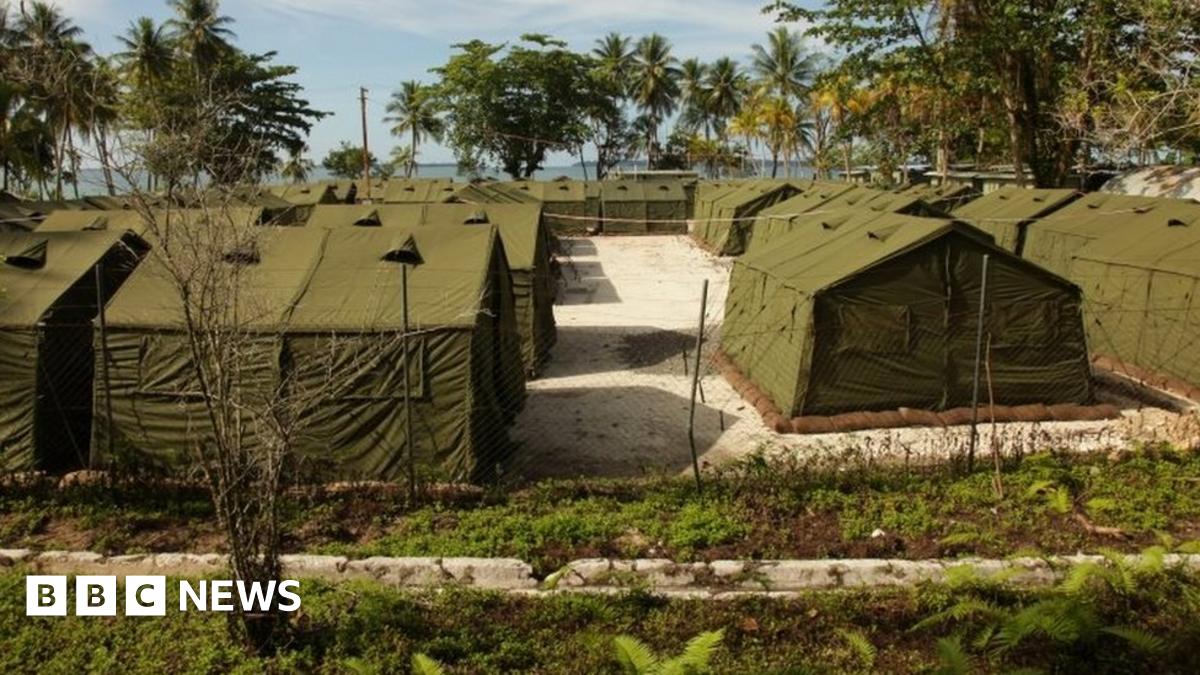
Noong Enero 2015, ang isang shipment ng "Freedom" brand muesli bars na nagkakahalaga ng humigit-kumulang $30,000 ay tinanggihan at ipinagbawal mula sa distribusyon sa offshore detention centre sa Isla ng Manus matapos makialam ang Department of Immigration and Border Protection [1].
In January 2015, a shipment of "Freedom" brand muesli bars worth approximately $30,000 was rejected and banned from distribution at the Manus Island offshore detention centre after the Department of Immigration and Border Protection intervened [1].
Ang mga bar ay ginawa ng Sydney-based na Freedom Foods.
The bars were produced by Sydney-based Freedom Foods.
Unang iniulat ng ABC News noong Enero 30, 2015, na ang detention centre operator, na Transfield Services, ay tumangging tanggapin ang shipment dahil ang tatak ay itinuring na "hindi angkop na ibigay sa mga asylum seekers na naka-lock up" [2].
ABC News first reported on January 30, 2015, that the detention centre operator, Transfield Services, refused to accept the shipment because the brand was considered "inappropriate to give to asylum seekers who were locked up" [2].
Ang shipment ay dumating matapos ang isang contractor ay tukuyang hinilingan na bilhin ang tatak.
The shipment had arrived after a contractor was specifically asked to purchase the brand.
Ang kritikal na elemento ng claim - na ang Department ay nagsinungaling tungkol sa pagbabawal - ay substantiated din.
The critical element of the claim - that the Department lied about the ban - is also substantiated.
Nang unang kontakin ng ABC News noong Enero 30, 2015, ang Department of Immigration and Border Protection ay flatly tumangging mayroong pagkakasangkot: "Anumang pahayag na ang Department ay nag-direkta sa service provider na huwag tanggapin ang mga bar ay mali" [1].
When first contacted by ABC News on January 30, 2015, the Department of Immigration and Border Protection flatly denied involvement: "Any assertion that the Department directed the service provider not to accept the bars is wrong" [1].
Gayunpaman, matapos na mailabas ang mga dokumento sa ilalim ng Freedom of Information laws noong Agosto 2015, ang Department ay nag-backflip at inamin ang kanilang papel.
However, after documents were released under Freedom of Information laws in August 2015, the Department backflipped and admitted its role.
Sa isang apology email sa ABC News, sinabi ng Department: "Ang pahayag na ibinigay sa iyo noong Enero na ang Department ay hindi nag-direkta sa service provider na tanggihan ang 'Freedom muesli bars' ay mali.
In an apology email to ABC News, the Department stated: "The statement provided to you in January that the Department did not direct the service provider to reject 'Freedom muesli bars' was incorrect.
Ang pahayag ay ginawa nang may mabuting intensyon batay sa impormasyong mayroon kami noong panahong iyon.
The statement was made in good faith based on the information we had at the time.
Sa kabila nito, ang impormasyong ibinigay ng Department ay mali at humihingi kami ng paumanhin para sa error" [1].
Nevertheless, the information provided by the Department was wrong and we apologise for the error" [1].
Ang FOI documents ay nagbunyag ng mga internal email na nagpapakita na ang Transfield Services ay eksplisitong dinirekta ng Department na huwag ipamahagi ang mga bar dahil "ang salitang freedom ay napaka-sensitibo para sa mga transferee" [3].
The FOI documents revealed internal emails showing that Transfield Services had been explicitly directed by the Department not to distribute the bars because "the word freedom is very sensitive to the transferees" [3].
Ang isang email mula sa isang Transfield logistics at procurement manager ay nagsabi: "Sa ilalim ng anumang mga pangyayari ay hindi kami pinapayagan na magkaroon ng mga Freedom-branded bars sa loob ng RPC.
One email from a Transfield logistics and procurement manager stated: "Under no circumstances are we allowed to have the Freedom-branded bars within the RPC.
Ang anumang iba pang mga pangalan na katulad na maaaring medyo contentious ay banned din" [3].
Any other names similar that might be a bit contentious are also banned" [3].
Nawawalang Konteksto
Ang claim ay naglilista ng maraming mahahalagang kontekstwal na detalye: **Simbolikong sensitibidad vs. kalupitan**: Habang ang pagbabawal ay tila absurd sa mukha nito - pagbabawal ng "Freedom" bars mula sa mga taong naka-detain - ang sinabing rason ay na ang pangalan ng tatak ay "napaka-sensitibo" sa mga detainees na naka-lock up, hindi bilang isang pagkilos ng maliit na kalupitan.
The claim omits several important contextual details:
**Symbolic sensitivity vs. cruelty**: While the ban appears absurd on its face - banning "Freedom" bars from people who are detained - the stated rationale was that the brand name was "very sensitive" to detainees who were locked up, not as an act of petty cruelty.
Ang FOI documents ay nagpapahiwatig ng pag-aalala tungkol sa sikolohikal na epekto ng pag-aalok ng mga produkto na may ironic na mga pangalan sa mga taong naka-detain [3]. **Iba pang mga tatak na apektado**: Ang pagbabawal ay umabot sa higit pa sa "Freedom" bars lamang.
The FOI documents indicate concern about the psychological impact of offering products with ironic names to people in detention [3].
**Other brands affected**: The ban extended beyond just "Freedom" bars.
Ang mga internal email ay nagpapahiwatig na ang "Liberty" snacks ay na-flag din na may komento na "Huwag lang banggitin ang container ng 'Liberty' snacks na handang ipamahagi" [1][3].
Internal emails indicate that "Liberty" snacks were also flagged with the comment "Just don't mention the container of 'Liberty' snacks ready to go out" [1][3].
Iminumungkahi nito ang isang mas malawak, kahit na mahinang naisip, na patakaran tungkol sa pag-iwas sa mga pangalan ng tatak na maaaring makita bilang panunuya o hindi sensitibo sa mga detainees na asylum seekers. **Ang mga bar ay hindi nasayang**: Tandaan ng Freedom Foods marketing manager na si Rebecca Carson na "ang mga bar ay ipamamahagi sa ibang lugar, kaya hindi sila masasayang" - sila ay inire-redirect sa ibang mga channel ng distribusyon sa halip na sirain [2]. **Ang mga unwrapped bar ay patuloy na inihain**: Ayon sa FOI documents, ang mga bar na hindi ibinalik sa Australia ay inihain sa mga detainees nang walang wrapper - iminumungkahi na ang isyu ay tukoy sa tatak, hindi sa pagkain mismo [3].
This suggests a broader, if poorly conceived, policy about avoiding brand names that could be seen as taunting or insensitive to detained asylum seekers.
**The bars were not wasted**: Freedom Foods marketing manager Rebecca Carson noted that "the bars will be distributed elsewhere, so they won't go to waste" - they were redirected to other distribution channels rather than being destroyed [2].
**Unwrapped bars were still served**: According to the FOI documents, bars that were not returned to Australia were served to detainees without the wrapper - suggesting the issue was specifically the branding, not the food itself [3].
Pagsusuri ng Kredibilidad ng Pinagmulan
Ang orihinal na pinagkunan ay **ABC News**, na ang pambansang public broadcaster ng Australia.
The original source provided is **ABC News**, which is Australia's national public broadcaster.
Ang ABC News ay malawak na itinuturing bilang isang krediboleng, mainstream na pinagkunan ng balita na may mga pamantayan sa editorial at proseso ng fact-checking.
ABC News is widely regarded as a credible, mainstream news source with editorial standards and fact-checking processes.
Ang partikular na kuwentong ito ay batay sa: - Unang pag-uulat mula sa mga pinagkunan na "malapit sa isyu" [2] - Freedom of Information documents na inilabas ng Department [3] - Direktang mga tugon sa email mula sa Department na inaamin na ang kanilang mas maagang pahayag ay mali [1] Ang ABC News ay pangkalahatang itinuturing na mayroong sentrista hanggang bahagyang kaliwang-leaning na editorial positioning ngunit nagpapanatili ng mga pamantayan sa journalism para sa factual reporting.
This particular story was based on:
- Initial reporting from sources "close to the issue" [2]
- Freedom of Information documents released by the Department [3]
- Direct email responses from the Department admitting their earlier statement was incorrect [1]
ABC News is generally considered to have centrist to slightly left-leaning editorial positioning but maintains journalistic standards for factual reporting.
Ang kuwento ay kinorroborahan sa pamamagitan ng opisyal na mga dokumento ng gobyerno na nakuha sa pamamagitan ng FOI, na nagpapalakas ng kredibilidad nito nang makabuluhan.
The story was corroborated through official government documents obtained via FOI, which enhances its credibility significantly.
⚖️
Paghahambing sa Labor
**Ginawa ba ng Labor ang isang bagay na katulad?** Isinagawang paghahanap: "Labor government Manus Island offshore detention food restrictions symbolic branding" Natuklasan: Ang Manus Island detention centre ay orihinal na binuksan noong 2001 sa ilalim ng Howard Coalition government bilang bahagi ng "Pacific Solution," isinara ng unang Rudd Labor government noong 2008, ngunit **muling binuksan ng Gillard Labor government noong Agosto 2012** [4][5].
**Did Labor do something similar?**
Search conducted: "Labor government Manus Island offshore detention food restrictions symbolic branding"
Finding: The Manus Island detention centre itself was originally opened in 2001 under the Howard Coalition government as part of the "Pacific Solution," was closed by the first Rudd Labor government in 2008, but was **reopened by the Gillard Labor government in August 2012** [4][5].
Bagama't walang tukoy na katumbas sa Freedom bar ban ang na-dokumento sa ilalim ng pamamahala ng Labor, ang mas malawak na konteksto ay makabuluhan: ang offshore detention regime na nagpapagana sa mga ganitong insidente ay muling ipinatupad at pinananatili ng Labor.
While no specific equivalent to the Freedom bar ban has been documented under Labor's management, the broader context is significant: the offshore detention regime that made such incidents possible was reinstated and maintained by Labor.
Ang parehong detention infrastructure, ang parehong pribadong contractors (Transfield Services), at ang parehong policy framework ay umiiral sa ilalim ng parehong mga pamahalaan.
The same detention infrastructure, the same private contractors (Transfield Services), and the same policy framework existed under both governments.
Ang insidente ay kumakatawan sa isang tukoy na administratibong desisyon na ginawa sa ilalim ng Coalition management (Enero 2015, sa panahon ng Abbott government), ngunit ito ay nangyari sa loob ng isang detention system na muling binuksan at sinuportahan ng Labor.
The incident represents a specific administrative decision made under Coalition management (January 2015, during the Abbott government), but it occurred within a detention system that Labor had reopened and supported.
Ang parehong mga pangunahing Australian political party ay sumuporta sa offshore detention, bagama't ang mga tukoy na operational na desisyon at tono ng pamamahala ay nag-iba.
Both major Australian political parties have supported offshore detention, though the specific operational decisions and tone of management have varied.
Ang ito ay **hindi kakaiba** sa Coalition sa kahulugan na ang parehong partido ay nagpanatili ng offshore detention centres kung saan ang mga ganitong administratibong absurdities ay maaaring mangyari.
This is **not unique** to the Coalition in the sense that both parties have maintained offshore detention centres where such administrative absurdities can occur.
Gayunpaman, ang tukoy na "Freedom" bar ban at pagkatapos na pagtanggi ay tila isang Coalition-era na administratibong desisyon.
However, the specific "Freedom" bar ban and subsequent denial appears to have been a Coalition-era administrative decision.
🌐
Balanseng Pananaw
Ang Freedom bar ban ay sumisimbolo sa mga pagsalungat at bureaucratic absurdities na likas sa patakaran ng Australia sa offshore detention.
The Freedom bar ban is emblematic of the contradictions and bureaucratic absurdities inherent in Australia's offshore detention policy.
Habang ang mga kritiko ay tama na ituro ang irony ng pagbabawal ng mga "Freedom" produkto mula sa mga taong pinagkaitan ng kalayaan [1], ang sinabing rason ng Department - na ang pangalan ay "sensitibo" sa mga detainees - ay nagmumungkahi ng misguided na paternalismo kaysa sa calculated na kalupitan.
While critics rightly point to the irony of banning "Freedom" products from people denied freedom [1], the Department's stated rationale - that the name was "sensitive" to detainees - suggests misguided paternalism rather than calculated cruelty.
Ang mas seryosong isyu ay ang unang pagtanggi ng Department at pagkatapos na pag-amin ng pagsisinungaling.
The more serious issue is the Department's initial denial and subsequent admission of lying.
Ang FOI documents ay nagbubunyag hindi lamang na ang Department ay nag-direkta ng pagbabawal kundi na ang mga opisyal ay aktibong nagtalakay kung paano pamahalaan ang media fallout, na ang mga talking points ay inililipat ang blame sa pagitan ng Department at Transfield Services [3].
The FOI documents reveal not only that the Department directed the ban but that officials actively discussed how to manage media fallout, with talking points shifting blame between the Department and Transfield Services [3].
Ang isang palitan ay nagpapakita ng mga opisyal na kumikilala sa "Govt-and-service-providers-make-dumb-mistake kind of angle" na maaaring gawin ng mga mamamahayag [3].
One exchange shows officials acknowledging the "Govt-and-service-providers-make-dumb-mistake kind of angle" that journalists might take [3].
Kung ikukumpara sa rekord ng Labor, ang mas malawak na policy framework ay bipartisan - ang parehong partido ay nagpanatili ng offshore detention.
When compared to Labor's record, the broader policy framework is bipartisan - both parties have maintained offshore detention.
Gayunpaman, ang tukoy na insidente ay sumasalamin sa administratibong pagpapasya sa ilalim ng Coalition management.
However, this specific incident reflects administrative decision-making under Coalition management.
Ang insidente ay marahil pinakamahusay na nauunawaan hindi bilang isang natatanging pagkilos ng Coalition malice, kundi bilang isang halimbawa kung paano ang mga bureaucratic system na namamahala sa mga morally fraught na mga patakaran ay maaaring makagawa ng mga desisyon na tila walang malasakit o absurd. **Mahahalagang konteksto**: Ang insidenteng ito, bagama't factually accurate ayon sa sinabi, ay hindi kakaiba sa diskarte ng Coalition - ito ay nangyari sa loob ng isang detention system na muling binuksan ng Labor at parehong partido ang nagpanatili.
The incident is perhaps best understood not as a unique act of Coalition malice, but as an example of how bureaucratic systems managing morally fraught policies can produce decisions that appear callous or absurd.
**Key context**: This incident, while factually accurate as stated, is not unique to the Coalition's approach - it occurred within a detention system that Labor reopened and both parties have sustained.
TOTOO
8.0
sa 10
Ang claim ay factually accurate.
The claim is factually accurate.
Ang Department of Immigration and Border Protection ay talagang nag-ban ng "Freedom" brand muesli bars mula sa Isla ng Manus detention centre dahil ang salita ay itinuring na "sensitibo" sa mga detainees [1][3].
The Department of Immigration and Border Protection did ban "Freedom" brand muesli bars from Manus Island detention centre because the word was considered "sensitive" to detainees [1][3].
Ang Department pagkatapos ay unang tumanggi dito nang tanungin ng ABC News noong Enero 2015, na nagsabi na "Anumang pahayag na ang Department ay nag-direkta sa service provider na huwag tanggapin ang mga bar ay mali" [1].
The Department then initially denied this when asked by ABC News in January 2015, stating "Any assertion that the Department directed the service provider not to accept the bars is wrong" [1].
Tanging matapos mailabas ang FOI documents noong Agosto 2015 ang Department ay inamin ang direktiba at humingi ng paumanhin para sa maling pahayag [1].
Only after FOI documents were released in August 2015 did the Department admit the directive and apologize for the incorrect statement [1].
Ang elemento ng "pagiging sinungaling" ay samakatwid substantiated ng mismong pag-amin ng Department na ang kanilang mas maagang pagtanggi ay "mali" at "hindi tama".
The "lying" element is therefore substantiated by the Department's own admission that their earlier denial was "wrong" and "incorrect."
Huling Iskor
8.0
SA 10
TOTOO
Ang claim ay factually accurate.
The claim is factually accurate.
Ang Department of Immigration and Border Protection ay talagang nag-ban ng "Freedom" brand muesli bars mula sa Isla ng Manus detention centre dahil ang salita ay itinuring na "sensitibo" sa mga detainees [1][3].
The Department of Immigration and Border Protection did ban "Freedom" brand muesli bars from Manus Island detention centre because the word was considered "sensitive" to detainees [1][3].
Ang Department pagkatapos ay unang tumanggi dito nang tanungin ng ABC News noong Enero 2015, na nagsabi na "Anumang pahayag na ang Department ay nag-direkta sa service provider na huwag tanggapin ang mga bar ay mali" [1].
The Department then initially denied this when asked by ABC News in January 2015, stating "Any assertion that the Department directed the service provider not to accept the bars is wrong" [1].
Tanging matapos mailabas ang FOI documents noong Agosto 2015 ang Department ay inamin ang direktiba at humingi ng paumanhin para sa maling pahayag [1].
Only after FOI documents were released in August 2015 did the Department admit the directive and apologize for the incorrect statement [1].
Ang elemento ng "pagiging sinungaling" ay samakatwid substantiated ng mismong pag-amin ng Department na ang kanilang mas maagang pagtanggi ay "mali" at "hindi tama".
The "lying" element is therefore substantiated by the Department's own admission that their earlier denial was "wrong" and "incorrect."
Hindi tama sa katotohanan o malisyosong gawa-gawa.
4-6: BAHAGYA
May katotohanan ngunit kulang o baluktot ang konteksto.
7-9: HALOS TOTOO
Maliit na teknikal na detalye o isyu sa pagkakasulat.
10: TUMPAK
Perpektong na-verify at patas ayon sa konteksto.
Pamamaraan: Ang mga rating ay tinutukoy sa pamamagitan ng cross-referencing ng opisyal na mga rekord ng pamahalaan, independiyenteng mga organisasyong nag-fact-check, at mga primaryang dokumento.