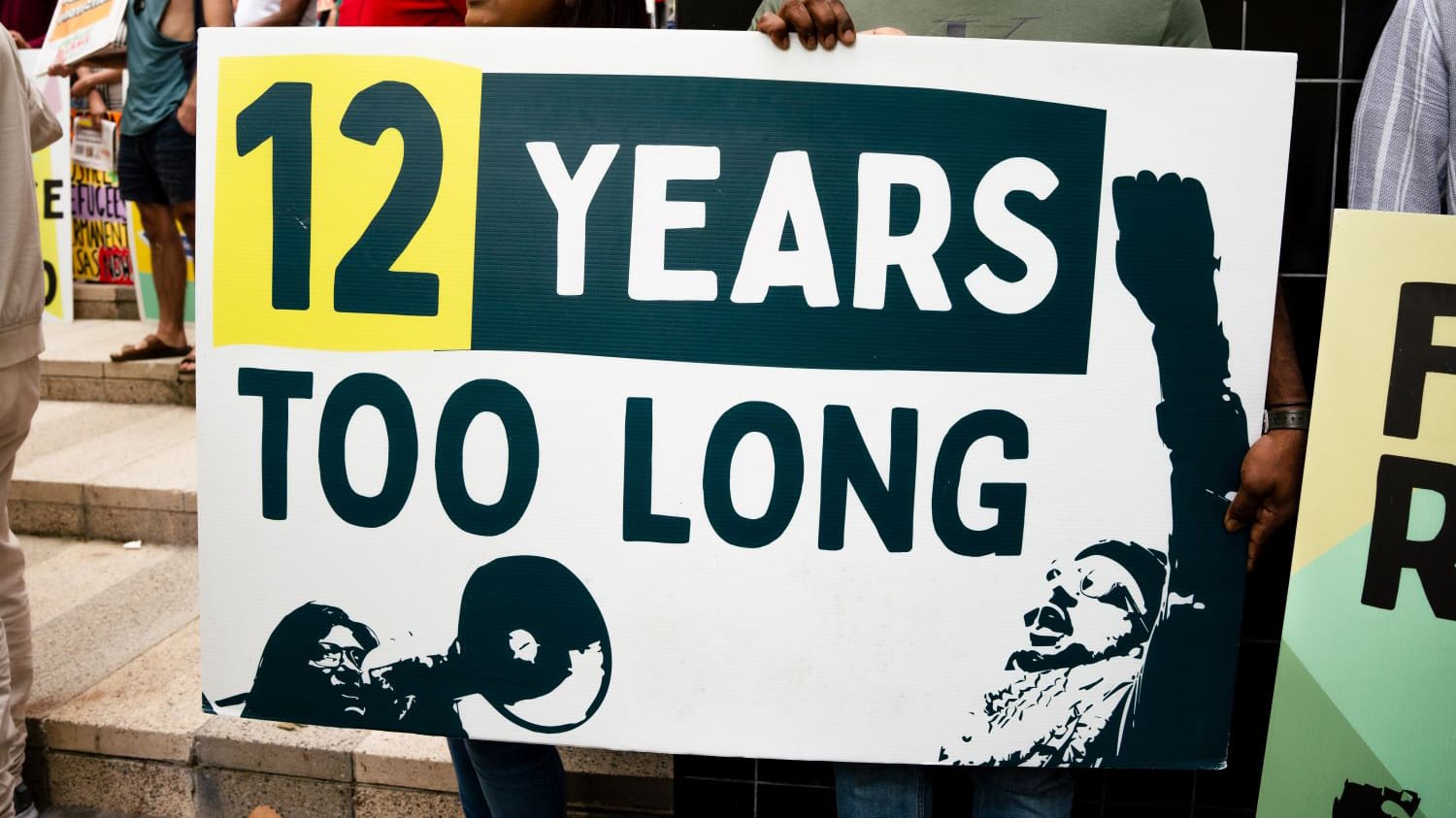
Kaugnay ito kay Omid Masoumali, isang 23 taong gulang na Iranian refugee na namatay noong Abril 2016 matapos na sunugin ang kanyang sarili sa Nauru.
The claim relates to Omid Masoumali, a 23-year-old Iranian refugee who died in April 2016 after setting himself on fire on Nauru.
Na-verify ang mga pangunahing impormasyon sa pamamagitan ng maraming awtoridad na pinagkunan: **Ang Insidente:** Nagsunog ng sarili si Omid Masoumali noong Abril 27, 2016, sa panahon ng pagbisita ng mga opisyal ng United Nations High Commission for Refugees (UNHCR) sa Nauru detention centre [1].
Key facts verified through multiple authoritative sources:
**The Incident:**
Omid Masoumali self-immolated on April 27, 2016, during a visit by United Nations High Commission for Refugees (UNHCR) officials to the Nauru detention centre [1].
Siya ay isang kinilalang refugee na nakatira sa Nibok settlement sa Nauru kasama ang kanyang asawa.
He was a recognized refugee who had been living in the Nibok settlement on Nauru with his wife.
Namatay siya noong Abril 29, 2016, sa Royal Brisbane and Women's Hospital [2]. **Ang Pagkaantala sa Medikal:** Ang paghahabol ng 22 oras ay tugma sa ulat.
He died on April 29, 2016, at the Royal Brisbane and Women's Hospital [2].
**The Medical Delay:**
The claim of a 22-hour delay is consistent with reporting.
Si Omid ay unang ginamot sa Republic of Nauru Hospital nang humigit-kumulang 22-24 na oras bago i-airlift patungong Brisbane [3][4].
Omid was initially treated at the Republic of Nauru Hospital for approximately 22-24 hours before being airlifted to Brisbane [3][4].
Ayon sa kanyang asawa, tumagal ng dalawang oras bago dumating ang doktor mula sa International Health and Medical Services (IHMS) sa Nauru hospital matapos na ma-admit siya [1]. **Ang mga Natuklasan ng Coronial Inquest (2021):** Ang isang Queensland coronial inquest na isinagawa noong 2019 na may mga natuklasan na inihain noong Nobyembre 2021 ay kumpirmado: - Ang medical response sa Nauru ay "inferior" at "inadequate" dahil sa limitadong kasanayan, kagamitan, at pasilidad [5] - Ang pamantayan ng emergency medical care ay "well below that which would be expected in rural Australia" [5] - Nag-testify ang isang burns specialist na magkakaroon si Omid ng 95% na tsansa ng survival kung siya ay agad at epektibong ginamot sa isang tertiary hospital [6] - Nakita ni Coroner Terry Ryan na "kung si Omid ay nakatanggap ng angkop na monitoring at ventilation bago siya na-transfer... ang kanyang mga tsansa ng survival... ay malaki ang tataas" [6] - Gayunpaman, nakita rin ng coroner na ang mga aksyon ng mga awtoridad sa paghahanap ng evacuation ay angkop sa pagtingin sa mga limitasyon ng airport at contractual obligations [5]
According to his wife, it took two hours for a doctor from International Health and Medical Services (IHMS) to arrive at the Nauru hospital after he was admitted [1].
**Coronial Inquest Findings (2021):**
A Queensland coronial inquest conducted in 2019 with findings delivered in November 2021 confirmed:
- The medical response in Nauru was "inferior" and "inadequate" due to limited skills, equipment, and facilities [5]
- The standard of emergency medical care was "well below that which would be expected in rural Australia" [5]
- A burns specialist testified that Omid would have had a 95% chance of survival had he been promptly and effectively treated at a tertiary hospital [6]
- Coroner Terry Ryan found that "if Omid received appropriate monitoring and ventilation before he was transferred... his chances of survival... would have been greatly increased" [6]
- However, the coroner also found the actions of authorities in sourcing the evacuation were appropriate given airport limitations and contractual obligations [5]
Nawawalang Konteksto
**Ang Kalikasan ng Insidente:** Inihahandog ng claim ito bilang isang medical emergency na maling na-handle, ngunit hindi sinasabi na ang pagpapakamatay ni Omid ay isang sinadyang pagkilos ng protesta.
**Nature of the Incident:**
The claim presents this as a medical emergency that was mishandled, but omits that Omid's self-immolation was a deliberate act of protest.
Ayon sa mga saksi, sumigaw siya ng "This is how tired we are, this action will prove how exhausted we are.
According to witnesses, he shouted "This is how tired we are, this action will prove how exhausted we are.
I cannot take it anymore" bago niya sunugin ang kanyang sarili [1][6]. **Tagal ng Detention:** Si Omid ay nanatili sa Nauru nang mahigit 950 araw (humigit-kumulang 2.6 na taon) sa oras ng kanyang kamatayan [6].
I cannot take it anymore" before setting himself alight [1][6].
**Duration of Detention:**
Omid had been held on Nauru for over 950 days (approximately 2.6 years) at the time of his death [6].
Dumating siya sa Australia sa pamamagitan ng bangka noong Setyembre 2013 at na-transfer sa Nauru 10 araw pagkatapos [6].
He arrived in Australia by boat in September 2013 and was transferred to Nauru 10 days later [6].
Nakita ng coroner na ang kanyang mga aksyon ay mga aksyon ng isang taong "sumuko na sa pag-asa at naramdamang walang kapangyarihan dahil sa kanyang matagal na pagkakalagay sa Nauru" [6]. **Ang Katayuan bilang Kinilalang Refugee:** Si Omid ay hindi isang asylum seeker na naghihintay ng processing—siya ay isang pormal na kinilalang refugee na ang protection claim ay naaprubahan noong 2014 [6].
The coroner found his actions were those of someone who had "given up hope and felt powerless as a result of his prolonged placement on Nauru" [6].
**Recognized Refugee Status:**
Omid was not an asylum seeker awaiting processing—he was a formally recognized refugee whose protection claim had been approved in 2014 [6].
Obligado ang Australia sa ilalim ng batas na protektahan siya. **Mga Paunang Babala Tungkol sa Nauru Hospital:** Noong 2014, tumanggap ang Australian government ng isang ulat na nagdokumento ng "mga kakulangan" sa kakayahang alagaan ng Nauru hospital ang mga kritikal na may sakit na pasyente, kabilang ang walang blood bank, walang gumaganang ventilator, at mga staff na hindi sanay na gumamit ng gayong kagamitan [6].
Australia was legally obliged to protect him under international law.
**Pre-existing Warnings About Nauru Hospital:**
In 2014, the Australian government received a report documenting "deficiencies" in Nauru hospital's ability to care for critically ill patients, including no blood bank, no working ventilator, and staff untrained to use such equipment [6].
Dalawang buwan bago ang kamatayan ni Omid, isang Pebrero 2016 na inspeksyon ng chief medical officer ng Australian Border Force ay nakakita ng walang intensive care unit at ang high-dependence unit ay "ill-equipped" [6]. **Na-miss na Mental Health Intervention:** Nakita ng coroner na si Omid at ang kanyang partner ay humingi ng tulong sa isang psychologist isang araw bago ang insidente, ngunit itinuring ng triage team ang kahilingan bilang "non-urgent"—isang "missed opportunity" para makialam [5].
Two months before Omid's death, a February 2016 inspection by the Australian Border Force's chief medical officer found no intensive care unit and the high-dependence unit was "ill-equipped" [6].
**Missed Mental Health Intervention:**
The coroner found that Omid and his partner had sought help from a psychologist the day before the incident, but the triage team treated the request as "non-urgent"—a "missed opportunity" to intervene [5].
Pagsusuri ng Kredibilidad ng Pinagmulan
**The Guardian (Pinagmulang Pinagkunan):** Ang The Guardian ay isang mainstream na pandaigdigang pahayagan na may center-left na editorial stance.
**The Guardian (Original Source):**
The Guardian is a mainstream international newspaper with a center-left editorial stance.
Ang kanyang pag-uulat sa insidenteng ito ay factual at na-corroborate ng mga opisyal na coronial inquest findings.
Its reporting on this incident was factual and has been corroborated by the official coronial inquest findings.
Ang artikulo ay nag-quote ng direktang mga pahayag mula sa asawa ni Omid, medical professionals, at Immigration Department [1].
The article cited direct quotes from Omid's wife, medical professionals, and the Immigration Department [1].
Ang coverage ng The Guardian sa refugee issues ay malawak at pangkalahatang nirerespeto, bagama't ang mga kritiko ay nagsasabing ang kanyang progresibong editorial stance ay maaaring makaapekto sa pagpili at pag-frame ng mga kwento [7]. **Sydney Morning Herald at SBS News:** Parehong Australian mainstream media outlets ang nag-ulat ng parehong mga katotohanan, kung saan ang SMH article ay nagbigay-daan na ang Australian Medical Association vice president (isang emergency physician) ay tumawag para sa isang coronial investigation at nagsabi na ang mga katulad na pinsala sa Australia ay gagamutin sa isang specialist burns unit "within hours" [3]. **Coronial Inquest:** Ang opisyal na mga natuklasan ng Queensland Coroner ang kumakatawan sa pinaka-awtoridad na pinagkunan, na nagbibigay ng sworn testimony mula sa medical experts at opisyal na dokumentasyon [5][6].
The Guardian's coverage of refugee issues is extensive and generally well-regarded, though critics note its progressive editorial stance may influence story selection and framing [7].
**Sydney Morning Herald and SBS News:**
Both Australian mainstream media outlets reported consistent facts, with the SMH article noting that the Australian Medical Association vice president (an emergency physician) called for a coronial investigation and stated that similar injuries in Australia would be treated in a specialist burns unit "within hours" [3].
**Coronial Inquest:**
The official Queensland Coroner's findings represent the most authoritative source, providing sworn testimony from medical experts and official documentation [5][6].
⚖️
Paghahambing sa Labor
**Ginawa ba ni Labor ang katulad?** **Kasaysayan ng Offshore Detention Policy:** Ang offshore detention policy sa Nauru ay may bipartisan origins: 1. **Howard Coalition Government (2001):** Nagpakilala ng "Pacific Solution," na nagtatatag ng offshore processing sa Nauru at Manus Island [8]. 2. **Rudd Labor Government (2007):** Isinara ang Nauru detention centre; ang huling mga detainee ay umalis noong Disyembre 2007 [8]. 3. **Gillard Labor Government (Agosto 2012):** Muling binuksan ang offshore detention sa Nauru at Manus Island sa ilalim ni Prime Minister Julia Gillard, na ibinalik ang tinawag na "Pacific Solution Mark II" [8][9]. 4. **Rudd Labor Government (Hulyo 2013):** Inihayag ni Kevin Rudd na walang taong humihingi ng asylum sa pamamagitan ng bangka ang kailanman papayagang manirahan sa Australia, na nagtatatag ng "Regional Resettlement Arrangement" kasama ang Papua New Guinea [10]. **Pagpapatuloy ni Labor sa Policy:** Sa oras ng kamatayan ni Omid noong Abril 2016, parehong sinuportahan ng dalawang pangunahing Australian political parties ang offshore detention.
**Did Labor do something similar?**
**Offshore Detention Policy History:**
The offshore detention policy on Nauru has bipartisan origins:
1. **Howard Coalition Government (2001):** Introduced the "Pacific Solution," establishing offshore processing on Nauru and Manus Island [8].
2. **Rudd Labor Government (2007):** Closed the Nauru detention centre; the last detainees left by December 2007 [8].
3. **Gillard Labor Government (August 2012):** Reopened offshore detention on Nauru and Manus Island under Prime Minister Julia Gillard, reinstating what was called "Pacific Solution Mark II" [8][9].
4. **Rudd Labor Government (July 2013):** Kevin Rudd announced that no person seeking asylum by boat would ever be allowed to settle in Australia, establishing the "Regional Resettlement Arrangement" with Papua New Guinea [10].
**Labor's Continuation of the Policy:**
At the time of Omid's death in April 2016, both major Australian political parties supported offshore detention.
Sinabi ng immigration spokesman ni Labor na si Richard Marles bilang tugon sa kamatayan ni Omid na habang suportado ng partido ang "principle of offshore processing," ang policy ng gobyerno ay "focused only on deterrence with no feasible pathway to permanent migration" [3]. **Mga Kamatayan sa Ilalim ng Pamamahala ni Labor:** Bagama't namatay si Omid sa ilalim ng Coalition government (Abbott/Turnbull), ang offshore processing system na naglagay sa kanya sa Nauru ay muling binuksan ng Gillard Labor government noong 2012.
Labor's immigration spokesman Richard Marles stated in response to Omid's death that while the party supported the "principle of offshore processing," the government's policy was "focused only on deterrence with no feasible pathway to permanent migration" [3].
**Deaths Under Labor's Watch:**
While Omid died during the Coalition government (Abbott/Turnbull), the offshore processing system that placed him on Nauru was reinstated by the Gillard Labor government in 2012.
Ang mga nakaraang kamatayan sa offshore detention ay naganap sa ilalim ng parehong mga pamahalaan: - Pinatay si Reza Barati sa Manus Island noong Pebrero 2014 sa ilalim ng Abbott Coalition government [10] - Namatay si Hamid Kehazaei noong 2014 mula sa isang maiiwasang infection matapos ang mga pagkaantala sa medical evacuation mula sa Manus Island [1][6] **Kasalukuyang Estado (Pagkatapos ng 2016):** Ang Human Rights Law Centre ay nagsasabing 14 na tao ang namatay sa pangangalaga ng Australia sa ilalim ng offshore detention mula noong 2013, na sumasaklaw sa parehong Coalition at Labor governments [10].
Previous deaths in offshore detention occurred under both governments:
- Reza Barati was murdered on Manus Island in February 2014 during the Abbott Coalition government [10]
- Hamid Kehazaei died in 2014 from a preventable infection after delays in medical evacuation from Manus Island [1][6]
**Current Status (Post-2016):**
The Human Rights Law Centre notes that 14 people have died in Australia's care under offshore detention since 2013, spanning both Coalition and Labor governments [10].
Noong 2025, ang Albanese Labor government (na nahalal noong Mayo 2022) ay nagpatuloy sa pagpapanatili ng Nauru offshore processing arrangement, kung saan ang Nauru ay ginagamit pa rin para sa mga bagong transfer magmula noong Setyembre 2023 [10].
As of 2025, the Albanese Labor government (elected May 2022) has continued to maintain the Nauru offshore processing arrangement, with Nauru still being used for new transfers as recently as September 2023 [10].
🌐
Balanseng Pananaw
**Kung ano ang tama sa claim:** - Ang 22 oras na pagkaantala sa pag-evacuate kay Omid Masoumali mula sa Nauru patungong Australia ay na-dokumento at na-verify - Ang medical care sa Nauru ay demonstrably inadequate para sa paggamot ng malalang sunog - Namatay siya kinabukasan pagkatapos dumating sa Brisbane - Kinumpirma ng coroner na ang medical response ay "inferior" at "inadequate" **Mahalagang konteksto na nagpapalabo sa salaysay:** 1. **Bipartisan Policy Responsibility:** Habang ang claim ay tinutukoy ang Coalition government sa partikular, si Omid ay inilagay sa Nauru sa ilalim ng isang policy framework na muling binuksan ng Gillard Labor government noong 2012 at pinanatili ng parehong partido.
**What the claim gets right:**
- The 22-hour delay in airlifting Omid to Australia is documented and verified
- The medical care on Nauru was demonstrably inadequate for treating severe burns
- He did die the day after arriving in Brisbane
- The coroner confirmed the medical response was "inferior" and "inadequate"
**Important context that complicates the narrative:**
1. **Bipartisan Policy Responsibility:** While the claim targets the Coalition government specifically, Omid was placed on Nauru under a policy framework reinstated by the Gillard Labor government in 2012 and maintained by both parties since.
Ang "Pacific Solution" ay nagkaroon ng bipartisan support sa karamihan ng pag-iral nito [8][9]. 2. **Kalikasan ng Self-Immolation:** Ang kamatayan ni Omid ay hindi lamang isang kaso ng medical negligence na may "critically ill" na pasyente—sumunod ito sa isang sinadyang pagkilos ng protesta pagkatapos ng halos tatlong taon ng indefinite detention.
The "Pacific Solution" has had bipartisan support for most of its existence [8][9].
2. **Nature of Self-Immolation:** Omid's death was not simply a case of medical negligence with a "critically ill" patient—it followed a deliberate act of protest after nearly three years of indefinite detention.
Tahasang nakita ng coroner na ang kanyang mga aksyon ay mga aksyon ng isang taong "sumuko na sa pag-asa" dahil sa matagal na detention [6]. 3. **Systemic vs.
The coroner explicitly found his actions were those of someone who had "given up hope" due to prolonged detention [6].
3. **Systemic vs.
Situational Failure:** Ang kakulangan ng ospital ng Nauru ay kilala sa mga Australian authorities mga taon bago ang kamatayan ni Omid.
Situational Failure:** The inadequacy of Nauru's hospital was known to Australian authorities years before Omid's death.
Ang 2014 report na nagdokumento ng mga kakulangan at ang Pebrero 2016 na inspeksyon na nakakita ng walang ICU ay mga systemic failures na nauna sa partikular na insidenteng ito [6]. 4. **Opisyal na Tugon:** Sinabi noon ni Immigration Minister Peter Dutton na walang "delay" at na ang mga logistical challenges kabilang ang mga pangangailangan ng pilot/crew para sa 4,500km na paglalakbay ay nagpalabo sa transfer [1].
The 2014 report documenting deficiencies and the February 2016 inspection finding no ICU represent systemic failures that predated this specific incident [6].
4. **Official Response:** Immigration Minister Peter Dutton stated at the time that there was "no delay" and that logistical challenges including pilot/crew requirements for the 4,500km journey complicated the transfer [1].
Bagama't nakita ng coroner na ang evacuation mismo ay hindi maaaring mabilis nangyari sa pagtingin sa mga limitasyong ito, ang pangunahing medical inadequacy ng mga pasilidad ng Nauru ay isang kilala at patuloy na isyu. 5. **Konteksto ng Mental Health:** Ang na-miss na pagkakataon para sa mental health intervention isang araw bago ang insidente ay nagpapahiwatig sa mas malawak na krisis ng mental health care sa offshore detention—isang problema na kinilala ng coroner at sumasaklaw sa maraming mga pamahalaan [5][10]. **Comparative Analysis:** Ang insidenteng ito ay hindi natatangi sa Coalition government.
While the coroner found the evacuation itself could not have happened faster given these constraints, the underlying medical inadequacy of Nauru's facilities was a known and ongoing issue.
5. **Mental Health Context:** The missed opportunity for mental health intervention the day before the incident highlights the broader crisis of mental health care in offshore detention—a problem acknowledged by the coroner and spanning multiple governments [5][10].
**Comparative Analysis:**
This incident is not unique to the Coalition government.
Ang mga kamatayan sa offshore detention (Reza Barati, Hamid Kehazaei, at iba pa) ay naganap sa ilalim ng parehong bipartisan policy framework.
Deaths in offshore detention (Reza Barati, Hamid Kehazaei, and others) occurred under the same bipartisan policy framework.
Ang kasalukuyang Labor government (Albanese) ay nagpapanatili ng Nauru arrangement at patuloy na ginagamit ito para sa mga bagong transfer, na nagpapahiwatig na ito ay isang systemic Australian policy issue sa halip na isang Coalition-specific na pagkakamali [10].
The current Labor government (Albanese) has maintained the Nauru arrangement and continues to use it for new transfers, indicating this is a systemic Australian policy issue rather than a Coalition-specific failure [10].
BAHAGYANG TOTOO
6.0
sa 10
Ang mga pangunahing katotohanan ng claim ay tumpak: mayroong 22+ oras na pagkaantala sa pag-evacuate kay Omid Masoumali mula sa Nauru patungong Australia, ang mga medical facility sa Nauru ay inadequate, at namatay siya kinabukasan sa Brisbane.
The core facts of the claim are accurate: there was a 22+ hour delay in evacuating Omid Masoumali from Nauru to Australia, the medical facilities on Nauru were inadequate, and he died the following day in Brisbane.
Kinumpirma ng Queensland Coroner na ang medical response ay "inferior" at "inadequate," at nag-testify ang isang burns specialist na magkakaroon siya ng 95% na tsansa ng survival sa angkop na pangangalaga [5][6].
The Queensland Coroner confirmed the medical response was "inferior" and "inadequate," and a burns specialist testified he would have had a 95% survival chance with proper care [5][6].
Gayunpaman, ang claim ay naglilimot ng kritikal na konteksto na makabuluhang nagbabago sa salaysay: (1) ang pagpapakamatay ni Omid ay isang sinadyang pagkilos ng protesta pagkatapos ng halos tatlong taon ng indefinite detention bilang isang kinilalang refugee; (2) ang offshore processing policy na naglagay sa kanya sa Nauru ay muling binuksan ng Gillard Labor government noong 2012 at pinanatili ng bipartisan support; at (3) ang inadequacy ng ospital ng Nauru ay kilala sa mga Australian authorities simula noong 2014, na kumakatawan sa isang systemic failure sa halip na isang one-off na insidente.
However, the claim omits critical context that significantly alters the narrative: (1) Omid's self-immolation was an intentional protest act after nearly three years of indefinite detention as a recognized refugee; (2) the offshore processing policy that placed him on Nauru was reinstated by the Gillard Labor government in 2012 and maintained with bipartisan support; and (3) the inadequacy of Nauru's hospital was known to Australian authorities since at least 2014, representing a systemic failure rather than a one-off incident.
Nakita ng coroner na ang pagkaantala sa evacuation mismo ay hindi maiiwasan sa pagtingin sa mga logistical constraints, ngunit ang pangunahing medical inadequacy ay isang kilala at patuloy na problema [5][6].
The coroner found the delay in evacuation itself was unavoidable given logistical constraints, but the underlying medical inadequacy was a known, ongoing problem [5][6].
Ang pag-frame bilang isang simpleng kaso ng medical negligence ng gobyerno ay naglilihim sa mas komplikadong realidad ng mga systemic offshore detention policies na sinuportahan ng parehong pangunahing partido na nagresulta sa 14 na kamatayan mula noong 2013 [10].
The framing as a simple case of government medical negligence obscures the more complex reality of systemic offshore detention policies supported by both major parties that have resulted in 14 deaths since 2013 [10].
Huling Iskor
6.0
SA 10
BAHAGYANG TOTOO
Ang mga pangunahing katotohanan ng claim ay tumpak: mayroong 22+ oras na pagkaantala sa pag-evacuate kay Omid Masoumali mula sa Nauru patungong Australia, ang mga medical facility sa Nauru ay inadequate, at namatay siya kinabukasan sa Brisbane.
The core facts of the claim are accurate: there was a 22+ hour delay in evacuating Omid Masoumali from Nauru to Australia, the medical facilities on Nauru were inadequate, and he died the following day in Brisbane.
Kinumpirma ng Queensland Coroner na ang medical response ay "inferior" at "inadequate," at nag-testify ang isang burns specialist na magkakaroon siya ng 95% na tsansa ng survival sa angkop na pangangalaga [5][6].
The Queensland Coroner confirmed the medical response was "inferior" and "inadequate," and a burns specialist testified he would have had a 95% survival chance with proper care [5][6].
Gayunpaman, ang claim ay naglilimot ng kritikal na konteksto na makabuluhang nagbabago sa salaysay: (1) ang pagpapakamatay ni Omid ay isang sinadyang pagkilos ng protesta pagkatapos ng halos tatlong taon ng indefinite detention bilang isang kinilalang refugee; (2) ang offshore processing policy na naglagay sa kanya sa Nauru ay muling binuksan ng Gillard Labor government noong 2012 at pinanatili ng bipartisan support; at (3) ang inadequacy ng ospital ng Nauru ay kilala sa mga Australian authorities simula noong 2014, na kumakatawan sa isang systemic failure sa halip na isang one-off na insidente.
However, the claim omits critical context that significantly alters the narrative: (1) Omid's self-immolation was an intentional protest act after nearly three years of indefinite detention as a recognized refugee; (2) the offshore processing policy that placed him on Nauru was reinstated by the Gillard Labor government in 2012 and maintained with bipartisan support; and (3) the inadequacy of Nauru's hospital was known to Australian authorities since at least 2014, representing a systemic failure rather than a one-off incident.
Nakita ng coroner na ang pagkaantala sa evacuation mismo ay hindi maiiwasan sa pagtingin sa mga logistical constraints, ngunit ang pangunahing medical inadequacy ay isang kilala at patuloy na problema [5][6].
The coroner found the delay in evacuation itself was unavoidable given logistical constraints, but the underlying medical inadequacy was a known, ongoing problem [5][6].
Ang pag-frame bilang isang simpleng kaso ng medical negligence ng gobyerno ay naglilihim sa mas komplikadong realidad ng mga systemic offshore detention policies na sinuportahan ng parehong pangunahing partido na nagresulta sa 14 na kamatayan mula noong 2013 [10].
The framing as a simple case of government medical negligence obscures the more complex reality of systemic offshore detention policies supported by both major parties that have resulted in 14 deaths since 2013 [10].
Hindi tama sa katotohanan o malisyosong gawa-gawa.
4-6: BAHAGYA
May katotohanan ngunit kulang o baluktot ang konteksto.
7-9: HALOS TOTOO
Maliit na teknikal na detalye o isyu sa pagkakasulat.
10: TUMPAK
Perpektong na-verify at patas ayon sa konteksto.
Pamamaraan: Ang mga rating ay tinutukoy sa pamamagitan ng cross-referencing ng opisyal na mga rekord ng pamahalaan, independiyenteng mga organisasyong nag-fact-check, at mga primaryang dokumento.