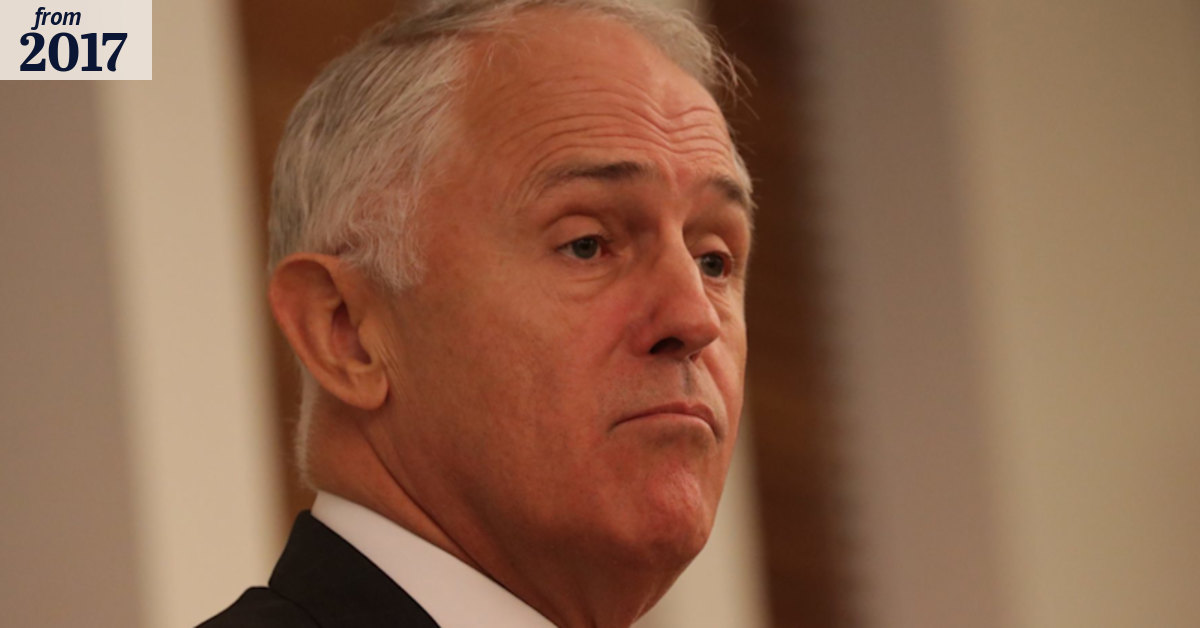
“Nabigo sa pangakong alisin ang libreng panghabambuhay na pagbiyahe para sa mga dating ministro. Ang dahilan ay masyadong abala ang pamahalaan para maisabatas ito sa parlamento.”
Ang pangunahing claim ay **tama sa katotohanan** - ang pamahalaang Coalition ay nagpaliban sa pagpapatupad ng batas para alisin ang Life Gold Pass travel entitlement, at sinabi na ang mga limitasyon sa oras ng parlamento ang dahilan para sa pagkaantala noong Nobyembre 2016 [1].
The core claim is **factually accurate** - the Coalition government did delay implementing legislation to scrap the Life Gold Pass travel entitlement, and did cite parliamentary time constraints as the reason for the delay in November 2016 [1].
Inihayag ni Tony Abbott ang planong alisin ang Life Gold Pass sa 2014 budget, inilatag ito bilang bahagi ng pagtatapos ng "age of entitlement" [2].
Tony Abbott announced plans to scrap the Life Gold Pass in the 2014 budget, positioning it as part of the "age of entitlement" being over [2].
Ang Life Gold Pass scheme ay nagbibigay sa mga dating MP ng 10 libreng return airfare sa loob ng Australia bawat taon [1].
The Life Gold Pass scheme provided former MPs with 10 free return airfares within Australia each year [1].
Ang orihinal na bill ay naipasa sa lower house na may suporta mula sa dalawang partido ngunit naantala sa Senate at pagkatapos ay naglapse sa Hulyo 2016 election [1].
The original bill passed the lower house with bipartisan support but stalled in the Senate and then lapsed at the July 2016 election [1].
Noong Nobyembre 2016, inihayag ni Special Minister of State na si Scott Ryan ang pagkaantala, sinabing: "Malamang na maantala ang pagpapakilala ng Parliamentary Entitlements Legislation Amendment Bill hanggang sa unang bahagi ng 2017.
In November 2016, Special Minister of State Scott Ryan announced the delay, stating: "It is likely the introduction of the Parliamentary Entitlements Legislation Amendment Bill will be delayed until early 2017.
Dahil sa abalang legislative agenda ng pamahalaan ay maaaring hindi ito maisulong sa mga natitirang araw ng taong ito ng parlamento" [1].
Due to the government's busy legislative agenda it may not be possible to progress this legislation within the final days remaining in this parliamentary year" [1].
Gayunpaman, ang pagkaantala na ito ay pansamantala lamang.
However, this delay was temporary.
Noong Pebrero 2017 (makalawa lamang na buwan pagkatapos), inihayag ni Turnbull na ang Life Gold Pass ay **agad na aalisin** bilang bahagi ng mas malawak na reporma sa mga entitlement, sa halip na unti-unti [3].
In February 2017 (just two months later), Turnbull announced the Life Gold Pass would be **immediately abolished** as part of broader entitlements reforms, rather than phased out [3].
Ang bill ay inihain sa linggo ng Pebrero 7, 2017 [4].
The bill was introduced the week of February 7, 2017 [4].
Inihayag ng pamahalaan na makakatipid ito ng halos $5 milyon at makaaapekto sa higit sa 150 dating MP [4].
The government announced it would save close to $5 million and affect more than 150 former MPs [4].
Nawawalang Konteksto
Ang claim ay inihain ang pagkaantala noong Nobyembre 2016 na parang isang pundamental na nabigong pangako, ngunit iniwan ang mahalagang konteksto: 1. **Ang pangako ay natupad sa huli** - Ang pamahalaan ay sumunod sa pangakong alisin ang Life Gold Pass noong Pebrero 2017, makalawa lamang na buwan pagkatapos ng pagkaantala announcement [3].
The claim presents the November 2016 delay as though it represents a fundamental broken promise, but omits critical context:
1. **The promise was eventually kept** - The government did follow through on scrapping the Life Gold Pass in February 2017, just two months after the delay announcement [3].
Ang scheme ay agad na inalis para sa lahat ng MP maliban sa mga dating punong ministro at kanilang asawa [3].
The scheme was abolished immediately for all MPs except former prime ministers and their spouses [3].
Ito ay aktwal na **mas malakas na resulta** kaysa sa orihinal na plano ni Abbott, na nagmungkahi ng pag-abolish sa loob ng anim na taon [4]. 2. **Paliwanag sa High Court challenge** - Ang claim ay hindi binanggit na ang High Court case na kinasasangkutan ng apat na dating MP na naghahamon sa constitutionalidad ng mga pagbabago sa entitlement ay isa sa mga dahilan para sa pagkaantala [1].
This was actually a **stronger outcome** than Abbott's original plan, which proposed phasing it out over six years [4].
2. **High Court challenge explanation** - The claim does not mention that a High Court case involving four former MPs challenging the constitutionality of entitlements changes was believed to be one reason for the delay [1].
Ang legal na hadlang na ito ay totoo at wala sa kontrol ng pamahalaan.
This legal impediment was genuine and outside the government's control.
Ang High Court ay mariing tinanggihan ang kaso noong Oktubre 2016, na nagdaan para sa muling pagtulak noong 2017 [1][3]. 3. **Kinumpirma ang suporta mula sa dalawang partido** - Ang claim ay inihain na parang naantala ang batas dahil sa dysfunction ng pamahalaan, ngunit sa totoo lang, ito ay tinangkilik ng tripartisan support mula sa Labor, Greens, at crossbench [1].
The High Court emphatically rejected the case in October 2016, which paved the way for the renewed push in 2017 [1][3].
3. **Bipartisan support confirmed** - The claim frames this as though legislation was stalled due to government dysfunction, but in reality, it enjoyed tripartisan support from Labor, Greens, and the crossbench [1].
Walang legislative obstacle na pumipigil sa pagpasa - tanging ang pagbibringkas lamang ng legislative agenda ng pamahalaan [1]. 4. **Realidad ng parlamento** - Bagama't ang "masyadong abala" na paliwanag ay parang dahilan, ang pamahalaan ay may totoong legislative priorities.
There was no legislative obstacle preventing passage - only the government's prioritization of its legislative agenda [1].
4. **Parliamentary reality** - While the "too busy" explanation sounds like an excuse, the government did have genuine legislative priorities.
Sa huling bahagi ng 2016, ang Parlamento ay namamahala sa mga huling sitting days ng taon kasabay ng malaking legislative business [1].
In late 2016, Parliament was managing the final sitting days of the year alongside substantial legislative business [1].
Pagsusuri ng Kredibilidad ng Pinagmulan
Ang orihinal na pinagmulan (artikulo ng Sydney Morning Herald ni Adam Gartrell, Nobyembre 26, 2016) ay isang **mainstream, kredibleng pinagmulan**.
The original source (Sydney Morning Herald article by Adam Gartrell, November 26, 2016) is a **mainstream, credible source**.
Ang SMH ay ang pangunahing quality newspaper sa Australia na may reputasyon sa kawastuhan ng political reporting [1].
The SMH is Australia's leading quality newspaper with a reputation for political reporting accuracy [1].
Ang artikulo mismo ay factual reporting - tama nitong kinuha ang mga pahayag ng pamahalaan at kasama ang mga tugon mula sa oposisyon tulad nina Nick Xenophon at Lee Rhiannon [1].
The article itself is factual reporting - it accurately quotes government statements and includes responses from opposition figures like Nick Xenophon and Lee Rhiannon [1].
Bagama't ang headline ay gumagamit ng medyo dismissive language ("lame excuse"), ang nilalaman ng artikulo ay tama sa katotohanan at balanseng, kabilang ang paliwanag ng pamahalaan at puna mula sa Labor at Greens [1].
While the headline uses somewhat dismissive language ("lame excuse"), the article content is factually accurate and balanced, including both the government's explanation and criticism from Labor and the Greens [1].
🌐
Balanseng Pananaw
**Ang Pagkaantala (Ang puna noong Nobyembre 2016 ay makatarungan):** Ang mga kritic tulad nina Nick Xenophon at Lee Rhiannon ay tama na ipahayag ang pagkabigo noong Nobyembre 2016.
**The Delay (November 2016 criticism was justified):**
Critics like Nick Xenophon and Lee Rhiannon were right to express frustration in November 2016.
Ang pamahalaan ay nangakong alisin ang isang hindi popular na perk noong 2014 at hindi pa naibigay pagkalipas ng dalawang taon [1].
The government had promised to scrap an unpopular perk in 2014 and had not delivered after two years [1].
Kahit na may tunay na tripartisan support at naayos na ang mga legal na hadlang, ang pagkaantala ay tila foot-dragging sa isang "no-brainer" na isyu [1].
Even though there was genuine tripartisan support and legal impediments had been resolved, the delay looked like foot-dragging on a "no-brainer" issue [1].
Ang "masyadong abala" na paliwanag, bagama't posibleng tama, ay hindi sapat para sa isang simple at diretsong legislative fix [1]. **Ang Buong Kwento (Pagkakamit noong Pebrero 2017):** Gayunpaman, ang pagkaantala ay napatunayang pansamantala.
The "too busy" explanation, while possibly accurate, sounded insufficient for such a straightforward legislative fix [1].
**The Full Story (Redemption in February 2017):**
However, the delay proved temporary.
Sa loob ng dalawang buwan, ang pamahalaan ay hindi lamang inihain ang bill ngunit **pinatindi ito** - pagbabago mula sa anim na taong phase-out patungo sa agad na pag-abolish [4].
Within two months, the government not only introduced the bill but **strengthened it** - changing from a six-year phase-out to immediate abolition [4].
Ito ay aktwal na mas agresibo kaysa sa orihinal na plano ni Abbott [4].
This was actually more aggressive than Abbott's original plan [4].
Tila ang pamahalaan ay gumamit ng pagkaantala para mag-consulta sa loob at makamit ang mas magandang resulta, na napatunayang sa paglipat sa agad sa halip na unti-unti na pag-abolish [4].
The government appeared to have used the delay to consult internally and reach a better outcome, evidenced by the switch to immediate rather than gradual abolition [4].
Ang High Court challenge (na-resolba noong Oktubre 2016) ay malamang na nag-ambag sa pag-iingat, bagama't ito ay hindi satisfying na paliwanag [3].
The High Court challenge (resolved October 2016) likely contributed to caution, though this is not a satisfying justification [3].
Mayroon ding tunay na katanungan tungkol sa eligibility ng dating PM - ang huling plano ay nag-except sa mga dating punong ministro at asawa, na nagmumungkahi ng ilang complexity sa paggawa ng batas [4].
There was also genuine question about former PM eligibility - the final plan excepted former prime ministers and spouses, suggesting some complexity in crafting the legislation [4].
Ang pinakamahalaga, ang pangako ay natupad sa buo.
Most importantly, the promise was kept in full.
Sa kalagitnaan ng 2017, ang Life Gold Pass ay inalis para sa higit sa 150 dating MP, na nagtipid ng $5 milyon taun-taon [3][4].
By mid-2017, the Life Gold Pass was abolished for over 150 former MPs, saving $5 million annually [3][4].
Ang batas ay may malinaw na tripartisan support at ipinatupad ang core commitment mula noong 2014 [4].
The legislation had clear tripartisan support and implemented the core commitment from 2014 [4].
BAHAGYANG TOTOO
7.0
sa 10
Ang claim ay tama sa katotohanan na ang pamahalaan ay nagpaliban sa pagpapatupad ng batas noong Nobyembre 2016 at sinabi na ang parliamentary business ang dahilan.
The claim is factually accurate that the government delayed implementing legislation in November 2016 and cited parliamentary business as the reason.
Gayunpaman, ang claim ay mapanlinlang dahil iniwan na: 1.
However, the claim is misleading because it omits that:
1.
Ang pangako ay sa huli ay natupad makalawa lamang na buwan pagkatapos (Pebrero 2017) 2.
The promise was ultimately kept just two months later (February 2017)
2.
Ang huling pagpapatupad ay aktwal na mas malakas kaysa sa orihinal na plano 3.
The final implementation was actually stronger than the original plan
3.
May mga lehitimong dahilan para sa pagkaantala (High Court challenge, drafting complexity) 4.
Legitimate reasons for the delay existed (High Court challenge, drafting complexity)
4.
Ito ay hindi nabigong pangako, kundi naantalang-pagkatapos ay natupad na pangako
This was not a broken promise, but a delayed-then-delivered promise
Huling Iskor
7.0
SA 10
BAHAGYANG TOTOO
Ang claim ay tama sa katotohanan na ang pamahalaan ay nagpaliban sa pagpapatupad ng batas noong Nobyembre 2016 at sinabi na ang parliamentary business ang dahilan.
The claim is factually accurate that the government delayed implementing legislation in November 2016 and cited parliamentary business as the reason.
Gayunpaman, ang claim ay mapanlinlang dahil iniwan na: 1.
However, the claim is misleading because it omits that:
1.
Ang pangako ay sa huli ay natupad makalawa lamang na buwan pagkatapos (Pebrero 2017) 2.
The promise was ultimately kept just two months later (February 2017)
2.
Ang huling pagpapatupad ay aktwal na mas malakas kaysa sa orihinal na plano 3.
The final implementation was actually stronger than the original plan
3.
May mga lehitimong dahilan para sa pagkaantala (High Court challenge, drafting complexity) 4.
Legitimate reasons for the delay existed (High Court challenge, drafting complexity)
4.
Ito ay hindi nabigong pangako, kundi naantalang-pagkatapos ay natupad na pangako
This was not a broken promise, but a delayed-then-delivered promise
Hindi tama sa katotohanan o malisyosong gawa-gawa.
4-6: BAHAGYA
May katotohanan ngunit kulang o baluktot ang konteksto.
7-9: HALOS TOTOO
Maliit na teknikal na detalye o isyu sa pagkakasulat.
10: TUMPAK
Perpektong na-verify at patas ayon sa konteksto.
Pamamaraan: Ang mga rating ay tinutukoy sa pamamagitan ng cross-referencing ng opisyal na mga rekord ng pamahalaan, independiyenteng mga organisasyong nag-fact-check, at mga primaryang dokumento.