Ang claim ay **pangunahing na-verify ng opisyal na mga natuklasan ng audit**.
The claim is **substantially verified by official audit findings**.
Inilabas ng Australian National Audit Office (ANAO) ang isang performance audit noong 14 Pebrero 2017 na kumpirmado na ang Coalition Government ay lumihis sa mga itinakdang proseso ng pagsusuri para sa WestConnex [1].
The Australian National Audit Office (ANAO) released a performance audit on 14 February 2017 that confirmed the Coalition Government did bypass established assessment processes for WestConnex [1].
Natuklasan ng audit na ang proyekto ay "hindi dumaan sa mga itinakdang proseso para suriin ang kahalagahan nito bilang pambansang imprastraktura" [1].
The audit found that the project "did not go through the established processes to assess its merits of nationally significant infrastructure investments" [1].
Tukoy na ang $500 milyong paunang bayad na ginawa noong Mayo 2014 ay "nagresulta sa pag-apruba sa proyekto nang hindi nakakakuha ang Pederal na Pamahalaan ng anumang pagsusuri kung natugunan ba ang mga kinakailangan sa pagpopondo" [2].
Specifically, a $500 million advance payment made in May 2014 "led to the project being approved without the Federal Government obtaining any analysis on whether statutory funding requirements had been met" [2].
Nagbigay ang Department of Infrastructure and Regional Development ng payo bago ang unang $500 milyong bayad na "ang pondo ay may laki na hindi pa kailangan" [1], gayunpaman, nagpatuloy ang bayad kahit paano [2].
The Department of Infrastructure and Regional Development provided advice prior to the first $500 million payment "that the funding was of a magnitude not yet required" [1], yet the payment proceeded regardless [2].
Tala ng audit na "ang payo sa mga ministro ay hindi sapat na nakatala o kinalkula ang mga gastos at panganib na kaugnay ng pagbibigay ng concessional loan" [3].
The audit noted that "advice to ministers did not adequately identify or quantify the costs and risks associated with providing a concessional loan" [3].
Ang concessional loan mismo ay kontrobersyal: ang interes na siningil na 3.36 porsyento bawat taon ay natuklasang "mababa kaysa sa mga katumbas na market rates" at nagkakahalaga sa Pederal na Pamahalaan ng tinatayang $640 milyon [1].
The concessional loan itself was controversial: the interest charged at 3.36 per cent per annum was found to be "well below comparable market rates" and cost the Federal Government an estimated $640 million [1].
Natuklasan ng audit na walang ebidensya na ang $2 bilyong loan ay "kinailangan para mapabilis ang ikalawang yugto" ng WestConnex tulad ng inaangkin [3].
The audit found no evidence that the $2 billion loan was "needed to accelerate the second stage" of WestConnex as claimed [3].
Nawawalang Konteksto
Gayunpaman, ang claim ayon sa pagkakabuo nito ay nagpapaliban ng ilang mahahalagang kontekstwal na salik na nagpapakumplika sa kwento: **1.
However, the claim as framed omits several important contextual factors that complicate the narrative:
**1.
Ang Papel ng Labor sa Paunang Komitment** Tukoy na binanggit ng audit report na "pareho ang Coalition at federal Labor ang nagbigay ng mga komitment sa pagpopondo ng WestConnex bago matapos ang business case para sa proyekto sa NSW noong 2013" [3].
Labor's Role in Initial Commitment**
The audit report explicitly noted that "both the Coalition and federal Labor made commitments to funding WestConnex before the business case for the project was finalised in NSW in 2013" [3].
Natuklasan ng report na "ang mga desisyon ng parehong pangunahing partido na magbigay ng suporta sa mga maagang yugto ng proyekto ay hindi naaayon sa payo mula sa parehong Infrastructure Australia at Department of Infrastructure" [3].
The report found that "the decisions by both major parties to provide support at the early stages of the project were inconsistent with the advice from both Infrastructure Australia and the Department of Infrastructure" [3].
Nangangahulugan ito na ang Labor ay lumihis din sa tamang proseso ng pagsusuri sa paunang yugto ng pagpopondo—hindi ito isyu na tanging Coalition kundi sumasalamin sa bipartisan na pampolitikang presyon tungkol sa proyekto [3]. **2.
This means Labor also departed from proper assessment processes at the initial funding stage—this was not a Coalition-specific problem but reflected bipartisan political pressure regarding the project [3].
**2.
Ang Patakaran ng Coalition noong 2013** Nagkomit ang Coalition sa kampanya ng eleksyon noong 2013 na mangangailangan ng "tamang pagpaplano at pag-apruba ng Infrastructure Australia para sa anumang proyektong may halagang higit sa $100 milyon" [1].
The 2013 Coalition Policy**
The Coalition had committed in the 2013 election campaign to requiring "proper planning and approval by Infrastructure Australia for any project of value above $100 million" [1].
Ang pagkabigong sumunod sa patakarang ito ay kumakatawan sa pagtalikod sa sariling sinabi ng Coalition, na nakababahala, ngunit ang kontekstong ito ay nagpapakita na ang pamahalaan ay una nang nagkomit sa tamang mga proseso ng pagsusuri [1]. **3.
The failure to follow this policy represents a reversal of the Coalition's own stated position, which is concerning, but this context shows the government had initially committed to proper assessment procedures [1].
**3.
Ang Papel ng Infrastructure Australia** Isinama ang WestConnex bilang "High Priority Project" sa Infrastructure Priority List ng Infrastructure Australia noong Abril 2016 [4].
Infrastructure Australia's Role**
WestConnex was included as a "High Priority Project" on Infrastructure Australia's Infrastructure Priority List in April 2016 [4].
Nagsusuggest ito na ang proyekto ay dumaan sa ilang proseso ng pagsusuri sa pamamagitan ng independyenteng Infrastructure Australia, bagama't natuklasan ng ANAO audit na ang pag-apruba mismo sa Commonwealth funding ay kulang sa tamang pagsusuri [2]. **4.
This suggests the project had gone through some assessment process through the independent Infrastructure Australia body, though the ANAO audit found the Commonwealth funding approval itself lacked proper analysis [2].
**4.
NSW State vs Federal Processes** Ang claim ay tukoy na nauugnay sa federal funding approval.
NSW State vs Federal Processes**
The claim specifically concerns federal funding approval.
Ang WestConnex ay isang proyekto ng estado ng NSW, at ang NSW Government ay independyenteng nagkumpleto ng mga environmental at planning assessments sa ilalim ng Environmental Planning and Assessment Act 1979 [5].
WestConnex is a NSW state project, and the NSW Government independently completed environmental and planning assessments under the Environmental Planning and Assessment Act 1979 [5].
Ang pagkabigo sa pagsusuri sa federal funding ay hindi nangahulugang kulang ang proyekto sa lahat ng oversight—dumaan ito sa mga proseso ng pagsusuri na nakabase sa NSW, bagama't ang mga ito ay kontrobersyal din [5]. **5.
The federal funding assessment failure did not mean the project lacked all oversight—it had undergone NSW-based assessment processes, though these were also controversial [5].
**5.
Ang Limitadong Saklaw ng Audit** Tama na tandaan ni Minister Paul Fletcher na ang ANAO audit ay "walang sinabi tungkol sa malaking kahalagahan ng proyekto" at "masikip na nakatuon" sa "pag-apruba at administrasyon ng commonwealth funding" [1].
The Audit's Limited Scope**
Minister Paul Fletcher correctly noted that the ANAO audit "had nothing to say about the substantial merits of the project" and was "narrowly focused" on "the approval and administration of commonwealth funding" [1].
Hindi sinuri ng audit kung ang WestConnex mismo ay isang magandang investment, kundi kung ang mga pamamaraan sa Commonwealth funding ay sinusunod nang maayos.
The audit did not assess whether WestConnex itself was a worthwhile investment, only whether Commonwealth funding procedures were followed properly.
Pagsusuri ng Kredibilidad ng Pinagmulan
Ang pangunahing pinagkunan (ABC News) ay isang mainstream, reputable broadcaster na may matatag na mga pamantayan sa editorial [1].
The primary source (ABC News) is a mainstream, reputable broadcaster with strong editorial standards [1].
Iniulat ng report ang opisyal na ulat ng Australian National Audit Office na inilabas ni Auditor-General Grant Hehir, na isang independyenteng statutory authority [1].
The report cites the official Australian National Audit Office report released by Auditor-General Grant Hehir, which is an independent statutory authority [1].
Ito ay isang primary source ng mataas na kredibilidad.
This is a primary source of high credibility.
Nagpapakita ang artikulo ng mga direktang quote mula sa government minister na si Paul Fletcher at Opposition spokesperson na si Anthony Albanese, na nagbibigay ng parehong pananaw [1].
The article presents direct quotes from government minister Paul Fletcher and Opposition spokesperson Anthony Albanese, allowing both perspectives [1].
Ang pag-uulat ay tila factual at balanse sa pagpapakita ng natuklasan ng audit nang walang makabuluhang editorializing.
The reporting appears factual and balanced in presenting what the audit found without significant editorializing.
Ang ABC ay hindi isang partisan source at ang pagkakaframe ng artikulo ay diretso [1].
The ABC is not a partisan source and the article's framing is straightforward [1].
⚖️
Paghahambing sa Labor
**Ginawa ba ng Labor ang katulad?** Oo, bahagya.
**Did Labor do something similar?**
Yes, partially.
Ayon mismo sa ANAO audit report, **pareho ang Labor at Coalition ang nagbigay ng mga komitment na pondohan ang WestConnex bago nakumpleto ang tamang mga proseso ng pagsusuri** [3].
According to the ANAO audit report itself, **both Labor and the Coalition made commitments to fund WestConnex before proper assessment procedures were completed** [3].
Sinasabi ng SMH artikulo na nag-uulat sa audit na ang natuklasan ay "ang mga desisyon ng parehong pangunahing partido na magbigay ng suporta sa mga maagang yugto ng proyekto ay hindi naaayon sa payo mula sa parehong Infrastructure Australia at Department of Infrastructure" [3].
The SMH article reporting on the audit quotes the finding that "the decisions by both major parties to provide support at the early stages of the project were inconsistent with the advice from both Infrastructure Australia and the Department of Infrastructure" [3].
Nagpapahiwatig ito na ang paunang komitment ng Labor sa pagpopondo ng WestConnex (bago ang eleksyon noong 2013) ay lumihis din sa tamang mga proseso ng pagsusuri ng imprastraktura.
This indicates that Labor's pre-election commitment to WestConnex funding (before the 2013 election) also departed from proper infrastructure assessment procedures.
Bagama't ang sumunod na $2 bilyong loan ng Coalition ang naging pokus ng puna ng audit, ang paunang bipartisan na komitment sa pagpopondo ay kumakatawan sa pinagsaluhang paglihis mula sa mga itinakdang proseso [3].
While the Coalition's subsequent $2 billion loan was the focus of the audit's criticism, the initial bipartisan funding commitment represented a shared departure from established processes [3].
Ang mas malawak na rekord ng Labor sa federal infrastructure ay kinabibilangan ng kontrobersyal na National Broadband Network (NBN), na humarap sa puna dahil sa hindi sapat na cost-benefit analysis, at iba't ibang proyekto na isinagawa nang walang komprehensibong pagsusuri ng Infrastructure Australia sa ilalim ng mga pamahalaang Gillard at Rudd, bagama't hindi sa parehong sukat ng federal funding ng WestConnex.
Labor's federal infrastructure record more broadly includes the controversial National Broadband Network (NBN), which faced criticism for insufficient cost-benefit analysis, and various other projects undertaken without comprehensive Infrastructure Australia assessment during the Gillard and Rudd governments, though not at the same scale as the WestConnex federal funding.
🌐
Balanseng Pananaw
**Ang Buong Kuwento:** Ang Coalition Government ay talagang lumihis sa mga itinakdang proseso ng pagsusuri nang aprubahan ang $500 milyong paunang bayad noong Mayo 2014 at ang sumunod na $2 bilyong concessional loan para sa WestConnex [1][2].
**The Full Story:**
The Coalition Government did indeed depart from established assessment procedures when approving the $500 million advance payment in May 2014 and the subsequent $2 billion concessional loan for WestConnex [1][2].
Ito ay kumatawan sa pagtalikod sa sariling komitment ng Coalition na ginawa sa kampanya ng eleksyon noong 2013 [1].
This represented a reversal of the Coalition's own 2013 election commitment to require Infrastructure Australia assessment for projects above $100 million [1].
Gayunpaman, ang ilang salik ay nagbibigay ng konteksto sa pagkabigong ito: **1.
However, several factors provide context to this failure:
**1.
Bipartisan na Pampolitikang Suporta** Parehong pangunahing partido ang nagkomit na pondohan ang WestConnex sa paghahanda sa eleksyon noong 2013, bago nakumpleto ang tamang pagsusuri [3].
Bipartisan Political Support**
Both major parties had committed to funding WestConnex in the lead-up to the 2013 election, before proper assessment was completed [3].
Nagsasuggest ito na ang WestConnex ay naging isang pampolitikang bipartisan na proyekto na parehong partido ang naramdamang kinailangang pondohan kahit nawala ang mga pormal na proseso ng pagsusuri.
This suggests WestConnex had become a politically bipartisan project that both parties felt compelled to fund regardless of formal assessment procedures.
Bagama't hindi ito nagpapawalang-bisa sa pagkabigo sa proseso, ipinapaliwanag nito ang konteksto ng pulitika. **2.
While this does not excuse the procedural failure, it explains the political context.
**2.
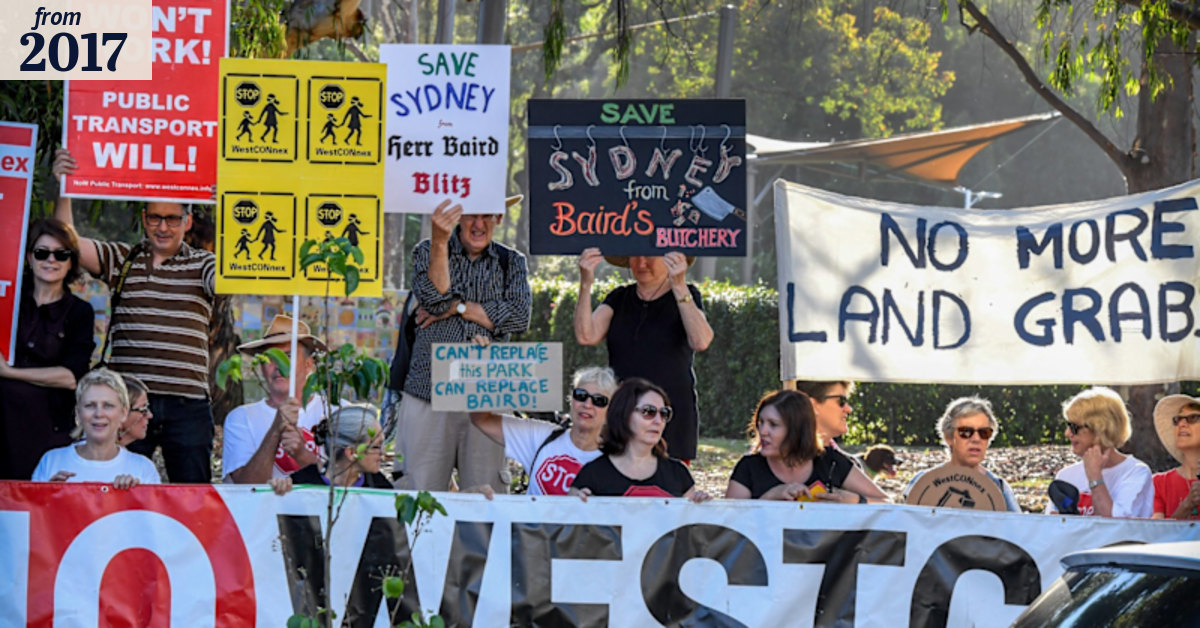
Bakit Pinutol ang Proseso?** Ginawang pangunahing prayoridad ng NSW Government ang WestConnex, at ang suportang pederal ay mahalaga sa pagpapakita ng komitment ng Commonwealth sa estado.
Why the Shortcut?**
The NSW Government had made WestConnex a major infrastructure priority, and federal support was politically important to demonstrating Commonwealth commitment to the state.
Humarap ang proyekto sa maagang puna at pampublikong pagtutol, na lumikha ng pampolitikang presyon para mapabilis ang mga pag-apruba sa halip na panganibin ang mga pagkaantala.
The project faced early criticism and public opposition, creating political pressure to fast-track approvals rather than risk delays.
Bagama't hindi pinapawalang-bisa ng rasyonal na ito ang pag-iwas sa mga itinakdang proseso, ipinapakita nito na ito ay hindi arbitraryong korapsyon kundi prioritisasyon dahil sa pampolitikang presyon. **3.
While this rationale does not justify bypassing established processes, it shows this was not arbitrary corruption but rather political pressure prioritization.
**3.
Ang Isyu ng Concessional Loan** Ang $2 bilyong concessional loan sa 3.36% interes na mas mababa sa market rates ay problema at nagkakahalaga sa mga taxpayer ng humigit-kumulang $640 milyon [1].
The Concessional Loan Issue**
The $2 billion concessional loan at 3.36% interest below market rates was indeed problematic and cost taxpayers approximately $640 million [1].
Gayunpaman, ang Commonwealth ay nagbigay ng pondong ito bilang bahagi ng isang sinadyang patakaran para suportahan ang imprastraktura ng NSW, hindi bilang isang tagong korap na kasunduan.
However, the Commonwealth did provide this funding as part of an intentional policy to support NSW infrastructure, not as a hidden corrupt deal.
Ang mga tuntunin ng loan ay naitala at inanunsyo; ang isyu ay kulang sa pagsusuri sa pinansyal [2]. **4.
The loan terms were documented and announced; the issue was that the financial analysis was inadequate [2].
**4.
Aktwal na Resulta ng Proyekto** Sa kabila ng mga pagkabigo sa proseso, ang WestConnex ay naipatayo at naghahatid ng mga benepisyo sa transportasyon sa kanlurang Sydney.
Actual Project Outcomes**
Despite the procedural failures, WestConnex has been constructed and is delivering transport benefits to western Sydney.
Natuklasan ng audit na ang mga paunang bayad ay may aktwal na gastos sa pamahalaan na humigit-kumulang $20 milyon mula noong 2014 dahil sa maagang paglabas ng pondo [2].
The audit found that the advance payments had an actual cost to government of about $20 million since 2014 due to early release timing [2].
Hindi ito maliit na halaga, ngunit hindi rin ito katanggap-tanggap na pagkakamamali. **5.
This is not a minor amount, but neither is it catastrophic mismanagement.
**5.
Mga Rekomendasyon ng Audit** Gumawa ang ANAO audit ng isang pangunahing rekomendasyon: na pagbutihin ng Department of Infrastructure ang mga proseso ng pagpapayo at dokumentasyon para sa mga hinaharap na malalaking proyekto [1].
Audit Recommendations**
The ANAO audit made one key recommendation: that the Department of Infrastructure improve its advisory processes and documentation for future major project funding [1].
Ito ay tinanggap ng pamahalaan, na nagsasuggest na ang isyu ay systemic na proseso sa halip na indibidwal na korapsyon. **Ito ba ay tanging sa Coalition?** Ang bipartisan na kalikasan ng komitment sa pagpopondo ng WestConnex ay nagsasuggest na ang mga shortcut sa pagsusuri ng imprastraktura ay hindi tanging sa Coalition.
This was accepted by the government, suggesting the issue was systemic procedure rather than individual corruption.
**Is this unique to the Coalition?**
The bipartisan nature of the WestConnex funding commitment suggests infrastructure assessment shortcuts are not unique to the Coalition.
Ang mga malalaking proyekto ay madalas na humaharap sa pampolitikang presyon na mas mataas sa mga pormal na proseso ng pagsusuri sa iba't ibang pamahalaan.
Major projects frequently face political pressure that overrides formal assessment processes across governments.
Gayunpaman, ang tanging pagkabigo ng Coalition dito ay ang paglabag sa sariling patakarang komitment na ginawa sa kampanya ng eleksyon noong 2013 [1]. **Ang Tanong ng Korapsyon:** Bagama't ang "pag-iwas sa mga proseso ng pagsusuri" ay naganap, ang audit ay hindi nakakita ng ebidensya ng personal na korapsyon, suhol, o mga kaso ng korapsyon.
However, the Coalition's specific failure here was breaking its own policy commitment made in the 2013 election campaign [1].
**The Corruption Question:**
While "bypassing assessment processes" occurred, the audit did not find evidence of personal corruption, bribery, or corruption offenses.
Ang isyu ay pagkabigo sa administrative/procedural na dulot ng pampolitikang presyon, hindi kriminal na korapsyon.
The issue was administrative/procedural failure driven by political pressure, not criminal corruption.
Ang terminong "korapsyon" sa claim ay maaaring sobrang paglalarawan sa kalikasan ng pagkakamali; ang "mismanagement ng mga proseso ng pag-apruba ng pondo" ay mas tumpak na deskripsyon.
The term "corruption" in the claim may overstate the nature of the wrongdoing; "mismanagement of funding approval processes" would be more precise.
BAHAGYANG TOTOO
6.5
sa 10
Ang claim ay factually accurate tungkol sa pagkabigo sa proseso: ang Coalition Government ay talagang lumihis sa mga karaniwang proseso ng pagsusuri para sa federal funding ng WestConnex.
The claim is factually accurate regarding the procedural failure: the Coalition Government did bypass normal assessment processes for WestConnex federal funding.
Gayunpaman, ang pagkakaframe bilang simpleng "korapsyon" ay misleading nang walang mahahalagang konteksto.
However, the framing as simple "corruption" is misleading without important context.
Natuklasan ng audit ang mga pagkabigo sa administrative/procedural na dulot ng pampolitikang presyon, hindi kriminal na korapsyon o sinadyang panloloko.
The audit found administrative/procedural failures driven by political pressure, not criminal corruption or intentional fraud.
Bukod pa rito, ang claim ay nagpapaliban na ang Labor ay lumihis din sa tamang pagsusuri nang una nitong magkomit sa pagpopondo ng WestConnex bago ang eleksyon noong 2013, at na ito ay sumasalamin sa bipartisan na pampolitikang presyon sa halip na misconduct na tanging Coalition.
Additionally, the claim omits that Labor also departed from proper assessment when initially committing to WestConnex funding before the 2013 election, and that this reflected bipartisan political pressure rather than Coalition-specific misconduct.
Huling Iskor
6.5
SA 10
BAHAGYANG TOTOO
Ang claim ay factually accurate tungkol sa pagkabigo sa proseso: ang Coalition Government ay talagang lumihis sa mga karaniwang proseso ng pagsusuri para sa federal funding ng WestConnex.
The claim is factually accurate regarding the procedural failure: the Coalition Government did bypass normal assessment processes for WestConnex federal funding.
Gayunpaman, ang pagkakaframe bilang simpleng "korapsyon" ay misleading nang walang mahahalagang konteksto.
However, the framing as simple "corruption" is misleading without important context.
Natuklasan ng audit ang mga pagkabigo sa administrative/procedural na dulot ng pampolitikang presyon, hindi kriminal na korapsyon o sinadyang panloloko.
The audit found administrative/procedural failures driven by political pressure, not criminal corruption or intentional fraud.
Bukod pa rito, ang claim ay nagpapaliban na ang Labor ay lumihis din sa tamang pagsusuri nang una nitong magkomit sa pagpopondo ng WestConnex bago ang eleksyon noong 2013, at na ito ay sumasalamin sa bipartisan na pampolitikang presyon sa halip na misconduct na tanging Coalition.
Additionally, the claim omits that Labor also departed from proper assessment when initially committing to WestConnex funding before the 2013 election, and that this reflected bipartisan political pressure rather than Coalition-specific misconduct.
Hindi tama sa katotohanan o malisyosong gawa-gawa.
4-6: BAHAGYA
May katotohanan ngunit kulang o baluktot ang konteksto.
7-9: HALOS TOTOO
Maliit na teknikal na detalye o isyu sa pagkakasulat.
10: TUMPAK
Perpektong na-verify at patas ayon sa konteksto.
Pamamaraan: Ang mga rating ay tinutukoy sa pamamagitan ng cross-referencing ng opisyal na mga rekord ng pamahalaan, independiyenteng mga organisasyong nag-fact-check, at mga primaryang dokumento.