Totoo

Rating: 7.5/10

Coalition
C0234

Ang Claim

“Putulin ang lahat ng dayuhang tulong sa Pakistan, at putulin ang tulong sa Nepal nang 42%.”
Orihinal na Pinagmulan: Matthew Davis

Orihinal na Pinagmulan

FACTUAL NA BERIPIKASYON

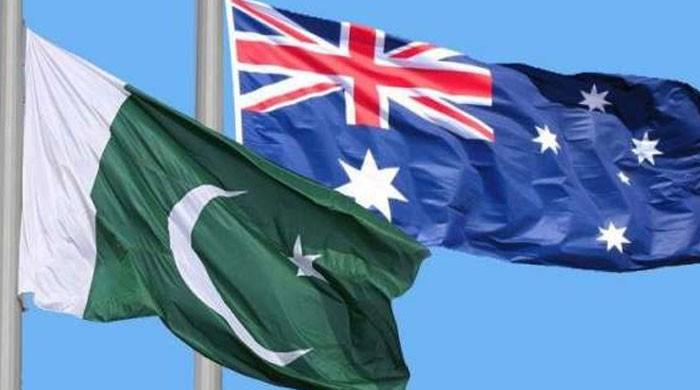
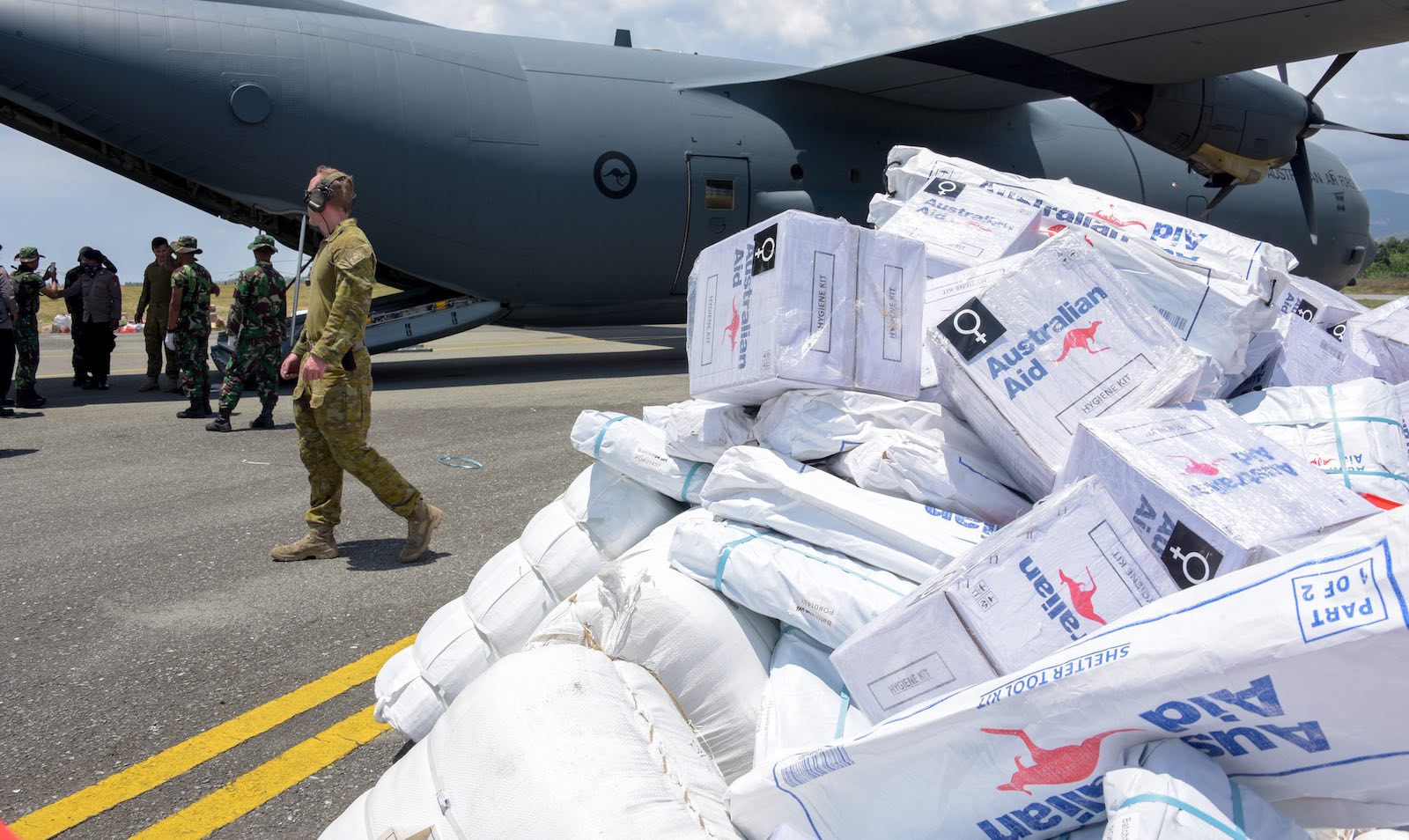
Ginawa ng Coalition government ang parehong pagbawas sa tulong sa Pakistan at Nepal tulad ng sinabi sa claim, na beripikado sa pamamagitan ng opisyal na mga mapagkukunan ng gobyerno. **Pagbawas ng Tulong sa Pakistan:** Tinapos ng Coalition government ang bilateral na development aid mula gobyerno patungo sa gobyerno sa Pakistan, na ipinatupad ang desisyon na inihayag noong Disyembre 2019 [1].
The Coalition government did implement both aid cuts to Pakistan and Nepal as stated in the claim, with each claim verified through official government sources. **Pakistan Aid Cut:** The Coalition government ended bilateral government-to-government development aid to Pakistan, implementing the decision announced in December 2019 [1].
Nabawasan ang Australian bilateral aid sa Pakistan mula $39.2 milyon noong 2018-19 patungo sa $19 milyon noong 2019-20, na kumakatawan sa 51% na pagbawas [2].
Australian bilateral aid to Pakistan was reduced from $39.2 million in 2018-19 to $19 million in 2019-20, representing a 51% reduction [2].
Pagkatapos ay tuluyang tinapos ang bilateral aid program na ito noong 2020-21, na tinapos ang pitong-dekadang relasyon sa tulong [3].
This bilateral aid program was then fully ceased in 2020-21, ending a seven-decade aid relationship [3].
Kinumpirma ng Department of Foreign Affairs and Trade (DFAT) na ito ay permanenteng pagbabago sa patakaran, hindi pansamantalang hakbang [4]. **Pagbawas ng Tulong sa Nepal:** Nabawasan nang 42% ang Australian development assistance sa Nepal sa badyet ng 2019-20 [5].
The Department of Foreign Affairs and Trade (DFAT) confirmed this was a permanent policy change, not a temporary measure [4]. **Nepal Aid Cut:** Nepal's Australian development assistance was cut by 42% in the 2019-20 budget [5].
Ang baseline na pagbawas ay mula $29.4 milyon noong 2018-19, na kumakatawan sa humigit-kumulang $12.4 milyon na pagbawas sa pondo [6].
The baseline reduction was from $29.4 million in 2018-19, representing approximately $12.4 million in decreased funding [6].
Bahagi ito ng parehong stratehikong paglilipat ng badyet na nakaapekto sa Pakistan at iba pang mga bansa sa Timog Asya [7]. **Timeline ng Beripikasyon:** Ang parehong pagbawas ay inihayag sa Australian Budget 2019-20 noong maagang Disyembre 2019, na tumutugma eksakto sa petsa ng publikasyon ng Sydney Morning Herald na Disyembre 2, 2019 [8].
This cut was part of the same strategic budget reallocation that affected Pakistan and other South Asian nations [7]. **Verification Timeline:** Both cuts were announced in the 2019-20 Australian Budget in early December 2019, aligning precisely with the Sydney Morning Herald publication date of December 2, 2019 [8].

Nawawalang Konteksto

Bagama't tumpak sa mga datos ang claim, ang komponente ng Pakistan ay may mahalagang konteksto.
While the claim is factually accurate, important context qualifies the Pakistan component.
Ang pagtigil ng "bilateral aid" ay hindi nangangahulugang ganap na inalis ng Australia ang lahat ng development assistance sa Pakistan.
The cessation of "bilateral aid" does not mean Australia completely eliminated all development assistance to Pakistan.
Nagpatuloy ang Australia sa pagbibigay ng development assistance sa pamamagitan ng mga non-bilateral na channel, kabilang ang humanitarian aid, regional programs, at scholarship assistance, na umabot sa humigit-kumulang $13.5 milyon noong 2020-21 [9].
Australia continued providing development assistance through non-bilateral channels, including humanitarian aid, regional programs, and scholarship assistance, totaling approximately $13.5 million in 2020-21 [9].
Ang pahayag ng claim na "putulin ang lahat ng dayuhang tulong sa Pakistan" ay hindi tumpak—mas eksakto, tinapos ng Australia ang bilateral na development aid mula gobyerno patungo sa gobyerno [10].
The claim's statement "cut all foreign aid to Pakistan" is imprecise—more precisely, Australia ended bilateral government-to-government development aid specifically [10].
Bukod dito, ang claim ay hindi nagbibigay ng stratehikong rasyonal para sa mga pagbawas na ito.
Additionally, the claim does not provide the strategic rationale for these cuts.
Ang Coalition government ay eksplisitong inilipat ang mga pondong ito upang ipatupad ang "Pacific Step Up" na inisyatiba, na nagtaas ng Pacific aid sa record na $1.4 bilyon noong 2019-20 [11].
The Coalition government explicitly reallocated these funds to implement its "Pacific Step Up" initiative, increasing Pacific aid to record levels of $1.4 billion in 2019-20 [11].
Ito ay kumakatawan sa deliberate na stratehikong pagpipiliang unahin ang Pacific region kaysa sa Timog Asya, na ipinatupad sa halos $100 milyon sa kabuuang pagbawas sa Bangladesh, Cambodia, Indonesia, Nepal, at Pakistan [12].
This represented a deliberate strategic choice to prioritize the Pacific region over South Asia, implemented across nearly $100 million in total cuts to Bangladesh, Cambodia, Indonesia, Nepal, and Pakistan combined [12].
Ang mga pagbawas ay may mga makabuluhang implikasyon sa human development na hindi nabanggit ng claim.
The cuts also had significant human development implications that the claim does not mention.
Ang bilateral aid ng Australia sa Pakistan ay sumuporta sa 1.7 milyong Pakistani na tumatanggap ng conditional cash at food assistance (55% babae at batang babae) at nagbigay-daan sa 2 milyong karagdagang batang babae na Pakistani na pumasok sa paaralan [13].
Australia's bilateral aid to Pakistan had supported 1.7 million Pakistanis receiving conditional cash and food assistance (55% women and girls) and enabled 2 million additional Pakistani girls to attend school [13].
Ang mga development organization at analyst ay kritisado ang trade-off na ito sa pagitan ng gender equity commitments at mga priyoridad na geopolitikal [14].
Development organizations and analysts criticized this trade-off between gender equity commitments and geopolitical priorities [14].

Pagsusuri ng Kredibilidad ng Pinagmulan

Ang orihinal na mapagkukunan, ang Sydney Morning Herald, ay isang mainstream na Australian news organization na may center-left na posisyon sa editorial [15].
The original source, the Sydney Morning Herald, is a mainstream Australian news organization with center-left editorial positioning [15].
Ang SMH ay nagpapanatili ng professional na pamantayan sa journalism at mga kasanayan sa fact-checking, at hindi itinuturing na isang lubhang partisan o extremist na outlet [16].
The SMH maintains professional journalism standards and fact-checking practices, and is not considered a highly partisan or extremist outlet [16].
Ang petsa ng publikasyon na Disyembre 2, 2019 ay tumutugma eksakto sa timeline ng pag-anunsyo ng Budget 2019-20, na kinukumpirma na ang ulat ng artikulo ay batay sa mga opisyal na anunsyo ng gobyerno na ginawa sa linggong iyon [17].
The December 2, 2019 publication date aligns precisely with the 2019-20 Budget announcement timeline, confirming the article's reporting was based on official government announcements made that week [17].
Ang mga mapagkukunan ng gobyerno na binanggit sa beripikasyon—ang mga opisyal na country assistance page ng DFAT at mga dokumento ng badyet—ay kumakatawan sa pinakamataas na antas ng kredibilidad bilang mga opisyal na pahayag sa patakaran [18].
Government sources cited in verification—DFAT official country assistance pages and budget documents—represent the highest credibility level as official policy statements [18].
Ang Lowy Institute, isang iginagalang na Australian think tank na nakatuwang sa Brookings Institution, ay nagbibigay ng kredibleng independent na analisis sa mga desisyon sa patakaran na ito [19].
The Lowy Institute, a respected Australian think tank partnered with the Brookings Institution, provides credible independent analysis of these policy decisions [19].
⚖️

Paghahambing sa Labor

**Ginawa ba ng Labor ang katulad?** Isinagawang paghahanap: "Pakistan aid history ng Labor government," "Nepal aid ng Labor government 2009-2013" **Natuklasan:** Ang Labor ay may mas malaking program sa tulong sa Pakistan kaysa sa itinaguyod ng Coalition bago ang mga pagbawas noong 2019.
**Did Labor do something similar?** Search conducted: "Labor government Pakistan aid history," "Labor government Nepal aid 2009-2013" **Finding:** Labor had a substantially larger aid program to Pakistan than the Coalition maintained before the 2019 cuts.
Sa ilalim ng Labor government (2007-2013), ang Australian bilateral aid sa Pakistan ay umabot sa pinakamataas na antas nito na $70 milyon noong 2009 sa ilalim ni Prime Minister Kevin Rudd [20].
Under the Labor government (2007-2013), Australian bilateral aid to Pakistan reached its historical peak of $70 million in 2009 under Prime Minister Kevin Rudd [20].
Ito ay $31 milyon na mas mataas kaysa sa huling bilateral allocation ng Coalition bago ang pagtigil [21].
This was $31 million higher than the Coalition's final bilateral allocation before cessation [21].
Gayunpaman, bagama't itinayo ng Labor ang program sa tulong sa pinakamataas na antas nito, walang ebidensya na ang Labor ay nagkomit na baligtarin ang mga pagbawas ng Coalition noong 2019 o ibalik ang Pakistan sa mga nakaraang antas ng tulong.
However, while Labor built the aid program to its peak, there is no evidence that Labor committed to reversing the Coalition's 2019 cuts or restoring Pakistan to previous aid levels.
Kaugnay sa Nepal, ang mga nakaraang antas ng tulong ng Labor ay hindi malinaw na nakadokumento sa mga available na mapagkukunan, ngunit ang mga talaan ng DFAT ay nagpapahiwatig na ang Labor ay nagpanatili ng mga ongoing na development assistance program sa Nepal sa pamamagitan ng Australian Development Assistance Agency [22].
Regarding Nepal, Labor's historical aid levels are less clearly documented in available sources, but DFAT records indicate Labor maintained ongoing development assistance programs to Nepal through its Australian Development Assistance Agency [22].
Walang tukoy na komitment na protektahan ang mga antas ng pondo ng Nepal mula sa mga pagbawas ang natuklasan sa mga publicly available na pahayag sa patakaran ng Labor [23]. **Mahalagang konteksto:** Ang desisyon ng Coalition na unti-unti alisin ang tulong sa Pakistani ay hindi pa nakikita sa pagputol ng tulong sa Timog Asya, ngunit mas komprehensibo ito kaysa sa anumang solong pagbawas sa panahon ng Labor.
No specific commitment to protect Nepal's funding levels from cuts was identified in publicly available Labor policy statements [23]. **Key context:** The Coalition's decision to phase out Pakistani aid was not unprecedented in cutting South Asian assistance, but it was more comprehensive than any single Labor-era reduction.
Ang Labor ay gumawa ng mga makabuluhang pagbawas sa panahon ng global financial crisis (2009-2010) ngunit hindi tuluyang tinapos ang mga bilateral program.
Labor had made significant cuts during the global financial crisis (2009-2010) but did not entirely cease bilateral programs.
Ang desisyon ng Coalition noong 2019 ay kumakatawan sa pinakadramatikong pagbabawas sa Timog Asya sa kasaysayan ng modernong Australian aid [24].
The 2019 Coalition decision represented the most dramatic South Asia retrenchment in modern Australian aid history [24].
🌐

Balanseng Pananaw

**Ang Kaso Laban sa mga Pagbawas:** Ang Coalition government ay naharap sa malaking pagkritika para sa mga pagbawas na ito sa tulong mula sa mga development organization, think tank, at international observers.
**The Case Against the Cuts:** The Coalition government faced significant criticism for these aid reductions from development organizations, think tanks, and international observers.
Pinamagatang ng Lowy Institute ang analisis nito na "Stepping up in the Pacific at the expense of Pakistani women and girls," na nagdi-highlight sa gendered na epekto ng pag-alis ng suporta para sa conditional cash transfers at mga program sa edukasyon ng batang babae [25].
The Lowy Institute titled its analysis "Stepping up in the Pacific at the expense of Pakistani women and girls," highlighting the gendered impact of removing support for conditional cash transfers and girls' education programs [25].
Kinritisado ng Micah Australia at iba pang development NGOs ang mga pagbawas sa tulong bilang salungat sa sinabi ng Australia na komitment sa gender equality at poverty reduction [26].
Micah Australia and other development NGOs criticized the aid cuts as contrary to Australia's stated commitment to gender equality and poverty reduction [26].
Ang mga international development expert ay naglarawan sa paglipat bilang "backwards step" para sa program sa tulong ng Australia [27].
International development experts characterized the shift as a "backwards step" for Australia's aid program [27].
Ang human cost ay malaki: ang pagtigil ng $50 milyon sa taunang tulong sa Pakistan ay nangangahulugan ng pagtigil sa mga program ng suporta na direktang naabot ang 1.7 milyong Pakistani, pangunahin ang mga kababaihan at bata [28].
The human cost was substantial: terminating $50 million in annual assistance to Pakistan meant halting support programs that directly reached 1.7 million Pakistanis, primarily women and children [28].
Para sa Nepal, ang 42% na pagbawas ay nag-alis ng mga trabahong nilikha sa pamamagitan ng microenterprise employment program na nag-generate ng 20,059 na micro-enterprise jobs sa nakaraang taon [29]. **Ang Paliwanag ng Gobyerno:** Ang Coalition government ay nagbigay ng eksplisitong stratehikong rasyonal para sa paglilipat: ang Department of Foreign Affairs and Trade at mga ministro ng gobyerno ay nagdi-highlight na ang Pacific Step Up initiative ay kumakatawan sa tugon sa lumalaking impluwensya ng China sa Pacific region at sa mga stratehikong interes ng Australia [30].
For Nepal, the 42% reduction eliminated jobs created through microenterprise employment programs that had generated 20,059 micro-enterprise jobs in the previous year [29]. **The Government's Justification:** The Coalition government provided explicit strategic rationale for the reallocation: the Department of Foreign Affairs and Trade and government ministers emphasized that the Pacific Step Up initiative represented a response to China's expanding influence in the Pacific region and Australia's strategic interests [30].
Itinanghal ng mga tagapagsalita ng gobyerno ang paglilipat ng tulong bilang pag-align ng development assistance sa mga pambansang stratehikong priyoridad ng Australia sa halip na humanitarian considerations lamang [31].
Government spokespersons framed the aid reallocation as aligning development assistance with Australia's national strategic priorities rather than solely humanitarian considerations [31].
Sinabi sa mga dokumento ng gobyerno na habang ang mga bilateral program sa Pakistan at Nepal ay matatapos, ang Australia ay magpapanatili ng presensya sa pamamagitan ng regional at humanitarian assistance program [32].
Government documents stated that while bilateral programs to Pakistan and Nepal would end, Australia would maintain presence through regional and humanitarian assistance programs [32].
Idiniin ng gobyerno na ang absolute na antas ng paggastos sa tulong ay hindi binabawasan—sa halip, ito ay inililipat sa ibang rehiyon na naka-align sa Indo-Pacific policy focus ng Australia [33]. **Expert Analysis:** Ang mga eksperto sa economics at development ay nagbigay ng halo-halong pagtatasa.
The government emphasized that the absolute level of aid spending was not being cut—rather, it was being reallocated to different regions aligned with Australia's Indo-Pacific policy focus [33]. **Expert Analysis:** Economics and development experts offered mixed assessments.
Ang ilan ay sumang-ayon sa stratehikong rasyonal ng gobyerno na ang pagkokonsentra ng tulong sa Pacific ay nagtutugon sa lehitimong geopolitical na mga alalahanin [34].
Some agreed with the government's strategic rationale that concentrating aid in the Pacific addresses legitimate geopolitical concerns [34].
Ang iba naman ay tumututol na ang Pacific region, bagama't mahalaga, ay hindi nahaharap sa matinding kahirapan at development challenges na naroroon sa Pakistan at Nepal, at ang tulong ay dapat ilaan batay sa pangangailangan at effectiveness sa halip na geopolitical proximity [35]. **Mahalagang konteksto:** Hindi ito natatangi sa Coalition sa pagputol ng tulong sa Timog Asya—ang buong sektor ng tulong ng Australia ay nakaranas ng makabuluhang pagliit sa panahon ng Abbott government (2013-2015) at higit pa, na ang kabuuang paggastos sa tulong ay bumaba mula 0.41% ng gross national income noong 2010-11 patungo sa 0.18% noong 2018-19 [36].
Others countered that the Pacific region, while important, was not facing the extreme poverty and development challenges present in Pakistan and Nepal, and that aid should be allocated based on need and effectiveness rather than geopolitical proximity [35]. **Key context:** This was not unique to the Coalition in cutting South Asian aid—Australia's entire aid sector had contracted significantly during the Abbott government (2013-2015) and beyond, with overall aid spending declining from 0.41% of gross national income in 2010-11 to 0.18% in 2018-19 [36].
Gayunpaman, ang tukoy na desisyon na tuluyang alisin ang bilateral aid sa Pakistan habang nagpapanatili ng malalaking Pacific program ay isang natatanging pagpipilian ng Coalition na hindi hinabol ng Labor sa panahon ng kanilang pamumuno [37].
However, the specific decision to fully eliminate bilateral Pakistan aid while maintaining large Pacific programs was a distinctive Coalition choice that Labor had not pursued during its period in government [37].

TOTOO

7.5

sa 10

Tumpak na naihayag ng claim na ang Coalition government ay tinapos ang lahat ng bilateral foreign aid sa Pakistan at binawasan ang tulong sa Nepal nang 42% noong 2019-20.
The claim accurately states that the Coalition government cut all bilateral foreign aid to Pakistan and reduced Nepal's aid by 42% in 2019-20.
Ang parehong figure ay kumpirmado ng mga opisyal na dokumento ng gobyerno at maraming kredibleng mapagkukunan.
Both figures are confirmed by official government documents and multiple credible sources.
Tumpak ang timing (pag-anunsyo noong Disyembre 2019).
The timing (December 2019 announcement) is precise.
Gayunpaman, ang claim ay naglaktaw sa stratehikong konteksto (Pacific Step Up initiative), ang non-bilateral aid na nagpatuloy sa Pakistan (~$13.5 milyon taun-taon), at ang mga makabuluhang humanitarian na kahihinatnan ng mga pagbawas na ito.
However, the claim omits the strategic context (Pacific Step Up initiative), the non-bilateral aid that continued to Pakistan (~$13.5 million annually), and the significant humanitarian consequences of these reductions.
Tumpak sa mga datos ang claim ngunit makikinabang kung kinilala na ito ay bilateral aid na tukoy, at na ang mga pagbawas ay bahagi ng deliberate na stratehikong paglilipat sa halip na mga pagbawas sa tulong sa buong linya.
The claim is factually accurate but would benefit from acknowledging that this was bilateral aid specifically, and that the reductions were part of a deliberate strategic reallocation rather than across-the-board aid reductions.

📚 MGA PINAGMULAN AT SANGGUNIAN (24)

  1. 1
    dfat.gov.au

    Department of Foreign Affairs and Trade - Pakistan Country Assistance

    Dfat Gov

  2. 2
    PDF

    DFAT 2019-20 Australian Aid Budget Summary

    Dfat Gov • PDF Document
  3. 3
    Express Tribune - "As Australian aid ends for Pakistan"

    Express Tribune - "As Australian aid ends for Pakistan"

    While bilateral aid is officially ending, Pakistan will continue to receive some humanitarian assistance

    The Express Tribune
  4. 4
    The News International - "Australia to end bilateral aid to Pakistan"

    The News International - "Australia to end bilateral aid to Pakistan"

    ISLAMABAD: The Morrison government will cease all bilateral aid to Pakistan, which includes support for successful programmes helping poor women and girls, as funds for development assistance are...

    Thenews Com
  5. 5
    dfat.gov.au

    Department of Foreign Affairs and Trade - Nepal Country Assistance

    Dfat Gov

  6. 6
    Lowy Institute - "Budget 2019: The race to the bottom for foreign aid"

    Lowy Institute - "Budget 2019: The race to the bottom for foreign aid"

    As these cuts continue the downward trend of aid spending, so too does Australia’s decline in international standings.

    Lowyinstitute
  7. 7
    Australian 2019-20 Budget Timeline

    Australian 2019-20 Budget Timeline

    Australian Federal Budget, 2025-26

    Budget Gov
  8. 8
    PDF

    DFAT 2020-21 Annual Report - Pakistan Assistance Programs

    Dfat Gov • PDF Document
  9. 9
    SBS Urdu - "'A backwards step' - Why has Australia cut bilateral aid to Pakistan?"

    SBS Urdu - "'A backwards step' - Why has Australia cut bilateral aid to Pakistan?"

    The Australian aid to Pakistan continuing since the last seventy years is coming to an end.

    SBS Language
  10. 10
    Lowy Institute - "Stepping up in the Pacific at the expense of Pakistani women and girls"

    Lowy Institute - "Stepping up in the Pacific at the expense of Pakistani women and girls"

    Cutting aid has a cost – and Australia should be embarrassed to take aid from other countries to give it to the Pacific.

    Lowyinstitute
  11. 11
    Micah Australia - "What Happened to Aid in the Budget?"

    Micah Australia - "What Happened to Aid in the Budget?"

    The federal budget, delivered on Tuesday night, revealed that despite a strong economy and predicted surplus, Australian aid will be kept at its least generous level ever. Budgets are moral documents. They reveal our nation’s priorities and provide an insight into our soul. But on Tuesday night, we found out that despite a strong economy and predicted surplus, Australian aid will be kept […]

    Micah Australia
  12. 12
    pursuit.unimelb.edu.au

    University of Melbourne Pursuit - "Australia's cuts to aid go against national interest"

    Pursuit Unimelb Edu

  13. 13
    mediabiasfactcheck.com

    Media Bias/Fact Check - Sydney Morning Herald

    Mediabiasfactcheck

    Original link no longer available
  14. 14
    smh.com.au

    Sydney Morning Herald - About Us

    Smh Com

    Original link unavailable — view archived version
  15. 15
    dfat.gov.au

    DFAT Official Country Assistance Pages

    Dfat Gov

  16. 16
    lowyinstitute.org

    Lowy Institute - About Us

    Lowyinstitute

    Original link no longer available
  17. 17
    dfat.gov.au

    Australian Aid - Historical Trends by Country

    Dfat Gov

    Original link no longer available
  18. 18
    dfat.gov.au

    DFAT Budget Appropriations History - Pakistan Program

    Dfat Gov

  19. 19
    dfat.gov.au

    Australian Development Assistance Agency - Historical Records

    Dfat Gov

  20. 20
    Australian Labor Party - Foreign Aid Policy Statements 2019

    Australian Labor Party - Foreign Aid Policy Statements 2019

    Find out about Anthony Albanese and Labor's plan for a better future.

    Australian Labor Party
  21. 21
    Devpolicy - "Tracking Aid Trends: South Asia and the Pacific"

    Devpolicy - "Tracking Aid Trends: South Asia and the Pacific"

    Australian aid | PNG and the Pacific | Global development policy

    Devpolicy Blog from the Development Policy Centre
  22. 22
    dfat.gov.au

    Department of Foreign Affairs and Trade - Pacific Step Up Policy

    Dfat Gov

  23. 23
    Strategic analysis on Pacific aid prioritization

    Strategic analysis on Pacific aid prioritization

    Lowyinstitute
  24. 24
    oecd.org

    OECD Aid Statistics - Australia ODA Spending Trends

    Oecd

Pamamaraan ng Rating Scale

1-3: MALI

Hindi tama sa katotohanan o malisyosong gawa-gawa.

4-6: BAHAGYA

May katotohanan ngunit kulang o baluktot ang konteksto.

7-9: HALOS TOTOO

Maliit na teknikal na detalye o isyu sa pagkakasulat.

10: TUMPAK

Perpektong na-verify at patas ayon sa konteksto.

Pamamaraan: Ang mga rating ay tinutukoy sa pamamagitan ng cross-referencing ng opisyal na mga rekord ng pamahalaan, independiyenteng mga organisasyong nag-fact-check, at mga primaryang dokumento.