Bahagyang Totoo

Rating: 6.0/10

Coalition
C0179

Ang Claim

“Pinasakitang mga magsasaka ng barley sa pamamagitan ng pag-antagonisa sa pamahalaang Tsino, na gumanti sa pamamagitan ng pagpataw ng 80% taripa sa mga eksport ng barley.”
Orihinal na Pinagmulan: Matthew Davis
Sinuri: 29 Jan 2026

Orihinal na Pinagmulan

FACTUAL NA BERIPIKASYON

### Ang 80% Taripa: Tumpak
### The 80% Tariff: Accurate
Nagpataw ang Tsina ng malaking taripa sa Australyanong barley noong **19 Mayo 2020**.
China did impose a substantial tariff on Australian barley on **19 May 2020**.
Ang eksaktong halaga ay **80.5% kabuuan**, na binubuo ng 73.6% anti-dumping duty at 6.9% countervailing duty [1].
The exact figure was **80.5% combined**, consisting of a 73.6% anti-dumping duty and 6.9% countervailing duty [1].
Sinimulan ang imbestigasyon noong 19 Nobyembre 2018 at tumagal ng humigit-kumulang 18 buwan bago matapos [2].
The investigation was initiated on 19 November 2018 and took approximately 18 months to conclude [2].
Nanatili ang taripa sa loob ng tatlong taon bago ito alisin noong Agosto 2023 matapos ang mga negosasyon ng pamahalaang Labor [3].
The tariff remained in place for three years before being lifted in August 2023 following Labor government negotiations [3].
### Epekto sa Kalakalan: Malubha para sa mga Australyanong Magsasaka
### Trade Impact: Severe for Australian Farmers
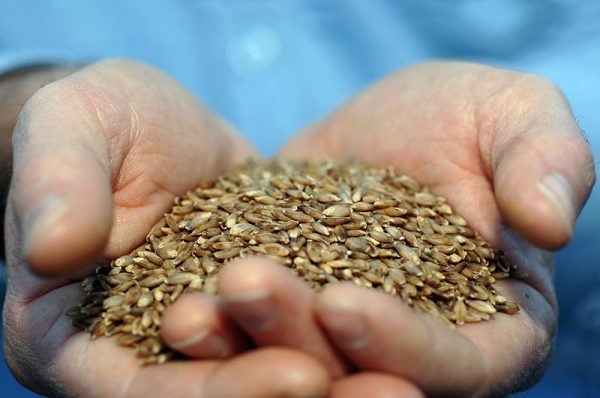
Malubha ang epekto sa mga magsasaka ng barley.
The impact on Australian barley farmers was substantial.
Bago ang taripa, ang average na eksport sa Tsina ay AU$1.2 bilyon taun-taon (2014-15 hanggang 2018-19), na kumakatawan sa humigit-kumulang 58% ng Australyanong barley eksport sa Tsina [1].
Pre-tariff exports to China averaged AU$1.2 billion annually (2014-15 to 2018-19), representing approximately 58% of Australian barley exports to China [1].
Tinataya na ang kabuuang pagkalugi sa kalakalan ay higit sa AU$2.5 bilyon sa loob ng tatlong taon [4].
Estimates suggest total trade losses exceeded AU$2.5 billion over the three-year period [4].
### Ang Pangunahing Isyu: Ito ba ay "Ganti para sa Pag-antagonisa"?
### The Core Issue: Was This "Retaliation for Antagonism"?
Dito nagiging problema at napapasimple ang pahayag.
This is where the claim becomes problematic and oversimplified.
Ang dahilan ay pinagtatalunan ng mga eksperto at nagsasangkot ng maraming salik higit pa sa simpleng "pag-antagonisa."
The causation is contested by experts and involves multiple factors beyond simple "antagonism."

Nawawalang Konteksto

### Opisyal na Rason ng Tsina kumpara sa Nakikitang Pag-ganti
### Official Chinese Rationale vs. Perceived Retaliation
**Opisyal na Pagpapaliwanag ng Tsina:** Nagbigay ang Tsina ng apat na tukoy na dahilan sa kalakalan para sa taripa: 1. **Mga akusasyon sa anti-dumping**: Ang Australyanong barley ay diumanong minarkahan sa ibaba ng presyo nito sa domestic market, na nagko-constitute ng dumping [2]. 2. **Mga claim sa countervailing duty**: Ang mga programa ng suporta ng pamahalaang Australyanong (Basin Plan, Rural Water Infrastructure programs) ay diumanong nagko-constitute ng ilegal na subsidyo na nagdi-distort ng kalakalan [2]. 3. **Mga alalahanin sa food security**: Ang Australya ay nag-supply ng humigit-kumulang 80% ng barley imports ng Tsina, na lumilikha ng supply chain vulnerability [5]. 4. **Pagbabago sa istruktura ng merkado**: Ang African Swine Fever ay nagdevastate sa pig herd ng Tsina noong 2019 (pagkapatay sa ~50% ng mga hayop), na nagbawas ng feed grain demand ng tinatayang 30-40 milyong tonelada taun-taon [6]. **Nakikitang Motibasyon sa Pag-ganti:** Gayunpaman, ang timing at pattern ay nagmumungkahi na ang mga geopolitical na motibasyon ay kasali rin.
**China's Official Justification:** China cited four specific trade-related reasons for the tariff: 1. **Anti-dumping allegations**: Australian barley was allegedly priced below its domestic market price, constituting dumping [2]. 2. **Countervailing duty claims**: Australian government support programs (Basin Plan, Rural Water Infrastructure programs) were alleged to constitute illegal subsidies distorting trade [2]. 3. **Food security concerns**: Australia supplied approximately 80% of China's barley imports, creating supply chain vulnerability [5]. 4. **Structural market change**: African Swine Fever had devastated China's pig herd in 2019 (culling ~50% of animals), reducing feed grain demand by an estimated 30-40 million tonnes annually [6]. **Perceived Political Retaliation Timing:** However, the timing and pattern suggest geopolitical motivations were also involved.
Inanunsyo ang desisyon sa taripa noong **19 Mayo 2020, ilang oras matapos na bumoto ang 110 bansa sa World Health Assembly para imbestigahan ang pinagmulan ng COVID-19—isang mosyon na co-sponsored ng Australya** [7].
The tariff ruling was announced on **19 May 2020, hours after 110 countries voted at the World Health Assembly to investigate the origins of COVID-19—a motion co-sponsored by Australia** [7].
Karagdagan, sabay na target ng Tsina ang maraming Australyanong commodity: ang alak, coal, beef, at lobster ay lahat naface ng mga restriksyon sa pagitan ng Mayo at Nobyembre 2020, na nagmumungkahi ng koordinadong kampanya sa trade pressure sa halip na isolated na anti-dumping na aksyon [8].
Additionally, China simultaneously targeted multiple Australian commodities: wine, coal, beef, and lobster all faced restrictions between May and November 2020, suggesting a coordinated trade pressure campaign rather than isolated anti-dumping action [8].
### Ang Tanong sa Metodolohiya: Lehitimong Trade Remedy o Selective Enforcement?
### The Methodology Question: Legitimate Trade Remedy or Selective Enforcement?
Inihahayag ng ekspertong analisis ang mga malalaking alalahanin tungkol sa metodolohiya ng Tsina.
Expert analysis reveals significant concerns about China's methodology.
Tandaan ng Lowy Institute na ang anti-dumping comparison ng Tsina ay pumili ng Egypt (ika-23 sa ranggo ng importer) bilang baseline, na nagpapakita ng 73.6% dumping, ngunit ang paghahambing sa Japan (ika-2 sa ranggo ng importer) ay nagpakita lamang ng 5% dumping—ang parehong produkto ay maaaring hatulan nang iba batay sa pagpili ng comparison market [9].
The Lowy Institute notes that China's anti-dumping comparison selected Egypt (23rd-ranked importer) as its baseline, showing 73.6% dumping, but comparison to Japan (2nd-ranked importer) showed only 5% dumping—the same product would be adjudicated differently based on selection of comparison market [9].
Ito ay nagtataas ng mga katanungan kung ang trade methodology ay inilapat nang patas o pumili upang makamit ang isang predetermined na political outcome.
This raises questions about whether trade methodology was applied impartially or selectively to achieve a predetermined political outcome.

Pagsusuri ng Kredibilidad ng Pinagmulan

### The New Daily - Profile sa Kredibilidad
### The New Daily - Credibility Profile
Ang The New Daily (thenewdaily.com.au) ay isang digital news outlet na itinatag noong 2013 at pinondohan ng mga Australyanong superannuation funds (AustralianSuper, Cbus, ISH) [10]. **Pagsusuri sa Kredibilidad:** - **Factuality Rating**: "Mostly Factual" ayon sa Media Bias/Fact Check [11] - **Editorial Bias**: Left-center political alignment [11] - **Limitasyon sa Sourcing**: Karamihan sa mga kuwento ay umaasa sa AAP wire copy na may limitadong independent verification o deep-linked sources, na nag-aambag sa "Mostly Factual" sa halip na "High Factual" rating [11] - **Konteksto sa Pagkamaaasahan**: Hindi isang fabrication source, ngunit ang editorial perspective ay identifiable at ang limitadong sourcing depth ay notable Ang orihinal na source article ay ipinpresenta ang taripa bilang direktang pag-ganti ngunit hindi kinikilala ang kompleksidad kung ang "pag-antagonisa" ang pangunahing dahilan o isa sa maraming salik.
The New Daily (thenewdaily.com.au) is a digital news outlet founded in 2013 and funded by Australian superannuation funds (AustralianSuper, Cbus, ISH) [10]. **Credibility Assessment:** - **Factuality Rating**: "Mostly Factual" per Media Bias/Fact Check [11] - **Editorial Bias**: Left-center political alignment [11] - **Sourcing Limitations**: Most stories rely on AAP wire copy with limited independent verification or deep-linked sources, which contributes to its "Mostly Factual" rather than "High Factual" rating [11] - **Reliability Context**: Not a fabrication source, but editorial perspective is identifiable and limited sourcing depth is notable The original source article presents the tariff as straightforward retaliation but does not acknowledge the complexity of whether "antagonism" was the primary cause or one factor among several.
⚖️

Paghahambing sa Labor

**Sumunod ba ang Labor sa mga patakarang pag-antagonisa sa Tsina katulad ng Coalition?**
**Did Labor pursue similar antagonistic policies toward China?**
### Konteksto sa Kasaysayan
### Historical Context
Sinakop ng Labor ang opisina noong 1 Hunyo 2022, na minana ang lahat ng kasalukuyang trade sanctions na ipinataw sa ilalim ng Coalition (2020-2021).
Labor assumed office on 1 June 2022, inheriting all existing trade sanctions already imposed under the Coalition (2020-2021).
Hindi naharap ang Labor sa parehong trade tensions dahil nakuha nila ang opisina matapos ang mga restriksyon [3].
Labor did not face the same trade tensions because they took office after the restrictions were already in place [3].
### Approach ng Labor: Diplomatiko Laban sa Konprontasyon
### Labor's Approach: Diplomatic Vs. Confrontational
**Estratehiya ng Coalition (2020-2021):** - Dinadala ang kaso ng barley sa WTO dispute settlement noong Disyembre 2020 (konprontasyonal na approach) - Pinananatili ang hardline retorika patungo sa Tsina [15] **Estratehiya ng Labor (2022-2023):** -Pinaprioritize ang diplomatikong negosasyon at direktang pakikipag-ugnayan sa Tsina [16] - Matagumpay na nakipag-negotiate para sa pag-alis ng taripa: barley tariffs inalis Agosto 2023, wine/lobster/beef restriksyon pinagaan Oktubre 2023 [3] Kinokonkludo ng UNSW analysis na ang diplomatikong approach ng Labor ay nagtagumpay kung saan ang konprontasyonal/WTO approach ng Coalition ay na-stall: "Diplomacy with China does work," na ang barley dispute ay na-resolve sa loob ng 14 buwan matapos umupo ang Labor [17].
**Coalition strategy (2020-2021):** - Took barley case to WTO dispute settlement in December 2020 (confrontational approach) - Maintained hardline rhetoric toward China [15] **Labor strategy (2022-2023):** - Prioritized diplomatic negotiation and direct engagement with China [16] - Successfully negotiated tariff removal: barley tariffs lifted August 2023, wine/lobster/beef restrictions eased October 2023 [3] The UNSW analysis concludes that Labor's diplomatic approach succeeded where Coalition's confrontational/WTO approach had stalled: "Diplomacy with China does work," with the barley dispute resolved within 14 months of Labor taking office [17].
### Mahalagang Limitasyon ng Paghahambing
### Important Limitation of Comparison
Limitado ang paghahambing na ito dahil hindi independyenteng sinimulan ng Labor ang pag-antagonisa sa Tsina—minana nila ang sitwasyon.
This comparison is limited because Labor did not independently initiate China antagonism—they inherited the situation.
Ang tunay na paghahambing ay nangangailangan ng pagmamasid kung gagawin ba ng Labor ang parehong retorikal/patakarang stance sa Tsina sa mga bagong isyu, na hindi pa nangyayari sa sapat na scale para sa pagsusuri.
A true comparison would require observing whether Labor would independently take the same rhetorical/policy stances toward China on novel issues, which has not yet occurred at sufficient scale for assessment.
🌐

Balanseng Pananaw

### Mga Lehitimong Puna sa Patakaran ng Coalition
### Legitimate Criticisms of Coalition Policy
May merit ang puna sa ilang aspeto: 1. **Totoong pinsala sa magsasaka**: Ang taripa ay nagdevastate sa mga barley exporter, na lumilikha ng dokumentadong economic damage sa rural communities [1] 2. **Nabigong estratehiya ng WTO complaint**: Ang pagdadala ng kaso sa WTO dispute settlement ay tumagal ng taon (2020-2023) at hindi na-resolve ang isyu; ang diplomatikong approach ng Labor ay nagtagumpay nang mas mabilis [3] 3. **Hindi sapat na suporta sa magsasaka**: Nagmumungkahi ang ebidensya na hindi nagbigay ang pamahalaang Coalition ng sapat na economic support sa mga apektadong magsasaka sa loob ng tatlong taon ng taripa [18] 4. **Vulnerability na nilikha**: Inilantad ng taripa ang dependence ng Australya sa Tsina para sa agricultural export markets, isang strategic vulnerability [5]
The criticism has merit in several respects: 1. **Farmer harm was real**: The tariff devastated barley exporters, creating documented economic damage to rural communities [1] 2. **WTO complaint strategy failed**: Taking the case to WTO dispute settlement took years (2020-2023) and did not resolve the issue; Labor's diplomatic approach succeeded faster [3] 3. **Inadequate farmer support**: Evidence suggests the Coalition government did not provide sufficient economic support to affected farmers during the three-year tariff period [18] 4. **Vulnerability created**: The tariff exposed Australia's dependence on China for agricultural export markets, a strategic vulnerability [5]
### Lehitimong Konteksto na Pinaaanod ang Responsibilidad ng Coalition
### Legitimate Context Mitigating Coalition Responsibility
Gayunpaman, malaking konteksto ang nagko-complicate sa "pag-antagonisa ang nagdulot ng pag-ganti" na salaysay: 1. **May merit ang mga akusasyon sa dumping**: Ang industrial barley production ng Australya sa scale ay lumilikha ng mga advantage sa presyo na nagdudulot ng lehitimong dumping inquiries [19] 2. **Ang protectionismo ng Tsina ay systematic**: Hindi uniqueng na-target ang Australya; ang US, Japan, South Korea, at Canada ay lahat nakaranas ng katulad na Chinese coercive trade actions sa pagitan ng 2018-2022 [20] 3. **Hindi Australya ang nag-umpisa ng pag-antagonisa**: Sinimulan ang imbestigasyon noong 2018 sa gitna ng pangkalahatang US-China trade tensions at kasalukuyang anti-dumping actions ng Australya laban sa Tsina [12] 4. **Resiprokal na escalation**: Nagdaos ang Australya ng 106 anti-dumping investigations sa 4 ng Tsina; ang Australya ay aktuwal na mas agresibo sa trade enforcement [12] 5. **Lehitimong food security**: Ang mga alalahanin ng Tsina tungkol sa supply-chain concentration (80% ng imports) at post-ASF feed grain shortage ay sumasalamin sa mga lehitimong structural issues, hindi sa purong political motivation [5][6]
However, significant context complicates the "antagonism caused retaliation" narrative: 1. **Dumping allegations had merit**: Australia's industrial barley production at scale does create price advantages that legitimate dumping inquiries [19] 2. **China's protectionism is systematic**: Australia was not uniquely targeted; US, Japan, South Korea, and Canada all experienced similar Chinese coercive trade actions during the 2018-2022 period [20] 3. **Australia was not unique antagonist**: The investigation was initiated in 2018 amid general US-China trade tensions and Australia's existing anti-dumping actions against China [12] 4. **Reciprocal escalation**: Australia had conducted 106 anti-dumping investigations to China's 4; Australia was actually more aggressive on trade enforcement [12] 5. **Food security was legitimate**: Chinese concerns about supply-chain concentration (80% of imports) and post-ASF feed grain shortage reflected genuine structural issues, not purely political motivation [5][6]
### Konsensyo ng mga Eksperto: "Coercion in Protectionist Clothing"
### Expert Consensus: "Coercion in Protectionist Clothing"
Karakterisadong ng karamihan sa mga trade expert bilang **parehong protectionism at coercion**, hindi purong isa o isa [21].
Most trade experts characterize this as **both protectionism and coercion**, not purely one or the other [21].
Tinawag ng The Diplomat (Hunyo 2020) ang kanilang analysis na "Coercion, Protectionism, or Both?" at kinonkludo na parehong factors ang gumagana nang sabay [21].
The Diplomat (June 2020) titled their analysis "Coercion, Protectionism, or Both?" and concluded both factors operated simultaneously [21].
Kinakarakterisa ito ng ASPI bilang "economic coercion" ngunit kinikilala na ang coercion campaign ay sa huli ay nabigo habang ang Japan, Korea, Taiwan, at India ay nagdoble ng mga pagbili, na offset ang mga restriksyon ng Tsina [22]. **Punto ng mga eksperto**: Habang ang mga patakaran ng Coalition ay maaaring nag-ambag sa paghina ng bilateral relations, ang chain ng causation mula sa "pag-antagonisa" ng Coalition hanggang sa taripa ng barley ay mas komplex kaysa sa inihahayag ng pahayag—nagsasangkot ito ng pre-existing trade tensions, lehitimong trade remedy investigations, geopolitical timing, at sariling agricultural protectionism ng Tsina.
ASPI characterizes it as "economic coercion" but acknowledges the coercion campaign ultimately failed as Japan, Korea, Taiwan, and India doubled purchases, offsetting China's restrictions [22]. **Key expert point**: While the Coalition's policies may have contributed to deteriorating bilateral relations, the causation chain from Coalition "antagonism" to barley tariff is more complex than the claim suggests—it involved pre-existing trade tensions, legitimate trade remedy investigations, geopolitical timing, and China's own agricultural protectionism.

BAHAGYANG TOTOO

6.0

sa 10

Ang pahayag ay naglalaman ng mga elementong pangkatotohanan (80% taripa ay umiiral, ang mga magsasaka ay nasaktan) ngunit napapasimple ang dahilan.
The claim contains factual elements (80% tariff existed, farmers were harmed) but oversimplifies causation.
Ipinapasa ng pahayag ang taripa pangunahin sa "pag-antagonisa" ng Coalition, ngunit ang ebidensya ay nagpapahiwatig ng maraming dahilan: lehitimong mga akusasyon sa anti-dumping/anti-subsidy, agricultural protectionism ng Tsina, mga alalahanin sa food security pagkatapos ng African Swine Fever, at geopolitical tensions.
The claim attributes the tariff primarily to Coalition "antagonism," but evidence indicates multiple causes: legitimate anti-dumping/anti-subsidy allegations, Chinese agricultural protectionism, food security concerns post-African Swine Fever, and geopolitical tensions.
Habang ang Australya ay nag-adopt ng mas mahihigpit na patakarang stance patungo sa Tsina (bahagyang justified ng naunang 2018 deterioration at anti-dumping actions ng Tsina), ang pag-frame nito bilang simpleng pag-antagonisa na nagdulot ng pag-ganti ay nagbubura na ang parehong bansa ay engaged sa escalatory trade practices.
While Australia did adopt harder policy stances toward China (partly justified by China's prior 2018 deterioration and anti-dumping actions), framing this as simple antagonism causing retaliation obscures that both countries engaged in escalatory trade practices.
Sinimulan ang barley investigation 18 buwan bago ang tukoy na "pag-antagonisa" (imbestigasyon sa COVID-19), na nagmumungkahi ng mas matagal na trade tensions sa halip na agarang pag-ganti [1][2][7].
The barley investigation was initiated 18 months before the specific "antagonism" cited (COVID-19 inquiry), suggesting longer-standing trade tensions rather than immediate retaliation [1][2][7].
Mas tumpak ang pahayag kung ito ay sinabi bilang: "Nagpataw ang Tsina ng 80% taripa sa Australyanong barley na nagtukoy sa dumping at subsidy concerns, na may timing at koordinasyon sa iba pang commodity restriksyon na nagmumungkahi ng geopolitical coercion sa panahon ng paghina ng bilateral relations na ang Australya ay nag-ambag sa pamamagitan ng mas mahihigpit na patakarang stance sa Tsina, ngunit hindi independyenteng sinimulan ng Australya."
The claim would be more accurate stated as: "China imposed an 80% tariff on Australian barley citing dumping and subsidy concerns, with timing and coordination with other commodity restrictions suggesting geopolitical coercion during a period of deteriorating bilateral relations to which Australia contributed through harder China policy stances, but which Australia did not unilaterally initiate."

📚 MGA PINAGMULAN AT SANGGUNIAN (18)

  1. 1
    agriculture.gov.au

    agriculture.gov.au

    Agriculture Gov

  2. 2
    en.mercopress.com

    en.mercopress.com

    Australia is “disappointed” China has imposed massive tariffs on its barley and will consider taking the dispute to the World Trade Organization, the country's agriculture minister said on Tuesday.

    MercoPress
  3. 3
    cnbc.com

    cnbc.com

    Cnbc

  4. 4
    en.wikipedia.org

    en.wikipedia.org

    Wikipedia

  5. 5
    lowyinstitute.org

    lowyinstitute.org

    Beijing has become adept at punishing countries with legally “dressed up” informal economic sanctions.

    Lowyinstitute
  6. 6
    foodnavigator-asia.com

    foodnavigator-asia.com

    First it was beef, now it’s barley, with China seemingly staying true to its word to deal a series of trade blows to Australia in retaliation for its calls for a wide-ranging global inquiry into the outbreak of the COVID-19 pandemic.

    FoodNavigator-Asia.com
  7. 7
    thediplomat.com

    thediplomat.com

    The Chinese anti-dumping tariffs on Australian barley have been widely interpreted as revenge for Australia’s call for a COVID-19 investigation. But there are other factors at play.

    Thediplomat
  8. 8
    aspi.org.au

    aspi.org.au

    The People’s Republic of China (PRC) is increasingly using a range of economic and non-economic tools to punish, influence and deter foreign governments

    ASPI
  9. 9
    theconversation.com

    theconversation.com

    Australia has far more anti-dumping measures in place against China than any other country, and it is not likely to give them up.

    The Conversation
  10. 10
    en.wikipedia.org

    en.wikipedia.org

    Wikipedia

  11. 11
    mediabiasfactcheck.com

    mediabiasfactcheck.com

    LEFT-CENTER BIAS These media sources have a slight to moderate liberal bias.  They often publish factual information that utilizes loaded words (wording

    Media Bias/Fact Check
  12. 12
    aspistrategist.org.au

    aspistrategist.org.au

    The South China Morning Post has been keeping a running tally of the incidents in Australia’s deteriorating trade relationship with China this year, starting with a set of events that was entirely ignored by the Australian media. ...

    The Strategist
  13. 13
    scmp.com

    scmp.com

    China claims that Australia has launched 106 anti-dumping and anti-subsidy investigations against China, while it has only initiated four investigations against Australian goods.

    South China Morning Post
  14. 14
    unsw.edu.au

    unsw.edu.au

    UNSW Sites
  15. 15
    lowyinstitute.org

    lowyinstitute.org

    As bilateral relations stabilise, Australia should work to entrench its position as an indispensable supplier of key commodities to China.

    Lowyinstitute
  16. 16
    china-briefing.com

    china-briefing.com

    China has lifted the anti-dumping tariffs on Australian barley in a significant step towards normalizing bilateral trade relations.

    China Briefing News
  17. 17
    aljazeera.com

    aljazeera.com

    Foreign Minister Penny Wong says Australia will suspend WTO complaint after China agreed to review tariffs.

    Al Jazeera
  18. 18
    wto.org

    wto.org

    On 24 June 2021, China requested consultations with Australia with respect to anti-dumping and countervailing measures imposed by Australia on imports of certain products originating in China, inter alia, wind towers, deep drawn stainless steel sinks and railway wheels.

    DS603: Australia – Anti-Dumping and Countervailing Duty Measures on Certain Products from China

Pamamaraan ng Rating Scale

1-3: MALI

Hindi tama sa katotohanan o malisyosong gawa-gawa.

4-6: BAHAGYA

May katotohanan ngunit kulang o baluktot ang konteksto.

7-9: HALOS TOTOO

Maliit na teknikal na detalye o isyu sa pagkakasulat.

10: TUMPAK

Perpektong na-verify at patas ayon sa konteksto.

Pamamaraan: Ang mga rating ay tinutukoy sa pamamagitan ng cross-referencing ng opisyal na mga rekord ng pamahalaan, independiyenteng mga organisasyong nag-fact-check, at mga primaryang dokumento.