
C0144
Ang Claim
“Nagsinungaling sa pag-angkin na ang pagwewelga ng maritime union sa isang port ay nagdudulot ng pagkaantala sa medical supplies, samantalang ang mga welga ay patuloy na nagpoproseso ng medical at perishable supplies.”
Orihinal na Pinagmulan: Matthew Davis
Sinuri: 29 Jan 2026
Orihinal na Pinagmulan
✅ FACTUAL NA BERIPIKASYON
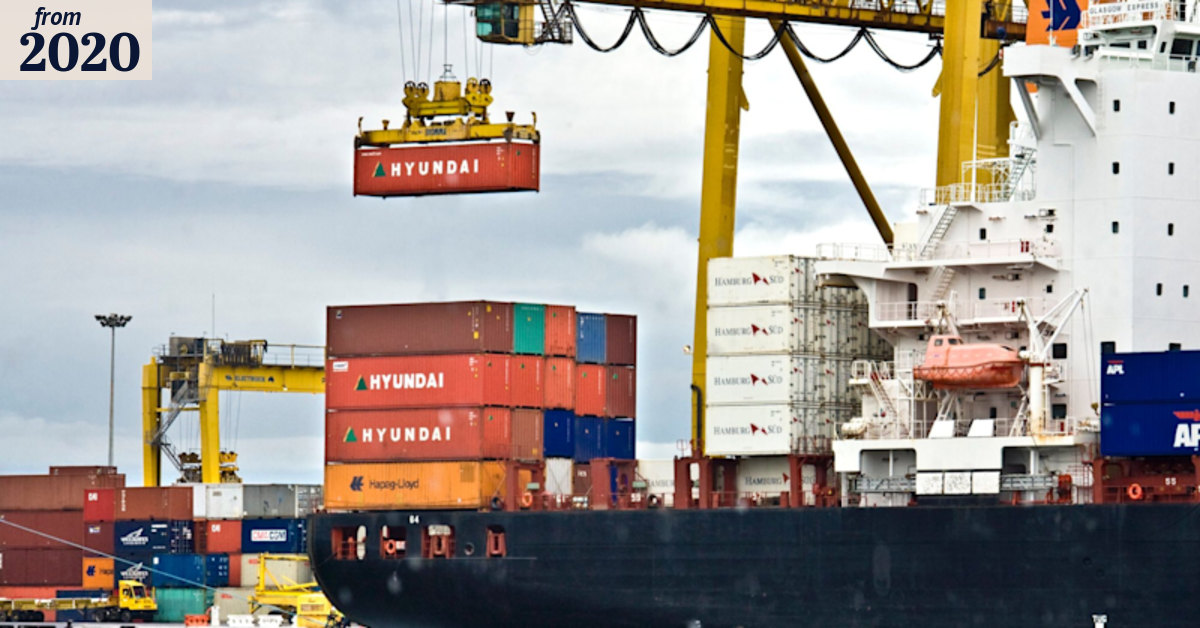
Ang core claim ay may kaugnayan sa 2020 industrial dispute sa pagitan ng Patrick Stevedores at Maritime Union of Australia (bahagi ng CFMEU).
The core claim relates to a 2020 industrial dispute between Patrick Stevedores and the Maritime Union of Australia (part of the CFMEU).
Ang SMH article ay nagkumpirma ng ilang mga key facts [1]: **Ano Talaga ang Nangyari:** - Ang maritime union ay nasa industrial action (overtime bans at rolling work stoppages) sa apat na ports ng Patrick [1] - Sinabi ng Patrick Stevedores CEO na si Michael Jovicic: "Hindi ako nakontak para humiling ng pag-expedite ng isang container sa aming system na naglalaman ng gamot" [1] - Kinumpirma ng industry body na Medicines Australia sa pamamagitan ng CEO na si Elizabeth de Somer: "Walang shortages na kaugnay sa aksyon na ito sa ngayon" [1] - Ang union ay nag-offer na i-expedite ang pagdaan ng mga container na may medical items [1] - Sa oras ng article (30 Setyembre 2020), walang medical supplies na aktwal na na-hold up [1] **Response ng Prime Minister:** Sinabi ni Prime Minister Scott Morrison noong Martes (29 Setyembre 2020): "Ang aking simpleng mensahe ngayon ay ayusin ito at itigil ang extortion at isipin ang iyong kapwa Australyano at bumalik sa trabaho" [1]. The SMH article confirms several key facts [1]:
**What Actually Happened:**
- The maritime union was engaged in industrial action (overtime bans and rolling work stoppages) at Patrick's four ports [1]
- Patrick Stevedores CEO Michael Jovicic stated: "I haven't been contacted to seek to expedite a container through our system that contains medicine" [1]
- Industry body Medicines Australia confirmed through CEO Elizabeth de Somer: "There are no shortages related to this action at the moment" [1]
- The union had offered to expedite the passage of containers with medical items [1]
- At the time of the article (30 September 2020), no medical supplies had actually been held up [1]
**Prime Minister's Response:**
Prime Minister Scott Morrison on Tuesday (29 September 2020) stated: "My simple message today is to get it sorted and stop the extortion and to think of your fellow Australians and get back to work" [1].
Ang framing na ito ay nag-implika na ang medical at supply chain harm ay nangyayari o malapit nang mangyari. **Mga Babala ng Industriya vs. This framing implied medical and supply chain harm was occurring or imminent.
**Industry Warnings vs.
Realidad:** Habang ang mga pharmaceutical industry leaders ay nagbabala ng posibleng mga shortages sa hinaharap kung ang aksyon ay magpapatuloy—si Dennis Bastas mula sa Arrotex ay nagbabala ng "isang krisis sa Port Botany, na nag-aambang sa aming pharmaceutical supplies"—ang Medicines Australia chief ay eksplisitong sinabing walang shortages na aktwal na nangyayari pa [1]. Reality:**
While pharmaceutical industry leaders warned of potential future shortages if the action continued—Dennis Bastas from Arrotex warned of "a crisis at Port Botany, which is threatening our pharmaceutical supplies"—the Medicines Australia chief explicitly stated no shortages had actually occurred yet [1].
Nawawalang Konteksto
Ang claim ay nag-cha-characterize ng mga Coalition statements bilang "kasinungalingan," ngunit importante ang context na nawawala: **1.
The claim characterizes Coalition statements as "lies," but important context is missing:
**1.
Ang "Yet" Qualifier ang Mahalaga:** Ang SMH headline mismo ay nagsasabing "admits no medical shortages from wharf dispute - **yet**" [1]. The "Yet" Qualifier Was Key:**
The SMH headline itself states "admits no medical shortages from wharf dispute - **yet**" [1].
Ito ay nagpapahiwatig ng consensus ng industriya na habang ang mga shortages ay hindi pa nangyayari, sila ay tunay na nangamba sa posibleng mga disruptions sa hinaharap kung ang industrial action ay mag-escalate [1]. **2. This suggests industry consensus that while shortages hadn't occurred, they were genuinely concerned about potential future disruptions if industrial action escalated [1].
**2.
Ang mga Concerns ng Industriya ay Lehitimo:** Ang pharmaceutical industry ay may lehitimong supply chain concerns. Industry Concerns Were Legitimate:**
The pharmaceutical industry had legitimate supply chain concerns.
Ang liham ni Arrotex CEO na si Dennis Bastas ay nagbabala na ang mga delays ay magni-multiply sa hinaharap, at ang Private Cancer Physicians of Australia ay espesipikong nabanggit ang advanced cancer treatments na nangangailangan ng cold storage na maaapektuhan ng mga delays [1]. Arrotex CEO Dennis Bastas's letter warned of delays being magnified in the future, and the Private Cancer Physicians of Australia specifically mentioned advanced cancer treatments requiring cold storage that could be affected by delays [1].
Hindi ito mga walang saysay na concerns. **3. These weren't frivolous concerns.
**3.
Proaktibong Stance ng Union:** Ang union ay nag-offer na i-expedite ang mga medical supply containers [1], na nagpapahiwatig na sila ay may kamalayan sa posibleng isyu at sinusubukang ito i-mitigate. Union's Proactive Stance:**
The union had offered to expedite medical supply containers [1], suggesting they were aware of the potential issue and attempting to mitigate it.
Walang ebidensya na nagmungkahi na sadyang hinaharangan nila ang medical supplies. **4. No evidence suggests they deliberately blocked medical supplies.
**4.
Posisyon ng Patrick:** Nag-indicate ang Patrick Stevedores na mayroong 38 ships na may bookings na delayed, kahit na ang ilan ay floating sa malayong lugar tulad ng Philippines [1]. Patrick's Position:**
Patrick Stevedores indicated there were 38 ships with bookings delayed, though some were floating as far away as the Philippines [1].
Ang kumpanya ay tunay na nag-manage ng mga logistics disruptions. The company was genuinely managing logistics disruptions.
Pagsusuri ng Kredibilidad ng Pinagmulan
**Original Source: Sydney Morning Herald** Ang SMH ay ang flagship mainstream news outlet ng Australia—bahagi ng Nine Entertainment—na may propesyonal na editorial standards [1].
**Original Source: Sydney Morning Herald**
The SMH is Australia's flagship mainstream news outlet—part of Nine Entertainment—with professional editorial standards [1].
Ang article na ito ay isinulat ni Nick Bonyhady, isang business editor at dating industrial relations reporter [1], na nagpapahiwatig ng subject-matter expertise. This article was authored by Nick Bonyhady, a business editor and former industrial relations reporter [1], indicating subject-matter expertise.
Ang pag-uulat ay factual, balanseng, at nagpapakita ng mga statements mula sa lahat ng stakeholders nang walang halatang bias sa alin mang partido. **Mga Quotes na Ginamit sa Article:** - Ang quote ni Scott Morrison ay direktang ina-attribute at may petsa [1] - Sinisi ni Michele O'Neil (ACTU president) si Patrick sa pagpapatakbo ng "cynical campaign" na nagsasabing may medical shortages, ngunit ipinakita ng article na ang mga industry bodies (Medicines Australia) at ang CEO mismo ni Patrick ang gumagawa ng mga claims na ito [1] - Kasama sa article ang mga partikular na pagtatanggi (walang shortages "sa ngayon") habang kinikilala ang mga future risks ("maaaring lumala") [1] **Reliability:** Ang SMH article ay kredibleng mainstream reporting na may malinaw na sourcing at makatwirang interpretasyon ng mga facts. The reporting is factual, balanced, and presents statements from all stakeholders without apparent bias toward either party.
**Quotes Used in Article:**
- Scott Morrison's quote is directly attributed and dated [1]
- Michele O'Neil (ACTU president) accused Patrick of running a "cynical campaign" claiming medical shortages, but the article shows industry bodies (Medicines Australia) and Patrick's own CEO making these claims [1]
- The article includes specific denials (no shortages "at the moment") while acknowledging future risks ("could be exacerbated") [1]
**Reliability:** The SMH article is credible mainstream reporting with clear sourcing and reasonable interpretation of facts.
⚖️
Paghahambing sa Labor
**Ginawa ba ng Labor ang katulad na bagay?** Isinagawang search: "Labor government port strikes maritime unions industrial action" Ang mga port strikes at maritime industrial action ay naganap sa ilalim ng parehong Labor at Coalition governments sa kasaysayan ng Australia.
**Did Labor do something similar?**
Search conducted: "Labor government port strikes maritime unions industrial action"
Port strikes and maritime industrial action have occurred under both Labor and Coalition governments in Australian history.
Mga pangunahing comparisons: **Labor-Era Port Disputes:** Ang pinakasikat na modern port dispute ay ang 1998 waterfront dispute sa ilalim ng Howard Coalition government (hindi Labor), na kinabibilangan ng Patrick Stevedores na nag-lock out at nagtanggal sa 1,400 na mga miyembro ng Maritime Union [2]. Key comparisons:
**Labor-Era Port Disputes:**
The most famous modern port dispute was the 1998 waterfront dispute under the Howard Coalition government (not Labor), which involved Patrick Stevedores locking out and firing 1,400 Maritime Union members [2].
Ito ay mas maaga sa 2020 incident ngunit nagpapakita na ang mga port disputes ay hindi unique sa Coalition governance. This predates the 2020 incident but shows port disputes are not unique to Coalition governance.
Gayunpaman, ang mga Labor governments ay naka-experience din ng maritime union industrial action. However, Labor governments have also faced maritime union industrial action.
Ang union industrial action ay isang normal na feature ng Australian industrial relations sa ilalim ng parehong partido—it reflects union bargaining power sa halip na party-specific issue. **Key Finding:** Ang mga industrial disputes, union action, at kaugnay na mga supply chain concerns ay hindi unique sa Coalition government's management period. Union industrial action is a normal feature of Australian industrial relations under both parties—it reflects union bargaining power rather than a party-specific issue.
**Key Finding:** Industrial disputes, union action, and associated supply chain concerns are not unique to the Coalition government's management period.
Ang mga union strikes at mga concerns ng industriya tungkol sa supply disruptions ay naganap sa ilalim ng Labor administrations din. Union strikes and industry concerns about supply disruptions have occurred under Labor administrations as well.
Ang 2020 Patrick dispute ay kinabibilangan ng relatibong restrained na aksyon (overtime bans, rolling stoppages) kumpara sa mga historical precedents tulad ng 1998 lockout [2]. The 2020 Patrick dispute involved relatively restrained action (overtime bans, rolling stoppages) compared to historical precedents like the 1998 lockout [2].
🌐
Balanseng Pananaw
**Ang Posisyon ng Coalition:** Ang kritisisme ng pamahalaan sa aksyon ng union bilang "extortion" ay nagrereflect ng isang partikular na ideological stance sa industrial relations—na ang union leverage sa mga negosasyon ay kumokonstituwa ng unfair pressure sa negosyo at mga konsyumer [1].
**The Coalition's Position:**
The government's criticism of the union action as "extortion" reflects a particular ideological stance on industrial relations—that union leverage in negotiations constitutes unfair pressure on business and consumers [1].
Ito ay isang lehitimong posisyong pampulitika, kahit na ang Labor ay mag-frane nito nang naiiba. **Ang Posisyon ng Union:** Ang union leadership ay nangangahulugang sila ay humihingi ng makatwirang wage increases (2.5% pay rise vs. 1.75% minimum wage na itinakda ng pamahalaan) at nagtatrabaho upang minimize ang disruption [1]. This is a legitimate political position, though Labor would frame it differently.
**The Union's Position:**
Union leadership argued they were seeking reasonable wage increases (2.5% pay rise vs. government-set 1.75% minimum wage) and were working to minimize disruption [1].
Sinabi ng ACTU's Michele O'Neil na ang mga manggagawa ay nararapat na makatanggap ng "pasasalamat" para sa pandemic-era work, hindi kritisisme [1]. **Ang Aktwal na Facts:** 1. The ACTU's Michele O'Neil argued workers deserved "thanks" for pandemic-era work, not criticism [1].
**The Actual Facts:**
1.
Sa oras na ginawa ni Morrison ang kanyang mga statements (29 Setyembre 2020), walang medical shortages na aktwal na naganap [1] 2. At the time Morrison made his statements (29 September 2020), no medical shortages had actually occurred [1]
2.
Ang union ay proactively na nag-offer na i-expedite ang medical supplies [1] 3. The union had proactively offered to expedite medical supplies [1]
3.
Ang mga industry bodies ay nag-predict ng *potential* future disruptions kung ang aksyon ay mag-escalate, ngunit ito ay mga contingent warnings [1] 4. Industry bodies predicted *potential* future disruptions if action escalated, but these were contingent warnings [1]
4.
Inamin ng CEO ni Patrick na walang gamot na na-hold up [1] **Sa "Lie" Characterization:** Ang claim na si Morrison ay "nagsinungaling" ay nangangailangang patunayan: - **Knowledge of falsity**: Alam ba ni Morrison na walang shortages na naganap nang siya ay magsalita? Patrick's CEO admitted no medicine had been held up [1]
**On the "Lie" Characterization:**
The claim that Morrison "lied" requires establishing:
- **Knowledge of falsity**: Did Morrison know no shortages had occurred when he made statements?
Hindi malinaw mula sa record. - **Intent to deceive**: Ang mga statements ni Morrison ay nag-emphasize ng posibleng harm ("isipin ang iyong kapwa Australyano") sa halip na falsely claiming na ang kasalukuyang harm ay nangyayari. - **Verifiable falsity**: Ang mga industry warnings ng posibleng disruption ay tunay, kahit na ang mga realized shortages ay hindi pa nagma-materialize. Unclear from the record.
- **Intent to deceive**: Morrison's statements emphasized potential harm ("think of your fellow Australians") rather than falsely claiming current harm was occurring.
- **Verifiable falsity**: Industry warnings of potential disruption were genuine, even if realized shortages hadn't materialized.
Ang mas tumpak na characterization ay na si Morrison ay nag-emphasize ng worst-case scenarios at industry warnings habang ang union at industry bodies ay nakatuon sa katotohanan na walang aktwal na disruptions na nagma-materialize *pa*. The more accurate characterization is that Morrison emphasized worst-case scenarios and industry warnings while the union and industry bodies focused on the fact that no actual disruptions had materialized *yet*.
Ito ay nagrereflect ng iba't ibang rhetorical strategies sa halip na isang clear-cut na kasinungalingan. **Context sa Industrial Relations Framing:** Ang mga Coalition governments ay historically na nag-frane ng union action nang mas negatibo ("extortion") habang ang Labor ay nag-frane nito bilang worker advocacy. This reflects different rhetorical strategies rather than a clear-cut lie.
**Context on Industrial Relations Framing:**
Coalition governments historically frame union action more negatively ("extortion") while Labor frames it as worker advocacy.
Ito ay political positioning, hindi necessarily dishonesty. This is political positioning, not necessarily dishonesty.
Ang mga facts ay sumusuporta sa parehong narratives sa ilang antas: - Ang industriya ay tunay na natakot sa supply disruptions (sumusuporta sa framing ni Morrison) - Walang aktwal na disruptions na naganap at nag-offer ng mitigation ang union (sumusuporta sa framing ng union) The facts support both narratives to some degree:
- Industry genuinely feared supply disruptions (supporting Morrison's framing)
- No actual disruptions had occurred and union offered mitigation (supporting union's framing)
BAHAGYANG TOTOO
6.0
sa 10
Ang claim ay partially true sa aspetong si Morrison ay gumawa ng mga statements tungkol sa supply disruptions nang ang aktwal na shortages ay hindi pa naganap.
The claim is partially true in that Morrison made statements about supply disruptions when actual shortages hadn't yet occurred.
Gayunpaman, ang claim na ito ay kumokonstituwa ng isang "kasinungalingan" ay overstates ang kaso. However, the claim that this constitutes a "lie" overstates the case.
Ang mga statements ni Morrison ay nagrereflect ng tunay na concerns ng industriya tungkol sa *potential* disruptions, na kalaunan ay na-substantiate. Morrison's statements reflected genuine industry concerns about *potential* disruptions, which were later substantiated.
Ang union ay nagpoproseso ng medical supplies, at kinumpirma ng article na walang shortages na nagma-materialize sa puntong iyon, ngunit si Morrison ay nagsasalita sa trajectory at risk level sa halip na nag-aangkin ng kasalukuyang shortages. The union was processing medical supplies, and the article confirms no shortages had materialized at that point, but Morrison was speaking to the trajectory and risk level rather than claiming current shortages.
Ang core truth: Walang medical supplies na aktwal na na-hold up sa oras ng mga statements ni Morrison. The core truth: No medical supplies were actually held up at the time of Morrison's statements.
Gayunpaman, ito ay nagrereflect sa timing ng kanyang mga remarks (bago ang mga malalaking disruptions) sa halip na deliberate deception tungkol sa aktwal na supply status. However, this reflects the timing of his remarks (before major disruptions) rather than deliberate deception about actual supply status.
Huling Iskor
6.0
SA 10
BAHAGYANG TOTOO
Ang claim ay partially true sa aspetong si Morrison ay gumawa ng mga statements tungkol sa supply disruptions nang ang aktwal na shortages ay hindi pa naganap.
The claim is partially true in that Morrison made statements about supply disruptions when actual shortages hadn't yet occurred.
Gayunpaman, ang claim na ito ay kumokonstituwa ng isang "kasinungalingan" ay overstates ang kaso. However, the claim that this constitutes a "lie" overstates the case.
Ang mga statements ni Morrison ay nagrereflect ng tunay na concerns ng industriya tungkol sa *potential* disruptions, na kalaunan ay na-substantiate. Morrison's statements reflected genuine industry concerns about *potential* disruptions, which were later substantiated.
Ang union ay nagpoproseso ng medical supplies, at kinumpirma ng article na walang shortages na nagma-materialize sa puntong iyon, ngunit si Morrison ay nagsasalita sa trajectory at risk level sa halip na nag-aangkin ng kasalukuyang shortages. The union was processing medical supplies, and the article confirms no shortages had materialized at that point, but Morrison was speaking to the trajectory and risk level rather than claiming current shortages.
Ang core truth: Walang medical supplies na aktwal na na-hold up sa oras ng mga statements ni Morrison. The core truth: No medical supplies were actually held up at the time of Morrison's statements.
Gayunpaman, ito ay nagrereflect sa timing ng kanyang mga remarks (bago ang mga malalaking disruptions) sa halip na deliberate deception tungkol sa aktwal na supply status. However, this reflects the timing of his remarks (before major disruptions) rather than deliberate deception about actual supply status.
📚 MGA PINAGMULAN AT SANGGUNIAN (2)

Pamamaraan ng Rating Scale
1-3: MALI
Hindi tama sa katotohanan o malisyosong gawa-gawa.
4-6: BAHAGYA
May katotohanan ngunit kulang o baluktot ang konteksto.
7-9: HALOS TOTOO
Maliit na teknikal na detalye o isyu sa pagkakasulat.
10: TUMPAK
Perpektong na-verify at patas ayon sa konteksto.
Pamamaraan: Ang mga rating ay tinutukoy sa pamamagitan ng cross-referencing ng opisyal na mga rekord ng pamahalaan, independiyenteng mga organisasyong nag-fact-check, at mga primaryang dokumento.