Totoo

Rating: 7.0/10

Coalition
C0139

Ang Claim

“Pinutol ang pondo para sa Homelessness Australia ng $41 milyon, sa gitna ng recession.”
Orihinal na Pinagmulan: Matthew Davis

Orihinal na Pinagmulan

FACTUAL NA BERIPIKASYON

Ang pangunahing claim ay **tama**.
The core claim is **accurate**.
Ang 2020 Federal Budget, na inihain noong Oktubre 6, 2020, ay nagputol ng homelessness funding ng $41.3 milyon na epektibo mula Hulyo 2021 [1][2].
The 2020 Federal Budget, delivered on October 6, 2020, did cut homelessness funding by $41.3 million effective from July 2021 [1][2].
Ito ay nangyari sa gitna ng tunay na recession: Ang Australia ay nakaranas ng negatibong GDP growth sa Q1 at Q2 2020 dahil sa COVID-19, na ang unemployment ay inaasahang aabot sa 8% pagsapit ng Disyembre 2020 [3].
This occurred during a genuine recession: Australia experienced negative GDP growth in Q1 and Q2 2020 due to COVID-19, with unemployment projected to reach 8% by December 2020 [3].
Ayon sa opisyal na pahayag ng Homelessness Australia, ang budget ay may "isang $41.3 milyon na pagputol sa homelessness services mula Hulyo 2021" [2].
According to Homelessness Australia's official statement, the budget included "a $41.3 million cut to homelessness services from July 2021" [2].
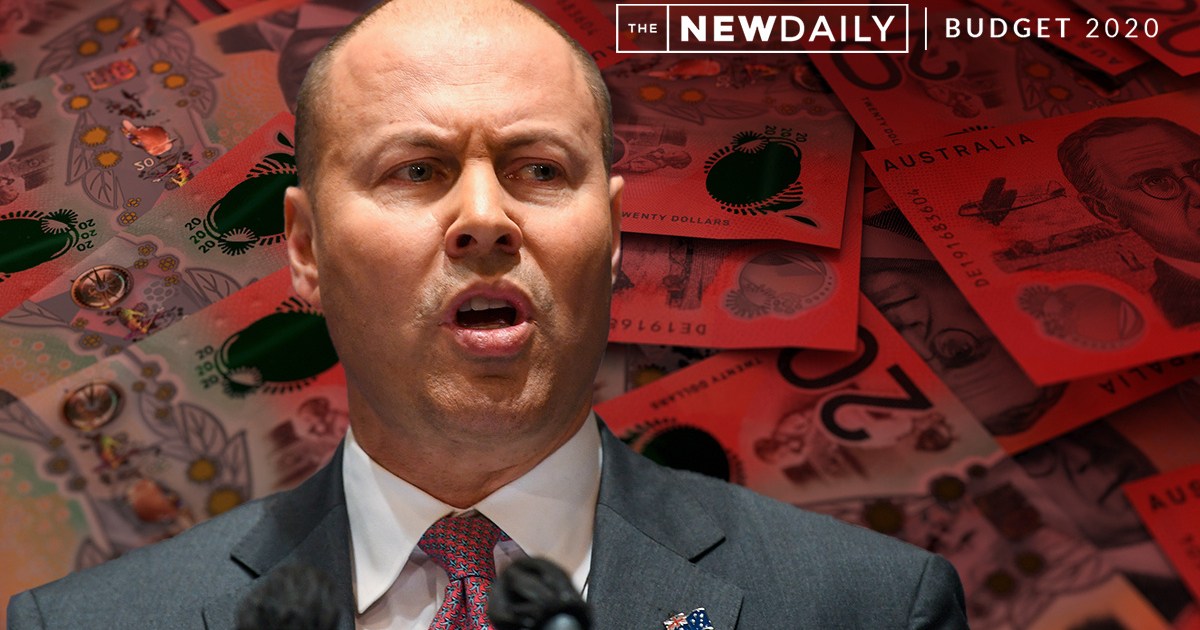
Ang artikulo ng The New Daily ay nagtukoy sa chair ng organisasyon na si Jenny Smith na nagsabi: "Ang budget ngayong gabi ay nakakapahina.
The New Daily article cites the organization's chair Jenny Smith stating: "Tonight's budget is devastating.
Sa isang taon na may malaking pagtaas ng unemployment na nagdulot ng pagdagsa sa rental stress at homelessness, pinili ng pederal na pamahalaan na putulin ang homelessness funding" [1].
In a year with huge increases in unemployment creating a surge in rental stress and homelessness, the federal government has chosen to slash homelessness funding" [1].
Ang mas malawak na konteksto ay nagpapatunay ng nadagdag na pangangailangan: Iniulat ng Homelessness Australia na ang mga serbisyo ay "tumanggi sa 253 tao araw-araw" sa nakaraang taon dahil sa hindi sapat na pabahay at suporta [2].
The broader context confirms increased need: Homelessness Australia reported that services had "turned away 253 people every day" in the previous year due to insufficient housing and support [2].
Bukod pa rito, ang budget ay mayroon lamang "isang one-off na pagbabayad sa Queensland para sa remote Indigenous housing" samantalang ang pondo para sa remote Indigenous housing ay bumaba mula $526.6 milyon noong 2017-18 hanggang $237.2 milyon taun-taon [2].
Additionally, the budget included only "a one-off payment to Queensland for remote Indigenous housing" while funding for remote Indigenous housing declined from $526.6 million in 2017-18 to $237.2 million annually [2].

Nawawalang Konteksto

Gayunpaman, ang claim ay hindi naglalaman ng ilang mahahalagang kontekstwal na salik: **1.
However, the claim omits several important contextual factors: **1.
Ang mas malawak na konteksto ng budget spending:** Bagama't ito ay isang $41.3 milyon na pagputol sa isang lugar, ang 2020 budget ay tahasang isang malaking spending budget.
The broader budget spending context:** While this was a $41.3 million cut in one area, the 2020 budget was explicitly a major spending budget.
Ang deficit ay umabot sa $213.7 bilyon, na ang kabuuang iniulat na spending ay nakatuon sa COVID-19 economic stimulus kabilang ang JobKeeper wage subsidies at tax cuts [1].
The deficit reached $213.7 billion, with total announced spending focused on COVID-19 economic stimulus including JobKeeper wage subsidies and tax cuts [1].
Ang prioritiyadong inihayag ng pamahalaan ay ang agarang economic stimulus sa halip na pangmatagalang social housing investment. **2.
The government's stated priority was immediate economic stimulus rather than long-term social housing investment. **2.
Ang tiyak na katangian ng pagputol:** Ang pagputol sa pondo ay tiyak na para sa homelessness *services* (mga programa ng suporta), hindi sa kabuuang homelessness spending.
The specific nature of the cut:** The funding cut was specifically for homelessness *services* (support programs), not total homelessness spending.
Ang budget ay may "$1 bilyon sa low-cost finance upang suportahan ang pagtatayo ng affordable housing" [1], na mas kaunting pansin ang natanggap kaysa sa service cuts. **3.
The budget did include "$1 billion in low-cost finance to support the construction of affordable housing" [1], which received less media attention than the service cuts. **3.
Konteksto ng historical funding:** Ang claim ay nakatuon sa pagputol noong 2020, ngunit dokumentado rin ng Homelessness Australia ang "isang 10 porsiyentong pagputol sa housing at homelessness funding sa loob ng tatlong taon mula 2017-18 hanggang 2020-21, na karamihan ay pinutol mula sa remote Indigenous housing" [2].
Historical funding context:** The claim focuses on the 2020 cut, but Homelessness Australia also documented "a 10 per cent cut to housing and homelessness funding over the three years from 2017-18 to 2020-21, most of which has been cut from remote Indigenous housing" [2].
Ito ay nagpapahiwatig na ang pagputol noong 2020 ay bahagi ng mas matagal na trend sa halip na isang biglaang desisyon. **4.
This suggests the 2020 cut was part of a longer trend rather than a sudden decision. **4.
Ang isyu ng funding cliff:** Ang $41.3 milyon na pagputol ay resulta ng pag-expire ng mga kasalukuyang funding arrangement sa halip na isang bagong desisyon sa patakaran.
The funding cliff issue:** The $41.3 million cut resulted from the expiration of existing funding arrangements rather than a new policy decision.
Mahalaga ang pagkakaibang ito: ito ay isang pagkabigong mag-renew ng pondo sa halip na isang aktibong pagputol ng isang programa.
This distinction matters: it was a failure to renew funding rather than an active slashing of a program.

Pagsusuri ng Kredibilidad ng Pinagmulan

**The New Daily:** Ayon sa Media Bias/Fact Check, ang The New Daily "ay nagpapanatili ng isang general interest focus, na tumatalakay sa pulitika, pananalapi, sports, at higit pa" [4].
**The New Daily:** According to Media Bias/Fact Check, The New Daily "maintains a general interest focus, covering politics, finance, sports, and more" [4].
Ang organisasyon ay rated bilang "Left-Center biased batay sa isang editorial perspective na katamtamang nakaayon sa kaliwa" at "Mostly Factual sa halip na mataas dahil sa kakulangan ng hyperlinked sourcing" [5].
The organization is rated as "Left-Center biased based on an editorial perspective that moderately aligns with the left" and "Mostly Factual rather than high due to a lack of hyperlinked sourcing" [5].
Nangangahulugan ito na ang artikulo, bagama't factually nag-uulat ng pagputol, ay malamang na binibigyang-diin ang mga negatibong aspeto nang mas prominente kaysa sa isang centrist outlet. **Homelessness Australia:** Ito ay isang peak body/advocacy organization na kumakatawan sa mga homelessness services.
This means the article, while factually reporting the cut, likely emphasizes the negative aspects more prominently than a centrist outlet might. **Homelessness Australia:** This is a peak body/advocacy organization representing homelessness services.
Ang kanilang media release ay isang pangunahing pinagmulan para sa $41.3 milyon na pigura at kritika, ngunit dapat na maunawaan bilang nagmumula sa isang organisasyon na may vested interest sa pagtataguyod ng pondo.
Their media release is a primary source for the $41.3 million figure and criticism, but should be understood as coming from an organization with a vested interest in securing funding.
Ang kanilang mga pahayag ay factually tama tungkol sa mga detalye ng budget, ngunit ang kanilang interpretasyon (pagtawag dito bilang "devastating," "cruel," at "senseless") ay sumasalamin sa kanilang advocacy position. **Pangkalahatang pagtatasa:** Ang parehong pinagmulan ay tumpak na nag-uulat ng halaga ng pagputol at timing, ngunit ini-frame ito nang negatibo nang walang malawak na detalye sa sinabing reasoning ng pamahalaan o sa mas malawak na spending context.
Their statements are factually accurate regarding the budget details, but their interpretation (calling it "devastating," "cruel," and "senseless") reflects their advocacy position. **Overall assessment:** Both sources accurately report the cut amount and timing, but frame it negatively without extensive detail on the government's stated reasoning or the broader spending context.
⚖️

Paghahambing sa Labor

**Ginawa ba ni Labor ang katulad?** Ang pagsisiyasat na isinagawa para sa "Kevin Rudd Julia Gillard homelessness funding cuts housing Australia" ay hindi nagbalik ng tiyak na comparative data sa mga desisyon sa homelessness funding noong panahon ni Labor.
**Did Labor do something similar?** The search conducted for "Kevin Rudd Julia Gillard homelessness funding cuts housing Australia" did not return specific comparative data on Labor-era homelessness funding decisions.
Gayunpaman, ang mas malawak na historical context ay may kaugnayan: Ang sistema ng suporta sa homelessness ng Australia ay nakakaranas ng chronic underfunding sa maraming administrasyon ng pamahalaan.
However, broader historical context is relevant: Australia's homelessness support system has faced chronic underfunding across multiple government administrations.
Ang Rudd-Gillard Labor government (2007-2010, 2010-2013) ay nagpatupad ng National Partnership Agreement on Homelessness (NPAH) na nagsimula noong 2008, na kumakatawan sa isang makabuluhang bagong inisyatiba.
The Rudd-Gillard Labor government (2007-2010, 2010-2013) implemented the National Partnership Agreement on Homelessness (NPAH) starting in 2008, which represented a significant new initiative.
Gayunpaman, ang pagkabigong magbigay ng katulad na sustained funding increases sa mga administrasyon ay nagpapahiwatig na ito ay isang systemic cross-party issue sa halip na isang problema na tiyak sa Coalition [6].
However, the failure to provide comparable sustained funding increases across administrations suggests this is a systemic cross-party issue rather than a Coalition-specific problem [6].
Tandaan, ang kasalukuyang Labor government (Albanese, mula 2022 pataas) ay nagkomit sa malalaking pagtaas sa homelessness funding.
Notably, the current Labor government (Albanese, from 2022 onwards) has committed to major homelessness funding increases.
Ang National Agreement on Social Housing and Homelessness ay nagbibigay ng $9.3 bilyon sa loob ng limang taon mula Hulyo 2024 [7], na kumakatawan sa isang makabuluhang pagbaliktad ng mga pagputol mula sa panahon ng Coalition.
The National Agreement on Social Housing and Homelessness provides $9.3 billion over five years from July 2024 [7], representing a substantial reversal of cuts from the Coalition era.
Gayunpaman, ito ay dumating pagkatapos ng mga pagputol na sinusuri dito—hindi ito nagtataguyod na ang Labor ay kikilos nang iba sa katulad na mga pangyayari noong 2020. **Pangunahing natuklasan:** Walang sapat na ebidensya upang direktang ikumpara ang pamamaraan ng Labor sa katulad na 2020-style recession spending decisions.
However, this came after the cuts being analyzed here—it doesn't establish that Labor would have handled the 2020 recession differently. **Key finding:** There is insufficient evidence to directly compare Labor's approach to equivalent 2020-style recession spending decisions.
Gayunpaman, ang chronic homelessness underfunding ng Australia ay tila isang systemic issue sa mga partido sa halip na natatangi sa Coalition.
However, Australia's chronic homelessness underfunding appears to be a systemic issue across parties rather than unique to the Coalition.
🌐

Balanseng Pananaw

Bagama't sinasabi ng mga kritiko na ang $41.3 milyon na pagputol ay malupit at walang katuturan sa gitna ng recession [1][2], ang posisyon ng Coalition government ay sumasalamin sa iba't ibang mga priyoridad sa patakaran.
While critics argue the $41.3 million cut was cruel and senseless during a recession [1][2], the Coalition government's position reflected different policy priorities.
Ang pamahalaan ay tahasang nakatuon sa agarang economic stimulus sa pamamagitan ng JobKeeper wage subsidies at tax cuts sa halip na pangmatagalang social housing investment [1].
The government was explicitly focused on immediate economic stimulus through JobKeeper wage subsidies and tax cuts rather than long-term social housing investment [1].
Ang Treasury at mga opisyal sa patakaran ay sinasabang naniniwala na ang agarang demand-side stimulus ay mas kritikal upang maiwasan ang economic collapse kaysa sa welfare expansion. **Pangunahing konteksto:** Hindi ito natatangi sa Coalition—ang homelessness ay chronic underfunded sa mga pamahalaan ng Australia.
Treasury and policy officials reportedly believed immediate demand-side stimulus was more critical to preventing economic collapse than welfare expansion. **Key context:** This is not unique to the Coalition—homelessness has been chronically underfunded across Australian governments.
Ang Homelessness Australia submission sa 2020 budget ay tiyak na humingi ng $30,000 bagong social housing projects bilang economic stimulus, na nagpapahiwatig na ang sektor ay naniniwala na ito ang optimal na tugon sa krisis [1].
The Homelessness Australia submission to the 2020 budget specifically called for $30,000 new social housing projects as economic stimulus, indicating the sector believed this was the optimal crisis response [1].
Nanawagan din para dito ang mga economist.
Economists also advocated for this approach.
Gayunpaman, ito ay sumasalamin sa pagkakaiba sa pilosopiya ng patakaran sa halip na ebidensya ng kasamaan o kapabayaan.
However, this represents a difference in policy philosophy rather than evidence of malice or neglect.
Ang timing ay tunay na problema: ang pagputol sa mga serbisyo ng suporta *sa gitna* ng recession na may tumataas na unemployment ay talagang nagpataas ng panganib ng homelessness.
The timing is genuinely problematic: cutting support services *during* a recession with surging unemployment did increase homelessness risk.
Ang mga serbisyo ay "sobrang dami ng trabaho" at tumanggi sa 253 tao araw-araw [2].
Services were already "inundated" and turning away 253 people daily [2].
Ang $41.3 milyon na pagputol, bagama't hindi malaki sa mga tuntunin ng budget, ay may mga tunay na epekto sa mga vulnerable populations na nakakaharap ng heightened housing insecurity. **Mahalagang pagkakaiba:** Ang Australia ay sa huli ay nagdeklara ng recession (Q1 at Q2 2020 negative growth), ngunit sa oras ng Oktubre 6 budget, ang economic outlook ay hindi pa tiyak.
The $41.3 million cut, while not massive in budgetary terms, had real impacts on vulnerable populations facing heightened housing insecurity. **Critical distinction:** Australia did eventually declare a recession (Q1 and Q2 2020 negative growth), but at the time of the October 6 budget, the economic outlook was still uncertain.
Ang pamahalaan ay kumikilos sa mga forecast ng 8% unemployment sa halip na ipinapakita ang kasalukuyang kondisyon.
The government was acting on forecasts of 8% unemployment rather than demonstrated current conditions.
Hindi ito nagpapatawad sa pagputol, ngunit ipinapaliwanag ang dahilan: naniniwala sila na ang pagsusumikap sa trabaho ang priyoridad.
This doesn't excuse the cut, but explains the reasoning: they believed stimulating employment was the priority.
Ang desisyon na mamuhunan ng $1 bilyon sa affordable housing finance habang pinuputol ang funding para sa mga serbisyo ay nagmumungkahi ng isang "build your way out" na pilosopiya—paglikha ng permanenteng pabahay sa halip na pagpapalawak ng pansamantalang suporta.
The decision to invest $1 billion in affordable housing finance while cutting services funding suggests a "build your way out" philosophy—creating permanent housing rather than expanding temporary support.
Gayunpaman, ito ay nangangailangan ng mas maraming oras upang magbigay ng mga resulta, na nag-iiwan ng isang pag-ita para sa mga mahihirap na tao sa pagitan. **Paghahambing:** Ang desisyon na putulin ang funding para sa serbisyo habang pinapanatili/pinataas ang capital investment ay inulit sa maraming pamahalaan ng Australia, na nagpapahiwatig na ito ay sumasalamin sa isang systemic preference para sa infrastructure spending sa halip na recurrent services funding sa mga panahon ng paghihigpit.
However, this required more time to deliver results, leaving a gap for vulnerable people in the interim. **Comparative note:** The decision to cut service funding while maintaining/increasing capital investment has been repeated across multiple Australian governments, suggesting it reflects a systemic preference for infrastructure spending over recurrent services funding in times of constraint.

TOTOO

7.0

sa 10

Ang Coalition government ay talagang nagputol ng $41.3 milyon sa homelessness services funding mula Hulyo 2021, at ang desisyong ito ay nangyari sa gitna ng COVID-19 recession ng Australia nang ang unemployment ay tumataas at ang panganib ng homelessness ay mataas.
The Coalition government did cut $41.3 million in homelessness services funding from July 2021, and this decision occurred during Australia's COVID-19 recession when unemployment was surging and homelessness risk was elevated.
Gayunpaman, ang claim ay kulang sa konteksto na ang pagputol ay bahagi ng agarang crisis-response budget priorities na binibigyang-diin ang stimulus sa halip na social expansion, at ang chronic homelessness underfunding ay isang systemic cross-party issue sa halip na natatangi sa Coalition.
However, the claim lacks context that the cut was part of immediate crisis-response budget priorities emphasizing stimulus over social expansion, and that chronic homelessness underfunding is a systemic cross-party issue rather than unique to the Coalition.

📚 MGA PINAGMULAN AT SANGGUNIAN (7)

  1. 1
    Federal budget 2020: Coalition slammed for failing to help those most affected by pandemic

    Federal budget 2020: Coalition slammed for failing to help those most affected by pandemic

    The Coalition hopes to rush billions in tax cuts through Parliament as its pandemic-era budget is criticised for not doing enough for those most affected.

    Thenewdaily Com
  2. 2
    Federal Budget reveals millions to be cut from vital homelessness services

    Federal Budget reveals millions to be cut from vital homelessness services

    Homelessnessaustralia Org
  3. 3
    The Australian Economy in 2020-21: The COVID‐19 Pandemic and Prospects

    The Australian Economy in 2020-21: The COVID‐19 Pandemic and Prospects

    This article summarises developments in the Australian economy in 2020. It describes the economic growth and labour market ramifications associated with COVID‐19, and the fiscal and monetary policies implemented to help counter its effects. COVID‐19 ...

    PubMed Central (PMC)
  4. 4
    The New Daily - Bias and Credibility

    The New Daily - Bias and Credibility

    LEFT-CENTER BIAS These media sources have a slight to moderate liberal bias.  They often publish factual information that utilizes loaded words (wording

    Media Bias/Fact Check
  5. 5
    Daily Source Bias Check: The New Daily

    Daily Source Bias Check: The New Daily

    LEFT-CENTER BIAS These media sources have a slight to moderate liberal bias.  They often publish factual information that utilizes loaded words (wording

    Media Bias/Fact Check
  6. 6
    anao.gov.au

    Implementation of the National Partnership Agreement on Homelessness

    Anao Gov

  7. 7
    pm.gov.au

    Delivering more homes for Australia

    The Albanese Labor Government’s Homes for Australia plan will deliver significant new funding across the country to build more homes with a new national housing agreement beginning on 1 July.As part of the new 5-year National Agreement on Social Housing and Homelessness which starts on 1 July 2024, states and territories will share in $9.3 billion.The funding will help to combat homelessness, provide crisis support and build and repair social housing.

    Prime Minister of Australia

Pamamaraan ng Rating Scale

1-3: MALI

Hindi tama sa katotohanan o malisyosong gawa-gawa.

4-6: BAHAGYA

May katotohanan ngunit kulang o baluktot ang konteksto.

7-9: HALOS TOTOO

Maliit na teknikal na detalye o isyu sa pagkakasulat.

10: TUMPAK

Perpektong na-verify at patas ayon sa konteksto.

Pamamaraan: Ang mga rating ay tinutukoy sa pamamagitan ng cross-referencing ng opisyal na mga rekord ng pamahalaan, independiyenteng mga organisasyong nag-fact-check, at mga primaryang dokumento.