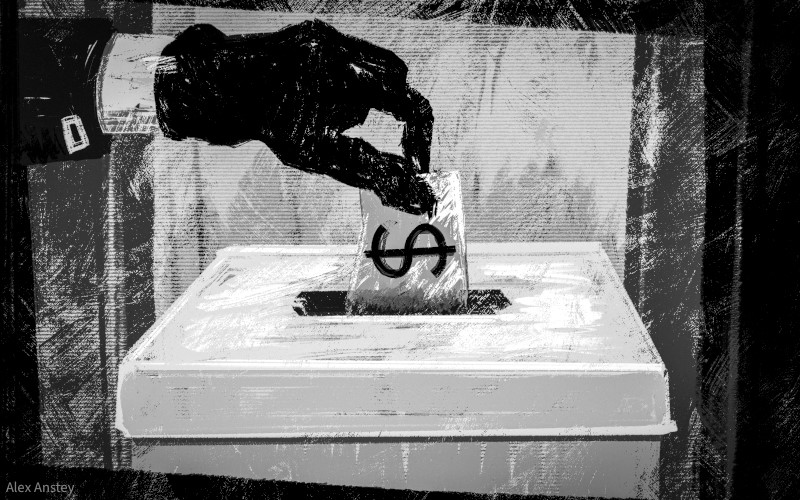
“Pinalawig ang mga exemption sa transparency ng political donation, na 25 taon nang matagal at dapat ay pansamantala lamang. Claim ID: C0122 Kategorya: Donations, Corruption, Transparency Pinagmulan: Michael West Media (Dec 27, 2020) ---”
Tumutukoy ang claim sa "grandfathered exemption" na itinatag ng Keating Labor government noong kalagitnaan ng 1990s.
The claim refers to the "grandfathered exemption" established by the Keating Labor government in the mid-1990s.
Ang exemption na ito ay nagpapahintulot sa humigit-kumulang 1,119 na kumpanya na maiwasan ang paghahain ng mga financial report sa ASIC (Australian Securities and Investments Commission) [1].
This exemption allows approximately 1,119 companies to avoid lodging financial reports with ASIC (Australian Securities and Investments Commission) [1].
Ayon sa imbestigasyon ng Michael West Media, ang exemption ay "ipinakilala bilang pansamantalang plano ng Keating government" at "nananatiling maaari 25 taon na" mula nang mailathala ang artikulo noong Disyembre 2020 [1].
According to Michael West Media's investigation, the exemption was "introduced as a temporary plan by the Keating government" and "remains in place 25 years on" as of the article's publication in December 2020 [1].
Sinasabi ng artikulo na "Ang listahan ay dapat repasuhin ilang taon matapos itong itatag ngunit pinigilan ng Howard government ang repasong iyon" [1].
The article states that "The list was to be reviewed a few years after it was established but the Howard government stopped that review" [1].
Dagdag pa, iniulat ng imbestigasyon na "Ang Rudd-Gillard government ay nagpasa rin ng mga batas upang limitahan ang exemption, ngunit binalewala ito ng Coalition" [1].
The investigation further documents that "The Rudd-Gillard government also passed laws to limit the exemption, but the Coalition overturned them" [1].
Itinataguyod nito ang isang mahalagang katotohanan: ang Coalition government ay aktibong tumutol at bumalewala sa lehislasyon na maglilimita sa exemption [1].
This establishes a key factual element: the Coalition government did actively oppose and reverse legislation that would have restricted the exemption [1].
Tinukoy ng artikulo ang exemption na ito bilang lumilikha ng "dalawang uri ng mamamayan – ang mga kailangang maghayag ng kanilang mga pahayag sa pananalapi at ang 1,119 na kumpanya na hindi" [1].
The article identifies this exemption as creating "two classes of citizens – those who have to declare their financial statements and the 1,119 companies which do not" [1].
Kasama sa mga kumpanya sa grandfathered list na ito ang mga pag-aari ng mayayamang indibidwal tulad ni Anthony Pratt, na ang maraming kumpanya ay nakikinabang sa exemption na ito sa kabila ng pagiging ikatlong pinakamayamang tao sa Australia at isang masigasig na political donor [1]. **Mga pinatotohanang core facts:** - ✅ Umiiral ang exemption at nagmula sa Keating government (~1995) [1] - ✅ Ito ay dapat ay pansamantala [1] - ✅ Pinigilan ng Howard government ang nakatakdang repaso [1] - ✅ Sinubukan ng Rudd-Gillard government na limitahan ito [1] - ✅ Binalewala ng Coalition government ang mga paghihigpit na iyon [1] - ✅ Nananatiling maaari ang exemption 25+ taon na ang nakalilipas [1] ---
Companies on this grandfathered list include holdings of wealthy individuals such as Anthony Pratt, whose multiple companies benefit from this exemption despite him being Australia's third-richest person and a prolific political donor [1].
**Core facts confirmed:**
- ✅ Exemption exists and dates back to Keating government (~1995) [1]
- ✅ It was intended to be temporary [1]
- ✅ Howard government stopped a scheduled review [1]
- ✅ Rudd-Gillard government attempted to restrict it [1]
- ✅ Coalition government reversed those restrictions [1]
- ✅ The exemption remains in effect 25+ years later [1]
---
Nawawalang Konteksto
Ang claim at artikulo ay nakatuon sa mga exemption para sa political donations at mga kinakailangan sa ASIC disclosure (ang "grandfathered" company exemption), ngunit ilang kontekstwal na elemento ang karapat-dapat na bigyang-pansin:
The claim and article focus on exemptions for political donations and ASIC disclosure requirements (the "grandfathered" company exemption), but several contextual elements deserve attention:
### 1. **Orihinal na Layunin at Hangarin**
### 1. **Original Intent and Purpose**
Hindi ipinapaliwanag ng artikulo kung bakit inisyal na nilikha ng Keating government ang exemption na ito.
The article does not explain why the Keating government initially created this exemption.
Ang mga exemption ng gobyerno para sa matagal nang itinatag na pribadong kumpanya mula sa financial disclosure ay kadalasang sumasalamin sa mga pagsasaalang-alang sa patakaran tulad ng: - Regulatory burden sa mga mature family businesses - Mga proteksyon sa privacy para sa mga non-public company - Pagkakaiba sa pagitan ng mga public at private company accountability requirements Inihahanay ng artikulo ito bilang isang "loophole" na nakikinabang sa mga "plutocrat" sa halip na tuklasin ang orihinal na rasyunal ng patakaran [1].
Government exemptions for long-established private companies from financial disclosure often reflect policy considerations around:
- Regulatory burden on mature family businesses
- Privacy protections for non-public companies
- Distinction between public and private company accountability requirements
The article frames this purely as a "loophole" benefiting "plutocrats" rather than exploring the original policy rationale [1].
### 2. **Dalas ng Repaso kumpara sa Hindi Pagrerepaso**
### 2. **Frequency of Review vs. Non-Review**
Bagama't sinasabi ng artikulo na pinigilan ng Howard ang nakatakdang repaso, hindi ito nagbibigay ng: - Kailan nakatakdang magrepaso - Anong ebidensya ang umiiral na ang repaso ay eksplisitong nakatuon - Bakit ang mga sumunod na gobyerno (kasama na ang Labor, pagkatapos ng 2007) ay hindi nagpasimula ng kanilang sariling mga repaso - Kung ang maraming gobyerno sa buong political spectrum ay pinayagan itong magpatuloy
While the article states Howard "stopped" a scheduled review, it does not provide:
- When the review was scheduled
- What evidence exists that a review was explicitly committed to
- Why subsequent governments (Labor included, post-2007) did not initiate their own reviews
- Whether multiple governments across the political spectrum allowed this to persist
### 3. **Sukat ng Exemption**
### 3. **Scale of the Exemption**
Tinukoy ng artikulo ang 1,119 na kumpanya sa grandfathered list [1], ngunit hindi inilalagay sa konteksto: - Ilan ang kabuuang kumpanya na nakarehistro sa Australia - Anong porsyento ang kumakatawan nito - Ilan sa mga ito ang aktwal na aktibo sa political donations - Kung ito ay isang malawak na kasanayan sa internasyonal na antas
The article identifies 1,119 companies on the grandfathered list [1], but does not contextualize:
- How many total companies are registered in Australia
- What percentage this represents
- How many of these are actually active in political donations
- Whether this is a widespread practice internationally
### 4. **Sariling Posisyon ng Labor Pagkatapos ng 2022**
### 4. **Labor's Own Position Post-2022**
Inilathala ang artikulo noong Disyembre 2020, bago bumalik ang Labor sa gobyerno noong 2022.
The article was published in December 2020, before Labor returned to government in 2022.
Hindi ipinapahiwatig ng imbestigasyon: - Kung ang Labor, nang makabalik sa kapangyarihan, ay kumilos upang suspindihin ang exemption - Anong mga aksyon ang ginawa ng Labor sa donation transparency reform pagkatapos ng 2022 - Kung ang Labor ay nakaranas ng presyon mula sa sariling donor base nito upang mapanatili ang exemption ---
The investigation does not indicate:
- Whether Labor, once returned to power, moved to repeal the exemption
- What actions Labor took on donation transparency reform post-2022
- Whether Labor faced pressure from its own donor base to maintain the exemption
---
Pagsusuri ng Kredibilidad ng Pinagmulan
**Profile ng Michael West Media:** Ang Michael West Media ay inilarawan bilang isang left-leaning investigative journalism outlet [2].
**Michael West Media Profile:**
Michael West Media is characterized as a left-leaning investigative journalism outlet [2].
Ayon sa Media Bias/Fact Check, ang Michael West Media ay "nagpapakita bilang non-partisan ngunit malakas na naghahanay ng mga kuwento laban sa corporate at government elites, na nagbubunga ng isang malinaw na left-leaning bias.
According to Media Bias/Fact Check, Michael West Media "presents itself as non-partisan but strongly frames stories against corporate and government elites, resulting in a clear left-leaning bias.
Ang pag-uulat ay madalas na nanunuri sa mga multinational corporation, fossil fuel firms, at mga political connections sa kayamanan" [2].
Reporting frequently criticizes multinational corporations, fossil fuel firms, and political connections to wealth" [2].
Nilalapitan ng Ground News ang media bias ng Michael West bilang Left [3].
Ground News rates Michael West's media bias as Left [3].
Nangangahulugan ito ng isang kilalang ideological slant patungo sa skepticism sa corporate at conservative political interests. **Kredibilidad ng May-akda:** Ang imbestigasyon ay isinagawa ni Stephanie Tran (kasama si Michael West), inilarawan bilang "isang mamamahayag na may background sa parehong batas at journalism.
This indicates a known ideological slant toward skepticism of corporate and conservative political interests.
**Author Credibility:**
The investigation was conducted by Stephanie Tran (with Michael West), described as "a journalist with a background in both law and journalism.
Nagtrabaho siya sa The Guardian at bilang isang paralegal, kung saan tinulungan niya ang depensa team ng Crikey sa high-profile defamation case na isinampa ni Lachlan Murdoch.
She has worked at The Guardian and as a paralegal, where she assisted Crikey's defence team in the high-profile defamation case brought by Lachlan Murdoch.
Ang kanyang pag-uulat ay kinikilala sa pambansang antas, na nagkamit sa kanya ng 2021 Democracy's Watchdogs Award for Student Investigative Reporting at isang nominasyon para sa 2021 Walkley Student Journalist of the Year Award" [1]. **Pagtatasa:** Bagama't ang Michael West Media ay may dokumentadong left-leaning bias, ang mga factual claims sa artikulong ito ay kinuha mula sa mga maaaring patunayan na opisyal na talaan at kasaysayan ng lehislasyon.
Her reporting has been recognised nationally, earning her the 2021 Democracy's Watchdogs Award for Student Investigative Reporting and a nomination for the 2021 Walkley Student Journalist of the Year Award" [1].
**Assessment:**
While Michael West Media has a documented left-leaning bias, the factual claims in this article are sourced from verifiable official records and legislative history.
Ang imbestigasyon ay umaasa sa: - Australian Electoral Commission (AEC) data at mga rehistro [1] - Parliamentary legislative records tungkol sa aling gobyerno ang nagpakilala at nagbago ng exemption [1] - ANAO (Australian National Audit Office) audit findings [1] - Primary source analysis ng mga donation returns [1] Ang bias ay awtomatikong hindi nagpapawalang-bisa sa mga fact na inihain; gayunpaman, ang paghahanay ay binibigyang-diin ang mga negatibong aspeto ng exemption at asal ng donor.
The investigation relies on:
- Australian Electoral Commission (AEC) data and registers [1]
- Parliamentary legislative records regarding which government introduced and modified the exemption [1]
- ANAO (Australian National Audit Office) audit findings [1]
- Primary source analysis of donation returns [1]
The bias does not automatically invalidate the facts presented; however, the framing emphasizes the negative aspects of the exemption and donor behavior.
Matinding kinokritisismo ng artikulo ang pagpapatuloy ng exemption sa halip na ito ay ihain nang neutral [2]. ---
The article strongly criticizes the continuation of the exemption rather than presenting it neutrally [2].
---
⚖️
Paghahambing sa Labor
### Ginawa ba ng Labor ang katulad na bagay?
### Did Labor do something similar?
**Mahalagang Natuklasan: Nilikha ng Labor ang exemption.** Ang grandfathered exemption ay "ipinakilala bilang pansamantalang plano ng Keating government" noong kalagitnaan ng 1990s [1].
**Critical Finding: Labor introduced the exemption.**
The grandfathered exemption was "introduced as a temporary plan by the Keating government" in the mid-1990s [1].
Nangangahulugan ito na ang Labor, hindi ang Coalition, ang lumikha ng "loophole" na ito. **Posisyon ng Labor sa pagpapanatili/paglimita sa exemption:** - **Howard government (1996-2007, Coalition)**: Pinigilan ang nakatakdang repaso ng exemption, na nagpapahintulot na magpatuloy ito [1] - **Rudd-Gillard government (2007-2013, Labor)**: Nagpakilala ng lehislasyon upang limitahan/repasuhin ang exemption [1] - **Abbott-Turnbull-Morrison government (2013-2022, Coalition)**: "Binalewala" ang Rudd-Gillard lehislasyon na maglilimita sa exemption [1] **Pagtatasa:** Ang talaan ng Labor sa isyung ito ay halo-halo: 1.
This means Labor, not the Coalition, created this "loophole."
**Labor's position on maintaining/restricting the exemption:**
- **Howard government (1996-2007, Coalition)**: Stopped a scheduled review of the exemption, allowing it to persist [1]
- **Rudd-Gillard government (2007-2013, Labor)**: Introduced legislation to limit/restrict the exemption [1]
- **Abbott-Turnbull-Morrison government (2013-2022, Coalition)**: "Overturned" the Rudd-Gillard legislation that would have restricted the exemption [1]
**Assessment:**
Labor's record on this specific issue is mixed:
1.
Nilikha ng Labor *ang exemption* (Keating, 1995) 2.
Labor *created* the exemption (Keating, 1995)
2.
Sinubukan ng Labor na *limitahan* ang exemption (Rudd-Gillard, 2007-2013) 3.
Labor *attempted to restrict* the exemption (Rudd-Gillard, 2007-2013)
3.
Pinigilan ng Coalition *ang paghihigpit na iyon* (2013-2022) Pinapahirap nito ang salaysay.
Coalition *prevented* that restriction (2013-2022)
This complicates the narrative.
Bagama't ang Coalition ay kinokritisismo para sa pagpapanatili ng exemption, ang Labor ay kapwa lumikha nito at sinubukang ireporma ito.
While the Coalition is criticized for maintaining the exemption, Labor both created it and attempted to reform it.
Ang pagpili ng Coalition na balewalain ang repormang lehislasyon ng Labor ay isang wastong punto ng kritisisimo, ngunit hindi isinasaalang-alang na nilikha ng Labor ang orihinal na problema. ---
The Coalition's choice to overturn Labor's reform legislation is a fair point of criticism, but it omits that Labor created the original problem.
---
🌐
Balanseng Pananaw
### Ang Kritisismo (Malaking Bahagi ay Wasto)
### The Criticism (Largely Valid)
Ang kritika na ang isang pansamantalang exemption mula sa kalagitnaan ng 1990s ay hindi dapat umiiral pa rin noong 2020 ay makatwiran.
The critique that a temporary exemption from the mid-1990s should not still exist in 2020 is reasonable.
Ang isang 25 taong gulang na "pansamantalang" hakbang na hindi kailanman narepaso ay kumakatawan sa: - Pagkaantala ng patakaran at inertia - Pagkabigo ng mga sumusunod na gobyerno na tugunan ang lumang lehislasyon - Patuloy na kakulangan sa transparency sa political funding sa kabila ng ipinahayag na pangako sa transparency [1] Ang tiyak na aksyon ng Coalition—ang pagbalewala sa Rudd-Gillard lehislasyon upang limitahan ang exemption—ay isang lehitimong punto ng kritisisimo [1].
A 25-year-old "temporary" measure that has never been reviewed represents:
- Policy drift and inertia
- Failure of successive governments to address outdated legislation
- Continued opacity in political funding despite stated commitment to transparency [1]
The Coalition's specific action—overturning Rudd-Gillard legislation to restrict the exemption—is a legitimate point of criticism [1].
Kung ang isang gobyerno na kontrolado ng mga benepisyaryo ng isang loophole ay nag-aalis ng mga paghihigpit sa loophole na iyon, ito ay nagdudulot ng mga alalahanin sa accountability.
If a government controlled by the beneficiaries of a loophole removes restrictions on that loophole, this raises accountability concerns.
### Perspektiba ng Coalition (Limitado sa Pinagmulan)
### Coalition's Perspective (Limited in Source)
Hindi ipinakikita ng artikulo ang rasyunal ng Coalition para sa pagbalewala sa mga paghihigpit ng Rudd-Gillard.
The article does not present the Coalition's rationale for overturning the Rudd-Gillard restrictions.
Ang mga posibleng pagpapaliwanag (hindi ibinigay sa pinagmulan) ay maaaring kasama: - Mga alalahanin sa regulatory overreach - Mga alalahanin sa retroactive application ng mga bagong pamantayan sa itinatag na mga kumpanya - Mga argumento na ang grandfathered status ay sumasalamin sa mga makasaysayang legislative judgments Ang artikulo ay walang pahayag mula sa mga kinatawan ng Coalition na nagpapaliwanag ng kanilang desisyon [1].
Possible justifications (not provided in source) might include:
- Concerns about regulatory overreach
- Concerns about retroactive application of new standards to established companies
- Arguments that grandfathered status reflects historical legislative judgments
The article contains no statement from Coalition representatives explaining their decision [1].
### Mahalagang Konteksto: Pagkabigo ng Magkabilang Partido
### Key Context: Bipartisan Failure
Tandaan, dokumentado ng artikulo na ang parehong mga pangunahing partido ay nagtulungan upang *pahinain* ang mga state donation laws sa pederal na antas: "Sa katapusan ng Oktubre, ang parehong mga pangunahing partido ay nagkaisa upang pumasa ng isang amendment na magpapa-override sa mas mahihigpit na state political donations laws.
Notably, the article documents that both major parties collaborated to *weaken* state donation laws at the federal level:
"At the end of October, both major parties joined forces to pass an amendment to override stricter state political donations laws.
Ang amendment ay nagpapahintulot sa mga donor na ipinagbabawal sa ilalim ng state law, tulad ng mga property developer, na mag-donate sa mga state political branches sa kondisyon na ang pera ay para sa 'federal purposes'" [1].
The amendment allows donors that are prohibited under state law, such as property developers, to donate to state political branches provided that the money is for 'federal purposes'" [1].
Iminumungkahi nito na ang parehong Labor at Coalition ay minsang prayoridad ang access sa mga donation kaysa sa transparency.
This suggests that both Labor and the Coalition have at times prioritized access to donations over transparency.
Kinuha ng artikulo ang quote mula kay Christine Milne (Greens): "Ang Liberal at Labor ay ngayon ay nagtulungan upang pahinain [ang mga state donation restrictions]... money laundering ng property development donations" [1].
The article quotes Christine Milne (Greens): "Liberal and Labor have now worked together to undermine [state donation restrictions]... money laundering of property development donations" [1].
Iminumungkahi nito na ang problema ay hindi eksklusibo sa asal ng Coalition kundi sumasalamin sa mga structural incentives na nakakaapekto sa parehong pangunahing partido.
This indicates the problem is not exclusively Coalition behavior but reflects structural incentives affecting both major parties.
### Mga Natuklasan ng Australian National Audit Office
### Australian National Audit Office Findings
Tinukoy ng artikulo ang natuklasan ng ANAO audit na "Walang sapat na ebidensya na ang mga taunang election returns ay tumpak at kumpleto" at "Ang kahusayan ng analysis na isinasagawa ng AEC ay limitado.
The article cites an ANAO audit finding that "There is insufficient evidence that annual and election returns are accurate and complete" and "The effectiveness of the analysis undertaken by the AEC is limited.
Ang mga taunang returns na isinumite ng mga third party at donor ay hindi sinuri" [1].
Annual returns submitted by third parties and donors are not analysed" [1].
Iminumungkahi nito na ang problema ay lumalawig sa exemption mismo sa mahihinang enforcement at audit processes—isang sistemang isyu na hindi natatangi sa anumang isang gobyerno. ---
This suggests the problem extends beyond the exemption itself to weak enforcement and audit processes—a systemic issue not unique to any one government.
---
BAHAGYANG TOTOO
5.0
sa 10
Tumpak na itinutukoy ng claim na: 1. ✅ Umiiral ang mga exemption para sa disclosure 2. ✅ Ang mga ito ay nagmula humigit-kumulang 25 taon na ang nakalilipas (Keating government, kalagitnaan ng 1990s) 3. ✅ Ang mga ito ay dapat ay pansamantala 4. ✅ Pinalawig/pinanatili ng Coalition ang mga ito (sa pamamagitan ng pagbalewala sa mga paghihigpit ng Rudd-Gillard) Gayunpaman, ang claim ay hindi kumpleto at mapanlinlang sa mga kritikal na paraan: 1. **Mapanlinlang sa pinagmulan**: Nilikha ng Labor (Keating), hindi ng Coalition, ang exemption.
The claim accurately states that:
1. ✅ Exemptions for disclosure exist
2. ✅ They date back approximately 25 years (Keating government, mid-1990s)
3. ✅ They were intended to be temporary
4. ✅ The Coalition extended/maintained them (by overturning Rudd-Gillard restrictions)
However, the claim is incomplete and misleading in critical ways:
1. **Misleads on origin**: The exemption was created by Labor (Keating), not the Coalition.
Bagama't tama na kritisisin ang Coalition para sa pagpapanatili nito, ang responsibilidad ay ibinabahagi sa mga gobyerno. 2. **Hindi isinasaalang-alang ang tangka ng Labor na magrepaso**: Sinubukan talaga ng Labor (Rudd-Gillard) na limitahan ang exemption sa pamamagitan ng lehislasyon.
While the Coalition is correct to criticize for maintaining it, responsibility is shared across governments.
2. **Omits Labor's reform attempt**: Labor (Rudd-Gillard) actually attempted to restrict the exemption with legislation.
Ang pagbalewala ng Coalition dito ay wastong kritisisin, ngunit hindi isinasaalang-alang na sinubukan ng Labor na tugunan ang problema. 3. **Selektibo ang paghahanay**: Binibigyang-diin ng artikulo ang obstruction ng Coalition habang binabalewala ang papel ng Labor sa parehong paglikha ng exemption at sa pagtutulungan sa Coalition na pahinain ang mga state donation laws [1]. 4. **Nawawalang konteksto sa pagpapatupad**: Ang totoong problema ay tila kapwa ang exemption AT ang limitadong kapasidad ng audit ng AEC—isang sistemang isyu na hindi maaaring maiuwi sa isang partido lamang na "pagpapalawig" ng mga exemption [1]. ---
The Coalition overturning this is valid criticism, but it omits that Labor tried to address the problem.
3. **Frames selectively**: The article emphasizes Coalition obstruction while underrepresenting Labor's role in both creating the exemption and later collaborating with the Coalition to weaken state donation laws [1].
4. **Missing enforcement context**: The real problem appears to be both the exemption AND the AEC's limited audit capacity—a systemic issue not reducible to one party's "extension" of exemptions [1].
---
Huling Iskor
5.0
SA 10
BAHAGYANG TOTOO
Tumpak na itinutukoy ng claim na: 1. ✅ Umiiral ang mga exemption para sa disclosure 2. ✅ Ang mga ito ay nagmula humigit-kumulang 25 taon na ang nakalilipas (Keating government, kalagitnaan ng 1990s) 3. ✅ Ang mga ito ay dapat ay pansamantala 4. ✅ Pinalawig/pinanatili ng Coalition ang mga ito (sa pamamagitan ng pagbalewala sa mga paghihigpit ng Rudd-Gillard) Gayunpaman, ang claim ay hindi kumpleto at mapanlinlang sa mga kritikal na paraan: 1. **Mapanlinlang sa pinagmulan**: Nilikha ng Labor (Keating), hindi ng Coalition, ang exemption.
The claim accurately states that:
1. ✅ Exemptions for disclosure exist
2. ✅ They date back approximately 25 years (Keating government, mid-1990s)
3. ✅ They were intended to be temporary
4. ✅ The Coalition extended/maintained them (by overturning Rudd-Gillard restrictions)
However, the claim is incomplete and misleading in critical ways:
1. **Misleads on origin**: The exemption was created by Labor (Keating), not the Coalition.
Bagama't tama na kritisisin ang Coalition para sa pagpapanatili nito, ang responsibilidad ay ibinabahagi sa mga gobyerno. 2. **Hindi isinasaalang-alang ang tangka ng Labor na magrepaso**: Sinubukan talaga ng Labor (Rudd-Gillard) na limitahan ang exemption sa pamamagitan ng lehislasyon.
While the Coalition is correct to criticize for maintaining it, responsibility is shared across governments.
2. **Omits Labor's reform attempt**: Labor (Rudd-Gillard) actually attempted to restrict the exemption with legislation.
Ang pagbalewala ng Coalition dito ay wastong kritisisin, ngunit hindi isinasaalang-alang na sinubukan ng Labor na tugunan ang problema. 3. **Selektibo ang paghahanay**: Binibigyang-diin ng artikulo ang obstruction ng Coalition habang binabalewala ang papel ng Labor sa parehong paglikha ng exemption at sa pagtutulungan sa Coalition na pahinain ang mga state donation laws [1]. 4. **Nawawalang konteksto sa pagpapatupad**: Ang totoong problema ay tila kapwa ang exemption AT ang limitadong kapasidad ng audit ng AEC—isang sistemang isyu na hindi maaaring maiuwi sa isang partido lamang na "pagpapalawig" ng mga exemption [1]. ---
The Coalition overturning this is valid criticism, but it omits that Labor tried to address the problem.
3. **Frames selectively**: The article emphasizes Coalition obstruction while underrepresenting Labor's role in both creating the exemption and later collaborating with the Coalition to weaken state donation laws [1].
4. **Missing enforcement context**: The real problem appears to be both the exemption AND the AEC's limited audit capacity—a systemic issue not reducible to one party's "extension" of exemptions [1].
---
Hindi tama sa katotohanan o malisyosong gawa-gawa.
4-6: BAHAGYA
May katotohanan ngunit kulang o baluktot ang konteksto.
7-9: HALOS TOTOO
Maliit na teknikal na detalye o isyu sa pagkakasulat.
10: TUMPAK
Perpektong na-verify at patas ayon sa konteksto.
Pamamaraan: Ang mga rating ay tinutukoy sa pamamagitan ng cross-referencing ng opisyal na mga rekord ng pamahalaan, independiyenteng mga organisasyong nag-fact-check, at mga primaryang dokumento.