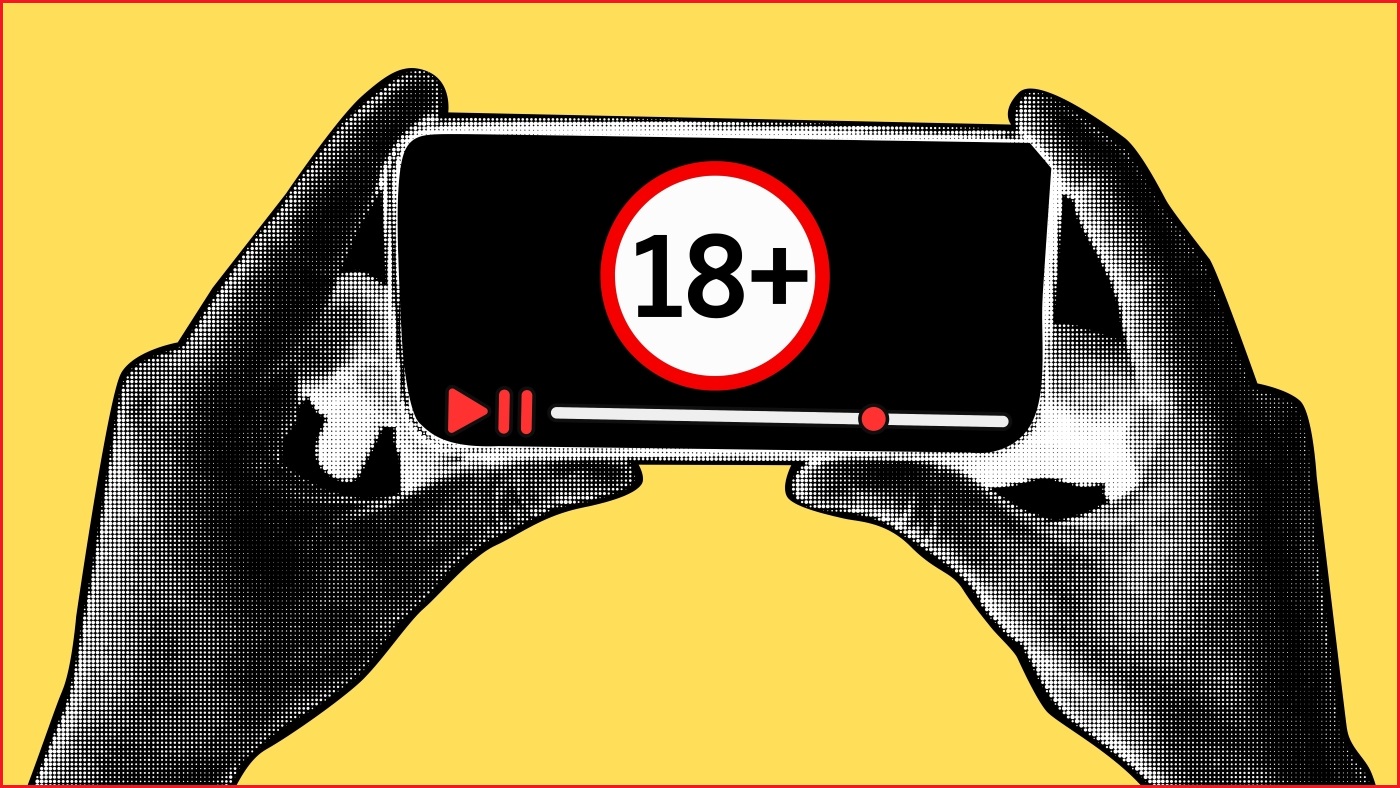
“Binigyan ng kapangyarihan ang isang hindi halal na opisyal na mag-utos ng facial-recognition scans sa mga adultong nais manood ng pornograpiya. Hindi sila kinakailangang isaalang-alang ang mga implikasyon sa privacy o seguridad ng gayong programa.”
Ang claim ay naglalaman ng mga bahaging factually tama ngunit misleadingly framed.
The claim contains elements that are factually accurate but misleadingly framed.
Ang Online Safety Act 2021 (na naging epektibo noong 23 Enero 2022) ay nagbibigay sa eSafety Commissioner ng malalaking kapangyarihan sa online content, kabilang ang pornograpiya [1].
The Online Safety Act 2021 (which came into effect on 23 January 2022) does grant the eSafety Commissioner significant powers over online content, including pornography [1].
Gayunpaman, ang tiyak na claim tungkol sa "mandatory facial-recognition scans" ay nangangailangan ng maingat na pagsusuri.
However, the specific claim about "mandatory facial-recognition scans" requires careful examination.
### Ano talaga ang Proteksyon ng Act
### What the Act Actually Provides
Ang Online Safety Act 2021 ay nagbibigay kapangyarihan sa eSafety Commissioner na maglabas ng "remedial notices" na nangangailangan sa online services na tiyakin na ang restricted access systems ay pumipigil sa mga bata sa pag-access ng Class 2 material (kabilang ang pornograpiya) [2].
The Online Safety Act 2021 empowers the eSafety Commissioner to issue "remedial notices" requiring online services to ensure that restricted access systems prevent children from accessing Class 2 material (which includes pornography) [2].
Ang Act mismo ay **hindi** nagmamandato ng anumang tiyak na age verification technology, kabilang ang facial recognition [3].
The Act itself does **not** mandate any specific age verification technology, including facial recognition [3].
Ang Section 108 ng Online Safety Act ay nagsasaad na ang restricted access systems ay dapat "maglaman ng makatuwirang hakbang para kumpirmahin na ang aplikante ay hindi bababa sa 18 taong gulang" [4].
Section 108 of the Online Safety Act specifies that restricted access systems must "incorporate reasonable steps to confirm that an applicant is at least 18 years of age" [4].
Ito ay sadyang technology-neutral - hindi ito nagtatakda *kung paano* dapat gawin ang age verification.
This is deliberately technology-neutral - it does not prescribe *how* age verification must occur.
### Age Assurance Roadmap
### Age Assurance Roadmap
Noong Marso 2023, ang eSafety Commissioner ay nag-sumite ng age verification background report at roadmap sa gobyerno [5].
In March 2023, the eSafety Commissioner submitted an age verification background report and roadmap to government [5].
Ang roadmap na ito ay nagrekomenda na mag-pilot ng age assurance technologies bago ang anumang mandate, na nagsasaad na ang technology market ay "immature but developing" [6].
This roadmap recommended piloting age assurance technologies before any mandate, noting that the technology market was "immature but developing" [6].
Ang tugon ng gobyerno noong Agosto 2023 ay nagsabing ito ay "maghihintay ng mga resulta ng class 2 industry codes process bago magdesisyon sa isang posibleng trial ng age assurance technologies" [7].
The government's response in August 2023 stated it would "await the outcomes of the class 2 industry codes process before deciding on a potential trial of age assurance technologies" [7].
Kasunod ng isang National Cabinet meeting noong 1 Mayo 2024, ang gobyerno ay nag-anunsyo na magpopondo ito ng pilot ng age assurance technology para subukan ang efficacy "kabilang ang kaugnay sa privacy at seguridad" [8].
Following a National Cabinet meeting on 1 May 2024, the government announced it would fund a pilot of age assurance technology to test efficacy "including in relation to privacy and security" [8].
Ang pilot approach na ito ay tahasang kinikilala ang mga alalahanin sa privacy at seguridad - salungat sa assertion ng claim na ang mga privacy considerations ay hindi isinaalang-alang.
This pilot approach explicitly acknowledges privacy and security concerns - contrary to the claim's assertion that privacy considerations are ignored.
### Mga Pangunahing Katotohanan Tungkol sa Kapangyarihan
### Key Facts About Powers
**Tungkol sa eSafety Commissioner na "hindi halal"**: Ito ay teknikal na tama.
**Regarding the eSafety Commissioner being "unelected"**: This is technically accurate.
Ang eSafety Commissioner ay isang appointed official, hindi halal.
The eSafety Commissioner is an appointed official, not elected.
Gayunpaman, ito ay karaniwang regulatory design sa Australia - ang ACCC chair, Privacy Commissioner, at maraming iba pang regulators ay gayundin na itinatalaga ng gobyerno [9]. **Tungkol sa "mandatory" na kapangyarihan**: Ang aktwal na kapangyarihan ng eSafety Commissioner ay limitado.
However, this is standard regulatory design in Australia - the ACCC chair, Privacy Commissioner, and many other regulators are similarly appointed by government [9].
**Regarding "mandatory" powers**: The eSafety Commissioner's actual powers are constrained.
Ang Commissioner ay makakapag: - Maglabas ng remedial notices (hindi removal notices) para sa Class 2 material na nangangailangan ng pagpapatupad ng restricted access systems - Ang mga notices ay tumatanging aplikable sa mga serbisyong "provided o hosted mula sa Australia" [10] - Ang mga serbisyo ay dapat sumunod sa mga industry codes na nakarehistro sa ilalim ng Act [11] Ang Basic Online Safety Expectations ng Act ay **hindi maipapatupad sa korte** [12], at ang compliance ay mino-monitor sa pamamagitan ng mga reporting requirement, hindi direktang awtoridad na mag-utos ng tiyak na mga teknolohiya [13].
The Commissioner can only:
- Issue remedial notices (not removal notices) for Class 2 material requiring implementation of restricted access systems
- The notices only apply to services "provided or hosted from Australia" [10]
- Services must comply with industry codes registered under the Act [11]
The Act's Basic Online Safety Expectations are **not enforceable in court** [12], and compliance is monitored through reporting requirements, not direct authority to mandate specific technologies [13].
Nawawalang Konteksto
Ang claim ay nagbabawas ng ilang mahahalagang kontekstwal na puntos: 1. **International precedent**: Ang age verification para sa pornograpiya ay hindi kakaiba sa Australia.
The claim omits several important contextual points:
1. **International precedent**: Age verification for pornography is not unique to Australia.
Ang UK Online Safety Act 2023 ay tahasang nangangailangan ng mga pornographic site na gumamit ng "age verification o age estimation" [14].
The UK Online Safety Act 2023 explicitly requires pornographic sites to use "age verification or age estimation" [14].
Ang Digital Services Act ng European Union ay nangangailangan ng age assurance measures para sa mga serbisyo na malamang na ma-access ng mga menor de edad [15].
The European Union's Digital Services Act requires age assurance measures for services likely to be accessed by minors [15].
Maraming US states ang may mga kaparehong batas [16]. 2. **Privacy safeguards in development**: Ang tahasang pagsasama ng privacy at security testing sa pilot ay sumasalungat sa claim na hindi isinaalang-alang ang mga implikasyong ito [17].
Multiple US states have passed similar laws [16].
2. **Privacy safeguards in development**: The pilot's explicit inclusion of privacy and security testing contradicts the claim that these implications are not considered [17].
Ang roadmap ng eSafety Commissioner ay tiyak na tinalakay ang mga privacy risk at nagrekomenda ng maingat na rollout [18]. 3. **Technology neutrality**: Ang Act ay hindi nagmamandato ng facial recognition.
The eSafety Commissioner's roadmap specifically discussed privacy risks and recommended cautious rollout [18].
3. **Technology neutrality**: The Act does not mandate facial recognition specifically.
Nagbibigay ito ng maraming pamamaraan - ang bank verification, account history analysis, at iba pang mga pamamaraan ay tahasang isinasaalang-alang bilang mga alternatibo sa facial recognition [19]. 4. **Parliamentary oversight**: Ang Online Safety Act 2021 ay kasalukuyang nasa ilalim ng statutory review (ini-anunsyo noong Pebrero 2024), na nagbibigay ng mekanismo para sa parliamentary scrutiny ng kapangyarihan ng eSafety Commissioner [20].
It allows multiple approaches - bank verification, account history analysis, and other methods are explicitly contemplated as alternatives to facial recognition [19].
4. **Parliamentary oversight**: The Online Safety Act 2021 is currently under statutory review (announced February 2024), providing a mechanism for parliamentary scrutiny of the eSafety Commissioner's powers [20].
Pagsusuri ng Kredibilidad ng Pinagmulan
**Ang Gizmodo Australia** ay isang mainstream technology publication, bahagi ng mas malawak na Gizmodo network.
**Gizmodo Australia** is a mainstream technology publication, part of the broader Gizmodo network.
Ang artikulo noong 2021 ay tila nagpe-present ng isang speculative concern sa halip na nag-uulat ng mga nakapagtayo nang katotohanan.
The 2021 article appears to present a speculative concern rather than reporting established facts.
Ang headline ("maaaring dalhin") ay nagpapahiwatig ng kawalang-tiyakan. **Ang Digital Rights Watch** ay isang civil rights advocacy organization na nakatuon sa digital privacy at kalayaan.
The headline ("could bring in") indicates uncertainty.
**Digital Rights Watch** is a civil rights advocacy organization focused on digital privacy and freedom.
Bagama't kapani-paniwala sa mga isyu ng civil liberties, ang organisasyon ay tahasang tumutol sa malawak na online regulation.
While credible on civil liberties issues, the organization explicitly opposes broad online regulation.
Ang kanilang explainer ay malalim ngunit nagpe-present ng mga alalahanin mula sa isang tiyak na ideological perspective.
Their explainer is thorough but presents concerns from a specific ideological perspective.
Ang organisasyon ay nagtatakda ng mga probisyon ng Bill sa alarmist na mga termino (hal. "ang Bill ay nagpapakilala ng mga probisyon para sa mga kapangyarihan na malamang na mag-undermine ng digital rights"), na sumasalamin sa advocacy positioning sa halip na neutral na pagsusuri.
The organization characterized the Bill's provisions in alarmist terms (e.g., "the Bill introduces provisions for powers that are likely to undermine digital rights"), which reflects advocacy positioning rather than neutral analysis.
Ang parehong mga pinagmulan ay lehitimo, ngunit parehong may mga pananaw na skeptikal sa online safety regulation.
Both sources are legitimate, but both have perspectives skeptical of online safety regulation.
Walang pinagmulan ang mainstream political journalism (tulad ng ABC News o The Guardian).
Neither source is mainstream political journalism (like ABC News or The Guardian).
⚖️
Paghahambing sa Labor
**Ginawa ba ng Labor ang kahalintulad?** Ang kasalukuyang Australian Labor government (mula Mayo 2022) ay nagpatuloy at pinalawak ang Online Safety Act framework sa halip na tinutulan ito.
**Did Labor do something similar?**
The current Australian Labor government (since May 2022) has continued and expanded the Online Safety Act framework rather than opposed it.
Ang Labor government ay: - **Pinanatili ang Act**: Hindi ito inalis o malaking pinabawi ang Coalition-era online safety legislation - **Pinalawak ang age verification initiatives**: Inanunsyo noong Mayo 2024 (sa ilalim ng Labor) na magpopondo ito ng pilot ng age assurance technology [21] - **Nagkomisyon ng pananaliksik sa social media age limits**: Ang Department of Infrastructure ay nag-aundertake ng pananaliksik sa mga posibleng age-limits para sa social media sa pangkalahatan [22] - **Sumuporta sa class 2 industry codes development**: Ang Labor government ay nagpatuloy sa pagbuo ng industry codes para sa pornograpiya at age-inappropriate content [23] Sa katunayan, ang Labor government ay kumilos *nang mas mabilis* at mas desidido sa age verification kaysa sa Coalition.
The Labor government:
- **Maintained the Act**: Did not repeal or significantly roll back Coalition-era online safety legislation
- **Expanded age verification initiatives**: Announced in May 2024 (under Labor) that it would fund a pilot of age assurance technology [21]
- **Commissioned research on social media age limits**: The Department of Infrastructure is undertaking research into potential age-limits for social media generally [22]
- **Supported class 2 industry codes development**: The Labor government has continued development of industry codes for pornography and age-inappropriate content [23]
In fact, the Labor government has moved *faster* and more decisively on age verification than the Coalition did.
Ang Coalition ay nagpaliban sa aksyon habang hinihintay ang mga industry codes; ang Labor ay nagkomit ng pondo sa isang tiyak na pilot program.
The Coalition deferred action awaiting industry codes; Labor committed funding to an explicit pilot program.
Sa internasyonal na antas, ang age verification para sa pornograpiya ay higit na bipartisan - hindi ito Coalition-specific na patakaran.
Internationally, age verification for pornography is increasingly bipartisan - not a Coalition-specific policy.
Ito ay kasalukuyan sa direksyon ng patakaran sa UK (Conservative government), EU (multiparty consensus), at maraming US states (kapwa Republican at Democratic controlled).
This is consistent with policy direction in the UK (Conservative government), EU (multiparty consensus), and multiple US states (both Republican and Democratic controlled).
🌐
Balanseng Pananaw
**Ang lehitimong kritiko**: Ang eSafety Commissioner ay may malalaking kapangyarihan bilang isang hindi halal na opisyal, at may mga tunay na alalahanin sa privacy sa paligid ng age verification technologies, partikular ang facial recognition.
**The legitimate criticism**: The eSafety Commissioner does hold significant power as an unelected official, and there are genuine privacy concerns around age verification technologies, particularly facial recognition.
Ang mga alalahaning ito ay inangkat ng: - Digital Rights Watch (pagtataguyod ng privacy) [24] - Mga tagapagtaguyod ng privacy na nagtatala ng mga panganib ng data collection at storage [25] - Mga eksperto sa teknolohiya na nagbababala tungkol sa mga isyu sa accuracy ng facial recognition sa mga demograpikong grupo [26] Ang mga ito ay mga wastong alalahanin na karapat-dapat ng seryosong konsiderasyon. **Ang tugon ng gobyerno sa mga alalahaning ito**: 1.
These concerns have been raised by:
- Digital Rights Watch (privacy advocacy) [24]
- Privacy advocates noting risks of data collection and storage [25]
- Technology experts warning about accuracy issues with facial recognition across demographic groups [26]
These are valid concerns that merit serious consideration.
**The government's response to these concerns**:
1.
Ang Online Safety Act ay istruktura bilang regulatory sa halip na absolute authority - ang Commissioner ay nagtatrabaho sa pamamagitan ng mga industry codes sa halip na direktang mga mandate [27] 2.
The Online Safety Act is structured as regulatory rather than absolute authority - the Commissioner works through industry codes rather than direct mandates [27]
2.
Ang pilot ay tahasang kasama ang pagsusuri ng mga "privacy at seguridad" na implikasyon [28] 3.
The pilot explicitly includes evaluation of "privacy and security" implications [28]
3.
Ang teknolohiya ay nananatiling opsyonal - ang Act ay tumutukoy sa "makatuwirang hakbang" hindi mga tiyak na teknolohiya [29] 4.
Technology remains optional - the Act specifies "reasonable steps" not specific technologies [29]
4.
Ang Parliament ay nagpapanatili ng oversight sa pamamagitan ng mga statutory review mechanism [30] **Bakit ang claim ay misleading**: Ang claim ay nagpe-present ng mga desisyon na kasalukuyang ginagawa (age assurance pilot) na parang mga nakapagtayo nang mandatory na mga patakaran.
Parliament retains oversight through statutory review mechanisms [30]
**Why the claim is misleading**:
The claim presents decisions that are currently being made (age assurance pilot) as if they are already established mandatory policies.
Ang tiyak na parusa na ang mga opisyal ay "hindi kinakailangang isaalang-alang ang mga implikasyon sa privacy" ay sumasalungat sa mga dokumentadong pahayag ng gobyerno na tahasang nag-aassess ng privacy sa pilot [31].
The specific charge that officials "are not required to consider privacy implications" contradicts documented government statements explicitly evaluating privacy in the pilot [31].
Ang claim ay naghahalo rin ng "powers granted to" sa "decisions made by" - ang Act ay nagbibigay sa eSafety Commissioner ng kapangyarihan na mangailangan ng restricted access systems; ang Commissioner ay hindi pa nagmamandato ng facial recognition at tahasang nagrekomenda ng maingat, sinusubok na pagpapatupad. **Mas malawak na konteksto**: Ito ay bahagi ng isang global na trend ng patakaran patungo sa age verification para sa pornograpiya, na hinimok ng mga alalahanin sa kaligtasan ng mga bata.
The claim also conflates "powers granted to" with "decisions made by" - the Act gives the eSafety Commissioner power to require restricted access systems; the Commissioner has not yet mandated facial recognition and has explicitly recommended cautious, tested implementation.
**Broader context**: This is part of a global policy trend toward age verification for pornography, driven by child safety concerns.
Kung sumasang-ayon ka man sa direksyong ito ng patakaran o hindi, ito ay hindi kakaiba sa Australia o kakaiba sa Coalition government - ang Labor ay mas agresibo itong sinusunod.
Whether one agrees with this policy direction or not, it is neither unique to Australia nor unique to the Coalition government - Labor is pursuing it more aggressively.
BAHAGYANG TOTOO
5.5
sa 10
Ang claim ay bahagyang tumpak sa pagkilala sa mga tunay na kapangyarihang iginawad sa ilalim ng Online Safety Act, ngunit pundamental na misleading sa tatlong paraan: 1. **Specificity error**: Ang Act ay hindi nagmamandato ng facial recognition; ito ay nangangailangan ng "makatuwirang hakbang" para sa age verification gamit ang hindi tinukoy na teknolohiya [32] 2. **Causation error**: Ang claim ay nagmungkahing ang mga privacy considerations ay hindi pinapansin, ngunit ang mga dokumento ng gobyerno ay tahasang nag-aassess ng privacy at seguridad bilang bahagi ng pilot design [33] 3. **Temporal error**: Ang claim ay nagpe-present ng mga posibleng hinaharap na requirement bilang kasalukuyang patakaran; walang mandatory age verification scheme na kasalukuyang umiiral sa Australia [34] Ang pangunahing alalahanin tungkol sa hindi halal na regulatory power ay lehitimo at karapat-dapat talakayin.
The claim is partially accurate in identifying real powers granted under the Online Safety Act, but fundamentally misleading in three ways:
1. **Specificity error**: The Act does not mandate facial recognition; it requires "reasonable steps" for age verification using unspecified technology [32]
2. **Causation error**: The claim suggests privacy considerations are ignored, but government documents explicitly evaluate privacy and security as part of pilot design [33]
3. **Temporal error**: The claim presents potential future requirements as current policy; no mandatory age verification scheme currently exists in Australia [34]
The core concern about unelected regulatory power is legitimate and worth debating.
Gayunpaman, ang mga tiyak na paratang (facial recognition mandate + walang privacy consideration) ay hindi wastong sinusuportahan ng ebidensya.
However, the specific charges (facial recognition mandate + no privacy consideration) are not accurately supported by the evidence.
Huling Iskor
5.5
SA 10
BAHAGYANG TOTOO
Ang claim ay bahagyang tumpak sa pagkilala sa mga tunay na kapangyarihang iginawad sa ilalim ng Online Safety Act, ngunit pundamental na misleading sa tatlong paraan: 1. **Specificity error**: Ang Act ay hindi nagmamandato ng facial recognition; ito ay nangangailangan ng "makatuwirang hakbang" para sa age verification gamit ang hindi tinukoy na teknolohiya [32] 2. **Causation error**: Ang claim ay nagmungkahing ang mga privacy considerations ay hindi pinapansin, ngunit ang mga dokumento ng gobyerno ay tahasang nag-aassess ng privacy at seguridad bilang bahagi ng pilot design [33] 3. **Temporal error**: Ang claim ay nagpe-present ng mga posibleng hinaharap na requirement bilang kasalukuyang patakaran; walang mandatory age verification scheme na kasalukuyang umiiral sa Australia [34] Ang pangunahing alalahanin tungkol sa hindi halal na regulatory power ay lehitimo at karapat-dapat talakayin.
The claim is partially accurate in identifying real powers granted under the Online Safety Act, but fundamentally misleading in three ways:
1. **Specificity error**: The Act does not mandate facial recognition; it requires "reasonable steps" for age verification using unspecified technology [32]
2. **Causation error**: The claim suggests privacy considerations are ignored, but government documents explicitly evaluate privacy and security as part of pilot design [33]
3. **Temporal error**: The claim presents potential future requirements as current policy; no mandatory age verification scheme currently exists in Australia [34]
The core concern about unelected regulatory power is legitimate and worth debating.
Gayunpaman, ang mga tiyak na paratang (facial recognition mandate + walang privacy consideration) ay hindi wastong sinusuportahan ng ebidensya.
However, the specific charges (facial recognition mandate + no privacy consideration) are not accurately supported by the evidence.
Hindi tama sa katotohanan o malisyosong gawa-gawa.
4-6: BAHAGYA
May katotohanan ngunit kulang o baluktot ang konteksto.
7-9: HALOS TOTOO
Maliit na teknikal na detalye o isyu sa pagkakasulat.
10: TUMPAK
Perpektong na-verify at patas ayon sa konteksto.
Pamamaraan: Ang mga rating ay tinutukoy sa pamamagitan ng cross-referencing ng opisyal na mga rekord ng pamahalaan, independiyenteng mga organisasyong nag-fact-check, at mga primaryang dokumento.