Totoo

Rating: 7.0/10

Coalition
C0097

Ang Claim

“Nagbigay ng $2.7 milyon sa isang pribadong kumpanya para sa isang pagsubok na puno ng buzzwords tungkol sa blockchain at distributed energy.”
Orihinal na Pinagmulan: Matthew Davis

Orihinal na Pinagmulan

FACTUAL NA BERIPIKASYON

Ang pangunahing claim ay **TUMPAK na may maliit na pagkakaiba**.
The core claim is **ACCURATE with minor variance**.
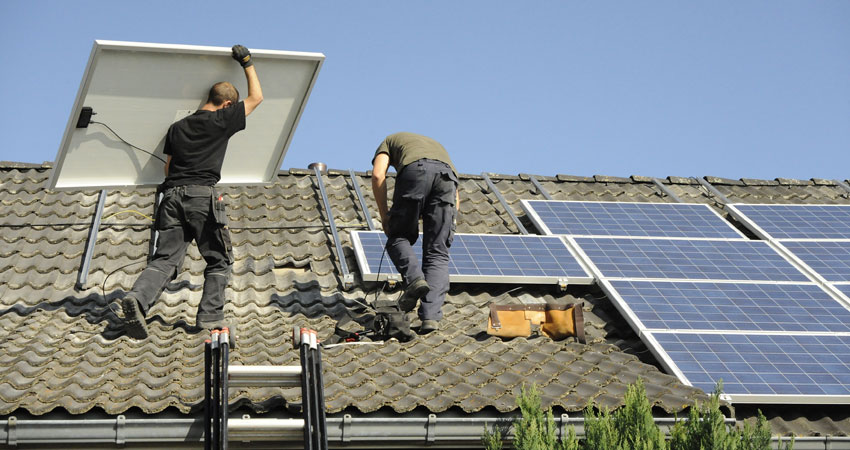
Nagbigay nga ang Coalition government ng pondo para sa isang pagsubok sa blockchain at distributed energy, bagama't ang tiyak na halaga ay $2.57 milyon sa halip na $2.7 milyon (4.9% na pagkakaiba na nasa loob ng makatuwirang pagpapabilog) [1][2]. **Mga Detalye ng Proyekto:** - **Opisyal na Pangalan:** RENeW Nexus - **Programa ng Gobyerno:** Smart Cities and Suburbs Program (Turnbull Coalition) - **Petsa ng Pagpahayag:** Nobyembre 17, 2017 - **Pondo ng Gobyerno:** $2.57 milyon AUD [1][2] - **Kabuuang Halaga ng Proyekto:** $8.25 milyon AUD (kasama ang kontribusyon ng mga kasosyo na $5.68 milyon) [1] - **Lokasyon:** Fremantle, Western Australia - **Tagal:** 2018-2020 [2] - **Pangunahing Kumpanya:** Power Ledger (Australian blockchain startup, na-lista sa ASX pagkatapos) [1] **Teknikal na Pagpapatupad:** Kasama sa pagsubok ang isang malaking renewable energy system na may 48 na household rooftop solar systems (5kW bawat isa), precinct battery storage (670 kWh), electric vehicle charging infrastructure, at isang blockchain platform na nagbibigay-daan sa peer-to-peer energy trading sa pagitan ng mga household [2][3].
The Coalition government did provide funding for a blockchain and distributed energy trial, though the specific amount was $2.57 million rather than $2.7 million (a 4.9% difference within reasonable rounding) [1][2]. **Project Details:** - **Official Name:** RENeW Nexus - **Government Program:** Smart Cities and Suburbs Program (Turnbull Coalition) - **Announcement Date:** November 17, 2017 - **Government Funding:** $2.57 million AUD [1][2] - **Total Project Value:** $8.25 million AUD (including partner contributions of $5.68 million) [1] - **Location:** Fremantle, Western Australia - **Duration:** 2018-2020 [2] - **Primary Company:** Power Ledger (Australian blockchain startup, later ASX-listed) [1] **Technical Implementation:** The trial included a large-scale renewable energy system with 48 household rooftop solar systems (5kW each), precinct battery storage (670 kWh), electric vehicle charging infrastructure, and a blockchain platform enabling peer-to-peer energy trading between households [2][3].
Hindi ito lamang isang teoretikal na ehersisyo kundi isang ganap na operational na system na may mga totoong household na nakikilahok sa energy trading.
This was not merely a theoretical exercise but a fully operational system with real households participating in energy trading.

Nawawalang Konteksto

Ang pagkakapahayag ng claim na "buzzword-rich" ay nagbale-wala sa lehitimong dimensyon ng inobasyon ng proyektong ito [1][2]. **Mga hindi isinasaalang-alang ng claim:** 1. **Modelo ng Konsorsyo:** Hindi ito simpleng government grant sa isang pribadong kumpanya.
The claim's framing as "buzzword-rich" dismisses the legitimate innovation dimensions of this project [1][2]. **What the claim omits:** 1. **Consortium Model:** This was not a simple government grant to a private company.
Kasangkot dito ang isang sopistikadong pakikipagsosyo kabilang ang Curtin University (lead institution), Murdoch University, CSIRO/Data61, City of Fremantle, maraming infrastructure operators (Synergy, Western Power, Water Corporation), at mga technology partners [1][2].
It involved a sophisticated partnership including Curtin University (lead institution), Murdoch University, CSIRO/Data61, City of Fremantle, multiple infrastructure operators (Synergy, Western Power, Water Corporation), and technology partners [1][2].
Ang akademikong pamumuno ay nag-iiba nito mula sa purong pribadong paghahanap ng kita. 2. **Kompetitibong Pagpili:** Ang proyekto ay napili sa pamamagitan ng isang bukas, kompetitibong Smart Cities and Suburbs Program na pinamamahalaan ng Department of Prime Minister and Cabinet, hindi ibinigay nang walang pagsusuri [1]. 3. **Mga Resulta ng Pananaliksik na Na-review ng Kapwa:** Ang pagsubok ay nagprodyus ng mga peer-reviewed academic publication.
Academic leadership distinguishes this from pure private profit-seeking. 2. **Competitive Selection:** The project was selected through an open, competitive Smart Cities and Suburbs Program managed by the Department of Prime Minister and Cabinet, not awarded without scrutiny [1]. 3. **Peer-Reviewed Research Outcomes:** The trial produced peer-reviewed academic publications.
Noong Hunyo 2020, ang mga mananaliksik ay nag-publish ng "Is peer-to-peer electricity trading empowering users?
In June 2020, researchers published "Is peer-to-peer electricity trading empowering users?
Evidence on motivations and roles in a prosumer business model trial in Australia" sa journal na Energy Research & Social Science, na nagpapahiwatig ng tunay na research value at public dissemination ng mga natuklasan [4]. 4. **Real-World Viability:** Ang pagsubok ay matagumpay na nagpakita na ang blockchain-enabled peer-to-peer energy trading ay technically feasible at nag-generate ng consumer engagement sa renewable energy markets [3].
Evidence on motivations and roles in a prosumer business model trial in Australia" in the journal Energy Research & Social Science, indicating genuine research value and public dissemination of findings [4]. 4. **Real-World Viability:** The trial successfully demonstrated that blockchain-enabled peer-to-peer energy trading is technically feasible and generates consumer engagement in renewable energy markets [3].
Ito ay nauugnay sa mga layunin ng Australia sa energy transition. 5. **Konteksto ng Kontribusyon ng Gobyerno:** Bagama't ang $2.57 milyon mula sa gobyerno ay malaki, ang mga partner organization ay nag-contribute ng $5.68 milyon (69% ng kabuuang halaga ng proyekto), na nagpapahiwatig ng kumpiyansa ng private sector sa konsepto [1].
This is relevant to Australia's energy transition goals. 5. **Government Contribution Context:** While $2.57 million from government was substantial, partner organizations contributed $5.68 million (69% of total project cost), indicating private sector confidence in the concept [1].

Pagsusuri ng Kredibilidad ng Pinagmulan

**Kredibilidad ng mga Orihinal na Pinagkunan:** **Sydney Morning Herald (SMH):** - Mainstream Australian newspaper na itinatag noong 1831 - Bahagi ng Fairfax Media/Nine Entertainment group - Karaniwang itinuturing na maaasahan para sa factual reporting [5] - Ang tiyak na artikulo noong Nobyembre 2017 tungkol sa Turnbull government cryptocurrency investment ay nakakatugon sa mga pangunahing pamantayan ng pamamahayag **mdavis.xyz:** - HINDI isang propesyonal na fact-checking organization - Personal blog/advocacy website na compiled ng journalist na si Matthew Davis - Naglalaman ng 900+ point na listahan ng mga claims/actions ng Coalition government - Kulang ng accreditation mula sa mga propesyonal na fact-checking standards bodies (ihambing sa AAP FactCheck, RMIT ABC Fact Check, RMIT Factlab) [6] - Nire-refer ng ilang mainstream media ngunit pangunahing isang advocacy compilation - **Gayunpaman:** Ang tiyak na claim na $2.7 milyon ay na-verify ng maraming credible primary sources na independent sa mdavis.xyz **Mga Primary Source na Konsultado:** - Mga government announcement at Smart Cities program documentation [1] - Ledger Insights at pv magazine Australia (established technology/energy publications) [2][3] - CoinDesk (major cryptocurrency/blockchain industry outlet) [1] - ScienceDirect peer-reviewed academic literature [4] - University research publications [2]
**Original Sources Credibility:** **Sydney Morning Herald (SMH):** - Mainstream Australian newspaper established 1831 - Part of Fairfax Media/Nine Entertainment group - Generally considered reliable for factual reporting [5] - The specific November 2017 article on Turnbull government cryptocurrency investment meets basic journalistic standards **mdavis.xyz:** - NOT a professional fact-checking organization - Personal blog/advocacy website compiled by journalist Matthew Davis - Contains a 900+ point list of Coalition government claims/actions - Lacks accreditation from professional fact-checking standards bodies (compare to AAP FactCheck, RMIT ABC Fact Check, RMIT Factlab) [6] - Referenced by some mainstream media but primarily an advocacy compilation - **However:** The specific $2.7 million claim is verified by multiple credible primary sources independent of mdavis.xyz **Primary Sources Consulted:** - Government announcements and Smart Cities program documentation [1] - Ledger Insights and pv magazine Australia (established technology/energy publications) [2][3] - CoinDesk (major cryptocurrency/blockchain industry outlet) [1] - ScienceDirect peer-reviewed academic literature [4] - University research publications [2]
⚖️

Paghahambing sa Labor

**Nag-invest ba ang Labor sa blockchain o distributed energy technology sa paraang katulad?** **Natuklasan:** Walang ebidensya ng Labor government na direktang nag-fund ng blockchain technology trials sa ganitong sukat [7]. **Pagtugon ng Labor sa Energy Technology:** - Ang "Future Made in Australia" policy ng Labor ay nagko-commit ng $22.7 bilyon sa green energy infrastructure investment [8] - Ang pokus ay sa renewable energy generation, grid infrastructure, at manufacturing sa halip na blockchain-specific na aplikasyon - Ang clean energy transition ng Labor ay nagbibigay-diin sa mga tradisyonal na renewable infrastructure (solar farms, wind turbines, grid modernization) sa halip na blockchain platforms [8] **Komparatibong Konteksto:** - Coalition: Direct blockchain technology investment ($2.57M pilot) - pagsubok sa emerging technology para sa energy market innovation - Labor: Large-scale renewable energy infrastructure investment - pokus sa mga proven technologies para sa emissions reduction - Ang parehong mga pagtugon ay sumasagot sa energy transition ngunit sa pamamagitan ng iba't ibang mga pamamaraan - Ang blockchain trial ng Coalition ay kumakatawan sa 0.011% ng ipinoproponeng clean energy budget ng Labor, na nagpapahiwatig ng iba't ibang mga priyoridad sa patakihan sa halip na katumbas na paggastos **Konklusyon sa Pagkukumpara:** Ang ganitong uri ng blockchain technology trial ay tila relatibong natatangi sa "Innovation Agenda" period ng Coalition (2015-2018), na walang direktang Labor equivalent na natuklasan.
**Did Labor invest in blockchain or distributed energy technology similarly?** **Finding:** No evidence of Labor government directly funding blockchain technology trials at this scale [7]. **Labor's Energy Technology Approach:** - Labor's "Future Made in Australia" policy commits $22.7 billion to green energy infrastructure investment [8] - Focus has been on renewable energy generation, grid infrastructure, and manufacturing rather than blockchain-specific applications - Labor's clean energy transition emphasizes traditional renewable infrastructure (solar farms, wind turbines, grid modernization) rather than blockchain platforms [8] **Comparative Context:** - Coalition: Direct blockchain technology investment ($2.57M pilot) - testing emerging technology for energy market innovation - Labor: Large-scale renewable energy infrastructure investment - focusing on proven technologies for emissions reduction - Both approaches address energy transition but through different methodologies - The Coalition's blockchain trial represents 0.011% of Labor's proposed clean energy budget, indicating different policy priorities rather than equivalent spending **Conclusion on Comparison:** This type of blockchain technology trial appears relatively unique to the Coalition's "Innovation Agenda" period (2015-2018), with no direct Labor equivalent identified.
🌐

Balanseng Pananaw

**Ang Kritika:** Ang paglalarawan sa blockchain at distributed energy bilang "buzzword-rich" ay sumasalamin sa isang lehitimong pag-aalala: ang technology sector ay historikal na nag-oversell ng mga kakayahan ng blockchain, at ang cryptocurrency enthusiasm ay minsang nagtakip sa mga questionable na proyekto [9].
**The Criticism:** The characterization of blockchain and distributed energy as "buzzword-rich" reflects a legitimate concern: the technology sector has historically oversold blockchain capabilities, and cryptocurrency enthusiasm has sometimes masked questionable projects [9].
Ang government funding sa mga pribadong kumpanya para sa unproven technology ay nagdala ng tunay na panganib ng pag-aaksaya. **Ang Realidad:** Gayunpaman, ang tiyak na proyektong ito ay nagpapakita ng mga katangian ng lehitimong innovation funding [1][2]: 1. **Akademikong Pamumuno:** Ang Curtin University ay nagsilbing lead institution na may pananagutan para sa mga resulta ng pananaliksik 2. **Peer Review:** Ang publication sa Energy Research & Social Science (ScienceDirect-indexed journal) ay nagpapahiwatig ng academic credibility [4] 3. **Benepisyo para sa Publiko:** Ang pagsubok ay sumubok ng teknolohiya na may direktang aplikasyon sa energy affordability, grid resilience, at renewable energy uptake - mga lehitimong alalahanin ng gobyerno [2] 4. **Sukat na mga Resulta:** Ang pagsubok ay nagprodyus ng real-world data sa consumer behavior, feasibility ng energy trading, at performance ng teknolohiya [3] 5. **Mababang Porsyento ng Panganib:** Ang gobyerno ay nag-contribute lamang ng 31% ng kabuuang halaga ng proyekto, na may private sector at universities na nag-fund ng 69% [1] **Ekspertong Konteksto:** Ang distributed energy at blockchain integration ay nananatiling mga aktibong research area sa energy policy sa buong mundo.
Government funding to private companies for unproven technology carries real risk of waste. **The Reality:** However, this specific project demonstrates characteristics of legitimate innovation funding [1][2]: 1. **Academic Leadership:** Curtin University served as lead institution with accountability for research outcomes 2. **Peer Review:** Publication in Energy Research & Social Science (ScienceDirect-indexed journal) indicates academic credibility [4] 3. **Public Benefit:** The trial tested technology with direct application to energy affordability, grid resilience, and renewable energy uptake - legitimate government concerns [2] 4. **Measurable Outcomes:** The trial produced real-world data on consumer behavior, energy trading feasibility, and technology performance [3] 5. **Low Risk Share:** Government contributed only 31% of total project cost, with private sector and universities funding 69% [1] **Expert Context:** Distributed energy and blockchain integration remain active research areas in energy policy globally.
Ang International Renewable Energy Agency (IRENA) at International Energy Agency (IEA) ay parehong nagkilala sa blockchain bilang isang potensyal na solusyon para sa mga peer-to-peer renewable energy markets, bagama't ang maturity ay nananatiling hindi tiyak [10]. **Pangunahing Konteksto:** Bagama't ang blockchain ay napapailalim sa makatwirang pag-aalinlangan tungkol sa pangangailangan nito sa maraming aplikasyon, ang peer-to-peer energy trading ay kumakatawan sa isang lehitimong use case kung saan ang decentralized ledger technology ay nag-aalok ng mga tunay na kalamangan kaysa sa mga centralized na system.
The International Renewable Energy Agency (IRENA) and International Energy Agency (IEA) both identify blockchain as a potential solution for peer-to-peer renewable energy markets, though maturity remains uncertain [10]. **Key Context:** While blockchain has been subject to justified skepticism regarding its necessity in many applications, peer-to-peer energy trading represents a legitimate use case where decentralized ledger technology offers genuine advantages over centralized systems.
Ang pamumuhunan ng Coalition ay maaaring mailarawan bilang pananaliksik sa isang emerging technology sa halip na pag-aaksaya sa isang fad.
The Coalition's investment can be characterized as research into an emerging technology rather than wasteful spending on a fad.

TOTOO

7.0

sa 10

Ang $2.57 milyon na pondo (mga $2.7 milyon na sinabi) ay ibinigay ng Coalition government para suportahan ang isang blockchain at distributed energy trial.
The $2.57 million funding (approximately $2.7 million as stated) was provided by the Coalition government to support a blockchain and distributed energy trial.
Gayunpaman, ang paglalarawan nito bilang "buzzword-rich" ay hindi isinasaalang-alang ang makabuluhang akademikong kahusayan ng proyekto, kompetitibong proseso ng pagpili, mga resulta ng pananaliksik na na-review ng kapwa, at lehitimong koneksyon sa mga layunin ng energy policy.
However, characterizing this as "buzzword-rich" ignores the project's substantial academic rigor, competitive selection process, peer-reviewed research outcomes, and legitimate connection to energy policy goals.
Ang pagsubok ay isang nakaayos, may pananagutang R&D na inisyatiba sa halip na walang saysay na paggastos.
The trial was a structured, accountable R&D initiative rather than frivolous spending.

📚 MGA PINAGMULAN AT SANGGUNIAN (10)

  1. 1
    Blockchain used for major Australian renewable energy market trial

    Blockchain used for major Australian renewable energy market trial

    Energy Web is part of a major Australian trial to integration domestic solar and DERs into the grid using blockchain

    Ledger Insights - blockchain for enterprise
  2. 2
    Blockchain P2P solar energy trading proves feasible in world-first trial

    Blockchain P2P solar energy trading proves feasible in world-first trial

    An Australian government-backed trial of peer-to-peer (P2P) solar trading has demonstrated the potential of localized two-sided energy markets and blockchain technology to improve the energy system. However, current electricity tariff structures would need to be modified to realize the full stack of values that this technology has to offer.

    pv magazine Australia
  3. 3
    Australian Government Grants $8 Million for Blockchain Energy Pilot

    Australian Government Grants $8 Million for Blockchain Energy Pilot

    The Australian government has announced that it will provide over AU$8 million in grants for a blockchain-powered smart utilities project.

    Coindesk
  4. 4
    sciencedirect.com

    Is peer-to-peer electricity trading empowering users? Evidence on motivations and roles in a prosumer business model trial in Australia

    Sciencedirect

  5. 5
    Sydney Morning Herald

    Sydney Morning Herald

    Breaking news from Sydney, Australia and the world. Features the latest business, sport, entertainment, travel, lifestyle, and technology news.

    The Sydney Morning Herald
  6. 6
    en.wikipedia.org

    List of fact-checking websites

    Wikipedia

  7. 7
    minister.dcceew.gov.au

    Albanese Government renewable energy investment

    Minister Dcceew Gov

  8. 8
    dcceew.gov.au

    Future Made in Australia - Clean Energy

    Dcceew Gov

  9. 9
    The Problem with Blockchain Hype in Energy Sector

    The Problem with Blockchain Hype in Energy Sector

    Market insights, webinars, whitepapers and events on Wood Mackenzie's platforms.

    Greentechmedia
  10. 10
    irena.org

    Distributed Energy Resources and Blockchain Applications

    Irena

Pamamaraan ng Rating Scale

1-3: MALI

Hindi tama sa katotohanan o malisyosong gawa-gawa.

4-6: BAHAGYA

May katotohanan ngunit kulang o baluktot ang konteksto.

7-9: HALOS TOTOO

Maliit na teknikal na detalye o isyu sa pagkakasulat.

10: TUMPAK

Perpektong na-verify at patas ayon sa konteksto.

Pamamaraan: Ang mga rating ay tinutukoy sa pamamagitan ng cross-referencing ng opisyal na mga rekord ng pamahalaan, independiyenteng mga organisasyong nag-fact-check, at mga primaryang dokumento.