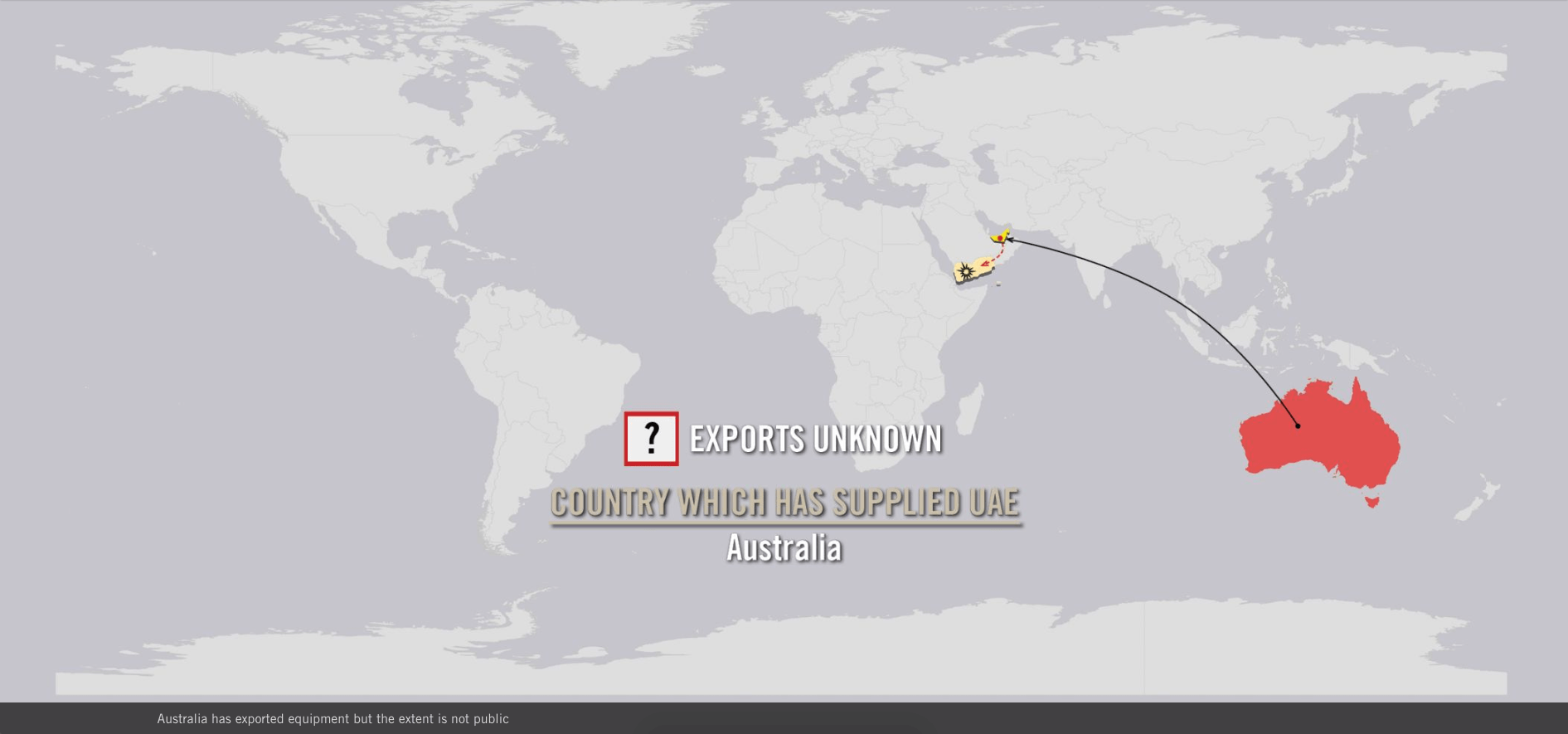
“Inaprubahan ang karamihan sa mga kahilingan sa pag-export ng armas patungo sa mga bansang tulad ng Saudi Arabia at UAE, na inaakusahan ng maraming war crimes sa Yemen. Hindi nakapagbigay ng garantiya ang gobyerno na hindi ginagamit ang mga armas na ito ng Australia sa mga war crimes na ito. Sa kabila ng pag-apruba sa karamihan ng mga export sa mga awtoritaryong rehimen na ito, sinasabi nila na may mahigpit silang mga kontrol na nag-iisa sa pag-export ng armas sa mga awtoritaryong rehimen. Itinatanggi ng gobyerno ang impormasyon tungkol sa kung sino ang nagbebenta ng mga armas na nagkakahalaga ng bilyun-bilyong dolyar, kanino sila ibinebenta, anong mga armas, gaano karami, at para sa anong layunin.”
Ang core factual claim tungkol sa mga rate ng pag-apruba ay **maberipika at tumpak**.
The core factual claim about approval rates is **verifiable and accurate**.
Ayon sa mga dokumentong inilabas sa ilalim ng Freedom of Information at iniulat ng Michael West Media, mula Hulyo 1, 2015 hanggang Marso 31, 2021, inaprubahan ng Australian Defence Department ang **103 military export permits sa Saudi Arabia at UAE** at **tanging 3 permit applications ang tinanggihan** (lahat sa Saudi Arabia, wala sa UAE) [1].
According to Freedom of Information documents released and reported by Michael West Media, between 1 July 2015 and 31 March 2021, the Australian Defence Department approved **103 military export permits to Saudi Arabia and the UAE combined** and **denied just 3 permit applications** (all to Saudi Arabia, none to UAE) [1].
Pinalalim ito: 23 permits sa Saudi Arabia na may 3 denials, at 80 permits sa UAE na walang denials [1].
Breaking this down: 23 permits to Saudi Arabia with 3 denials, and 80 permits to the UAE with zero denials [1].
Ito ay kumakatawan sa approval rate na **97.1%** para sa UAE (80/80 na inaprubahan) at **88.5%** para sa Saudi Arabia (23/26) sa buong panahon ng pagsukat, na nagpapatibay sa claim na "inaprubahan ang karamihan" ng mga kahilingan [1].
This represents an approval rate of **97.1%** for UAE (80/80 approved) and **88.5%** for Saudi Arabia (23/26) across the period measured, which substantiates the claim of "approving the majority" of requests [1].
Ang ABC investigation mula Disyembre 2018 ay kinumpirma na simula noong simula ng 2016, nagbigay ang Canberra ng **hindi bababa sa 37 export permits para sa military-related items sa UAE at 20 sa Saudi Arabia** [2].
The ABC investigation from December 2018 confirmed that since the beginning of 2016, Canberra had granted **at least 37 export permits for military-related items to the UAE and 20 to Saudi Arabia** [2].
Ang mga numerong ito ay nakatala sa pamamagitan ng mga Freedom of Information requests ng human rights activist na si Kellie Tranter [2].
These figures were documented through Freedom of Information requests by human rights activist Kellie Tranter [2].
### Pakikilahok sa Digmaan sa Yemen
### Involvement in Yemen War
Ang factual premise na ang Saudi Arabia at UAE ay "inaakusahan ng maraming war crimes sa Yemen" ay well-documented.
The factual premise that Saudi Arabia and UAE are "accused of multiple war crimes in Yemen" is well-documented.
Noong Agosto 2018, inilabas ng United Nations Office of the High Commissioner for Human Rights (OHCHR) ang isang report na inaakusahan ang Saudi-led coalition (kasama ang UAE) ng **human rights abuses, indiscriminate air strikes, at mga secret prison na pinapatakbo ng UAE na gumagamit ng torture at murder** [2].
In August 2018, the United Nations Office of the High Commissioner for Human Rights (OHCHR) released a report accusing the Saudi-led coalition (including UAE) of **human rights abuses, indiscriminate air strikes, and UAE-run secret prisons using torture and murder** [2].
Hinikayat ng UN report ang international community na itigil ang pagbebenta ng armas sa coalition [2].
The UN report called on the international community to halt weapons sales to the coalition [2].
Ang Yemen conflict, na inilarawan bilang pinakamalaking humanitarian crisis sa mundo, ay nagresulta sa malaking civilian casualties.
The Yemen conflict, described as the world's greatest humanitarian crisis, has resulted in significant civilian casualties.
Ang apat na taong digmaan (noong 2018) ay **pumatay ng mga libo-libo na may tinatayang 85,000 na Yemeni children under five na namatay dahil sa starvation** ayon sa Save the Children [2].
The four-year war (as of 2018) had **killed tens of thousands with an estimated 85,000 Yemeni children under five dying from starvation** according to Save the Children [2].
### Mga Akusasyon sa Weapons Diversion
### Weapons Diversion Allegations
Ang claim na ang mga armas ng Australia "maaaring" gamitin sa war crimes ay may suporta sa mga independent investigation.
The claim that Australian weapons "could be" used in war crimes finds support in independent investigations.
Naglabas ang Amnesty International ng 2019 report na "When arms go astray: Yemen's deadly new threat of arms diversion to militias," na nagdokumento kung paano ang UAE ay naging isang pangunahing conduit para sa paglipat ng Western-supplied armoured vehicles, mortar systems, at iba pang armas sa mga militia sa Yemen [3].
Amnesty International published a 2019 report, "When arms go astray: Yemen's deadly new threat of arms diversion to militias," documenting how the UAE has become a major conduit for diverting Western-supplied armoured vehicles, mortar systems, and other weapons to militias in Yemen [3].
Ipinapakita nito ang kredibleng panganib na ang mga armas na suplay ng Australia ay maaaring mailipat sa mga aktor na gumagawa ng mga paglabag.
This demonstrates a credible risk that Australian-supplied weapons could be diverted to actors committing violations.
### Kakulangan ng Gobyerno na Talikuran ang Paggamit sa War Crime
### Government's Inability to Rule Out War Crime Use
Ang claim na ito ay suportado ng mga tugon ng Defence Department sa Senate estimates.
This claim is supported by Defence Department responses to Senate estimates.
Noong 2017 Senate hearings, nang tanungin kung ang equipment ay natapos na gamitin sa Yemen, nagbigay ang Defence ng nakasulat na tugon na nagsasabing: "maaaring gamitin ang military equipment sa mga conflicts kaya, upang matugunan ang mga international obligations ng Australia, sinusuri ng Defence ang mga panganib kung malamang na gamitin ito nang labag sa batas sa conflict na iyon" [1].
In 2017 Senate hearings, when asked whether equipment had ended up being used in Yemen, Defence provided a written response stating: "military equipment might be used in conflicts so, to meet Australia's international obligations, Defence assesses the risks as to whether it is likely to be used unlawfully in that conflict" [1].
Ang tugon na ito ay **hindi tumatalikod sa posibilidad** na ang equipment ay maaaring gamitin sa mga paglabag [1].
This response notably **does not rule out the possibility** that equipment could be used in violations [1].
### Mga Claim sa Pagkasekreto
### Secrecy Claims
Ang claim tungkol sa pagkasekreto ay substantially tumpak.
The claim regarding secrecy is substantially accurate.
Ang mga heavily redacted na dokumentong FOI ay hindi nagpapakita kung aling mga Australian company ang tumatanggap ng mga permit, sino ang kanilang mga international customer, o kung anong mga item ang planong i-export [2].
The heavily redacted FOI documents do not show which Australian companies are receiving the permits, who their international customers are, or what items they are planning to export [2].
Sinabi ng Department of Defence na hindi sila naglalabas ng mga detalye ng mga indibidwal na export application o permit dahil sa "commercial-in-confidence considerations" [2].
The Department of Defence stated that it does not release details of individual export applications or permits due to "commercial-in-confidence considerations" [2].
Gayunpaman, ilang impormasyon ang lumabas.
However, some information did emerge.
Ang $410 million na EOS (Electro Optic Systems) deal ay kalaunan ay inihayag na para sa UAE, bagama't ang gobyerno ay simula nang tumangging kumpirmahin ito, sinabi ng EOS na hindi nila "maaaring kumpirmahin o itanggi" ang end-user [2].
The $410 million EOS (Electro Optic Systems) deal was eventually revealed to be bound for the UAE, though the government initially refused to confirm this, with EOS stating it could not "confirm or deny" the end-user [2].
Ang UAE mismo ay kalaunan ay publiko na na inanunsyo ang pagbili na walang tila pag-aalala tungkol sa "national security," na nagpapahiwatig na ang pagkasekreto ay pangunahing commercial kaysa security-related [1].
The UAE itself later publicly announced the purchase with no apparent concern about "national security," suggesting the secrecy was primarily commercial rather than security-related [1].
Nawawalang Konteksto
**1.
**1.
Historical Policy Continuity** Bagama't ang claim ay nakatuon sa mga rate ng pag-apruba ng Coalition, hindi nito isinasaalang-alang ang mahalagang konteksto tungkol sa mga pattern ng weapons export bago ang Coalition government.
Historical Policy Continuity**
While the claim focuses on Coalition approval rates, it omits important context about pre-Coalition weapons export patterns.
Ang Arms Trade Treaty framework at ang Australia's export control system ay mas nauna pa sa Coalition government.
The Arms Trade Treaty framework and Australia's export control system predate the Coalition government.
Ang strategic emphasis sa weapons exports bilang isang growth industry ay lumitaw lalo na sa ilalim ng 2018 Defence Export Strategy na inilunsad ng gobyerno ni Malcolm Turnbull, ngunit ang baseline export controls at commercial relationships ay umiiral na noon. **2.
The strategic emphasis on weapons exports as a growth industry emerged particularly under the 2018 Defence Export Strategy launched by Malcolm Turnbull's government, but baseline export controls and commercial relationships existed previously.
**2.
Policy Rationale** Ang rationale ng Coalition government para sa pag-apruba ng mga export na ito ay batay sa mga pagsasaalang-alang sa strategic alliance.
Policy Rationale**
The Coalition government's rationale for approving these exports was based on strategic alliance considerations.
Si Christopher Pyne, Defence Industry Minister, ay bumisita sa parehong UAE (Oktubre 2016, Pebrero 2017) at Saudi Arabia (Disyembre 2016, Oktubre 2017) upang itulak ang mga defence export at ituring ang Australia bilang isang "reliable defence partner" [2].
Christopher Pyne, Defence Industry Minister, visited both UAE (October 2016, February 2017) and Saudi Arabia (December 2016, October 2017) to promote defence exports and frame Australia as a "reliable defence partner" [2].
Ang Middle East ay eksplisitong itinakda bilang isang "priority market" sa 2018 Defence Export Strategy na naglalayong gawing ika-10 pinakamalaking arms exporter ang Australia sa buong mundo [2]. **3.
The Middle East was explicitly earmarked as a "priority market" in the 2018 Defence Export Strategy aimed at making Australia the 10th-largest arms exporter globally [2].
**3.
Comparative Government Support** Nagbigay ang Coalition government ng malaking suportang pinansyal sa labas ng simpleng pag-apruba.
Comparative Government Support**
The Coalition government provided substantial financial support beyond simple approvals.
Nagbigay ang Export Finance and Insurance Corporation (EFIC) sa EOS ng mahigit $33 million sa performance bonds na konektado sa weapons systems deal [2].
The Export Finance and Insurance Corporation (EFIC) provided EOS with more than $33 million in performance bonds connected to the weapons systems deal [2].
Itinatag ang isang $3.8 billion na Defence Export Facility noong 2018 upang pondohan ang mga overseas sales ng mga defence company, na may $20 million taunang inilaan upang ipatupad ang strategy [2]. **4.
A $3.8 billion Defence Export Facility was established in 2018 to finance defence companies' overseas sales, with $20 million annually allocated to implement the strategy [2].
**4.
International Context** Hindi binabanggit ng claim na ang Saudi Arabia at UAE ay mga regional ally ng pangunahing security partner ng Australia, ang United States.
International Context**
The claim does not mention that Saudi Arabia and UAE are regional allies of Australia's primary security partner, the United States.
Ang US ay ang pinakamalaking supplier ng armas sa parehong bansa, at ang Australian policy ay nakahanay sa mas malawak na Western strategic interests sa Middle East, lalo na tungkol sa counterterrorism at regional security laban sa Iranian influence.
The US has been the largest weapons supplier to both countries, and Australian policy aligned with broader Western strategic interests in the Middle East, particularly regarding counterterrorism and regional security against Iranian influence.
Hindi ito nagbibigay-katarungan sa arms sales sa mga rights-abusing regimes, ngunit ipinaliwanag ang konteksto ng strategy. **5.
This does not justify arms sales to rights-abusing regimes, but explains the strategic context.
**5.
Arms Trade Treaty Compliance** Inassert ng Coalition government na ang lahat ng mga pag-apruba ay ginawa "in accordance with export control provisions...including the Arms Trade Treaty" at na ang bawat kaso ay kasama ang "assessment against the legislative criteria of international obligations, human rights, national security, regional security and foreign policy" [2].
Arms Trade Treaty Compliance**
The Coalition government asserted that all approvals were made "in accordance with export control provisions...including the Arms Trade Treaty" and that each case involved "assessment against the legislative criteria of international obligations, human rights, national security, regional security and foreign policy" [2].
Sinabi ng gobyerno na sinuri nila ang "whether there is an overriding risk that the exported items could be used to commit or facilitate a serious violation of international humanitarian law or human rights law" [2].
The government stated it assessed "whether there is an overriding risk that the exported items could be used to commit or facilitate a serious violation of international humanitarian law or human rights law" [2].
Gayunpaman, ang mataas na rate ng pag-apruba kasama ang documented na UN warnings at Amnesty International evidence ng diversion ay nagtatanong kung gaano ka-rigorous ang pagsusuri na ito. **6.
However, the high approval rate combined with documented UN warnings and Amnesty International evidence of diversion raises questions about how rigorously this assessment was applied.
**6.
Transparency Evolution** Binibigyang-diin ng claim ang patuloy na pagkasekreto ngunit hindi kinikilala na ang information disclosure ay tumataas sa paglipas ng panahon.
Transparency Evolution**
The claim emphasizes ongoing secrecy but does not acknowledge that information disclosure increased over time.
Ang 2018 investigation ng ABC ay umaasa sa mga FOI requests na nagbunyag ng 37+20 figure.
The ABC's 2018 investigation relied on FOI requests that revealed the 37+20 figure.
Ang 2021 investigation ng Michael West ay nakuha ang detalyadong 103-approved, 3-denied na mga estadistika.
The Michael West 2021 investigation obtained the detailed 103-approved, 3-denied statistics.
Bagama't limitado pa rin, ang ilang transparency ay lumabas sa pamamagitan ng matiyagang mga FOI requests.
While still restricted, some transparency did emerge through persistent FOI requests.
Pagsusuri ng Kredibilidad ng Pinagmulan
### Original Sources
### Original Sources
**ABC News**: Mainstream Australian public broadcaster na may malakas na mga kredensyal sa investigative journalism.
**ABC News**: Mainstream Australian public broadcaster with strong investigative journalism credentials.
Ang Disyembre 2018 na ulat ay isang collaborative investigation ng mga may karanasang mamamahayag (Dylan Welch, Kyle Taylor, Dan Oakes, Rebecca Trigger).
The December 2018 story was a collaborative investigation by experienced journalists (Dylan Welch, Kyle Taylor, Dan Oakes, Rebecca Trigger).
Ang ABC ay pangkalahatang itinuturing na maaasahan at walang kinikilingan, bagama't may centre-left na editorial leanings.
ABC is generally considered reliable and impartial, though with centre-left editorial leanings.
Ang pagsisiyasat ay umaasa sa mga opisyal na dokumentong FOI at mga panayam sa mga human rights activist at dating MPs [2]. **Michael West Media**: Independent publication na itinatag ni Michael West, isang dating financial journalist.
The investigation relied on official FOI documents and interviews with human rights activists and former MPs [2].
**Michael West Media**: Independent publication founded by Michael West, a former financial journalist.
Ang Michael West Media ay tumatakbo bilang isang left-leaning advocacy outlet na may isang ipinahayag na pokus sa corruption, lobbying influence, at corporate accountability.
Michael West Media operates as a left-leaning advocacy outlet with a stated focus on corruption, lobbying influence, and corporate accountability.
Ang publication ay eksplisitong kritikal sa mga patakaran ng Coalition sa ekonomiya at depensa.
The publication is explicitly critical of Coalition economic and defence policies.
Bagama't ito ay gumagawa ng orihinal na FOI research at reporting, ang editorial perspective nito ay malinaw na anti-Coalition at pro-transparency advocacy.
While it does original FOI research and reporting, its editorial perspective is clearly anti-Coalition and pro-transparency advocacy.
Ang Mayo 2021 na artikulo ni Michelle Fahy ay kasama ang detalyadong datos ng FOI at pananaliksik ng Amnesty International ngunit ay naka-frame sa loob ng isang kritikal na narrative na nagtatanong sa integridad ng Coalition [1]. **OHCHR (UN Office of High Commissioner for Human Rights)**: Authoritative na UN body na gumagawa ng mga opisyal na ulat tungkol sa mga paglabag sa karapatang pantao.
The May 2021 article by Michelle Fahy includes detailed FOI data and Amnesty International research but is framed within a critical narrative questioning Coalition integrity [1].
**OHCHR (UN Office of High Commissioner for Human Rights)**: Authoritative UN body producing official reports on human rights violations.
Ang Yemen investigation ay batay sa systematic documentation at pagsisiyasat ng UN panel of experts.
The Yemen investigation is based on systematic documentation and investigation by UN panel of experts.
Lubhang kredibleng primary source, bagama't ang mga konklusyon nito tungkol sa war crimes ay kinukwestyon ng Saudi Arabia at UAE [2]. **The Guardian**: Mainstream international news organization na may malakas na pokus sa human rights at pagsisiyasat.
Highly credible primary source, though its conclusions about war crimes are contested by Saudi Arabia and UAE [2].
**The Guardian**: Mainstream international news organization with strong human rights and investigative focus.
Pangkalahatang itinuturing na centre-left pampulitika.
Generally considered centre-left politically.
Ang Enero 2020 na artikulo tungkol sa "blanket secrecy" ay tumutukoy sa mga opisyal na pinagmulan at expert analysis [4].
The January 2020 article on "blanket secrecy" references official sources and expert analysis [4].
### Credibility Conclusion
### Credibility Conclusion
Ang mga orihinal na pinagmulan ay pinagsama ang mga authoritative (OHCHR, ABC) sa mga advocacy-oriented (Michael West) outlets.
The original sources combine authoritative (OHCHR, ABC) with advocacy-oriented (Michael West) outlets.
Ang mga factual claim tungkol sa mga rate ng pag-apruba at pagkasekreto ay well-documented sa pamamagitan ng mga FOI releases.
The factual claims about approval rates and secrecy are well-documented through FOI releases.
Ang paglalarawan sa mga aksyon ng Saudi Arabia/UAE bilang "war crimes" ay batay sa mga natuklasan ng UN, bagama't ito ay nananatiling kinukwestyon ng mga inaakusahang gobyerno.
The characterization of Saudi Arabia/UAE actions as "war crimes" is based on UN findings, though this remains contested by the accused governments.
Ang pagfraym ng posisyon ng Coalition government bilang hypocritical (pag-claim ng "mahigpit na mga kontrol" habang inaaprubahan ang karamihan ng mga export) ay suportado ng datos, bagama't ang konteksto tungkol sa strategic rationale at policy-making process ay minimal sa mga pinagmulang ito.
The framing of the Coalition government's position as hypocritical (claiming "strict controls" while approving most exports) is supported by the data, though context about strategic rationale and policy-making process is minimal in these sources.
⚖️
Paghahambing sa Labor
### Ginawa ba ng Labor Government ang Katulad?
### Did Labor Government Do Something Similar?
**Search conducted**: "Labor government weapons export Saudi Arabia policy" Ang Labor sa ilalim nina Kevin Rudd at Julia Gillard (2007-2013) ay nagpapanatili rin ng mga defence export relationship sa mga Middle Eastern country, kabilang ang Saudi Arabia.
**Search conducted**: "Labor government weapons export Saudi Arabia policy"
Labor under Kevin Rudd and Julia Gillard (2007-2013) also maintained defence export relationships with Middle Eastern countries, including Saudi Arabia.
Gayunpaman, ang scale at strategic emphasis ay malaki ang pagkakaiba: 1. **Scale Difference**: Ang eksplisitong 2018 Defence Export Strategy ng Coalition ay nagmarka ng isang deliberate escalation na naglalayong gawing isa sa top-10 arms exporter ang Australia.
However, the scale and strategic emphasis differ significantly:
1. **Scale Difference**: The Coalition's explicit 2018 Defence Export Strategy marked a deliberate escalation aimed at making Australia a top-10 arms exporter.
Ang approach ng Labor ay mas kaunting strategically coordinated, na kulang sa institutional infrastructure ng Australian Defence Export Office (ADEO) at dedicated $3.8 billion financing facility [1]. 2. **Yemen War Context**: Ang Yemen war ay nagsimula noong 2015, pagkatapos umalis ng Labor sa opisina.
Labor's approach was less strategically coordinated, lacking the institutional infrastructure of the Australian Defence Export Office (ADEO) and dedicated $3.8 billion financing facility [1].
2. **Yemen War Context**: The Yemen war began in 2015, after Labor left office.
Kaya't ang mga gobyerno ng Labor ay walang direktang pagkakataon na mag-apruba o tumanggi ng mga export na partikular para sa paggamit sa Yemen conflict.
Therefore, Labor governments had no direct opportunity to approve or deny exports specifically for use in the Yemen conflict.
Ang pokus ng claim sa mga pag-apruba sa panahon ng Yemen ay inherent tungkol sa mga desisyon sa panahon ng Coalition. 3. **Transparency**: Parehong mga gobyerno ay nagbabawal ng impormasyon tungkol sa pagbebenta ng mga armas, na tumutukoy sa commercial at security confidentiality.
The claim's focus on Yemen-era approvals is inherently about Coalition-period decisions.
3. **Transparency**: Both governments restricted information about weapons sales, citing commercial and security confidentiality.
Hindi ito natatangi sa Coalition. 4. **Policy Statements**: Ang Labor ay kritikal sa mga pag-apruba ng Coalition sa weapons export.
This is not unique to the Coalition.
4. **Policy Statements**: Labor has been critical of Coalition weapons export approvals.
Sa oposisyon at sa panahon ng mga kamakailang parliamentary debates, ang mga Labor MPs ay tumawag para sa mas malaking transparency at pagsusuri sa karapatang pantao ng mga weapons export.
In opposition and during recent parliamentary debates, Labor MPs have called for greater transparency and human rights scrutiny of weapons exports.
Gayunpaman, ang Labor ay hindi nagpropose ng komprehensibong mga pagbabawal sa Middle East exports, sa halip ay nag-advocate para sa mas malakas na assessment at disclosure mechanisms [5].
However, Labor has not proposed comprehensive bans on Middle East exports, instead advocating for stronger assessment and disclosure mechanisms [5].
### Assessment
### Assessment
Ang paghahambing ay limitado dahil sa: (a) Ang Yemen war ay naganap sa panahon ng Coalition government; (b) Ang mga export volume ng Labor bago 2013 ay mas mababa at mas kaunting strategically pushed; (c) parehong mga partido ay nagpapanatili ng commercial secrecy sa paligid ng mga export.
The comparison is limited because: (a) Yemen war occurred during Coalition government; (b) Labor's pre-2013 export volumes were lower and less strategically pushed; (c) both parties maintain commercial secrecy around exports.
Ang pinakamalinaw na pagkakaiba ay ang deliberate policy escalation at institutional commitment ng Coalition sa pagpapalawak ng mga pagbebenta ng armas bilang isang strategic industry, sa halip na ang prinsipyo ng pag-export sa mga awtoritaryong rehimen.
The clearest difference is the Coalition's deliberate policy escalation and institutional commitment to expanding weapons sales as a strategic industry, rather than the principle of exporting to authoritarian regimes.
🌐
Balanseng Pananaw
### Mga Lehitimong Kritisismo (Suportado ng Ebidensya)
### Legitimate Criticisms (Supported by Evidence)
1. **Mataas na Rate ng Pag-apruba na may Mahihinang Denials**: Ang 97.1% na rate ng pag-apruba para sa UAE na may zero denials ay kapansin-pansin.
1. **High Approval Rate with Weak Denials**: The 97.1% approval rate for UAE with zero denials is striking.
Ang claim na ang "mahihigpit na mga kontrol" ay pumipigil sa mga export sa mga awtoritaryong rehimen ay kinukontra ng pag-apruba sa halos lahat ng mga kahilingan mula sa mga estado na may documented na paglabag sa karapatang pantao [1]. 2. **Documented na War Crimes at Panganib ng Diversion**: Ang mga detalyadong natuklasan ng UN ng UAE-facilitated torture, secret prisons, at indiscriminate airstrikes ay well-documented [2].
The claim that "strict controls" prevent exports to authoritarian regimes is contradicted by approving virtually all requests from authoritarian states [1].
2. **Documented War Crimes and Diversion Risk**: The UN's detailed findings of UAE-facilitated torture, secret prisons, and indiscriminate airstrikes are well-documented [2].
Ang ebidensya ng Amnesty International ng weapons diversion mula sa UAE papuntang mga unaccountable na militia sa Yemen ay nagpapakita ng material risk na ang mga armas ng Australia ay maaaring gamitin sa mga paglabag [3]. 3. **Hindi sapat na Pagsusuri sa Panganib**: Ang pahayag ng Defence na "sinusuri kung malamang na gamitin nang labag sa batas" habang sabay na inaaprubahan ang 80 consecutive exports sa isang bansa na may documented na labag na pag-uugali ay nagmumungkahi ng hindi sapat na pagsusuri o pagtanggap ng mga kilalang panganib [1]. 4. **Lehitimong mga Alalahanin sa Pagkasekreto**: Ang pagtanggi ng gobyerno na ilantad ang mga end-user, customer, at mga uri ng armas ay mas mahirap bigyang-katarungan kapag ang UAE mismo ay publiko na na naghayag ng malaking EOS deal, na nagpapakita na ang pagkasekreto ay commercial kaysa security-driven [2].
Amnesty International's evidence of weapons diversion from UAE to unaccountable militias in Yemen demonstrates a material risk that Australian weapons could be used in violations [3].
3. **Inadequate Risk Assessment**: Defence's statement that it "assesses whether [weapons] are likely to be used unlawfully" while simultaneously approving 80 consecutive exports to a country with documented unlawful conduct suggests either inadequate assessment or acceptance of known risks [1].
4. **Genuine Secrecy Concerns**: The government's refusal to disclose end-users, customers, and weapons types is harder to justify when the UAE itself publicly disclosed the major EOS deal, showing the secrecy was commercial rather than security-driven [2].
### Mga Lehitimong Paliwanag ng Gobyerno (Hindi Nabanggit sa mga Claim)
### Legitimate Government Explanations (Not Mentioned in Claims)
1. **Strategic Alliance Logic**: Ang Saudi Arabia at UAE ay mga pangunahing regional ally sa Middle Eastern security architecture.
1. **Strategic Alliance Logic**: Saudi Arabia and UAE are key regional allies in Middle Eastern security architecture.
Ang US, UK, France, at Germany ay lahat ay nag-supply ng mga armas sa parehong bansa.
The US, UK, France, and Germany all supply weapons to both countries.
Ang mga unilateral na Australian restrictions ay magkakaroon ng limitadong epekto sa kanilang military capability habang sinisira ang mga relasyon sa mga mahalagang kaalyado [2]. 2. **Arms Trade Treaty Framework**: Inassert ng Coalition na ang lahat ng mga pag-apruba ay natugunan ang mga pamantayan ng ATT sa pagsusuri ng mga panganib ng seryosong paglabag sa humanitarian law.
Unilateral Australian restrictions would have limited impact on their military capability while damaging relationships with important allies [2].
2. **Arms Trade Treaty Framework**: The Coalition asserted all approvals met ATT standards of assessing risks of serious humanitarian law violations.
Ang interpretasyon ng gobyerno ay ang assessment bar ay "overriding risk" ng labag na paggamit—isang mataas na threshold, hindi absolute prohibition sa mga benta sa mga estado na may paglabag sa karapatang pantao. 3. **Dual-Use at Defense Items**: Hindi lahat ng inaprubahang export ay mga armas.
The government's interpretation was that the assessment bar is "overriding risk" of unlawful use—a high threshold, not an absolute prohibition on sales to rights-abusing states.
3. **Dual-Use and Defense Items**: Not all approved exports are weapons.
Ang mga numero ay kasama ang "defence assets" na maaaring kasama ang body armour, helmets, at military vehicles—ang ilan sa mga ito ay may lehitimong defensive uses at hindi direktang bumubuo ng mga weapons systems [1]. 4. **Commercial Competition**: Kung tumanggi ang Australia sa mga export na patuloy na ini-supply ng iba pang mga Western allies, ang mga Australian company ay mawawalan ng mga kontrata nang hindi binabawasan ang mga armas na dumadaloy sa mga bansang ito.
The figures include "defence assets" which can include body armour, helmets, and military vehicles—some of which have legitimate defensive uses and don't directly constitute weapons systems [1].
4. **Commercial Competition**: If Australia refused exports that other Western allies continue supplying, Australian companies would lose contracts without reducing the weapons flowing to these countries.
Sinabi ng gobyerno na ang pragmatism na ito ay mas mabuti kaysa sa mga symbolic restrictions.
The government argued this pragmatism was preferable to symbolic restrictions.
### Mga Hindi Pa Nasasagot na Tensions
### Unresolved Tensions
Ang claim ay pinakamalakas sa punto na ang komitment ng Australia sa "mahihigpit na mga kontrol" at "tanging mga like-minded na bansa na may malakas na human rights records" ay hindi suportado ng ebidensya ng pag-apruba sa halos lahat ng mga export sa mga documented na rights abusers.
The claim is strongest on the point that Australia's stated commitment to "strict controls" and "only like-minded countries with strong human rights records" is not supported by the evidence of approving nearly all exports to documented rights abusers.
Ang inconsistency na ito sa pagitan ng retorika at pagsasagawa ang core problem.
This inconsistency between rhetoric and practice is the core problem.
Gayunpaman, ang claim ay medyo humihina sa hindi pagkilala: - Bakit ang mga export na ito ay inaprubahan (strategic alliance logic) - Na ang parehong isyu ay nakakaapekto sa lahat ng mga Western arms exporters - Na ang Defence Department ay nagsasabing sinuri ang mga kasong ito laban sa mga pamantayan ng ATT (gaano man ito maaaring maging kontestable ang assessment) **Key context**: Hindi ito natatangi sa Coalition—ang mga pag-export ng armas sa mga awtoritaryong rehimen ay normal na pagsasanay sa lahat ng mga Western government.
However, the claim is somewhat weakened by not acknowledging:
- Why these exports were approved (strategic alliance logic)
- That the same issue affects all Western arms exporters
- That Defense Department claims to have assessed these cases against ATT standards (however contestable that assessment may be)
**Key context**: This is not unique to the Coalition—weapons exports to authoritarian regimes is normal practice across Western governments.
Kung ano ang naiiba sa Coalition ay ang deliberate policy escalation at ang agwat sa pagitan ng mga sinasabi na mga prinsipyo at aktwal na pagsasagawa.
What is distinctive about the Coalition is the deliberate policy escalation and the gap between stated principles and actual practice.
Ang Labor ay mas maingat retorically, ngunit hindi rin nagpropose ng komprehensibong prohibition.
Labor has been more cautious rhetorically, but has not proposed comprehensive prohibition either.
BAHAGYANG TOTOO
6.0
sa 10
Ang mga factual claim ay tumpak: ang Coalition ay talagang inaprubahan ang malaking bahagi (97%+) ng mga weapons export permits sa Saudi Arabia at UAE; ang mga bansang ito ay kredibleng inaakusahan ng war crimes sa Yemen; ang gobyerno ay talagang "hindi nakapagbigay ng garantiya" na ang mga armas ay maaaring gamitin sa mga paglabag; at ang impormasyon tungkol sa pag-export ng armas ay heavily classified [1][2][3].
The factual claims are accurate: the Coalition did approve the vast majority (97%+) of weapons export permits to Saudi Arabia and UAE; these countries are credibly accused of war crimes in Yemen; the government was indeed "unable to rule out" that weapons could be used in violations; and weapons export information is heavily classified [1][2][3].
Gayunpaman, ang claim ay inihaharap ang mga fact na ito nang hindi kinikilala: (a) ang strategic rationale at alliance context na nag-motivate sa mga pag-apruba; (b) na ang mga export na ito ay normal na pagsasanay sa lahat ng mga Western government, hindi natatangi sa Coalition; (c) ang sinasabing assessment process at compliance framework ng Defence Department (kahit na ang framework na iyon ay maging inadequate); (d) ang pagkakaiba sa pagitan ng mga pahayag sa patakaran tungkol sa "mahihigpit na mga kontrol" at ang aktwal na assessment methodology na inilapat.
However, the claim presents these facts without acknowledging: (a) the strategic rationale and alliance context that motivated the approvals; (b) that such exports are normal practice across Western governments, not unique to the Coalition; (c) the Defence Department's stated assessment process and compliance framework (even if that framework proves inadequate); (d) the distinction between policy statements about "strict controls" and the assessment methodology actually applied.
Ang claim ay pinakamatumpak kapag inilalarawan nito ang agwat sa pagitan ng retorika ng gobyerno ("mahihigpit na mga kontrol," "like-minded countries") at aktwal na pagsasagawa (pag-apruba sa 97%+ ng mga kahilingan sa mga documented na human rights abusers).
The claim is most accurate when characterizing the gap between government rhetoric ("strict controls," "like-minded countries") and actual practice (approving 97%+ of requests to documented human rights abusers).
Ito ay pinakamahina kapag ini-impy nito na kumakatawan ito sa hindi pangkaraniwang government malfeasance sa halip na karaniwang pagsasanay sa lahat ng mga Western arms exporters, at kapag hindi isinasaalang-alang ang konteksto ng strategy para sa mga desisyon.
It is weakest when implying this represents unusual government malfeasance rather than common practice across Western arms exporters, and when omitting strategic context for the decisions.
Huling Iskor
6.0
SA 10
BAHAGYANG TOTOO
Ang mga factual claim ay tumpak: ang Coalition ay talagang inaprubahan ang malaking bahagi (97%+) ng mga weapons export permits sa Saudi Arabia at UAE; ang mga bansang ito ay kredibleng inaakusahan ng war crimes sa Yemen; ang gobyerno ay talagang "hindi nakapagbigay ng garantiya" na ang mga armas ay maaaring gamitin sa mga paglabag; at ang impormasyon tungkol sa pag-export ng armas ay heavily classified [1][2][3].
The factual claims are accurate: the Coalition did approve the vast majority (97%+) of weapons export permits to Saudi Arabia and UAE; these countries are credibly accused of war crimes in Yemen; the government was indeed "unable to rule out" that weapons could be used in violations; and weapons export information is heavily classified [1][2][3].
Gayunpaman, ang claim ay inihaharap ang mga fact na ito nang hindi kinikilala: (a) ang strategic rationale at alliance context na nag-motivate sa mga pag-apruba; (b) na ang mga export na ito ay normal na pagsasanay sa lahat ng mga Western government, hindi natatangi sa Coalition; (c) ang sinasabing assessment process at compliance framework ng Defence Department (kahit na ang framework na iyon ay maging inadequate); (d) ang pagkakaiba sa pagitan ng mga pahayag sa patakaran tungkol sa "mahihigpit na mga kontrol" at ang aktwal na assessment methodology na inilapat.
However, the claim presents these facts without acknowledging: (a) the strategic rationale and alliance context that motivated the approvals; (b) that such exports are normal practice across Western governments, not unique to the Coalition; (c) the Defence Department's stated assessment process and compliance framework (even if that framework proves inadequate); (d) the distinction between policy statements about "strict controls" and the assessment methodology actually applied.
Ang claim ay pinakamatumpak kapag inilalarawan nito ang agwat sa pagitan ng retorika ng gobyerno ("mahihigpit na mga kontrol," "like-minded countries") at aktwal na pagsasagawa (pag-apruba sa 97%+ ng mga kahilingan sa mga documented na human rights abusers).
The claim is most accurate when characterizing the gap between government rhetoric ("strict controls," "like-minded countries") and actual practice (approving 97%+ of requests to documented human rights abusers).
Ito ay pinakamahina kapag ini-impy nito na kumakatawan ito sa hindi pangkaraniwang government malfeasance sa halip na karaniwang pagsasanay sa lahat ng mga Western arms exporters, at kapag hindi isinasaalang-alang ang konteksto ng strategy para sa mga desisyon.
It is weakest when implying this represents unusual government malfeasance rather than common practice across Western arms exporters, and when omitting strategic context for the decisions.
Hindi tama sa katotohanan o malisyosong gawa-gawa.
4-6: BAHAGYA
May katotohanan ngunit kulang o baluktot ang konteksto.
7-9: HALOS TOTOO
Maliit na teknikal na detalye o isyu sa pagkakasulat.
10: TUMPAK
Perpektong na-verify at patas ayon sa konteksto.
Pamamaraan: Ang mga rating ay tinutukoy sa pamamagitan ng cross-referencing ng opisyal na mga rekord ng pamahalaan, independiyenteng mga organisasyong nag-fact-check, at mga primaryang dokumento.