Bahagyang Totoo

Rating: 5.5/10

Coalition
C0073

Ang Claim

“Tumangging sabihin sa publiko kung magkano ang binabayaran nila sa isang pribadong kumpanya para sa paggawa ng sistema ng passport ng bakuna laban sa COVID na anim na buwan nang naantala sa iskedyul. ---”
Orihinal na Pinagmulan: Matthew Davis
Sinuri: 29 Jan 2026

Orihinal na Pinagmulan

FACTUAL NA BERIPIKASYON

**Ang claim ay naglalaman ng dalawang magkahiwalay na pahayag:**
**The claim contains two separate assertions:**
### 1. Tumangging Magliwanag ang Gobyerno sa Gastos
### 1. Government Refused to Disclose Costs
**FALSE/MISLEADING** - Ang claim na ito ay bahagyang hindi tama.
**FALSE/MISLEADING** - This claim is partially inaccurate.
Samantalang ang gobyerno ay paunang nag-atubiling kumpirmahin ang mga detalye noong Setyembre 2021, ang impormasyon sa kontrata ay available sa pamamagitan ng mga public procurement channel.
While the government was initially reluctant to confirm details in September 2021, the contract information was available through public procurement channels.
Sa panahon ng ZDNet article (Setyembre 13, 2021), ang Home Affairs Minister na si Karen Andrews ay kaka-announce lamang ng Digital Passenger Declaration (DPD) contract sa Accenture, ngunit ang Home Affairs ay "tumangging magkomento" sa mga tiyak na numero ng gastos [1].
At the time of the ZDNet article (September 13, 2021), Home Affairs Minister Karen Andrews had just announced the Digital Passenger Declaration (DPD) contract with Accenture, but Home Affairs had "declined to comment" on specific cost figures [1].
Gayunpaman, ang Australian Financial Review ay na-report na ang "$60 million deal" ilang araw bago [2], at ang impormasyong ito ay naging publicly available sa pamamagitan ng AusTender, ang opisyal na procurement transparency portal ng gobyerno [3].
However, the Australian Financial Review had already reported a "$60 million deal" days earlier [2], and this information became publicly available through AusTender, the government's official procurement transparency portal [3].
Ang mga detalye ng kontrata ay nagpapakita na nanalo ang Accenture ng isang base contract na nagkakahalaga ng $3.57 million na may amendment na nagdagdag ng $13.59 million, na nag-total ng humigit-kumulang $17.16 million na paunang ipinahayag, na may mas malawak na "permissions capability" framework na binanggit na naka involve ng $60 million sa loob ng tatlong taon [2][3]. **Konteksto:** Ang pag-aatubili ng gobyerno na agad na magbigay ng mga detalye sa gastos ay karaniwan sa panahon ng paunang mga anunsyo sa proyekto, ngunit ang mga halaga ay maaring matuklasan sa pamamagitan ng mga standard procurement channel sa loob ng ilang araw.
The contract details show Accenture won a base contract worth $3.57 million with an amendment adding $13.59 million, totaling approximately $17.16 million initially disclosed, with the broader "permissions capability" framework mentioned as involving $60 million over three years [2][3]. **Context:** Government reluctance to immediately provide cost details is common during initial project announcements, but the amounts were discoverable through standard procurement channels within days.
### 2. Anim na Buwan na Naantala ang Proyekto sa Iskedyul
### 2. Project Six Months Behind Schedule
**TRUE** - Si Andrew Giles ng Labor ay tumpak na nagsabi ng pagkaantala sa iskedyul noong Setyembre 2021.
**TRUE** - Labor's Andrew Giles accurately stated the schedule delay in September 2021.
Ayon sa ZDNet article, sinabi ni Giles: "Ang proyektong ito ay anim na buwan nang huli -- ang kontrata ay dapat na igawad at ang matagumpay na provider ay inanunsyo noong Marso 2021" [1].
According to the ZDNet article, Giles claimed: "This project is already six months late -- the contract was supposed to be awarded and successful provider announced in March 2021" [1].
Ang aktwal na anunsyo ay dumating noong Setyembre 2021, na nagkumpirma ng anim na buwang pagkaantala [2].
The actual announcement came in September 2021, confirming the six-month delay [2].
Ang ITNews article ay kinumpirma ang timeline na ito, na nagpapaalam na ang Home Affairs ay "nilapitan ang merkado para sa permission-based services platform noong Oktubre 2020" na may intensiyon na magkaroon ng isang contractor na napili sa pamamagitan ng Marso 2021 [2].
The ITNews article corroborates this timeline, noting Home Affairs had "approached the market for the permission-based services platform in October 2020" with the intention to have a contractor selected by March 2021 [2]. ---

Nawawalang Konteksto

Ang orihinal na claim ay hindi nabanggit ang ilang kritikal na detalye tungkol sa resulta ng proyekto at aktwal na mga gastos:
The original claim omits several critical details about the project's outcome and actual costs:
### Pagkabigo ng Proyekto at Pagtaas ng Gastos
### Project Failure and Cost Escalation
Samantalang ang paunang anunsyo ng kontrata ay binanggit ang $60 million sa loob ng tatlong taon, ang aktwal na huling halaga ng Digital Passenger Declaration ay mas mataas.
While the initial contract announcement mentioned $60 million over three years, the actual final cost of the Digital Passenger Declaration was significantly higher.
Ayon sa ulat ng Sydney Morning Herald noong Hulyo 2022, ang gobyerno ay gumastos ng **$75 million para sa pagbuo ng DPD**, na pagkatapos ay itinigil pagkatapos lamang ng **5 buwan ng operasyon** noong Pebrero 2022 [4].
According to the Sydney Morning Herald's July 2022 report, the government spent **$75 million to develop the DPD**, which was then scrapped after only **5 months of operation** in February 2022 [4].
### Bakit Nabigo ang Proyekto
### Why the Project Failed
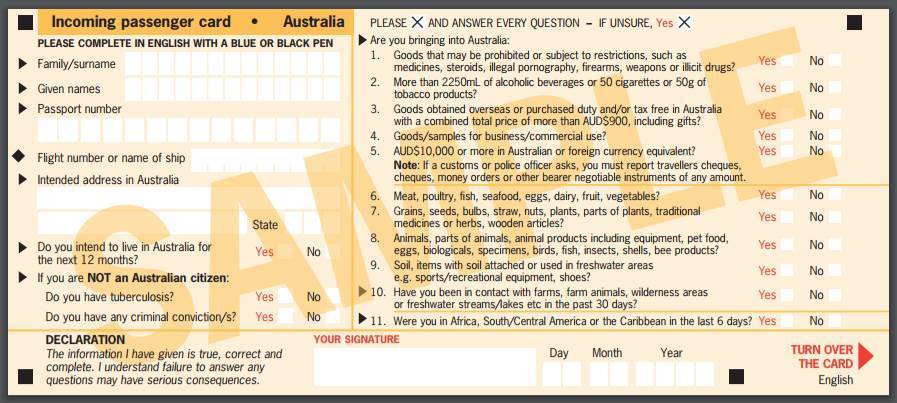
Ang DPD ay inilunsad noong Pebrero 2022 para palitan ang paper-based na mga incoming passenger cards at ang Australia Travel Declaration form.
The DPD was launched in February 2022 to replace paper-based incoming passenger cards and the Australia Travel Declaration form.
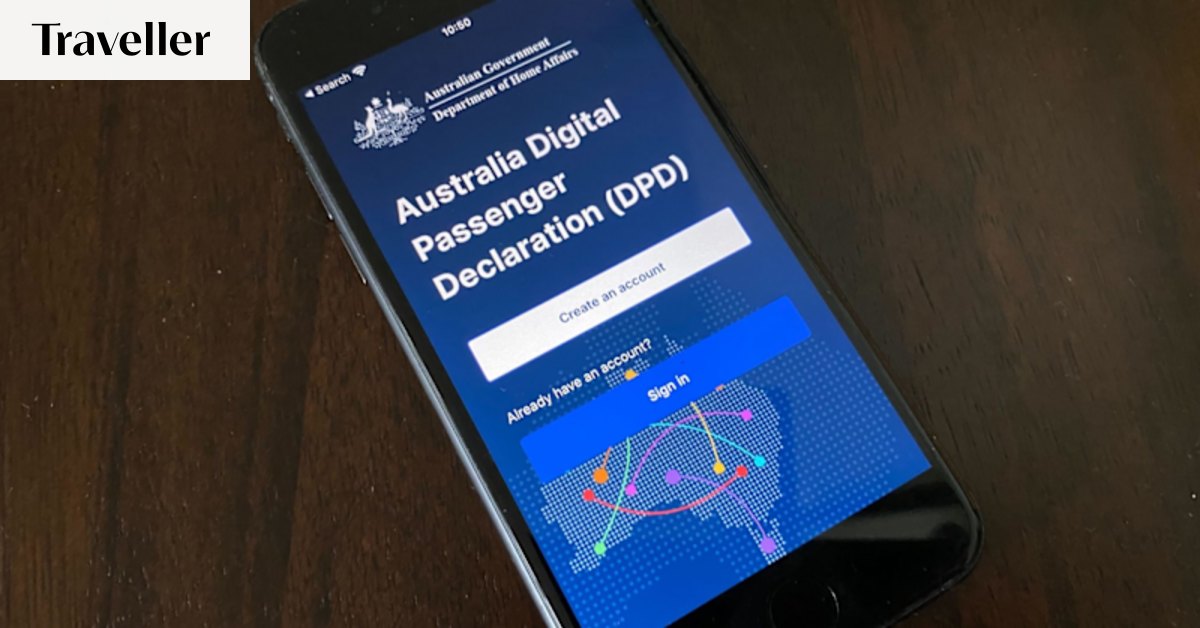
Gayunpaman, ito ay nagdurusa mula sa matinding mga problema sa usability: - Ang app ay may rating na **1.3 stars mula sa 5** sa Apple App Store (mula sa 1,200+ reviews) at **1.2 stars sa Google Play** [5] - Nagreklamo ang mga user na ang sistema ay "buggy," nangangailangan ng muling pagpasok ng lahat ng impormasyon para sa bawat flight, may hindi gumaganang QR code scanning para sa vaccination certificates, at nangangailangan ng makalumang hotel Wi-Fi scanning habang nasa ibang bansa [4] - Ang sistema ay kailangan pa rin ng mga pasahero na punan ang mga papel na arrival cards pa rin, na ginagawang redundant ang digital na sistema [4] - Inamin ni Home Affairs Minister Clare O'Neil na ang app ay "kailangan ng maraming karagdagang trabaho para gawin itong user friendly" [5]
However, it suffered from severe usability problems: - The app had a rating of **1.3 stars out of 5** on Apple's App Store (from 1,200+ reviews) and **1.2 stars on Google Play** [5] - Users complained the system was "buggy," required re-entry of all information for every flight, had non-functional QR code scanning for vaccination certificates, and required outdated hotel Wi-Fi scanning while overseas [4] - The system still required passengers to fill out paper arrival cards anyway, making the digital system redundant [4] - Home Affairs Minister Clare O'Neil later admitted the app "needs a lot more work to make it user friendly" [5]
### Itinigil ng Gobyerno ang Sistema
### Government Scrapped the System
Noong Hulyo 2022, limang buwan lamang pagkatapos ilunsad, itinigil ng pederal na gobyerno ang kinakailangan para sa DPD nang buo, na si Home Affairs Minister Clare O'Neil ay nag-anunsyo ng mga pagbabago batay sa "feedback" tungkol sa digital passenger declaration [5].
In July 2022, just five months after launching, the federal government scrapped the requirement for the DPD entirely, with Home Affairs Minister Clare O'Neil announcing the changes on the basis of "feedback" about the digital passenger declaration [5].
### Konteksto: Katulad sa Nakaraang mga Pagkabigo
### Context: Similar to Previous Failures
Ito ay hindi ang unang pagtatangka ng gobyerno na i-digitize ang mga proseso sa pagpasok sa border.
This was not the government's first attempt to digitize border entry processes.
Ang gobyerno ay nakapagtangkang isang katulad na inisyatiba noong 2017 na tinatawag na "Seamless Traveller," na nabigo rin [5].
The government had previously attempted a similar initiative in 2017 called "Seamless Traveller," which also failed [5]. ---

Pagsusuri ng Kredibilidad ng Pinagmulan

**ZDNet:** Ang ZDNet ay isang publication ng technology news na pag-aari ng Ziff Davis, isang mainstream tech media company.
**ZDNet:** ZDNet is a technology news publication owned by Ziff Davis, a mainstream tech media company.
Ang reporting ng ZDNet Australia sa mga teknolohiya ng gobyerno ay karaniwang maaasahan, partikular para sa infrastructure procurement reporting.
ZDNet Australia's reporting on government technology projects is generally reliable, particularly for infrastructure procurement reporting.
Gayunpaman, ang partikular na artikulong ito ay nagre-relay ng mga pahayag ng Labor Party (Andrew Giles) at nag-uulat sa isang inanunsyong proyekto na hindi pa inilulunsad.
However, this specific article is relaying Labor Party statements (Andrew Giles) and reporting on an announced project that hadn't yet launched.
Ang pagkaka-frame ng artikulo ay binibigyang-diin ang kakulangan ng transparency ng gobyerno at paghahambing ng gastos sa mga nakaraang pagkabigo (COVIDSafe, mga tangkang visa processing), na sumasalamin sa kritikal na posisyon ng Labor [1]. **Orihinal na reporting:** Ang ZDNet article mismo ay nagbabanggit ng reporting ng Australian Financial Review sa kontrata, na naghuhudyat na ang impormasyon ay ipinahayag na sa mga financial media sources [1][2]. **Pagtatasa:** Ang reporting ng ZDNet ay factually accurate tungkol sa timeline at posisyon ng Labor, ngunit ang framing ay binibigyang-diin ang secrecy ng gobyerno sa halip na kilalanin na ang impormasyon ay available sa pamamagitan ng mga procurement channel.
The article's framing emphasizes the government's lack of transparency and cost comparison to previous failures (COVIDSafe, visa processing attempts), which reflects Labor's critical positioning [1]. **Original reporting:** The ZDNet article itself cites Australian Financial Review reporting on the contract, suggesting the information had already been disclosed to financial media sources [1][2]. **Assessment:** ZDNet's reporting is factually accurate regarding the timeline and the Labor position, but the framing emphasizes government secrecy rather than acknowledging the information was available through procurement channels. ---
⚖️

Paghahambing sa Labor

**Nagawa ba ni Labor ang katulad?** Nagsagawa ng search: "Labor government IT projects transparency costs procurement history" **Finding:** Ang mga gobyerno ng Labor ay nakaranas din ng kritisisimo para sa malalaking IT project cost transparency at mga pagkabigo [6][7].
**Did Labor do something similar?** Search conducted: "Labor government IT projects transparency costs procurement history" **Finding:** Labor governments have also faced criticism for large IT project cost transparency and failures [6][7].
Mga tandaang precedent ay kinabibilangan ng: 1. **National Broadband Network (NBN):** Ang $43 billion national broadband project ng Labor noong 2009 ay may mga pagtaas sa gastos at mga isyu sa transparency.
Notable precedents include: 1. **National Broadband Network (NBN):** Labor's 2009 $43 billion national broadband project had significant cost blowouts and transparency issues.
Ang mga pagbabago ng Coalition sa huli ay nagdagdag ng humigit-kumulang $31 billion sa halaga ng proyekto ayon sa financial analysis, bagama't ito ay bahagyang dahil sa mga pagbabago sa patakaran ng Coalition kaysa sa purong pagkabigo ng Labor [6][7]. 2. **Healthcare IT Projects:** Ang Health Department ng Labor ay nagkaroon ng maraming IT procurement projects na naharap sa mga katulad na transparency at cost management challenges sa panahon ng kanilang administrasyon (2007-2013), bagama't ang mga tiyak na halimbawa ng "vaccine passport" equivalents ay hindi umiiral (dahil ang COVID-19 ay nangyari pagkatapos umalis ng Labor sa opisina) [8]. 3. **Pangkalahatang Pattern:** Ang parehong pangunahing partido ay nahirap sa government IT procurement transparency at cost overruns.
The Coalition's later modifications added approximately $31 billion to the project cost according to financial analysis, though this was partly due to Coalition policy changes rather than pure Labor failure [6][7]. 2. **Healthcare IT Projects:** Labor's Health Department had multiple IT procurement projects that faced similar transparency and cost management challenges during their administration (2007-2013), though specific examples of "vaccine passport" equivalents don't exist (as COVID-19 occurred after Labor left office) [8]. 3. **General Pattern:** Both major parties have struggled with government IT procurement transparency and cost overruns.
Ito ay isang sistemikong isyu na nakakaapekto sa Australian government procurement sa parehong Coalition at Labor administrations [6][7]. **Pangunahing pagkakaiba:** Ang Labor ay walang direktang katumbas sa DPD dahil ang COVID-19 ay nangyari sa panahon ng gobyernong Coalition (2013-2022).
This is a systemic issue affecting Australian government procurement across both Coalition and Labor administrations [6][7]. **Key difference:** Labor had no direct equivalent to the DPD because COVID-19 occurred during Coalition government (2013-2022).
Gayunpaman, ang paghawak ng Labor sa mga katulad na kumplikadong digital health infrastructure projects ay nagpakita ng mga katulad na hamon sa transparency.
However, Labor's handling of similarly complex digital health infrastructure projects showed comparable transparency challenges. ---
🌐

Balanseng Pananaw

**Ang tama sa claim:** Ang gobyerno ay paunang nag-atubiling magliwanag ng mga tiyak na gastos noong Setyembre 2021, at ang proyekto ay tunay na anim na buwan sa likod ng orihinal na Marso 2021 procurement timeline [1].
**What the claim gets right:** The government was initially reluctant to disclose specific costs in September 2021, and the project was genuinely six months behind the original March 2021 procurement timeline [1].
Ang mga katotohanang ito ay tumpak. **Ang hindi nabanggit ng claim:** 1. **Ang impormasyon ay available:** Samantalang ang gobyerno ay tumangging agad na magbigay ng mga detalye sa gastos, ang $60 million figure ay nai-report na sa mga pangunahing financial media at natuklasan sa pamamagitan ng AusTender [2][3].
These facts are accurate. **What the claim omits:** 1. **Information was available:** While the government declined to comment immediately, the $60 million figure was already reported in major financial media and was discoverable through AusTender [2][3].
Ito ay hindi karaniwang pag-uugali ng gobyerno sa panahon ng mga anunsyo sa proyekto. 2. **Ang cost transparency ay kumplikado:** Ang government IT procurement transparency ay nagsasangkot ng pagbabalanse ng commercial sensitivity sa public accountability.
This is not unusual government behavior during project announcements. 2. **Cost transparency is complex:** Government IT procurement transparency involves balancing commercial sensitivity with public accountability.
Ang huling aktwal na gastos na $75 million para sa isang nabigong sistema ay isang lehitimong alalahanin, ngunit ang impormasyong ito ay naging malinaw lamang pagkatapos ng pagpapatupad, hindi sa panahon ng Setyembre 2021 anunsyo [4]. 3. **Ang totoong kuwento ay ang pagkabigo ng proyekto, hindi secrecy:** Ang lehitimong isyu dito ay hindi na ang mga gastos ay "itinago" sa publiko, kundi na ang $75 milyong proyekto ay nabigo nang katakut-takot pagkatapos ng 5 buwan, na may napakahinang user experience (1.3 stars) at redundant na functionality (kailangan pa rin ang paper forms) [4][5].
The eventual actual cost of $75 million for a failed system is a legitimate concern, but this information only became clear after implementation, not during the September 2021 announcement [4]. 3. **The real story is project failure, not secrecy:** The legitimate issue here is not that costs were "hidden" from the public, but that the $75 million project failed spectacularly after 5 months, with extremely poor user experience (1.3 stars) and redundant functionality (still required paper forms) [4][5].
Ito ang aktwal na governance failure. 4. **Ang gobyerno ay kinilala ang mga pagkaantala:** Samantalang nag-atubili sa agad na pagpapahayag ng gastos, ang gobyerno ay kinilala na ang proyekto ay 10-buwan tendering process, at tila tumpak ang kritisisimo ng Labor sa timeline [1][2]. 5. **Sistemikong isyu:** Ang IT procurement cost overruns at paunang secrecy ay karaniwan sa parehong pangunahing partido ng Australia.
This is the actual governance failure. 4. **Government did acknowledge delays:** While reluctant about immediate cost disclosure, the government acknowledged the project was 10-month tendering process, and Labor's timeline criticism appears accurate [1][2]. 5. **Systemic issue:** IT procurement cost overruns and initial secrecy are common across both major Australian parties.
Ito ay hindi kakaiba sa Coalition, bagama't ang 5-buwan na timeline ng pagkabigo ay naghuhudyat ng mas masamang pagganap kaysa sa mga tipikal na overruns [6][7]. **Perspektiba ng eksperto:** Ang mga tagapagtaguyod ng government IT procurement transparency ay naitala na ang mga ahensya ng gobyerno ng Australia ay nahihirapan sa cost disclosure sa panahon ng tender processes dahil sa commercial-in-confidence provisions, ngunit ito ay hindi katarungan para sa huling $75 milyong pagkabigo.
This is not unique to the Coalition, though the 5-month failure timeline suggests worse execution than typical overruns [6][7]. **Expert perspective:** Government IT procurement transparency advocates have noted that Australian government agencies struggle with cost disclosure during tender processes due to commercial-in-confidence provisions, but this doesn't excuse the eventual $75 million failure.
Ang totoong isyu ay ang project governance at testing, hindi ang transparency sa oras ng anunsyo [3]. **Pangunahing konteksto:** Ang proyektong ito ay nagpapakita ng mas malawak na pattern ng mga pagkabigo ng gobyerno ng Australia sa IT hindi kakaiba sa Coalition, ngunit isang ibinabahaging hamon sa mga administrasyon.
The real issue is project governance and testing, not transparency at announcement time [3]. **Key context:** This project exemplifies a broader pattern of Australian government IT failures—not unique to the Coalition, but a shared challenge across administrations. ---

BAHAGYANG TOTOO

5.5

sa 10

Ang claim ay tumpak na nakakakilala ng dalawang katotohanan (paunang pagtangging magliwanag ng gastos at tunay na pagkaantala ng proyekto), ngunit substantially misrepresents ang isyu sa transparency.
The claim accurately identifies two facts (initial reluctance to disclose costs and genuine project delay), but substantially misrepresents the transparency issue.
Ang gobyerno ay tumangging agad na magkomento sa gastos noong Setyembre 2021, ngunit ang impormasyon ay matatagpuan sa pamamagitan ng tamang mga channel sa loob ng ilang araw at nai-report na sa mga pangunahing financial media [1][2][3].
The government did decline to immediately comment on costs in September 2021, but the information was discoverable through proper channels within days and was already being reported in major financial media [1][2][3].
Ang mas makabuluhang isyu na itinatago ng claim ay ang aktwal na governance failure: ang $75 milyong proyekto na naghatid ng isang buggy, redundant na sistema at itinigil pagkatapos ng 5 buwan [4][5].
The more significant issue the claim obscures is the actual governance failure: the $75 million project that delivered a buggy, redundant system and was scrapped after 5 months [4][5].
Ito ay kumakatawan sa mahinang project execution at testing, hindi secrecy tungkol sa gastos.
This represents poor project execution and testing, not secrecy about costs.
Ang claim ay gumagamit ng "refused to tell the public" na wika na naghuhudyat ng sinadyang pagtatago, samantalang ang katotohanan ay ang gobyerno ay nag-atubiling magbigay ng agad na mga detalye sa isang inanunsyo ngunit hindi pa inilulunsad na proyekto isang karaniwang procurement practice, hindi corruption [1].
The claim uses "refused to tell the public" language suggesting deliberate concealment, when the reality is the government was reluctant to provide immediate details on an announced but not-yet-launched project—a common procurement practice, not corruption [1]. ---

📚 MGA PINAGMULAN AT SANGGUNIAN (8)

  1. 1
    Labor says government's digital vaccine passport is six months behind schedule

    Labor says government's digital vaccine passport is six months behind schedule

    Prior to starting work on the DPD, the federal government has spent almost AU$170 million on its visa processing privatisation plans and over AU$6 million for the COVIDSafe app

    ZDNET
  2. 2
    Accenture wins contract for passenger declarations platform

    Accenture wins contract for passenger declarations platform

    Incoming passenger cards finally to get the chop.

    iTnews
  3. 3
    ACCENTURE AUSTRALIA PTY LTD contract with Department of Home Affairs

    ACCENTURE AUSTRALIA PTY LTD contract with Department of Home Affairs

    Explore deep insights into Australian Government contracts, suppliers, agencies, and categories.

    Tenders+
  4. 4
    Digital Passenger Declaration (DPD) app scrapped and good riddance

    Digital Passenger Declaration (DPD) app scrapped and good riddance

    I can't believe many Australian travellers would be mourning the loss of the Australian Digital Passenger Declaration.

    Traveller
  5. 5
    Australia scraps digital passenger cards for international arrivals

    Australia scraps digital passenger cards for international arrivals

    Minister concedes app "needs a lot more work".

    iTnews
  6. 6
    Inside the bloody political war that led to a $31b NBN blowout

    Inside the bloody political war that led to a $31b NBN blowout

    The NBN has cost a lot more public money than Labor promised back in 2009 but the Coalition’s meddling was largely to blame for a decade of misguided spending.

    Australian Financial Review
  7. 7
    Parliamentary Inquiry Chapter 4 - Contracting

    Parliamentary Inquiry Chapter 4 - Contracting

    Chapter 4 Contracting Introduction 4.1                   The committee’s Second Report foreshadowed an examination of the NBN Co’s procurement policy and tendering processes.[1] This

    Aph Gov
  8. 8
    finance.gov.au

    Transparency in Commonwealth Government Procurement

    Finance Gov
Pamamaraan ng Rating Scale

1-3: MALI

Hindi tama sa katotohanan o malisyosong gawa-gawa.

4-6: BAHAGYA

May katotohanan ngunit kulang o baluktot ang konteksto.

7-9: HALOS TOTOO

Maliit na teknikal na detalye o isyu sa pagkakasulat.

10: TUMPAK

Perpektong na-verify at patas ayon sa konteksto.

Pamamaraan: Ang mga rating ay tinutukoy sa pamamagitan ng cross-referencing ng opisyal na mga rekord ng pamahalaan, independiyenteng mga organisasyong nag-fact-check, at mga primaryang dokumento.