Nakakalito

Rating: 5.0/10

Coalition
C0043

Ang Claim

“Isinulong ang isang kontrobersiyal na panukala sa parlamento sa gitna ng gabi, tinapos ang debate at binotohan ito nang alas-4 ng madaling araw.”
Orihinal na Pinagmulan: Matthew Davis

Orihinal na Pinagmulan

FACTUAL NA BERIPIKASYON

Ang mga pangunahing datos ng claim na ito ay **tama** [1].
The core facts of this claim are **accurately stated** [1].
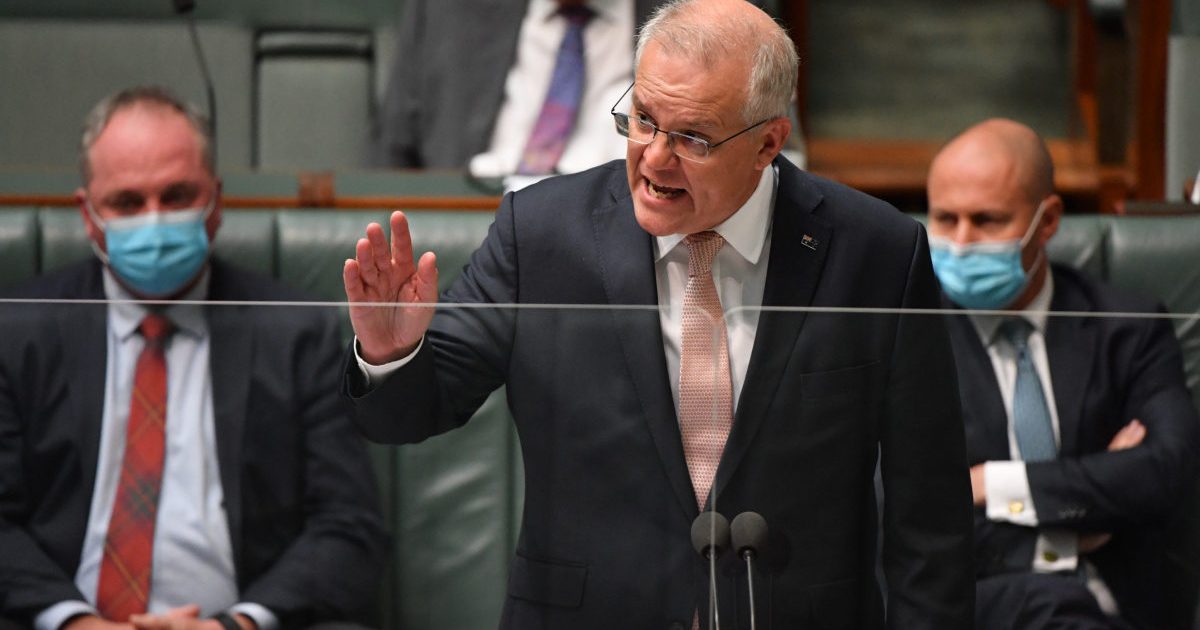
Ang Religious Discrimination Bill ay nakatanggap ng ikatlong pagbasa nang alas-4 ng madaling araw noong Pebrero 10, 2022, pagkatapos ng 11-oras na marathon debate sa House of Representatives [2].
The Religious Discrimination Bill did receive its third reading at 4am on February 10, 2022, after an 11-hour marathon debate in the House of Representatives [2].
Ang panukala ay pumasa 90-6 sa ganap na alas-4 ng madaling araw [3].
The bill passed 90-6 at approximately 4am [3].
Gayunpaman, ang pagkakapresenta nito bilang "isinulong nang palihim" ay misrepresents ang aktwal na pamamaraang parliamentaryo.
However, framing this as "snuck through" misrepresents the actual parliamentary procedure.
Ang debate ay hindi itinago o ginawa nang lihim - ito ay transparent, sinadyang iskedyul na marathon session na may malawak na pampublikong parliamentaryong talaan [4].
The debate was not hidden or done in secrecy - it was a transparent, deliberately scheduled marathon sitting with extensive public parliamentary record [4].
Maraming outlet ng balita ang nag-ulat ng debate sa real-time, at ang mga miyembro ng Labor ay aktibong lumahok sa buong gabi [5].
Multiple news outlets covered the debate in real-time, and Labor MPs participated actively throughout the night [5].
Limang Liberal MP ang publikong tumawid sa sahig nang alas-4 ng madaling araw para bumoto laban sa mga amendment ng pamahalaan [6].
Five Liberal MPs publicly crossed the floor at 4am to vote against government amendments [6].

Nawawalang Konteksto

Ang claim ay naglalaho ng ilang kritikal na kontekstwal na salik: **1.
The claim omits several critical contextual factors: **1.
Konbensyon ng Parlamento**: Ang mga buong-gabing session ay isang itinatag na pamamaraan sa Australian House of Representatives.
Parliamentary Convention**: All-night sittings are an established procedure in the Australian House of Representatives.
Ayon sa dokumentasyon ng parliamentary practice, ang mga session na umaabot sa maraming araw ay ginamit na historikal, na may mga probisyon para sa mga break ng pagkain ngunit patuloy na debate sa buong gabi [7].
According to parliamentary practice documentation, sittings extending over multiple calendar days have been used historically, with provisions for meal breaks but continued debate through the night [7].
Ito ay hindi irregular o hindi karaniwan—it ay isang kinikilalang legislative tool. **2.
This is not irregular or unusual—it's a recognized legislative tool. **2.
Pampublikong Iskedyul**: Ang buong-gabing sitting ay sinadyang iskedyul at inanunsyo nang maaga.
Public Schedule**: The all-night sitting was deliberately scheduled and announced in advance.
Ang caucus ng Labor ay bumoto noong Pebrero 9 para suportahan ang panukala sa yugto ng lower house (bagama't sinusubukang amyendahan ito), na alam na ito ay magpapatuloy sa botohan [8].
Labor's caucus voted on February 9 to support the bill at the lower house stage (though attempting to amend it), knowing it would proceed to a vote [8].
Hindi inambush ng pamahalaan ang parlamento o iniwasan ang mga parliamentaryong pamamaraan. **3.
The government did not ambush parliament or avoid parliamentary procedures. **3.
Stratihikong Pagpili ng Labor**: Ang Labor ay aktwal na nakipag-negosasyon para magdaos ng buong-gabing sitting.
Labor's Strategic Choice**: Labor actually negotiated to hold the all-night sitting.
Sinabi ng Labor leader na si Anthony Albanese na sila ay "magpupumilit" sa mga amendment sa lower house ngunit papasa ang panukala, sinadyang pinili ang approach na ito para sa mga stratihikong dahilan [9].
Labor leader Anthony Albanese stated they would "insist" on amendments in the lower house but pass the bill, deliberately choosing this approach for strategic reasons [9].
Lumahok ang Labor sa mga amendment sa buong gabi, bumoto sa kanilang sariling mga mosyon hanggang alas-4 ng madaling araw. **4.
Labor participated in amendments throughout the night, voting on their own motions until 4am. **4.
Pagtalikod ng Liberal**: Ang lubhang nakikitang pagtawid ng sahig ng limang Liberal MP (Bridget Archer, Trent Zimmerman, Katie Allen, Fiona Martin, Dave Sharma) nang alas-4 ng madaling araw ay nagpapakita na ito ay transparent, hindi lihim.
Liberal Defections**: The highly visible 4am crossing of the floor by five Liberal MPs (Bridget Archer, Trent Zimmerman, Katie Allen, Fiona Martin, Dave Sharma) demonstrates this was transparent, not secret.
Ang mga publikong pinangalanang MP na ito ay gumawa ng mga pahayag na nagpapaliwanag sa kanilang mga boto [10].
These publicly named MPs made statements explaining their votes [10].
Ito ay imposible sa isang "palihim na pinausad" na pamamaraan. **5.
This would be impossible in a "sneaked through" procedure. **5.
Konsiderasyon ng Senado**: Ang panukala ay hindi naisapinal—it ay pumasa sa lower house ngunit pagkatapos ay ipinagpaliban nang walang takdang panahon sa Senado pagkatapos ng karagdagang kontrobersya [11].
Senate Consideration**: The bill was not finalized—it passed the lower house but was then delayed indefinitely in the Senate after further controversy [11].
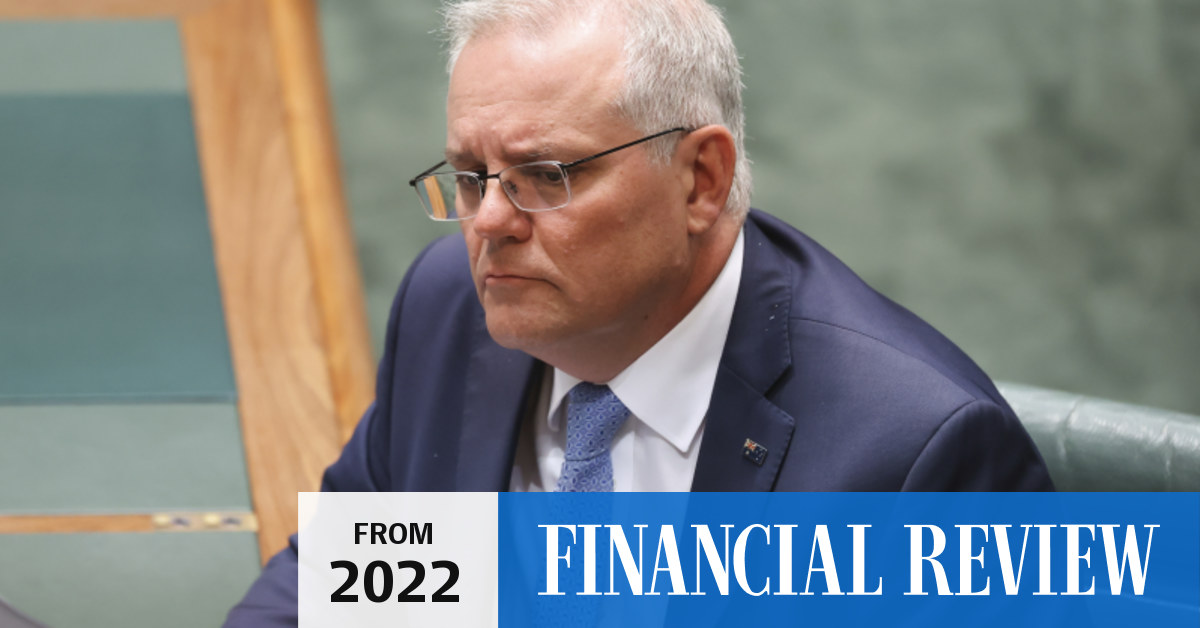
Itinabi ni Morrison ang panukala nang ilang oras pagkatapos ng pagpasa dahil sa backlash mula sa Christian lobby [12].
Morrison shelved the bill hours after passage due to Christian lobby backlash [12].
Hindi ito naaayon sa "palihim na pinausad."
This does not align with "snuck through."

Pagsusuri ng Kredibilidad ng Pinagmulan

**Ang The Guardian** ay isang pangunahing pandaigdigang pahayagan na may coverage sa Australia.
**The Guardian** is a mainstream international newspaper with Australia coverage.
Bagama't may center-left na editorial na perspektibo, ang kanilang pag-uulat sa kaganapang ito ay factual at well-documented [13].
While it has a center-left editorial perspective, its reporting on this event is factual and well-documented [13].
Ang artikulo ng Guardian ay tumpak na naglalarawan ng mga parliamentaryong pamamaraan, mga quote mula sa maraming MP, at nagbibigay ng maaaring ma-verify na mga datos [14].
The Guardian's article accurately describes the parliamentary procedures, quotes from multiple MPs, and provides verifiable facts [14].
Gayunpaman, ang headline framing ng Guardian ("pumasa pagkatapos ng marathon all-night sitting") ay binibigyang-diin ang hindi karaniwang timing nang walang konteksto na ito ay normal na parliamentaryong pamamaraan.
However, the Guardian's headline framing ("passes after marathon all-night sitting") emphasizes the unusual timing without context that this is normal parliamentary procedure.
Ang artikulo mismo ay mas balansyado kaysa sa headline.
The article itself is more balanced than the headline suggests.
⚖️

Paghahambing sa Labor

**Ginawa ba ng Labor ang katulad na bagay?** Ang mga buong-gabing parliamentaryong sitting ay hindi natatangi sa Coalition.
**Did Labor do something similar?** All-night parliamentary sittings are not unique to the Coalition.
Ang Gillard minority government (2010-2013) ay pumasa ng higit sa 500 piraso ng lehislasyon at madalas na umaasa sa extended parliamentaryong sitting para pamahalaan ang isang minority government environment [15].
The Gillard minority government (2010-2013) passed over 500 pieces of legislation and frequently relied on extended parliamentary sittings to manage a minority government environment [15].
Mas direkta: Ang Gillard government ng Labor ay naghangad ng agresibong parliamentaryong schedule para i-maximize ang legislative output na may suporta ng minority government.
More directly: Labor's Gillard government pursued aggressive parliamentary schedules to maximize legislative output with minority government support.
Ang kasanayan ng marathon sitting para pumasa ng kontrobersiyal na lehislasyon ay itinatag na kasanayan sa parehong partido [16].
The practice of marathon sittings to pass controversial legislation was established practice across both parties [16].
Ang Australian parliamentary procedure ay pormal na nagpapahintulot ng buong-gabing sitting, na ginamit historikal ng mga pamahalaan ng parehong partido [17].
Australian parliamentary procedure formally permits all-night sittings, which have been used by governments of both parties historically [17].
Ang pamamaraan ay dinisenyo para payagan ang mga pamahalaan na makumpleto ang legislative business, partikular para sa mga kontrobersiyal na panukala na nangangailangan ng malawak na debate. **Pangunahing Finding**: Ang paggamit ng buong-gabing sitting ay **hindi natatangi sa Coalition** at ito ay pamantayang parliamentaryong pamamaraan.
The procedure is designed to allow governments to complete legislative business, particularly for controversial bills requiring extensive debate. **Key Finding**: The use of all-night sittings is **not unique to the Coalition** and is standard parliamentary procedure.
Ang pagkakapresenta nito bilang "palihim na pinausad" ay maling nagpapahiwatig ng paglihis mula sa normal na kasanayan.
Framing it as "snuck through" incorrectly implies deviation from normal practice.
🌐

Balanseng Pananaw

**Ang Puna**: Ang mga kritiko ay maaaring lehitimong mag argumento na ang mga oras ng botohan nang alas-4 ng madaling araw ay hindi maginhawa para sa pampublikong pagsusuri at media coverage, at ang mga pamahalaan ay stratihikong gumagamit ng late-night timing para mabawasan ang pampublikong kamalayan.
**The Criticism**: Critics could legitimately argue that 4am voting times are inconvenient for public scrutiny and media coverage, and that governments strategically use late-night timing to reduce public awareness.
Ang Religious Discrimination Bill ay kontrobersiyal, at ang pagpasa nito sa isang marathon session ay maaaring makita bilang pag-iwas sa patuloy na pampublikong debate [18]. **Ang Perspektibo ng Pamahalaan**: Ang posisyon ng pamahalaan ay na ang panukala ay malawakang na-debate (mahigit 11 oras) at ang mga buong-gabing sitting ay pamantayang kasanayan kapag kailangan ng parlamento na makumpleto ang mahalagang legislative business [19].
The Religious Discrimination Bill was contentious, and passing it in a marathon session could be seen as avoiding sustained public debate [18]. **The Government's Perspective**: The government's position was that the bill had been extensively debated (over 11 hours) and that all-night sittings are standard practice when parliament needs to complete important legislative business [19].
Naniniwala ang pamahalaan na ito ay transparent na parlamento, hindi lihim na pamamaraan. **Analisis ng Eksperto**: Ang Australian parliamentary system ay eksplisitong nagpapahintulot ng buong-gabing sitting bilang isang pormal na pamamaraan [20].
The government argued this was transparent parliament, not hidden procedure. **Expert Analysis**: The Australian parliamentary system explicitly permits all-night sittings as a formal procedure [20].
Ang mga sitting na ito ay ginamit ng Labor at Coalition governments historikal.
These sittings have been used by Labor and Coalition governments historically.
Bagama't may lehitimong debate tungkol sa kung ang mga late-night parliamentaryong session ay naglilingkod sa pampublikong interes, ang paglalarawan nito bilang "palihim na pinausad" ay misrepresents kung ano ang nangyari—it ay transparent na pamamaraan sa loob ng itinatag na mga parliamentaryong tuntunin. **Komparatibong Konteksto**: Ito ay hindi natatanging governance practice: - Ang Gillard Labor government (2010-2013) ay nagpamahala ng minority government sa pamamagitan ng agresibong parliamentaryong scheduling [21] - Ang buong-gabing sitting ay kinikilalang parliamentaryong pamamaraan na may pormal na mga probisyon para sa mga break ng pagkain [22] - Ang debate ng Religious Discrimination Bill mismo ay malawakang na-cover ng media; hindi ito isinagawa nang lihim [23] **Pangunahing Konteksto**: Maraming partido ang lumahok sa debate, ang mga amendment ay pormal na inihain at binotohan, ang media ay nag-cover ng proceedings sa real-time, at ang panukala ay hindi nagpatuloy sa Senado bilang napasa—it ay itinabi nang ilang oras pagkatapos [24].
While there is legitimate debate about whether late-night parliamentary sessions serve the public interest, characterizing this as "sneaking through" misrepresents what occurred—this was transparent procedure within established parliamentary rules. **Comparative Context**: This is not unique governance practice: - The Gillard Labor government (2010-2013) managed minority government through aggressive parliamentary scheduling [21] - All-night sittings are recognized parliamentary procedure with formal provisions for meal breaks [22] - The Religious Discrimination Bill debate itself was extensively covered by media; it was not conducted in secret [23] **Key Context**: Multiple parties participated in the debate, amendments were formally moved and voted on, the media covered proceedings in real-time, and the bill did not proceed to Senate as passed—it was shelved hours later [24].
Hindi ito tumutugma sa paglalarawan ng lehislasyong "palihim na pinausad."
This does not match the description of legislation "snuck through."

NAKAKALITO

5.0

sa 10

Ang mga saligang datos ay tama—tunay na nakatanggap ang panukala ng ikatlong pagbasa nang alas-4 ng madaling araw pagkatapos ng buong-gabing sitting.
The underlying facts are accurate—the bill did receive its third reading at 4am after an all-night sitting.
Gayunpaman, ang paglalarawan nito bilang "palihim na pinausad" ay mapanlinlang.
However, the characterization of this as "snuck through" is misleading.
Ang buong-gabing sitting ay transparent, sinadyang iskedyul, nagsasangkot ng paglahok at estratehiya ng Labor, nagsama ng pampublikong pagtalikod ng mga pinangalanang Liberal MP, at sumunod sa itinatag na parliamentaryong pamamaraan.
The all-night sitting was transparent, deliberately scheduled, involved Labor participation and strategy, included public defections by named Liberal MPs, and followed established parliamentary procedure.
Ang pagkakapresenta nito bilang mapanlinlang na parliamentary maneuvering ay misrepresents kung ano ang nangyari.
Framing this as deceptive parliamentary maneuvering misrepresents what occurred.
Ang isang mas tumpak na paglalarawan ay: "Ang pamahalaan ay pumasa ng panukala gamit ang pamantayang buong-gabing parliamentaryong pamamaraan pagkatapos ng malawak na debate, na may Labor na lumalahok nang stratihiko at limang Liberal MP na publikong tumawid sa sahig."
A more accurate description would be: "The government passed the bill using standard all-night parliamentary procedure after extensive debate, with Labor participating strategically and five Liberal MPs publicly crossing the floor."

📚 MGA PINAGMULAN AT SANGGUNIAN (20)

  1. 1
    Coalition's religious discrimination bill passes after marathon all-night sitting

    Coalition's religious discrimination bill passes after marathon all-night sitting

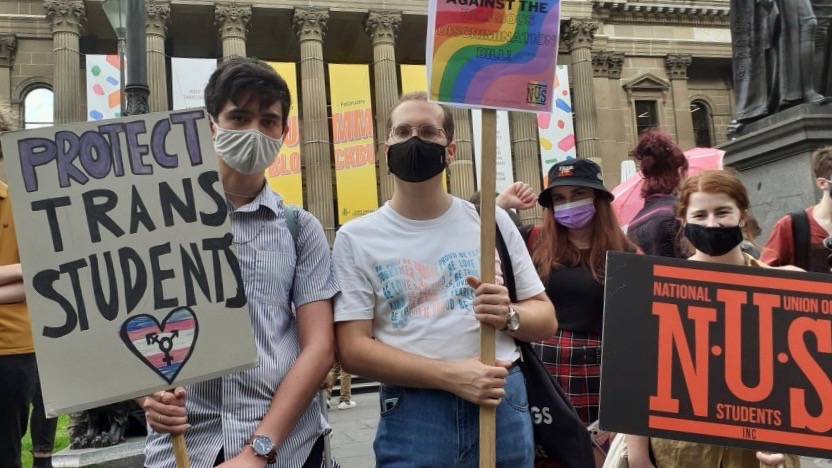
    Controversial legislation passes lower house despite Liberal moderates defecting to help add more extensive protections for LGBTQ+ students

    the Guardian
  2. 2
    Religious discrimination bill lower house passes after 11 hours of debate

    Religious discrimination bill lower house passes after 11 hours of debate

    The bill passed just before 4am on Thursday by 90-6 following a mammoth 11-hour debate in the House of Representatives.

    Thenewdaily Com
  3. 3
    Religious discrimination bill passes lower house as five Liberal MPs cross the floor

    Religious discrimination bill passes lower house as five Liberal MPs cross the floor

    An amended version of the federal government's religious discrimination bill has passed the lower house with Labor's backing after an all-night debate.

    SBS News
  4. 4
    Religious discrimination bill passes with Labor amendments after marathon all-night debate

    Religious discrimination bill passes with Labor amendments after marathon all-night debate

    Five Liberals cross the floor, as the contentious religious discrimination bill passes through the House of Representatives after a marathon all-night debate.

    Abc Net
  5. 5
    eternitynews.com.au

    Religious Discrimination Bill debated all night, passes in lower house

    Eternitynews Com

  6. 6
    Religious Discrimination Bill: Liberals shelve legislation as next fight looms

    Religious Discrimination Bill: Liberals shelve legislation as next fight looms

    Angry Liberals are blaming the Prime Minister for putting them through a “shambles” in Parliament after he shelved a draft law on religious freedom to avoid a Senate defeat amid a new leak from federal cabinet.

    The Sydney Morning Herald
  7. 7
    Chapter 8: Sittings - Parliament of Australia

    Chapter 8: Sittings - Parliament of Australia

    Fifth Edition Print this chapter (PDF 283KB) Chapter 8 Order of business and the sitting day Sittings

    Aph Gov
  8. 8
    Labor to seek protections for LGBTQ students but will pass religious discrimination bill in lower house

    Labor to seek protections for LGBTQ students but will pass religious discrimination bill in lower house

    Opposition confident it can make changes in Senate to neuter controversial statement of belief clause

    the Guardian
  9. 9
    What's happened to the religious discrimination bill – and where to next?

    What's happened to the religious discrimination bill – and where to next?

    The government pulled the bill from debate on Thursday, meaning it may not even come to the Senate before the election

    the Guardian
  10. 10
    Coalition shelves religious discrimination bill after Christian lobby says changes do 'more harm than good'

    Coalition shelves religious discrimination bill after Christian lobby says changes do 'more harm than good'

    Equality Australia says mess is of Coalition’s own making and could have been avoided ‘if government had fulfilled its commitment’ to protect students

    the Guardian
  11. 11
    Religious Discrimination Bill: Morrison government put on hold indefinitely

    Religious Discrimination Bill: Morrison government put on hold indefinitely

    With just a handful of months to go for the Australian general elections, prime minister Scott Morrison’s aborted attempt to push through his religious discrimination bill exposes major weaknesses in his government

    Peoples Dispatch
  12. 12
    Did the Morrison government change the relationship between religion and politics in Australia?

    Did the Morrison government change the relationship between religion and politics in Australia?

    Morrison’s religion and his government’s disastrous attempt to legislate a religious discrimination bill stirred up renewed public debate about the relationship between religion and politics.

    The Conversation
  13. 13
    About The Guardian

    About The Guardian

    Theguardian
  14. 14
    Labor's legacy: six years of what exactly?

    Labor's legacy: six years of what exactly?

    Political historians are likely to treat the Rudd and Gillard governments far more kindly than many contemporary commentators have - and certainly more kindly than the Murdoch press has. The passing of…

    The Conversation
  15. 15
    Gillard government

    Gillard government

    Wikipedia
  16. 16
    Chapter 8: Sittings - House of Representatives Practice

    Chapter 8: Sittings - House of Representatives Practice

    Practice7

    Aph Gov
  17. 17
    The human rights amendment bill, which now prevents religious schools discriminating against students on the basis of gender and sexuality

    The human rights amendment bill, which now prevents religious schools discriminating against students on the basis of gender and sexuality

    I took 15 years to figure out I didn’t have a problem at all, I was just trans – now the religious discrimination bill sanctions bullying

    the Guardian
  18. 18
    As parliament returns for 2022, the religious discrimination bill is still an unholy mess

    As parliament returns for 2022, the religious discrimination bill is still an unholy mess

    Religious discrimination is set to be debated in parliament this week - more than three years after Prime Minister Scott Morrison promised a bill.

    The Conversation
  19. 19
    House of Representatives Practice 7th Edition - Sittings

    House of Representatives Practice 7th Edition - Sittings

    Sittings Definition A sitting means the period commencing with the meeting of the House and concluding at the adjournment of the House.[1] A sitting commences when the Speaker takes the Chair.[2] If there is no quorum present at that time and the Speaker is compelled to adjour

    Aph Gov
  20. 20
    Religious discrimination bill passes amid Liberal revolt as MPs Trent Zimmerman, Katie Allen, Bridget Archer join Labor

    Religious discrimination bill passes amid Liberal revolt as MPs Trent Zimmerman, Katie Allen, Bridget Archer join Labor

    Labor and the crossbench have amended Scott Morrison’s landmark religious freedom laws, as five Coalition MPs crossed the floor.

    Australian Financial Review
Pamamaraan ng Rating Scale

1-3: MALI

Hindi tama sa katotohanan o malisyosong gawa-gawa.

4-6: BAHAGYA

May katotohanan ngunit kulang o baluktot ang konteksto.

7-9: HALOS TOTOO

Maliit na teknikal na detalye o isyu sa pagkakasulat.

10: TUMPAK

Perpektong na-verify at patas ayon sa konteksto.

Pamamaraan: Ang mga rating ay tinutukoy sa pamamagitan ng cross-referencing ng opisyal na mga rekord ng pamahalaan, independiyenteng mga organisasyong nag-fact-check, at mga primaryang dokumento.