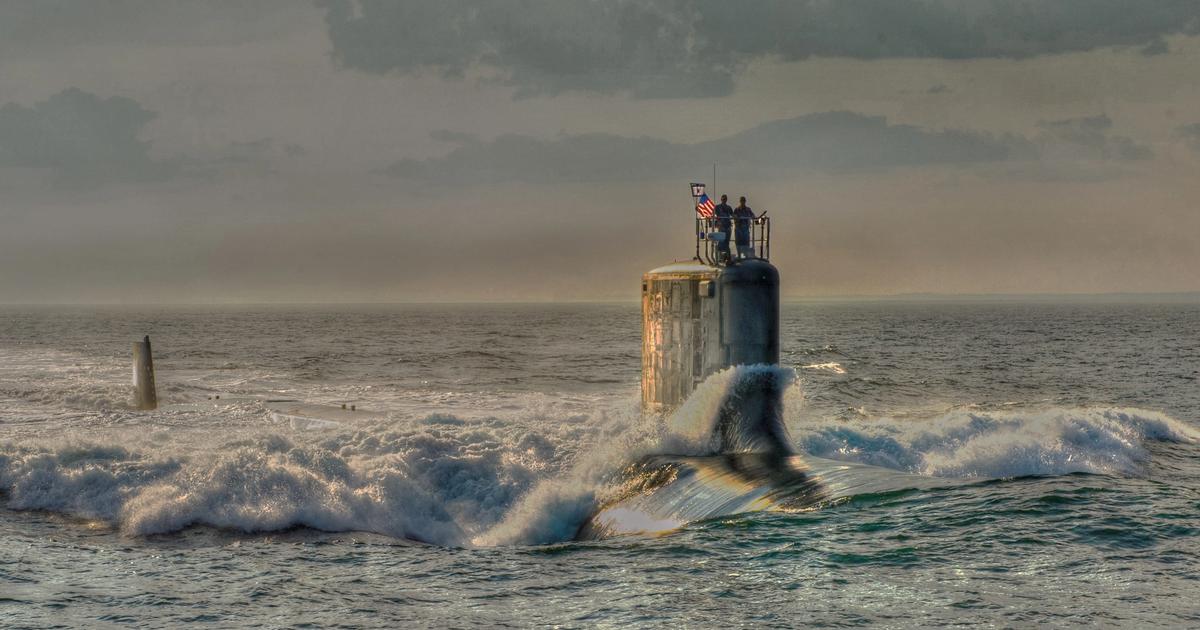
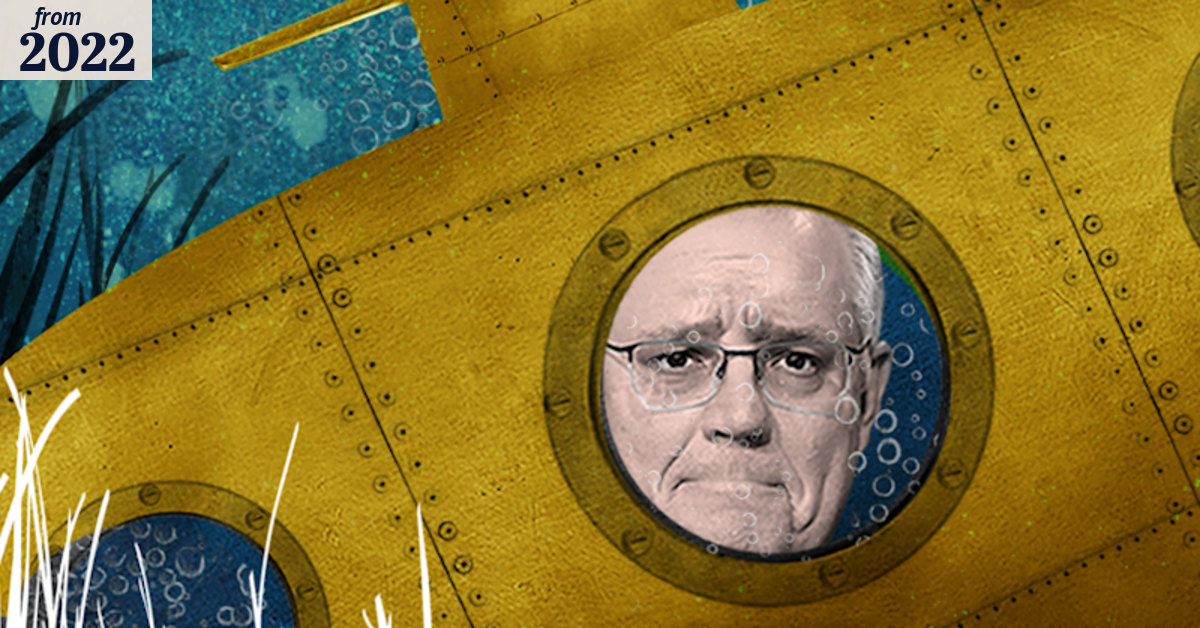
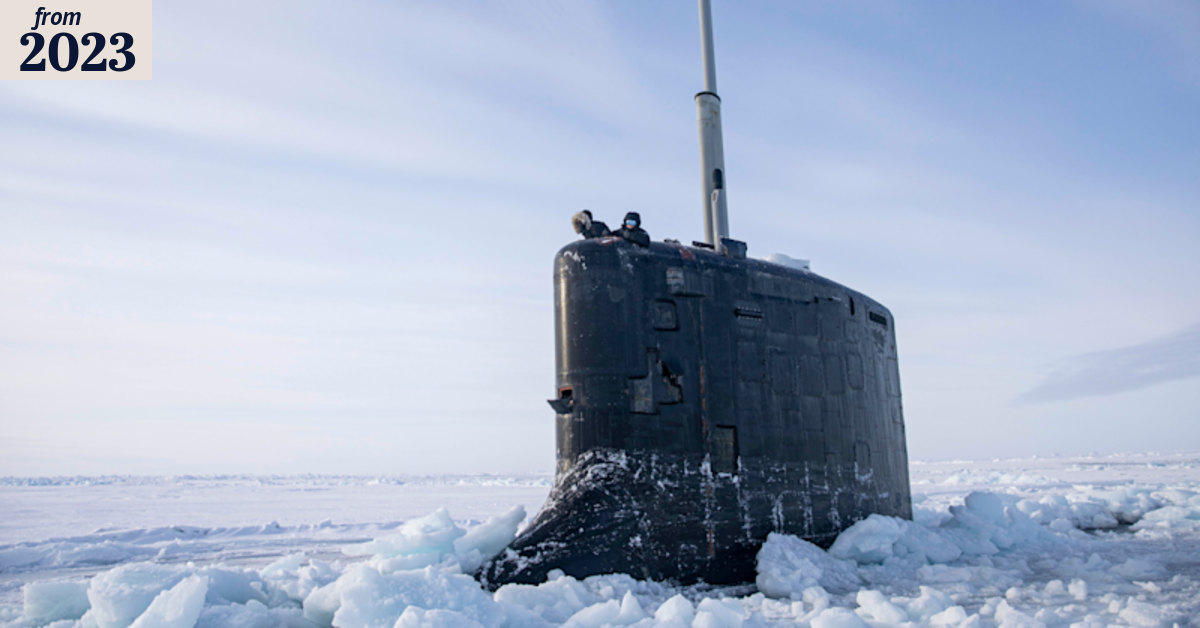
“Sumang-ayon sa mga tuntunin ng pagbili para sa bagong mga submarinong nukleyar na tahasang nagbabawal sa Australian Navy na 'buksan ang hood' para tingnan ang mga reaktor na nukleyar para sa pagpapanatili o pagkukumpuni. Dapat na i-outsource iyon sa US o UK.”
Ang pangunahing claim tungkol sa mga paghihigpit sa Australian access sa mga reaktor na nukleyar ay **pangunahing wasto**, bagama't ang pagbigkas at pagkakabuo ay nangangailangan ng mahalagang konteksto [1].
The core claim regarding restrictions on Australian access to nuclear reactors is **factually accurate**, though the phrasing and framing require important context [1].
Ayon sa artikulo ng SMH ni Peter Hartcher (inilathala noong Mayo 14, 2022), ang orihinal na pinagmulan ng impormasyong ito ay nanggaling sa mga negosasyon sa Pentagon noong Agosto 2021.
According to the SMH article by Peter Hartcher (published May 14, 2022), the original source of this information came from negotiations during the Pentagon meetings in August 2021.
Ang artikulo ay nagsasabing: "Nakonsulta ang mga eksperto sa Nuclear Non-Proliferation Treaty.
The article states: "Experts on the Nuclear Non-Proliferation Treaty were consulted.
Sumang-ayon sila na kung ang mga reaktor sa mga submarino ay papaganahin bilang sealed units, ikakabit at alisin pagkatapos ng US o UK sa pagtatapos ng kanilang 30-taong buhay, kung gayon ang treaty ay hindi lalabagin.
They agreed that if the reactors on the submarines were run as sealed units, installed and later removed by the US or UK at the end of their 30-year life, then the treaty would not be breached.
Maaaring magkaroon ng Australia ng paggamit, ngunit hindi access, sa teknolohiya at materyales na nukleyar. 'Hindi kailanman kakailanganin ng mga Australian na hawakan ang anumang materyal na ito, hindi ito maaaring mawala o nakawin,' paliwanag ng isang opisyal ng US" [1].
Australia may have use of, but not access to, the nuclear technology and materials. 'The Australians will never have to handle any of this material, it can't be lost or stolen,' a US official explained" [1].
Ang pag-aayos na ito ay dinisenyo upang sumunod sa Nuclear Non-Proliferation Treaty (NPT).
This arrangement was designed to comply with the Nuclear Non-Proliferation Treaty (NPT).
Ayon sa pagsusuri ng Arms Control Association, "Ang mga praktikal na pagpapatupad, na kinabibilangan ng paglipat ng sealed power units, ay gagawing labis na mahirap para sa Australia na iligaw nang walang pagkakatuklas ang highly enriched uranium (HEU) fuel sa operational lifetime ng mga submarino" [2].
According to the Arms Control Association's analysis, "The practical implementation arrangements, which include the transfer of sealed power units, would make it exceedingly difficult for Australia to divert without detection the highly enriched uranium (HEU) fuel during the operational lifetime of the submarines" [2].
Ang Australian Strategic Assessment (ASA) na opisyal na dokumento ng pamahalaan ay nagpapatunay na ang mga submarino ay papapaganahin ng Australia ngunit may technical support mula sa mga kasosyo ng AUKUS.
The Australian Strategic Assessment (ASA) official government pathway document confirms that submarines will be operated by Australia but with technical support from AUKUS partners.
Inilarawan ang Australia bilang lumalapit sa "sovereign readiness" na "ligtas na pag-aari, pagpapatakbo, pagpapanatili at pag-regulate ng isang nuclear-powered submarine fleet," ngunit may planong suporta mula sa mga hukbong pandagat ng US at UK sa pamamagitan ng "dagdag na forward presence ng Royal Navy at US Navy nuclear-powered submarines sa Australia, upang tumulong sa pag-unlad ng kaalaman at industrial capabilities" [3][4].
Australia is described as approaching "sovereign readiness" to "safely own, operate, maintain and regulate a nuclear-powered submarine fleet," but with planned support from US and UK naval forces through "increased forward presence of Royal Navy and US Navy nuclear-powered submarines to Australia, to assist in developing knowledge and industrial capabilities" [3][4].
Nawawalang Konteksto
Ang claim ay naglalarawan ng pag-aayos na ito na parang ang Australia ay natatangi na pinagbabawalan mag-access sa mga reaktor, ngunit hindi sinasabi ang ilang kritikal na kontekstwal na elemento: **1.
The claim presents this arrangement as if Australia is uniquely prohibited from accessing the reactors, but omits several critical contextual elements:
**1.
Ito ay isang sinadyang technical safety at non-proliferation measure, hindi parusa:** Ang mga sealed reactor units ay partikular na dinisenyo upang maiwasan ang paghawak ng highly enriched uranium (HEU) at upang matiyak ang pagsunod sa non-proliferation.
This is a deliberate technical safety and non-proliferation measure, not a punishment:**
The sealed reactor units are specifically designed to prevent the handling of highly enriched uranium (HEU) and to ensure non-proliferation compliance.
Tulad ng ipinaliwanag ng artikulo ng SMH, ang pag-aayos na ito ay kinakailangan upang masiyahan ang mga pangunahing concern ni Biden tungkol sa NPT compliance.
As the SMH article explains, this arrangement was necessary to satisfy Biden's major political concerns about NPT compliance.
Malinaw na sinabi ng opisyal ng US: "Kailangan protektahan ni Biden ang kanyang sariling kaliwang bahagi sa loob ng Democratic Party sa isyu ng non-proliferation.
The US official stated this clearly: "Biden had to protect his own left flank within the Democratic Party on the non-proliferation issue.
Ito ang kanyang pinakamalaking pampolitikang panganib" [1]. **2.
It was his biggest political risk" [1].
**2.
Ang Australia ay nagtatayo ng sovereign maintenance capability sa paglipas ng panahon:** Ang AUKUS Optimal Pathway ay tahasang kinabibilangan ng mga phase para sa Australia na magkaroon ng sariling expertise sa pagpapanatili ng nuclear submarine.
Australia is building sovereign maintenance capability over time:**
The AUKUS Optimal Pathway explicitly includes phases for Australia to develop its own nuclear submarine maintenance expertise.
Sinasabi ng mga dokumento ng pamahalaan na ang Australia ay makakamit ng "sovereign readiness" na ligtas na magpatakbo at magpanatili ng mga submarino sa maagang 2030s [3].
Government documents state that Australia will reach "sovereign readiness" to safely operate and maintain submarines by the early 2030s [3].
Ang kamakailang 2024-2025 deployment ng US Navy submarine na USS Vermont sa HMAS Stirling para sa pagpapanatili ay tahasang inilarawan bilang "isang mahalagang hakbang sa paghahanda sa aming workforce para suportahan ang rotational presence" at "lumalaking responsibilidad at kakayahan" ng Australia [5][6]. **3.
The recent 2024-2025 deployment of US Navy submarine USS Vermont to HMAS Stirling for maintenance is specifically described as "a key step in preparing our workforce to support the rotational presence" and Australia's "growing responsibility and capability" [5][6].
**3.
Ang paghihigpit ay pansamantala at istruktura para sa capability transfer:** Hindi ito permanenteng pagbabawal.
The restriction is temporary and structured for capability transfer:**
This isn't a permanent prohibition.
Ang pag-aayos ay dinisenyo bilang isang capacity-building phase kung saan ang Australia ay unti-unting nagpapaunlad ng industrial base at trained workforce para magpatakbo at sumuporta sa nuclear submarines.
The arrangement is designed as a capacity-building phase where Australia gradually develops the industrial base and trained workforce to operate and support nuclear submarines.
Inilarawan ng mga opisyal ng Australia, pangunguna ng US Navy, at mga analyst ng depensa ito bilang isang sinadyang multi-phase transition patungo sa sovereign capability [3][7]. **4.
Australian officials, US Navy leadership, and defense analysts describe this as a deliberate, multi-phase transition to sovereign capability [3][7].
**4.
Ang reactor access ay naiiba sa pangkalahatang pagpapanatili ng submarino:** Ang Australia ay maghawak ng karaniwang pagpapanatili at pagkukumpuni; ang nuclear reactor mismo ang nananatiling restricted sa ilalim ng sealed-unit design.
Reactor access differs from general submarine maintenance:**
Australia will handle routine maintenance and repairs; it's specifically the nuclear reactor itself that remains restricted under the sealed-unit design.
Tulad ng tanda ng Arms Control Association, kakailanganin ng Australia na magpaunlad ng expertise sa paghawak ng spent fuel disposal sa kanyang teritoryo, na nangangailangan ng malaking kakayahang nukleyar [2].
As the Arms Control Association notes, Australia will need to develop expertise in handling spent fuel disposal on its territory, which requires significant nuclear capability [2].
Pagsusuri ng Kredibilidad ng Pinagmulan
**Ang Artikulo ng SMH (Peter Hartcher, Mayo 2022):** Ang Sydney Morning Herald ay pangunahing mainstream media outlet ng Australia na may malalakas na editorial standards.
**The SMH Article (Peter Hartcher, May 2022):**
The Sydney Morning Herald is Australia's leading mainstream media outlet with strong editorial standards.
Gayunpaman, ang partikular na artikulong ito ay bahagi ng dalawang bahagi ng investigative series na pinamagatang "AUKUS fallout: double-dealing and deception came at a diplomatic cost." Bagama't ang factual reporting ay tila wasto, ang framing ay nagdi-emphasize ng mga diumano'y deception at diplomatic cost.
However, this particular article is part two of an investigative series titled "AUKUS fallout: double-dealing and deception came at a diplomatic cost." While the factual reporting appears accurate, the framing emphasizes alleged deception and diplomatic cost.
Ang artikulo ay investigative journalism na nagdala ng liwanag sa mga dating hindi naiulat na detalye tungkol sa mga lihim na negosasyon ni Morrison sa AUKUS, na lehitimong pag-uulat, ngunit ang narrative lens ay nagdi-emphasize ng pagsisiwalat sa paghawak ng gobyerno sa halip na magpresenta ng mga technical justifications o pagtanggap ni Labor sa pag-aayos [1].
The article is investigative journalism that brings to light previously unreported details about Morrison's secret AUKUS negotiations, which is legitimate reporting, but the narrative lens emphasizes criticism of the government's handling rather than presenting the technical justifications or Labor's subsequent acceptance of the arrangement [1].
Si Hartcher ay isang iginagalang na political correspondent na may track record ng detalyadong pag-uulat, ngunit ang framing at tone ng artikulo ay umuunlad tungo sa paglalarawan ng sitwasyon nang hindi paborable.
Hartcher is a respected political correspondent with a track record of detailed reporting, but the article's framing and tone lean toward portraying the situation unfavorably.
Hindi ito isang objective analysis kundi investigative reporting na may critical lens. **Mahalagang Paalala sa Source Attribution:** Ang claim ay iniatribusyon ang impormasyong ito sa artikulo ng SMH, na mismo ay nag-uulat ng dating confidential na impormasyon mula sa mga negosasyon sa Pentagon noong Agosto 2021.
This is not an objective analysis but rather investigative reporting with a critical lens.
**Important Note on Source Attribution:**
The claim attributes this information to the SMH article, which is itself reporting on previously confidential information from Pentagon negotiations in August 2021.
Ang orihinal na pinagmulan ay mga opisyal ng gobyerno ng US na kasangkot sa mga negosasyon ng AUKUS, hindi analisis ng SMH.
The original source is US government officials involved in the AUKUS negotiations, not SMH analysis.
⚖️
Paghahambing sa Labor
**Nagawa ba ng Labor ang katulad?** Ang posisyon ng Labor sa AUKUS ay nag-umpisa sa pagtutol hanggang sa pagsuporta.
**Did Labor do something similar?**
Labor's position on AUKUS has evolved from opposition to support.
Sa simula, tinutulan ng Labor ang AUKUS deal: - Noong Setyembre 2021, sinubok ng tagapagsalita ng Labor sa foreign affairs na si Penny Wong ang secretive approach ng Morrison government at humiling ng transparency tungkol sa deal [8] - Kinwestyon ng Labor kung ang mga submarino ay maihahatid sa iskedyul at sa loob ng badyet [9] - Ipinahayag ng Labor ang mga alalahanin tungkol sa gastos sa ibang defense programs [10] **Gayunpaman, tinanggap ng Labor ang AUKUS support pagkatapos na maging gobyerno noong Mayo 2022:** - Noong Agosto 2023, nanalo si Prime Minister Anthony Albanese sa isang malaking laban ng partido upang panatilihin ang nuclear submarines sa platform ng eleksyon ng Labor sa kabila ng pagtutol mula sa mga left-wing unions [11] - Ang Albanese government ay aktibong nagpatupad at pinalawak ang AUKUS submarine program, muling pagpapatibay ng commitment sa iskedyul at pagbibilis ng ilang aspeto [12] - Ang defense policy ng Labor ngayon ay tinanggap ang parehong mga tuntunin sa reactor-access na pinag-usapan sa ilalim ng Coalition [13] **Kaugnayan sa claim:** Hindi nakipag-negosyo ang Labor ng ibang tuntunin tungkol sa reactor access.
Initially, Labor opposed the AUKUS deal:
- In September 2021, Labor foreign affairs spokesperson Penny Wong criticized the Morrison government's secretive approach and demanded transparency about the deal [8]
- Labor questioned whether the submarines could be delivered on schedule and within budget [9]
- Labor expressed concerns about the cost to other defense programs [10]
**However, Labor adopted AUKUS support after coming to government in May 2022:**
- In August 2023, Prime Minister Anthony Albanese won a major party battle to keep nuclear submarines in Labor's election platform despite opposition from left-wing unions [11]
- The Albanese government has actively implemented and expanded the AUKUS submarine program, reaffirming commitment to the schedule and accelerating some aspects [12]
- Labor's defense policy now embraces the same reactor-access arrangements that were negotiated under the Coalition [13]
**Relevance to the claim:** Labor did not negotiate different terms regarding reactor access.
Sa pagkuha ng gobyerno, tinanggap ng Labor ang kasalukuyang AUKUS arrangement na may mga sealed reactors, na nagpapahiwatig ng pagtanggap sa non-proliferation framework at technical arrangement bilang makatuwirang patakaran [13].
Upon taking government, Labor adopted the existing AUKUS arrangement with sealed reactors, indicating acceptance of the non-proliferation framework and technical arrangement as reasonable policy [13].
Nagmumungkahi ito na tinitingnan ng Labor ang pag-aayos bilang isang kinakailangang kompromiso sa halip na bilang "korapsyon" o isang hindi patas na kondisyon sa pagbili.
This suggests Labor views the arrangement as a necessary compromise rather than as "corruption" or an unfair procurement term.
🌐
Balanseng Pananaw
**Ang Pagsisiwalat (Kung ano ang Tinitingnan ng Claim):** Nagmumungkahi ang claim na ang pagbabawal sa "pagbukas ng hood" ay kumakatawan sa Australia na naka-lock sa isang disadvantageous arrangement kung saan ang mahalagang pagpapanatili ay dapat i-outsource nang permanent.
**The Criticism (What the Claim Emphasizes):**
The claim suggests that prohibition on "opening the bonnet" represents Australia being locked into a disadvantageous arrangement where essential maintenance must be outsourced permanently.
Ang pagkakabong ito ay nagpapahiwatig na ang Australia ay nawalan ng negotiating power o tumanggap ng isang hindi makatwirang paghihigpit. **Ang Buong Kwento (Kontekstong Hindi Kasama sa Claim):** 1. **Kinakailangan ng Non-Proliferation:** Ang sealed-reactor design ay hindi isang negotiating weakness kundi isang prerequisite para mangyari ang transfer.
This framing implies Australia lost negotiating power or accepted an unreasonable constraint.
**The Full Story (Context the Claim Omits):**
1. **Non-Proliferation Necessity:** The sealed-reactor design isn't a negotiating weakness but rather a prerequisite for the transfer to occur at all.
Tahasang sinabi ni Biden na ang NPT compliance ay ang kanyang "pinakamalaking pampolitikang panganib" sa loob ng bansa [1].
Biden explicitly stated NPT compliance was his "biggest political risk" domestically [1].
Kung wala ang pag-aayos na ito, hindi makakatanggap ng mga submarino ang Australia.
Without this arrangement, Australia would not have received the submarines at all.
Maaaring tumanggi lamang ang US sa deal.
The US could have simply refused the deal.
Ito ay isang kondisyon, hindi parusa. 2. **International Precedent:** Ang sealed-unit design ay sumusunod sa established international practice.
This was a condition, not punishment.
2. **International Precedent:** The sealed-unit design follows established international practice.
Ang mga kasapi ng NATO na nagpapatakbo ng mga reaktor na nukleyar sa mga submarino ay nagpapatakbo sa ilalim ng mga katulad na safeguards arrangement sa US [2].
NATO allies that operate nuclear reactors on submarines operate under similar safeguards arrangements with the US [2].
Ito ay karaniwang pagsasagawa sa pandaigdigang operasyon ng nuclear submarine. 3. **Capacity-Building Program:** Ang AUKUS arrangement ay tahasang kinabibilangan ng mga istrukturang phase para sa Australia na magpaunlad ng sovereign maintenance capability.
This is standard practice in nuclear submarine operations globally.
3. **Capacity-Building Program:** The AUKUS arrangement explicitly includes structured phases for Australia to develop sovereign maintenance capability.
Ang mga tauhan ng US Navy ay ini-rotate sa mga base ng Australia, ang mga manggagawang dagat ng Australia ay nagsasanay sa mga submarine ng US, at ang Australia ay nagtatayo ng industrial base na kailangan para sa huling independence [5][6].
US Navy personnel are being rotated through Australian bases, Australian sailors are training on US submarines, and Australia is building the industrial base needed for eventual independence [5][6].
Ito ay capacity transfer, hindi permanenteng dependence. 4. **Pansamantalang Advantage vs.
This is capacity transfer, not permanent dependence.
4. **Temporary Advantage vs.
Long-Term Goal:** Habang ang mga unang submarino (Virginia-class mula sa US, Astute-class mula sa UK) ay darating na may mga sealed reactors na hindi maaaring ma-access ng Australia, ang Australia ay magdi-disenyo at magtatayo ng sariling SSN-AUKUS submarines simula sa maagang 2040s, potensyal na may mas malaking autonomy habang lumalawak ang mga kakayahan [3]. 5. **Reality ng Pag-regulate:** Kahit ang mga conventional Collins-class submarines ng Australia ay nangailangan ng malawak na foreign technical support para sa pagpapanatili.
Long-Term Goal:** While initial submarines (Virginia-class from the US, Astute-class from the UK) will arrive with sealed reactors that Australia cannot access, Australia will design and build its own SSN-AUKUS submarines starting in the early 2040s, potentially with greater autonomy as capabilities mature [3].
5. **Regulatory Reality:** Even Australia's conventional Collins-class submarines required extensive foreign technical support for maintenance.
Ang mga nuclear submarine ay mas kumplikado, hindi naiiba sa pangunahing nangangailangan ng advanced technical expertise.
Nuclear submarines are more complex, not fundamentally different in requiring advanced technical expertise.
Ang sealed-reactor arrangement ay tumutugon sa karagdagang complexity ng nuclear propulsion. **Pagtatasa ng Eksperto:** Ang pagsusuri ng Arms Control Association, bagama't kritikal sa ilang aspeto ng AUKUS non-proliferation framework, ay hindi kinakatawan ang sealed-reactor arrangement bilang isang korap o hindi patas na deal.
The sealed-reactor arrangement addresses the additional complexity of nuclear propulsion.
**Expert Assessment:**
The Arms Control Association's analysis, while critical of some aspects of the AUKUS non-proliferation framework, does not characterize the sealed-reactor arrangement as a corrupt or unfair deal.
Sa halip, ito ay tinitingnan bilang isang kinakailangang kompromiso upang masiyahan ang mga international non-proliferation requirement habang inililipat ang sensitibong teknolohiya [2]. **Mahalagang Konteksto:** Hindi ito natatangi sa Coalition o Australia.
Instead, it views it as a necessary compromise to satisfy international non-proliferation requirements while transferring sensitive technology [2].
**Key Context:** This is not unique to Coalition or Australia.
Ang UK at US ay nagpapatakbo sa ilalim ng mga katulad na arrangement sa teknolohiya ng nuclear submarine ng isa't isa.
The UK and US operate under similar arrangements with each other's nuclear submarine technology.
Ang pag-aayos ay kumakatawan sa karaniwang pagsasagawa sa operasyon ng nuclear submarine, hindi sa kahinaan sa negotiating position ng Australia.
The arrangement represents standard practice in nuclear submarine operations, not a weakness in Australia's negotiating position.
BAHAGYANG TOTOO
5.0
sa 10
may mahalagang konteksto Ang factual claim na ang mga nuclear submarine ng Australia ay magkakaroon ng sealed reactors na hindi maaaring ma-access ng Australia ay **TAMA**.
with important context
The factual claim that Australia's nuclear submarines will have sealed reactors that Australia cannot access is **TRUE**.
Gayunpaman, ang pagkakabuo bilang "korapsyon" o hindi makatwirang paghihigpit sa pagbili ay **MISLEADING**.
However, the framing as "corruption" or an unreasonable procurement restriction is **MISLEADING**.
Ang sealed-reactor arrangement ay: 1.
The sealed-reactor arrangement was:
1.
Isang prerequisite para mangyari ang transfer (isang kondisyon, hindi parusa) 2.
A prerequisite for the transfer to occur (a condition, not punishment)
2.
Kinakailangan ng international non-proliferation law 3.
Required by international non-proliferation law
3.
Isang karaniwang pagsasagawa sa operasyon ng nuclear submarine 4.
A standard practice in nuclear submarine operations
4.
Bahagi ng isang sinadyang capacity-building program patungo sa Australian sovereignty 5.
Part of a deliberate capacity-building program toward Australian sovereignty
5.
Tinanggap ng sumunod na Labor government, na nagpapahiwatig ng bipartisan agreement sa pagkamakatuwiran Ang claim ay naglalarawan ng isang technical non-proliferation requirement na parang ito ay isang hindi patas o korap na kondisyon sa pagbili, samantalang sa katotohanan ito ay sumasalamin sa mga kinakailangang safeguard para sa paglipat ng lubhang sensitibong nuclear military technology sa isang non-nuclear-weapon state.
Accepted by the subsequent Labor government, indicating bipartisan agreement on reasonableness
The claim presents a technical non-proliferation requirement as if it were an unfair or corrupt procurement condition, when in fact it reflects necessary safeguards for transferring highly sensitive nuclear military technology to a non-nuclear-weapon state.
Bagama't makatuwiran na tandaan ang paunang paghihigpit, ang paglalarawan nito bilang "korapsyon" o pagpapahiwatig na ang Australia ay hindi naaangkop na na-disadvantage ay hindi sinusuportahan ng ebidensya.
While fair to note the initial restriction, characterizing it as "corruption" or suggesting Australia was improperly disadvantaged is not supported by the evidence.
Huling Iskor
5.0
SA 10
BAHAGYANG TOTOO
may mahalagang konteksto Ang factual claim na ang mga nuclear submarine ng Australia ay magkakaroon ng sealed reactors na hindi maaaring ma-access ng Australia ay **TAMA**.
with important context
The factual claim that Australia's nuclear submarines will have sealed reactors that Australia cannot access is **TRUE**.
Gayunpaman, ang pagkakabuo bilang "korapsyon" o hindi makatwirang paghihigpit sa pagbili ay **MISLEADING**.
However, the framing as "corruption" or an unreasonable procurement restriction is **MISLEADING**.
Ang sealed-reactor arrangement ay: 1.
The sealed-reactor arrangement was:
1.
Isang prerequisite para mangyari ang transfer (isang kondisyon, hindi parusa) 2.
A prerequisite for the transfer to occur (a condition, not punishment)
2.
Kinakailangan ng international non-proliferation law 3.
Required by international non-proliferation law
3.
Isang karaniwang pagsasagawa sa operasyon ng nuclear submarine 4.
A standard practice in nuclear submarine operations
4.
Bahagi ng isang sinadyang capacity-building program patungo sa Australian sovereignty 5.
Part of a deliberate capacity-building program toward Australian sovereignty
5.
Tinanggap ng sumunod na Labor government, na nagpapahiwatig ng bipartisan agreement sa pagkamakatuwiran Ang claim ay naglalarawan ng isang technical non-proliferation requirement na parang ito ay isang hindi patas o korap na kondisyon sa pagbili, samantalang sa katotohanan ito ay sumasalamin sa mga kinakailangang safeguard para sa paglipat ng lubhang sensitibong nuclear military technology sa isang non-nuclear-weapon state.
Accepted by the subsequent Labor government, indicating bipartisan agreement on reasonableness
The claim presents a technical non-proliferation requirement as if it were an unfair or corrupt procurement condition, when in fact it reflects necessary safeguards for transferring highly sensitive nuclear military technology to a non-nuclear-weapon state.
Bagama't makatuwiran na tandaan ang paunang paghihigpit, ang paglalarawan nito bilang "korapsyon" o pagpapahiwatig na ang Australia ay hindi naaangkop na na-disadvantage ay hindi sinusuportahan ng ebidensya.
While fair to note the initial restriction, characterizing it as "corruption" or suggesting Australia was improperly disadvantaged is not supported by the evidence.
Hindi tama sa katotohanan o malisyosong gawa-gawa.
4-6: BAHAGYA
May katotohanan ngunit kulang o baluktot ang konteksto.
7-9: HALOS TOTOO
Maliit na teknikal na detalye o isyu sa pagkakasulat.
10: TUMPAK
Perpektong na-verify at patas ayon sa konteksto.
Pamamaraan: Ang mga rating ay tinutukoy sa pamamagitan ng cross-referencing ng opisyal na mga rekord ng pamahalaan, independiyenteng mga organisasyong nag-fact-check, at mga primaryang dokumento.