Bahagyang Totoo

Rating: 5.5/10

Labor
7.8

Ang Claim

“Mahigit 26,000 na bahay ang binilisan ang proseso sa pamamagitan ng mga reporma sa pagpaplano”
Orihinal na Pinagmulan: Albosteezy

Orihinal na Pinagmulan

FACTUAL NA BERIPIKASYON

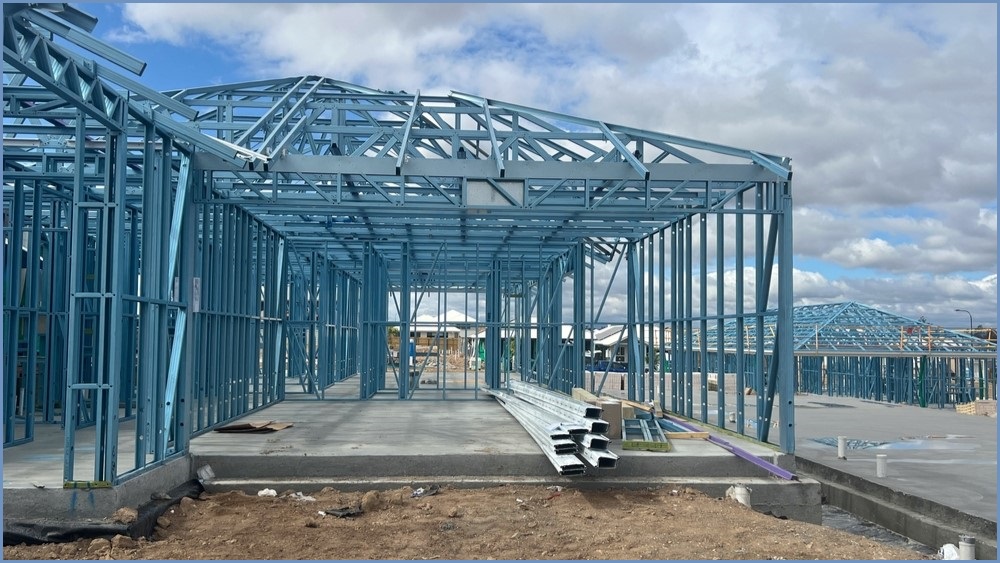
Ang Australian Labor government ay nagkomit na bilisan ang pag-apruba sa 26,000 na bahay na kasalukuyang naghihintay ng pederal na pagsusuri sa kapaligiran sa ilalim ng Environmental Protection and Biodiversity Conservation (EPBC) Act [1].
The Australian Labor government has committed to fast-tracking 26,000 homes currently awaiting federal environmental assessment under the Environmental Protection and Biodiversity Conservation (EPBC) Act [1].
Nagmula ang claim na ito mula sa mga inisyatiba ni Housing Minister Clare O'Neil na inihayag bilang bahagi ng mas malawak na agenda ng pamahalaan sa pagpaplano at reporma sa pabahay.
This claim originates from Housing Minister Clare O'Neill's initiatives announced as part of the government's broader planning and housing reform agenda.
Lumikha ang pamahalaan ng isang espesyalisadong strike team sa loob ng Department of Climate Change, Energy, the Environment and Water para mapabilis ang pagsusuri sa mga bahay sa ilalim ng konsiderasyon ng EPBC Act [2].
The government created a specialised strike team within the Department of Climate Change, Energy, the Environment and Water to accelerate assessment of homes under EPBC Act consideration [2].
Bilang karagdagan, nagsasagawa ang pamahalaan ng pilotong AI technology para pasimplehin at mapabilis ang mga pagsusuri at pag-apruba para sa mga naantalang aplikasyong ito [3].
Additionally, the government is piloting AI technology to simplify and speed-up assessments and approvals for these stalled applications [3].
Ang 26,000 na numero ay tukoy na tumutukoy sa mga bahay na "naghihintay ng pagsusuri" sa ilalim ng mga pederal na batas sa kapaligiran, hindi mga bahay na itinayo na o kasalukuyang ginagawa [4].
The 26,000 figure specifically refers to homes that are "awaiting assessment" under federal environmental laws, not homes already built or currently under construction [4].
Ang mga ito ay mga aplikasyon na isinumite ngunit naiipon sa proseso ng pederal na pag-apruba.
These are applications that have been submitted but are backlogged in the federal approval process.

Nawawalang Konteksto

Gayunpaman, nangangailangan ang claim na ito ng makabuluhang konteksto: **1.
However, this claim requires significant contextualisation: **1.
Ang Aktwal na Sukat ng Problema ay Mas Malaki** Tinataya ng mga asosasyon sa industriya na higit sa 40,000 na bahay ang naghihintay ng pagsusuri sa kapaligiran, hindi 26,000 [5].
The Actual Scale of the Problem is Larger** Industry associations estimate that more than 40,000 homes are awaiting environmental assessment, not 26,000 [5].
Ang mga malalaking developer tulad ng Stockland ay may 20,000 potensyal na housing lot na naghihintay ng pagsusuri sa ilalim ng EPBC Act [6].
Major developers like Stockland alone have 20,000 potential housing lots awaiting assessment under the EPBC Act [6].
Ang 26,000 na numero ay kumakatawan lamang sa pinakabago o pinabilis na bahagi ng naiipong aplikasyon, hindi sa buong saklaw ng naantalang proyekto. **2.
The 26,000 figure represents only the most recent or expedited portion of the backlog, not the full scope of delayed projects. **2. "Fast-tracked" Does Not Mean "Built"** The critical distinction here is that these 26,000 homes are awaiting *approval*, not currently under construction.
Ang "Pinabilis" ay Hindi Nangangahulugang "Itinayo"** Ang kritikal na pagkakaiba dito ay ang mga 26,000 na bahay na ito ay naghihintay ng *pag-apruba*, hindi kasalukuyang ginagawa.
The announcement refers to accelerating the *assessment process*, not actual construction.
Ang anunsyo ay tumutukoy sa pagpapabilis ng *proseso ng pagsusuri*, hindi sa aktwal na konstruksyon.
Getting environmental approval is a prerequisite step before building can begin, but approval alone does not result in homes being built [7]. **3.
Ang pagkakaroon ng environmental approval ay isang prerequisite na hakbang bago magsimula ang paggawa, ngunit ang pag-apruba lamang ay hindi nagbubunga ng mga bahay na itinatayo [7]. **3.
Approval-to-Completion Timeline Gap** Even with faster approvals, Australia faces a significant gap between approvals and actual completions.
Ang Pagitan sa Timeline ng Pag-apruba at Pagkakumpleto** Kahit na may mas mabilis na mga pag-apruba, nakakaharap ang Australia sa isang malaking pagitan sa pagitan ng mga pag-apruba at aktwal na mga pagkakumpleto.
In 2024-25, only 177,000 dwellings reached completion, while the National Housing Accord target was 240,000 completions per year [8].
Sa 2024-25, tanging 177,000 na dwelling ang nakumpleto, samantalang ang target ng National Housing Accord ay 240,000 na pagkakumpleto bawat taon [8].
The approval numbers don't translate directly to building numbers due to: - Labour shortages in construction (22,200 unfilled positions in 2024) [9] - Rising build times (increased from 6.4 months to 10.4 months over the past decade) [10] - Developer financial constraints and market conditions [11] **4.
Ang mga numero ng pag-apruba ay hindi direktang nauuri sa mga numero ng pagtatayo dahil sa: - Kakulangan sa labor sa konstruksyon (22,200 na hindi napupunan na posisyon noong 2024) [9] - Tumataas na oras ng paggawa (tumaas mula 6.4 buwan hanggang 10.4 buwan sa nakalipas na dekada) [10] - Mga limitasyon sa pinansyal ng developer at kondisyon ng merkado [11] **4.
The Progress is Incomplete** The planning reforms were announced but implementation is ongoing.
Ang Progreso ay Hindi Kumpleto** Inihayag ang mga reporma sa pagpaplano ngunit ang pagpapatupad ay patuloy pa rin.
The AI pilot is still in early stages, and the specialized assessment team was only recently established [12].
Ang AI pilot ay nasa maagang yugto pa rin, at ang espesyalisadong assessment team ay kamakailan lamang na itinatag [12].
There is no evidence yet that the 26,000 homes have actually been fast-tracked through the approval process. **5.
Walang ebidensya na ang mga 26,000 na bahay ay talagang napabilis sa proseso ng pag-apruba. **5.
Missing Implementation Detail** The claim does not specify: - How many of the 26,000 have actually received approval since the initiative began [13] - What the timeline for approval is [13] - How many will actually proceed to construction [13] - Whether they represent new homes or redirected projects [13]
Nawawalang Detalye sa Pagpapatupad** Ang claim ay hindi tukoy kung: - Ilan sa mga 26,000 ang talagang nakatanggap ng pag-apruba mula nagsimula ang inisyatiba [13] - Ano ang timeline para sa pag-apruba [13] - Ilan ang talagang magpapatuloy sa konstruksyon [13] - Kung sila ay kumakatawan sa mga bagong bahay o muling itinuturo na mga proyekto [13]

💭 KRITIKAL NA PANANAW

Ang claim ay kumakatawan sa isang bahaging at potensyal na mapanlinlang na pagkakalahad ng mga pagsisikap sa reporma ng pabahay.
The claim represents a partial and potentially misleading framing of housing reform efforts.
Habang ang Labor government ay lehitimong gumawa ng mga hakbang sa reporma sa pagpaplano, nangangailangan ang numero na 26,000 ng maingat na pag-unawa: **Ano Talaga ang Nangyayari**: Sinusubukan ng pamahalaan na bawasan ang mga bottleneck sa pederal na pagsusuri sa kapaligiran, na isang totoong hadlang sa supply ng pabahay [14]. **Ano ang Mapanlinlang sa "Pinabilis ang 26,000 na Bahay"**: 1.
While the Labor government has legitimately undertaken planning reform measures, the 26,000 figure requires careful interpretation: **What's Actually Happening**: The government is attempting to reduce bottlenecks in federal environmental assessments, which is a real obstacle to housing supply [14]. **What's Misleading About "Fast-Tracked 26,000 Homes"**: 1.
Hindi pa napapabilis ang mga bahay na ito—ang inisyatiba ay isang anunsyo ng hangaring pabilisin ang mga hinaharap na pag-apruba [12] 2.
These homes have not been "fast-tracked" yet—the initiative is an announcement of intent to expedite future approvals [12] 2. "Fast-tracking" approvals is not the same as building homes; it's a prerequisite step [7] 3.
Ang "pagpapabilis" ng mga pag-apruba ay hindi katulad ng pagtatayo ng mga bahay; ito ay isang hakbang na prerequisite [7] 3.
The actual backlog exceeds 40,000 homes, so the 26,000 figure represents less than 65% of the known problem [5] 4.
Ang aktwal na naiipong aplikasyon ay lumalampas sa 40,000 na bahay, kaya ang numero na 26,000 ay kumakatawan sa mas mababa sa 65% ng kilalang problema [5] 4.
Historical data shows Australia has a persistent approval-to-completion gap; even with faster approvals, actual housing supply depends on many other factors [8] **The Broader Context**: Australia's housing shortage is a systemic problem with multiple causes: - Labor shortages (construction jobs up 33.7% unfilled vacancies from 2019-2024) [9] - Rising construction costs and timelines [10] - Land availability and costs [15] - Developer financing constraints [11] Faster environmental approvals address one bottleneck but cannot solve the housing crisis alone.
Nagpapakita ang historical data na mayroong Australia ng matagal nang pagitan mula sa pag-apruba hanggang sa pagkakumpleto; kahit na may mas mabilis na mga pag-apruba, ang aktwal na supply ng pabahay ay depende sa maraming iba pang salik [8] **Ang Mas Malawak na Konteksto**: Ang kakulangan sa pabahay ng Australia ay isang sistemikong problema na may maraming sanhi: - Kakulangan sa labor (33.7% na pagtaas sa mga hindi napupunang bakante sa konstruksyon mula 2019-2024) [9] - Tumataas na mga gastos at timeline sa konstruksyon [10] - Pagkakaroon at gastos ng lupa [15] - Mga limitasyon sa financing ng developer [11] Ang mas mabilis na mga pag-apruba sa kapaligiran ay nag-aaddress sa isang bottleneck ngunit hindi maaaring lutasin mag-isa ang krisis sa pabahay.
The government's claim frames an approval-expediting measure as a housing delivery achievement, when the real test is whether these 26,000 homes (and the remaining 40,000+) actually get built and completed. **Comparison to Housing Accord Targets**: The National Housing Accord aims for 1.2 million homes over 5 years (240,000 per year).
Ang claim ng pamahalaan ay naglalahad ng isang tulong na pagpapabilis ng pag-apruba bilang isang tagumpay sa paghahatid ng pabahay, samantalang ang tunay na pagsubok ay kung ang mga 26,000 na bahay na ito (at ang natitirang 40,000+) ay talagang itatayo at makukumpleto. **Paghahambing sa Mga Target ng Housing Accord**: Ang National Housing Accord ay naglalayong magkaroon ng 1.2 milyong bahay sa loob ng 5 taon (240,000 bawat taon).
With only 177,000 completions in 2024-25 and 185,844 approvals (below the 240,000 target), the government is falling short on both approvals and completions [8].
Na may tanging 177,000 na pagkakumpleto noong 2024-25 at 185,844 na mga pag-apruba (mas mababa sa target na 240,000), nahuhuli ang pamahalaan sa parehong mga pag-apruba at pagkakumpleto [8].
Expediting 26,000 approvals, while positive, represents only 11% of the annual target.
Ang pagpapabilis ng 26,000 na mga pag-apruba, kahit positibo, ay kumakatawan lamang sa 11% ng taunang target.

BAHAGYANG TOTOO

5.5

sa 10

Ang claim ay factually accurate sa pagpahayag na ang pamahalaan ay nagkomit na pabilisin ang mga environmental approval para sa 26,000 na bahay.
The claim is factually accurate in stating that the government has committed to fast-tracking environmental approvals for 26,000 homes.
Gayunpaman, ito ay mapanlinling sapagkat: 1.
However, it is misleading because: 1.
Ang mga ito ay mga pag-apruba na pinapabilis, hindi mga bahay na itinatayo 2.
These are approvals being expedited, not homes being built 2.
Ang 26,000 ay kumakatawan lamang sa isang bahagi ng aktwal na naiipong aplikasyon (40,000+) 3.
The 26,000 represents only a portion of the actual backlog (40,000+) 3.
Walang ebidensya na ang mga bahay na ito ay "napabilis" na—ang inisyatiba ay nasa maagang yugto pa rin ng pagpapatupad 4.
There is no evidence these homes have been "fast-tracked" yet—the initiative is still in early implementation 4.
Ito ay naglalahad ng isang tulong na pagpapabilis ng pag-apruba bilang isang tagumpay sa paghahatid ng pabahay
It frames an approval-expediting measure as a housing delivery achievement

📚 MGA PINAGMULAN AT SANGGUNIAN (15)

  1. 1
    minister.dcceew.gov.au

    minister.dcceew.gov.au

    Minister Dcceew Gov

  2. 2
    completeaitraining.com

    completeaitraining.com

    The Australian government uses AI to speed up approvals for 26,000 homes, reducing delays while maintaining energy efficiency standards. Builders gain stability with a four-year code freeze.

    Complete AI Training
  3. 3
    ia.acs.org.au

    ia.acs.org.au

    NSW leads the charge with planned 2025 rollout.

    Information Age
  4. 4
    miragenews.com

    miragenews.com

    The Hon Claire O'Neill MP, Minister for Housing, Homelessness and CitiesSenator The Hon Murray Watt, Minister for the Environment and WaterThe

    Mirage News
  5. 5
    theaussiecorporate.com

    theaussiecorporate.com

    Theaussiecorporate

    Original link unavailable — view archived version
  6. 6
    commercialrealestate.com.au

    commercialrealestate.com.au

    Commercialrealestate Com

  7. 7
    pm.gov.au

    pm.gov.au

    The Albanese Labor Government’s Homes for Australia plan will deliver significant new funding across the country to build more homes with a new national housing agreement beginning on 1 July.As part of the new 5-year National Agreement on Social Housing and Homelessness which starts on 1 July 2024, states and territories will share in $9.3 billion.The funding will help to combat homelessness, provide crisis support and build and repair social housing.

    Prime Minister of Australia
  8. 8
    colitco.com

    colitco.com

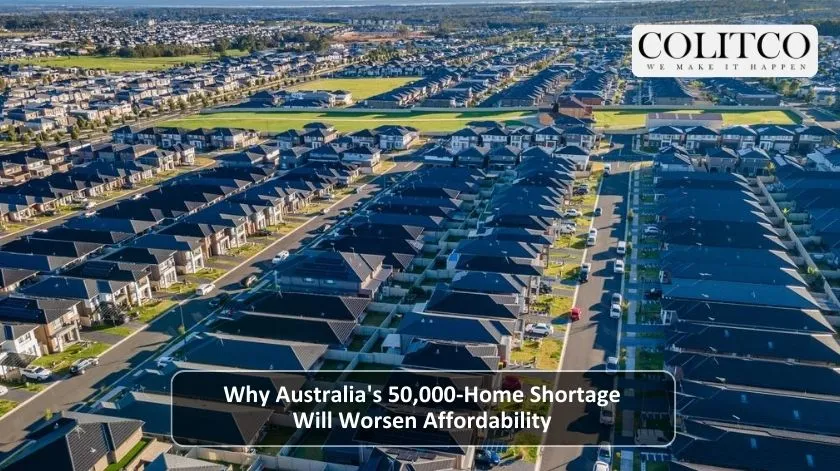
    Australia fell 54,156 homes short in 2024-25. Housing affordability worsens as approvals miss National Housing Accord targets. Impact on first-home buyers

    Colitco
  9. 9
    australianpropertyupdate.com.au

    australianpropertyupdate.com.au

    Australia's construction industry faces challenges to meet housing targets, with a worrying decline in new dwelling commencements despite a rise in home completions.

    Australianpropertyupdate Com
  10. 10
    abs.gov.au

    abs.gov.au

    Provides the number of dwelling units and value of buildings approved

    Australian Bureau of Statistics
  11. 11
    deloitte.com

    deloitte.com

    Despite some positive recent data, deep-rooted challenges within the construction industry continue to stifle housing supply growth. For many Australians, home ownership and affordable renting feel increasingly out of reach.

    Deloitte
  12. 12
    ministers.treasury.gov.au

    ministers.treasury.gov.au

    The Albanese Labor Government is tackling Australia’s housing crisis, making it easier to buy, better to rent, and building more homes faster. This Budget builds on the Government’s ambitious housing agenda, lifting total commitments in housing to $33 billion.

    Ministers Treasury Gov
  13. 13
    pm.gov.au

    pm.gov.au

    The Albanese Labor Government’s landmark legislation to deliver the single biggest investment in affordable and social housing in more than a decade has passed the Parliament. The $10 billion Housing Australia Future Fund will now be established, creating a secure, ongoing pipeline of funding for social and affordable rental housing. This will be life changing legislation that will help generations of Australians. The passage of this legislation delivers on the commitment the Albanese Government made to the Australian people before the election.

    Prime Minister of Australia
  14. 14
    treasury.gov.au

    treasury.gov.au

    The Australian Government has agreed to a National Housing Accord (Accord) with states and territories, local government, institutional investors and the construction sector.

    Treasury Gov
  15. 15
    PDF

    state of the housing system 2024

    Nhsac Gov • PDF Document

Pamamaraan ng Rating Scale

1-3: MALI

Hindi tama sa katotohanan o malisyosong gawa-gawa.

4-6: BAHAGYA

May katotohanan ngunit kulang o baluktot ang konteksto.

7-9: HALOS TOTOO

Maliit na teknikal na detalye o isyu sa pagkakasulat.

10: TUMPAK

Perpektong na-verify at patas ayon sa konteksto.

Pamamaraan: Ang mga rating ay tinutukoy sa pamamagitan ng cross-referencing ng opisyal na mga rekord ng pamahalaan, independiyenteng mga organisasyong nag-fact-check, at mga primaryang dokumento.