Totoo

Rating: 7.0/10

Labor
5.4

Ang Claim

“Pinadoble nang apat na beses ang Heard and McDonald Islands Marine Park (nadagdagan ng 310,000 kilometro kwadrado)”
Orihinal na Pinagmulan: Albosteezy

Orihinal na Pinagmulan

FACTUAL NA BERIPIKASYON

Ang claim sa katotohanan ay tumpak.
The factual claim is accurate.
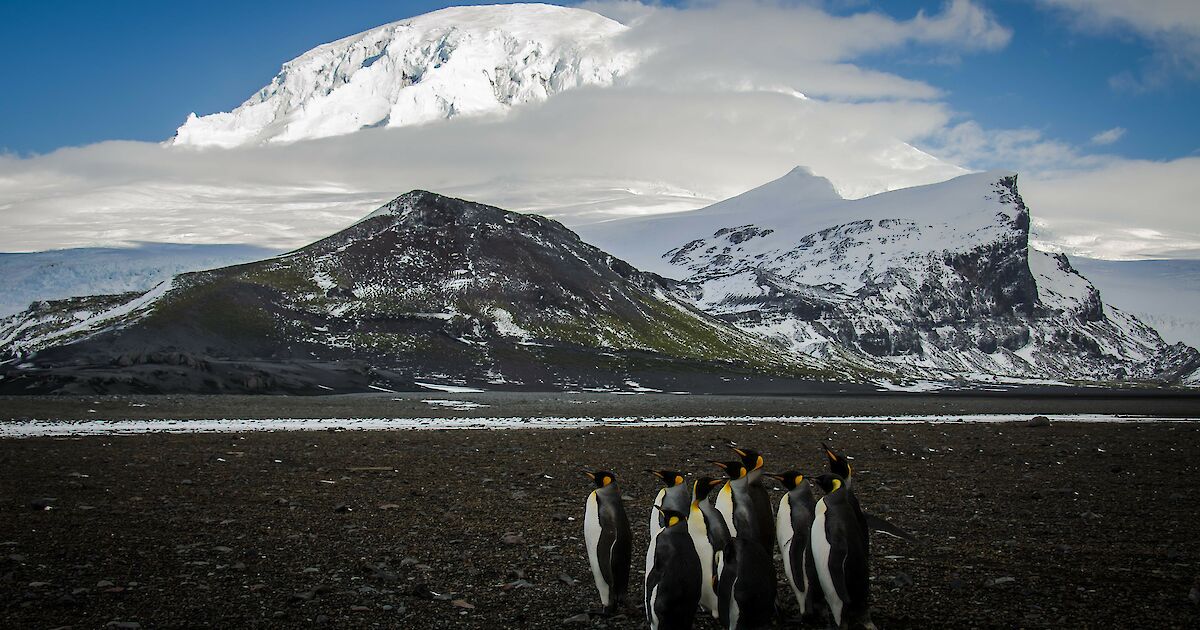
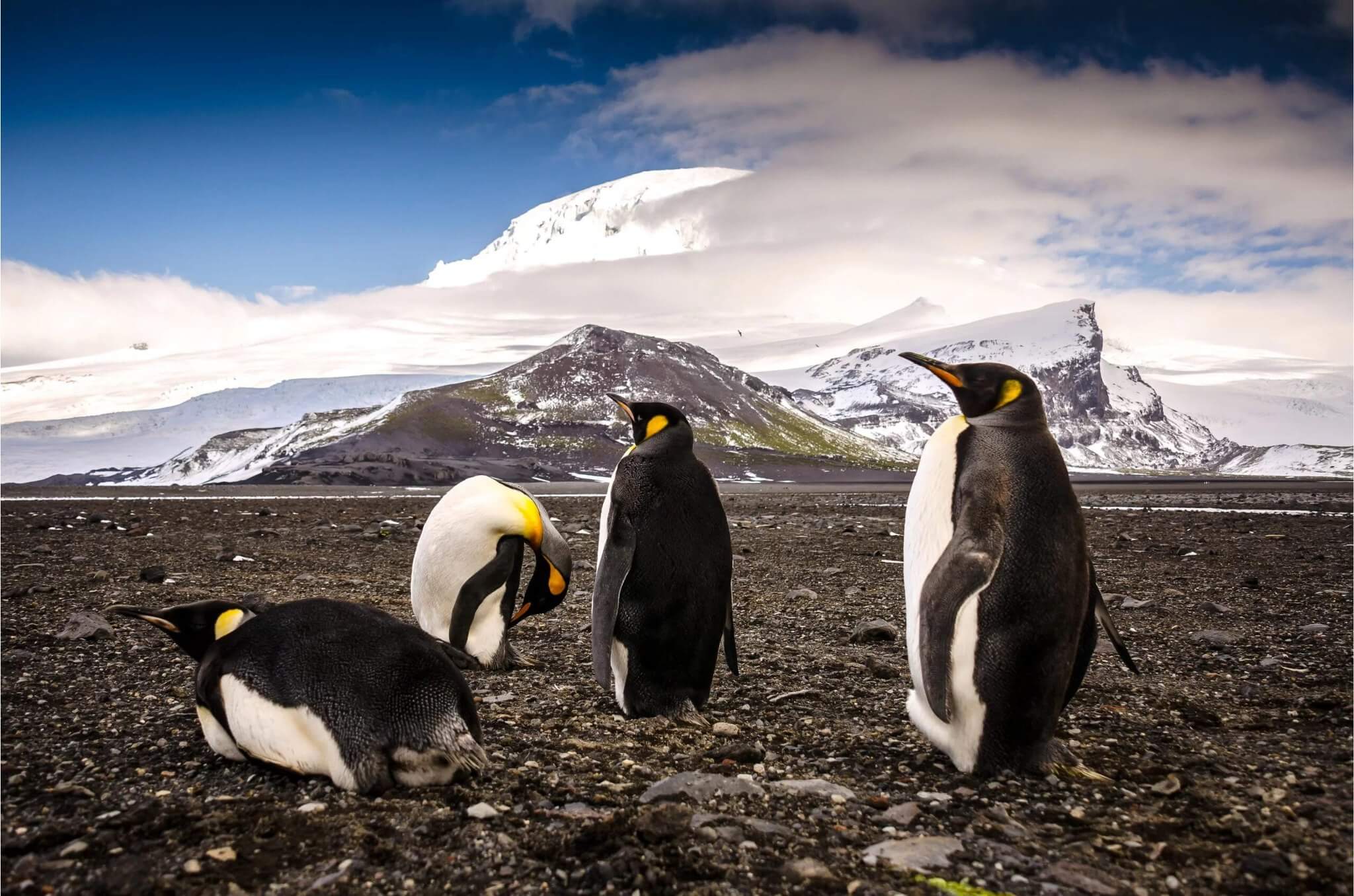
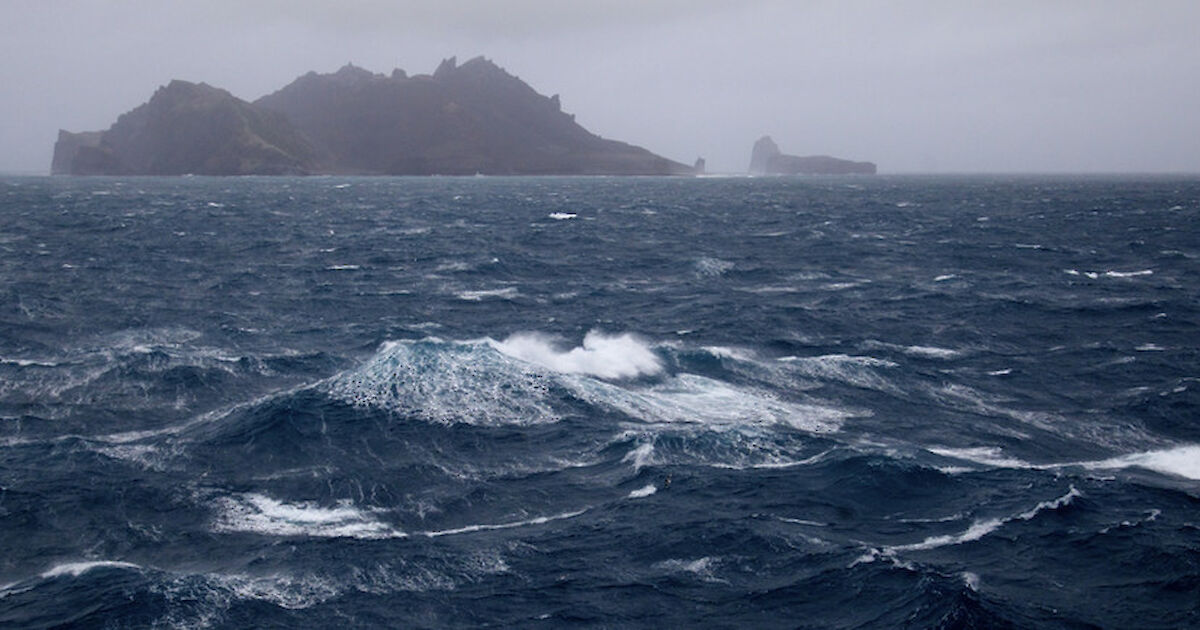
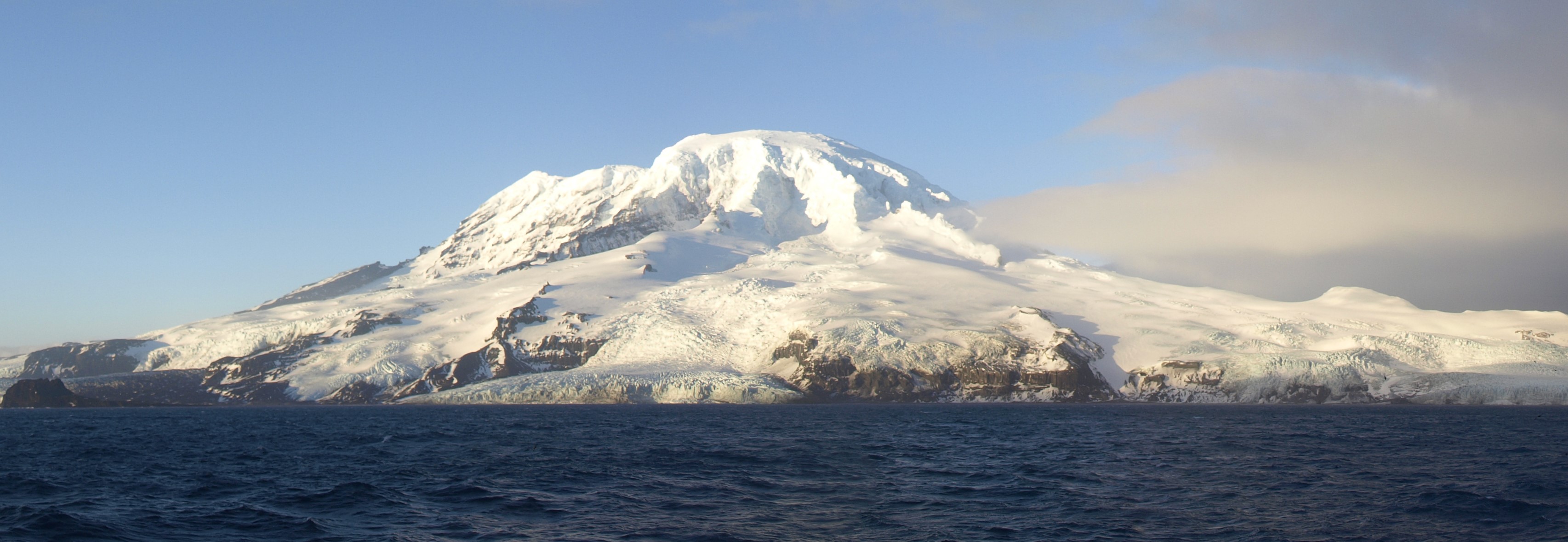
Inanunsyo ng Albanese Labor Government ang malaking pagpapalawak ng Heard Island and McDonald Islands Marine Reserve noong Oktubre 2024 [1].
The Albanese Labor Government announced a major expansion of the Heard Island and McDonald Islands Marine Reserve in October 2024 [1].
Ang pagpapalawak ay nagdagdag ng humigit-kumulang 310,000 kilometro kwadrado sa marine reserve, pinadoble nang apat na beses ang laki nito mula sa humigit-kumulang 70,000 kilometro kwadrado hanggang humigit-kumulang 380,000 kilometro kwadrado [2].
The expansion added approximately 310,000 square kilometres to the marine reserve, quadrupling its size from approximately 70,000 square kilometres to approximately 380,000 square kilometres [2].
Nilagdaan ng Governor-General ang Amendment Proclamation na nagbibigay-bisa sa pinalawak na disenyo noong 5 Disyembre 2024, na nagkakabisa ang mga bagong hangganan at sona noong 24 Enero 2025 [3].
The Governor-General signed the Amendment Proclamation giving effect to the expanded design on 5 December 2024, with the new boundaries and zoning coming into effect on 24 January 2025 [3].
Ang pagpapalawak na ito ay isa sa pinakamalalaking designation ng marine protected area sa buong mundo, at ngayon ang Australia ay nagproprotekta ng higit na karagatan kaysa sa anumang ibang bansa sa mundo [4].
This expansion is one of the world's largest marine protected area designations, and Australia now protects more ocean than any other country on earth [4].
Sa pagpapalawak na ito, lumampas ang Australia sa 30 porsyentong target ng proteksyon sa karagatan na ipinangako nito sa ilalim ng UN Convention on Biological Diversity na nilagdaan noong 2022, na 52 porsyento ng mga karagatan ng Australia ngayon ay nasa ilalim ng proteksyon [5].
With this expansion, Australia exceeds the 30 per cent ocean protection target it committed to under the UN Convention on Biological Diversity signed in 2022, with 52 per cent of Australian oceans now under protection [5].

Nawawalang Konteksto

Gayunpaman, ang claim ay nagbubukod ng mga makabuluhang puna mula sa siyentipiko at environmental community tungkol sa saklaw at pagiging epektibo ng pagpapalawak na ito.
However, the claim omits significant criticisms from the scientific and environmental community regarding the scope and effectiveness of this expansion.
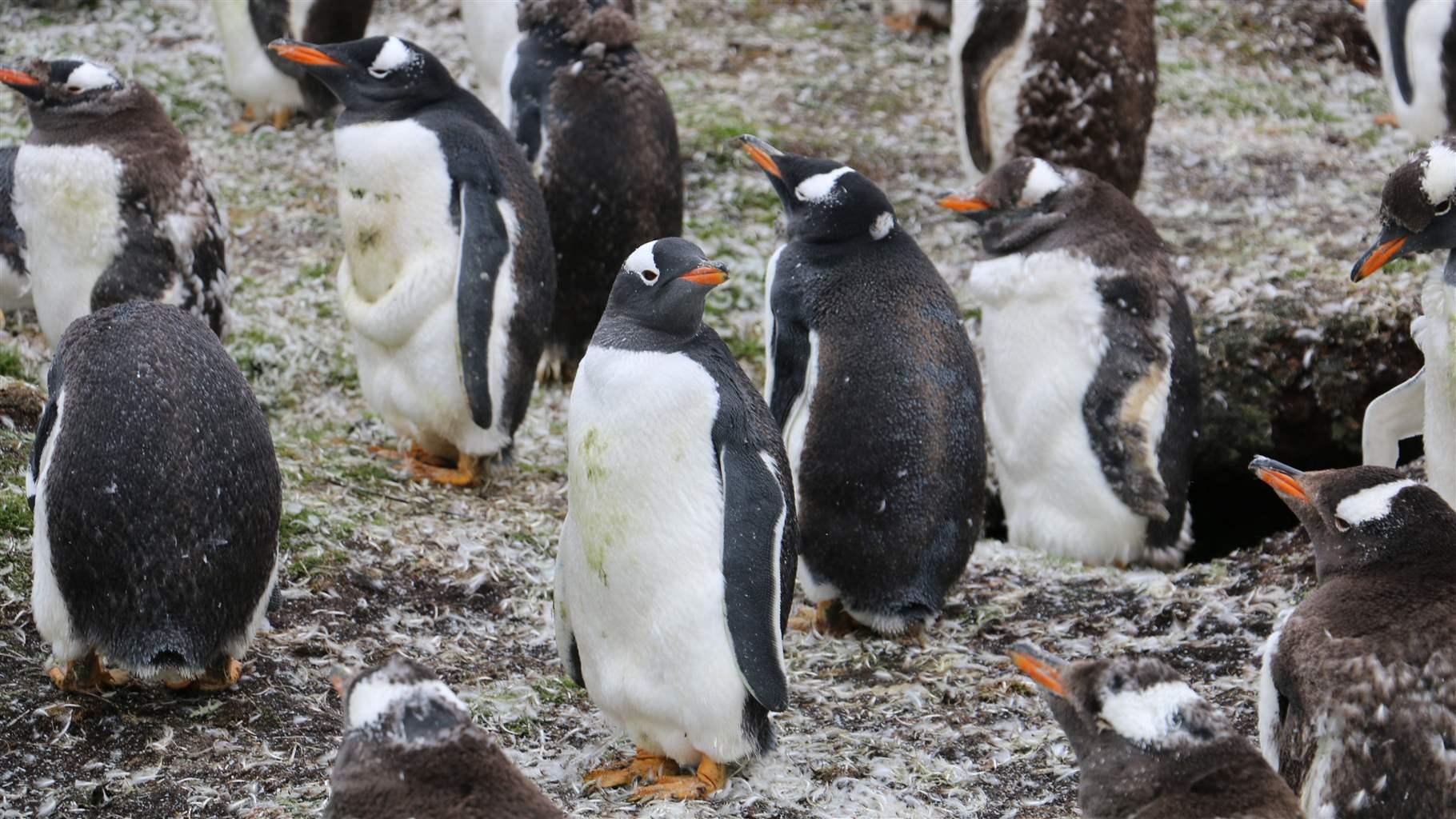
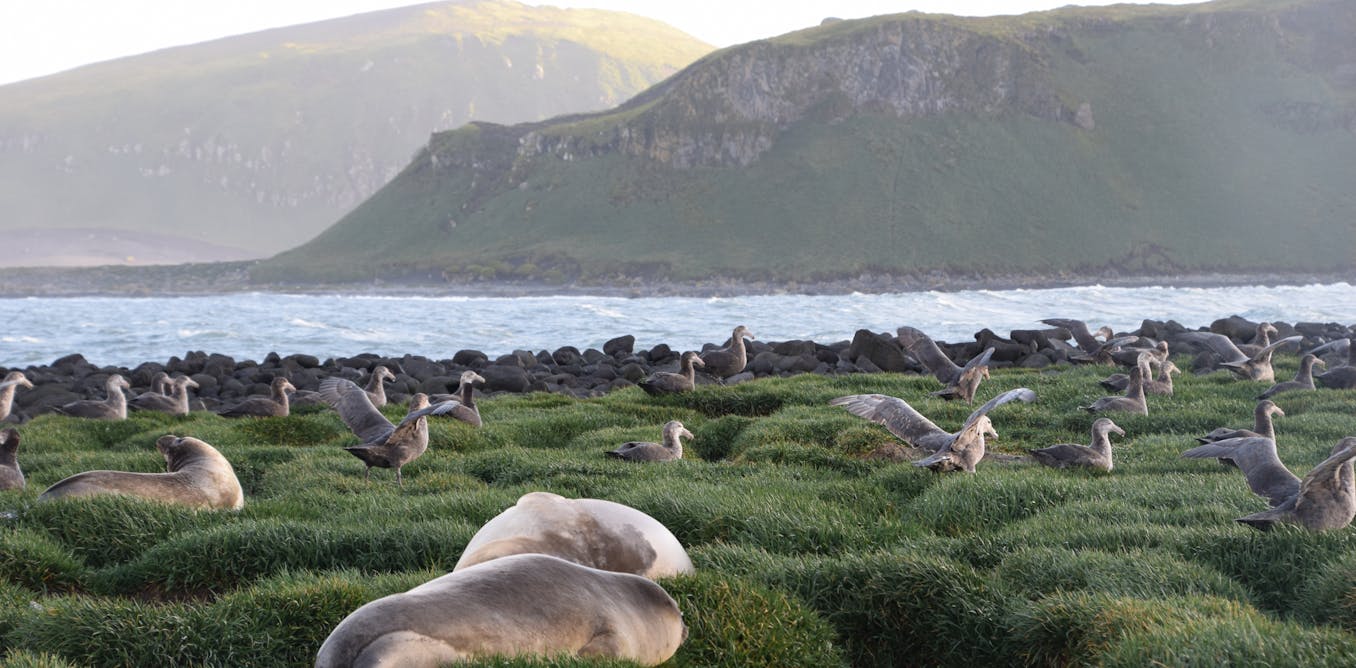
Isang alyansa ng 27 environmental group ang tinanggap ang pagpapalawak ngunit sinabi na ang gobyerno ay "nakaligtas sa isang bihirang pagkakataon upang pangalagaan ang mga pandaigdigang mahahalagang lugar ng pagkain para sa penguin, seal at albatross" [6].
An alliance of 27 environmental groups welcomed the expansion but stated that the government had "missed a rare opportunity to safeguard globally important penguin, seal and albatross feeding grounds" [6].
Inirereklamo ng mga grupo ang desisyon na ibukod ang mga pangunahing marine feature mula sa mahigpit na sona ng proteksyon, kabilang ang mga mahahalagang undersea canyons, highly biodiverse seamounts, at ang Williams Ridge [7].
The groups criticized the decision to exclude key marine features from strict protection zones, including important undersea canyons, highly biodiverse seamounts, and the Williams Ridge [7].
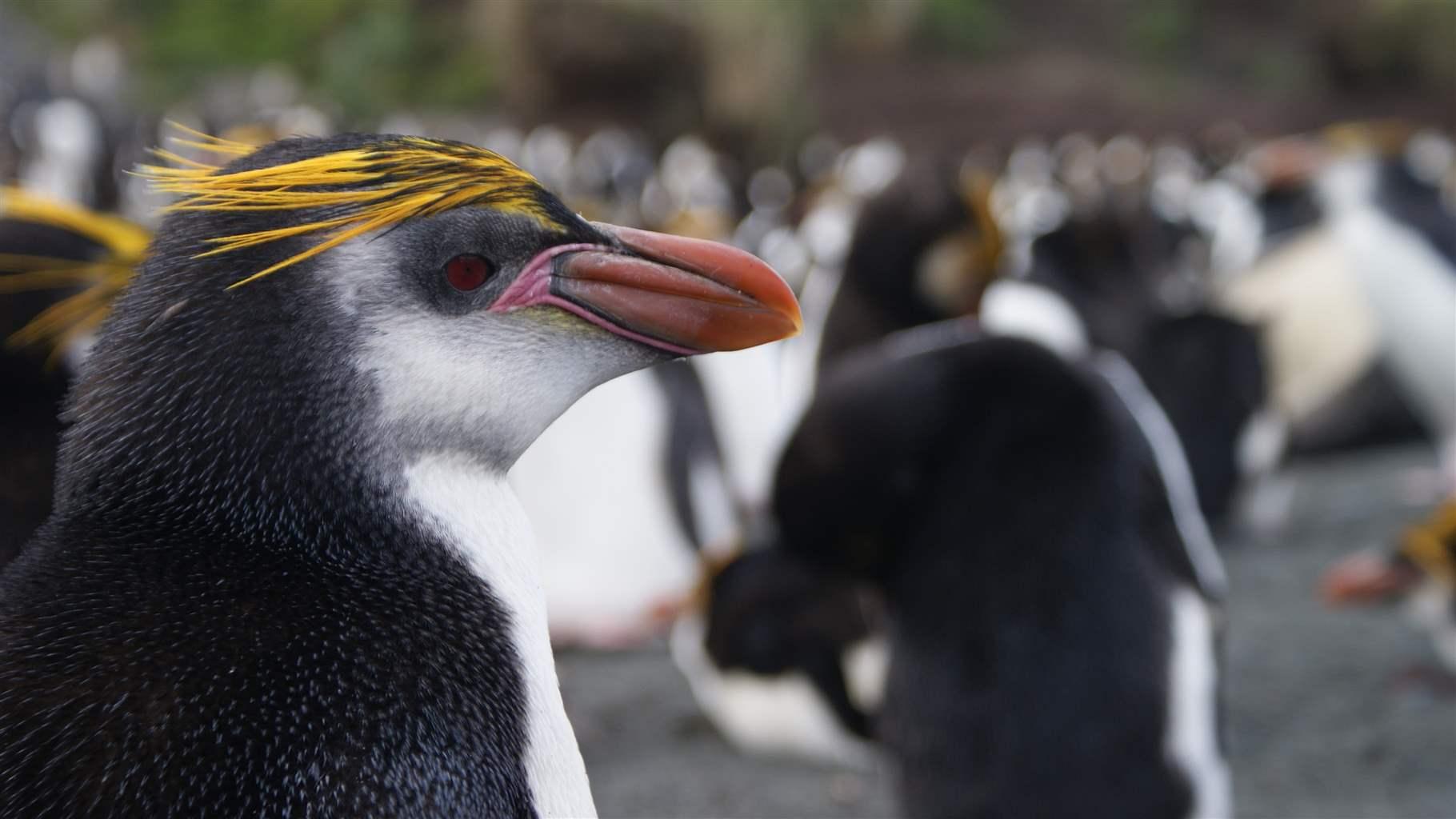
Ayon sa sariling ulat ng siyensya ng gobyerno, ang huling disenyo ay nagbibigay ng hindi sapat na proteksyon para sa ilang tirahan sa seafloor, mga lugar ng pagkain para sa albatross at macaroni penguins, at mga lugar na sumusuporta sa makabuluhang kasaganaan at iba't ibang uri ng isda [8].
According to the government's own science report, the final design provides inadequate protection for certain seafloor habitats, foraging areas for albatross and macaroni penguins, and areas supporting significant abundance and variety of fish [8].
Ang pinalawak na marine reserve ay nagpapanatili ng mixed protection regime, ibig sabihin ang ilang aktibidad tulad ng bottom-trawling fishing ay nagpapatuloy sa mga lugar na natukoy ng mga siyentipiko bilang nangangailangan ng mas malakas na proteksyon [9].
The expanded marine reserve retains a mixed protection regime, meaning that some activities like bottom-trawling fishing continue in areas identified by scientists as requiring stronger protection [9].
Ito ay partikular na makabuluhan dahil ang susunod na pagsusuri ng marine park ay nakatakda hanggang 2035, ibig sabihin ang pagkakataong ito upang palawakin ang mga proteksyon ay hindi mangyayari muli sa loob ng isang dekada [10].
This is particularly significant because the next review of the marine park is not scheduled until 2035, meaning this opportunity to expand protections will not recur for a decade [10].
Karagdagan pa, ang claim ay hindi binabanggit na ang Heard and McDonald Islands Marine Reserve ay itinatag na noong Oktubre 2002 at kinikilala na bilang isa sa pinakamalalaking highly protected (IUCN Category 1A) marine reserve sa mundo bago ang pagpapalawak na ito [11].
Additionally, the claim does not mention that the Heard and McDonald Islands Marine Reserve was already established in October 2002 and was already recognized as one of the world's largest highly protected (IUCN Category 1A) marine reserves before this expansion [11].
Ang pagpapalawak ay nagpapabuti sa isang significant na conservation area kaysa sa paglikha ng isang bago.
The expansion improves an already-significant conservation area rather than creating a new one.

💭 KRITIKAL NA PANANAW

Mula sa malinis na perspektibo ng mga numero, ang claim ay kahanga-hanga at tumpak sa katotohanan—ang pagpapalawak ng marine park mula 70,000 hanggang 380,000 kilometro kwadrado ay isang malaking tagumpay.
From a pure numbers perspective, the claim is impressive and factually accurate—quadrupling the marine park size from 70,000 to 380,000 square kilometres is a substantial achievement.
Inilalagay ng pagpapalawak ang Australia sa pangunguna ng proteksyon ng karagatan sa buong mundo at lumampas sa mga internasyonal na pangako na ginawa sa ilalim ng UN Convention on Biological Diversity [12].
The expansion places Australia at the forefront of ocean protection globally and exceeds international commitments made under the UN Convention on Biological Diversity [12].
Gayunpaman, kapag sinuri laban sa mga rekomendasyon ng siyensya at pagtatasa ng environmental group, ang pagpapalawak ay nagpapakita ng makabuluhang agwat sa pagitan ng potensyal at pagpapatupad.
However, when examined against scientific recommendations and environmental group assessments, the expansion reveals a significant gap between potential and implementation.
Ang Pew Charitable Trusts at 27 Australian environmental group, na kumakatawan sa dekada ng pinagsamang karanasan sa conservation, ay nagtala na ang mga kritikal na tirahan na natukoy sa pananaliksik sa siyensya ay sadyang ibinukod mula sa pinakamalakas na sona ng proteksyon [13].
The Pew Charitable Trusts and 27 Australian environmental groups, representing decades of combined conservation expertise, documented that critical habitats identified in scientific research were deliberately excluded from the strongest protection zones [13].
Ipininiwala nito na ang huling disenyo ay kumatawan sa isang political compromise kaysa sa pinakamalakas na posibleng resulta ng conservation.
This suggests the final design represented a political compromise rather than the strongest possible conservation outcome.
Ang pagpapanatili ng mga karapatan sa commercial fishing, kabilang ang bottom-trawling, sa mga lugar ng mataas na conservation value ay partikular na kapansin-pansin.
The retention of commercial fishing rights, including bottom-trawling, in areas of high conservation value is particularly notable.
Ang bottom-trawling ay itinuturing na isa sa pinakamapanirang kasanayan sa pangingisda para sa deep-sea ecosystems, at ang sariling siyensya ng gobyerno ay nakakita ng hindi sapat na proteksyon para sa maraming species at tirahan [14].
Bottom-trawling is considered one of the most destructive fishing practices for deep-sea ecosystems, and the government's own science identified inadequate protection for multiple species and habitats [14].
Ito ay kumakatawan sa isang trade-off sa pagitan ng mga interes sa komersyo at mga layunin sa conservation.
This represents a trade-off between commercial interests and conservation objectives.
Ang timing ay mahalaga din: sa susunod na pagsusuri na nakatakda para sa 2035, ang Australia ay nakapag-commit sa higit sa isang dekada nang walang muling pagsusuri sa mga antas ng proteksyong ito, kahit na lumitaw ang bagong ebidensya sa siyensya tungkol sa aling mga lugar ang nangangailangan ng mas malakas na mga proteksyon [15].
The timing also matters: with the next review scheduled for 2035, Australia has committed to over a decade without reassessing these protection levels, even if new scientific evidence emerges about which areas require stronger safeguards [15].

TOTOO

7.0

sa 10

Ang claim sa katotohanan na ang marine park ay pinadoble nang apat na beses at 310,000 kilometro kwadrado ang nadagdag ay tumpak at mapatutunayan.
The factual claim that the marine park was quadrupled and 310,000 square kilometres were added is accurate and verifiable.
Gayunpaman, ito ay kaso kung saan ang headline achievement ay nagtatago ng mas kumplikadong katotohanan.
However, this is a case where the headline achievement masks a more complex reality.
Ang pagpapalawak ay tunay at kumakatawan sa makabuluhang pag-unlad sa proteksyon ng karagatan, ngunit hindi ito nakamit ang pinakamalakas na antas ng proteksyon na ang mga ebidensyang siyentipiko at environmental groups ay nag-argumento na kinakailangan.
The expansion is genuine and represents significant progress on ocean protection, but it did not achieve the strongest level of protection that scientific evidence and environmental groups argued was necessary.
Ang claim ay totoo sa katotohanan ngunit hindi kumpleto sa konteksto—iniisang aspeto lamang ito ng mas nuanced na resulta ng patakaran.
The claim is factually true but contextually incomplete—it presents one aspect of a more nuanced policy outcome.

📚 MGA PINAGMULAN AT SANGGUNIAN (15)

  1. 1
    minister.dcceew.gov.au

    Heard Island and McDonald Island Marine Park poised to quadruple in size

    Minister Dcceew Gov

  2. 2
    Heard and McDonald Islands Marine Park to Quadruple

    Heard and McDonald Islands Marine Park to Quadruple

    The Albanese Government is proposing to more than quadruple the protected oceans around Australia's Heard and McDonald Islands.Heard Island and

    Mirage News
  3. 3
    Calls for public comment on plans to expand the Heard Island and McDonald Islands Marine Reserve

    Calls for public comment on plans to expand the Heard Island and McDonald Islands Marine Reserve

    The public is being urged to have input on plans to expand the Heard and McDonald Islands Marine Reserve. The islands are located in the Southern Ocean, about 4,000 kilometres south-west of Western Australia, and are the only volcanically active islands in the sub-Antarctic.

    Antarctica Gov
  4. 4
    minister.dcceew.gov.au

    Australia now protects more ocean than any other country on earth

    Minister Dcceew Gov

  5. 5
    minister.dcceew.gov.au

    Australia exceeds UN target for ocean protection

    Minister Dcceew Gov

  6. 6
    Heard and McDonald Islands Marine Reserve expansion welcomed but misses rare opportunity to safeguard key penguin, seal and albatross feeding grounds

    Heard and McDonald Islands Marine Reserve expansion welcomed but misses rare opportunity to safeguard key penguin, seal and albatross feeding grounds

    An alliance of 27 environmental groups* today welcomed the expansion of Australia’s Heard Island and McDonald Islands Marine Reserve near Antarctica, but said the government of Prime Minister Anthony Albanese had missed a rare opportunity to protect globally important feeding grounds for penguins, seals and albatross. The Pew Charitable Trusts’ national oceans manager, Fiona Maxwell, said: “We […]

    Australian Marine Conservation Society
  7. 7
    Australian Government Misses Rare Opportunity to Safeguard Globally Important Penguin, Seal and Albatross Feeding Grounds

    Australian Government Misses Rare Opportunity to Safeguard Globally Important Penguin, Seal and Albatross Feeding Grounds

    An alliance of 27 environmental groups today welcomed the expansion of Australia’s Heard Island and McDonald Islands Marine Reserve near Antarctica but said the Albanese Government had missed a rare opportunity to protect key feeding grounds for penguins, seals and albatross.

    Pew
  8. 8
    Australia will protect a vast swathe of the Southern Ocean, but squanders the chance to show global leadership

    Australia will protect a vast swathe of the Southern Ocean, but squanders the chance to show global leadership

    Protections for the Heard and McDonald islands, one of Australia’s wildest and most remote areas, don’t go far enough

    The Conversation
  9. 9
    'Missed Opportunity' on Heard & McDonald Islands Reserve Expansion

    'Missed Opportunity' on Heard & McDonald Islands Reserve Expansion

    Media release - Tanya Plibersek MP, Minister for the Environment and Water, 8 October 2024

    Tasmanian Times
  10. 10
    Heard Island and McDonald Islands Marine Reserve – Australian Antarctic Program

    Heard Island and McDonald Islands Marine Reserve – Australian Antarctic Program

    The Heard Island and McDonald Islands (HIMI) Marine Reserve was established in October 2002. The Reserve is a Commonwealth reserve, declared under section 344 of the Environment Protection and Biodiversity Conservation Act 1999 (the EPBC Act).

    Antarctica Gov
  11. 11
    Heard and McDonald Islands - UNESCO World Heritage Centre

    Heard and McDonald Islands - UNESCO World Heritage Centre

    Heard Island and McDonald Islands are located in the Southern Ocean, approximately 1,700 km from the Antarctic continent and 4,100 km south-west of Perth. As the only volcanically active subantarctic islands they ...

    UNESCO World Heritage Centre
  12. 12
    Australia Protects Vast Area in Southern Ocean

    Australia Protects Vast Area in Southern Ocean

    Located in the remote and frigid waters of the Southern Ocean between Tasmania and Antarctica, Australia’s Macquarie Island is one of the most important marine areas in the world for biodiversity. It is home to an astonishing array of wildlife, including many threatened and endemic species – creatures found nowhere else on Earth.

    Pew
  13. 13
    Marine environment around Heard Island and McDonald Islands

    Marine environment around Heard Island and McDonald Islands

    Antarctica Gov
  14. 14
    Managing Marine Protected Areas in Remote Areas: The Case of the Subantarctic Heard and McDonald Islands

    Managing Marine Protected Areas in Remote Areas: The Case of the Subantarctic Heard and McDonald Islands

    Large marine protected areas (MPAs) are increasingly being established to contribute to global conservation targets but present an immense challenge for mana...

    Frontiers
  15. 15
    Statement on Australia's Expansion of the Heard and McDonald Islands Marine Reserve

    Statement on Australia's Expansion of the Heard and McDonald Islands Marine Reserve

    Blue Nature Alliance

Pamamaraan ng Rating Scale

1-3: MALI

Hindi tama sa katotohanan o malisyosong gawa-gawa.

4-6: BAHAGYA

May katotohanan ngunit kulang o baluktot ang konteksto.

7-9: HALOS TOTOO

Maliit na teknikal na detalye o isyu sa pagkakasulat.

10: TUMPAK

Perpektong na-verify at patas ayon sa konteksto.

Pamamaraan: Ang mga rating ay tinutukoy sa pamamagitan ng cross-referencing ng opisyal na mga rekord ng pamahalaan, independiyenteng mga organisasyong nag-fact-check, at mga primaryang dokumento.