Nakakalito

Rating: 5.0/10

Labor
5.3

Ang Claim

“Pinrotektahan ang 52% ng mga karagatan ng Australia, unang bansa na lumampas sa 50%”
Orihinal na Pinagmulan: Albosteezy

Orihinal na Pinagmulan

FACTUAL NA BERIPIKASYON

Tunay na inihayag ng Australia ang proteksyon sa 52% ng kanyang teritoryo sa karagatan.
Australia has indeed announced protection of 52% of its ocean territory.
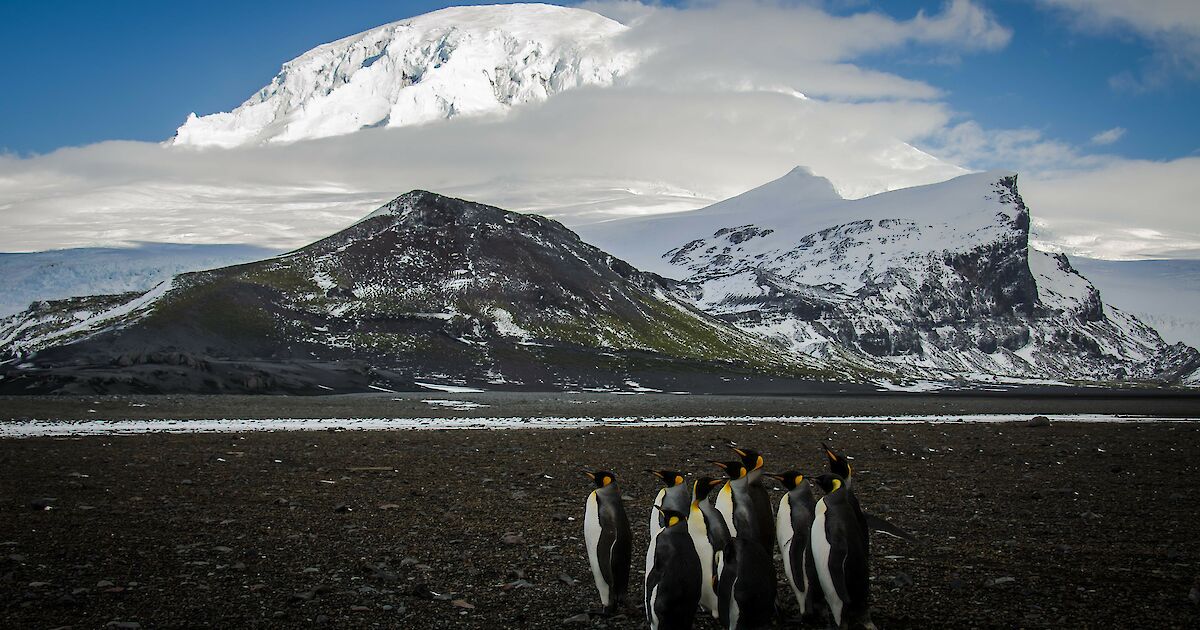
Noong Oktubre 2024, inihayag ng Pamahalaan ng Australia ang pagpapalawak ng Heard at McDonald Islands Marine Reserve ng mahigit 310,000 km², na nagresulta sa 52% ng tubig ng Australia na itinalaga bilang protektado [1].
In October 2024, the Australian Government announced an expansion of the Heard and McDonald Islands Marine Reserve by over 310,000 km², which resulted in 52% of Australia's waters being designated as protected [1].
Nilagdaan ng Governor-General ang Amendment Proclamation na nagbibigay-bisa sa pagpapalawak na ito noong 5 Disyembre 2024, at ang pagbabago ay nagkabisa noong 24 Enero 2025 [2].
The Governor-General signed the Amendment Proclamation giving effect to this expansion on 5 December 2024, with the change coming into effect on 24 January 2025 [2].
Tungkol sa kung ang Australia ba ay unang bansa na lumampas sa 50%, ang claim na ito ay bahagyang hindi tama.
Regarding whether Australia was the first country to exceed 50%, this claim is partially inaccurate.
Noong panahon ng claim na ito, maraming bansa na ang lumampas sa 50% na pagtatalaga ng proteksyon sa karagatan.
As of the time of this claim, multiple countries had already exceeded 50% ocean protection designations.
Ang Monaco ay nagtatalaga ng 100% ng kanyang tubig bilang protektado, ang Palau ay 99%, ang UK ay 68%, at ang Kazakhstan ay 52% [3].
Monaco has designated 100% of its waters as protected, Palau 99%, the UK 68%, and Kazakhstan 52% [3].
Samakatuwid, ang Australia ay hindi ang unang bansa na lumampas sa 50% na proteksyon sa karagatan—ito ay humigit-kumulang na ikaapat sa mga bansa na may gayong pagtatalaga.
Therefore, Australia was not the first country to exceed 50% ocean protection—it was approximately the fourth among nations with such designations.
Ang Pamahalaang Albanese ay may pangako na makamit ang 30% ng tubig ng Australia sa mga "highly protected" (santuaryo) na lugar pagsapit ng 2030, bilang bahagi ng isang mas malawak na UN nature treaty commitment [4].
The Albanese Government has made a commitment to achieve 30% of Australia's waters in "highly protected" (sanctuary) areas by 2030, as part of a broader UN nature treaty commitment [4].
Sa kasalukuyan, 52% ng teritoryo sa karagatan ay nasa ilalim ng ilang anyo ng pagtatalaga ng proteksyon, ngunit ito ay naiiba sa 30% na highly protected target.
Currently, 52% of ocean territory is under some form of protection designation, but this is distinct from the 30% highly protected target.

Nawawalang Konteksto

Ang claim ay hindi binabanggit ang mga kritikal na pagkakaiba sa pagitan ng itinalagang proteksyon at aktwal, epektibong proteksyon.
The claim omits critical distinctions between designated protection and actual, effective protection.
Bagaman ang 52% ng tubig ng Australia ay itinalaga bilang marine protected areas (MPAs), ang kalidad at pagiging epektibo ng proteksyong ito ay malaki ang pagkakaiba-iba sa mga lugar na ito [5].
While 52% of Australian waters are designated as marine protected areas (MPAs), the quality and effectiveness of this protection varies dramatically across these areas [5].
Humigit-kumulang 75% ng mga marine protected areas ng Australia ay binibigyan lamang ng "partial" na proteksyon, na nangangahulugang pinapayagan nila ang commercial fishing, aquaculture, at paghahanap ng minahan [6].
Approximately 75% of Australia's marine protected areas are given only "partial" protection, meaning they allow commercial fishing, aquaculture, and mining exploration [6].
Ito ay isang mahalagang pagkakaiba.
This is a crucial distinction.
Maraming lugar ang tinatawag ng mga conservationist na "paper parks"—mga linya sa mga mapa na may kaunting aktwal na proteksyon [7].
Many areas are what conservationists call "paper parks"—lines on maps with minimal real protection [7].
Sa mga multi-use zones na ito, nagpapatuloy ang commercial fishing, at ang mga extractive industries ay maaaring mag-operate sa loob ng mga itinalagang protektadong lugar [5].
In these multi-use zones, commercial fishing continues, and extractive industries can operate within designated protected areas [5].
Ang mga highly protected areas—mga sanctuary zone kung saan walang pangingisda, pagmimina, pagtatapon, o oil and gas extraction ang pinapayagan—ay may posibilidad na estratehikong inilagay sa mga liblib na rehiyon na may kaunting aktibidad ng tao, kaya't iniiwasan ang mga lugar na may halagang pang-ekonomiya.
The highly protected areas—sanctuary zones where no fishing, mining, dumping, or oil and gas extraction is allowed—tend to be strategically located in remote regions with minimal human activity, thereby avoiding economically valuable areas.
Natuklasan ng mga siyentipiko na ang mga highly protected MPAs ay inilagay sa mga lokasyon na walang petroleum extraction at mababang naunang ani ng pangingisda, na nangangahulugang nagbibigay lamang ito ng 2% na benepisyo sa konservasyon sa 98% na paggamit sa lahat ng Commonwealth marine waters [8].
Scientists have found that highly protected MPAs were placed in locations with no petroleum extraction and low previous fishing yields, meaning this provides only a 2% conservation benefit across the 98% use allocation across all Commonwealth marine waters [8].
Bukod dito, ang anunsyo ay partikular na nakakuha ng malaking puna mula sa komunidad ng siyentipiko.
Furthermore, the announcement specifically drew significant criticism from the scientific community.
Isang artikulo sa Science magazine na inilathala noong Oktubre 2024 ay nagtatapos na ang anunsyo ng Australia ay "hindi pinapansin ang ebidensya na ang Marine Protected Area (MPA) network ng Australia ay patuloy na nabigo na protektahan ang mga mahalagang lugar ng biodiversity" [9].
A Science magazine article published in October 2024 concludes that Australia's announcement "disregards evidence that Australia's Marine Protected Area (MPA) network has consistently failed to protect important areas of biodiversity" [9].
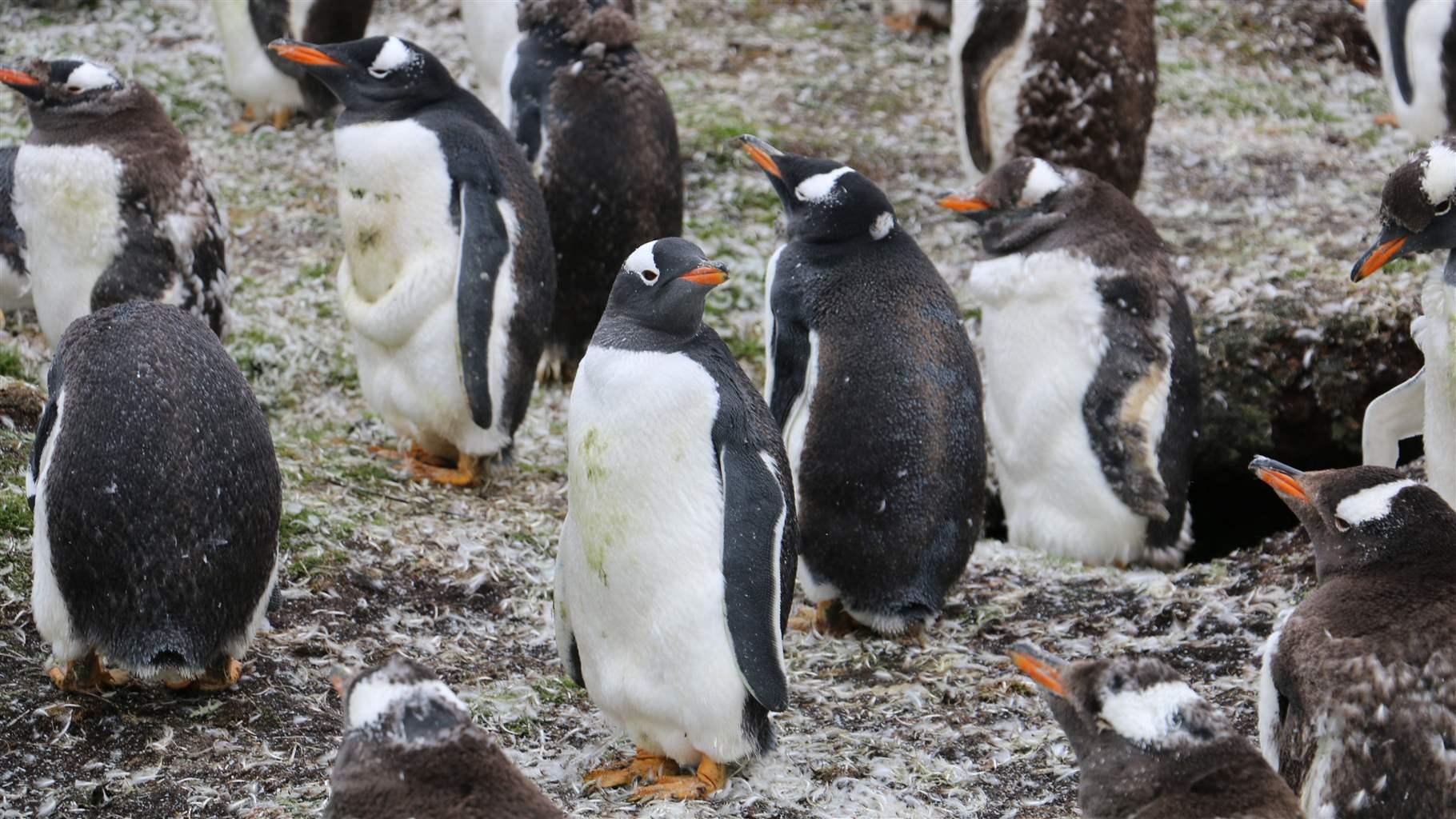
Nakilala ng analisis ang hindi sapat na proteksyon para sa mga kritikal na tirahan sa seafloor, mga lugar ng paghahanap ng pagkain para sa mga albatross at macaroni penguins, at mga lugar na sumusuporta sa kasaganaan at iba't ibang uri ng isda [9].
The analysis identified inadequate protection for critical seafloor habitats, foraging areas for albatrosses and macaroni penguins, and areas supporting fish abundance and variety [9].
Nagpakita ang pananaliksik na ang mga bahagyang protektadong lugar ay paradoxically na nakakaranas ng mas mataas na antas ng recreational at artisanal fishing kaysa sa mga hindi protektadong lugar, na nagtatanong sa kanilang pagiging epektibo sa konservasyon [10].
Research has shown that partially protected areas paradoxically experience higher levels of recreational and artisanal fishing than unprotected areas, calling into question their conservation effectiveness [10].
Bukod pa rito, ang mga bisita sa mga bahagyang protektadong lugar ay nag-uulat na nakakaranas ng mas kaunting marine life kaysa sa mga fully protected sanctuary zone [10].
Additionally, visitors to partially protected areas report experiencing significantly less marine life compared to fully protected sanctuary zones [10].
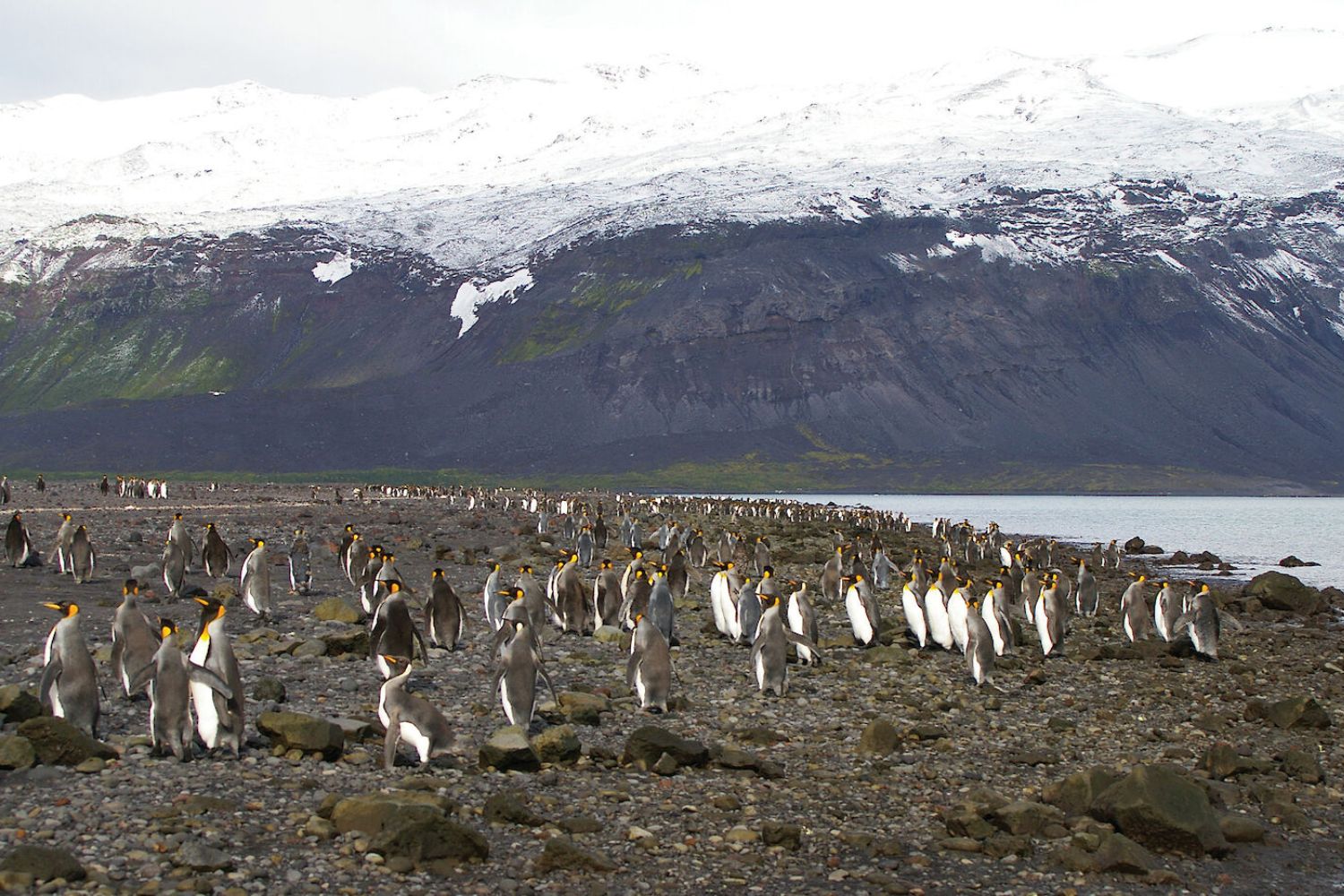
Ang claim ay maaari ring nagpapabura na ang 52% na bilang na ito ay kumakatawan sa pagpapalawak ng mga malalayong, Antarctic-region marine reserves (Heard and McDonald Islands) sa halip na proteksyon ng mga lugar sa baybayin na mayaman sa biodiversity kung saan nangyayari ang karamihan sa marine life at aktibidad ng pangingisda ng Australia [2].
The claim also obscures that this 52% figure represents expansion of remote, Antarctic-region marine reserves (Heard and McDonald Islands) rather than protection of biodiversity-rich coastal areas where most Australian marine life and fishing activity occurs [2].

💭 KRITIKAL NA PANANAW

Kapag sinuri sa konteksto, ang 52% na claim sa proteksyon sa karagatan ay kumakatawan sa makabuluhang pagtatalaga sa papel ngunit nagtatago ng mga pagkakamali sa konservasyon.
When examined in context, the 52% ocean protection claim represents significant designation on paper but masks underlying conservation failures.
Ang pagkakaiba sa pagitan ng "protektado" at "epektibong protektado" ay pundamental sa pagsusuri ng nakamit na ito.
The distinction between "protected" and "effectively protected" is fundamental to evaluating this achievement.
Ang sariling pangako ng Pamahalaan ng Australia—30% na highly protected areas pagsapit ng 2030—ay nagpapakita ng pagkukulang ng kasalukuyang 52% na bilang.
The Australian Government's own commitment—30% highly protected areas by 2030—reveals the inadequacy of the current 52% figure.
Nangangahulugan ito na sa kabila ng 52% ng teritoryo sa karagatan na itinalaga bilang protektado, lamang 30% ang sa huli ay makakatanggap ng "gold-standard" na proteksyon na may aktwal na pagbabawal sa pangingisda at paghihigpit sa pagmimina [4].
This means that despite 52% of ocean territory being designated as protected, only 30% will eventually receive "gold-standard" protection with actual fishing bans and mining restrictions [4].
Iminumungkahi nito na ang kasalukuyang 52% na bilang ay kasama ang maraming lugar na may kaunting aktwal na halaga sa konservasyon.
This suggests the current 52% figure includes many areas with minimal real conservation value.
Kumpara sa mga pandaigdigang pamantayan sa biodiversity, ang marine protection network ng Australia ay kulang.
Compared to global biodiversity standards, Australia's marine protection network falls short.
Bagaman ang Australia ang pinakamalaki ayon sa lugar, ang mga pag-aaral sa pagiging epektibo ay nagpapakita na lamang 2.8% ng karagatan sa buong mundo ang "epektibong" protektado ayon sa mga pandaigdigang pamantayan [11].
While Australia is the largest by area, effectiveness studies show that only 2.8% of the world's ocean is "effectively" protected according to international standards [11].
Ang partially protected network ng Australia ay maaaring hindi matugunan ang mga pandaigdigang benchmark sa pagiging epektibo.
Australia's partially protected network may not meet these international effectiveness benchmarks.
Ang desisyon ng Pamahalaan na umiwas sa paglalagay ng mga highly protected zone sa mga lugar na may halagang pang-ekonomiya sa pangingisda (inilarawan bilang 2% konservasyon, 98% paggamit) ay nagtataas ng mga katanungan sa pagkamakatarungan ngunit pinahihina ang mga resulta ng konservasyon.
The Government's decision to avoid placing highly protected zones in economically valuable fishing areas (described as 2% conservation, 98% use) raises fairness questions but undermines conservation outcomes.
Ang mga kritikal na tirahan na sumusuporta sa mga penguin, albatross, at iba pang marine megafauna ay nananatiling hindi sapat na protektado dahil ang mga lugar na ito ay nagkakapatong sa mga interes sa pangingisda [9].
Critical habitats supporting penguins, albatrosses, and other marine megafauna remain insufficiently protected because these areas overlap with fishing interests [9].
Sa huli, ang framing ng claim bilang "unang bansa na lumampas sa 50%" ay demonstrably false at mukhang idinisenyo upang i-maximize ang political credit.
Finally, the claim's framing as the "first country to exceed 50%" is demonstrably false and appears designed to maximize political credit.
Ang Monaco, Palau, ang UK, at Kazakhstan ay lahat lumampas o umabot sa 50% na proteksyon sa karagatan bago ang anunsyo ng Australia [3].
Monaco, Palau, the UK, and Kazakhstan had all exceeded or reached 50% ocean protection before Australia's announcement [3].
Iminumungkahi ng misrepresentasyon na ito na inihanda ng pamahalaan ang narrative upang bigyang-diin ang pagiging bago sa halip na tunay na pamumuno, kapag ang aktwal na nakamit ay ang pag-abot sa mga quantitative target sa pamamagitan ng malalaking Antarctic reserve expansions sa halip na pagprotekta ng mga biodiverse coastal ecosystems.
This misrepresentation suggests the government shaped the narrative to emphasize novelty rather than genuine leadership, when the actual achievement is reaching quantitative targets through large Antarctic reserve expansions rather than protecting biodiverse coastal ecosystems.

NAKAKALITO

5.0

sa 10

Ang claim ay naglalaman ng halo ng mga totoo at maling elemento na sama-samang lumilikha ng misleading na impresyon.
The claim contains a mix of true and false elements that together create a misleading impression.
Ang 52% na bilang ay tama para sa mga itinalagang protektadong lugar, ngunit ang "unang bansa na lumampas sa 50%" na claim ay factually incorrect, at ang claim ay nagpapabura na ang karamihan sa proteksyon ay partial sa halip na epektibo, na maraming lugar ang nananatiling bukas para sa commercial fishing at extraction.
The 52% figure is accurate for designated protected areas, but the "first country to exceed 50%" claim is factually incorrect, and the claim obscures that most protection is partial rather than effective, with many areas remaining open to commercial fishing and extraction.

📚 MGA PINAGMULAN AT SANGGUNIAN (18)

  1. 1
    minister.dcceew.gov.au

    Australia now protects more ocean than any other country on earth

    Minister Dcceew Gov

  2. 2
    Heard Island and McDonald Islands Marine Reserve Expansion - Governor-General Amendment

    Heard Island and McDonald Islands Marine Reserve Expansion - Governor-General Amendment

    The public is being urged to have input on plans to expand the Heard and McDonald Islands Marine Reserve. The islands are located in the Southern Ocean, about 4,000 kilometres south-west of Western Australia, and are the only volcanically active islands in the sub-Antarctic.

    Antarctica Gov
  3. 3
    Ocean Protection Global Comparison - Countries with 50%+ Designated Protected Waters

    Ocean Protection Global Comparison - Countries with 50%+ Designated Protected Waters

    Learn how marine protected areas could help marine life recover – and even combat climate change

    Rmg Co
  4. 4
    National Geographic on Global Ocean Protection Commitments

    National Geographic on Global Ocean Protection Commitments

    Giving the ocean space to recover promises to help declining fish populations recover, restore habitat, and help save the climate, according to a new plan to save the seas.

    Environment
  5. 5
    Conservation Groups Welcome Albanese Government's 30% Highly Protected Commitment

    Conservation Groups Welcome Albanese Government's 30% Highly Protected Commitment

    An alliance* of 27 leading environment groups has welcomed the Albanese Government’s announcement on World Oceans Day to achieve 30 per cent of Australia’s oceans in highly protected areas by 2030. “We welcome the Albanese Government’s commitment to fully protect 30% of Australia’s oceans in highly protected sanctuaries,” said Christabel Mitchell, Oceans Director, Pew Charitable

    Empower Stories | Build Authority - Drive Impact | Amplify | Influence | Lead | Inspire
  6. 6
    75% of Australia's Marine Protected Areas Given Only 'Partial' Protection

    75% of Australia's Marine Protected Areas Given Only 'Partial' Protection

    Partially protected areas don’t have more wildlife than unprotected areas. They consume conservation resources and occupy space that could otherwise be allocated to more effective protection.

    The Conversation
  7. 7
    The Ambiguous Role of Partially Protected Marine Protected Areas in Australia: Results from a Systematic Literature Review

    The Ambiguous Role of Partially Protected Marine Protected Areas in Australia: Results from a Systematic Literature Review

    Marine protected areas (MPAs) are an important tool in helping to protect biodiversity in the oceans. Recent ratification of the Kunming-Montreal Global Biodiversity Framework (GBF) has ensured that globally we are committed to effectively protecting 30% of the world’s oceans by 2030, in MPAs. In Australia there is considerable interest in the potential benefits that partially protected areas (PPAs) may provide. However, a consistent definition of a PPA is currently lacking, and urgently needed to conduct quantitative analyses of PPAs. We conducted a systematic literature review to understand the current knowledge surrounding PPAs and their potential benefits. We define a PPA, characterise PPA implementation in Australia, and present results for the outcomes of PPAs in terms of ecological, economic, and social indicators. Our review suggests that although 45% of Australia’s marine environment is within MPAs, 61% of MPAs provide only partial protection. The Northern Territory (100%), New South Wales (81%), and Queensland (79.8%) have the highest percentage of MPAs that are partially protected, compared to Tasmania which has the smallest percentage of partially protected MPAs (13.12%). Tasmania also has the smallest percentage cover of MPAs (6.49% state waters). Most PPA management plans did not contain quantifiable Key Performance Indicators (KPIs) to be able to effectively monitor the progress of these PPAs against the stated outcomes. We find the benefits of PPAs to be ambiguous: PPAs generally provide benefits when compared to ‘open’ ocean, however this is not a consistent result. There are no PPAs that provide greater overall benefits when compared to fully protected MPAs. Only one state (South Australia) and the Commonwealth (Australian Marine Parks) are collecting publicly available baseline data to facilitate quantitative monitoring of PPAs. Contrary to fisheries management, there were no plans of action if the declared MPAs and PPAs failed to meet their declared objectives and goals. Some PPAs within Australia appear to be incompatible with conservation priorities according to the recent “MPA Guide” classification framework. This study highlights the need for clearer management rationale and plans for PPAs in Australia, as these comprise the majority of MPAs in Australia’s Exclusive Economic Zone.

    Journals Plos
  8. 8
    dpi.nsw.gov.au

    Australia's Marine Protected Areas - Fishing and Mining Allowances

    Dpi Nsw Gov

  9. 9
    Australian Marine Parks Overview

    Australian Marine Parks Overview

    Australian Marine Parks help conserve marine habitats and the marine species that live within and rely on these habitats. These marine parks also provide places for people to watch wildlife, dive, and go boating, snorkelling and fishing. Importantly, they create jobs in industries like fishing and tourism, and provide us with food and energy.

    Australianmarineparks Gov
  10. 10
    A New Chapter in Ocean Protection - Conservation Groups on Paper Parks

    A New Chapter in Ocean Protection - Conservation Groups on Paper Parks

    Australia announces expansion of subantarctic marine park but scientists say some areas are not receiving enough protection

    greenMe
  11. 11
    Australia's Marine (Un)Protected Areas: Government Zoning Bias

    Australia's Marine (Un)Protected Areas: Government Zoning Bias

    Australia needs to drop the deception that square kilometres say anything meaningful about conservation.

    The Conversation
  12. 12
    aph.gov.au

    AUSTRALIA'S MARINE PROTECTED AREAS: CHALLENGING TIMES AHEAD

    Aph Gov

  13. 13
    science.org

    Australia's Inadequate Marine Protection

    Science

  14. 14
    Australian Government Misses Rare Opportunity to Safeguard Globally Important Penguin, Seal and Albatross Feeding Grounds

    Australian Government Misses Rare Opportunity to Safeguard Globally Important Penguin, Seal and Albatross Feeding Grounds

    An alliance of 27 environmental groups today welcomed the expansion of Australia’s Heard Island and McDonald Islands Marine Reserve near Antarctica but said the Albanese Government had missed a rare opportunity to protect key feeding grounds for penguins, seals and albatross.

    Pew
  15. 15
    sciencedirect.com

    Effectiveness of Partially Protected Marine Areas - Fishing and Visitor Experience

    Sciencedirect

  16. 16
    Conservation Evidence on Fishing Cessation in MPAs

    Conservation Evidence on Fishing Cessation in MPAs

    Conservation Evidence
  17. 17
    Just 2.8% of the World's Ocean is 'Effectively' Protected

    Just 2.8% of the World's Ocean is 'Effectively' Protected

    Governments are falling far short of a pledge to conserve 30% of the ocean by 2030, according to a new report published ahead of COP16.

    Earth.Org
  18. 18
    bloomberg.org

    Bloomberg Philanthropies Report on Ocean Protection Effectiveness

    Bloomberg

    Original link no longer available

Pamamaraan ng Rating Scale

1-3: MALI

Hindi tama sa katotohanan o malisyosong gawa-gawa.

4-6: BAHAGYA

May katotohanan ngunit kulang o baluktot ang konteksto.

7-9: HALOS TOTOO

Maliit na teknikal na detalye o isyu sa pagkakasulat.

10: TUMPAK

Perpektong na-verify at patas ayon sa konteksto.

Pamamaraan: Ang mga rating ay tinutukoy sa pamamagitan ng cross-referencing ng opisyal na mga rekord ng pamahalaan, independiyenteng mga organisasyong nag-fact-check, at mga primaryang dokumento.