誤解を招く

評価: 3.0/10

Labor
1.7

主張

“失業率4.3%(2025年11月)、過去50年で最も低い水準の一つ”
元の出典: Albosteezy

元の出典

事実検証

2025 noun 2025 ねん noun Nen 11 noun 11 がつ noun Tsuki possessive No 失業しつぎょう noun Shitsugyou りつ noun Ritsu 4 noun 4 . . 3 noun 3 % % topic-marker Wa , オーストラリア noun Australia 統計とうけい noun Toukei きょく noun Kyoku ( ABS noun ABS ) direction/target Ni よる verb Yoru and/with To 正確せいかく noun Seikaku auxiliary-verb Na 数値すうち noun Suuchi です auxiliary-verb Desu [ [ 1 noun 1 ]。 ??
The November 2025 unemployment rate of 4.3% is accurate according to the Australian Bureau of Statistics [1].
しかし conjunction Shikashi , この Kono 主張しゅちょう noun Shuchou possessive No 構成こうせい noun Kousei topic-marker Wa 誤導ごどう noun Godou てき Mato です auxiliary-verb Desu .
However, the claim's framing is misleading.
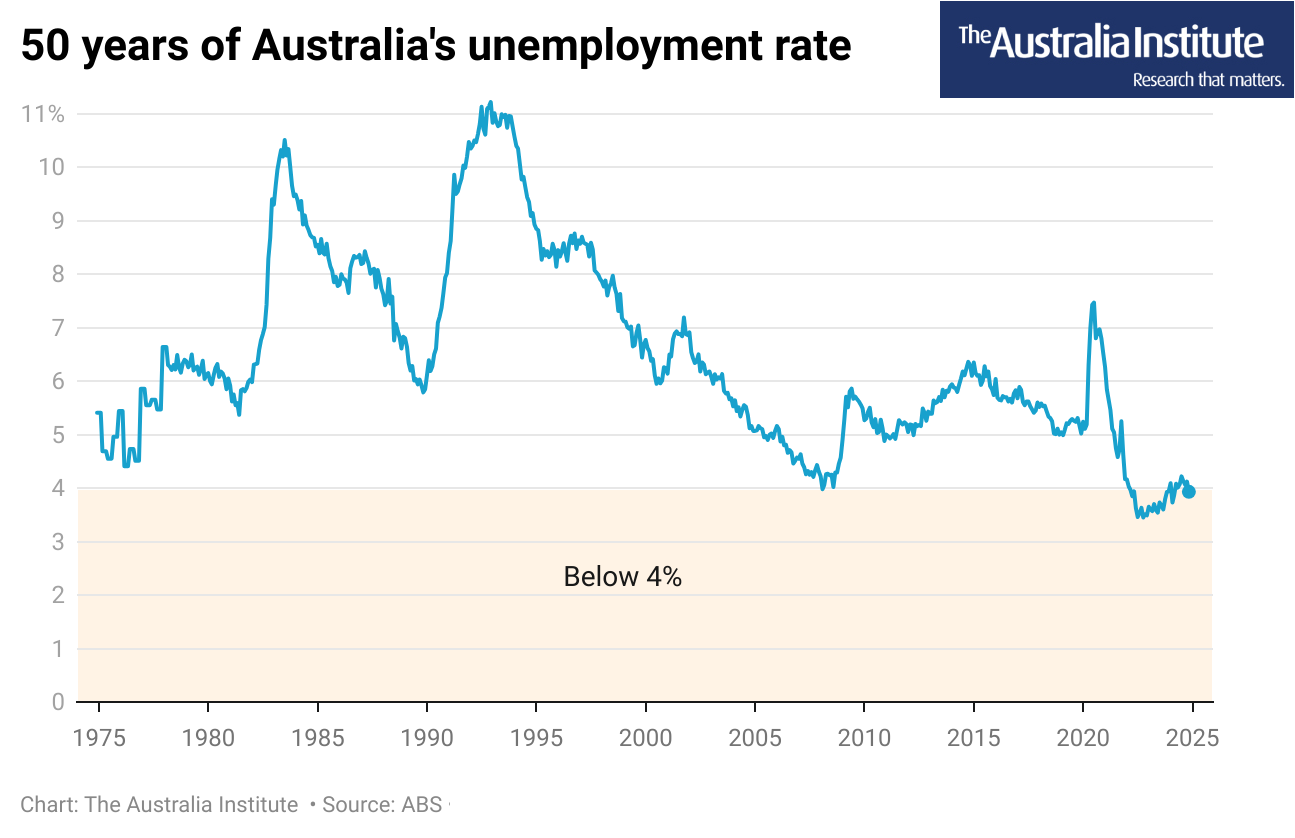
過去かこ noun Kako 50 noun 50 年間ねんかん noun Nenkan location/means De オーストラリア noun Australia subject-marker Ga 到達とうたつ noun Toutatsu verb Shi auxiliary-verb Ta 最低さいてい noun Saitei てん noun Ten topic-marker Wa , 2022 noun 2022 ねん noun Nen 6 noun 6 がつ noun Tsuki possessive No 3 noun 3 . . 5 noun 5 % % でし auxiliary-verb Deshi auxiliary-verb Ta [ [ 2 noun 2 ]— ?? これ Kore topic-marker Wa 2022 noun 2022 ねん noun Nen 5 noun 5 がつ noun Tsuki direction/target Ni 労働ろうどう noun Roudou とう Tou 政権せいけん noun Seiken subject-marker Ga 発足ほっそく noun Hossoku する verb Suru 直前ちょくぜん noun Chokuzen possessive No こと noun Koto でし auxiliary-verb Deshi auxiliary-verb Ta .
The lowest point Australia has reached in the past 50 years was 3.5% in June 2022 [2]—just before Labor took office in May 2022.
より adverb Yori 正確せいかく noun Seikaku auxiliary-verb Ni 言うゆう verb Yuu and/with To , 労働ろうどう noun Roudou とう Tou subject-marker Ga 政権せいけん noun Seiken object-marker Wo 引き継いひきつい verb Hikitsui auxiliary-verb Da 時点じてん noun Jiten ( 2022 noun 2022 ねん noun Nen 9 noun 9 がつ noun Tsuki ) possessive No 失業しつぎょう noun Shitsugyou りつ noun Ritsu topic-marker Wa 3 noun 3 . . 5 noun 5 % % auxiliary-verb De あり verb Ari , それ Sore 以来いらい noun Irai 4 noun 4 . . 3 noun 3 % % direction/target Ni 上昇じょうしょう noun Joushou verb Shi particle Te verb I ます auxiliary-verb Masu [ [ 3 noun 3 ][ ][ 4 noun 4 ]。 ??
More precisely, unemployment was 3.5% when Labor inherited office (September 2022) and has since risen to 4.3% [3][4].
4 noun 4 . . 3 noun 3 % % subject-marker Ga " 過去かこ noun Kako 50 noun 50 ねん noun Nen location/means De 最ももっとも adverb Mottomo 低いひくい adjective Hikui 水準すいじゅん noun Suijun possessive No ひと noun Ichi Tsu " auxiliary-verb De ある verb Aru and/with To いう verb Iu 主張しゅちょう noun Shuchou topic-marker Wa 技術ぎじゅつ noun Gijutsu てき Mato auxiliary-verb Ni topic-marker Wa 正確せいかく noun Seikaku です auxiliary-verb Desu 2022 noun 2022 ねん noun Nen 以前いぜん noun Izen possessive No 失業しつぎょう noun Shitsugyou りつ noun Ritsu and/with To 比べれくらべれ verb Kurabere particle Ba 低くひくく adjective Hikuku , その Sono 期間きかん noun Kikan ちゅう Naka direction/target Ni 4 noun 4 % % object-marker Wo 下回るしたまわる verb Shitamawaru こと noun Koto topic-marker Wa まれ Mare でし auxiliary-verb Deshi auxiliary-verb Ta [ [ 5 noun 5 ]。 ??
The claim that 4.3% is "one of lowest rates in 50 years" is technically true—it is lower than pre-2022 unemployment for much of the period, with rates below 4% being rare historically [5].
しかし conjunction Shikashi , この Kono 構成こうせい noun Kousei topic-marker Wa 重要じゅうよう Juuyou auxiliary-verb Na 事実じじつ noun Jijitsu , すなわち conjunction Sunawachi 失業しつぎょう noun Shitsugyou りつ noun Ritsu subject-marker Ga 労働ろうどう noun Roudou とう Tou 政権せいけん noun Seiken Shita location/means De * * 悪化あっか noun Akka * * verb Shi auxiliary-verb Ta and/with To いう verb Iu てん noun Ten object-marker Wo 隠蔽いんぺい noun Inpei verb Shi particle Te verb I ます auxiliary-verb Masu .
However, the framing obscures the critical fact that unemployment has *worsened* under Labor's tenure.

欠落した文脈

* * * * 1 noun 1 . . 労働ろうどう noun Roudou とう Tou 政権せいけん noun Seiken Shita location/means De 失業しつぎょう noun Shitsugyou りつ noun Ritsu topic-marker Wa 上昇じょうしょう noun Joushou verb Shi auxiliary-verb Ta * * * *
**1.
最ももっとも adverb Mottomo 重要じゅうよう Juuyou auxiliary-verb Na 欠落けつらく noun Ketsuraku verb Shi particle Te いる verb Iru 文脈ぶんみゃく noun Bunmyaku topic-marker Wa , 2022 noun 2022 ねん noun Nen 5 noun 5 がつ noun Tsuki direction/target Ni 労働ろうどう noun Roudou とう Tou subject-marker Ga 政権せいけん noun Seiken object-marker Wo 引き継いひきつい verb Hikitsui auxiliary-verb Da 時点じてん noun Jiten location/means De 失業しつぎょう noun Shitsugyou りつ noun Ritsu topic-marker Wa 50 noun 50 ねん noun Nen ぶり Buri possessive No てい Tei 水準すいじゅん noun Suijun auxiliary-verb De ある verb Aru 3 noun 3 . . 5 noun 5 % % auxiliary-verb De あり verb Ari , 2025 noun 2025 ねん noun Nen 11 noun 11 がつ noun Tsuki まで until Ma de direction/target Ni 4 noun 4 . . 3 noun 3 % % direction/target Ni 上昇じょうしょう noun Joushou verb Shi auxiliary-verb Ta 0 noun 0 . . 8 noun 8 ポイント noun Point possessive No 増加ぞうか noun Zouka です auxiliary-verb Desu [ [ 2 noun 2 ][ ][ 3 noun 3 ]。 ??
Unemployment Rose Under Labor** The most important missing context is that when Labor took office in May 2022, unemployment was at a 50-year low of 3.5%.
これ Kore topic-marker Wa 成果せいか noun Seika and/with To topic-marker Wa ぎゃく noun Gyaku auxiliary-verb Ni , すでに adverb Sudeni 低かっひくかっ adjective Hikuka auxiliary-verb Ta 失業しつぎょう noun Shitsugyou りつ noun Ritsu から from/because Kara possessive No 悪化あっか noun Akka object-marker Wo 意味いみ noun Imi verb Shi ます auxiliary-verb Masu .
By November 2025, it had risen to 4.3%—an increase of 0.8 percentage points [2][3].
この Kono 主張しゅちょう noun Shuchou topic-marker Wa , この Kono 上昇じょうしょう noun Joushou direction/target Ni 言及げんきゅう noun Genkyuu する verb Suru こと noun Koto なく adjective Naku 現在げんざい noun Genzai possessive No りつ noun Ritsu object-marker Wo 提示ていじ noun Teiji verb Shi particle Te verb I ます auxiliary-verb Masu .
This is the opposite of an achievement; it represents deterioration from already low unemployment.
* * * * 2 noun 2 . . 労働ろうどう noun Roudou とう Tou topic-marker Wa 強いつよい adjective Tsuyoi 雇用こよう noun Koyou 市場しじょう noun Shijou object-marker Wo 引き継いひきつい verb Hikitsui auxiliary-verb Da * * * *
The claim presents the current rate without mentioning this increase. **2.
2022 noun 2022 ねん noun Nen 半ばなかば noun Nakaba possessive No 3 noun 3 . . 5 noun 5 % % possessive No 失業しつぎょう noun Shitsugyou りつ noun Ritsu topic-marker Wa , ぜん noun Mae 連立れんりつ noun Renritsu 政権せいけん noun Seiken possessive No 政策せいさく noun Seisaku and/with To COVID noun COVID Ato possessive No 労働ろうどう noun Roudou 市場しじょう noun Shijou possessive No 逼迫ひっぱく noun Hippaku direction/target Ni よる verb Yoru もの noun Mono でし auxiliary-verb Deshi auxiliary-verb Ta .
Labor Inherited the Strong Job Market** The 3.5% unemployment rate in mid-2022 was the result of the previous Coalition government's policies and the post-COVID labor market tightness.
労働ろうどう noun Roudou とう Tou topic-marker Wa 雇用こよう noun Koyou 市場しじょう noun Shijou possessive No つよ adjective Kyou Sa object-marker Wo 達成たっせい noun Tassei verb Shi auxiliary-verb Ta possessive No auxiliary-verb De topic-marker Wa なく adjective Naku , それ Sore object-marker Wo 受け継いうけつい verb Uketsui auxiliary-verb Da possessive No です auxiliary-verb Desu .
Labor inherited an exceptionally tight labor market—not achieved it.
現在げんざい noun Genzai possessive No 4 noun 4 . . 3 noun 3 % % topic-marker Wa , この Kono 受け継いうけつい verb Uketsui auxiliary-verb Da つよ adjective Kyou Sa possessive No 緩みゆるみ noun Yurumi object-marker Wo 表しあらわし verb Arawashi particle Te verb I ます auxiliary-verb Masu .
The current 4.3% represents a loosening of this inherited strength. **3.
* * * * 3 noun 3 . . 過少かしょう noun Kashou 雇用こよう noun Koyou ( Underemployment noun Underemployment ) subject-marker Ga 12 noun 12 か月かげつ noun Kagetsu ぶり Buri possessive No こう Kou 水準すいじゅん noun Suijun * * * *
Underemployment at 12-Month Highs** While headline unemployment remained at 4.3% in November 2025, underemployment rose to 12-month highs according to ABC News reporting [6].
失業しつぎょう noun Shitsugyou りつ noun Ritsu topic-marker Wa 2025 noun 2025 ねん noun Nen 11 noun 11 つき noun Tsuki also Mo 4 noun 4 . . 3 noun 3 % % でし auxiliary-verb Deshi auxiliary-verb Ta subject-marker Ga , ABC noun ABC ニュース noun News possessive No 報道ほうどう noun Houdou direction/target Ni よる verb Yoru and/with To 過少かしょう noun Kashou 雇用こよう noun Koyou りつ noun Ritsu topic-marker Wa 12 noun 12 か月かげつ noun Kagetsu ぶり Buri possessive No こう Kou 水準すいじゅん noun Suijun direction/target Ni 上昇じょうしょう noun Joushou verb Shi まし auxiliary-verb Mashi auxiliary-verb Ta [ [ 6 noun 6 ]。 ??
Underemployment measures workers wanting more hours (particularly part-time workers seeking full-time work).
過少かしょう noun Kashou 雇用こよう noun Koyou and/with To topic-marker Wa , より adverb Yori 多くおおく noun Ooku possessive No 労働ろうどう noun Roudou 時間じかん noun Jikan object-marker Wo 望んのぞん verb Nozon location/means De いる verb Iru ひと noun Hito ( 特にとくに adverb Tokuni 正規せいき noun Seiki 雇用こよう noun Koyou object-marker Wo 求めもとめ verb Motome particle Te いる verb Iru パート noun Part タイム noun Time 労働ろうどう noun Roudou しゃ Mono ) object-marker Wo 測るはかる verb Hakaru 指標しひょう noun Shihyou です auxiliary-verb Desu .
This indicates labor market weakness masked by the headline unemployment figure. **4.
これ Kore topic-marker Wa , 見出しみだし noun Midashi possessive No 失業しつぎょう noun Shitsugyou りつ noun Ritsu 数字すうじ noun Suuji subject-marker Ga 隠蔽いんぺい noun Inpei verb Shi particle Te いる verb Iru 実際じっさい noun Jissai possessive No 労働ろうどう noun Roudou 市場しじょう noun Shijou possessive No よわ adjective Jaku Sa object-marker Wo 示ししめし verb Shimeshi particle Te verb I ます auxiliary-verb Masu .
Part-Time Work Dominance** Labor's job creation (discussed in point 1.3) heavily skewed toward part-time roles.
* * * * 4 noun 4 . . パート noun Part タイム noun Time 雇用こよう noun Koyou possessive No 優位ゆうい noun Yuui * * * *
According to the ABS, nearly half of underemployed part-time workers preferred to work full-time hours [7].
労働ろうどう noun Roudou とう Tou possessive No 雇用こよう noun Koyou 創出そうしゅつ noun Soushutsu ( 1 noun 1 . . 3 noun 3 こう noun Kou location/means De 議論ぎろん noun Giron ) topic-marker Wa パート noun Part タイム noun Time しょく noun Shoku object-marker Wo 中心ちゅうしん noun Chuushin direction/target Ni 偏っかたよっ verb Pen particle Te verb I まし auxiliary-verb Mashi auxiliary-verb Ta .
The composition of employment—shifting toward part-time and casual work—is not reflected in the headline unemployment rate. **5.
ABS noun ABS direction/target Ni よる verb Yoru and/with To , 過少かしょう noun Kashou 雇用こよう noun Koyou パート noun Part タイム noun Time 労働ろうどう noun Roudou しゃ Mono possessive No ほぼ adverb Hobo 半数はんすう noun Hansuu topic-marker Wa 正規せいき noun Seiki possessive No 労働ろうどう noun Roudou 時間じかん noun Jikan object-marker Wo 希望きぼう noun Kibou verb Shi particle Te verb I まし auxiliary-verb Mashi auxiliary-verb Ta [ [ 7 noun 7 ]。 ??
Labor Force Participation Context** Labor force participation increased from 65.3% to 67.0% between 2022-2025 [8].
雇用こよう noun Koyou possessive No 構成こうせい noun Kousei パート noun Part タイム noun Time particle Ya 臨時りんじ noun Rinji 雇用こよう noun Koyou direction E possessive No シフト noun Shift topic-marker Wa 失業しつぎょう noun Shitsugyou りつ noun Ritsu possessive No 見出しみだし noun Midashi 数字すうじ noun Suuji direction/target Ni topic-marker Wa 反映はんえい noun Han'ei verb Sa auxiliary-verb Re particle Te verb I ませ auxiliary-verb Mase auxiliary-verb N .
While this appears positive, much of this was driven by women entering the workforce (participation rising 3.1 percentage points for women age 25-54) [9].
* * * * 5 noun 5 . . 労働ろうどう noun Roudou 参加さんか noun Sanka りつ noun Ritsu possessive No 文脈ぶんみゃく noun Bunmyaku * * * *
This increase in labor supply competing for jobs, combined with population growth from high migration, likely explains why unemployment rose despite "1.2 million jobs created"—the jobs barely kept pace with new entrants to the labor force. **6.
労働ろうどう noun Roudou 参加さんか noun Sanka りつ noun Ritsu topic-marker Wa 2022 noun 2022 ねん noun Nen から from/because Kara 2025 noun 2025 ねん noun Nen direction/target Ni かけ verb Kake particle Te 65 noun 65 . . 3 noun 3 % % から from/because Kara 67 noun 67 . . 0 noun 0 % % direction/target Ni 上昇じょうしょう noun Joushou verb Shi まし auxiliary-verb Mashi auxiliary-verb Ta [ [ 8 noun 8 ]。 ??
Population Growth Masking Real Labor Demand** Australia's unemployment rise must be understood in context of the highest net migration in the country's history during Labor's term.
これ Kore topic-marker Wa 良いよい adjective Yoi 傾向けいこう noun Keikou direction/target Ni 見えみえ verb Mie ます auxiliary-verb Masu subject-marker Ga , その Sono 多くおおく noun Ooku topic-marker Wa 女性じょせい noun Josei possessive No 労働ろうどう noun Roudou 参加さんか noun Sanka ( 25 noun 25 54 noun 54 さい Toshi 女性じょせい noun Josei location/means De 3 noun 3 . . 1 noun 1 ポイント noun Point 上昇じょうしょう noun Joushou )[ )[ 9 noun 9 ] ] direction/target Ni よる verb Yoru もの noun Mono でし auxiliary-verb Deshi auxiliary-verb Ta .
Population grew faster than employment, which is why unemployment rose despite job creation figures appearing strong.
この Kono 労働ろうどう noun Roudou 供給きょうきゅう noun Kyoukyuu possessive No 増加ぞうか noun Zouka and/with To 高いたかい adjective Takai 移民いみん noun Imin direction/target Ni よる verb Yoru 人口じんこう noun Jinkou 増加ぞうか noun Zouka possessive No 組み合わせくみあわせ noun Kumiawase topic-marker Wa , 失業しつぎょう noun Shitsugyou りつ noun Ritsu subject-marker Ga " 120 noun 120 まん noun Man にん Hito possessive No 雇用こよう noun Koyou 創出そうしゅつ noun Soushutsu " direction/target Ni also Mo かかわら verb Kakawara auxiliary-verb Zu 上昇じょうしょう noun Joushou verb Shi auxiliary-verb Ta 理由りゆう noun Riyuu object-marker Wo 説明せつめい noun Setsumei verb Shi ます auxiliary-verb Masu 雇用こよう noun Koyou topic-marker Wa 労働ろうどう noun Roudou りょく Chikara possessive No 新規しんき Shinki 参入さんにゅう noun Sannyuu しゃ Mono direction/target Ni わずか Wazuka auxiliary-verb Ni 追いついおいつい verb Oitsui auxiliary-verb Ta 程度ていど noun Teido でし auxiliary-verb Deshi auxiliary-verb Ta .
This is similar to point 1.3's critique.
* * * * 6 noun 6 . . 人口じんこう noun Jinkou 増加ぞうか noun Zouka subject-marker Ga 実際じっさい noun Jissai possessive No 労働ろうどう noun Roudou 需要じゅよう noun Juyou object-marker Wo 隠蔽いんぺい noun Inpei * * * *
オーストラリア noun Australia possessive No 失業しつぎょう noun Shitsugyou りつ noun Ritsu 上昇じょうしょう noun Joushou topic-marker Wa , 労働ろうどう noun Roudou とう Tou 政権せいけん noun Seiken noun Ki direction/target Ni おけ verb Oke auxiliary-verb Ru 同国どうこく noun Doukoku Fumi じょう Ue 最高さいこう noun Saikou possessive No じゅん Jun 移民いみん noun Imin すう noun Suu and/with To いう verb Iu 文脈ぶんみゃく noun Bunmyaku location/means De 理解りかい noun Rikai する verb Suru 必要ひつよう noun Hitsuyou subject-marker Ga あり verb Ari ます auxiliary-verb Masu .
人口じんこう noun Jinkou topic-marker Wa 雇用こよう noun Koyou より particle Yori also Mo 速くはやく adjective Hayaku 増加ぞうか noun Zouka verb Shi auxiliary-verb Ta ため noun Tame , " 120 noun 120 まん noun Man にん Hito possessive No 雇用こよう noun Koyou 創出そうしゅつ noun Soushutsu " direction/target Ni also Mo かかわら verb Kakawara auxiliary-verb Zu 失業しつぎょう noun Shitsugyou りつ noun Ritsu topic-marker Wa 上昇じょうしょう noun Joushou verb Shi まし auxiliary-verb Mashi auxiliary-verb Ta .
これ Kore topic-marker Wa 1 noun 1 . . 3 noun 3 こう noun Kou possessive No 批判ひはん noun Hihan and/with To 類似るいじ noun Ruiji verb Shi particle Te verb I ます auxiliary-verb Masu .

💭 批判的視点

" 失業しつぎょう noun Shitsugyou りつ noun Ritsu 4 noun 4 . . 3 noun 3 % % , 過去かこ noun Kako 50 noun 50 ねん noun Nen location/means De 最ももっとも adverb Mottomo 低いひくい adjective Hikui 水準すいじゅん noun Suijun possessive No ひと noun Ichi Tsu " and/with To いう verb Iu 主張しゅちょう noun Shuchou topic-marker Wa 正確せいかく noun Seikaku auxiliary-verb Na データ noun Data object-marker Wo 用いもちい verb Mochii particle Te verb I ます auxiliary-verb Masu subject-marker Ga , 欺瞞ぎまん noun Giman てき Mato auxiliary-verb Na 構成こうせい noun Kousei です auxiliary-verb Desu .
The claim "unemployment at 4.3%, one of the lowest rates in 50 years" uses accurate data but deceptive framing.
完全かんぜん Kanzen auxiliary-verb Na 事実じじつ noun Jijitsu topic-marker Wa 以下いか noun Ika possessive No 通りとおり noun Toori です auxiliary-verb Desu :
Here's the fuller story: 1. **Inherited vs Achieved**: Australia inherited 3.5% unemployment (50-year low) from the Coalition government.
1 noun 1 . . * * * * 受け継いうけつい verb Uketsui auxiliary-verb Da もの noun Mono question Ka , 達成たっせい noun Tassei verb Shi auxiliary-verb Ta もの noun Mono question Ka * * * * : オーストラリア noun Australia topic-marker Wa 連立れんりつ noun Renritsu 政権せいけん noun Seiken から from/because Kara 3 noun 3 . . 5 noun 5 % % possessive No 失業しつぎょう noun Shitsugyou りつ noun Ritsu ( 50 noun 50 ねん noun Nen ぶり Buri possessive No てい Tei 水準すいじゅん noun Suijun ) object-marker Wo 受け継ぎうけつぎ verb Uketsugi まし auxiliary-verb Mashi auxiliary-verb Ta .
Labor's term saw unemployment *rise* to 4.3%.
労働ろうどう noun Roudou とう Tou possessive No 任期にんき noun Ninki ちゅう Naka , 失業しつぎょう noun Shitsugyou りつ noun Ritsu topic-marker Wa 4 noun 4 . . 3 noun 3 % % direction/target Ni * * 上昇じょうしょう noun Joushou * * verb Shi まし auxiliary-verb Mashi auxiliary-verb Ta .
This is not an achievement—it's deterioration from an already exceptional starting position. 2. **Headline vs Reality**: The 4.3% headline unemployment rate masks rising underemployment at 12-month highs [6].
これ Kore topic-marker Wa 成果せいか noun Seika location/means De topic-marker Wa なく adjective Naku , すでに adverb Sudeni 例外れいがい noun Reigai てき Mato auxiliary-verb Na 出発しゅっぱつ noun Shuppatsu てん noun Ten から from/because Kara possessive No 悪化あっか noun Akka です auxiliary-verb Desu .
Workers want more hours than they're getting.
2 noun 2 . . * * * * 見出しみだし noun Midashi and/with To 現実げんじつ noun Genjitsu * * * * : 4 noun 4 . . 3 noun 3 % % and/with To いう verb Iu 失業しつぎょう noun Shitsugyou りつ noun Ritsu possessive No 見出しみだし noun Midashi 数字すうじ noun Suuji topic-marker Wa , 12 noun 12 か月かげつ noun Kagetsu ぶり Buri possessive No こう Kou 水準すいじゅん noun Suijun direction/target Ni ある verb Aru 過少かしょう noun Kashou 雇用こよう noun Koyou possessive No 上昇じょうしょう noun Joushou object-marker Wo 隠蔽いんぺい noun Inpei verb Shi particle Te verb I ます auxiliary-verb Masu [ [ 6 noun 6 ]。 ??
The labor market is actually weaker than the unemployment figure suggests. 3. **Job Quality Decline**: Most new jobs were part-time.
労働ろうどう noun Roudou しゃ Mono topic-marker Wa 現在げんざい noun Genzai より particle Yori also Mo 多くおおく noun Ooku possessive No 労働ろうどう noun Roudou 時間じかん noun Jikan object-marker Wo 望んのぞん verb Nozon location/means De verb I ます auxiliary-verb Masu .
Full-time employment growth lagged population growth.
労働ろうどう noun Roudou 市場しじょう noun Shijou topic-marker Wa 失業しつぎょう noun Shitsugyou りつ noun Ritsu possessive No 数字すうじ noun Suuji subject-marker Ga 示唆しさ noun Shisa する verb Suru より particle Yori 実際じっさい noun Jissai direction/target Ni topic-marker Wa 弱いよわい adjective Yowai 状態じょうたい noun Joutai です auxiliary-verb Desu .
Workers are getting *less* hours, not more—underemployment tells this story. 4. **Supply vs Demand**: Population growth and record migration meant the labor market had to create jobs just to keep unemployment from rising *further*.
3 noun 3 . . * * * * 雇用こよう noun Koyou possessive No しつ noun Shitsu possessive No 低下ていか noun Teika * * * * : 新規しんき Shinki 雇用こよう noun Koyou possessive No 多くおおく noun Ooku topic-marker Wa パート noun Part タイム noun Time でし auxiliary-verb Deshi auxiliary-verb Ta .
The 1.2 million jobs created must be understood as barely matching supply growth. 5. **Historical Comparison Dishonesty**: Saying "one of the lowest in 50 years" when unemployment *rose* during your term from the actual 50-year low is misleading.
正規せいき noun Seiki 雇用こよう noun Koyou possessive No 成長せいちょう noun Seichou topic-marker Wa 人口じんこう noun Jinkou 成長せいちょう noun Seichou direction/target Ni 遅れおくれ noun Okure object-marker Wo 取りとり verb Tori まし auxiliary-verb Mashi auxiliary-verb Ta .
It's technically true but designed to obscure the relative deterioration.
労働ろうどう noun Roudou しゃ Mono topic-marker Wa より adverb Yori * * 少ないすくない adjective Sukunai * * 労働ろうどう noun Roudou 時間じかん noun Jikan object-marker Wo verb Toku particle Te おり verb Ori , 過少かしょう noun Kashou 雇用こよう noun Koyou subject-marker Ga この Kono 実態じったい noun Jittai object-marker Wo 示ししめし verb Shimeshi particle Te verb I ます auxiliary-verb Masu .
Labor didn't maintain the strong labor market it inherited—it allowed unemployment to rise while population surged.
4 noun 4 . . * * * * 供給きょうきゅう noun Kyoukyuu and/with To 需要じゅよう noun Juyou * * * * : 人口じんこう noun Jinkou 増加ぞうか noun Zouka and/with To 記録きろく noun Kiroku てき Mato auxiliary-verb Na 移民いみん noun Imin direction/target Ni より verb Yori , 失業しつぎょう noun Shitsugyou りつ noun Ritsu subject-marker Ga * * さらに adverb Sarani * * 上昇じょうしょう noun Joushou verb Shi ない auxiliary-verb Nai よう You auxiliary-verb Ni する verb Suru ため noun Tame direction/target Ni 雇用こよう noun Koyou object-marker Wo 創出そうしゅつ noun Soushutsu する verb Suru 必要ひつよう noun Hitsuyou subject-marker Ga あり verb Ari まし auxiliary-verb Mashi auxiliary-verb Ta .
This is the opposite of a positive claim.
創出そうしゅつ noun Soushutsu verb Sa auxiliary-verb Re auxiliary-verb Ta 120 noun 120 まん noun Man にん Hito possessive No 雇用こよう noun Koyou topic-marker Wa , 労働ろうどう noun Roudou 供給きょうきゅう noun Kyoukyuu possessive No 成長せいちょう noun Seichou direction/target Ni わずか Wazuka auxiliary-verb Ni 追いついおいつい verb Oitsui auxiliary-verb Ta 程度ていど noun Teido and/with To 理解りかい noun Rikai する verb Suru 必要ひつよう noun Hitsuyou subject-marker Ga あり verb Ari ます auxiliary-verb Masu .
5 noun 5 . . * * * * 歴史れきし noun Rekishi てき Mato noun Hi noun ? possessive No Fu 誠実せいじつ noun Seijitsu Sa * * * * : 失業しつぎょう noun Shitsugyou りつ noun Ritsu subject-marker Ga 政権せいけん noun Seiken 期間きかん noun Kikan ちゅう Naka direction/target Ni * * 上昇じょうしょう noun Joushou * * verb Shi auxiliary-verb Ta とき noun Toki direction/target Ni " 過去かこ noun Kako 50 noun 50 ねん noun Nen location/means De 最ももっとも adverb Mottomo 低いひくい adjective Hikui 水準すいじゅん noun Suijun possessive No ひと noun Ichi Tsu " and/with To 言ういう verb Yuu possessive No topic-marker Wa 誤導ごどう noun Godou てき Mato です auxiliary-verb Desu .
技術ぎじゅつ noun Gijutsu てき Mato auxiliary-verb Ni topic-marker Wa 正確せいかく noun Seikaku です auxiliary-verb Desu subject-marker Ga , 相対そうたい noun Soutai てき Mato auxiliary-verb Na 悪化あっか noun Akka object-marker Wo 隠蔽いんぺい noun Inpei する verb Suru こと noun Koto object-marker Wo 意図いと noun Ito verb Shi particle Te verb I ます auxiliary-verb Masu .
労働ろうどう noun Roudou とう Tou topic-marker Wa 受け継いうけつい verb Uketsui auxiliary-verb Da 強いつよい adjective Tsuyoi 労働ろうどう noun Roudou 市場しじょう noun Shijou object-marker Wo 維持いじ noun Iji verb Se auxiliary-verb Zu 失業しつぎょう noun Shitsugyou りつ noun Ritsu object-marker Wo 上昇じょうしょう noun Joushou verb Sa auxiliary-verb Se ながら particle Nagara 人口じんこう noun Jinkou subject-marker Ga 急増きゅうぞう noun Kyuuzou する verb Suru possessive No object-marker Wo 許しゆるし verb Yurushi まし auxiliary-verb Mashi auxiliary-verb Ta .
これ Kore topic-marker Wa ポジティブ noun Positive auxiliary-verb Na 主張しゅちょう noun Shuchou possessive No ぎゃく noun Gyaku です auxiliary-verb Desu .

誤解を招く

3.0

/ 10

失業しつぎょう noun Shitsugyou りつ noun Ritsu ( 4 noun 4 . . 3 noun 3 % % ) topic-marker Wa 正確せいかく noun Seikaku auxiliary-verb De あり verb Ari , 50 noun 50 ねん noun Nen 基準きじゅん noun Kijun location/means De 見れみれ verb Mire particle Ba 確かたしか Tashika auxiliary-verb Ni 低いひくい adjective Hikui 水準すいじゅん noun Suijun です auxiliary-verb Desu .
The unemployment figure (4.3%) is accurate, and it technically is low by 50-year standards.
しかし conjunction Shikashi , この Kono 主張しゅちょう noun Shuchou topic-marker Wa 以下いか noun Ika possessive No てん noun Ten location/means De 誤導ごどう noun Godou する verb Suru こと noun Koto object-marker Wo 意図いと noun Ito verb Shi particle Te verb I ます auxiliary-verb Masu :
However, the claim is designed to mislead by: 1.
1 noun 1 . . 失業しつぎょう noun Shitsugyou りつ noun Ritsu subject-marker Ga 労働ろうどう noun Roudou とう Tou Shita location/means De 3 noun 3 . . 5 noun 5 % % ( 実際じっさい noun Jissai possessive No 50 noun 50 ねん noun Nen ぶり Buri possessive No てい Tei 水準すいじゅん noun Suijun ) から from/because Kara 4 noun 4 . . 3 noun 3 % % direction/target Ni * * 上昇じょうしょう noun Joushou * * verb Shi auxiliary-verb Ta こと noun Koto object-marker Wo 開示かいじ noun Kaiji verb Shi particle Te verb I ない auxiliary-verb Nai
Not disclosing that unemployment *rose* from 3.5% (the actual 50-year low) to 4.3% under Labor 2.
2 noun 2 . . 過少かしょう noun Kashou 雇用こよう noun Koyou subject-marker Ga 12 noun 12 か月かげつ noun Kagetsu ぶり Buri possessive No こう Kou 水準すいじゅん noun Suijun direction/target Ni ある verb Aru こと noun Koto object-marker Wo 言及げんきゅう noun Genkyuu verb Shi particle Te verb I ない auxiliary-verb Nai
Not mentioning rising underemployment at 12-month highs 3.
3 noun 3 . . 移民いみん noun Imin direction/target Ni よる verb Yoru 人口じんこう noun Jinkou 増加ぞうか noun Zouka direction/target Ni 対したいし verb Taishi particle Te 雇用こよう noun Koyou 創出そうしゅつ noun Soushutsu subject-marker Ga わずか Wazuka auxiliary-verb Ni 追いついおいつい verb Oitsui auxiliary-verb Ta direction/target Ni 過ぎすぎ verb Sugi ない auxiliary-verb Nai こと noun Koto object-marker Wo 説明せつめい noun Setsumei verb Shi particle Te verb I ない auxiliary-verb Nai
Not explaining that job creation barely kept pace with population growth from migration 4.
4 noun 4 . . 受け継いうけつい verb Uketsui auxiliary-verb Da つよ adjective Kyou Sa object-marker Wo 維持いじ noun Iji また conjunction Mata topic-marker Wa 改善かいぜん noun Kaizen verb Shi auxiliary-verb Ta question Ka possessive No よう You auxiliary-verb Ni 提示ていじ noun Teiji verb Shi particle Te いる verb Iru
Presenting inherited strength as if it were maintained or improved The claim frames a deteriorating labor market as an achievement.
この Kono 主張しゅちょう noun Shuchou topic-marker Wa 悪化あっか noun Akka する verb Suru 労働ろうどう noun Roudou 市場しじょう noun Shijou object-marker Wo 成果せいか noun Seika and/with To verb Shi particle Te 構成こうせい noun Kousei verb Shi particle Te verb I ます auxiliary-verb Masu .

📚 出典と引用 (9)

  1. 1
    Unemployment rate remains at 4.3%

    Unemployment rate remains at 4.3%

    Australian Bureau of Statistics
  2. 2
    Australia's jobless rate at 50-year low of 3.5%

    Australia's jobless rate at 50-year low of 3.5%

    Fall in unemployment rate from 3.9% to 3.5% is higher than forecast and may add to pressure on the Reserve Bank to continue raising interest rates

    the Guardian
  3. 3
    Unemployment rate remains at 3.5%

    Unemployment rate remains at 3.5%

    Australian Bureau of Statistics
  4. 4
    3.5% unemployment: Australia's jobless rate at its lowest since 1974

    3.5% unemployment: Australia's jobless rate at its lowest since 1974

    Australia has its lowest unemployment rates in almost 50 years – helped along by high numbers of employees off work sick.

    The Conversation
  5. 5
    Let's celebrate the new normal of unemployment below 4%

    Let's celebrate the new normal of unemployment below 4%

    Those arguing that Australia cannot sustain unemployment below 4.5% without rising prices and wages have been found to be completely wrong. And it is time they admitted it.

    The Australia Institute
  6. 6
    Australia's unemployment rate remains at 4.3 per cent, but the underemployment rate jumps to 12-month high

    Australia's unemployment rate remains at 4.3 per cent, but the underemployment rate jumps to 12-month high

    Australia's unemployment rate holds steady at 4.3 per cent in November, but the underemployment rate jumps to 12-month high.

    Abc Net
  7. 7
    Underemployed workers, February 2025

    Underemployed workers, February 2025

    Employed people who want to work more hours or worked reduced hours, including preferred hours and usual hours not worked, and underemployment ratios.

    Australian Bureau of Statistics
  8. 8
    Labour Force, Australia, October 2025

    Labour Force, Australia, October 2025

    Headline estimates of employment, unemployment, underemployment, participation and hours worked from the monthly Labour Force Survey

    Australian Bureau of Statistics
  9. 9
    Changes in participation rates for men and women in Australia

    Changes in participation rates for men and women in Australia

    Long term trends in the participation rate

    Australian Bureau of Statistics

評価スケールの方法論

1-3: 虚偽

事実に反する、または悪意のある捏造。

4-6: 部分的

一部は真実だが、文脈が欠如または歪曲されている。

7-9: ほぼ真実

軽微な技術的問題または表現上の問題。

10: 正確

完全に検証済みで、文脈的に公正。

方法論: 評価は、公式の政府記録、独立したファクトチェック機関、および一次資料の相互参照を通じて決定されます。