
दावा
“ऑस्ट्रेलिया के 52% महासागरों की सुरक्षा की, 50% से अधिक करने वाला पहला देश”
मूल स्रोत
✅ तथ्य सत्यापन
गायब संदर्भ
💭 आलोचनात्मक दृष्टिकोण
भ्रामक
5.0
/ 10
अंतिम स्कोर
5.0
/ 10
भ्रामक
📚 स्रोत और उद्धरण (18)
-
1
Australia now protects more ocean than any other country on earth
Minister Dcceew Gov
-
2
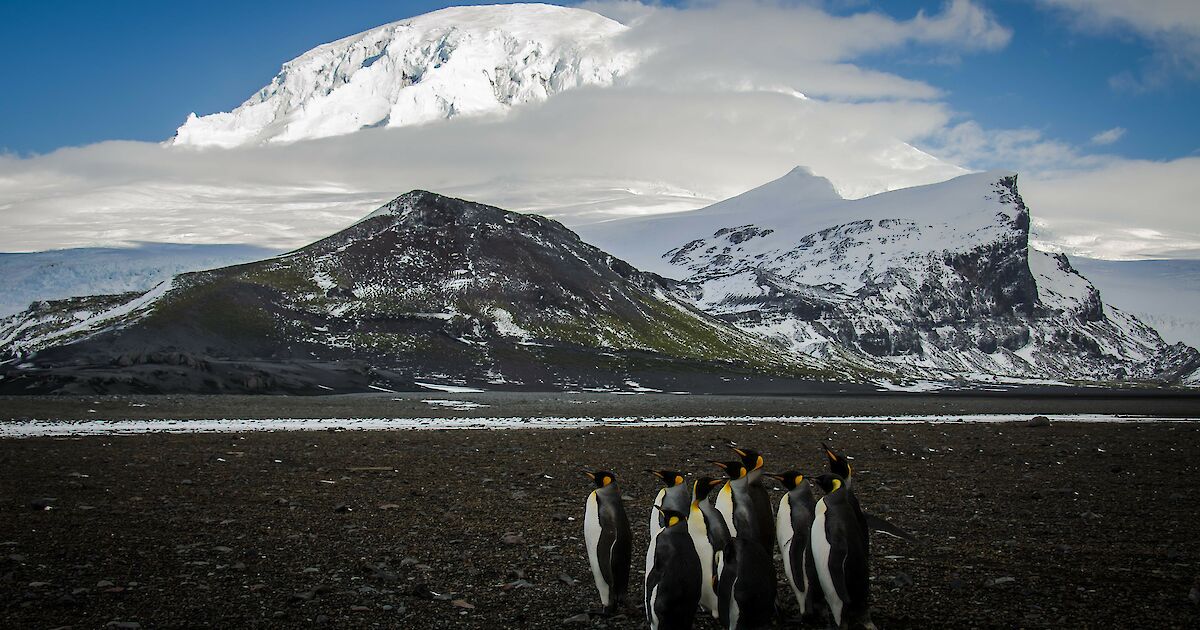
Heard Island and McDonald Islands Marine Reserve Expansion - Governor-General Amendment
The public is being urged to have input on plans to expand the Heard and McDonald Islands Marine Reserve. The islands are located in the Southern Ocean, about 4,000 kilometres south-west of Western Australia, and are the only volcanically active islands in the sub-Antarctic.
Antarctica Gov -
3
Ocean Protection Global Comparison - Countries with 50%+ Designated Protected Waters
Learn how marine protected areas could help marine life recover – and even combat climate change
Rmg Co -
4

National Geographic on Global Ocean Protection Commitments
Giving the ocean space to recover promises to help declining fish populations recover, restore habitat, and help save the climate, according to a new plan to save the seas.
Environment -
5

Conservation Groups Welcome Albanese Government's 30% Highly Protected Commitment
An alliance* of 27 leading environment groups has welcomed the Albanese Government’s announcement on World Oceans Day to achieve 30 per cent of Australia’s oceans in highly protected areas by 2030. “We welcome the Albanese Government’s commitment to fully protect 30% of Australia’s oceans in highly protected sanctuaries,” said Christabel Mitchell, Oceans Director, Pew Charitable
Empower Stories | Build Authority - Drive Impact | Amplify | Influence | Lead | Inspire -
6

75% of Australia's Marine Protected Areas Given Only 'Partial' Protection
Partially protected areas don’t have more wildlife than unprotected areas. They consume conservation resources and occupy space that could otherwise be allocated to more effective protection.
The Conversation -
7
The Ambiguous Role of Partially Protected Marine Protected Areas in Australia: Results from a Systematic Literature Review
Marine protected areas (MPAs) are an important tool in helping to protect biodiversity in the oceans. Recent ratification of the Kunming-Montreal Global Biodiversity Framework (GBF) has ensured that globally we are committed to effectively protecting 30% of the world’s oceans by 2030, in MPAs. In Australia there is considerable interest in the potential benefits that partially protected areas (PPAs) may provide. However, a consistent definition of a PPA is currently lacking, and urgently needed to conduct quantitative analyses of PPAs. We conducted a systematic literature review to understand the current knowledge surrounding PPAs and their potential benefits. We define a PPA, characterise PPA implementation in Australia, and present results for the outcomes of PPAs in terms of ecological, economic, and social indicators. Our review suggests that although 45% of Australia’s marine environment is within MPAs, 61% of MPAs provide only partial protection. The Northern Territory (100%), New South Wales (81%), and Queensland (79.8%) have the highest percentage of MPAs that are partially protected, compared to Tasmania which has the smallest percentage of partially protected MPAs (13.12%). Tasmania also has the smallest percentage cover of MPAs (6.49% state waters). Most PPA management plans did not contain quantifiable Key Performance Indicators (KPIs) to be able to effectively monitor the progress of these PPAs against the stated outcomes. We find the benefits of PPAs to be ambiguous: PPAs generally provide benefits when compared to ‘open’ ocean, however this is not a consistent result. There are no PPAs that provide greater overall benefits when compared to fully protected MPAs. Only one state (South Australia) and the Commonwealth (Australian Marine Parks) are collecting publicly available baseline data to facilitate quantitative monitoring of PPAs. Contrary to fisheries management, there were no plans of action if the declared MPAs and PPAs failed to meet their declared objectives and goals. Some PPAs within Australia appear to be incompatible with conservation priorities according to the recent “MPA Guide” classification framework. This study highlights the need for clearer management rationale and plans for PPAs in Australia, as these comprise the majority of MPAs in Australia’s Exclusive Economic Zone.
Journals Plos -
8
Australia's Marine Protected Areas - Fishing and Mining Allowances
Dpi Nsw Gov
-
9
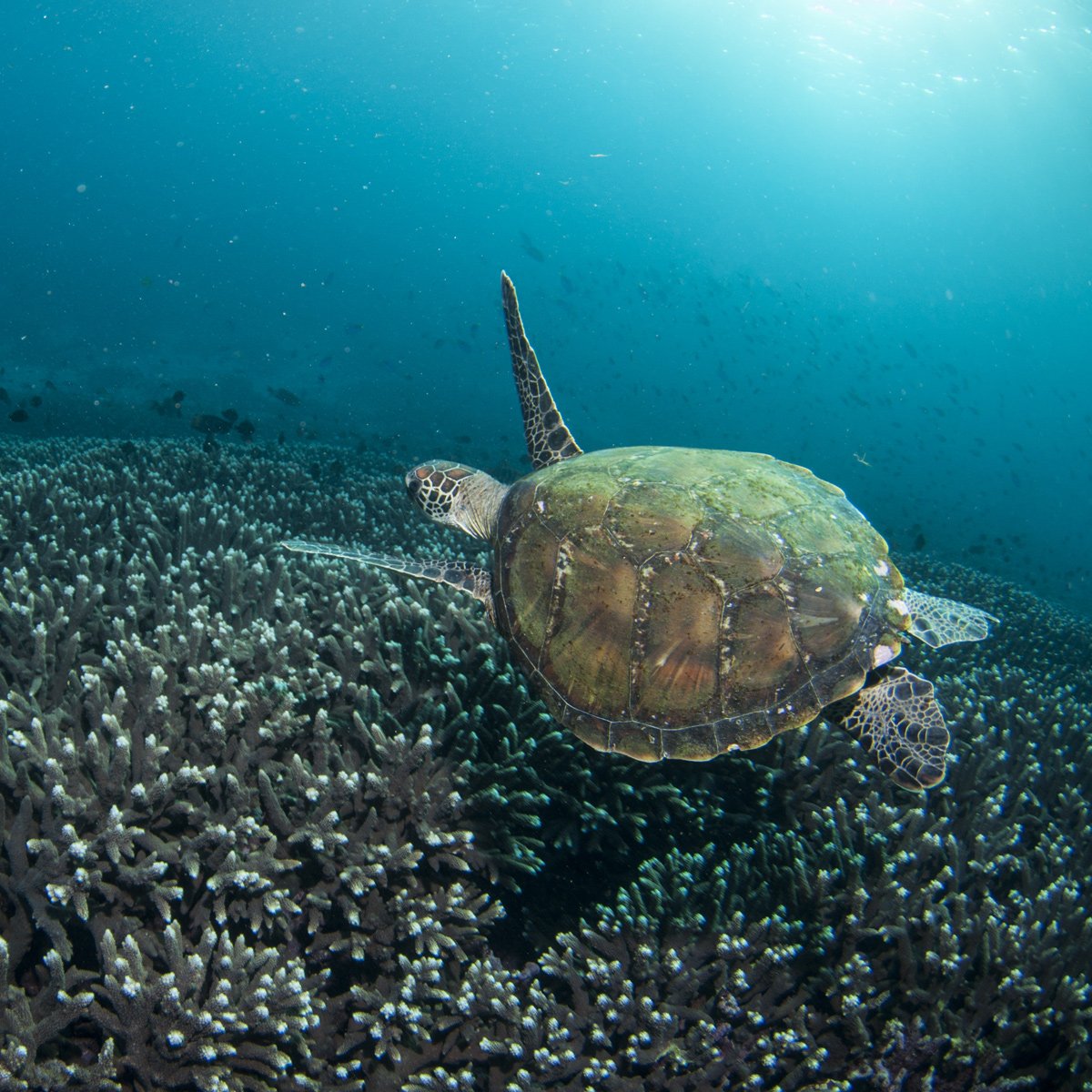
Australian Marine Parks Overview
Australian Marine Parks help conserve marine habitats and the marine species that live within and rely on these habitats. These marine parks also provide places for people to watch wildlife, dive, and go boating, snorkelling and fishing. Importantly, they create jobs in industries like fishing and tourism, and provide us with food and energy.
Australianmarineparks Gov -
10
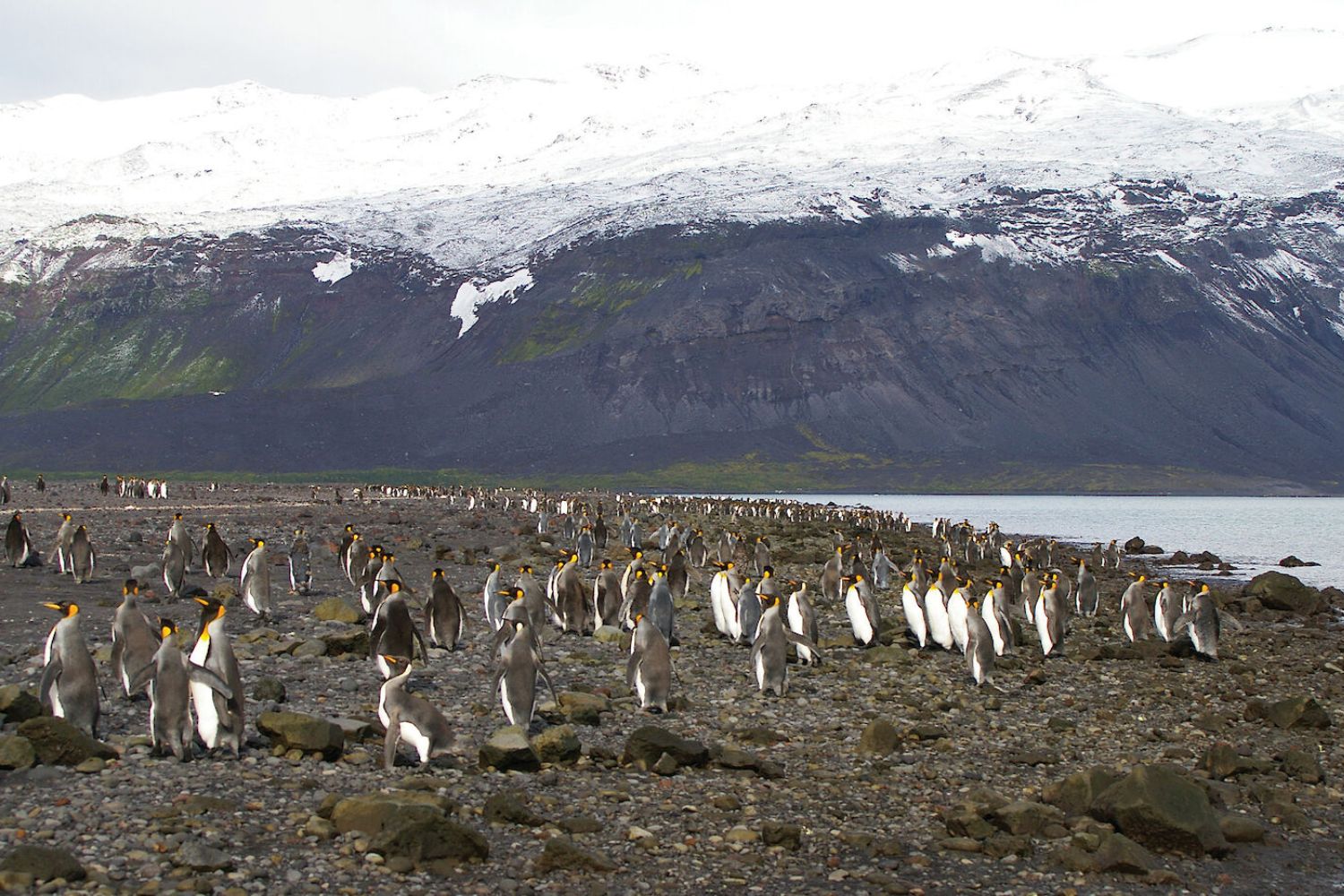
A New Chapter in Ocean Protection - Conservation Groups on Paper Parks
Australia announces expansion of subantarctic marine park but scientists say some areas are not receiving enough protection
greenMe -
11

Australia's Marine (Un)Protected Areas: Government Zoning Bias
Australia needs to drop the deception that square kilometres say anything meaningful about conservation.
The Conversation -
12
AUSTRALIA'S MARINE PROTECTED AREAS: CHALLENGING TIMES AHEAD
Aph Gov
-
13
Australia's Inadequate Marine Protection
Science
-
14
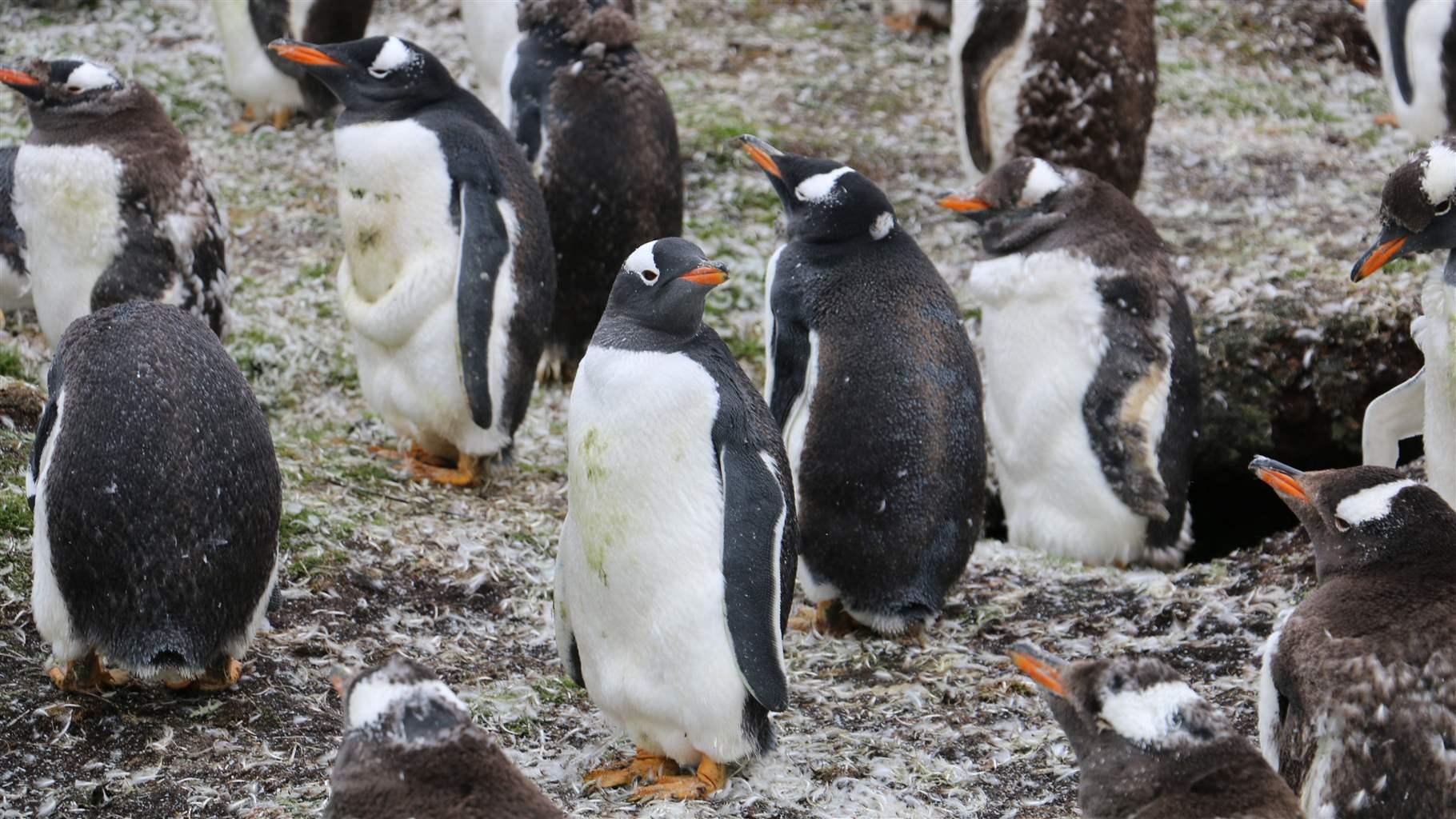
Australian Government Misses Rare Opportunity to Safeguard Globally Important Penguin, Seal and Albatross Feeding Grounds
An alliance of 27 environmental groups today welcomed the expansion of Australia’s Heard Island and McDonald Islands Marine Reserve near Antarctica but said the Albanese Government had missed a rare opportunity to protect key feeding grounds for penguins, seals and albatross.
Pew -
15
Effectiveness of Partially Protected Marine Areas - Fishing and Visitor Experience
Sciencedirect
-
16

Conservation Evidence on Fishing Cessation in MPAs
Conservation Evidence -
17
Just 2.8% of the World's Ocean is 'Effectively' Protected
Governments are falling far short of a pledge to conserve 30% of the ocean by 2030, according to a new report published ahead of COP16.
Earth.Org -
18
Bloomberg Philanthropies Report on Ocean Protection Effectiveness
Bloomberg
Original link no longer available
रेटिंग स्केल कार्यप्रणाली
1-3: गलत
तथ्यात्मक रूप से गलत या दुर्भावनापूर्ण मनगढ़ंत।
4-6: आंशिक
कुछ सच्चाई लेकिन संदर्भ गायब या विकृत है।
7-9: अधिकांशतः सत्य
मामूली तकनीकी बारीकियाँ या शब्दावली संबंधी मुद्दे।
10: सटीक
पूर्ण रूप से सत्यापित और संदर्भ में उचित।
कार्यप्रणाली: रेटिंग आधिकारिक सरकारी रिकॉर्ड, स्वतंत्र तथ्य-जाँच संगठनों और प्राथमिक स्रोत दस्तावेज़ों के क्रॉस-रेफ़रेंसिंग के माध्यम से निर्धारित की जाती हैं।