Parcialmente Verdadero

Calificación: 7.0/10

Labor
8.7

La Afirmación

“Protecciones líderes mundiales para la economía de gig que establecen estándares mínimos”
Fuente Original: Albosteezy

Fuentes Originales

VERIFICACIÓN DE HECHOS

El Gobierno Laborista de Albanese introdujo una legislación líder mundial sobre protecciones para la economía de gig a través de la Ley de Enmienda de Legislación de Trabajo Justo (Cerrando Lagunas No. 2) de 2024 [1].
The Albanese Labor Government did introduce world-leading legislation addressing gig economy protections through the Fair Work Legislation Amendment (Closing Loopholes No. 2) Act 2024 [1].
Desde el 26 de agosto de 2024, los trabajadores de la economía de gig que laboran a través de plataformas digitales (como repartidores de comida y conductores de transporte compartido) ahora están clasificados como "trabajadores similares a empleados" y quedan bajo la jurisdicción de la Comisión de Trabajo Justo [2].
From 26 August 2024, gig economy workers who work through digital platforms (such as food delivery and rideshare drivers) are now classified as "employee-like workers" and fall under the jurisdiction of the Fair Work Commission [2].
La Comisión de Trabajo Justo recibió nuevos poderes para establecer estándares mínimos para estos trabajadores similares a empleados, incluyendo términos relacionados con condiciones de pago, deducciones, tiempo de trabajo, registros, seguros, consultas, representación, derechos de delegados sindicales y recuperación de costos [3].
The Fair Work Commission was granted new powers to set minimum standards for these employee-like workers, including terms relating to payment terms, deductions, working time, record-keeping, insurance, consultation, representation, union delegates' rights and cost recovery [3].
La legislación también introdujo el Código de Desactivación de Plataformas de Trabajo Digital desde el 26 de febrero de 2025, que requiere que las plataformas proporcionen advertencias anticipadas, opciones de contacto humano y un proceso justo antes de desactivar a los trabajadores [4].
The legislation also introduced the Digital Labour Platform Deactivation Code from 26 February 2025, which requires platforms to provide advance warnings, human contact options, and a fair process before deactivating workers [4].
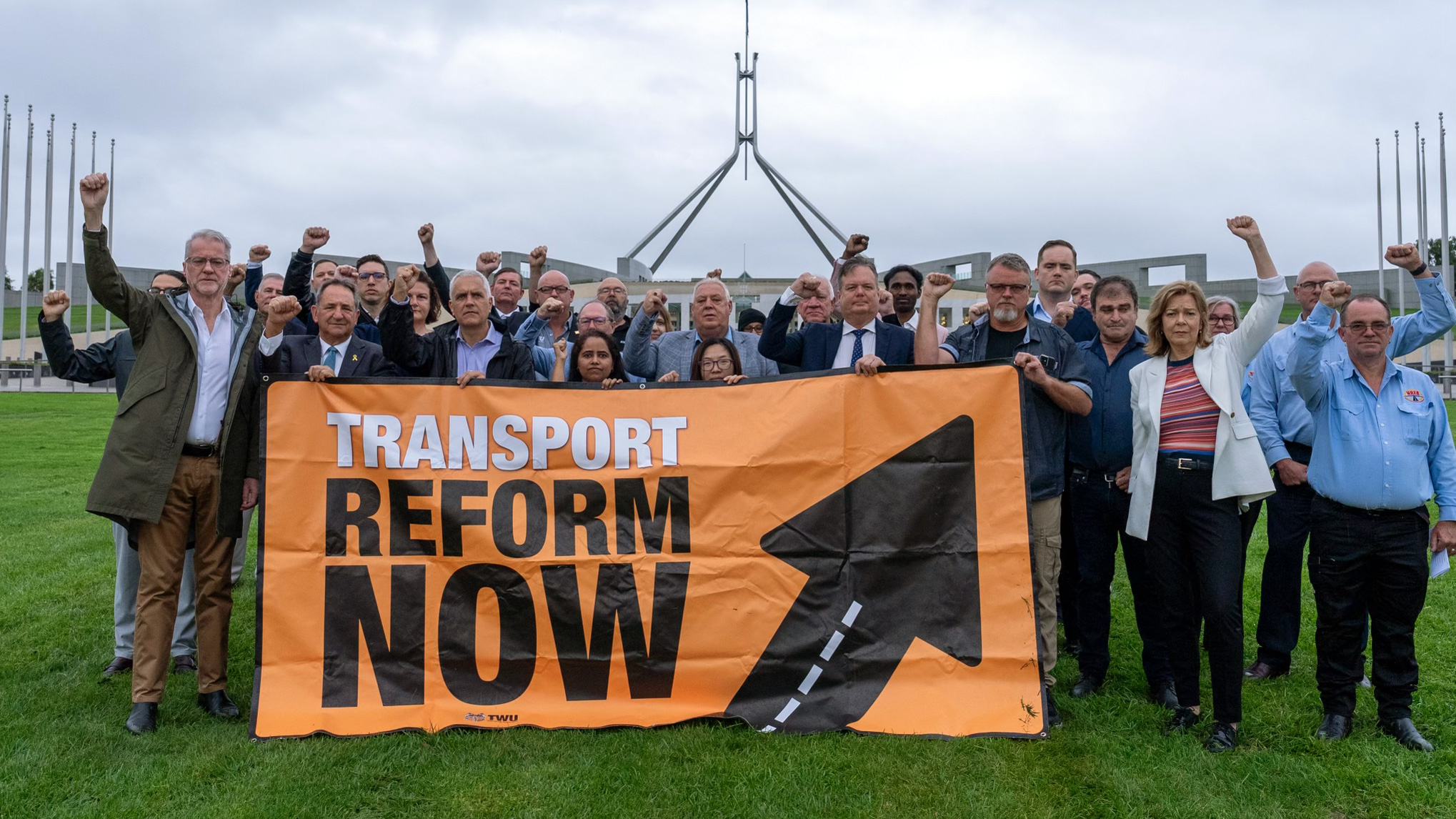
Internacionalmente, la Federación Internacional de Trabajadores del Transporte elogió esta legislación como "líder mundial" [5].
Internationally, the International Transport Workers' Federation commended this legislation as "world leading" [5].
La legislación ha sido reconocida por abordar desafíos que existen en otras naciones; por ejemplo, los trabajadores de la economía de gig en el Reino Unido permanecen clasificados como trabajadores independientes, limitando su acceso a beneficios convencionales de empleados como salario mínimo, licencia por enfermedad y vacaciones pagadas [6].
The legislation has been recognised as addressing challenges that exist in other nations—for example, UK gig workers remain classified as independent workers, limiting their access to conventional employee benefits like minimum wage, sick leave and holiday pay [6].

Contexto Faltante

Si bien la legislación es genuinamente innovadora al establecer una nueva categoría de "trabajadores similares a empleados", la afirmación omite varias limitaciones significativas que reducen su efectividad: **Límites de Clasificación**: Las protecciones solo aplican a trabajadores que cumplen la definición específica de "trabajadores similares a empleados" que dependen de plataformas digitales para una parte sustancial de sus ingresos [7].
While the legislation is genuinely innovative in establishing a new category of "employee-like workers," the claim omits several significant limitations that reduce its effectiveness: **Classification Boundaries**: The protections only apply to workers who meet the specific definition of "employee-like workers" relying on digital platforms for a substantial portion of their income [7].
Esto crea una excepción estrecha; los trabajadores clasificados como empleados genuinos o contratistas independientes genuinos quedan fuera de estas protecciones, lo que significa que una porción sustancial de trabajadores de la economía de gig puede no estar cubierta [8]. **Alcance Limitado de los Estándares**: La Comisión de Trabajo Justo explícitamente no puede establecer estándares para tarifas de horas extras y arreglos de turnos, dos factores críticos que afectan el bienestar de los trabajadores [9].
This creates a narrow carve-out; workers who are classified as genuine employees or genuine independent contractors fall outside these protections, meaning a substantial portion of gig workers may not be covered [8]. **Limited Scope of Standards**: The Fair Work Commission explicitly cannot set standards for overtime rates and rostering arrangements—two critical factors affecting worker welfare [9].
Los estándares de pago mínimo tampoco cubren los "tiempos de espera entre entregas", que pueden constituir períodos extendidos sin pago dependiendo de cuándo y dónde operen los trabajadores [10]. **Ausencia de Derechos de Negociación Colectiva**: La legislación no otorga a los trabajadores de la economía de gig el derecho a negociar colectivamente con las plataformas, lo que significa que no pueden negociar como grupo, una limitación significativa comparada con las protecciones de empleo tradicionales [11].
The minimum pay standards also do not cover "waiting times between deliveries," which can constitute extended unpaid periods depending on when and where workers operate [10]. **Absence of Collective Bargaining Rights**: The legislation does not grant gig workers the right to collectively bargain with platforms, meaning they cannot negotiate as a group—a significant limitation compared to traditional employment protections [11].
Esto limita la capacidad de los trabajadores para abordar colectivamente problemas sistémicos. **Cronograma de Implementación**: La legislación entró en vigencia gradualmente, con estándares mínimos que no comenzaron hasta agosto de 2024 y el Código de Desactivación desde febrero de 2025.
This constrains workers' ability to collectively address systemic issues. **Implementation Timeline**: The legislation came into effect gradually, with minimum standards not beginning until August 2024 and the Deactivation Code from February 2025.
La Comisión de Trabajo Justo tuvo que llevar a cabo su propio proceso para determinar qué estándares mínimos establecer, lo que significa que las protecciones aún se están definiendo más de un año después de la legislación inicial [12]. **Presión Comercial y Exenciones**: Aunque destinada a proteger a los trabajadores, los críticos señalan que imponer costos a la economía de gig podría aumentar la presión sobre pequeñas empresas australianas que ya enfrentan presiones de costo de vida, con exenciones para empleadores con menos de 15 empleados que podrían limitar la cobertura [13].
The Fair Work Commission then had to undertake its own process to determine what minimum standards to set, meaning protections are still being defined more than a year after the initial legislation [12]. **Business Pressure and Exemptions**: While intended to protect workers, critics note that imposing costs on the gig economy could increase pressure on small Australian businesses already facing cost-of-living pressures, with exemptions for employers with fewer than 15 employees potentially limiting coverage [13].

💭 PERSPECTIVA CRÍTICA

La legislación representa una innovación genuina en la ley laboral: Australia tomó un enfoque diferente al de la mayoría de los países al crear una categoría intermedia de trabajador en lugar de forzar una clasificación binaria de empleado/contratista [14].
The legislation represents a genuine innovation in employment law—Australia did take a different approach than most countries by creating a middle category of worker rather than forcing a binary employee/contractor classification [14].
El respaldo de la Federación Internacional de Trabajadores del Transporte indica el reconocimiento internacional del enfoque [15].
The International Transport Workers' Federation's endorsement indicates international recognition of the approach [15].
Sin embargo, el marco de "líder mundial" oscurece las limitaciones.
However, the "world-leading" framing obscures the limitations.
La afirmación se centra en el *diseño* siendo líder mundial pero omite que las *protecciones* reales son más limitadas que los derechos convencionales de empleo.
The claim focuses on the *design* being world-leading but omits that the actual *protections* are narrower than conventional employment rights.
Los trabajadores de la economía de gig aún carecen de: - Derechos de negociación colectiva (que los empleados tradicionales tienen) [16] - Protecciones de horas extras - Cobertura para tiempo de espera/ocio - La seguridad del empleo continuo (la Comisión de Trabajo Justo solo puede ordenar estándares mínimos, no garantizar trabajo) Comparado con los pares de la OCDE, el enfoque de Australia es innovador pero aún así inferior a la protección laboral plena [17].
Gig workers still lack: - Collective bargaining rights (which traditional employees have) [16] - Overtime protections - Coverage for waiting/idle time - The security of ongoing employment (the Fair Work Commission can only order minimum standards, not guarantee work) Compared to OECD peers, Australia's approach is innovative but still falls short of full employment protection [17].
Países como Francia han tomado enfoques diferentes; por ejemplo, la Loi d'Avenir (Ley del Futuro) de Francia otorgó algunas protecciones sociales a los trabajadores de plataformas mientras mantenía su estatus de contratistas [18].
Countries like France have taken different approaches—for example, France's Loi d'Avenir (Future Law) granted some social protections to platform workers while still maintaining contractor status [18].
El problema más significativo es que la legislación aún deja a los trabajadores de la economía de gig como "no empleados" con protecciones contractuales en lugar de darles el estatus real de empleados.
The most significant issue is that the legislation still leaves gig workers as "non-employees" with contractual protections rather than giving them actual employee status.
Esto significa que ellos: - Siguen asumiendo los riesgos comerciales ellos mismos - No reciben licencia pagada, contribuciones de superannuación al mismo nivel, u otros beneficios tradicionales de empleados - Deben confiar en que la Comisión de Trabajo Justo determine qué estándares mínimos aplican (en lugar de tenerlos automáticamente como empleados) La afirmación es por lo tanto **técnicamente precisa** pero **estratégicamente formulada** para enfatizar el logro legislativo en lugar de las protecciones vividas por los trabajadores.
This means they: - Still bear business risks themselves - Don't receive paid leave, superannuation contributions to the same level, or other traditional employee benefits - Must rely on the Fair Work Commission to determine what minimum standards apply (rather than having these automatically as employees) The claim is therefore **technically accurate** but **strategically framed** to emphasize the legislative achievement rather than the lived protections for workers.
La legislación es líder mundial en su *enfoque* al problema de clasificación, pero las protecciones reales para trabajadores permanecen intermedias entre el empleo tradicional y la independencia completa.
The legislation is world-leading in its *approach* to the classification problem, but the actual worker protections remain intermediate between traditional employment and complete independence.

PARCIALMENTE VERDADERO

7.0

/ 10

La legislación es genuinamente innovadora y ha recibido reconocimiento internacional, estableciendo estándares únicos en el mundo para una nueva categoría de trabajadores.
The legislation is genuinely innovative and has received international recognition, setting world-first standards for a new worker category.
Sin embargo, la afirmación exagera el alcance protector al implicar que son protecciones integrales equivalentes al empleo tradicional, cuando de hecho representan un punto intermedio con limitaciones significativas.
However, the claim overstates the protective scope by implying these are comprehensive protections equivalent to traditional employment, when in fact they represent a middle ground with significant limitations.

📚 FUENTES Y CITAS (18)

  1. 1
    ministers.dewr.gov.au

    Fair Work Legislation Amendment (Closing Loopholes No. 2) Act 2024

    Ministers Dewr Gov

  2. 2
    Gig workers get minimum standards from Monday. Here's what will change

    Gig workers get minimum standards from Monday. Here's what will change

    From Monday gig workers will be classified as ‘employee-like workers’ and given many of the protections afforded to employees, but not all.

    The Conversation
  3. 3
    New Australian Legislation to Protect Gig Workers

    New Australian Legislation to Protect Gig Workers

    The Australian government has introduced new legislation to protect gig workers. Find out about the changes and what you need to do as a business owner.

    Peninsula Australia
  4. 4
    ministers.dewr.gov.au

    Right to disconnect among many increased benefits for workers starting today

    Ministers Dewr Gov

  5. 5
    Australia passes world-first reform to raise standards for gig economy and transport workers

    Australia passes world-first reform to raise standards for gig economy and transport workers

    The Australian Senate has today passed world-leading legislation that enforces minimum standards for gig economy and road transport workers. The bill is on track to pass the House on Monday.

    Itfglobal
  6. 6
    Australia reshapes gig economy rules with new worker protections

    Australia reshapes gig economy rules with new worker protections

    New rights, new codes, and new scrutiny. From pay standards to deactivation protections, 2025 marks a turning point for gig economy regulation – and a new challenge for platforms and regulators alike.

    The Modern Regulator
  7. 7
    The Closing Loopholes Acts – what's changing

    The Closing Loopholes Acts – what's changing

    The Fair Work Commission is Australia's workplace tribunal. We create awards, approve enterprise agreements and help resolve issues at work.

    Fwc Gov
  8. 8
    Australia Fair Work Legislation Amendment Further Protects Australia

    Australia Fair Work Legislation Amendment Further Protects Australia

    Australia Labor, Employment, and Workplace Safety Alert The Federal Government recently introduced the latest in a series of workplace reforms into Federal Parliament. The Fair Work Legislation Amendment (Closing Loopholes) Bill 2023 (the Bill), proposes further amendments to the Fair Work Act 2009 (FW Act) and Work Health and Safety Act 2011 (WHS Act) to close “loopholes” to protect Australian workers and strengthen the work health and safety framework. 

    The National Law Review
  9. 9
    fairwork.gov.au

    Minimum standards for contractors

    Fairwork Gov

  10. 10
    Progress but questions still unanswered for gig economy workers

    Progress but questions still unanswered for gig economy workers

    Gig economy workers in Australia are on the brink of a landmark agreement on pay and conditions. But crucial questions remain unanswered.

    Thenewdaily Com
  11. 11
    New rights and protections for gig economy workers

    New rights and protections for gig economy workers

    Thanks to new laws which union members won this year, gig economy workers are entitled to the pay, rights and benefits that other workers enjoy.

    Australian Unions
  12. 12
    ministers.dewr.gov.au

    Australia leading the world with gig worker protections

    Ministers Dewr Gov

  13. 13
    Riding the Waves of Change: New Regulation for Gig-Economy Workers

    Riding the Waves of Change: New Regulation for Gig-Economy Workers

    By Fiona Waring With the rise of digital labour platforms in recent years, the regulation of the workers operating on these platforms (often referred to as “gig-economy” workers) has become a contentious issue in Australia. Gig-economy work often involves workers completing certain “on demand” tasks for consumers via digital labour platforms, such as ride share […]

    HLS Legal
  14. 14
    The Gig Economy And Australian Law: What's Next? (2025 Updated)

    The Gig Economy And Australian Law: What's Next? (2025 Updated)

    The gig economy has grown significantly in Australia. Are the current laws in Australia providing enough protection for gig workers?

    Sprintlaw
  15. 15
    dewr.gov.au

    Extend the Powers of the Fair Work Commission to Include 'Employee-Like' Forms of Work

    Dewr Gov

  16. 16
    Closing Loopholes Bill: Gig economy provisions still subject to change

    Closing Loopholes Bill: Gig economy provisions still subject to change

    Holdingredlich
  17. 17
    Australia Leading World With Gig Worker Protections

    Australia Leading World With Gig Worker Protections

    The Albanese Labor Government welcomes the deal reached between the Transport Workers Union (TWU), Uber and Doordash, which is now before the Fair

    Mirage News
  18. 18
    New Australian Legislation to Protect Gig Workers - Employsure

    New Australian Legislation to Protect Gig Workers - Employsure

    A landmark bill titled “Closing Loopholes” comes into effect on November 1, 2024, giving gig workers the right to better pay and other minimum employment standards. Find out about the changes and what you need to do as a business owner.

    Employsure

Metodología de la Escala de Calificación

1-3: FALSO

Fácticamente incorrecto o fabricación maliciosa.

4-6: PARCIAL

Algo de verdad pero falta contexto o está sesgado.

7-9: MAYORMENTE VERDADERO

Tecnicismos menores o problemas de redacción.

10: PRECISO

Perfectamente verificado y contextualmente justo.

Metodología: Las calificaciones se determinan mediante la verificación cruzada de registros gubernamentales oficiales, organizaciones independientes de verificación de hechos y documentos de fuentes primarias.