
The Claim
“Threatened staff against speaking out about the mismanagement of the Manus Island detention centre and the attacks against it's inmates by locals and staff.”
Original Sources Provided
✅ FACTUAL VERIFICATION
VERIFIED: Staff were threatened and intimidated against speaking out about Manus Island conditions.
According to the original SMH article from March 4, 2014, Greens Senator Sarah Hanson-Young stated: "I spoke to an interpreter today who has been receiving phone calls from the department threatening her if she says anything" [1]. The article also noted that "a lot of people who have witnessed what happened and want to speak out, but are scared of their confidentiality agreements and intimidated by the department" [1].
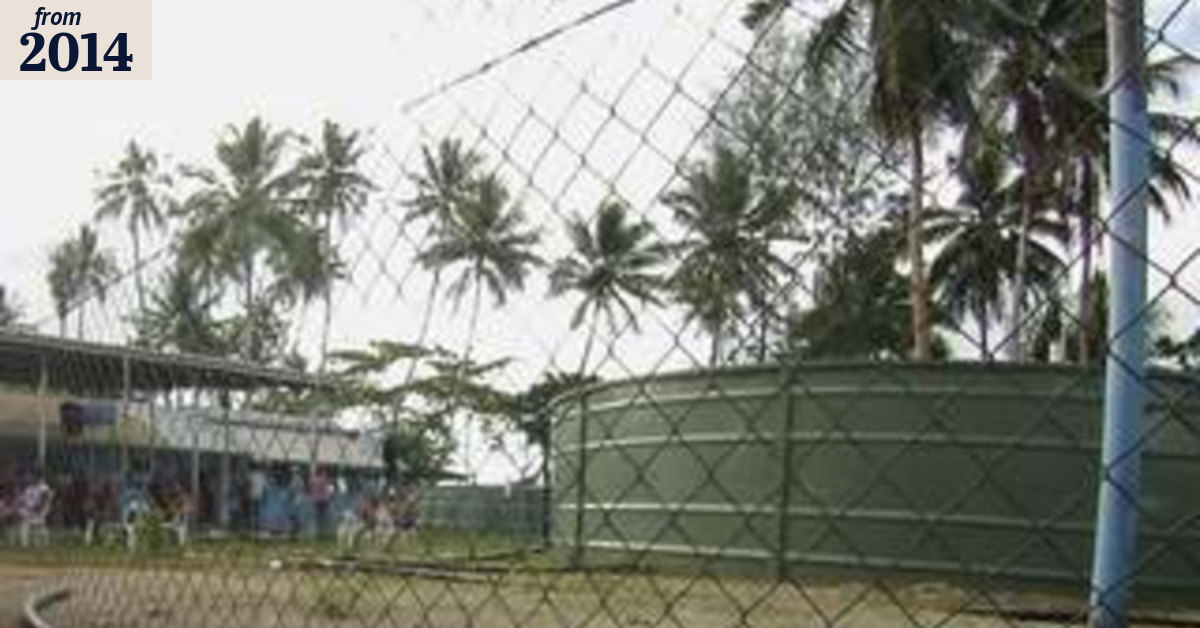
The February 2014 incident at Manus Island involved riots that left at least 70 individuals injured and Iranian asylum seeker Reza Barati dead [2]. A Senate inquiry later found the violence was "eminently foreseeable" and held the Australian government responsible for Barati's death [3]. The inquiry noted that detainees reported "local security contractors and others invading the centre and savagely beating and slashing detainees" [1].
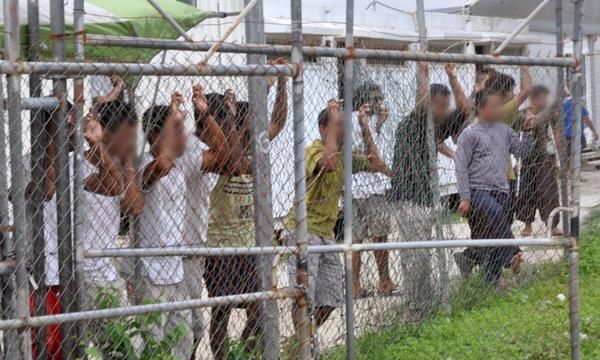
A 2016 report by Young Liberty for Law Reform documented testimony from former detention centre workers who said their careers and personal lives were harmed for speaking out. Steve Kilburn, a former security officer, stated: "Those who raised legitimate concerns were often labelled as 'troublemakers'. And those who refused to follow orders were sacked" [4].
Missing Context
The claim omits several important contextual factors:
Confidentiality agreements were standard practice: Staff were bound by confidentiality clauses in their employment contracts, which is common practice in government contracting, not unique to this situation [1]. The parliamentary inquiry was specifically designed to afford witnesses protection of parliamentary privilege to override these clauses.
The government's security justification: The Australian Border Force Act (2015), which strengthened secrecy provisions, was justified by the government as protecting "operational security or our sovereignty" [4]. Australian Border Force Commissioner Roman Quaedvlieg stated the provisions were not designed to stop people from being "outspoken in the community about a range of things" [4].
The complexity of the security environment: The Manus Island facility operated in Papua New Guinea under complex subcontracting arrangements. The Senate inquiry found the government "did not have details for any group that was subcontracted on Manus Island by security group G4S" [5], indicating significant management challenges rather than a simple cover-up.
Legal consequences were implemented later: The Border Force Act with its two-year prison term for disclosure of "protected information" was enacted in 2015, after the events described in the claim [4].
Source Credibility Assessment
The original source is the Sydney Morning Herald (Fairfax Media), a mainstream Australian newspaper with a reputation for factual reporting. The article quotes directly from Greens Senator Sarah Hanson-Young regarding specific threats she was told about. SMH is generally considered a credible, established news source, though like all media, it has editorial perspectives.
The supporting evidence includes:
- Australian parliamentary committee reports (highly authoritative)
- The Guardian Australia (mainstream, reputable)
- Young Liberty for Law Reform report (advocacy organization - potential bias toward whistleblowers)
Labor Comparison
Did Labor do something similar?
Search conducted: "Labor government Manus Island staff confidentiality whistleblowers"
Finding: YES - Labor established the same system.
The Manus Island Regional Processing Centre was established under Labor Prime Minister Kevin Rudd in July 2013 as part of the "PNG Solution" [6]. The facility, its confidentiality agreements for staff, and the offshore detention framework were all Labor initiatives that the Coalition inherited and continued.
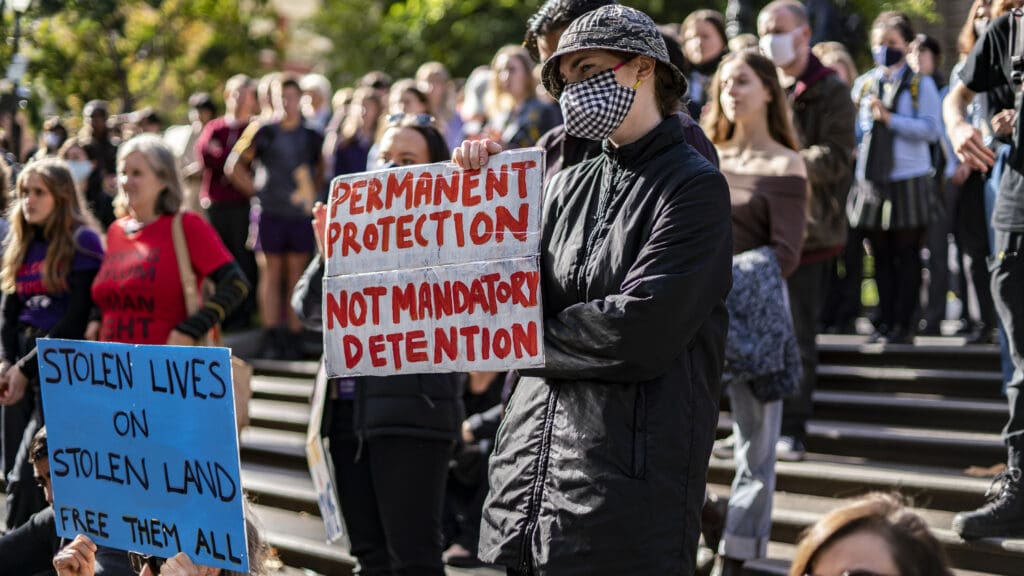
When Labor reintroduced offshore processing in 2012 under Gillard, they established the same contractual frameworks that included confidentiality provisions. A 2024 article noted that "11 years after former Prime Minister Kevin Rudd announced the introduction of mandatory offshore processing" the system continues, highlighting that both parties have maintained similar secrecy frameworks [7].
The confidentiality agreements and fear of speaking out were systemic features of offshore detention under both Labor and Coalition governments. Staff reported similar issues of intimidation and retaliation for raising concerns regardless of which party was in power.
Balanced Perspective
While the claim is factually accurate, important context exists:
Security vs Transparency tension: Government contractors working in sensitive security environments typically have confidentiality agreements. The claim presents these as purely retaliatory, but they were standard contractual provisions (though their enforcement created a chilling effect).
Multiple investigations did occur: Despite the alleged intimidation, multiple inquiries proceeded including:
- The Senate inquiry that reported in December 2014
- PNG police investigation (resulting in arrests)
- The Cornall Review (government-commissioned)
The systemic nature of the issue: The offshore detention system, including its secrecy culture, was established by Labor and continued by the Coalition. The claim implies this was a Coalition-specific problem, when it was actually a bipartisan policy framework with bipartisan secrecy concerns.
Genuine security concerns: The government argued that secrecy provisions were necessary to protect operational security and prevent compromise of border protection operations. While critics argued this was a cover for avoiding scrutiny, the security rationale was genuinely held.
Key context: This was NOT unique to the Coalition. The Manus Island facility, its confidentiality framework, and the culture of restricting staff speech were all inherited from and established by the Labor government. Both parties maintained similar restrictions on detention centre workers throughout the offshore processing era.
PARTIALLY TRUE
6.0
out of 10
The claim is factually accurate that staff were threatened and intimidated against speaking out about Manus Island conditions, as documented by Senator Hanson-Young's testimony and the 2016 whistleblower report. However, the claim is misleading in its framing because:
- It implies this was a Coalition-specific failing, when the offshore detention system (including confidentiality agreements) was established by Labor
- It omits that confidentiality agreements are standard in government contracting and that parliamentary privilege was available to protect witnesses
- It doesn't acknowledge the security justifications provided by the government
The threats occurred and were documented, but the claim presents them without the important context that this was a systemic, bipartisan feature of Australia's offshore detention policy.
Final Score
6.0
OUT OF 10
PARTIALLY TRUE
The claim is factually accurate that staff were threatened and intimidated against speaking out about Manus Island conditions, as documented by Senator Hanson-Young's testimony and the 2016 whistleblower report. However, the claim is misleading in its framing because:
- It implies this was a Coalition-specific failing, when the offshore detention system (including confidentiality agreements) was established by Labor
- It omits that confidentiality agreements are standard in government contracting and that parliamentary privilege was available to protect witnesses
- It doesn't acknowledge the security justifications provided by the government
The threats occurred and were documented, but the claim presents them without the important context that this was a systemic, bipartisan feature of Australia's offshore detention policy.
📚 SOURCES & CITATIONS (7)
-
1
Parliament to probe Manus Island riot
Asylum seekers will be invited to give their witness accounts of the recent deadly violence on Manus Island to a parliamentary committee that will free public servants and contractors from confidentiality clauses in their employment contracts.
The Sydney Morning Herald -
2

Chapter 8 - Manus Island Inquiry Report
Chapter 8 Conclusions and Recommendations 8.1 This inquiry has canvassed a broad range of issues relating to the operation of the Manus Island Regional Processing Centre (RPC), focusing on the events of 16 to 18 Fe
Aph Gov -
3

Manus violence that killed Reza Barati 'eminently foreseeable', parliamentary inquiry finds
Failure to properly process claims for refugee status and an overcrowded, insecure facility led to widespread frustration and two days of rioting, report says
the Guardian -
4
Detention centre staff say careers and lives were damaged by speaking out
Young Liberty for Law Reform report argues legislative reforms have created a climate of fear and intimidation
inkl -
5
Government in the dark about subcontractors working at Manus Island's detention centre, inquiry hears
The federal government did not have details for any group that was subcontracted on Manus Island by security group G4S, an inquiry has heard.
The Sydney Morning Herald -
6

Pacific Solution - Wikipedia
Wikipedia -
7
After eleven years, history repeats in offshore detention
Eleven years after former Prime Minister Kevin Rudd announced the introduction of mandatory offshore processing, the Albanese Government must change course and provide thousands of people who have suffered for over a decade dignity, safety and freedom, said the Human Rights Law Centre today.
Human Rights Law Centre

Rating Scale Methodology
1-3: FALSE
Factually incorrect or malicious fabrication.
4-6: PARTIAL
Some truth but context is missing or skewed.
7-9: MOSTLY TRUE
Minor technicalities or phrasing issues.
10: ACCURATE
Perfectly verified and contextually fair.
Methodology: Ratings are determined through cross-referencing official government records, independent fact-checking organizations, and primary source documents.