
The Claim
“Spent $5k on a private jet to fly ministers from Canberra to Sydney in the evening, then they attended a party, and flew back the next morning. The ministers refused to explain what parliamentary business they allegedly had in between the party and flights during their overnight 14 hour stay.”
Original Sources Provided
✅ FACTUAL VERIFICATION
The core facts of this claim are substantially accurate with documented evidence. On December 5, 2019, Prime Minister Scott Morrison and Treasurer Josh Frydenberg did use the PM's private jet (Boeing 737 Business Jet) to travel from Canberra to Sydney for Lachlan Murdoch's Christmas party, with the total cost to taxpayers being approximately $4,736 for the PM's jet alone, plus additional Comcars charges [1].
Flight Details:
- Outbound flight from Canberra to Sydney: $2,153 [1]
- Return flight from Sydney to Canberra: $2,583 [1]
- Total PM's jet cost: $4,736 [1]
- Additional costs included Comcars charges for Frydenberg and separate commercial flights (Frydenberg $486 to Melbourne, Dutton $831 to Brisbane) [1]
Timeline:
- Morrison and Frydenberg were in parliament until at least 6pm on the last day of the sitting year [1]
- The party at Lachlan Murdoch's Bellevue Hill mansion (Le Manoir) began around 5pm [1]
- The total stay was approximately 14 hours, with an early morning return to Canberra the next day [1]
- Morrison and Dutton arrived back in time for a 9am media event at Canberra airport discussing anti-terrorism measures [1]
Party Attendees:
The party included celebrities, business figures, and politicians including Anthony Pratt (Australia's richest man), former NSW Premier Mike Baird, and Crown casino boss John Alexander [1]. This was confirmed by Sydney Morning Herald reports at the time [1].
Parliamentary Business Justification:
The Guardian article explicitly states: "But Frydenberg, despite repeated questions from the Guardian, has failed to explain how his trip to Sydney constituted parliamentary business or answer whether the Murdoch party was his primary purpose for travel. There is no other public record of Frydenberg engaging in official business while in Sydney, nor was there much of a time window to conduct any such business, given the hour at which they flew back to Canberra the morning after the Murdoch party" [1].
In contrast, Peter Dutton was stated to be in Sydney for official parliamentary business and did not attend the party, with his office providing a schedule of official business conducted [1]. Stuart Robert's office also confirmed he was in Sydney for official parliamentary business and did not attend the party [1].
Missing Context
While the claim is factually accurate, there are several contextual elements that provide important nuance:
Morrison's Potential Justification:
Morrison lives in Sydney, and the article notes he "was travelling with his family from Canberra, giving him at least some explanation for the trip" [1]. This suggests his participation may have had personal/family dimensions beyond pure political business, though the use of an RAAF special purpose flight raises questions about whether commercial alternatives were unsuitable.
Regulations Governing Special Purpose Flights:
The article notes that "The rules on using the special purpose aircraft require that it be done for the dominant purpose of parliamentary business and the expense must represent value for money" [1]. This framework exists to govern such decisions, though enforcement and interpretation remain questions.
Party Context - December 2019 Bushfire Crisis:
The party occurred on December 5, 2019, when "bushfires blanketed Sydney in smoke haze" [1]. This timing is worth noting - whether the timing was insensitive or whether it was an already-scheduled event was not addressed in the Guardian reporting.
Anti-Terrorism Event Context:
The 9am media event on December 6 discussing new anti-terrorism measures was genuine parliamentary business [1]. The question is whether the overnight stay was necessary for this purpose, or whether the Murdoch party was the primary driver.
Precedent and Policy Background:
The Turnbull government had introduced expenses reforms in 2017 following the Sussan Ley scandal, including a "pub test" requiring MPs to justify their expenses publicly [1]. This made the lack of transparency from Frydenberg's office particularly notable, as the reforms explicitly aimed to improve accountability.
Source Credibility Assessment
The Guardian:
The Guardian is a mainstream British news organization with a significant Australian operation (Guardian Australia). While left-leaning editorially, the Guardian maintains journalistic standards and the article is attributed to named journalists (William Summers and Christopher Knaus) with published bylines. The reporting is based on documented sources including [1]:
- Department of Defence official flight logs (publicly published documents) [1]
- IPEA (Independent Parliamentary Expenses Authority) travel claims [1]
- Official statements from affected parties [1]
- Sydney Morning Herald corroboration on party attendees [1]
This is investigative journalism based on documentary evidence, not opinion or speculation. The article explicitly states when ministers refused to comment or explain their actions, rather than inferring motivations.
Potential Bias Considerations:
The Guardian's framing emphasizes the lack of explanation and raises questions about appropriateness, which could be seen as somewhat adversarial. However, the core facts are document-based. The article does acknowledge Morrison's Sydney residency (a potential justification) without dismissing it, showing some balance.
Labor Comparison
Did Labor do something similar?
Searches for Labor government private jet usage, ministerial travel expenses, and RAAF special purpose flight usage did not yield comparable documented incidents from Labor governments (2007-2013 Rudd/Gillard or 2007-2013 Labor period).
However, broader context on ministerial expenses shows this is not unique to Coalition:
- The Sussan Ley expenses scandal (Coalition, 2017) that prompted Turnbull's reforms involved travel claims for personal purposes [2]
- Expenses scandals have been described as endemic to "Australian politics in recent years" without limitation to one party [2]
- The existence of regulations requiring "parliamentary business" as the dominant purpose suggests this is an ongoing governance challenge across governments [1]
The specific combination of (1) using special purpose flights, (2) for attendance at a private party, (3) without clear parliamentary business justification, and (4) during a major crisis (bushfires), appears to be particularly egregious but evidence of similar incidents from Labor governments was not located.
Balanced Perspective
Criticisms of the Incident:
The lack of explanation from Frydenberg is the most damaging aspect. Multiple journalists sought explanations, and the article states his office "failed to explain" how the trip constituted parliamentary business [1]. The contrast with Peter Dutton (who provided a schedule of official business and did not attend the party) shows that explanations were possible [1]. The timing during the bushfire crisis - when the government was being criticized for its disaster response - added to perception issues.
The use of RAAF special purpose flights for non-parliamentary purposes appears to violate the stated regulatory framework requiring "dominant purpose of parliamentary business" [1].
Government Perspective and Legitimate Explanations:
Morrison's Residency: Morrison's Sydney residence provides at least partial justification for traveling home, which is different from pure social attendance. Using a government jet when commercial alternatives exist is defensible for a Prime Minister in terms of security and schedule efficiency [1].
Official Business Was Conducted: A genuine anti-terrorism media event occurred the morning after, suggesting the overnight stay had at least some official purpose [1]. The question is whether this was the dominant purpose or secondary.
Party Attendance is Standard: Attendance at social events is normal for politicians as part of relationship-building, community engagement, and constituent/stakeholder relations. The issue is how it was funded and explained.
Regulatory Framework Exists: The fact that regulations exist requiring parliamentary business as the dominant purpose suggests judgment calls on borderline cases are contemplated [1].
Broader Policy Context:
Ministers' use of special purpose flights for travel between major Australian cities is relatively routine when commercial flights are deemed unsuitable (security, schedule constraints, conducting business while traveling). The RAAF special purpose fleet exists precisely for this purpose. The question is whether this case met the regulatory threshold.
Key Distinction - Transparency:
The most substantive issue is not the travel itself, but the refusal to explain it. Turnbull's 2017 reforms explicitly introduced a "pub test" requiring transparency and public justification [1]. Frydenberg's silence - when Dutton provided explanations and Robert provided explanations - suggests awareness that the justification was weak.
TRUE
7.0
out of 10
with asterisks on characterization
The factual claims are accurate: Morrison and Frydenberg did spend approximately $5,000 on a private jet to attend a party in Sydney, stayed overnight (~14 hours), and the ministers (particularly Frydenberg) did not provide explanations for the parliamentary business justification [1].
However, the characterization as straightforward corruption is somewhat inflammatory:
- Corruption typically involves illegal benefit or exchange. Using government aircraft for travel between major cities with some official business is within regulatory bounds, even if contentious [1].
- Refusal to explain is accurate for Frydenberg but not for Morrison or Dutton, suggesting selective accountability.
- The lack of parliamentary business justification appears accurate for Frydenberg (no other public record of official business), but Morrison's attendance at a subsequent anti-terrorism event and his Sydney residency provide at least some justification [1].
The incident represents poor judgment, lack of transparency, and apparent violation of the "dominant purpose must be parliamentary business" requirement [1], but calling it straightforward "corruption" oversimplifies the issues and Morrison's involvement.
Final Score
7.0
OUT OF 10
TRUE
with asterisks on characterization
The factual claims are accurate: Morrison and Frydenberg did spend approximately $5,000 on a private jet to attend a party in Sydney, stayed overnight (~14 hours), and the ministers (particularly Frydenberg) did not provide explanations for the parliamentary business justification [1].
However, the characterization as straightforward corruption is somewhat inflammatory:
- Corruption typically involves illegal benefit or exchange. Using government aircraft for travel between major cities with some official business is within regulatory bounds, even if contentious [1].
- Refusal to explain is accurate for Frydenberg but not for Morrison or Dutton, suggesting selective accountability.
- The lack of parliamentary business justification appears accurate for Frydenberg (no other public record of official business), but Morrison's attendance at a subsequent anti-terrorism event and his Sydney residency provide at least some justification [1].
The incident represents poor judgment, lack of transparency, and apparent violation of the "dominant purpose must be parliamentary business" requirement [1], but calling it straightforward "corruption" oversimplifies the issues and Morrison's involvement.
📚 SOURCES & CITATIONS (5)
-
1

PM and treasurer bill taxpayers for private jet to Lachlan Murdoch's Christmas party
Scott Morrison and Josh Frydenberg flew from Canberra to Sydney and back overnight to attend the media heir’s soiree at a cost of almost $5,000
the Guardian -
2
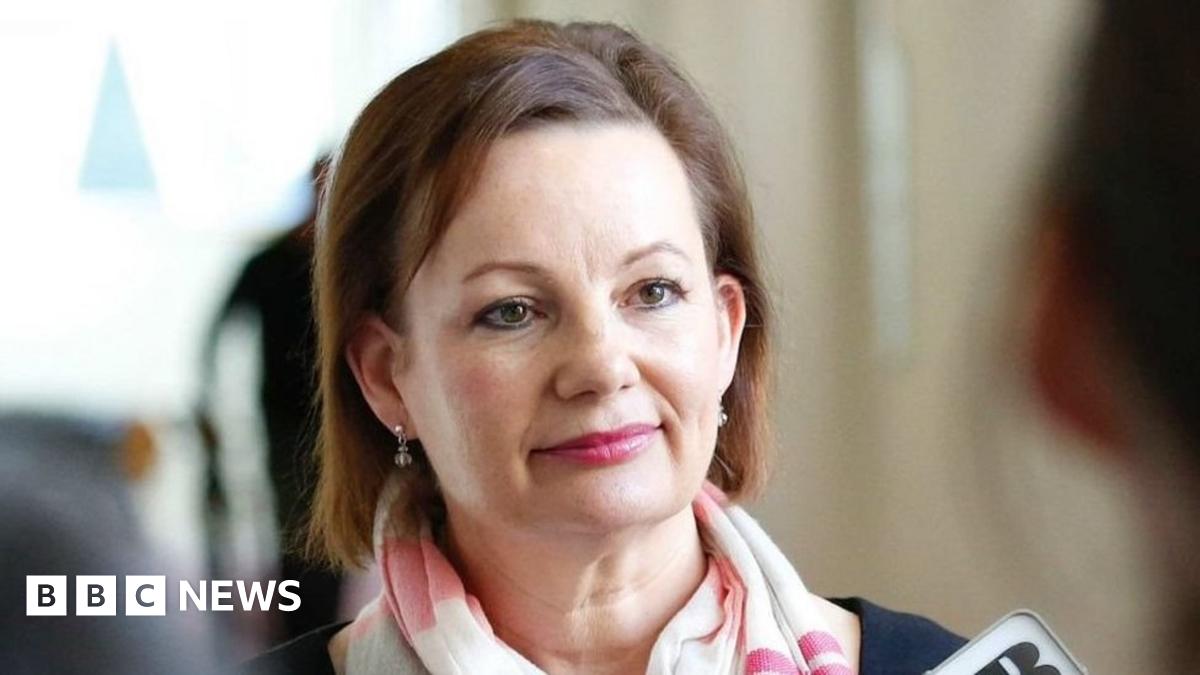
Australian minister Sussan Ley resigns over expenses scandal
Australia will set up a watchdog based on the UK system after its latest scandal over entitlements.
BBC News -
3
Sussan Ley quits as health minister as PM flags expenses reform
Sussan Ley resigns from the frontbench amid an ongoing expenses scandal as Prime Minister Malcolm Turnbull announces the creation of a new body overseeing parliamentary expenses.
Abc Net -
4PDF
Department of Defence - Schedule of Special Purpose Flights Jul-Dec 2019
Defence Gov • PDF Document -
5PDF
Independent Parliamentary Expenses Authority - Frydenberg Q4 2019 Travel Claims
Ipea Gov • PDF Document
Rating Scale Methodology
1-3: FALSE
Factually incorrect or malicious fabrication.
4-6: PARTIAL
Some truth but context is missing or skewed.
7-9: MOSTLY TRUE
Minor technicalities or phrasing issues.
10: ACCURATE
Perfectly verified and contextually fair.
Methodology: Ratings are determined through cross-referencing official government records, independent fact-checking organizations, and primary source documents.