
The Claim
“Approved 3 new coal mines with record speed, and rejected new solar and wind farms with record speed.”
Original Sources Provided
✅ FACTUAL VERIFICATION
The claim references three coal mines approved by Environment Minister Sussan Ley in 2021: Vickery Extension (Whitehaven Coal), Mangoola (Glencore), and Russell Vale Colliery expansion (Wollongong Coal) [1]. These approvals did occur in 2021 under Sussan Ley's tenure [2][3][4].
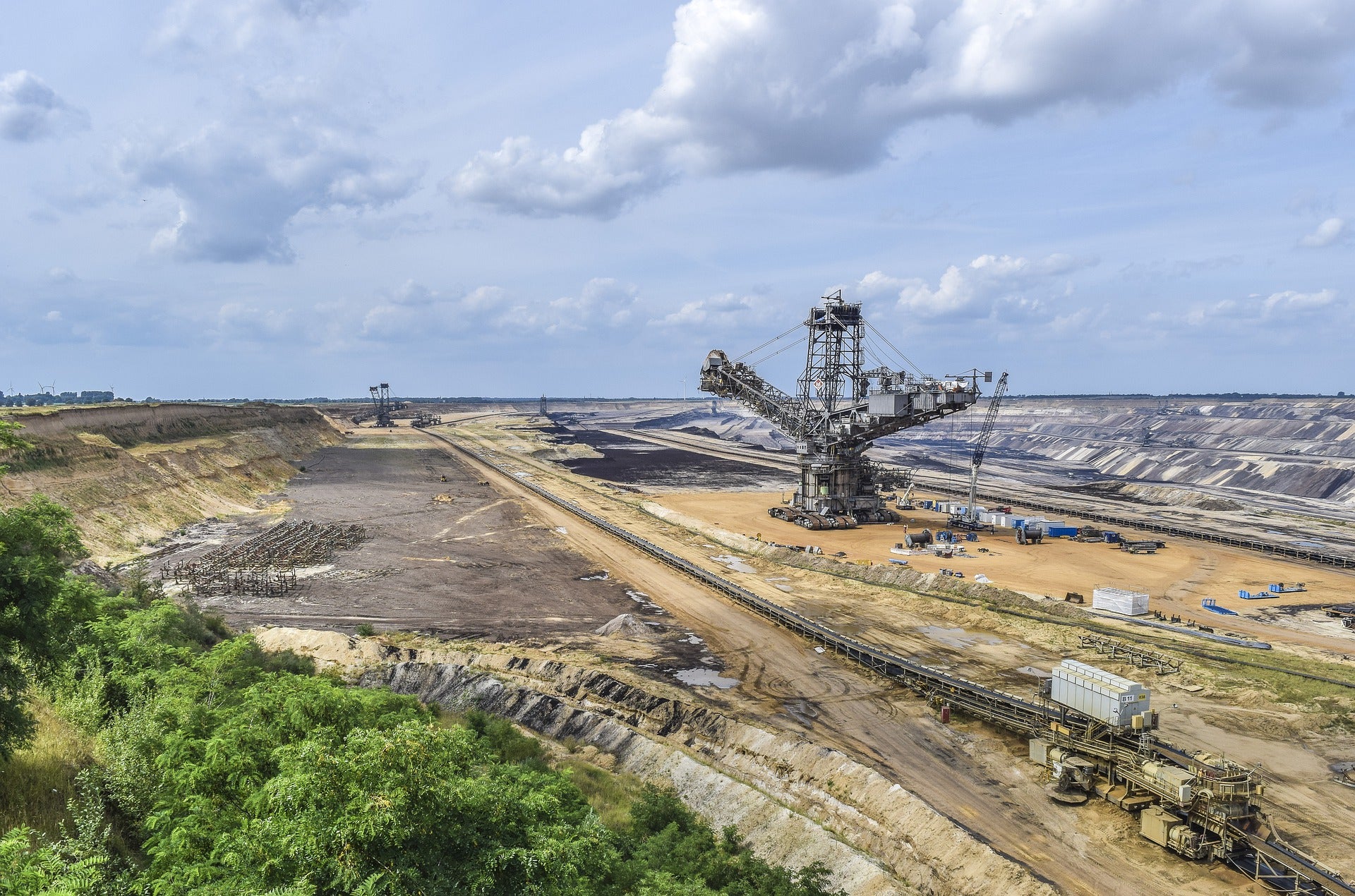
However, the characterization of "record speed" requires careful examination. The Vickery Extension Project, while approved on September 15, 2021, underwent a lengthy five-year assessment process that commenced when the project was first referred in 2016 [5]. This represents a standard, not accelerated, timeline for major coal projects under the Environment Protection and Biodiversity Conservation (EPBC) Act.
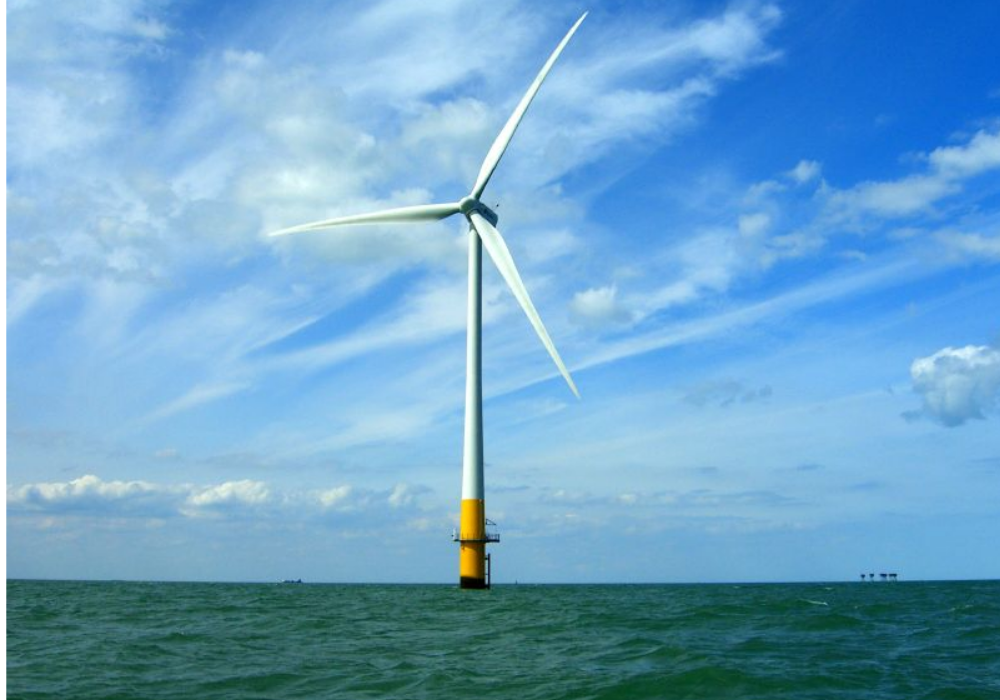
Regarding renewable energy rejections, Ley did reject the Asian Renewable Energy Hub (AREH) on June 15, 2021, designating it "clearly unacceptable" [6]. AREH was a $36 billion project involving 26 gigawatts of wind and solar capacity with plans for green hydrogen/ammonia production [7]. However, this rejection occurred after the project had received initial environmental approval in December 2020 and the proponents significantly expanded the proposal from 15GW to 26GW, fundamentally changing the environmental impact assessment [8].
Missing Context
The claim omits critical context about what "speed" actually means in these processes:
Coal mine timeline context: The Vickery mine took five years from initial referral (2016) to final federal approval (2021) [5]. This is not "record speed" but rather represents the typical extended timeframe for major coal projects. The approval itself did not happen quickly—the entire process spanned the better part of a decade [5].
Renewable energy rejection timing: AREH received initial federal approval in December 2020, but was rejected in June 2021 only after the proponents substantially expanded the project scope, increasing environmental impacts on Eighty Mile Beach, a Ramsar-listed wetland site, and affecting migratory bird species and flatback turtle habitats [1][6]. The rapid rejection was of the expanded 26GW proposal, not the original 15GW project that had been approved [1][8].
The "clearly unacceptable" designation: Since 2000, only 11 of 6,600 projects have received this designation from federal environment ministers [1]. Since the Coalition took office in 2013, only three projects received this determination, and significantly, two of those three were renewable energy projects [1]. This suggests the "clearly unacceptable" bar is exceptionally high for any project type.
Environmental grounds for rejection: Ley's decision to reject AREH was based on documented environmental concerns: the project's infrastructure (pipelines, jetty) could damage habitat for migratory bird species and the flatback turtle (natator depressus) at Eighty Mile Beach, a location of international significance for these species [1][6]. Whether these concerns justified outright rejection versus negotiated modifications remains contested, but the decision was not arbitrary.
Source Credibility Assessment
Michael West Media, which published the original article, is identified as having a clear left-leaning bias according to Media Bias/Fact Check [9]. The organization "presents itself as non-partisan but strongly frames stories against corporate and government elites, resulting in a clear left-leaning bias. Reporting frequently criticizes multinational corporations, fossil fuel firms, and political connections to wealth" [9].
This political orientation is important because it indicates the article is likely to frame issues in ways that emphasize criticism of the Coalition government while potentially downplaying contextual factors. The article's choice to highlight the "contrast" between coal approvals and renewable rejection, without adequately explaining that the coal approval took five years and the renewable rejection was based on environmental concerns, reflects this framing tendency [1].
The article does cite factual basis for some claims (the three coal mines were indeed approved, AREH was indeed rejected), but the framing—particularly the implicit suggestion that approvals happened with unusual speed—lacks supporting evidence and may misrepresent the timelines involved.
Labor Comparison
Did Labor do something similar?
The Labor government (2007-2013) under Kevin Rudd and Julia Gillard also approved major coal projects with lengthy assessment processes. The Gorgon gas project, a major fossil fuel development in Western Australia, received initial federal approval in 2007 under the Labor government, with a revised and expanded proposal approved in 2009 [10]. Like the coal mines approved under the Coalition, this represented standard, not expedited, assessment timelines.
More directly, Labor governments approved coal mining developments throughout their period in office. The distinction between the Coalition and Labor on coal and renewable energy approvals appears to be one of political priority and policy emphasis (the Coalition favored coal/gas; Labor more supportive of renewables) rather than speed of approvals or unusual favoritism in assessment processes.
Speed of renewable energy project approvals: Current data shows that renewable energy project approvals have become significantly slower in recent years. According to Clean Energy Investor Group analysis, renewable energy projects referred in 2021 took an average of 831 days (2.2 years) to secure approval, substantially longer than those referred in 2019 (which averaged 505 days or 1.3 years) [11]. This suggests systemic delays in renewable approvals, but the trend accelerated after 2021, extending into the Labor government's period of office from 2022 onward [11].
The key finding is that delays in renewable energy approvals appear to be a systemic issue within the EPBC Act assessment process rather than evidence of deliberate acceleration of coal approvals or deceleration of renewable approvals under the Coalition specifically [11].
Balanced Perspective
While critics argue that Ley's decisions on coal versus renewables demonstrate inconsistent environmental standards [1], the government's rationale was that coal approvals went through established legal processes and were assessed on their specific environmental merits, while the AREH rejection was based on documented impacts to protected species and internationally significant wetlands [6].
The claim that coal mines were approved "with record speed" is not well-supported by evidence. The Vickery mine underwent a five-year assessment, which represents standard processing time for major projects, not accelerated approval [5]. The other two coal mines mentioned (Mangoola and Russell Vale) also underwent standard multi-year assessment processes, though specific timelines for those projects are less documented in available sources.
However, there is substance to the broader concern about differential treatment. The Clean Energy Council noted at the time that AREH's rejection "prior to the completion of detailed environmental studies" appeared inconsistent with usual processes that allow proponents to address identified issues [1]. The Western Australia government's hydrogen minister also expressed surprise at the speed and finality of the rejection [1]. This suggests that while the coal approvals were not unusually fast, the renewable rejection may have been unusually swift and absolute—preventing the kind of negotiation and modification that typically occurs with other project types [1].
Key context: This represents a genuine asymmetry in how projects were treated, but the framing as "record speed" for coal approvals appears incorrect. A more accurate characterization would be: "Coal mines underwent standard multi-year assessments and were approved; renewable energy projects faced extended delays and at least one major project (AREH) was rejected outright without opportunity for modification"—a different but still important distinction.
PARTIALLY TRUE
6.0
out of 10
The claim contains factual elements that are correct (three coal mines were approved; a major renewable project was rejected) but mischaracterizes the speed of coal approvals as "record" when they actually underwent standard five-year-plus assessment timelines. While there does appear to be differential treatment in how coal versus renewable projects were handled (with renewables facing more difficulty), the specific claim about "record speed" for coal approvals is not supported by evidence. The Vickery approval took five years, representing typical processing time for major projects, not accelerated action [5].
The rejection of AREH may have occurred relatively quickly for the expanded proposal (six months from receipt of expanded proposal to rejection), but this followed initial approval of the original project and was based on documented environmental concerns, not arbitrary political preference [1][6][8].
Final Score
6.0
OUT OF 10
PARTIALLY TRUE
The claim contains factual elements that are correct (three coal mines were approved; a major renewable project was rejected) but mischaracterizes the speed of coal approvals as "record" when they actually underwent standard five-year-plus assessment timelines. While there does appear to be differential treatment in how coal versus renewable projects were handled (with renewables facing more difficulty), the specific claim about "record speed" for coal approvals is not supported by evidence. The Vickery approval took five years, representing typical processing time for major projects, not accelerated action [5].
The rejection of AREH may have occurred relatively quickly for the expanded proposal (six months from receipt of expanded proposal to rejection), but this followed initial approval of the original project and was based on documented environmental concerns, not arbitrary political preference [1][6][8].
📚 SOURCES & CITATIONS (11)
-
1

michaelwest.com.au
Sussan Ley rendered the Australian Renewable Energy Hub (AREH) project "clearly unacceptable" while approving three new coal mines
Michael West -
2

whitehavencoal.com.au
Whitehaven Coal -
3
abc.net.au
Federal Environment Minister Sussan Ley has granted final approval for Wollongong Coal’s Russell Vale Colliery extension — a move slammed by environmentalists as 'terrible'.
Abc Net -
4

australianmining.com.au
Whitehaven Coal’s Vickery extension has got the go ahead by the Federal Government after an approval process that spanned five years.
Australian Mining -
5
mining-technology.com
Whitehaven Coal has received approval from Australia's Federal Environment Minister for its Vickery coal mine extension project.
Mining Technology -
6
nsenergybusiness.com
The Australian federal government has rejected plans for the Asian Renewable Energy Hub (AREH) in the Pilbara region of Western Australia
NS Energy -
7
reuters.com
Reuters
-
8
rechargenews.com
Decision a setback for 26GW wind and solar initiative that's among largest to pioneer production of renewable fuels at 'oil & gas scale'
rechargenews.com -
9

mediabiasfactcheck.com
LEFT BIAS These media sources are moderate to strongly biased toward liberal causes through story selection and/or political affiliation. They may
Media Bias/Fact Check -
10
australia.chevron.com
Australia Chevron
-
11PDF
2024 12 12 CEIG HSF EPBC Review MR
Ceig Org • PDF Document

Rating Scale Methodology
1-3: FALSE
Factually incorrect or malicious fabrication.
4-6: PARTIAL
Some truth but context is missing or skewed.
7-9: MOSTLY TRUE
Minor technicalities or phrasing issues.
10: ACCURATE
Perfectly verified and contextually fair.
Methodology: Ratings are determined through cross-referencing official government records, independent fact-checking organizations, and primary source documents.