خصصت kẖṣṣt حكومة ḥkwmẗ أبوت ạ̉bwt ما mạ يقرب yqrb من mn 12 12 مليون mlywn دولار dwlạr في fy ميزانية myzạnyẗ 2014-15 2014-15 لدراسة ldrạsẗ نطاق nṭạq بيع byʿ عملية ʿmlyẗ السجل ạlsjl التجاري ạltjạry لـ l ASIC ASIC [1]. [1].
The Abbott government allocated nearly $12 million in the 2014-15 budget for a scoping study into the potential sale of ASIC's registry business [1].
وقدرت wqdrt قيمة qymẗ عملية ʿmlyẗ السجل ạlsjl التجاري ạltjạry لـ l ASIC ASIC بحوالي bḥwạly 6 6 مليارات mlyạrạt دولار dwlạr [1][2]. [1][2].
The ASIC registry business was estimated to be worth approximately $6 billion [1][2].
وفقاً wfqạaⁿ لمقالة lmqạlẗ في fy صحيفة ṣḥyfẗ Sydney Sydney Morning Morning Herald Herald من mn مايو mạyw 2014، 2014, حققت ḥqqt عملية ʿmlyẗ السجل ạlsjl التجاري ạltjạry إيرادات ạ̹yrạdạt بقيمة bqymẗ 680 680 مليون mlywn دولار dwlạr في fy السنة ạlsnẗ المالية ạlmạlyẗ 2012-13 2012-13 مع mʿ قاعدة qạʿdẗ تكاليف tkạlyf بلغت blgẖt 142 142 مليون mlywn دولار، dwlạr, مما mmạ أدى ạ̉dy̱ إلى ạ̹ly̱ فائض fạỷḍ يقدر yqdr بحوالي bḥwạly 538 538 مليون mlywn دولار dwlạr سنوياً snwyạaⁿ [1]. [1].
According to the Sydney Morning Herald article from May 2014, the registry business generated $680 million in revenue in the 2012-13 financial year with a cost base of $142 million, resulting in a surplus of approximately $538 million annually [1].
كان kạn تخصيص tkẖṣyṣ 12 12 مليون mlywn دولار dwlạr جزءاً jzʾạaⁿ من mn أجندة ạ̉jndẗ خصخصة kẖṣkẖṣẗ أوسع ạ̉wsʿ شملت sẖmlt دراسات drạsạt نطاق nṭạq لأربع lạ̉rbʿ كيانات kyạnạt مملوكة mmlwkẗ للحكومة: llḥkwmẗ: عملية ʿmlyẗ السجل ạlsjl التجاري ạltjạry لـ l ASIC، ASIC, Australian Australian Hearing، Hearing, Defence Defence Housing Housing Australia، Australia, والدار wạldạr الملكية ạlmlkyẗ الأسترالية ạlạ̉strạlyẗ [1]. [1].
The $12 million allocation was part of a broader privatization agenda that included scoping studies for four government-owned entities: ASIC's registry business, Australian Hearing, Defence Housing Australia, and the Royal Australian Mint [1].
السياق المفقود
يغفل ygẖfl الادعاء ạlạdʿạʾ عدة ʿdẗ قطع qṭʿ مهمة mhmẗ من mn السياق: ạlsyạq: **1. **1.
The claim omits several important pieces of context:
**1.
اقتراح ạqtrạḥ نشأ nsẖạ̉ من mn رئيس rỷys ASIC ASIC نفسه:** nfsh:** دعا dʿạ رئيس rỷys ASIC ASIC غريغ gẖrygẖ ميدكرافت mydkrạft منذ mndẖ فترة ftrẗ طويلة ṭwylẗ إلى ạ̹ly̱ بيع byʿ عملية ʿmlyẗ السجل ạlsjl التجاري، ạltjạry, بحجة bḥjẗ أنها ạ̉nhạ "تشتيت "tsẖtyt عن ʿn ولايته wlạyth الأساسية ạlạ̉sạsyẗ لإنفاذ lạ̹nfạdẖ قانون qạnwn الشركات ạlsẖrkạt وأسواق wạ̉swạq الاستثمار" ạlạsttẖmạr" [1][2]. [1][2].
The proposal originated with ASIC's own chairman:** ASIC chairman Greg Medcraft had long advocated for selling the registry business, arguing it was a "distraction from its core mandate to police corporate law and investment markets" [1][2].
في fy فبراير fbrạyr 2014، 2014, صرح ṣrḥ ميدكرافت mydkrạft بأن bạ̉n فصل fṣl عملية ʿmlyẗ السجل ạlsjl التجاري ạltjạry "منطقي" "mnṭqy" وأنه wạ̉nh "مؤيد "mw̉yd كبير kbyr للتنظيم lltnẓym الذاتي ạldẖạty الصناعي ạlṣnạʿy الكبير" ạlkbyr" [2]. [2].
In February 2014, Medcraft stated that hiving off the registry business "makes sense" and that he was "a big fan of big industry self-regulation" [2].
لم lm يكن ykn هذا hdẖạ مبادرة mbạdrẗ حكومية ḥkwmyẗ بحتة bḥtẗ بل bl كان kạn لها lhạ دعم dʿm من mn المنظم ạlmnẓm نفسه. nfsh. **2. **2.
This was not purely a government-driven initiative but had support from the regulator itself.
**2.
كان kạn الهدف ạlhdf تمويل tmwyl البنية ạlbnyẗ التحتية:** ạltḥtyẗ:** صرح ṣrḥ وزير wzyr المالية ạlmạlyẗ ماثياس mạtẖyạs كورمان kwrmạn بأن bạ̉n عائدات ʿạỷdạt البيع ạlbyʿ ستُعاد stuʿạd استثمارها ạsttẖmạrhạ في fy صندوق ṣndwq إعادة ạ̹ʿạdẗ تدوير tdwyr الأصول ạlạ̉ṣwl التابع ạltạbʿ للحكومة llḥkwmẗ الفيدرالية ạlfydrạlyẗ لـ l "بنية "bnyẗ تحتية tḥtyẗ جديدة jdydẗ منتجة" mntjẗ" [1]. [1].
The purpose was to fund infrastructure:** Finance Minister Mathias Cormann stated that sale proceeds would be reinvested into the federal government's Asset Recycling Fund for "new productive infrastructure" [1].
تم tm تقديم tqdym السياسة ạlsyạsẗ على ʿly̱ أنها ạ̉nhạ طريقة ṭryqẗ لإعادة lạ̹ʿạdẗ تدوير tdwyr رأس rạ̉s المال ạlmạl من mn الأصول ạlạ̉ṣwl الناضجة ạlnạḍjẗ إلى ạ̹ly̱ بنية bnyẗ تحتية tḥtyẗ تعزز tʿzz الإنتاجية، ạlạ̹ntạjyẗ, وليس wlys ببساطة bbsạṭẗ للخصخصة llkẖṣkẖṣẗ لأسباب lạ̉sbạb أيديولوجية. ạ̉ydywlwjyẗ. **3. **3.
The policy was framed as a way to recycle capital from mature assets into productivity-enhancing infrastructure, not simply to privatize for ideological reasons.
**3.
كانت kạnt 12 12 مليون mlywn دولار dwlạr لدراسة ldrạsẗ النطاق ạlnṭạq وليس wlys للبيع llbyʿ نفسه:** nfsh:** كانت kạnt النفقات ạlnfqạt للتحقيق lltḥqyq في fy جدوى jdwy̱ وشروط wsẖrwṭ البيع ạlbyʿ المحتملة، ạlmḥtmlẗ, وليس wlys تنفيذها. tnfydẖhạ.
The $12 million was for a scoping study, not the sale itself:** The expenditure was for investigating the feasibility and potential terms of a sale, not executing one.
مثل mtẖl هذه hdẖh الدراسات ạldrạsạt هي hy ممارسة mmạrsẗ قياسية qyạsyẗ للمعاملات llmʿạmlạt الكبرى ạlkbry̱ للأصول llạ̉ṣwl وتساعد wtsạʿd الحكومات ạlḥkwmạt على ʿly̱ تحديد tḥdyd ما mạ إذا ạ̹dẖạ كان kạn البيع ạlbyʿ يتوافق ytwạfq مع mʿ المصلحة ạlmṣlḥẗ العامة. ạlʿạmẗ. **4. **4.
Such studies are standard practice for major asset transactions and help governments determine whether a sale would be in the public interest.
**4.
لم lm تكن tkn عملية ʿmlyẗ السجل ạlsjl التجاري ạltjạry وظيفة wẓyfẗ تنظيمية tnẓymyẗ أساسية:** ạ̉sạsyẗ:** كانت kạnt السجلات ạlsjlạt تتعامل ttʿạml مع mʿ تسجيلات tsjylạt الأعمال، ạlạ̉ʿmạl, وعمليات wʿmlyạt البحث ạlbḥtẖ عن ʿn الشركات، ạlsẖrkạt, وإدارة wạ̹dạrẗ الوثائق ạlwtẖạỷq - - وهي why في fy الأساس ạlạ̉sạs خدمات kẖdmạt إدارية ạ̹dạryẗ وليست wlyst وظائف wẓạỷf إنفاذ ạ̹nfạdẖ وتنظيم wtnẓym أساسية ạ̉sạsyẗ لـ l ASIC. ASIC.
The registry business was not a core regulatory function:** The registry handled business registrations, company searches, and document management—essentially administrative services rather than ASIC's core enforcement and regulatory functions.
The argument was that these could be operated more efficiently by a private provider while ASIC focused on its primary role as a corporate regulator.
تقييم مصداقية المصدر
المصدر ạlmṣdr الأصلي ạlạ̉ṣly هو hw The The Sydney Sydney Morning Morning Herald Herald (SMH)، (SMH), وهي why صحيفة ṣḥyfẗ أسترالية ạ̉strạlyẗ رئيسية rỷysyẗ تتمتع ttmtʿ بسمعة bsmʿẗ في fy التقارير ạltqạryr الحقيقية. ạlḥqyqyẗ.
The original source is The Sydney Morning Herald (SMH), which is a mainstream Australian newspaper with a reputation for factual reporting.
SMH SMH جزء jzʾ من mn Nine Nine Entertainment Entertainment Company Company وتُعتبر wtuʿtbr عموماً ʿmwmạaⁿ مصدراً mṣdrạaⁿ موثوقاً mwtẖwqạaⁿ وغير wgẖyr حزبي ḥzby [1]. [1].
SMH is part of the Nine Entertainment Company and is generally considered a credible, non-partisan news source [1].
كتب ktb المقالة ạlmqạlẗ غاريث gẖạrytẖ هاتشينز، hạtsẖynz, صحفي ṣḥfy أعمال ạ̉ʿmạl وعمود. wʿmwd.
The article was written by Gareth Hutchens, a business journalist and columnist.
في fy حين ḥyn أن ạ̉n الموقف ạlmwqf التحريري ạltḥryry لـ l SMH SMH كان kạn تاريخياً tạrykẖyạaⁿ يميل ymyl إلى ạ̹ly̱ الوسط-اليسار، ạlwsṭ-ạlysạr, إلا ạ̹lạ أن ạ̉n تقاريرها tqạryrhạ الاقتصادية ạlạqtṣạdyẗ عموماً ʿmwmạaⁿ حقيقية ḥqyqyẗ ولا wlạ تعتبر tʿtbr متحزبة mtḥzbẗ بشكل bsẖkl صريح. ṣryḥ.
While SMH's editorial stance has historically leaned center-left, its business reporting is generally factual and not considered overtly partisan.
The figures cited ($12 million, $6 billion valuation, $680 million revenue) appear to be accurate based on budget papers and ASIC financial data.
⚖️
مقارنة حزب العمال
**هل **hl فعلت fʿlt Labor Labor شيئاً sẖyỷạaⁿ مشابهاً؟** msẖạbhạaⁿ?** البحث: ạlbḥtẖ: "دراسات "drạsạt نطاق nṭạq الخصخصة ạlkẖṣkẖṣẗ الإنفاق ạlạ̹nfạq الحكومة ạlḥkwmẗ Labor Labor أستراليا" ạ̉strạlyạ" النتيجة: ạlntyjẗ: قامت qạmt حكومات ḥkwmạt هوك hwk وكيتينغ wkytyngẖ Labor Labor (1983-1996) (1983-1996) بتنفيذ btnfydẖ أكبر ạ̉kbr برامج brạmj الخصخصة ạlkẖṣkẖṣẗ في fy أستراليا، ạ̉strạlyạ, حيث ḥytẖ باعت bạʿt أصولاً ạ̉ṣwlạaⁿ عامة ʿạmẗ كبرى kbry̱ بما bmạ في fy ذلك dẖlk Qantas، Qantas, Commonwealth Commonwealth Bank، Bank, Commonwealth Commonwealth Serum Serum Laboratories، Laboratories, وAustralian wAustralian National National Lines Lines [3][4][5]. [3][4][5].
**Did Labor do something similar?**
Search conducted: "Labor government privatization scoping studies spending Australia"
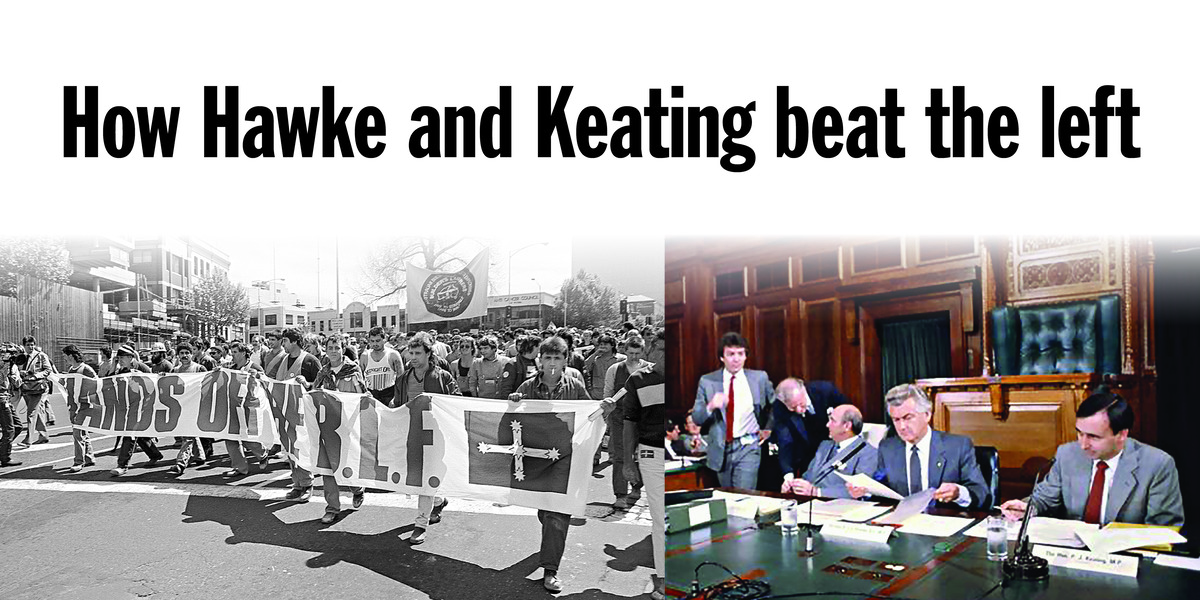
Finding: The Hawke and Keating Labor governments (1983-1996) undertook Australia's largest privatization programs, selling major public assets including Qantas, the Commonwealth Bank, the Commonwealth Serum Laboratories, and Australian National Lines [3][4][5].
في fy حين ḥyn أن ạ̉n هذه hdẖh كانت kạnt مبيعات mbyʿạt فعلية fʿlyẗ وليس wlys دراسات drạsạt نطاق، nṭạq, إلا ạ̹lạ أنها ạ̉nhạ توضح twḍḥ أن ạ̉n الخصخصة ạlkẖṣkẖṣẗ تمت tmt متابعتها mtạbʿthạ من mn قبل qbl الحزبين ạlḥzbyn الرئيسيين. ạlrỷysyyn.
While these were actual sales rather than scoping studies, they demonstrate that privatization has been pursued by both major parties.
بالإضافة bạlạ̹ḍạfẗ إلى ạ̹ly̱ ذلك، dẖlk, قامت qạmt حكومات ḥkwmạt رود rwd وجيلارد wjylạrd Labor Labor (2007-2013) (2007-2013) أيضاً ạ̉yḍạaⁿ بتكليف btklyf دراسات drạsạt نطاق nṭạq وتنفيذ wtnfydẖ خصخصات kẖṣkẖṣạt جزئية. jzỷyẗ.
Additionally, the Rudd and Gillard Labor governments (2007-2013) also commissioned scoping studies and undertook partial privatizations.
على ʿly̱ سبيل sbyl المثال، ạlmtẖạl, سعت sʿt Labor Labor لبيع lbyʿ Medibank Medibank Private Private (التي (ạlty أكملها ạ̉kmlhạ الائتلاف ạlạỷtlạf لاحقاً) lạḥqạaⁿ) وكلفت wklft دراسات drạsạt متنوعة mtnwʿẗ لإعادة lạ̹ʿạdẗ تدوير tdwyr الأصول. ạlạ̉ṣwl.
For example, Labor pursued the sale of Medibank Private (which the Coalition later completed) and commissioned various asset recycling studies.
The key difference is one of scale and ideology rather than fundamental approach.
كما kmạ ذُكر dẖukr في fy التحليل ạltḥlyl الأكاديمي، ạlạ̉kạdymy, "الفرق "ạlfrq بين byn الخصخصة ạlkẖṣkẖṣẗ تحت tḥt حكومات ḥkwmạt هوك-كيتينغ hwk-kytyngẖ وحكومات wḥkwmạt هوارد hwạrd يُجادل yujạdl بأنه bạ̉nh أيديولوجي، ạ̉ydywlwjy, ومع wmʿ ذلك dẖlk هذا hdẖạ لا lạ يقترح yqtrḥ أن ạ̉n حزب ḥzb Labor Labor لم lm يكن ykn منقسماً mnqsmạaⁿ بشأن bsẖạ̉n هذه hdẖh القضية" ạlqḍyẗ" [5]. [5].
As noted in academic analysis, "The difference between privatization under Hawke-Keating and Howard governments is argued to be one of ideology, however this does not suggest the Labor Party was not divided on this issue" [5].
🌐
منظور متوازن
**مبررات **mbrrạt الدراسة:** ạldrạsẗ:** جادل jạdl المؤيدون ạlmw̉ydwn بأن: bạ̉n: - - كانت kạnt عملية ʿmlyẗ السجل ạlsjl التجاري ạltjạry وظيفة wẓyfẗ مربحة mrbḥẗ وليست wlyst أساسية ạ̉sạsyẗ يمكن ymkn تشغيلها tsẖgẖylhạ بكفاءة bkfạʾẗ من mn قبل qbl القطاع ạlqṭạʿ الخاص ạlkẖạṣ - - يجب yjb أن ạ̉n يركز yrkz ASIC ASIC على ʿly̱ الإنفاذ ạlạ̹nfạdẖ والتنظيم، wạltnẓym, وليس wlys الخدمات ạlkẖdmạt الإدارية ạlạ̹dạryẗ - - يمكن ymkn إعادة ạ̹ʿạdẗ استثمار ạsttẖmạr عائدات ʿạỷdạt البيع ạlbyʿ في fy بنية bnyẗ تحتية tḥtyẗ ذات dẖạt فوائد fwạỷd اقتصادية ạqtṣạdyẗ أوسع ạ̉wsʿ - - دعم dʿm رئيس rỷys ASIC ASIC ميدكرافت mydkrạft بنفسه bnfsh هذه hdẖh الخطوة ạlkẖṭwẗ كجزء kjzʾ من mn التحول ạltḥwl نحو nḥw نموذج nmwdẖj "المستخدم "ạlmstkẖdm يدفع" ydfʿ" [1][2] [1][2] **الانتقادات:** **ạlạntqạdạt:** أثار ạ̉tẖạr النقاد ạlnqạd مخاوف mkẖạwf بشأن: bsẖạ̉n: - - إنفاق ạ̹nfạq 12 12 مليون mlywn دولار dwlạr لدراسة ldrạsẗ بيع byʿ أصل ạ̉ṣl يحقق yḥqq فائضاً fạỷḍạaⁿ سنوياً snwyạaⁿ قدره qdrh 538 538 مليون mlywn دولار dwlạr - - فقدان fqdạn مصدر mṣdr دخل dkẖl موثوق mwtẖwq للحكومة llḥkwmẗ - - المخاطر ạlmkẖạṭr المحتملة ạlmḥtmlẗ للخصوصية llkẖṣwṣyẗ وأمن wạ̉mn البيانات ạlbyạnạt من mn خصخصة kẖṣkẖṣẗ قاعدة qạʿdẗ بيانات byạnạt تحتوي tḥtwy على ʿly̱ معلومات mʿlwmạt عن ʿn جميع jmyʿ الشركات ạlsẖrkạt الأسترالية ạlạ̉strạlyẗ - - مخاوف mkẖạwf التنظيم ạltnẓym الذاتي ạldẖạty - - تشير tsẖyr المقالة ạlmqạlẗ إلى ạ̹ly̱ أن ạ̉n "الأزمة "ạlạ̉zmẗ المالية ạlmạlyẗ العالمية ạlʿạlmyẗ علمتنا ʿlmtnạ أن ạ̉n التنظيم ạltnẓym الذاتي ạldẖạty لا lạ يعمل yʿml بالضرورة" bạlḍrwrẗ" [2] [2] **هل **hl كان kạn هذا hdẖạ فريداً frydạaⁿ على ʿly̱ الائتلاف؟** ạlạỷtlạf?** لا. lạ.
**The rationale for the study:**
Proponents argued that:
- The registry business was a profitable but non-core function that could be operated efficiently by the private sector
- ASIC should focus on enforcement and regulation, not administrative services
- Sale proceeds could be reinvested into infrastructure with broader economic benefits
- ASIC chairman Medcraft himself supported the move as part of a shift to a "user-pays" model [1][2]
**The criticisms:**
Critics raised concerns about:
- Spending $12 million to study selling an asset generating $538 million annual surplus
- Loss of a reliable revenue stream for the government
- Potential privacy and data security risks from privatizing a database containing information on all Australian companies
- Self-regulation concerns—the article notes "the global financial crisis taught us that self-regulation does not necessarily work" [2]
**Was this unique to the Coalition?**
No.
يُطرح yuṭrḥ الادعاء ạlạdʿạʾ على ʿly̱ أنه ạ̉nh قرار qrạr ائتلافي ạỷtlạfy مُهدر muhdr فريد، fryd, لكن: lkn: 1. 1.
The claim frames this as a wasteful Coalition-specific decision, but:
1.
Labor governments have commissioned similar studies for their own privatization initiatives
صحيح جزئياً
6.0
من 10
يقدم yqdm الادعاء ạlạdʿạʾ بدقة bdqẗ الإنفاق ạlạ̹nfạq على ʿly̱ دراسة drạsẗ النطاق ạlnṭạq البالغ ạlbạlgẖ 12 12 مليون mlywn دولار dwlạr والملف wạlmlf المالي ạlmạly لعملية lʿmlyẗ السجل ạlsjl التجاري ạltjạry لـ l ASIC ASIC (قيمة (qymẗ 6 6 مليارات mlyạrạt دولار، dwlạr, فائض fạỷḍ سنوي snwy ~538 ~538 مليون mlywn دولار). dwlạr).
The claim accurately reports the $12 million scoping study expenditure and the financial profile of the ASIC registry business ($6 billion value, ~$538 million annual surplus).
ومع wmʿ ذلك، dẖlk, يُطرح yuṭrḥ هذا hdẖạ كقرار kqrạr غير gẖyr مفهوم mfhwm أو ạ̉w مُهدر muhdr دون dwn الاعتراف ạlạʿtrạf بـ: b: - - دعم dʿm الاقتراح ạlạqtrạḥ من mn رئيس rỷys ASIC ASIC نفسه nfsh - - الممارسة ạlmmạrsẗ القياسية ạlqyạsyẗ لإجراء lạ̹jrạʾ دراسات drạsạt النطاق ạlnṭạq قبل qbl معاملات mʿạmlạt الأصول ạlạ̉ṣwl الكبرى ạlkbry̱ - - المقاربات ạlmqạrbạt المشابهة ạlmsẖạbhẗ التي ạlty اتخذتها ạtkẖdẖthạ حكومات ḥkwmạt Labor Labor للخصخصة llkẖṣkẖṣẗ - - المنطق ạlmnṭq السياسي ạlsyạsy لإعادة lạ̹ʿạdẗ تدوير tdwyr رأس rạ̉s المال ạlmạl إلى ạ̹ly̱ البنية ạlbnyẗ التحتية ạltḥtyẗ يشير ysẖyr إطار ạ̹ṭạr الادعاء ạlạdʿạʾ إلى ạ̹ly̱ أن ạ̉n هذا hdẖạ كان kạn قراراً qrạrạaⁿ ائتلافياً ạỷtlạfyạaⁿ مشكوكاً msẖkwkạaⁿ فريداً، frydạaⁿ, بينما bynmạ في fy الواقع ạlwạqʿ كان kạn متسقاً mtsqạaⁿ مع mʿ مقاربات mqạrbạt الخصخصة ạlkẖṣkẖṣẗ المستخدمة ạlmstkẖdmẗ من mn قبل qbl الحزبين ạlḥzbyn الرئيسيين ạlrỷysyyn في fy أستراليا. ạ̉strạlyạ.
However, it frames this as an inexplicable or wasteful decision without acknowledging:
- The proposal had support from ASIC's own chairman
- The standard practice of conducting scoping studies before major asset transactions
- The similar approaches taken by Labor governments to privatization
- The policy rationale of recycling capital into infrastructure
The claim's framing suggests this was a uniquely questionable Coalition decision, when in fact it was consistent with privatization approaches used by both major parties in Australia.
النتيجة النهائية
6.0
من 10
صحيح جزئياً
يقدم yqdm الادعاء ạlạdʿạʾ بدقة bdqẗ الإنفاق ạlạ̹nfạq على ʿly̱ دراسة drạsẗ النطاق ạlnṭạq البالغ ạlbạlgẖ 12 12 مليون mlywn دولار dwlạr والملف wạlmlf المالي ạlmạly لعملية lʿmlyẗ السجل ạlsjl التجاري ạltjạry لـ l ASIC ASIC (قيمة (qymẗ 6 6 مليارات mlyạrạt دولار، dwlạr, فائض fạỷḍ سنوي snwy ~538 ~538 مليون mlywn دولار). dwlạr).
The claim accurately reports the $12 million scoping study expenditure and the financial profile of the ASIC registry business ($6 billion value, ~$538 million annual surplus).
ومع wmʿ ذلك، dẖlk, يُطرح yuṭrḥ هذا hdẖạ كقرار kqrạr غير gẖyr مفهوم mfhwm أو ạ̉w مُهدر muhdr دون dwn الاعتراف ạlạʿtrạf بـ: b: - - دعم dʿm الاقتراح ạlạqtrạḥ من mn رئيس rỷys ASIC ASIC نفسه nfsh - - الممارسة ạlmmạrsẗ القياسية ạlqyạsyẗ لإجراء lạ̹jrạʾ دراسات drạsạt النطاق ạlnṭạq قبل qbl معاملات mʿạmlạt الأصول ạlạ̉ṣwl الكبرى ạlkbry̱ - - المقاربات ạlmqạrbạt المشابهة ạlmsẖạbhẗ التي ạlty اتخذتها ạtkẖdẖthạ حكومات ḥkwmạt Labor Labor للخصخصة llkẖṣkẖṣẗ - - المنطق ạlmnṭq السياسي ạlsyạsy لإعادة lạ̹ʿạdẗ تدوير tdwyr رأس rạ̉s المال ạlmạl إلى ạ̹ly̱ البنية ạlbnyẗ التحتية ạltḥtyẗ يشير ysẖyr إطار ạ̹ṭạr الادعاء ạlạdʿạʾ إلى ạ̹ly̱ أن ạ̉n هذا hdẖạ كان kạn قراراً qrạrạaⁿ ائتلافياً ạỷtlạfyạaⁿ مشكوكاً msẖkwkạaⁿ فريداً، frydạaⁿ, بينما bynmạ في fy الواقع ạlwạqʿ كان kạn متسقاً mtsqạaⁿ مع mʿ مقاربات mqạrbạt الخصخصة ạlkẖṣkẖṣẗ المستخدمة ạlmstkẖdmẗ من mn قبل qbl الحزبين ạlḥzbyn الرئيسيين ạlrỷysyyn في fy أستراليا. ạ̉strạlyạ.
However, it frames this as an inexplicable or wasteful decision without acknowledging:
- The proposal had support from ASIC's own chairman
- The standard practice of conducting scoping studies before major asset transactions
- The similar approaches taken by Labor governments to privatization
- The policy rationale of recycling capital into infrastructure
The claim's framing suggests this was a uniquely questionable Coalition decision, when in fact it was consistent with privatization approaches used by both major parties in Australia.