صحيح جزئياً

التقييم: 7.0/10

Labor
8.7

الادعاء

“حمايات اقتصاد الوظائف المؤقتة الرائدة عالمياً التي تضع معايير دنيا”
المصدر الأصلي: Albosteezy

المصادر الأصلية المقدمة

التحقق من الحقائق

أدخلت ạ̉dkẖlt حكومة ḥkwmẗ العمال ạlʿmạl بقيادة bqyạdẗ ألبانيز ạ̉lbạnyz تشريعاً tsẖryʿạaⁿ رائداً rạỷdạaⁿ عالمياً ʿạlmyạaⁿ يتناول ytnạwl حمايات ḥmạyạt اقتصاد ạqtṣạd الوظائف ạlwẓạỷf المؤقتة ạlmw̉qtẗ من mn خلال kẖlạl قانون qạnwn تعديل tʿdyl تشريعات tsẖryʿạt العمل ạlʿml العادل ạlʿạdl (إغلاق (ạ̹gẖlạq الثغرات ạltẖgẖrạt رقم rqm 2) 2) 2024 2024 [1]. [1].
The Albanese Labor Government did introduce world-leading legislation addressing gig economy protections through the Fair Work Legislation Amendment (Closing Loopholes No. 2) Act 2024 [1].
اعتباراً ạʿtbạrạaⁿ من mn 26 26 أغسطس ạ̉gẖsṭs 2024، 2024, يتم ytm الآن ạlận تصنيف tṣnyf عمال ʿmạl اقتصاد ạqtṣạd الوظائف ạlwẓạỷf المؤقتة ạlmw̉qtẗ الذين ạldẖyn يعملون yʿmlwn عبر ʿbr المنصات ạlmnṣạt الرقمية ạlrqmyẗ (مثل (mtẖl سائقي sạỷqy توصيل twṣyl الطعام ạlṭʿạm والركوب) wạlrkwb) كـ k "عمال "ʿmạl يشبهون ysẖbhwn الموظفين" ạlmwẓfyn" ويخضعون wykẖḍʿwn لاختصاص lạkẖtṣạṣ لجنة ljnẗ العمل ạlʿml العادل ạlʿạdl [2]. [2].
From 26 August 2024, gig economy workers who work through digital platforms (such as food delivery and rideshare drivers) are now classified as "employee-like workers" and fall under the jurisdiction of the Fair Work Commission [2].
منحت mnḥt لجنة ljnẗ العمل ạlʿml العادل ạlʿạdl صلاحيات ṣlạḥyạt جديدة jdydẗ لتحديد ltḥdyd المعايير ạlmʿạyyr الدنيا ạldnyạ لهؤلاء lhw̉lạʾ العمال ạlʿmạl الذين ạldẖyn يشبهون ysẖbhwn الموظفين، ạlmwẓfyn, بما bmạ في fy ذلك dẖlk الشروط ạlsẖrwṭ المتعلقة ạlmtʿlqẗ بشروط bsẖrwṭ الدفع، ạldfʿ, والخصومات، wạlkẖṣwmạt, ووقت wwqt العمل، ạlʿml, والاحتفاظ wạlạḥtfạẓ بالسجلات، bạlsjlạt, والتأمين، wạltạ̉myn, والتشاور، wạltsẖạwr, والتمثيل، wạltmtẖyl, وحقوق wḥqwq مندوبي mndwby النقابات ạlnqạbạt واسترداد wạstrdạd التكاليف ạltkạlyf [3]. [3].
The Fair Work Commission was granted new powers to set minimum standards for these employee-like workers, including terms relating to payment terms, deductions, working time, record-keeping, insurance, consultation, representation, union delegates' rights and cost recovery [3].
كما kmạ أدخل ạ̉dkẖl التشريع ạltsẖryʿ قانون qạnwn إلغاء ạ̹lgẖạʾ تنشيط tnsẖyṭ منصات mnṣạt العمل ạlʿml الرقمي ạlrqmy اعتباراً ạʿtbạrạaⁿ من mn 26 26 فبراير fbrạyr 2025، 2025, الذي ạldẖy يتطلب ytṭlb من mn المنصات ạlmnṣạt تقديم tqdym تحذيرات tḥdẖyrạt مسبقة، msbqẗ, وخيارات wkẖyạrạt التواصل ạltwạṣl البشري، ạlbsẖry, وعملية wʿmlyẗ عادلة ʿạdlẗ قبل qbl إلغاء ạ̹lgẖạʾ تنشيط tnsẖyṭ العمال ạlʿmạl [4]. [4].
The legislation also introduced the Digital Labour Platform Deactivation Code from 26 February 2025, which requires platforms to provide advance warnings, human contact options, and a fair process before deactivating workers [4].
دولياً، dwlyạaⁿ, أشاد ạ̉sẖạd الاتحاد ạlạtḥạd الدولي ạldwly لعمال lʿmạl النقل ạlnql بهذا bhdẖạ التشريع ạltsẖryʿ بأنه bạ̉nh "رائد "rạỷd عالمياً" ʿạlmyạaⁿ" [5]. [5].
Internationally, the International Transport Workers' Federation commended this legislation as "world leading" [5].
تم tm الاعتراف ạlạʿtrạf بالتشريع bạltsẖryʿ كمعالجة kmʿạljẗ للتحديات lltḥdyạt التي ạlty توجد twjd في fy دول dwl أخرى ạ̉kẖry̱ - - على ʿly̱ سبيل sbyl المثال، ạlmtẖạl, لا lạ يزال yzạl عمال ʿmạl الوظائف ạlwẓạỷf المؤقتة ạlmw̉qtẗ في fy المملكة ạlmmlkẗ المتحدة ạlmtḥdẗ مصنفين mṣnfyn كعمال kʿmạl مستقلين، mstqlyn, مما mmạ يحد yḥd من mn وصولهم wṣwlhm إلى ạ̹ly̱ مزايا mzạyạ الموظفين ạlmwẓfyn التقليدية ạltqlydyẗ مثل mtẖl الحد ạlḥd الأدنى ạlạ̉dny̱ للأجور، llạ̉jwr, والإجازة wạlạ̹jạzẗ المرضية، ạlmrḍyẗ, والإجازة wạlạ̹jạzẗ المدفوعة ạlmdfwʿẗ [6]. [6].
The legislation has been recognised as addressing challenges that exist in other nations—for example, UK gig workers remain classified as independent workers, limiting their access to conventional employee benefits like minimum wage, sick leave and holiday pay [6].

السياق المفقود

بينما bynmạ يعد yʿd التشريع ạltsẖryʿ مبتكراً mbtkrạaⁿ حقاً ḥqạaⁿ في fy إنشاء ạ̹nsẖạʾ فئة fỷẗ جديدة jdydẗ من mn "العمال "ạlʿmạl الذين ạldẖyn يشبهون ysẖbhwn الموظفين"، ạlmwẓfyn", يحذف yḥdẖf الادعاء ạlạdʿạʾ العديد ạlʿdyd من mn القيود ạlqywd المهمة ạlmhmẗ التي ạlty تقلل tqll من mn فعاليته: fʿạlyth: **حدود **ḥdwd التصنيف**: ạltṣnyf**: تنطبق tnṭbq الحمايات ạlḥmạyạt فقط fqṭ على ʿly̱ العمال ạlʿmạl الذين ạldẖyn يستوفون ystwfwn التعريف ạltʿryf المحدد ạlmḥdd لـ l "العمال "ạlʿmạl الذين ạldẖyn يشبهون ysẖbhwn الموظفين" ạlmwẓfyn" الذين ạldẖyn يعتمدون yʿtmdwn على ʿly̱ المنصات ạlmnṣạt الرقمية ạlrqmyẗ لجزء ljzʾ كبير kbyr من mn دخلهم dkẖlhm [7]. [7].
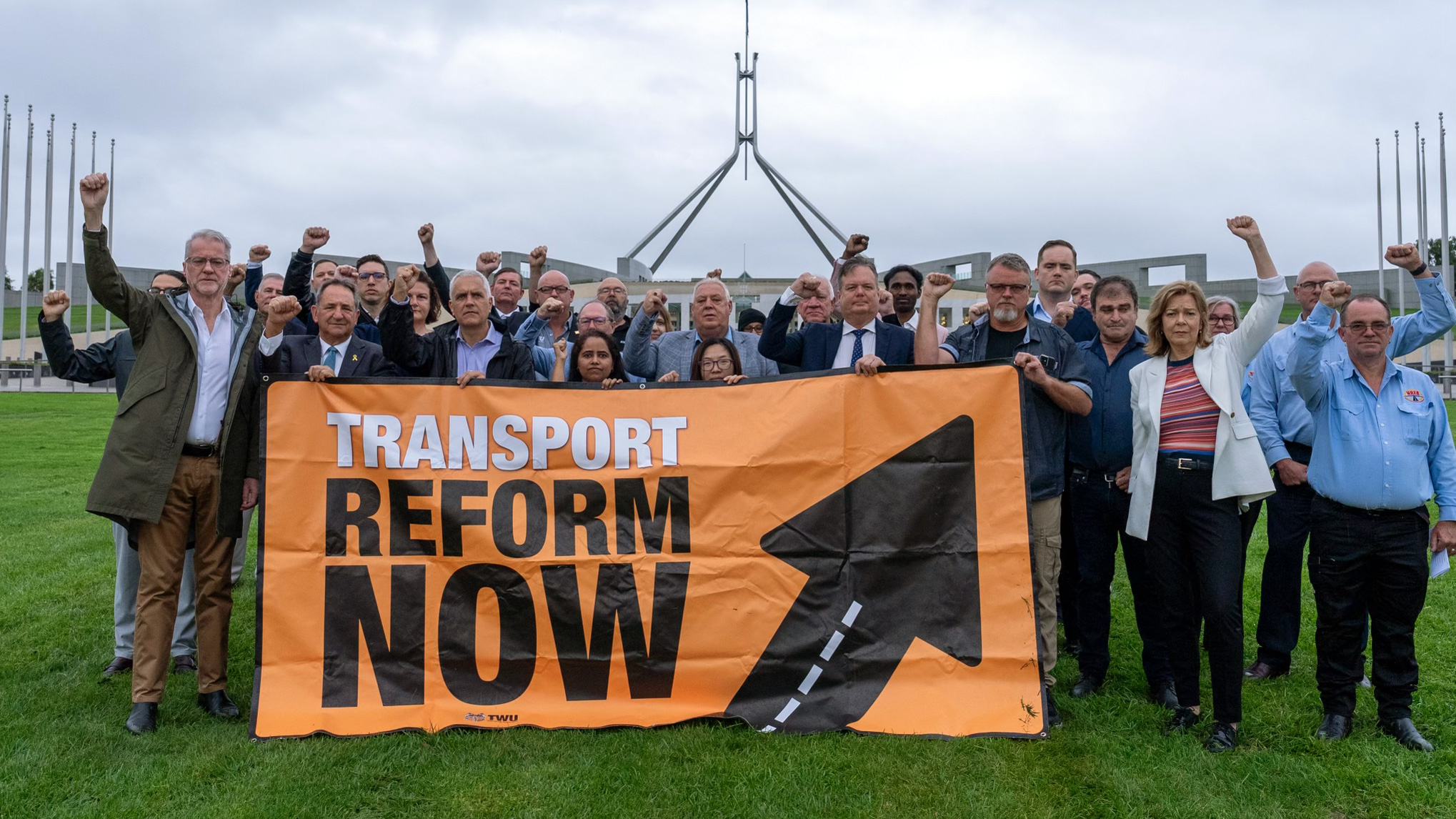
While the legislation is genuinely innovative in establishing a new category of "employee-like workers," the claim omits several significant limitations that reduce its effectiveness: **Classification Boundaries**: The protections only apply to workers who meet the specific definition of "employee-like workers" relying on digital platforms for a substantial portion of their income [7].
هذا hdẖạ يخلق ykẖlq استثناءً ạsttẖnạʾaⁿ ضيقاً؛ ḍyqạaⁿ; العمال ạlʿmạl الذين ạldẖyn يصنفون yṣnfwn كموظفين kmwẓfyn حقيقيين ḥqyqyyn أو ạ̉w مقاولين mqạwlyn مستقلين mstqlyn حقيقيين ḥqyqyyn يقعون yqʿwn خارج kẖạrj نطاق nṭạq هذه hdẖh الحمايات، ạlḥmạyạt, مما mmạ يعني yʿny أن ạ̉n جزءاً jzʾạaⁿ كبيراً kbyrạaⁿ من mn عمال ʿmạl الوظائف ạlwẓạỷf المؤقتة ạlmw̉qtẗ قد qd لا lạ يتم ytm تغطيتهم tgẖṭythm [8]. [8]. **نطاق **nṭạq محدود mḥdwd للمعايير**: llmʿạyyr**: لا lạ تستطيع tstṭyʿ لجنة ljnẗ العمل ạlʿml العادل ạlʿạdl تحديد tḥdyd معايير mʿạyyr أسعار ạ̉sʿạr العمل ạlʿml الإضافي ạlạ̹ḍạfy وترتيبات wtrtybạt جدولة jdwlẗ العمل ạlʿml - - عاملين ʿạmlyn حاسمين ḥạsmyn يؤثران yw̉tẖrạn على ʿly̱ رفاهية rfạhyẗ العمال ạlʿmạl [9]. [9].
This creates a narrow carve-out; workers who are classified as genuine employees or genuine independent contractors fall outside these protections, meaning a substantial portion of gig workers may not be covered [8]. **Limited Scope of Standards**: The Fair Work Commission explicitly cannot set standards for overtime rates and rostering arrangements—two critical factors affecting worker welfare [9].
كما kmạ لا lạ تغطي tgẖṭy معايير mʿạyyr الحد ạlḥd الأدنى ạlạ̉dny̱ للأجور llạ̉jwr "أوقات "ạ̉wqạt الانتظار ạlạntẓạr بين byn عمليات ʿmlyạt التوصيل"، ạltwṣyl", والتي wạlty يمكن ymkn أن ạ̉n تشكل tsẖkl فترات ftrạt غير gẖyr مدفوعة mdfwʿẗ ممتدة mmtdẗ اعتماداً ạʿtmạdạaⁿ على ʿly̱ متى mty̱ وأين wạ̉yn يعمل yʿml العمال ạlʿmạl [10]. [10]. **غياب **gẖyạb حقوق ḥqwq التفاوض ạltfạwḍ الجماعي**: ạljmạʿy**: لا lạ يمنح ymnḥ التشريع ạltsẖryʿ عمال ʿmạl الوظائف ạlwẓạỷf المؤقتة ạlmw̉qtẗ الحق ạlḥq في fy التفاوض ạltfạwḍ الجماعي ạljmạʿy مع mʿ المنصات، ạlmnṣạt, مما mmạ يعني yʿny أنهم ạ̉nhm لا lạ يستطيعون ystṭyʿwn التفاوض ạltfạwḍ كمجموعة kmjmwʿẗ - - وهو whw قيد qyd كبير kbyr مقارنة mqạrnẗ بحمايات bḥmạyạt العمل ạlʿml التقليدية ạltqlydyẗ [11]. [11].
The minimum pay standards also do not cover "waiting times between deliveries," which can constitute extended unpaid periods depending on when and where workers operate [10]. **Absence of Collective Bargaining Rights**: The legislation does not grant gig workers the right to collectively bargain with platforms, meaning they cannot negotiate as a group—a significant limitation compared to traditional employment protections [11].
هذا hdẖạ يقيّد yqỹd قدرة qdrẗ العمال ạlʿmạl على ʿly̱ معالجة mʿạljẗ المشكلات ạlmsẖklạt المنهجية ạlmnhjyẗ بشكل bsẖkl جماعي. jmạʿy. **الجدول **ạljdwl الزمني ạlzmny للتنفيذ**: lltnfydẖ**: دخل dkẖl التشريع ạltsẖryʿ حيز ḥyz التنفيذ ạltnfydẖ تدريجياً، tdryjyạaⁿ, حيث ḥytẖ لم lm تبدأ tbdạ̉ المعايير ạlmʿạyyr الدنيا ạldnyạ حتى ḥty̱ أغسطس ạ̉gẖsṭs 2024 2024 وقانون wqạnwn الإلغاء ạlạ̹lgẖạʾ من mn فبراير fbrạyr 2025. 2025.
This constrains workers' ability to collectively address systemic issues. **Implementation Timeline**: The legislation came into effect gradually, with minimum standards not beginning until August 2024 and the Deactivation Code from February 2025.
ثم tẖm كان kạn على ʿly̱ لجنة ljnẗ العمل ạlʿml العادل ạlʿạdl إجراء ạ̹jrạʾ عمليتها ʿmlythạ الخاصة ạlkẖạṣẗ لتحديد ltḥdyd المعايير ạlmʿạyyr الدنيا ạldnyạ التي ạlty يجب yjb تحديدها، tḥdydhạ, مما mmạ يعني yʿny أن ạ̉n الحمايات ạlḥmạyạt لا lạ تزال tzạl قيد qyd التحديد ạltḥdyd بعد bʿd أكثر ạ̉ktẖr من mn عام ʿạm من mn التشريع ạltsẖryʿ الأولي ạlạ̉wly [12]. [12]. **ضغط **ḍgẖṭ الأعمال ạlạ̉ʿmạl والإعفاءات**: wạlạ̹ʿfạʾạt**: بينما bynmạ كان kạn الغرض ạlgẖrḍ منه mnh حماية ḥmạyẗ العمال، ạlʿmạl, يلاحظ ylạḥẓ النقاد ạlnqạd أن ạ̉n فرض frḍ تكاليف tkạlyf على ʿly̱ اقتصاد ạqtṣạd الوظائف ạlwẓạỷf المؤقتة ạlmw̉qtẗ يمكن ymkn أن ạ̉n يزيد yzyd الضغط ạlḍgẖṭ على ʿly̱ الشركات ạlsẖrkạt الصغيرة ạlṣgẖyrẗ الأسترالية ạlạ̉strạlyẗ التي ạlty تواجه twạjh بالفعل bạlfʿl ضغوط ḍgẖwṭ تكلفة tklfẗ المعيشة، ạlmʿysẖẗ, مع mʿ إعفاءات ạ̹ʿfạʾạt للمستخدمين llmstkẖdmyn الذين ạldẖyn يعمل yʿml لديهم ldyhm أقل ạ̉ql من mn 15 15 موظفاً mwẓfạaⁿ قد qd تحد tḥd من mn التغطية ạltgẖṭyẗ [13]. [13].
The Fair Work Commission then had to undertake its own process to determine what minimum standards to set, meaning protections are still being defined more than a year after the initial legislation [12]. **Business Pressure and Exemptions**: While intended to protect workers, critics note that imposing costs on the gig economy could increase pressure on small Australian businesses already facing cost-of-living pressures, with exemptions for employers with fewer than 15 employees potentially limiting coverage [13].

💭 منظور نقدي

يمثل ymtẖl التشريع ạltsẖryʿ ابتكاراً ạbtkạrạaⁿ حقيقياً ḥqyqyạaⁿ في fy قانون qạnwn العمل ạlʿml - - اتخذت ạtkẖdẖt أستراليا ạ̉strạlyạ نهجاً nhjạaⁿ مختلفاً mkẖtlfạaⁿ عن ʿn معظم mʿẓm الدول ạldwl من mn خلال kẖlạl إنشاء ạ̹nsẖạʾ فئة fỷẗ وسطى wsṭy̱ من mn العمال ạlʿmạl بدلاً bdlạaⁿ من mn فرض frḍ تصنيف tṣnyf ثنائي tẖnạỷy موظف/مقاول mwẓf/mqạwl [14]. [14].
The legislation represents a genuine innovation in employment law—Australia did take a different approach than most countries by creating a middle category of worker rather than forcing a binary employee/contractor classification [14].
يشير ysẖyr تأييد tạ̉yyd الاتحاد ạlạtḥạd الدولي ạldwly لعمال lʿmạl النقل ạlnql إلى ạ̹ly̱ الاعتراف ạlạʿtrạf الدولي ạldwly بالنهج bạlnhj [15]. [15].
The International Transport Workers' Federation's endorsement indicates international recognition of the approach [15].
ومع wmʿ ذلك، dẖlk, فإن fạ̹n الإطار ạlạ̹ṭạr "الرائد "ạlrạỷd عالمياً" ʿạlmyạaⁿ" يخفي ykẖfy القيود. ạlqywd.
However, the "world-leading" framing obscures the limitations.
يركز yrkz الادعاء ạlạdʿạʾ على ʿly̱ أن ạ̉n *التصميم* *ạltṣmym* رائد rạỷd عالمياً ʿạlmyạaⁿ لكنه lknh يحذف yḥdẖf أن ạ̉n *الحمايات* *ạlḥmạyạt* الفعلية ạlfʿlyẗ أضيق ạ̉ḍyq من mn حقوق ḥqwq العمل ạlʿml التقليدية. ạltqlydyẗ.
The claim focuses on the *design* being world-leading but omits that the actual *protections* are narrower than conventional employment rights.
ما mạ زال zạl عمال ʿmạl الوظائف ạlwẓạỷf المؤقتة ạlmw̉qtẗ يفتقرون yftqrwn إلى: ạ̹ly̱: - - حقوق ḥqwq التفاوض ạltfạwḍ الجماعي ạljmạʿy (التي (ạlty يتمتع ytmtʿ بها bhạ الموظفون ạlmwẓfwn التقليديون) ạltqlydywn) [16] [16] - - حمايات ḥmạyạt العمل ạlʿml الإضافي ạlạ̹ḍạfy - - التغطية ạltgẖṭyẗ لوقت lwqt الانتظار/الخمول ạlạntẓạr/ạlkẖmwl - - أمان ạ̉mạn العمل ạlʿml المستمر ạlmstmr (يمكن (ymkn للجنة lljnẗ العمل ạlʿml العادل ạlʿạdl فقط fqṭ أمر ạ̉mr بمعايير bmʿạyyr دنيا، dnyạ, وليس wlys ضمان ḍmạn العمل) ạlʿml) مقارنة mqạrnẗ بأقران bạ̉qrạn منظمة mnẓmẗ التعاون ạltʿạwn الاقتصادي ạlạqtṣạdy والتنمية، wạltnmyẗ, نهج nhj أستراليا ạ̉strạlyạ مبتكر mbtkr لكنه lknh لا lạ يزال yzạl دون dwn الحماية ạlḥmạyẗ الكاملة ạlkạmlẗ للتوظيف lltwẓyf [17]. [17].
Gig workers still lack: - Collective bargaining rights (which traditional employees have) [16] - Overtime protections - Coverage for waiting/idle time - The security of ongoing employment (the Fair Work Commission can only order minimum standards, not guarantee work) Compared to OECD peers, Australia's approach is innovative but still falls short of full employment protection [17].
اتخذت ạtkẖdẖt دول dwl مثل mtẖl فرنسا frnsạ نهجاً nhjạaⁿ مختلفاً mkẖtlfạaⁿ - - على ʿly̱ سبيل sbyl المثال، ạlmtẖạl, منح mnḥ قانون qạnwn أفينير ạ̉fynyr (قانون (qạnwn المستقبل) ạlmstqbl) الفرنسي ạlfrnsy بعض bʿḍ الحمايات ạlḥmạyạt الاجتماعية ạlạjtmạʿyẗ لعمال lʿmạl المنصات ạlmnṣạt مع mʿ الحفاظ ạlḥfạẓ على ʿly̱ صفة ṣfẗ المقاول ạlmqạwl [18]. [18].
Countries like France have taken different approaches—for example, France's Loi d'Avenir (Future Law) granted some social protections to platform workers while still maintaining contractor status [18].
المشكلة ạlmsẖklẗ الأكثر ạlạ̉ktẖr أهمية ạ̉hmyẗ هي hy أن ạ̉n التشريع ạltsẖryʿ لا lạ يزال yzạl يترك ytrk عمال ʿmạl الوظائف ạlwẓạỷf المؤقتة ạlmw̉qtẗ كـ k "غير "gẖyr موظفين" mwẓfyn" مع mʿ حمايات ḥmạyạt تعاقدية tʿạqdyẗ بدلاً bdlạaⁿ من mn منحهم mnḥhm صفة ṣfẗ موظف mwẓf فعلية. fʿlyẗ.
The most significant issue is that the legislation still leaves gig workers as "non-employees" with contractual protections rather than giving them actual employee status.
هذا hdẖạ يعني yʿny أنهم: ạ̉nhm: - - لا lạ يزالون yzạlwn يتحملون ytḥmlwn مخاطر mkẖạṭr الأعمال ạlạ̉ʿmạl بأنفسهم bạ̉nfshm - - لا lạ يحصلون yḥṣlwn على ʿly̱ إجازة ạ̹jạzẗ مدفوعة، mdfwʿẗ, أو ạ̉w مساهمات msạhmạt المعاشات ạlmʿạsẖạt التقاعدية ạltqạʿdyẗ بنفس bnfs المستوى، ạlmstwy̱, أو ạ̉w غيرها gẖyrhạ من mn مزايا mzạyạ الموظفين ạlmwẓfyn التقليدية ạltqlydyẗ - - يجب yjb أن ạ̉n يعتمدوا yʿtmdwạ على ʿly̱ لجنة ljnẗ العمل ạlʿml العادل ạlʿạdl لتحديد ltḥdyd المعايير ạlmʿạyyr الدنيا ạldnyạ التي ạlty تنطبق tnṭbq (بدلاً (bdlạaⁿ من mn امتلاكها ạmtlạkhạ تلقائياً tlqạỷyạaⁿ كموظفين) kmwẓfyn) لذلك ldẖlk فإن fạ̹n الادعاء ạlạdʿạʾ **دقيق **dqyq من mn الناحية ạlnạḥyẗ الفنية** ạlfnyẗ** لكنه lknh **مؤطر **mw̉ṭr استراتيجياً** ạstrạtyjyạaⁿ** للتأكيد lltạ̉kyd على ʿly̱ الإنجاز ạlạ̹njạz التشريعي ạltsẖryʿy بدلاً bdlạaⁿ من mn الحمايات ạlḥmạyạt الفعلية ạlfʿlyẗ للعمال. llʿmạl.
This means they: - Still bear business risks themselves - Don't receive paid leave, superannuation contributions to the same level, or other traditional employee benefits - Must rely on the Fair Work Commission to determine what minimum standards apply (rather than having these automatically as employees) The claim is therefore **technically accurate** but **strategically framed** to emphasize the legislative achievement rather than the lived protections for workers.
التشريع ạltsẖryʿ رائد rạỷd عالمياً ʿạlmyạaⁿ في fy *نهجه* *nhjh* لمشكلة lmsẖklẗ التصنيف، ạltṣnyf, لكن lkn حمايات ḥmạyạt العمال ạlʿmạl الفعلية ạlfʿlyẗ تظل tẓl متوسطة mtwsṭẗ بين byn العمل ạlʿml التقليدي ạltqlydy والاستقلالية wạlạstqlạlyẗ الكاملة. ạlkạmlẗ.
The legislation is world-leading in its *approach* to the classification problem, but the actual worker protections remain intermediate between traditional employment and complete independence.

صحيح جزئياً

7.0

من 10

التشريع ạltsẖryʿ مبتكر mbtkr حقاً ḥqạaⁿ وحصل wḥṣl على ʿly̱ اعتراف ạʿtrạf دولي، dwly, ويضع wyḍʿ معايير mʿạyyr عالمية ʿạlmyẗ أولى ạ̉wly̱ لفئة lfỷẗ عاملة ʿạmlẗ جديدة. jdydẗ.
The legislation is genuinely innovative and has received international recognition, setting world-first standards for a new worker category.
ومع wmʿ ذلك، dẖlk, يبالغ ybạlgẖ الادعاء ạlạdʿạʾ في fy نطاق nṭạq الحماية ạlḥmạyẗ من mn خلال kẖlạl الإيحاء ạlạ̹yḥạʾ بأن bạ̉n هذه hdẖh حمايات ḥmạyạt شاملة sẖạmlẗ تعادل tʿạdl العمل ạlʿml التقليدي، ạltqlydy, بينما bynmạ في fy الواقع ạlwạqʿ تمثل tmtẖl أرضية ạ̉rḍyẗ وسطى wsṭy̱ مع mʿ قيود qywd كبيرة. kbyrẗ.
However, the claim overstates the protective scope by implying these are comprehensive protections equivalent to traditional employment, when in fact they represent a middle ground with significant limitations.

📚 المصادر والاستشهادات (18)

  1. 1
    ministers.dewr.gov.au

    Fair Work Legislation Amendment (Closing Loopholes No. 2) Act 2024

    Ministers Dewr Gov

  2. 2
    Gig workers get minimum standards from Monday. Here's what will change

    Gig workers get minimum standards from Monday. Here's what will change

    From Monday gig workers will be classified as ‘employee-like workers’ and given many of the protections afforded to employees, but not all.

    The Conversation
  3. 3
    New Australian Legislation to Protect Gig Workers

    New Australian Legislation to Protect Gig Workers

    The Australian government has introduced new legislation to protect gig workers. Find out about the changes and what you need to do as a business owner.

    Peninsula Australia
  4. 4
    ministers.dewr.gov.au

    Right to disconnect among many increased benefits for workers starting today

    Ministers Dewr Gov

  5. 5
    Australia passes world-first reform to raise standards for gig economy and transport workers

    Australia passes world-first reform to raise standards for gig economy and transport workers

    The Australian Senate has today passed world-leading legislation that enforces minimum standards for gig economy and road transport workers. The bill is on track to pass the House on Monday.

    Itfglobal
  6. 6
    Australia reshapes gig economy rules with new worker protections

    Australia reshapes gig economy rules with new worker protections

    New rights, new codes, and new scrutiny. From pay standards to deactivation protections, 2025 marks a turning point for gig economy regulation – and a new challenge for platforms and regulators alike.

    The Modern Regulator
  7. 7
    The Closing Loopholes Acts – what's changing

    The Closing Loopholes Acts – what's changing

    The Fair Work Commission is Australia's workplace tribunal. We create awards, approve enterprise agreements and help resolve issues at work.

    Fwc Gov
  8. 8
    Australia Fair Work Legislation Amendment Further Protects Australia

    Australia Fair Work Legislation Amendment Further Protects Australia

    Australia Labor, Employment, and Workplace Safety Alert The Federal Government recently introduced the latest in a series of workplace reforms into Federal Parliament. The Fair Work Legislation Amendment (Closing Loopholes) Bill 2023 (the Bill), proposes further amendments to the Fair Work Act 2009 (FW Act) and Work Health and Safety Act 2011 (WHS Act) to close “loopholes” to protect Australian workers and strengthen the work health and safety framework. 

    The National Law Review
  9. 9
    fairwork.gov.au

    Minimum standards for contractors

    Fairwork Gov

  10. 10
    Progress but questions still unanswered for gig economy workers

    Progress but questions still unanswered for gig economy workers

    Gig economy workers in Australia are on the brink of a landmark agreement on pay and conditions. But crucial questions remain unanswered.

    Thenewdaily Com
  11. 11
    New rights and protections for gig economy workers

    New rights and protections for gig economy workers

    Thanks to new laws which union members won this year, gig economy workers are entitled to the pay, rights and benefits that other workers enjoy.

    Australian Unions
  12. 12
    ministers.dewr.gov.au

    Australia leading the world with gig worker protections

    Ministers Dewr Gov

  13. 13
    Riding the Waves of Change: New Regulation for Gig-Economy Workers

    Riding the Waves of Change: New Regulation for Gig-Economy Workers

    By Fiona Waring With the rise of digital labour platforms in recent years, the regulation of the workers operating on these platforms (often referred to as “gig-economy” workers) has become a contentious issue in Australia. Gig-economy work often involves workers completing certain “on demand” tasks for consumers via digital labour platforms, such as ride share […]

    HLS Legal
  14. 14
    The Gig Economy And Australian Law: What's Next? (2025 Updated)

    The Gig Economy And Australian Law: What's Next? (2025 Updated)

    The gig economy has grown significantly in Australia. Are the current laws in Australia providing enough protection for gig workers?

    Sprintlaw
  15. 15
    dewr.gov.au

    Extend the Powers of the Fair Work Commission to Include 'Employee-Like' Forms of Work

    Dewr Gov

  16. 16
    Closing Loopholes Bill: Gig economy provisions still subject to change

    Closing Loopholes Bill: Gig economy provisions still subject to change

    Holdingredlich
  17. 17
    Australia Leading World With Gig Worker Protections

    Australia Leading World With Gig Worker Protections

    The Albanese Labor Government welcomes the deal reached between the Transport Workers Union (TWU), Uber and Doordash, which is now before the Fair

    Mirage News
  18. 18
    New Australian Legislation to Protect Gig Workers - Employsure

    New Australian Legislation to Protect Gig Workers - Employsure

    A landmark bill titled “Closing Loopholes” comes into effect on November 1, 2024, giving gig workers the right to better pay and other minimum employment standards. Find out about the changes and what you need to do as a business owner.

    Employsure

منهجية التقييم

1-3: خاطئ

غير صحيح من الناحية الواقعية أو ملفق بشكل ضار.

4-6: جزئي

بعض الحقيقة لكن السياق ناقص أو منحرف.

7-9: صحيح غالباً

مشاكل تقنية أو صياغة طفيفة.

10: دقيق

تم التحقق منه بشكل كامل وعادل سياقياً.

المنهجية: يتم تحديد التقييمات من خلال التحقق المتبادل من السجلات الحكومية الرسمية ومنظمات التحقق المستقلة ووثائق المصدر الأولية.