مضلل

التقييم: 5.0/10

Labor
5.3

الادعاء

“حماية 52% من محيطات Australia، أول دولة تتجاوز 50%”
المصدر الأصلي: Albosteezy

المصادر الأصلية المقدمة

التحقق من الحقائق

أعلنت ạ̉ʿlnt Australia Australia بالفعل bạlfʿl عن ʿn حماية ḥmạyẗ 52% 52% من mn إقليمها ạ̹qlymhạ البحري. ạlbḥry.
Australia has indeed announced protection of 52% of its ocean territory.
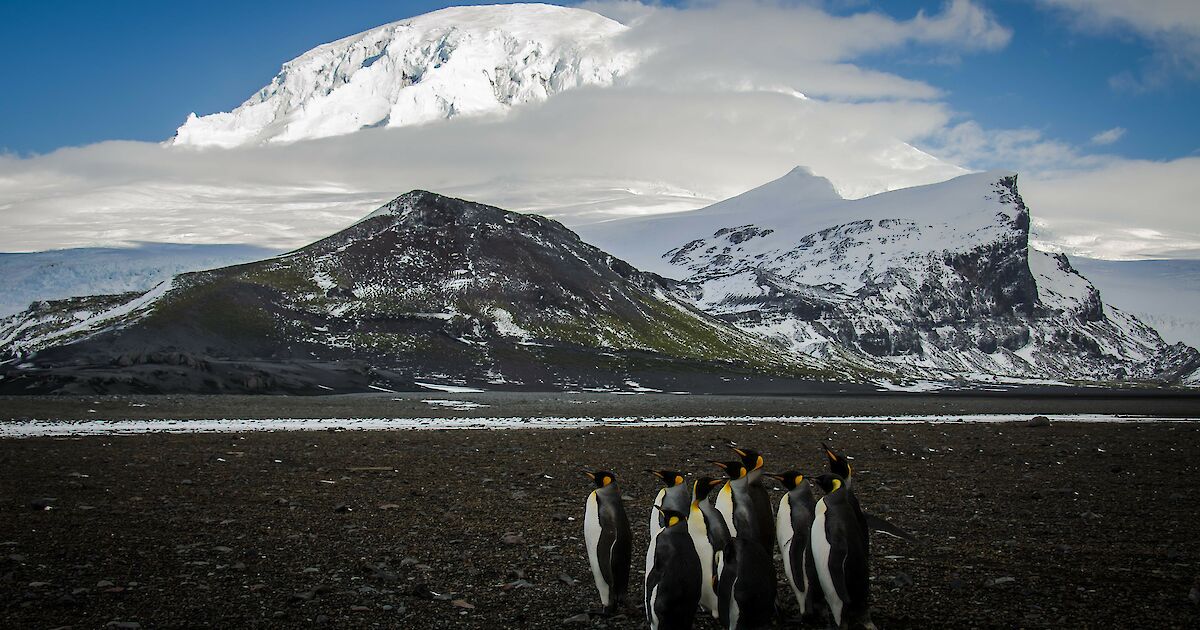
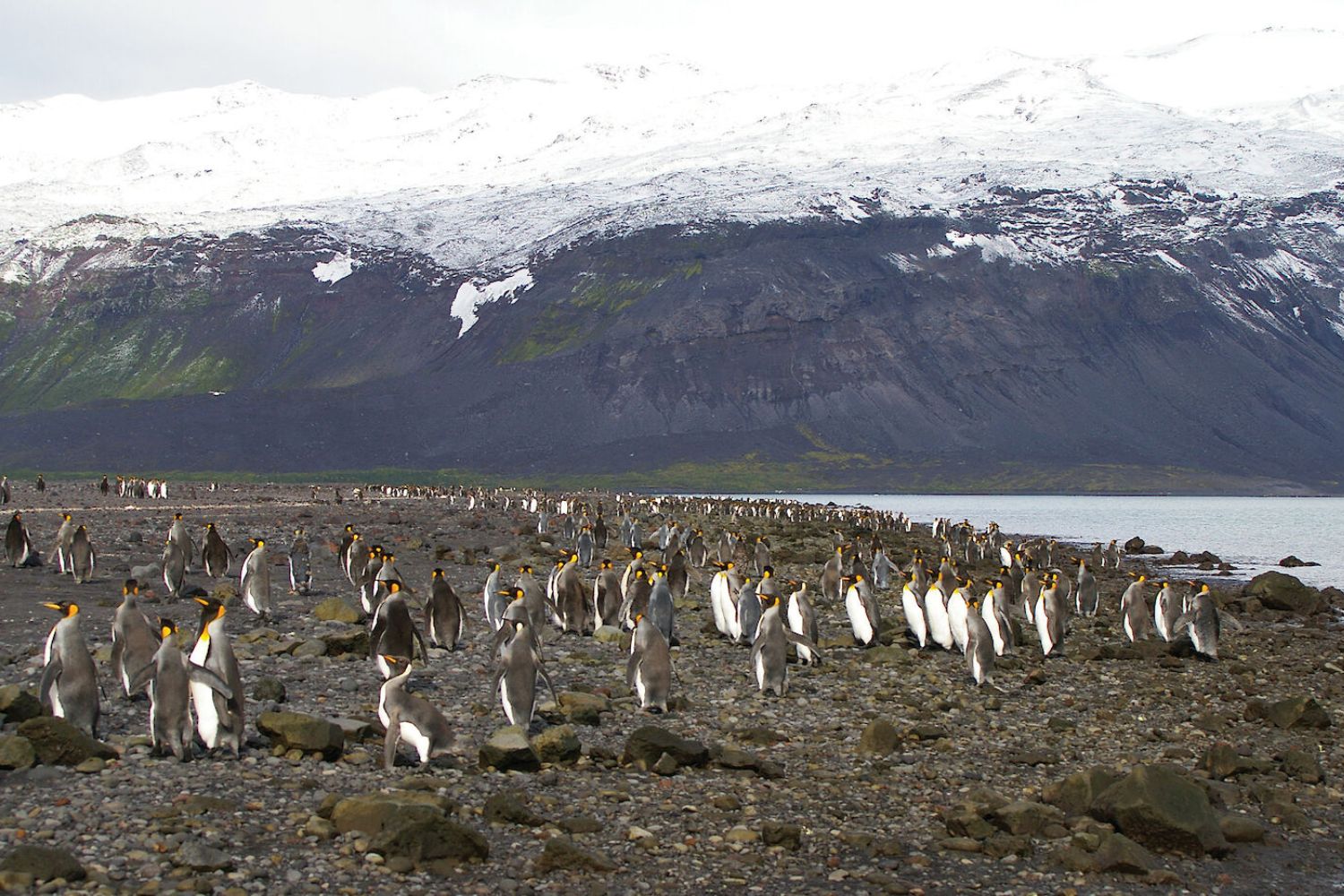
في fy أكتوبر ạ̉ktwbr 2024، 2024, أعلنت ạ̉ʿlnt الحكومة ạlḥkwmẗ الAustraliaية ạlAustraliayẗ عن ʿn توسيع twsyʿ محمية mḥmyẗ جزر jzr Heard Heard وMcDonald wMcDonald البحرية ạlbḥryẗ بأكثر bạ̉ktẖr من mn 310,000 310,000 كم²، km², مما mmạ أدى ạ̉dy̱ إلى ạ̹ly̱ تصنيف tṣnyf 52% 52% من mn مياه myạh Australia Australia كمحمية kmḥmyẗ [1]. [1].
In October 2024, the Australian Government announced an expansion of the Heard and McDonald Islands Marine Reserve by over 310,000 km², which resulted in 52% of Australia's waters being designated as protected [1].
وقع wqʿ الحاكم ạlḥạkm العام ạlʿạm على ʿly̱ إعلان ạ̹ʿlạn التعديل ạltʿdyl لإعطاء lạ̹ʿṭạʾ أثر ạ̉tẖr لهذا lhdẖạ التوسع ạltwsʿ في fy 5 5 ديسمبر dysmbr 2024، 2024, مع mʿ دخول dkẖwl التغيير ạltgẖyyr حيز ḥyz التنفيذ ạltnfydẖ في fy 24 24 يناير ynạyr 2025 2025 [2]. [2].
The Governor-General signed the Amendment Proclamation giving effect to this expansion on 5 December 2024, with the change coming into effect on 24 January 2025 [2].
فيما fymạ يتعلق ytʿlq بما bmạ إذا ạ̹dẖạ كانت kạnt Australia Australia هي hy أول ạ̉wl دولة dwlẗ تتجاوز ttjạwz 50%، 50%, فإن fạ̹n هذا hdẖạ الادعاء ạlạdʿạʾ غير gẖyr دقيق dqyq جزئياً. jzỷyạaⁿ.
Regarding whether Australia was the first country to exceed 50%, this claim is partially inaccurate.
اعتباراً ạʿtbạrạaⁿ من mn وقت wqt هذا hdẖạ الادعاء، ạlạdʿạʾ, كان kạn العديد ạlʿdyd من mn الدول ạldwl قد qd تجاوزت tjạwzt بالفعل bạlfʿl تصنيفات tṣnyfạt حماية ḥmạyẗ المحيطات ạlmḥyṭạt بنسبة bnsbẗ 50%. 50%.
As of the time of this claim, multiple countries had already exceeded 50% ocean protection designations.
فقد fqd صنفت ṣnft Monaco Monaco 100% 100% من mn مياهها myạhhạ كمحمية، kmḥmyẗ, وPalau wPalau 99%، 99%, والمملكة wạlmmlkẗ المتحدة ạlmtḥdẗ 68%، 68%, وKazakhstan wKazakhstan 52% 52% [3]. [3].
Monaco has designated 100% of its waters as protected, Palau 99%, the UK 68%, and Kazakhstan 52% [3].
لذلك، ldẖlk, لم lm تكن tkn Australia Australia أول ạ̉wl دولة dwlẗ تتجاوز ttjạwz حماية ḥmạyẗ المحيطات ạlmḥyṭạt بنسبة bnsbẗ 50% 50% بل bl كانت kạnt رابعاً rạbʿạaⁿ تقريباً tqrybạaⁿ بين byn الدول ạldwl ذات dẖạt مثل mtẖl هذه hdẖh التصنيفات. ạltṣnyfạt.
Therefore, Australia was not the first country to exceed 50% ocean protection—it was approximately the fourth among nations with such designations.
التزمت ạltzmt حكومة ḥkwmẗ Albanese Albanese بتحقيق btḥqyq 30% 30% من mn مياه myạh Australia Australia في fy مناطق mnạṭq "محمية "mḥmyẗ للغاية" llgẖạyẗ" (محميات) (mḥmyạt) بحلول bḥlwl عام ʿạm 2030، 2030, كجزء kjzʾ من mn التزام ạltzạm أوسع ạ̉wsʿ بمعاهدة bmʿạhdẗ الأمم ạlạ̉mm المتحدة ạlmtḥdẗ للطبيعة llṭbyʿẗ [4]. [4].
The Albanese Government has made a commitment to achieve 30% of Australia's waters in "highly protected" (sanctuary) areas by 2030, as part of a broader UN nature treaty commitment [4].
حالياً، ḥạlyạaⁿ, يوجد ywjd 52% 52% من mn الإقليم ạlạ̹qlym البحري ạlbḥry تحت tḥt شكل sẖkl من mn أشكال ạ̉sẖkạl تصنيف tṣnyf الحماية، ạlḥmạyẗ, لكن lkn هذا hdẖạ يختلف ykẖtlf عن ʿn هدف hdf الحماية ạlḥmạyẗ العالية ạlʿạlyẗ بنسبة bnsbẗ 30%. 30%.
Currently, 52% of ocean territory is under some form of protection designation, but this is distinct from the 30% highly protected target.

السياق المفقود

يُغْفِلُ ygẖfl الْاِدِّعَاءُ ạlạdʿạʾ التَّمْييزَاتِ ạltmyyzạt الْحَاسِمَةِ ạlḥạsmẗ بَيْن byn التَّصْنِيفِ ạltṣnyf الْمُحَدَّدِ ạlmḥdd لِلْحِمَايَةَ llḥmạyẗ وَالْحِمَايَةَ wạlḥmạyẗ الْفِعْلِيَّةَ ạlfʿlyẗ وَالْفَعَّالَةَ wạlfʿạlẗ.
The claim omits critical distinctions between designated protection and actual, effective protection.
بينما bynmạ يتم ytm تصنيف tṣnyf 52% 52% من mn المياه ạlmyạh الAustraliaية ạlAustraliayẗ كمناطق kmnạṭq بحرية bḥryẗ محمية mḥmyẗ (MPAs)، (MPAs), فإن fạ̹n جودة jwdẗ وفعالية wfʿạlyẗ هذه hdẖh الحماية ạlḥmạyẗ تختلف tkẖtlf بشكل bsẖkl كبير kbyr عبر ʿbr هذه hdẖh المناطق ạlmnạṭq [5]. [5].
While 52% of Australian waters are designated as marine protected areas (MPAs), the quality and effectiveness of this protection varies dramatically across these areas [5].
حوالي ḥwạly 75% 75% من mn المناطق ạlmnạṭq البحرية ạlbḥryẗ المحمية ạlmḥmyẗ في fy Australia Australia تحصل tḥṣl فقط fqṭ على ʿly̱ حماية ḥmạyẗ "جزئية"، "jzỷyẗ", مما mmạ يعني yʿny أنها ạ̉nhạ تسمح tsmḥ بالصيد bạlṣyd التجاري ạltjạry وتربية wtrbyẗ الأحياء ạlạ̉ḥyạʾ المائية ạlmạỷyẗ واستكشاف wạstksẖạf التعدين ạltʿdyn [6]. [6].
Approximately 75% of Australia's marine protected areas are given only "partial" protection, meaning they allow commercial fishing, aquaculture, and mining exploration [6].
هَذَا hdẖạ تَمْييزِ tmyyz حَاسِمِ ḥạsm.
This is a crucial distinction.
تُسمى tusmy̱ العديد ạlʿdyd من mn المناطق ạlmnạṭq من mn قبل qbl حماة ḥmạẗ البيئة ạlbyỷẗ "متنزهات "mtnzhạt ورقية" wrqyẗ" خطوط kẖṭwṭ على ʿly̱ الخرائط ạlkẖrạỷṭ مع mʿ حماية ḥmạyẗ حقيقية ḥqyqyẗ ضئيلة ḍỷylẗ [7]. [7].
Many areas are what conservationists call "paper parks"—lines on maps with minimal real protection [7].
في fy هذه hdẖh المناطق ạlmnạṭq متعددة mtʿddẗ الاستخدامات، ạlạstkẖdạmạt, يستمر ystmr الصيد ạlṣyd التجاري، ạltjạry, ويمكن wymkn للصناعات llṣnạʿạt الاستخراجية ạlạstkẖrạjyẗ أن ạ̉n تعمل tʿml داخل dạkẖl المناطق ạlmnạṭq المحمية ạlmḥmyẗ المحددة ạlmḥddẗ [5]. [5].
In these multi-use zones, commercial fishing continues, and extractive industries can operate within designated protected areas [5].
المناطق ạlmnạṭq المحمية ạlmḥmyẗ للغاية llgẖạyẗ مناطق mnạṭq المحميات ạlmḥmyạt حيث ḥytẖ لا lạ يُسمح yusmḥ بالصيد bạlṣyd أو ạ̉w التعدين ạltʿdyn أو ạ̉w التخلص ạltkẖlṣ من mn النفايات ạlnfạyạt أو ạ̉w استخراج ạstkẖrạj النفط ạlnfṭ والغاز wạlgẖạz تميل tmyl إلى ạ̹ly̱ أن ạ̉n تكون tkwn موضوعة mwḍwʿẗ استراتيجياً ạstrạtyjyạaⁿ في fy مناطق mnạṭq نائية nạỷyẗ مع mʿ نشاط nsẖạṭ بشري bsẖry ضئيل، ḍỷyl, وبالتالي wbạltạly تجنب tjnb المناطق ạlmnạṭq ذات dẖạt القيمة ạlqymẗ الاقتصادية. ạlạqtṣạdyẗ.
The highly protected areas—sanctuary zones where no fishing, mining, dumping, or oil and gas extraction is allowed—tend to be strategically located in remote regions with minimal human activity, thereby avoiding economically valuable areas.
وجد wjd العلماء ạlʿlmạʾ أن ạ̉n المناطق ạlmnạṭq البحرية ạlbḥryẗ المحمية ạlmḥmyẗ المحمية ạlmḥmyẗ للغاية llgẖạyẗ تم tm وضعها wḍʿhạ في fy مواقع mwạqʿ بدون bdwn استخراج ạstkẖrạj للبترول llbtrwl ومنخفضة wmnkẖfḍẗ العائد ạlʿạỷd السابق ạlsạbq من mn الصيد، ạlṣyd, مما mmạ يعني yʿny أن ạ̉n هذا hdẖạ يوفر ywfr فقط fqṭ 2% 2% من mn فائدة fạỷdẗ الحماية ạlḥmạyẗ عبر ʿbr 98% 98% من mn تخصيص tkẖṣyṣ الاستخدام ạlạstkẖdạm عبر ʿbr جميع jmyʿ المياه ạlmyạh البحرية ạlbḥryẗ التابعة ạltạbʿẗ للكومنولث llkwmnwltẖ [8]. [8].
Scientists have found that highly protected MPAs were placed in locations with no petroleum extraction and low previous fishing yields, meaning this provides only a 2% conservation benefit across the 98% use allocation across all Commonwealth marine waters [8].
علاوة ʿlạwẗ على ʿly̱ ذلك، dẖlk, استحوذ ạstḥwdẖ الإعلان ạlạ̹ʿlạn المحدد ạlmḥdd على ʿly̱ انتقادات ạntqạdạt كبيرة kbyrẗ من mn المجتمع ạlmjtmʿ العلمي. ạlʿlmy.
Furthermore, the announcement specifically drew significant criticism from the scientific community.
يخلص ykẖlṣ مقال mqạl في fy مجلة mjlẗ Science Science المنشور ạlmnsẖwr في fy أكتوبر ạ̉ktwbr 2024 2024 إلى ạ̹ly̱ أن ạ̉n إعلان ạ̹ʿlạn Australia Australia "يتجاهل "ytjạhl الأدلة ạlạ̉dlẗ على ʿly̱ أن ạ̉n شبكة sẖbkẗ المناطق ạlmnạṭq البحرية ạlbḥryẗ المحمية ạlmḥmyẗ (MPA) (MPA) في fy Australia Australia فشلت fsẖlt باستمرار bạstmrạr في fy حماية ḥmạyẗ مناطق mnạṭq مهمة mhmẗ من mn التنوع ạltnwʿ البيولوجي" ạlbywlwjy" [9]. [9].
A Science magazine article published in October 2024 concludes that Australia's announcement "disregards evidence that Australia's Marine Protected Area (MPA) network has consistently failed to protect important areas of biodiversity" [9].
حدد ḥdd التحليل ạltḥlyl حماية ḥmạyẗ غير gẖyr كافية kạfyẗ لموائل lmwạỷl قاع qạʿ البحر ạlbḥr الحرجة، ạlḥrjẗ, ومناطق wmnạṭq البحث ạlbḥtẖ عن ʿn الطعام ạlṭʿạm لطيور lṭywr الألباتروس ạlạ̉lbạtrws والبطريق wạlbṭryq الماكاروني، ạlmạkạrwny, والمناطق wạlmnạṭq التي ạlty تدعم tdʿm وفرة wfrẗ وتنوع wtnwʿ الأسماك ạlạ̉smạk [9]. [9].
The analysis identified inadequate protection for critical seafloor habitats, foraging areas for albatrosses and macaroni penguins, and areas supporting fish abundance and variety [9].
أظهر ạ̉ẓhr البحث ạlbḥtẖ أن ạ̉n المناطق ạlmnạṭq المحمية ạlmḥmyẗ جزئياً jzỷyạaⁿ تواجه twạjh مستويات mstwyạt أعلى ạ̉ʿly̱ من mn الصيد ạlṣyd الترفيهي ạltrfyhy والحرفي wạlḥrfy مقارنة mqạrnẗ بالمناطق bạlmnạṭq غير gẖyr المحمية، ạlmḥmyẗ, مما mmạ يضع yḍʿ علامة ʿlạmẗ استفهام ạstfhạm حول ḥwl فعاليتها fʿạlythạ في fy الحماية ạlḥmạyẗ [10]. [10].
Research has shown that partially protected areas paradoxically experience higher levels of recreational and artisanal fishing than unprotected areas, calling into question their conservation effectiveness [10].
بالإضافة bạlạ̹ḍạfẗ إلى ạ̹ly̱ ذلك، dẖlk, يبلغ yblgẖ الزوار ạlzwạr للمناطق llmnạṭq المحمية ạlmḥmyẗ جزئياً jzỷyạaⁿ عن ʿn تجربة tjrbẗ كمية kmyẗ أقل ạ̉ql بكثير bktẖyr من mn الحياة ạlḥyạẗ البحرية ạlbḥryẗ مقارنة mqạrnẗ بمناطق bmnạṭq المحميات ạlmḥmyạt المحمية ạlmḥmyẗ بالكامل bạlkạml [10]. [10].
Additionally, visitors to partially protected areas report experiencing significantly less marine life compared to fully protected sanctuary zones [10].
كما kmạ يخفي ykẖfy الادعاء ạlạdʿạʾ أن ạ̉n هذا hdẖạ الرقم ạlrqm 52% 52% يمثل ymtẖl توسع twsʿ محميات mḥmyạt بحرية bḥryẗ في fy منطقة mnṭqẗ Antarctica Antarctica النائية ạlnạỷyẗ (Heard (Heard وMcDonald wMcDonald Islands) Islands) بدلاً bdlạaⁿ من mn حماية ḥmạyẗ المناطق ạlmnạṭq الساحلية ạlsạḥlyẗ الغنية ạlgẖnyẗ بالتنوع bạltnwʿ البيولوجي ạlbywlwjy حيث ḥytẖ يوجد ywjd معظم mʿẓm الحياة ạlḥyạẗ البحرية ạlbḥryẗ الAustraliaية ạlAustraliayẗ والنشاط wạlnsẖạṭ الصيدي ạlṣydy [2]. [2].
The claim also obscures that this 52% figure represents expansion of remote, Antarctic-region marine reserves (Heard and McDonald Islands) rather than protection of biodiversity-rich coastal areas where most Australian marine life and fishing activity occurs [2].

💭 منظور نقدي

عند ʿnd فحصها fḥṣhạ في fy سياقها، syạqhạ, يمثل ymtẖl ادعاء ạdʿạʾ حماية ḥmạyẗ المحيطات ạlmḥyṭạt بنسبة bnsbẗ 52% 52% تصنيفاً tṣnyfạaⁿ كبيراً kbyrạaⁿ على ʿly̱ الورق ạlwrq ولكنه wlknh يخفي ykẖfy إخفاقات ạ̹kẖfạqạt في fy الحماية. ạlḥmạyẗ.
When examined in context, the 52% ocean protection claim represents significant designation on paper but masks underlying conservation failures.
التمييز ạltmyyz بين byn "محمي" "mḥmy" و"محمي w"mḥmy فعالاً" fʿạlạaⁿ" أساسي ạ̉sạsy لتقييم ltqyym هذا hdẖạ الإنجاز. ạlạ̹njạz.
The distinction between "protected" and "effectively protected" is fundamental to evaluating this achievement.
يُظهر yuẓhr التزام ạltzạm الحكومة ạlḥkwmẗ الAustraliaية ạlAustraliayẗ نفسها nfshạ 30% 30% من mn المناطق ạlmnạṭq المحمية ạlmḥmyẗ للغاية llgẖạyẗ بحلول bḥlwl عام ʿạm 2030 2030 عدم ʿdm كفاية kfạyẗ الرقم ạlrqm الحالي ạlḥạly البالغ ạlbạlgẖ 52%. 52%.
The Australian Government's own commitment—30% highly protected areas by 2030—reveals the inadequacy of the current 52% figure.
هذا hdẖạ يعني yʿny أنه ạ̉nh على ʿly̱ الرغم ạlrgẖm من mn تصنيف tṣnyf 52% 52% من mn الإقليم ạlạ̹qlym البحري ạlbḥry كمحمية، kmḥmyẗ, فإن fạ̹n 30% 30% فقط fqṭ ستتلقى sttlqy̱ في fy النهاية ạlnhạyẗ حماية ḥmạyẗ "على "ʿly̱ مستوى mstwy̱ الذهب" ạldẖhb" مع mʿ حظر ḥẓr صيد ṣyd فعلي fʿly وقيود wqywd على ʿly̱ التعدين ạltʿdyn [4]. [4].
This means that despite 52% of ocean territory being designated as protected, only 30% will eventually receive "gold-standard" protection with actual fishing bans and mining restrictions [4].
هذا hdẖạ يشير ysẖyr إلى ạ̹ly̱ أن ạ̉n الرقم ạlrqm الحالي ạlḥạly البالغ ạlbạlgẖ 52% 52% يشمل ysẖml العديد ạlʿdyd من mn المناطق ạlmnạṭq ذات dẖạt القيمة ạlqymẗ الحماية ạlḥmạyẗ الحقيقية ạlḥqyqyẗ الضئيلة. ạlḍỷylẗ.
This suggests the current 52% figure includes many areas with minimal real conservation value.
مقارنة mqạrnẗ بمعايير bmʿạyyr التنوع ạltnwʿ البيولوجي ạlbywlwjy العالمية، ạlʿạlmyẗ, تتقصير ttqṣyr شبكة sẖbkẗ الحماية ạlḥmạyẗ البحرية ạlbḥryẗ في fy Australia. Australia.
Compared to global biodiversity standards, Australia's marine protection network falls short.
بينما bynmạ Australia Australia هي hy الأكبر ạlạ̉kbr من mn حيث ḥytẖ المساحة، ạlmsạḥẗ, تُظهر tuẓhr دراسات drạsạt الفعالية ạlfʿạlyẗ أن ạ̉n 2.8% 2.8% فقط fqṭ من mn محيط mḥyṭ العالم ạlʿạlm "محمي "mḥmy فعالاً" fʿạlạaⁿ" وفقاً wfqạaⁿ للمعايير llmʿạyyr الدولية ạldwlyẗ [11]. [11].
While Australia is the largest by area, effectiveness studies show that only 2.8% of the world's ocean is "effectively" protected according to international standards [11].
قَدٌّ qd لَا lạ تُلَبِّي tlby شَبَكَةُ sẖbkẗ الْحِمَايَةِ ạlḥmạyẗ الْجُزْئِيَّةِ ạljzỷyẗ فِي fy Australia Australia هَذِه hdẖh الْمَعَايِيرِ ạlmʿạyyr الدَّوْلِيَّةِ ạldwlyẗ لِلْفَعَّالِيَّةَ llfʿạlyẗ.
Australia's partially protected network may not meet these international effectiveness benchmarks.
يثير ytẖyr قرار qrạr الحكومة ạlḥkwmẗ بتجنب btjnb وضع wḍʿ مناطق mnạṭq محمية mḥmyẗ للغاية llgẖạyẗ في fy مناطق mnạṭq صيد ṣyd ذات dẖạt قيمة qymẗ اقتصادية ạqtṣạdyẗ (وصف (wṣf بأنه bạ̉nh 2% 2% حماية، ḥmạyẗ, 98% 98% استخدام) ạstkẖdạm) أسئلة ạ̉sỷlẗ حول ḥwl الإنصاف ạlạ̹nṣạf ولكنه wlknh يقوض yqwḍ نتائج ntạỷj الحماية. ạlḥmạyẗ.
The Government's decision to avoid placing highly protected zones in economically valuable fishing areas (described as 2% conservation, 98% use) raises fairness questions but undermines conservation outcomes.
تظل tẓl الموائل ạlmwạỷl الحرجة ạlḥrjẗ التي ạlty تدعم tdʿm البطاريق ạlbṭạryq وطيور wṭywr الألباتروس ạlạ̉lbạtrws وغيرها wgẖyrhạ من mn الحيوانات ạlḥywạnạt البحرية ạlbḥryẗ الكبيرة ạlkbyrẗ محمية mḥmyẗ بشكل bsẖkl غير gẖyr كافٍ kạfiⁿ لأن lạ̉n هذه hdẖh المناطق ạlmnạṭq تتداخل ttdạkẖl مع mʿ مصالح mṣạlḥ الصيد ạlṣyd [9]. [9].
Critical habitats supporting penguins, albatrosses, and other marine megafauna remain insufficiently protected because these areas overlap with fishing interests [9].
أخيراً، ạ̉kẖyrạaⁿ, صياغة ṣyạgẖẗ الادعاء ạlạdʿạʾ بأنها bạ̉nhạ "أول "ạ̉wl دولة dwlẗ تتجاوز ttjạwz 50%" 50%" خاطئة kẖạṭỷẗ بشكل bsẖkl يمكن ymkn إثباته ạ̹tẖbạth وتبدو wtbdw مصممة mṣmmẗ لتعظيم ltʿẓym الائتمان ạlạỷtmạn السياسي. ạlsyạsy.
Finally, the claim's framing as the "first country to exceed 50%" is demonstrably false and appears designed to maximize political credit.
كان kạn Monaco Monaco وPalau wPalau والمملكة wạlmmlkẗ المتحدة ạlmtḥdẗ وKazakhستان wKazakhstạn قد qd تجاوزت tjạwzt أو ạ̉w وصلت wṣlt جميعها jmyʿhạ إلى ạ̹ly̱ حماية ḥmạyẗ المحيطات ạlmḥyṭạt بنسبة bnsbẗ 50% 50% قبل qbl إعلان ạ̹ʿlạn Australia Australia [3]. [3].
Monaco, Palau, the UK, and Kazakhstan had all exceeded or reached 50% ocean protection before Australia's announcement [3].
يشير ysẖyr هذا hdẖạ التحريف ạltḥryf إلى ạ̹ly̱ أن ạ̉n الحكومة ạlḥkwmẗ شكلت sẖklt السرد ạlsrd لتسليط ltslyṭ الضوء ạlḍwʾ على ʿly̱ الابتكار ạlạbtkạr بدلاً bdlạaⁿ من mn القيادة ạlqyạdẗ الحقيقية، ạlḥqyqyẗ, عندما ʿndmạ يكون ykwn الإنجاز ạlạ̹njạz الفعلي ạlfʿly هو hw الوصول ạlwṣwl إلى ạ̹ly̱ الأهداف ạlạ̉hdạf الكمية ạlkmyẗ من mn خلال kẖlạl توسيع twsyʿ محميات mḥmyạt Antarctica Antarctica الكبيرة ạlkbyrẗ بدلاً bdlạaⁿ من mn حماية ḥmạyẗ النظم ạlnẓm البيئية ạlbyỷyẗ الساحلية ạlsạḥlyẗ الغنية ạlgẖnyẗ بالتنوع bạltnwʿ البيولوجي. ạlbywlwjy.
This misrepresentation suggests the government shaped the narrative to emphasize novelty rather than genuine leadership, when the actual achievement is reaching quantitative targets through large Antarctic reserve expansions rather than protecting biodiverse coastal ecosystems.

مضلل

5.0

من 10

يَحْتَوِي yḥtwy الْاِدِّعَاءُ ạlạdʿạʾ عَلَى ʿly̱ مَزِيجٍ mzyj مِن mn الْعَنَاصِرِ ạlʿnạṣr الصَّحِيحَةِ ạlṣḥyḥẗ وَالْخَاطِئَةِ wạlkẖạṭỷẗ الَّتِي ạlty تَخَلُّقِ tkẖlq مَعَا mʿạaⁿ اِنْطِبَاعًا ạnṭbạʿạaⁿ مُضَلِّلًا mḍllạaⁿ.
The claim contains a mix of true and false elements that together create a misleading impression.
الرقم ạlrqm 52% 52% دقيق dqyq بالنسبة bạlnsbẗ للمناطق llmnạṭq المحمية ạlmḥmyẗ المحددة، ạlmḥddẗ, لكن lkn ادعاء ạdʿạʾ "أول "ạ̉wl دولة dwlẗ تتجاوز ttjạwz 50%" 50%" غير gẖyr صحيح ṣḥyḥ من mn الناحية ạlnạḥyẗ الواقعية، ạlwạqʿyẗ, والادعاء wạlạdʿạʾ يخفي ykẖfy أن ạ̉n معظم mʿẓm الحماية ạlḥmạyẗ جزئية jzỷyẗ وليست wlyst فعالة، fʿạlẗ, مع mʿ بقاء bqạʾ العديد ạlʿdyd من mn المناطق ạlmnạṭq مفتوحة mftwḥẗ للصيد llṣyd التجاري ạltjạry والاستخراج. wạlạstkẖrạj.
The 52% figure is accurate for designated protected areas, but the "first country to exceed 50%" claim is factually incorrect, and the claim obscures that most protection is partial rather than effective, with many areas remaining open to commercial fishing and extraction.

📚 المصادر والاستشهادات (18)

  1. 1
    minister.dcceew.gov.au

    Australia now protects more ocean than any other country on earth

    Minister Dcceew Gov

  2. 2
    Heard Island and McDonald Islands Marine Reserve Expansion - Governor-General Amendment

    Heard Island and McDonald Islands Marine Reserve Expansion - Governor-General Amendment

    The public is being urged to have input on plans to expand the Heard and McDonald Islands Marine Reserve. The islands are located in the Southern Ocean, about 4,000 kilometres south-west of Western Australia, and are the only volcanically active islands in the sub-Antarctic.

    Antarctica Gov
  3. 3
    Ocean Protection Global Comparison - Countries with 50%+ Designated Protected Waters

    Ocean Protection Global Comparison - Countries with 50%+ Designated Protected Waters

    Learn how marine protected areas could help marine life recover – and even combat climate change

    Rmg Co
  4. 4
    National Geographic on Global Ocean Protection Commitments

    National Geographic on Global Ocean Protection Commitments

    Giving the ocean space to recover promises to help declining fish populations recover, restore habitat, and help save the climate, according to a new plan to save the seas.

    Environment
  5. 5
    Conservation Groups Welcome Albanese Government's 30% Highly Protected Commitment

    Conservation Groups Welcome Albanese Government's 30% Highly Protected Commitment

    An alliance* of 27 leading environment groups has welcomed the Albanese Government’s announcement on World Oceans Day to achieve 30 per cent of Australia’s oceans in highly protected areas by 2030. “We welcome the Albanese Government’s commitment to fully protect 30% of Australia’s oceans in highly protected sanctuaries,” said Christabel Mitchell, Oceans Director, Pew Charitable

    Empower Stories | Build Authority - Drive Impact | Amplify | Influence | Lead | Inspire
  6. 6
    75% of Australia's Marine Protected Areas Given Only 'Partial' Protection

    75% of Australia's Marine Protected Areas Given Only 'Partial' Protection

    Partially protected areas don’t have more wildlife than unprotected areas. They consume conservation resources and occupy space that could otherwise be allocated to more effective protection.

    The Conversation
  7. 7
    The Ambiguous Role of Partially Protected Marine Protected Areas in Australia: Results from a Systematic Literature Review

    The Ambiguous Role of Partially Protected Marine Protected Areas in Australia: Results from a Systematic Literature Review

    Marine protected areas (MPAs) are an important tool in helping to protect biodiversity in the oceans. Recent ratification of the Kunming-Montreal Global Biodiversity Framework (GBF) has ensured that globally we are committed to effectively protecting 30% of the world’s oceans by 2030, in MPAs. In Australia there is considerable interest in the potential benefits that partially protected areas (PPAs) may provide. However, a consistent definition of a PPA is currently lacking, and urgently needed to conduct quantitative analyses of PPAs. We conducted a systematic literature review to understand the current knowledge surrounding PPAs and their potential benefits. We define a PPA, characterise PPA implementation in Australia, and present results for the outcomes of PPAs in terms of ecological, economic, and social indicators. Our review suggests that although 45% of Australia’s marine environment is within MPAs, 61% of MPAs provide only partial protection. The Northern Territory (100%), New South Wales (81%), and Queensland (79.8%) have the highest percentage of MPAs that are partially protected, compared to Tasmania which has the smallest percentage of partially protected MPAs (13.12%). Tasmania also has the smallest percentage cover of MPAs (6.49% state waters). Most PPA management plans did not contain quantifiable Key Performance Indicators (KPIs) to be able to effectively monitor the progress of these PPAs against the stated outcomes. We find the benefits of PPAs to be ambiguous: PPAs generally provide benefits when compared to ‘open’ ocean, however this is not a consistent result. There are no PPAs that provide greater overall benefits when compared to fully protected MPAs. Only one state (South Australia) and the Commonwealth (Australian Marine Parks) are collecting publicly available baseline data to facilitate quantitative monitoring of PPAs. Contrary to fisheries management, there were no plans of action if the declared MPAs and PPAs failed to meet their declared objectives and goals. Some PPAs within Australia appear to be incompatible with conservation priorities according to the recent “MPA Guide” classification framework. This study highlights the need for clearer management rationale and plans for PPAs in Australia, as these comprise the majority of MPAs in Australia’s Exclusive Economic Zone.

    Journals Plos
  8. 8
    dpi.nsw.gov.au

    Australia's Marine Protected Areas - Fishing and Mining Allowances

    Dpi Nsw Gov

  9. 9
    Australian Marine Parks Overview

    Australian Marine Parks Overview

    Australian Marine Parks help conserve marine habitats and the marine species that live within and rely on these habitats. These marine parks also provide places for people to watch wildlife, dive, and go boating, snorkelling and fishing. Importantly, they create jobs in industries like fishing and tourism, and provide us with food and energy.

    Australianmarineparks Gov
  10. 10
    A New Chapter in Ocean Protection - Conservation Groups on Paper Parks

    A New Chapter in Ocean Protection - Conservation Groups on Paper Parks

    Australia announces expansion of subantarctic marine park but scientists say some areas are not receiving enough protection

    greenMe
  11. 11
    Australia's Marine (Un)Protected Areas: Government Zoning Bias

    Australia's Marine (Un)Protected Areas: Government Zoning Bias

    Australia needs to drop the deception that square kilometres say anything meaningful about conservation.

    The Conversation
  12. 12
    aph.gov.au

    AUSTRALIA'S MARINE PROTECTED AREAS: CHALLENGING TIMES AHEAD

    Aph Gov

  13. 13
    science.org

    Australia's Inadequate Marine Protection

    Science

  14. 14
    Australian Government Misses Rare Opportunity to Safeguard Globally Important Penguin, Seal and Albatross Feeding Grounds

    Australian Government Misses Rare Opportunity to Safeguard Globally Important Penguin, Seal and Albatross Feeding Grounds

    An alliance of 27 environmental groups today welcomed the expansion of Australia’s Heard Island and McDonald Islands Marine Reserve near Antarctica but said the Albanese Government had missed a rare opportunity to protect key feeding grounds for penguins, seals and albatross.

    Pew
  15. 15
    sciencedirect.com

    Effectiveness of Partially Protected Marine Areas - Fishing and Visitor Experience

    Sciencedirect

  16. 16
    Conservation Evidence on Fishing Cessation in MPAs

    Conservation Evidence on Fishing Cessation in MPAs

    Conservation Evidence
  17. 17
    Just 2.8% of the World's Ocean is 'Effectively' Protected

    Just 2.8% of the World's Ocean is 'Effectively' Protected

    Governments are falling far short of a pledge to conserve 30% of the ocean by 2030, according to a new report published ahead of COP16.

    Earth.Org
  18. 18
    bloomberg.org

    Bloomberg Philanthropies Report on Ocean Protection Effectiveness

    Bloomberg

    Original link no longer available

منهجية التقييم

1-3: خاطئ

غير صحيح من الناحية الواقعية أو ملفق بشكل ضار.

4-6: جزئي

بعض الحقيقة لكن السياق ناقص أو منحرف.

7-9: صحيح غالباً

مشاكل تقنية أو صياغة طفيفة.

10: دقيق

تم التحقق منه بشكل كامل وعادل سياقياً.

المنهجية: يتم تحديد التقييمات من خلال التحقق المتبادل من السجلات الحكومية الرسمية ومنظمات التحقق المستقلة ووثائق المصدر الأولية.