
8.11
주장
“연간 임금 4% 성장 (15년 만에 최고), 단체협약 적용 근로자 262만 명 (2014년 이후 최고)”
원본 출처: Albosteezy
원본 출처
✅ 사실 검증
이 i 주장은 jujangeun 별도로 byeoldoro 평가가 pyeonggaga 필요한 piryohan 두 du 가지 gaji 명확한 myeonghwakhan 주장을 jujangeul 포함하고 pohamhago 있습니다. itseupnida.
The claim contains two distinct assertions that require separate evaluation.
**Wages growing at 4% annually**: This is only partially accurate and depends heavily on which wage metric is used.
**연간 **yeongan 임금 imgeum 4% 4% 성장**: seongjang**: 이 i 주장은 jujangeun 부분적으로 bubunjeogeuro 정확하며 jeonghwakhamyeo 어떤 eotteon 임금 imgeum 지표를 jipyoreul 사용하는지에 sayonghaneunjie 크게 keuge 의존합니다. uijonhapnida. 정부 jeongbu 공식 gongsik 임금 imgeum 성장 seongjang 지표인 jipyoin 임금물가지수는 imgeummulgajisuneun 2025년 2025nyeon 9월 9wol 기준 gijun 민간 mingan 부문에서 bumuneseo 3.2%, 3.2%, 공공 gonggong 부문에서 bumuneseo 3.8%를 3.8%reul 기록했습니다[1]. girokhaetseupnida[1]. 이 i 수치는 suchineun 주장된 jujangdoen 4% 4% 수준보다 sujunboda 낮습니다. natseupnida. 그러나 geureona 주당 judang 평균 pyeonggyun 임금(구성 imgeum(guseong 효과를 hyogwareul 포함한 pohamhan 다른 dareun 지표)은 jipyo)eun 2024년 2024nyeon 11월 11wol 기준 gijun 연간 yeongan 4.6%에 4.6%e 달했으며, dalhaesseumyeo, 민간 mingan 부문 bumun 임금은 imgeumeun 4.8%를 4.8%reul 기록했습니다[2]. girokhaetseupnida[2]. 이 i 주장은 jujangeun 서로 seoro 다른 dareun 임금 imgeum 지표를 jipyoreul 혼동하거나 hondonghageona 사용 sayong 가능한 ganeunghan 데이터에서 deiteoeseo 가장 gajang 높은 nopeun 수치를 suchireul 선별적으로 seonbyeoljeogeuro 선택한 seontaekhan 것으로 geoseuro 보입니다. boipnida. The Wage Price Index—the official government measure of wage growth—was at 3.2% in September 2025 in the private sector and 3.8% in the public sector [1].
"15년 "15nyeon 만에 mane 최고"라는 choego"raneun 주장에 jujange 관해서: gwanhaeseo: 임금물가지수는 imgeummulgajisuneun 최근 choegeun 데이터에서 deiteoeseo 4%에 4%e 도달하지 dodalhaji 않았습니다[1]. anatseupnida[1]. 2024년 2024nyeon 11월 11wol 기준 gijun 주당 judang 평균 pyeonggyun 임금 imgeum 4.6%는 4.6%neun "2020년 "2020nyeon 5월 5wol 이후 ihu 최고 choego 연간 yeongan 성장률"로 seongjangryul"ro 묘사되었을 myosadoeeosseul 뿐, ppun, 15년 15nyeon 만에 mane 최고가 choegoga 아닙니다[2]. anipnida[2]. 이 i 주장은 jujangeun 역사적 yeoksajeok 비교를 bigyoreul 과장하고 gwajanghago 있습니다. itseupnida. These figures are below the claimed 4% level.
실질 siljil 임금 imgeum 성장(물가 seongjang(mulga 상승률 sangseungryul 조정)은 jojeong)eun 양호했지만 yanghohaetjiman 미미한 mimihan 수준입니다. sujunipnida. 2024년 2024nyeon 12월 12wol 기준 gijun 1년간 1nyeongan 실질 siljil 임금은 imgeumeun 0.8% 0.8% 성장했습니다[2]. seongjanghaetseupnida[2]. 이는 ineun 의미 uimi 있는 itneun 수치이지만 suchiijiman 예외적이지는 yeoejeogijineun 않습니다. ansseupnida. 이는 ineun 연합정부 yeonhapjeongbu 시절 sijeol 수년간의 sunyeonganui 실질 siljil 임금 imgeum 마이너스 maineoseu 성장을 seongjangeul 따른 ttareun 것입니다. geosipnida. However, Average Weekly Earnings (a different measure including composition effects) reached 4.6% annually in November 2024, with private sector earnings at 4.8% [2].
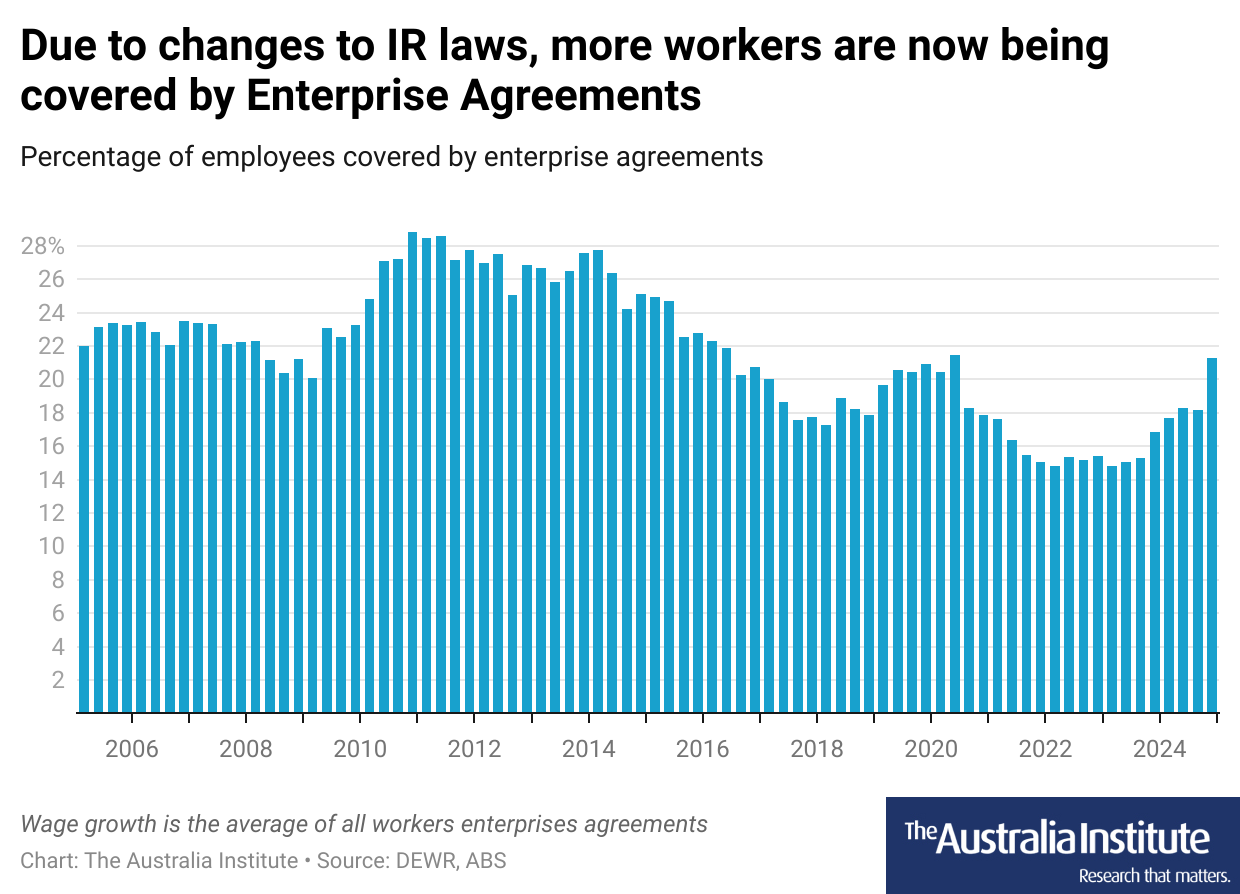
**단체협약 **danchehyeobyak 적용 jeogyong 근로자 geunroja 262만 262man 명**: myeong**: 사용 sayong 가능한 ganeunghan 데이터는 deiteoneun 262만 262man 명이라는 myeongiraneun 구체적 guchejeok 수치를 suchireul 뒷받침하지 dwitbatchimhaji 않습니다. ansseupnida. 2024년 2024nyeon 3월 3wol 기준 gijun 단체협약 danchehyeobyak 적용 jeogyong 인원은 inwoneun 214만 214man 명이었습니다[3]. myeongieotseupnida[3]. 공정노동위원회의 gongjeongnodongwiwonhoeui 최근 choegeun 데이터에 deiteoe 따르면 ttareumyeon 근로자의 geunrojaui 21.3%가 21.3%ga 단체협약에 danchehyeobyage 적용되었다고 jeogyongdoeeotdago 하며, hamyeo, 이는 ineun "2020년 "2020nyeon 6월 6wol 이후 ihu 처음으로 cheoeumeuro 단체협약 danchehyeobyak 적용 jeogyong 근로자 geunroja 비율이 biyuri 20%를 20%reul 넘어선 neomeoseon 것"으로 geot"euro 묘사되었습니다[3][4]. myosadoeeotseupnida[3][4]. 262만 262man 명이라는 myeongiraneun 수치는 suchineun 공식 gongsik 출처에서 chulcheoeseo 확인할 hwaginhal 수 su 없습니다. eopseupnida. The claim appears to conflate different wage measures or cherry-pick the highest figure from available data.
이것이 igeosi "2014년 "2014nyeon 이후 ihu 최고"인지 choego"inji 여부도 yeobudo 확실하게 hwaksilhage 확인할 hwaginhal 수 su 없습니다. eopseupnida. 2024년 2024nyeon 3월 3wol 기준 gijun 214만 214man 명은 myeongeun 사용 sayong 가능한 ganeunghan 데이터에서 deiteoeseo 최근 choegeun 몇 myeot 년간(2023년 nyeongan(2023nyeon 3월 3wol 174만 174man 명, myeong, 2023년 2023nyeon 12월 12wol 203만 203man 명)보다 myeong)boda 높지만, nopjiman, 2014년 2014nyeon 수준과의 sujungwaui 비교에는 bigyoeneun 현재 hyeonjae 출처에서 chulcheoeseo 제공되지 jegongdoeji 않은 aneun 과거 gwageo 데이터가 deiteoga 필요합니다[3]. piryohapnida[3]. Regarding whether this represents the "highest in 15 years": The Wage Price Index has not reached 4% in recent data [1].
누락된 맥락
이 i 주장에서 jujangeseo 여러 yeoreo 중요한 jungyohan 맥락적 maekrakjeok 요소가 yosoga 누락되었습니다: nurakdoeeotseupnida:
Several important contextual elements are absent from the claim:
1. **Wage measure ambiguity**: The claim doesn't specify whether it refers to the Wage Price Index (the official measure at 3.2-3.8%), Average Weekly Earnings (4.6%), or enterprise agreement wages (4.8% for covered workers) [1][2][3].
1. 1. **임금 **imgeum 지표의 jipyoui 모호성**: mohoseong**: 주장은 jujangeun 임금물가지수(공식 imgeummulgajisu(gongsik 지표, jipyo, 3.2-3.8%), 3.2-3.8%), 주당 judang 평균 pyeonggyun 임금(4.6%), imgeum(4.6%), 또는 ttoneun 단체협약 danchehyeobyak 임금(적용 imgeum(jeogyong 근로자 geunroja 기준 gijun 4.8%) 4.8%) 중 jung 어떤 eotteon 것을 geoseul 의미하는지 uimihaneunji 명시하지 myeongsihaji 않습니다[1][2][3]. ansseupnida[1][2][3]. 이들은 ideureun 실질적으로 siljiljeogeuro 다른 dareun 수치이며, suchiimyeo, 가장 gajang 높은 nopeun 수치를 suchireul 선택하는 seontaekhaneun 것은 geoseun 전형적인 jeonhyeongjeogin 임금 imgeum 성장 seongjang 경험을 gyeongheomeul 잘못 jalmot 표현하는 pyohyeonhaneun 것입니다. geosipnida. These are substantively different figures, and choosing the highest one misrepresents the typical wage growth experience.
2. **Real vs. nominal wages**: While nominal wages have grown, real wage growth (adjusted for inflation) remains modest at 0.8% [2].
2. 2. **명목 **myeongmok 대 dae 실질 siljil 임금**: imgeum**: 명목 myeongmok 임금이 imgeumi 성장한 seongjanghan 반면, banmyeon, 물가 mulga 상승률을 sangseungryureul 고려한 goryeohan 실질 siljil 임금 imgeum 성장은 seongjangeun 0.8%[2]로 0.8%[2]ro 여전히 yeojeonhi 미미합니다. mimihapnida. 이는 ineun 명목 myeongmok 수치가 suchiga 제시하는 jesihaneun 것보다 geotboda 훨씬 hwolssin 덜 deol 인상적입니다. insangjeogipnida. This is meaningful but far less impressive than the nominal figure suggests.
3. **Composition effects in Average Weekly Earnings**: The 4.6% Average Weekly Earnings growth includes changes in hours worked and employment composition, not just wage rate increases [2].
3. 3. **주당 **judang 평균 pyeonggyun 임금의 imgeumui 구성 guseong 효과**: hyogwa**: 4.6% 4.6% 주당 judang 평균 pyeonggyun 임금 imgeum 성장에는 seongjangeneun 순수 sunsu 임금 imgeum 인상 insang 외에도 oeedo 근무 geunmu 시간 sigan 및 mit 고용 goyong 구성의 guseongui 변화가 byeonhwaga 포함됩니다[2]. pohamdoepnida[2]. 순수 sunsu 임금 imgeum 인상률(임금물가지수)은 insangryul(imgeummulgajisu)eun 3.2-3.8%로 3.2-3.8%ro 더 deo 낮습니다[1]. natseupnida[1]. Pure wage rate growth (Wage Price Index) is lower at 3.2-3.8% [1].
4. **Unverified 2.62 million figure**: The claim provides a specific number without corroboration.
4. 4. **확인되지 **hwagindoeji 않은 aneun 262만 262man 명 myeong 수치**: suchi**: 주장은 jujangeun 뒷받침 dwitbatchim 없이 eopsi 구체적 guchejeok 수치를 suchireul 제시합니다. jesihapnida. 공식 gongsik 데이터는 deiteoneun 2024년 2024nyeon 3월 3wol 기준 gijun 214만 214man 명을 myeongeul 보여줍니다[3]. boyeojupnida[3]. Official data shows 2.14 million as of March 2024 [3].
5. **Enterprise agreement specifics**: Workers covered by enterprise agreements have experienced 4.8% average annual wage growth, which exceeds the general workforce average [3].
5. 5. **단체협약 **danchehyeobyak 세부사항**: sebusahang**: 단체협약에 danchehyeobyage 적용된 jeogyongdoen 근로자는 geunrojaneun 연평균 yeonpyeonggyun 4.8%의 4.8%ui 임금 imgeum 성장을 seongjangeul 경험했으며, gyeongheomhaesseumyeo, 이는 ineun 전체 jeonche 근로자 geunroja 평균을 pyeonggyuneul 상회합니다[3]. sanghoehapnida[3]. 그러나 geureona 이는 ineun 근로자 geunroja 중 jung 일부에 ilbue 해당하며, haedanghamyeo, 주장은 jujangeun 이러한 ireohan 구분을 gubuneul 명확히 myeonghwakhi 하지 haji 않습니다. ansseupnida. However, this represents only a subset of workers, and the claim doesn't clarify this distinction.
6. **International and historical context**: While wage growth has improved from the Coalition years (2.2% average 2013-2022), it remains in the low range historically and internationally [2].
6. 6. **국제 **gukje 및 mit 역사적 yeoksajeok 맥락**: maekrak**: 임금 imgeum 성장은 seongjangeun 연합정부 yeonhapjeongbu 시절(2013-2022년 sijeol(2013-2022nyeon 평균 pyeonggyun 2.2%)보다 2.2%)boda 개선되었지만, gaeseondoeeotjiman, 역사적으로나 yeoksajeogeurona 국제적으로 gukjejeogeuro 볼 bol 때 ttae 여전히 yeojeonhi 낮은 najeun 수준입니다[2]. sujunipnida[2]. 4% 4% 성장이 seongjangi "15년 "15nyeon 만에 mane 최고"라는 choego"raneun 주장은 jujangeun 사용 sayong 가능한 ganeunghan 데이터에서 deiteoeseo 뒷받침되지 dwitbatchimdoeji 않습니다. ansseupnida. The "highest in 15 years" claim for 4% growth is not supported by available data.
7. **Implementation attribution**: The claim doesn't clearly state whether these outcomes result from Labor government policy (Fair Work reforms, enterprise agreement changes) or broader economic factors (wage pressures from low unemployment, composition shifts, demand for workers).
7. 7. **시행 **sihaeng 원인 wonin 귀속**: gwisok**: 주장은 jujangeun 이러한 ireohan 결과가 gyeolgwaga 노동당 nodongdang 정부 jeongbu 정책(공정노동 jeongchaek(gongjeongnodong 개혁, gaehyeok, 단체협약 danchehyeobyak 변경)의 byeongyeong)ui 결과인지, gyeolgwainji, 아니면 animyeon 더 deo 광범위한 gwangbeomwihan 경제적 gyeongjejeok 요인(낮은 yoin(najeun 실업으로 sireobeuro 인한 inhan 임금 imgeum 압력, apryeok, 구성 guseong 변화, byeonhwa, 노동자 nodongja 수요)인지 suyo)inji 명확히 myeonghwakhi 밝히지 bakhiji 않습니다. ansseupnida. 💭 비판적 관점
이 i 주장은 jujangeun 선택적 seontaekjeok 지표 jipyo 사용을 sayongeul 통해 tonghae 임금 imgeum 성장을 seongjangeul 가능한 ganeunghan 한 han 가장 gajang 유리한 yurihan 관점에서 gwanjeomeseo 제시하고 jesihago 있습니다. itseupnida. 의도가 uidoga 4.6% 4.6% 주당 judang 평균 pyeonggyun 임금 imgeum 성장(인용된 seongjang(inyongdoen 가장 gajang 높은 nopeun 수치)을 suchi)eul 설명하려는 seolmyeongharyeoneun 것이라면, geosiramyeon, 이는 ineun 실제 silje 수치이지만 suchiijiman 다음과 daeumgwa 같은 gateun 이유로 iyuro 오도적입니다[2]: odojeogipnida[2]:
The claim presents wage growth in the most favorable light possible through selective use of metrics.
- - 구성 guseong 변화 byeonhwa 및 mit 증가된 jeunggadoen 근무 geunmu 시간을 siganeul 포함하며, pohamhamyeo, 순수 sunsu 임금 imgeum 인상은 insangeun 아닙니다[2] anipnida[2] If the intention is to describe the 4.6% Average Weekly Earnings growth (the highest figure cited), that is real but misleading because [2]:
- It includes compositional changes and increased hours worked, not just wage rate improvements [2]
- The true wage rate growth (Wage Price Index) remains 3.2-3.8%, below the claimed 4% [1]
- Real wage growth is only 0.8% when adjusted for inflation [2]
The enterprise agreement coverage claim cannot be verified at the stated 2.62 million level.
- - 실제 silje 임금 imgeum 인상률(임금물가지수)은 insangryul(imgeummulgajisu)eun 3.2-3.8%로 3.2-3.8%ro 주장된 jujangdoen 4%보다 4%boda 낮습니다[1] natseupnida[1] Official data shows 2.14 million as of March 2024, with recent data indicating 21.3% coverage—meaningful growth but not at the claimed level [3][4].
- - 물가 mulga 조정 jojeong 시 si 실질 siljil 임금 imgeum 성장은 seongjangeun 0.8%에 0.8%e 불과합니다[2] bulgwahapnida[2] The Fair Work reforms, including the enhanced enterprise bargaining framework, have contributed to increased enterprise agreement coverage and wage growth for covered workers [3][4].
단체협약 danchehyeobyak 적용 jeogyong 주장은 jujangeun 주장된 jujangdoen 262만 262man 명 myeong 수준에서 sujuneseo 확인할 hwaginhal 수 su 없습니다. eopseupnida. 공식 gongsik 데이터는 deiteoneun 2024년 2024nyeon 3월 3wol 기준 gijun 214만 214man 명을 myeongeul 보여주며, boyeojumyeo, 최근 choegeun 데이터는 deiteoneun 21.3% 21.3% 적용률을 jeogyongryureul 나타내는데, natanaeneunde, 이는 ineun 의미 uimi 있는 itneun 성장이지만 seongjangijiman 주장된 jujangdoen 수준은 sujuneun 아닙니다[3][4]. anipnida[3][4]. This represents a genuine policy achievement.
공정노동 gongjeongnodong 개혁을 gaehyeogeul 포함한 pohamhan 공정노동위원회 gongjeongnodongwiwonhoe 개혁은 gaehyeogeun 단체협약 danchehyeobyak 적용 jeogyong 증가 jeungga 및 mit 적용 jeogyong 근로자 geunroja 임금 imgeum 성장에 seongjange 기여했습니다[3][4]. giyeohaetseupnida[3][4]. 이는 ineun 진정한 jinjeonghan 정책 jeongchaek 성과를 seonggwareul 나타냅니다. natanaepnida. 그러나: geureona: However:
1.
1. 1. 주장은 jujangeun 표준 pyojun 임금물가지수보다 imgeummulgajisuboda 가장 gajang 높은 nopeun 수치를 suchireul 사용하여 sayonghayeo 임금 imgeum 성장 seongjang 규모를 gyumoreul 과장합니다[1] gwajanghapnida[1] The claim overstates the scale of wage growth by using the highest available metric rather than the standard Wage Price Index [1]
2.
2. 2. 실질 siljil 임금 imgeum 성장은 seongjangeun 여전히 yeojeonhi 미미합니다[2] mimihapnida[2] Real wage growth remains modest despite nominal growth [2]
3.
3. 3. 262만 262man 명 myeong 적용 jeogyong 수치는 suchineun 확인되지 hwagindoeji 않은 aneun 것으로 geoseuro 보입니다 boipnida The 2.62 million coverage figure appears to be unverified
4.
4. 4. 주장은 jujangeun 정책 jeongchaek 주도 judo 결과와 gyeolgwawa 더 deo 광범위한 gwangbeomwihan 경제적 gyeongjejeok 노동 nodong 시장 sijang 긴축 ginchuk 사이의 saiui 구분을 gubuneul 하지 haji 않습니다 ansseupnida The claim doesn't distinguish between policy-driven outcomes and broader economic labor market tightness
Workers covered by enterprise agreements have indeed benefited from stronger wage outcomes (4.8% average wage growth), suggesting the Fair Work reforms are having positive effects [3].
단체협약 danchehyeobyak 적용 jeogyong 근로자는 geunrojaneun 실제로 siljero 더 deo 나은 naeun 임금 imgeum 결과(평균 gyeolgwa(pyeonggyun 4.8% 4.8% 임금 imgeum 성장)를 seongjang)reul 경험했으며, gyeongheomhaesseumyeo, 이는 ineun 공정노동 gongjeongnodong 개혁이 gaehyeogi 긍정적 geungjeongjeok 영향을 yeonghyangeul 미치고 michigo 있음을 isseumeul 시사합니다[3]. sisahapnida[3]. 그러나 geureona 전반적인 jeonbanjeogin 주장은 jujangeun 오도적 odojeok 방식으로 bangsigeuro 선별적 seonbyeoljeok 증거를 jeunggeoreul 제시하고 jesihago 있습니다. itseupnida. However, the overall claim presents selective evidence in a misleading manner.
부분적 사실
4.5
/ 10
일부 ilbu 임금 imgeum 성장이 seongjangi 이루어졌으며 irueojyeosseumyeo 연합정부 yeonhapjeongbu 평균을 pyeonggyuneul 상회하고 sanghoehago 있습니다. itseupnida. 그러나 geureona 주장은 jujangeun 여러 yeoreo 임금 imgeum 지표를 jipyoreul 혼동하여 hondonghayeo 가장 gajang 높은 nopeun 수치(4.6% suchi(4.6% 주당 judang 평균 pyeonggyun 임금)를 imgeum)reul 인용하고, inyonghago, 실제 silje 임금 imgeum 인상률은 insangryureun 4%보다 4%boda 낮은 najeun 3.2-3.8%, 3.2-3.8%, 실질 siljil 임금 imgeum 성장은 seongjangeun 0.8%에 0.8%e 불과하며, bulgwahamyeo, 262만 262man 명 myeong 단체협약 danchehyeobyak 적용 jeogyong 수치는 suchineun 공식 gongsik 출처에서 chulcheoeseo 확인할 hwaginhal 수 su 없습니다(사용 eopseupnida(sayong 가능한 ganeunghan 데이터는 deiteoneun 2024년 2024nyeon 3월 3wol 기준 gijun 214만 214man 명). myeong).
Some wage growth has occurred and is above historical Coalition government averages.
최종 점수
4.5
/ 10
부분적 사실
일부 ilbu 임금 imgeum 성장이 seongjangi 이루어졌으며 irueojyeosseumyeo 연합정부 yeonhapjeongbu 평균을 pyeonggyuneul 상회하고 sanghoehago 있습니다. itseupnida. 그러나 geureona 주장은 jujangeun 여러 yeoreo 임금 imgeum 지표를 jipyoreul 혼동하여 hondonghayeo 가장 gajang 높은 nopeun 수치(4.6% suchi(4.6% 주당 judang 평균 pyeonggyun 임금)를 imgeum)reul 인용하고, inyonghago, 실제 silje 임금 imgeum 인상률은 insangryureun 4%보다 4%boda 낮은 najeun 3.2-3.8%, 3.2-3.8%, 실질 siljil 임금 imgeum 성장은 seongjangeun 0.8%에 0.8%e 불과하며, bulgwahamyeo, 262만 262man 명 myeong 단체협약 danchehyeobyak 적용 jeogyong 수치는 suchineun 공식 gongsik 출처에서 chulcheoeseo 확인할 hwaginhal 수 su 없습니다(사용 eopseupnida(sayong 가능한 ganeunghan 데이터는 deiteoneun 2024년 2024nyeon 3월 3wol 기준 gijun 214만 214man 명). myeong).
Some wage growth has occurred and is above historical Coalition government averages.
📚 출처 및 인용 (5)
-
1
Wage Price Index, Australia, September 2025
The WPI measures changes in the price of labour, unaffected by compositional shifts in the labour force, hours worked or employee characteristics
Australian Bureau of Statistics -
2
Average Weekly Earnings, Australia, November 2024
Estimates of weekly earnings classified by industry, sector, state and territory
Australian Bureau of Statistics -
3
Trends in Federal Enterprise Bargaining - March quarter 2024
Dewr Gov
-
4
Increased enterprise agreements and wages show the government's IR policy is working
The changes to industrial relations show that bold policy delivers good outcomes.
The Australia Institute -
5
Developments in Wages Growth Across Pay-setting Methods
The dynamics of wages growth can differ across pay-setting methods.
Reserve Bank of Australia
평가 척도 방법론
1-3: 거짓
사실과 다르거나 악의적인 날조.
4-6: 부분적
일부 사실이나 맥락이 누락되거나 왜곡됨.
7-9: 대체로 사실
사소한 기술적 문제 또는 표현 문제.
10: 정확
완벽하게 검증되고 맥락적으로 공정함.
방법론: 평가는 공식 정부 기록, 독립적인 팩트체크 기관 및 1차 출처 문서의 교차 참조를 통해 결정됩니다.